Support Groups in Northfield, OH
VIRTUAL ONLY Unlike traditional therapy, a support circle is about community and connection — creating a safe environment to explore our shared human experiences. In this space, we honor each other’s stories, find belonging, and walk side by side on the journey of trauma recovery and healing. Support circles offer the reminder that we are stronger together, and that healing happens not just in isolation, but through the power of authentic relationships, empathy, and mutual support.

VIRTUAL ONLY Unlike traditional therapy, a support circle is about community and connection — creating a safe environment to explore our shared human experiences. In this space, we honor each other’s stories, find belonging, and walk side by side on the journey of trauma recovery and healing. Support circles offer the reminder that we are stronger together, and that healing happens not just in isolation, but through the power of authentic relationships, empathy, and mutual support.
More Groups Nearby
Mental Wellness workshop for adults. Held in person at the Richfield Heritage Preserve in Richfield, OH on November 7th, 2026. Registration/Fee required. Go to rjrd.recdesk.com to register.

Hosted by Lynne Cardilino
Clinical Social Work/Therapist, DDiv, MSSA, LISW-S, CIMHP
Group meets in Richfield, OH 44286
Mental Wellness workshop for adults. Held in person at the Richfield Heritage Preserve in Richfield, OH on November 7th, 2026. Registration/Fee required. Go to rjrd.recdesk.com to register.
COUPLES’ “TUNE-UP” DATE NIGHT EVENT Have you found yourself experiencing more disagreements or conflicts with your partner lately? Or noticing a lack of connection or general dissatisfaction within your relationship? Join us for a fun night of group relationship skills education and individual practice with a licensed therapist. Perfect for the couple who needs a little “tune-up.” WHAT YOU WILL LEARN: • How to improve communication. • Better ways to navigate common conflict areas and decrease tension. • How to increase and maintain emotional intimacy and good will. To register contact Whitney Harvey-Bluher at (440) 396-4818

COUPLES’ “TUNE-UP” DATE NIGHT EVENT Have you found yourself experiencing more disagreements or conflicts with your partner lately? Or noticing a lack of connection or general dissatisfaction within your relationship? Join us for a fun night of group relationship skills education and individual practice with a licensed therapist. Perfect for the couple who needs a little “tune-up.” WHAT YOU WILL LEARN: • How to improve communication. • Better ways to navigate common conflict areas and decrease tension. • How to increase and maintain emotional intimacy and good will. To register contact Whitney Harvey-Bluher at (440) 396-4818
Mindfulness meditation sessions through Zoom. Weekly and no fee, with instruction and shared practice time and discussion of readings. Informal and relaxed atmosphere.
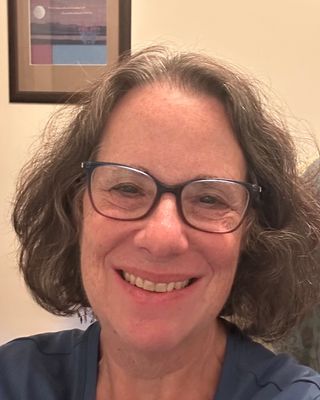
Mindfulness meditation sessions through Zoom. Weekly and no fee, with instruction and shared practice time and discussion of readings. Informal and relaxed atmosphere.
This 8-week group will help you: Reduce stress and worry, Handle painful thoughts and feelings more effectively, Break self-defeating habits, Overcome insecurity and self-doubt, Build better relationships, and find fulfillment in all areas of life!

Hosted by Julie Ann Reed
Counselor, MA, NCC, LPCC-S, CCTP, EMDR
Group meets in Bay Village, OH 44140
This 8-week group will help you: Reduce stress and worry, Handle painful thoughts and feelings more effectively, Break self-defeating habits, Overcome insecurity and self-doubt, Build better relationships, and find fulfillment in all areas of life!
The Anger Management Group Treatment Model is a combined cognitive-behavioral therapy (CBT) approach that employs relaxation, cognitive, and communication skills interventions. Participants draw on these different interventions to develop individualized anger control plans.

Hosted by The Black Mental Health Corporation
Clinical Social Work/Therapist, MSW, LISW-S
Group meets in Cleveland, OH 44120
The Anger Management Group Treatment Model is a combined cognitive-behavioral therapy (CBT) approach that employs relaxation, cognitive, and communication skills interventions. Participants draw on these different interventions to develop individualized anger control plans.
90-minute group, offered virtually on Tuesdays 4:30-6:00 pm EST, hybrid Wednesdays 1-2:30 pm, and hybrid Thursdays 4:30-6:00 pm. Led by an expert skills trainer, and designed to be more like a class than a process group, we review the 4 skills modules: Mindfulness, Distress Tolerance, Emotion Regulation, and Interpersonal Effectiveness. The group consists of a mindfulness practice, homework review, and teaching/learning the new skill(s) for the week. Open to LWDBT clients and to others seeing community therapists!

90-minute group, offered virtually on Tuesdays 4:30-6:00 pm EST, hybrid Wednesdays 1-2:30 pm, and hybrid Thursdays 4:30-6:00 pm. Led by an expert skills trainer, and designed to be more like a class than a process group, we review the 4 skills modules: Mindfulness, Distress Tolerance, Emotion Regulation, and Interpersonal Effectiveness. The group consists of a mindfulness practice, homework review, and teaching/learning the new skill(s) for the week. Open to LWDBT clients and to others seeing community therapists!
Andante Counseling and Wellness Services is an outpatient mental health practice offering trauma-informed, somatic, and experiential therapies. We take a holistic, client-centered approach to healing, addressing the emotional, mental, and physical aspects of your well-being. Whether you're dealing with trauma, chronic stress, or other life challenges, our therapies are designed to help you reconnect with your body, process difficult emotions, and cultivate lasting healing. At Andante, we honor your unique journey and are committed to supporting you every step of the way. © 2025 Andante Counseling & Wellness Services, All Rights Reserved

Hosted by Yesenia N. Carpio
Clinical Social Work/Therapist, MSW, LCSW
Group meets in Cleveland, OH 44113
Andante Counseling and Wellness Services is an outpatient mental health practice offering trauma-informed, somatic, and experiential therapies. We take a holistic, client-centered approach to healing, addressing the emotional, mental, and physical aspects of your well-being. Whether you're dealing with trauma, chronic stress, or other life challenges, our therapies are designed to help you reconnect with your body, process difficult emotions, and cultivate lasting healing. At Andante, we honor your unique journey and are committed to supporting you every step of the way. © 2025 Andante Counseling & Wellness Services, All Rights Reserved
IOP is a group therapy program that occurs after school or during the day on school breaks. Children and teens who are struggling with their mental health or behavioral issues can benefit from the structured, therapeutic environment of our day treatment program. In this program, children can learn how to interact with others, receive feedback, and find new ways to manage their emotions. This outpatient program offers convenience to parents and structured support to children and teens. At Beyond Healthcare, we support your whole family on the path to wellness.

Hosted by Beyond Healthcare- Fairlawn, OH
Licensed Professional Clinical Counselor, LCDCIII
Group meets in Fairlawn, OH 44333
IOP is a group therapy program that occurs after school or during the day on school breaks. Children and teens who are struggling with their mental health or behavioral issues can benefit from the structured, therapeutic environment of our day treatment program. In this program, children can learn how to interact with others, receive feedback, and find new ways to manage their emotions. This outpatient program offers convenience to parents and structured support to children and teens. At Beyond Healthcare, we support your whole family on the path to wellness.
R.E.S.T. (Realizing the Eternal Stomps out the Temporal) is a bereavement/grief/loss support group with a spiritual approach designed to offer hope, healing and encouragement for all of life's sudden changes or unexpected losses (i.e., death, divorce, job/home/finances, career/positions, relationships, identity, etc).
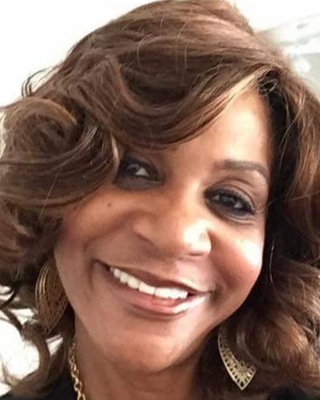
Hosted by Finding Your Destiny, LLC - Celeste A Bozeman
Counselor, MEd, NBCC, LPCC-s
Group meets in Euclid, OH 44123
R.E.S.T. (Realizing the Eternal Stomps out the Temporal) is a bereavement/grief/loss support group with a spiritual approach designed to offer hope, healing and encouragement for all of life's sudden changes or unexpected losses (i.e., death, divorce, job/home/finances, career/positions, relationships, identity, etc).
We are a group of counselors/family therapists who provide counseling to a diverse set of clients with a variety of concerns. Types of counseling utilized include: affirmative, child/adolescent, cognitive, couples, EMDR, exercise, existential, family systems, feminist, narrative, parent/child relationship, play, wellness, and many more. We have offices in Ohio City, Lakewood, Sheffield/Elyria, and Middleburg Heights.

We are a group of counselors/family therapists who provide counseling to a diverse set of clients with a variety of concerns. Types of counseling utilized include: affirmative, child/adolescent, cognitive, couples, EMDR, exercise, existential, family systems, feminist, narrative, parent/child relationship, play, wellness, and many more. We have offices in Ohio City, Lakewood, Sheffield/Elyria, and Middleburg Heights.
Allied Behavioral Health Services, Incorporated is a full-service, outpatient mental health and substance abuse treatment facility. We serve the greater Cleveland, Lorain, and Youngstown communities.
Hosted by Allied Behavioral Health Services, Incorporated
Treatment Center, PhD, MSSA, LISW-S
Group meets in Fairview Park, OH 44126
Allied Behavioral Health Services, Incorporated is a full-service, outpatient mental health and substance abuse treatment facility. We serve the greater Cleveland, Lorain, and Youngstown communities.
This is a therapy group that is held three days per week. Receive compassionate and comprehensive care for your addiction. We work with the court and with Children Services. Please call to schedule an intake.

Hosted by Jennifer R Brumfield
Counselor, MA, LPCC-S, LICDC-S, ICADC, SAP
Group meets in Medina, OH 44256
This is a therapy group that is held three days per week. Receive compassionate and comprehensive care for your addiction. We work with the court and with Children Services. Please call to schedule an intake.
This group uses role-playing and tabletop board games as a therapeutic tool to explore, process, and understand personal trauma in a safe, structured environment. Participants take on characters and scenarios, allowing them to express emotions, practice coping strategies, and navigate challenging situations in a controlled, supportive way.

Hosted by Liz Breyley
Licensed Professional Clinical Counselor, LPCC, CCTP
Group meets in Solon, OH 44139
This group uses role-playing and tabletop board games as a therapeutic tool to explore, process, and understand personal trauma in a safe, structured environment. Participants take on characters and scenarios, allowing them to express emotions, practice coping strategies, and navigate challenging situations in a controlled, supportive way.
There are many resources available to veterans, and this group's uniqueness is its emphasis on positive psychology, goal setting, and moving ahead. I completed internship experiences at a veterans administration facility and feel that affordable coaching and relaxation training should be among the services readily available.

There are many resources available to veterans, and this group's uniqueness is its emphasis on positive psychology, goal setting, and moving ahead. I completed internship experiences at a veterans administration facility and feel that affordable coaching and relaxation training should be among the services readily available.
Cleveland Psychological Testing conducts objective, comprehensive, and evidence-based clinical and forensic psychological evaluations that withstand the strongest scrutiny. Competent. Honest. Fair. We will get it right! Owned and operated by Dr. Anthony Tarescavage, a nationally recognized expert in psychological assessment. The highest quality assessments at an affordable cost. Learn more at www.clevelandtesting.com/about

Cleveland Psychological Testing conducts objective, comprehensive, and evidence-based clinical and forensic psychological evaluations that withstand the strongest scrutiny. Competent. Honest. Fair. We will get it right! Owned and operated by Dr. Anthony Tarescavage, a nationally recognized expert in psychological assessment. The highest quality assessments at an affordable cost. Learn more at www.clevelandtesting.com/about
Saturday sessions: What's In You™ is a Christian-based educational support group for women. Topics include Inner Healing; Stress; Depression; Rejection; Anxiety; and varied emotional and Spiritual issues women may experience. Saturdays, 10:30 am to 11:30 am. $50 per person. PRE-REGISTRATION IS REQUIRED 216-202-0972 or Lgraddic@gmail.com. Register via PayPal: MercyCenter or CashApp $MercyCenter or Venmo @LinetteGraddic

Hosted by Linette Graddic
Licensed Professional Counselor, MEd, LPC
Group meets in Cleveland, OH 44120
Saturday sessions: What's In You™ is a Christian-based educational support group for women. Topics include Inner Healing; Stress; Depression; Rejection; Anxiety; and varied emotional and Spiritual issues women may experience. Saturdays, 10:30 am to 11:30 am. $50 per person. PRE-REGISTRATION IS REQUIRED 216-202-0972 or Lgraddic@gmail.com. Register via PayPal: MercyCenter or CashApp $MercyCenter or Venmo @LinetteGraddic
This educational, skills-based group is not a replacement for individual therapy. Participants are encouraged to continue working with their own therapist, if applicable. Whether you're new to OCD treatment, already in therapy, or curious about Inference-Based CBT (I-CBT), you'll gain practical skills and a deeper understanding of OCD in a supportive environment. This is a closed, six-week group, with enrollment ending after the first session. If interest exceeds available spots, a waitlist will be created and future groups are planned.

Hosted by Jinger Kinner
Licensed Professional Clinical Counselor, MFT, LPCC
Group meets in Twinsburg, OH 44087
This educational, skills-based group is not a replacement for individual therapy. Participants are encouraged to continue working with their own therapist, if applicable. Whether you're new to OCD treatment, already in therapy, or curious about Inference-Based CBT (I-CBT), you'll gain practical skills and a deeper understanding of OCD in a supportive environment. This is a closed, six-week group, with enrollment ending after the first session. If interest exceeds available spots, a waitlist will be created and future groups are planned.
Our group is a safe, compassionate space created for parents navigating the heartbreak of pregnancy loss, miscarriage, stillbirth, infant loss, or fertility-related grief. We understand that grief after losing a baby is deeply personal and can often feel isolating, overwhelming, and misunderstood. This group offers emotional support, connection, and healing among others who experienced the pain of loss. Whether your loss was recent or years ago, you do not have to grieve alone. Our goal is to provide a gentle and supportive community where healing can begin at your own pace.

Our group is a safe, compassionate space created for parents navigating the heartbreak of pregnancy loss, miscarriage, stillbirth, infant loss, or fertility-related grief. We understand that grief after losing a baby is deeply personal and can often feel isolating, overwhelming, and misunderstood. This group offers emotional support, connection, and healing among others who experienced the pain of loss. Whether your loss was recent or years ago, you do not have to grieve alone. Our goal is to provide a gentle and supportive community where healing can begin at your own pace.
This group is designed to help manage emotions, overcome challenges, and reduce stress by learning coping skills, relaxation and mindfulness techniques. The group is appropriate for people experiencing depression, anxiety, low self-esteem, relationship issues, trauma, and constant negative thoughts. The group can be joined at any time and provides, members with a safe environment to learn and practice new skills and behaviors.

This group is designed to help manage emotions, overcome challenges, and reduce stress by learning coping skills, relaxation and mindfulness techniques. The group is appropriate for people experiencing depression, anxiety, low self-esteem, relationship issues, trauma, and constant negative thoughts. The group can be joined at any time and provides, members with a safe environment to learn and practice new skills and behaviors.
See more therapy options for Northfield


FAQs - About Group Therapy and Support Groups
How can I find a support group in Northfield?
To find a support group in your area, start by entering your city, zip code, or the name of the group into the search bar at the top of the page. When searching, consider whether you prefer an in-person or virtual group. This can help you decide how broad your geographic search should be. If you are open to virtual groups, you might want to search by state instead of just your city, especially if there are limited options nearby.
Once you complete your search, you can use the filters to narrow the results by selecting specialties (such as grief, trauma, or eating disorders), therapeutic approaches, age groups, and other criteria to find a group that best fits your needs.
How does group therapy work?
Group therapy is led by one or more trained therapists and provides a space where participants can process their experiences and learn from others facing similar challenges. Groups may focus on a specific issue—such as addiction, grief, physical illnesses, parenting, or caregiving—or they may center around a particular therapeutic approach, such as Cognitive Behavioral Therapy (CBT), social skill development, or Exposure Therapy. Some groups are also designed for specific populations, such as teens, veterans, or LGBTQ+ individuals.
It’s also important to distinguish group therapy from peer-led support groups, like Alcoholics Anonymous. While both can offer valuable support, therapy groups are typically led by licensed professionals and follow a more structured format. Therapy groups often meet for a fixed length of time with a consistent group of members, while many peer support groups meet for an indefinite period of time with members coming and going.
What are the benefits of group therapy?
Group therapy offers several important benefits. It brings together people facing similar challenges—whether related to mental health, physical health, or life transitions—and creates a supportive environment where participants can exchange feedback, share experiences, and learn from one another. Hearing different perspectives can help individuals discover new coping strategies and practical tools they may not have encountered on their own. Sharing personal experiences, such as coping with a serious illness or navigating family struggles, can also reduce feelings of isolation and foster a sense of connection and understanding. In addition to emotional support, group members often gain useful, real-world advice from peers who have faced similar situations.
Group therapy is typically more affordable than individual therapy and, for certain conditions, can be equally effective. Many groups also include structured activities—such as guided journaling, cognitive-behavioral exercises, or role-playing—to help participants develop concrete skills they can apply in daily life.
Is group therapy as effective as individual therapy?
It is difficult to make a blanket statement about the effectiveness of support groups, as they vary widely in focus and the conditions they address. However, support groups can be highly valuable in helping individuals gain emotional support and achieve meaningful treatment outcomes. For certain conditions, such as substance use, research has shown that group therapy can be particularly effective—sometimes just as effective as individual therapy—in supporting long-term recovery.
Many professionals attribute the effectiveness of group therapy to the unique benefits of the group setting, which fosters peer-to-peer learning and a sense of connection through shared experiences. Group settings also offer accountability and encouragement from both facilitators and fellow participants, which helps sustain motivation and supports continued progress. These factors together play a key role in promoting the overall effectiveness of group therapy.
How much does group therapy cost?
Group therapy is typically less expensive than individual therapy, with sessions typically costing between $50 and $75 each. In comparison, individual therapy can cost anywhere from $100 to $200 or more per session, even with insurance. Some therapists or organizations offer low-cost or free group therapy options, particularly through community centers or nonprofit organizations. In some cases, groups may require payment upfront for a set number of sessions, such as paying for six weekly sessions at the first meeting. However, many providers offer payment plans to help make participation more accessible if this upfront payment is required.
Does insurance cover group therapy?
As with individual therapy, insurance coverage for group therapy varies based on factors such as your specific insurance plan, the purpose of the group, your diagnosis, and whether the group provider is in-network. Many insurance plans cover group therapy sessions that address diagnosable mental health conditions, such as substance use disorders, anxiety, or depression.
However, groups that focus on topics not directly tied to a mental health diagnosis—such as parenting support or divorce recovery—are less likely to be covered. Because coverage can vary widely, it’s important to check with your insurance provider before joining a group to confirm whether the sessions will be covered and what out-of-pocket costs you may be responsible for.
How long does group therapy last?
The length of each group therapy session typically ranges from 45 minutes to two hours, depending on the therapy approach, the group’s goals, and how often the group meets. In some cases, group therapy is part of a larger treatment program, such as an Intensive Outpatient Program (IOP), where group sessions complement individual therapy and are scheduled as part of the program’s overall structure.
The duration of participation in a group also varies. Some groups are designed to be short-term, lasting anywhere from 6 to 24 weeks—for example, bereavement groups or skills-based groups like those using Dialectical Behavioral Therapy (DBT). Other groups may be longer-term, lasting a year or more, and some ongoing support groups meet indefinitely, allowing participants to stay as long as they find the group helpful.
What are the limitations of support groups?
Support groups offer many benefits, but they also have certain limitations. Unlike therapy groups, many support groups do not provide formal therapeutic treatment and are not led by licensed mental health professionals. For individuals seeking clinical treatment for specific mental health diagnoses—such as depression, eating disorders, or substance use—individual therapy or group therapy led by a licensed professional may offer more personalized and specialized care.
The effectiveness of a support group also depends heavily on the group’s participants and the overall group dynamic. When members engage respectfully and offer constructive support, the group can foster valuable peer-to-peer learning. However, if certain participants dominate discussions, provide inaccurate advice, or create conflict, it can disrupt the group’s sense of safety and reduce its effectiveness. Confidentiality can also be harder to maintain in support groups, particularly in open groups where participants can join or leave at any time. With new members regularly entering the group, it can be more difficult to build and sustain a consistent sense of trust and privacy.