Support Groups in Mentor, OH
At my practice, we are offering small art therapy open studio groups to gain coping skills. These will include mindfulness, distress tolerance, identifying and processing of feelings. Groups will consist of no more than 6/per session and will include all supplies.
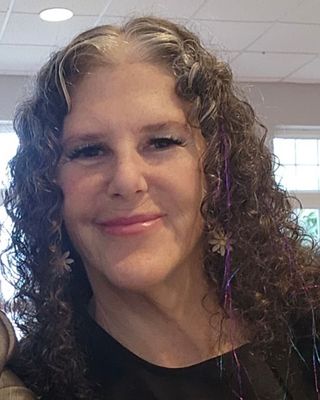
Hosted by Janeane Grisez
Licensed Professional Clinical Counselor, LPCC-S, LPAT, ATR-BC
Group meets in Mentor, OH 44060
At my practice, we are offering small art therapy open studio groups to gain coping skills. These will include mindfulness, distress tolerance, identifying and processing of feelings. Groups will consist of no more than 6/per session and will include all supplies.
This group is designed to help manage emotions, overcome challenges, and reduce stress by learning coping skills, relaxation and mindfulness techniques. The group is appropriate for people experiencing depression, anxiety, low self-esteem, relationship issues, trauma, and constant negative thoughts. The group can be joined at any time and provides, members with a safe environment to learn and practice new skills and behaviors.

This group is designed to help manage emotions, overcome challenges, and reduce stress by learning coping skills, relaxation and mindfulness techniques. The group is appropriate for people experiencing depression, anxiety, low self-esteem, relationship issues, trauma, and constant negative thoughts. The group can be joined at any time and provides, members with a safe environment to learn and practice new skills and behaviors.
We are a multi-faceted therapy group using 12-step, DBT, CBT, Imago therapy just to name a few. We are able to provide assessments and evaluations for substance abuse and mental health issues as well as treat the issues we diagnose. We provide individual, family, couples, group and Intensive Outpatient Program therapy as well as numerous psychological tests for most child, adolescent, and adult disorders. You can see our credentials and testimonials at www.behavioralwellnessgroup.com

We are a multi-faceted therapy group using 12-step, DBT, CBT, Imago therapy just to name a few. We are able to provide assessments and evaluations for substance abuse and mental health issues as well as treat the issues we diagnose. We provide individual, family, couples, group and Intensive Outpatient Program therapy as well as numerous psychological tests for most child, adolescent, and adult disorders. You can see our credentials and testimonials at www.behavioralwellnessgroup.com
We are a multi-faceted therapy group using 12-step, DBT, CBT, Imago therapy just to name a few. We are able to provide assessments and evaluations for substance abuse and mental health issues as well as treat the issues we diagnose. We provide individual, family, couples, group and Intensive Outpatient Program therapy as well as numerous psychological tests for most child, adolescent, and adult disorders. You can see our credentials and testimonials at www.behavioralwellnessgroup.com
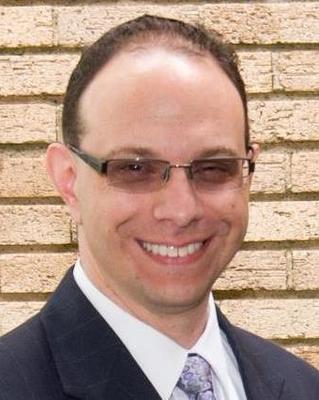
We are a multi-faceted therapy group using 12-step, DBT, CBT, Imago therapy just to name a few. We are able to provide assessments and evaluations for substance abuse and mental health issues as well as treat the issues we diagnose. We provide individual, family, couples, group and Intensive Outpatient Program therapy as well as numerous psychological tests for most child, adolescent, and adult disorders. You can see our credentials and testimonials at www.behavioralwellnessgroup.com
Primary Objective: To empower collegiate athletes by enhancing their mental resilience, performance, and overall well-being through psychoeducation and support. Goals: Equip athletes with psychological tools for a competitive advantage. Foster a supportive environment for discussing personal and athletic challenges. Enhance mental health, well-being, and performance in collegiate athletics.

Primary Objective: To empower collegiate athletes by enhancing their mental resilience, performance, and overall well-being through psychoeducation and support. Goals: Equip athletes with psychological tools for a competitive advantage. Foster a supportive environment for discussing personal and athletic challenges. Enhance mental health, well-being, and performance in collegiate athletics.
Our IOPs are contracted with major insurance carriers and accredited by the Commission on Accreditation of Rehabilitation Facilities (CARF). 5 IOPs and corresponding Aftercare Programs: * Adult Morning AND Evening Mental Health IOP for extreme emotions, symptoms that are disruptive to their lives and/or self-harming/self-defeating behaviors. * Dual Diagnosis IOP for those with both emotional and substance use issues. *Health and Wellness IOP for individuals with emotional and medical or pain issues and those on leave from work or school. * Adolescent IOP for those between the ages of 12-17. Please visit : https://www.behavioralwellnessgroup.com
Our IOPs are contracted with major insurance carriers and accredited by the Commission on Accreditation of Rehabilitation Facilities (CARF). 5 IOPs and corresponding Aftercare Programs: * Adult Morning AND Evening Mental Health IOP for extreme emotions, symptoms that are disruptive to their lives and/or self-harming/self-defeating behaviors. * Dual Diagnosis IOP for those with both emotional and substance use issues. *Health and Wellness IOP for individuals with emotional and medical or pain issues and those on leave from work or school. * Adolescent IOP for those between the ages of 12-17. Please visit : https://www.behavioralwellnessgroup.com
This Health and Wellness Intensive Outpatient Program (IOP) is meant to help adults 18 and over improve the quality of their lives by focusing on health and wellness. It would be appropriate for those with a significantly altered lifestyle as a result of an acute or chronic medical condition, medical disability or work-related injury as well as those with depression, anxiety or chronic pain. This is an open ended group and can be started at any time. Copays and deductibles are due at each session. If there is no insurance, payment arrangements must be made in advance.
This Health and Wellness Intensive Outpatient Program (IOP) is meant to help adults 18 and over improve the quality of their lives by focusing on health and wellness. It would be appropriate for those with a significantly altered lifestyle as a result of an acute or chronic medical condition, medical disability or work-related injury as well as those with depression, anxiety or chronic pain. This is an open ended group and can be started at any time. Copays and deductibles are due at each session. If there is no insurance, payment arrangements must be made in advance.
If you are looking to achieve supervision hours in obtaining independent status of your Ohio counseling license and/or your “S” designation, art therapy and/or chemical dependency licensure, I am happy to help you reach your goal. Supervision groups which are structured to meet the needs of current members through case presentations, art therapy intervention and approaches, skills demonstration, didactic method, as well as current trends in professional ethics, licensure, and research will be explored
Hosted by Janeane Grisez
Licensed Professional Clinical Counselor, LPCC-S, LPAT, ATR-BC
Group meets in Mentor, OH 44060
If you are looking to achieve supervision hours in obtaining independent status of your Ohio counseling license and/or your “S” designation, art therapy and/or chemical dependency licensure, I am happy to help you reach your goal. Supervision groups which are structured to meet the needs of current members through case presentations, art therapy intervention and approaches, skills demonstration, didactic method, as well as current trends in professional ethics, licensure, and research will be explored
This Dual Diagnosis Program is meant to help adults 18 and over, specifically with both chemical dependency and mental health conjoint diagnoses. The goals are to teach clients how to maintain sobriety, along with learning and practicing important life skills to offset strong emotional responses that occur as a result of being sober, in a setting that is supportive and stable. Please call Michael Pollak at the number above for an initial assessment. Note: Monday and Wednesday's groups are from 6 pm to 9 PM and Saturday's group is from 10 AM to 1 PM.
This Dual Diagnosis Program is meant to help adults 18 and over, specifically with both chemical dependency and mental health conjoint diagnoses. The goals are to teach clients how to maintain sobriety, along with learning and practicing important life skills to offset strong emotional responses that occur as a result of being sober, in a setting that is supportive and stable. Please call Michael Pollak at the number above for an initial assessment. Note: Monday and Wednesday's groups are from 6 pm to 9 PM and Saturday's group is from 10 AM to 1 PM.
This group is for any woman who is struggling with postpartum depression or is struggling to cope after giving birth. Women who have newborns or children up to age 1 will benefit from this group. The group will discuss helpful ways to provide yourself with self-care, cope with postpartum depression, and relate to new mothers like yourself. Therapist has first hand experience dealing with postpartum depression. Cost is $20 per session or $100 for the full 6 weeks.

This group is for any woman who is struggling with postpartum depression or is struggling to cope after giving birth. Women who have newborns or children up to age 1 will benefit from this group. The group will discuss helpful ways to provide yourself with self-care, cope with postpartum depression, and relate to new mothers like yourself. Therapist has first hand experience dealing with postpartum depression. Cost is $20 per session or $100 for the full 6 weeks.
Our IOPs are contracted with major insurance carriers and accredited by the Commission on Accreditation of Rehabilitation Facilities (CARF). 5 IOPs and corresponding Aftercare Programs: * Adult Morning AND Evening Mental Health IOP for extreme emotions, symptoms that are disruptive to their lives and/or self-harming/self-defeating behaviors. * Dual Diagnosis IOP for those with both emotional and substance use issues. *Health and Wellness IOP for individuals with emotional and medical or pain issues and those on leave from work or school. * Adolescent IOP for those between the ages of 12-17. Please visit : https://www.behavioralwellnessgroup.com
Our IOPs are contracted with major insurance carriers and accredited by the Commission on Accreditation of Rehabilitation Facilities (CARF). 5 IOPs and corresponding Aftercare Programs: * Adult Morning AND Evening Mental Health IOP for extreme emotions, symptoms that are disruptive to their lives and/or self-harming/self-defeating behaviors. * Dual Diagnosis IOP for those with both emotional and substance use issues. *Health and Wellness IOP for individuals with emotional and medical or pain issues and those on leave from work or school. * Adolescent IOP for those between the ages of 12-17. Please visit : https://www.behavioralwellnessgroup.com
Serenity Counseling Solutions will be holding a FREE support group for family and friends of those who passed from an overdose. The group will be held the first Saturday of the month from 10am-11am. Please feel free to come and bring anyone you feel would benefit. We do ask that you pre-register so we can get an estimated head count. Register by leaving your name, phone number, and your relationship to those who have passed from this terrible epidemic. You can e-mail serenitycounselingsolutions@gmail.com or call 440-479-5145 to register.
Serenity Counseling Solutions will be holding a FREE support group for family and friends of those who passed from an overdose. The group will be held the first Saturday of the month from 10am-11am. Please feel free to come and bring anyone you feel would benefit. We do ask that you pre-register so we can get an estimated head count. Register by leaving your name, phone number, and your relationship to those who have passed from this terrible epidemic. You can e-mail serenitycounselingsolutions@gmail.com or call 440-479-5145 to register.
More Groups Nearby
Marigold Therapy & Mediation is a virtual, private therapy practice. Here at Marigold, we are on a dedicated mission to shine a light on and provide compassionate support for individuals with diverse needs, remaining to be a place where anyone may find solace, understanding, and personalized care throughout all stages of life. Our commitment is to empower individuals to break the silence, find healing, and reclaim their inner strength. We understand that these issues often carry a heavy emotional burden, and our practice is a sanctuary where all voices are heard, and their distinct experiences are valued.
Marigold Therapy & Mediation is a virtual, private therapy practice. Here at Marigold, we are on a dedicated mission to shine a light on and provide compassionate support for individuals with diverse needs, remaining to be a place where anyone may find solace, understanding, and personalized care throughout all stages of life. Our commitment is to empower individuals to break the silence, find healing, and reclaim their inner strength. We understand that these issues often carry a heavy emotional burden, and our practice is a sanctuary where all voices are heard, and their distinct experiences are valued.
FREE Veterans equine assisted connection group at In Step with Horses
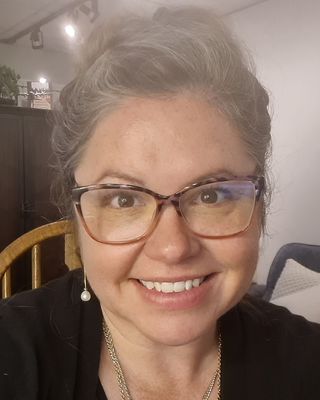
Hosted by Jessica Schneider
Licensed Social Worker, MSW, LSW, ASDCS
Group meets in Chesterland, OH 44026
FREE Veterans equine assisted connection group at In Step with Horses
The experience of birth trauma is often dismissed or unacknowledged, leaving those who have experienced it feeling alone and isolated. It doesn’t have to be this way. Social support through creative connection with others can be critical. This closed group will utilize art therapy processes and psycho-education within a supportive community space towards the goal of post-traumatic growth and healing. Although common to experience more than one type of reproductive trauma (fertility struggles, perinatal loss, birth trauma, etc.), this group is specifically geared towards exploration, processing, and healing from birth trauma. No art experience required.
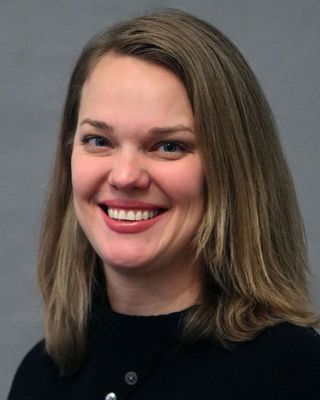
Hosted by Creative Arts Connection, LLC
Counselor, PhD, LPCC, LPAT, ATR-BC, ATCS
Group meets in Lakewood, OH 44107
The experience of birth trauma is often dismissed or unacknowledged, leaving those who have experienced it feeling alone and isolated. It doesn’t have to be this way. Social support through creative connection with others can be critical. This closed group will utilize art therapy processes and psycho-education within a supportive community space towards the goal of post-traumatic growth and healing. Although common to experience more than one type of reproductive trauma (fertility struggles, perinatal loss, birth trauma, etc.), this group is specifically geared towards exploration, processing, and healing from birth trauma. No art experience required.
Using the SAMHSA Anger Management workbook, I facilitate a 6 week anger management virtual group where clients will learn about anger events and cues, anger control plans, the aggression cycle, cognitive restructuring, assertiveness training, the conflict resolution model, and what anger looks like in their family. Both court ordered clients and non court ordered clients may attend.

Using the SAMHSA Anger Management workbook, I facilitate a 6 week anger management virtual group where clients will learn about anger events and cues, anger control plans, the aggression cycle, cognitive restructuring, assertiveness training, the conflict resolution model, and what anger looks like in their family. Both court ordered clients and non court ordered clients may attend.
River Couples Counseling (www.rivercouples.com) provides counseling for partners seeking support with communication, conflict, and relationship decisions. Couples often come to therapy feeling stuck in patterns they do not fully understand or struggling to have important conversations without tension or distance. This practice offers a steady, structured space to explore what is happening between partners, identify underlying dynamics, and clarify shared or individual goals. Counseling focuses on improving understanding, strengthening communication, and supporting thoughtful decision making, whether couples are working to deepen their connection, navigate a crossroads, or determine what comes next for their relationship.
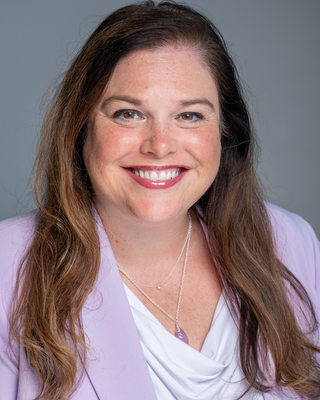
Hosted by Shannon J. Greybar Milliken
Licensed Professional Counselor, EdD, MA
Group meets in Highland Heights, OH 44143
River Couples Counseling (www.rivercouples.com) provides counseling for partners seeking support with communication, conflict, and relationship decisions. Couples often come to therapy feeling stuck in patterns they do not fully understand or struggling to have important conversations without tension or distance. This practice offers a steady, structured space to explore what is happening between partners, identify underlying dynamics, and clarify shared or individual goals. Counseling focuses on improving understanding, strengthening communication, and supporting thoughtful decision making, whether couples are working to deepen their connection, navigate a crossroads, or determine what comes next for their relationship.
If you’re looking for a place to safely learn more about yourself, others, and the way you interact in relationships, this group is for you! Our IP group offers an opportunity to experiment with communication styles, share authentically, and expand your capacity for deep and meaningful interpersonal connections. You will be invited to practice giving and receiving interpersonal feedback and to learn new ways of engaging in relationships. Run by Dr. Colleen Monn at Trysa Shulman and Associates

If you’re looking for a place to safely learn more about yourself, others, and the way you interact in relationships, this group is for you! Our IP group offers an opportunity to experiment with communication styles, share authentically, and expand your capacity for deep and meaningful interpersonal connections. You will be invited to practice giving and receiving interpersonal feedback and to learn new ways of engaging in relationships. Run by Dr. Colleen Monn at Trysa Shulman and Associates
"The Middle Path" is a DBT-informed coping skills group designed to you with building better relationships, handling tough emotions, change unhealthy behaviors, develop effective coping skills, and understand how to create change in your life. This group begins September 4, 2024, and will end December 18, 2024. Group sessions are all online. To sign up for this group, you can email dbt@liferebirthed.com or call 216-200-5433

Hosted by Jessica M Wolfal
Licensed Professional Clinical Counselor, LPCC
Group meets in Beachwood, OH 44122
"The Middle Path" is a DBT-informed coping skills group designed to you with building better relationships, handling tough emotions, change unhealthy behaviors, develop effective coping skills, and understand how to create change in your life. This group begins September 4, 2024, and will end December 18, 2024. Group sessions are all online. To sign up for this group, you can email dbt@liferebirthed.com or call 216-200-5433
See more therapy options for Mentor


FAQs - About Group Therapy and Support Groups
How can I find a support group in Mentor?
To find a support group in your area, start by entering your city, zip code, or the name of the group into the search bar at the top of the page. When searching, consider whether you prefer an in-person or virtual group. This can help you decide how broad your geographic search should be. If you are open to virtual groups, you might want to search by state instead of just your city, especially if there are limited options nearby.
Once you complete your search, you can use the filters to narrow the results by selecting specialties (such as grief, trauma, or eating disorders), therapeutic approaches, age groups, and other criteria to find a group that best fits your needs.
Once you complete your search, you can use the filters to narrow the results by selecting specialties (such as grief, trauma, or eating disorders), therapeutic approaches, age groups, and other criteria to find a group that best fits your needs.
How does group therapy work?
Group therapy is led by one or more trained therapists and provides a space where participants can process their experiences and learn from others facing similar challenges. Groups may focus on a specific issue—such as addiction, grief, physical illnesses, parenting, or caregiving—or they may center around a particular therapeutic approach, such as Cognitive Behavioral Therapy (CBT), social skill development, or Exposure Therapy. Some groups are also designed for specific populations, such as teens, veterans, or LGBTQ+ individuals.
It’s also important to distinguish group therapy from peer-led support groups, like Alcoholics Anonymous. While both can offer valuable support, therapy groups are typically led by licensed professionals and follow a more structured format. Therapy groups often meet for a fixed length of time with a consistent group of members, while many peer support groups meet for an indefinite period of time with members coming and going.
It’s also important to distinguish group therapy from peer-led support groups, like Alcoholics Anonymous. While both can offer valuable support, therapy groups are typically led by licensed professionals and follow a more structured format. Therapy groups often meet for a fixed length of time with a consistent group of members, while many peer support groups meet for an indefinite period of time with members coming and going.
What are the benefits of group therapy?
Group therapy offers several important benefits. It brings together people facing similar challenges—whether related to mental health, physical health, or life transitions—and creates a supportive environment where participants can exchange feedback, share experiences, and learn from one another. Hearing different perspectives can help individuals discover new coping strategies and practical tools they may not have encountered on their own. Sharing personal experiences, such as coping with a serious illness or navigating family struggles, can also reduce feelings of isolation and foster a sense of connection and understanding. In addition to emotional support, group members often gain useful, real-world advice from peers who have faced similar situations.
Group therapy is typically more affordable than individual therapy and, for certain conditions, can be equally effective. Many groups also include structured activities—such as guided journaling, cognitive-behavioral exercises, or role-playing—to help participants develop concrete skills they can apply in daily life.
Group therapy is typically more affordable than individual therapy and, for certain conditions, can be equally effective. Many groups also include structured activities—such as guided journaling, cognitive-behavioral exercises, or role-playing—to help participants develop concrete skills they can apply in daily life.
Is group therapy as effective as individual therapy?
It is difficult to make a blanket statement about the effectiveness of support groups, as they vary widely in focus and the conditions they address. However, support groups can be highly valuable in helping individuals gain emotional support and achieve meaningful treatment outcomes. For certain conditions, such as substance use, research has shown that group therapy can be particularly effective—sometimes just as effective as individual therapy—in supporting long-term recovery.
Many professionals attribute the effectiveness of group therapy to the unique benefits of the group setting, which fosters peer-to-peer learning and a sense of connection through shared experiences. Group settings also offer accountability and encouragement from both facilitators and fellow participants, which helps sustain motivation and supports continued progress. These factors together play a key role in promoting the overall effectiveness of group therapy.
Many professionals attribute the effectiveness of group therapy to the unique benefits of the group setting, which fosters peer-to-peer learning and a sense of connection through shared experiences. Group settings also offer accountability and encouragement from both facilitators and fellow participants, which helps sustain motivation and supports continued progress. These factors together play a key role in promoting the overall effectiveness of group therapy.
How much does group therapy cost?
Group therapy is typically less expensive than individual therapy, with sessions typically costing between $50 and $75 each. In comparison, individual therapy can cost anywhere from $100 to $200 or more per session, even with insurance. Some therapists or organizations offer low-cost or free group therapy options, particularly through community centers or nonprofit organizations. In some cases, groups may require payment upfront for a set number of sessions, such as paying for six weekly sessions at the first meeting. However, many providers offer payment plans to help make participation more accessible if this upfront payment is required.
Does insurance cover group therapy?
As with individual therapy, insurance coverage for group therapy varies based on factors such as your specific insurance plan, the purpose of the group, your diagnosis, and whether the group provider is in-network. Many insurance plans cover group therapy sessions that address diagnosable mental health conditions, such as substance use disorders, anxiety, or depression.
However, groups that focus on topics not directly tied to a mental health diagnosis—such as parenting support or divorce recovery—are less likely to be covered. Because coverage can vary widely, it’s important to check with your insurance provider before joining a group to confirm whether the sessions will be covered and what out-of-pocket costs you may be responsible for.
However, groups that focus on topics not directly tied to a mental health diagnosis—such as parenting support or divorce recovery—are less likely to be covered. Because coverage can vary widely, it’s important to check with your insurance provider before joining a group to confirm whether the sessions will be covered and what out-of-pocket costs you may be responsible for.
How long does group therapy last?
The length of each group therapy session typically ranges from 45 minutes to two hours, depending on the therapy approach, the group’s goals, and how often the group meets. In some cases, group therapy is part of a larger treatment program, such as an Intensive Outpatient Program (IOP), where group sessions complement individual therapy and are scheduled as part of the program’s overall structure.
The duration of participation in a group also varies. Some groups are designed to be short-term, lasting anywhere from 6 to 24 weeks—for example, bereavement groups or skills-based groups like those using Dialectical Behavioral Therapy (DBT). Other groups may be longer-term, lasting a year or more, and some ongoing support groups meet indefinitely, allowing participants to stay as long as they find the group helpful.
The duration of participation in a group also varies. Some groups are designed to be short-term, lasting anywhere from 6 to 24 weeks—for example, bereavement groups or skills-based groups like those using Dialectical Behavioral Therapy (DBT). Other groups may be longer-term, lasting a year or more, and some ongoing support groups meet indefinitely, allowing participants to stay as long as they find the group helpful.
What are the limitations of support groups?
Support groups offer many benefits, but they also have certain limitations. Unlike therapy groups, many support groups do not provide formal therapeutic treatment and are not led by licensed mental health professionals. For individuals seeking clinical treatment for specific mental health diagnoses—such as depression, eating disorders, or substance use—individual therapy or group therapy led by a licensed professional may offer more personalized and specialized care.
The effectiveness of a support group also depends heavily on the group’s participants and the overall group dynamic. When members engage respectfully and offer constructive support, the group can foster valuable peer-to-peer learning. However, if certain participants dominate discussions, provide inaccurate advice, or create conflict, it can disrupt the group’s sense of safety and reduce its effectiveness. Confidentiality can also be harder to maintain in support groups, particularly in open groups where participants can join or leave at any time. With new members regularly entering the group, it can be more difficult to build and sustain a consistent sense of trust and privacy.
The effectiveness of a support group also depends heavily on the group’s participants and the overall group dynamic. When members engage respectfully and offer constructive support, the group can foster valuable peer-to-peer learning. However, if certain participants dominate discussions, provide inaccurate advice, or create conflict, it can disrupt the group’s sense of safety and reduce its effectiveness. Confidentiality can also be harder to maintain in support groups, particularly in open groups where participants can join or leave at any time. With new members regularly entering the group, it can be more difficult to build and sustain a consistent sense of trust and privacy.