Support Groups in Hilliard, OH
The intent of this group is to create a space where parents can connect to feel heard and understood as we process the unique challenges, choices, burdens and joys of raising a child with a disability. We will share and discuss resources and coping tools, navigate barriers to asking and receiving help, develop an understanding of healthy boundary setting, encourage self-efficacy and challenge self-doubt.

The intent of this group is to create a space where parents can connect to feel heard and understood as we process the unique challenges, choices, burdens and joys of raising a child with a disability. We will share and discuss resources and coping tools, navigate barriers to asking and receiving help, develop an understanding of healthy boundary setting, encourage self-efficacy and challenge self-doubt.
This super bootcamp will combine the best of total wellness available today!! The group will meet 1x a week for 2hrs and it will run for 12 weeks. The first hour will be designated to developing coping skills for dealing with anxiety, depression, and stress. The second hour will consist of personal fitness training provided by a certified personal trainer. All participants will also get a free gym membership for the 12wk period to use at anytime. Take charge of your life by learning some new skills and feel better!!
This super bootcamp will combine the best of total wellness available today!! The group will meet 1x a week for 2hrs and it will run for 12 weeks. The first hour will be designated to developing coping skills for dealing with anxiety, depression, and stress. The second hour will consist of personal fitness training provided by a certified personal trainer. All participants will also get a free gym membership for the 12wk period to use at anytime. Take charge of your life by learning some new skills and feel better!!
Psychiatric Services and TMS Center (OPS) has established itself as a well-respected and loved psychiatric clinic serving Lancaster and Hilliard communities in Ohio. We assist each patient with a customized treatment plan, proven to be effective at reduction in symptoms and improvement in overall quality of life. Our experienced providers treat a wide range of mental health conditions, including ADHD, anxiety, bipolar disorder, major depression, insomnia, OCD, panic disorder, PTSD, schizophrenia, dementia, and more. We provide specialized treatments, Transcranial Magnetic Stimulation Therapy (TMS) and SPRAVATO™(Esketamine), two of the medical industry’s newest FDA-approved treatment options for major depression, suicidal ideations and anxiety.

Hosted by Ohio Psychiatric Services and TMS Center
Psychiatrist, MD
Group meets in Hilliard, OH 43026
Psychiatric Services and TMS Center (OPS) has established itself as a well-respected and loved psychiatric clinic serving Lancaster and Hilliard communities in Ohio. We assist each patient with a customized treatment plan, proven to be effective at reduction in symptoms and improvement in overall quality of life. Our experienced providers treat a wide range of mental health conditions, including ADHD, anxiety, bipolar disorder, major depression, insomnia, OCD, panic disorder, PTSD, schizophrenia, dementia, and more. We provide specialized treatments, Transcranial Magnetic Stimulation Therapy (TMS) and SPRAVATO™(Esketamine), two of the medical industry’s newest FDA-approved treatment options for major depression, suicidal ideations and anxiety.
More Groups Nearby
Social Confidence & Connection for Neurodivergent Adults is an in-person group in Columbus, Ohio designed for independent autistic and other neurodivergent adults looking to build friendships, strengthen communication skills, navigate relationships, and gain confidence in social situations in a supportive, affirming environment.

Social Confidence & Connection for Neurodivergent Adults is an in-person group in Columbus, Ohio designed for independent autistic and other neurodivergent adults looking to build friendships, strengthen communication skills, navigate relationships, and gain confidence in social situations in a supportive, affirming environment.
BBS was born from the lived experience and vision of its founder, who personally struggled to get clear answers about what was truly going on beneath the surface. Even after treating anxiety, concerns continued to emerge, leading to the realization that something deeper had been overlooked. Like so many others, she encountered firsthand how difficult it can be to find providers who are truly knowledgeable, curious, and intentional about identifying and supporting autism and ADHD, especially in individuals who have been misdiagnosed or missed altogether.

Hosted by Rebecca Smith
Licensed Professional Clinical Counselor, LPCC, LICDC, BCBC
Group meets in Columbus, OH 43235
BBS was born from the lived experience and vision of its founder, who personally struggled to get clear answers about what was truly going on beneath the surface. Even after treating anxiety, concerns continued to emerge, leading to the realization that something deeper had been overlooked. Like so many others, she encountered firsthand how difficult it can be to find providers who are truly knowledgeable, curious, and intentional about identifying and supporting autism and ADHD, especially in individuals who have been misdiagnosed or missed altogether.
Our SMART Recovery Group at Cook Counseling and Consulting Inc. is a structured, evidence-based program designed to support individuals working toward recovery from substance use and other addictive behaviors. Using the SMART Recovery model, this group focuses on building motivation, managing urges, coping with triggers, and developing healthier thinking patterns. Sessions are interactive and skill-based, incorporating tools from cognitive behavioral therapy (CBT) to help participants create lasting change. This is a supportive, nonjudgmental environment where individuals can share experiences, gain practical strategies, and build confidence in their ability to maintain recovery and move forward.
Hosted by Sami Pastian
Licensed Professional Clinical Counselor, LPCC, ATR-P
Group meets in Gahanna, OH 43230
Our SMART Recovery Group at Cook Counseling and Consulting Inc. is a structured, evidence-based program designed to support individuals working toward recovery from substance use and other addictive behaviors. Using the SMART Recovery model, this group focuses on building motivation, managing urges, coping with triggers, and developing healthier thinking patterns. Sessions are interactive and skill-based, incorporating tools from cognitive behavioral therapy (CBT) to help participants create lasting change. This is a supportive, nonjudgmental environment where individuals can share experiences, gain practical strategies, and build confidence in their ability to maintain recovery and move forward.
Struggling to manage emotions or react calmly under stress? The 8-Week DBT 1-on-1 Counseling Series, provides short-term, individualized support to help teens (13–18) and adults build long-term emotional balance. Through weekly sessions, participants learn Dialectical Behavior Therapy (DBT) skills that enhance mindfulness, increase distress tolerance, and strengthen healthy coping strategies. This series focuses on helping you find calm, manage impulsivity, and develop the emotional tools needed for greater stability, confidence, and stronger relationships — Enroll NOW, begins January 2026. Spots will fill up quickly!
Hosted by Shannel Hawkins - I2I Clinical Supervision
Counselor, LPCC-S, Coach
Group meets in Columbus, OH 43219
Struggling to manage emotions or react calmly under stress? The 8-Week DBT 1-on-1 Counseling Series, provides short-term, individualized support to help teens (13–18) and adults build long-term emotional balance. Through weekly sessions, participants learn Dialectical Behavior Therapy (DBT) skills that enhance mindfulness, increase distress tolerance, and strengthen healthy coping strategies. This series focuses on helping you find calm, manage impulsivity, and develop the emotional tools needed for greater stability, confidence, and stronger relationships — Enroll NOW, begins January 2026. Spots will fill up quickly!
This structured 8-week play therapy 1-on-1 counseling series helps children express emotions, improve self-regulation, & strengthen coping through creative and interactive techniques. Sessions integrate child-centered play therapy, CBT-informed emotional education, & mindfulness-based regulation skills. For children ages 6–14 experiencing symptoms of depression, anxiety, aggression, or emotional dysregulation. Format: 8 Weekly Individual Sessions (45 minutes) and Parent check-ins as needed. Enroll NOW, begins Jan 2026. Spots will fill quickly! 1 hour/week, you choose the day/time between 12pm-3pm Monday-Thursday.
Hosted by Shannel Hawkins - I2I Clinical Supervision
Counselor, LPCC-S, Coach
Group meets in Columbus, OH 43219
This structured 8-week play therapy 1-on-1 counseling series helps children express emotions, improve self-regulation, & strengthen coping through creative and interactive techniques. Sessions integrate child-centered play therapy, CBT-informed emotional education, & mindfulness-based regulation skills. For children ages 6–14 experiencing symptoms of depression, anxiety, aggression, or emotional dysregulation. Format: 8 Weekly Individual Sessions (45 minutes) and Parent check-ins as needed. Enroll NOW, begins Jan 2026. Spots will fill quickly! 1 hour/week, you choose the day/time between 12pm-3pm Monday-Thursday.
Come and join our FREE LGBTQ+ Middle School Teen Support Group every Monday at at 6pm on Zoom where teens can connect and find support with peers, gain coping and relational skills, learn about LGBTQIA+ history, and more. Just call or text us at (740) 306-4267 to schedule a free 15 minute meeting for the teen and a guardian with the group facilitator, Jaden to get started! *Virtual = Anyone in Ohio can join!*

Hosted by Queer Owned & Staffed - Affirming Pathways
Marriage & Family Therapist, IMFT, LISW
Group meets in Columbus, OH 43215
Come and join our FREE LGBTQ+ Middle School Teen Support Group every Monday at at 6pm on Zoom where teens can connect and find support with peers, gain coping and relational skills, learn about LGBTQIA+ history, and more. Just call or text us at (740) 306-4267 to schedule a free 15 minute meeting for the teen and a guardian with the group facilitator, Jaden to get started! *Virtual = Anyone in Ohio can join!*
A group held once a month for women by women. Each meeting is an opportunity to discuss various topics, connect with one another, and build a foundation of support for fellow womankind. This is an open group, so anybody can join at any time.

Hosted by Alexandra Barron
Clinical Social Work/Therapist, LSW, MSW
Group meets in Columbus, OH 43201
A group held once a month for women by women. Each meeting is an opportunity to discuss various topics, connect with one another, and build a foundation of support for fellow womankind. This is an open group, so anybody can join at any time.
How can you navigate the ups and downs of the divorce process while attending to and protecting your children? This group describes the sequences the leaver and the leavee go through and how these affect you and your children emotionally. It will help you learn what is actual "protection" and what is a fantasy that you imagine is "protection". It will help you untangle knowing what you need from what your children need. You will feel safer in company of women who are going through what you are going through.

How can you navigate the ups and downs of the divorce process while attending to and protecting your children? This group describes the sequences the leaver and the leavee go through and how these affect you and your children emotionally. It will help you learn what is actual "protection" and what is a fantasy that you imagine is "protection". It will help you untangle knowing what you need from what your children need. You will feel safer in company of women who are going through what you are going through.
The Adam Project IOP is a transformative mental health program designed for individuals grappling with depression, anxiety, and other mental health challenges. Our intensive outpatient program offers a holistic approach, focusing on teaching essential coping skills and incorporating various mindfulness practices such as yoga and meditation. We believe in the power of accessing one's inner child and facilitating healing, allowing participants to embark on a journey towards a more fulfilling and balanced life. This program is reimbursed by most Medicaid plans and a lot of private insurances.
The Adam Project IOP is a transformative mental health program designed for individuals grappling with depression, anxiety, and other mental health challenges. Our intensive outpatient program offers a holistic approach, focusing on teaching essential coping skills and incorporating various mindfulness practices such as yoga and meditation. We believe in the power of accessing one's inner child and facilitating healing, allowing participants to embark on a journey towards a more fulfilling and balanced life. This program is reimbursed by most Medicaid plans and a lot of private insurances.
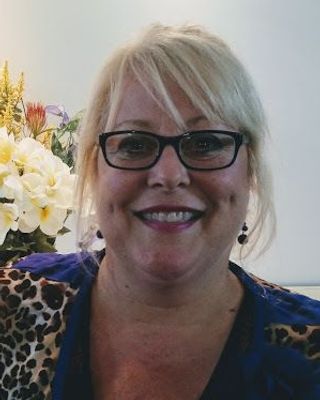
This is a court-ordered Anger Managment Group and progress reports are sent weekly to your Probation Officer or other court personnel to satisfy their requirements. Volunteers are welcome also!!
Hosted by Diane Dodge
Clinical Social Work/Therapist, MA, LSW, CSOTS
Group meets in Columbus, OH 43221
This is a court-ordered Anger Managment Group and progress reports are sent weekly to your Probation Officer or other court personnel to satisfy their requirements. Volunteers are welcome also!!
Job searching is a challenging, often lonely process, especially for individuals struggling with executive functioning hurdles like procrastination and rejection sensitivity. This group provides a community to share resources and strategies, practice body doubling for productivity, celebrate wins and discuss challenges, find solidarity in the job search journey. This group meets virtually and has open, ongoing enrollment.

Job searching is a challenging, often lonely process, especially for individuals struggling with executive functioning hurdles like procrastination and rejection sensitivity. This group provides a community to share resources and strategies, practice body doubling for productivity, celebrate wins and discuss challenges, find solidarity in the job search journey. This group meets virtually and has open, ongoing enrollment.
Northwoods Clinic is a multi specialty behavioral health clinic that includes individual therapists, couple and family therapists, psychologists and psychiatric services. The clinic (and therapists) are members of The Medical Group of Ohio and Health4, an accountable care organization through The MGO. Therefore, all members of the clinic are panel providers for those insurance companies that have contracted with The MGO and Health4.

Northwoods Clinic is a multi specialty behavioral health clinic that includes individual therapists, couple and family therapists, psychologists and psychiatric services. The clinic (and therapists) are members of The Medical Group of Ohio and Health4, an accountable care organization through The MGO. Therefore, all members of the clinic are panel providers for those insurance companies that have contracted with The MGO and Health4.
DBT skills groups are groups that focus on teaching coping skills for everyday use. It is not a "traditional" process group and the format of the group is more like being taught in a classroom. The group meets weekly for 90 minutes.

Hosted by Emotion Control
Clinical Social Work/Therapist, LISW-S, DBTNCAA
Group meets in Worthington, OH 43085
DBT skills groups are groups that focus on teaching coping skills for everyday use. It is not a "traditional" process group and the format of the group is more like being taught in a classroom. The group meets weekly for 90 minutes.
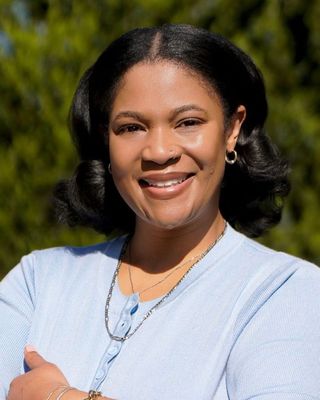
This group is for women in their 20's and 30's who want to build a solid support system, want a safe and nurturing space to heal, and want tools to navigate life's challenges. You'll gain skills to effectively cope with everyday stress, anxiety, grief, conflict, and more. This group meets online via Zoom.
Hosted by Schiviena Crawley
Licensed Professional Clinical Counselor, MEd, LPCC
Group meets in Dublin, OH 43016
This group is for women in their 20's and 30's who want to build a solid support system, want a safe and nurturing space to heal, and want tools to navigate life's challenges. You'll gain skills to effectively cope with everyday stress, anxiety, grief, conflict, and more. This group meets online via Zoom.
Online (telehealth) support for those who have experienced a miscarriage or other pregnancy loss.

Hosted by Wellness Coaching & Therapy, LLC
Licensed Professional Counselor, MA, LPCC-S
Group meets in Blacklick, OH 43004
Online (telehealth) support for those who have experienced a miscarriage or other pregnancy loss.
This is a private group run by credentialed/degreed clinical therapists. We offer addiction prevention, recovery, families in recovery and addiction maintenance groups. Contact me for details.

Hosted by Virginia Clagg
Clinical Social Work/Therapist, PhD(c), MBA, LISW-S, LICDC, CHT
Group meets in Columbus, OH 43205
This is a private group run by credentialed/degreed clinical therapists. We offer addiction prevention, recovery, families in recovery and addiction maintenance groups. Contact me for details.
PBJ Connections provides professional behavioral health therapy to children, adults and families through horses, counseling and nature. We have five independently licensed counselors and social workers in our group.

Hosted by Holly Jedlicka
Clinical Social Work/Therapist, MSW, LISW-S
Group meets in Pataskala, OH 43062
PBJ Connections provides professional behavioral health therapy to children, adults and families through horses, counseling and nature. We have five independently licensed counselors and social workers in our group.
See more therapy options for Hilliard


Nearby Searches for Hilliard
See More Support Groups FAQs - About Group Therapy and Support Groups
How can I find a support group in Hilliard?
To find a support group in your area, start by entering your city, zip code, or the name of the group into the search bar at the top of the page. When searching, consider whether you prefer an in-person or virtual group. This can help you decide how broad your geographic search should be. If you are open to virtual groups, you might want to search by state instead of just your city, especially if there are limited options nearby.
Once you complete your search, you can use the filters to narrow the results by selecting specialties (such as grief, trauma, or eating disorders), therapeutic approaches, age groups, and other criteria to find a group that best fits your needs.
How does group therapy work?
Group therapy is led by one or more trained therapists and provides a space where participants can process their experiences and learn from others facing similar challenges. Groups may focus on a specific issue—such as addiction, grief, physical illnesses, parenting, or caregiving—or they may center around a particular therapeutic approach, such as Cognitive Behavioral Therapy (CBT), social skill development, or Exposure Therapy. Some groups are also designed for specific populations, such as teens, veterans, or LGBTQ+ individuals.
It’s also important to distinguish group therapy from peer-led support groups, like Alcoholics Anonymous. While both can offer valuable support, therapy groups are typically led by licensed professionals and follow a more structured format. Therapy groups often meet for a fixed length of time with a consistent group of members, while many peer support groups meet for an indefinite period of time with members coming and going.
What are the benefits of group therapy?
Group therapy offers several important benefits. It brings together people facing similar challenges—whether related to mental health, physical health, or life transitions—and creates a supportive environment where participants can exchange feedback, share experiences, and learn from one another. Hearing different perspectives can help individuals discover new coping strategies and practical tools they may not have encountered on their own. Sharing personal experiences, such as coping with a serious illness or navigating family struggles, can also reduce feelings of isolation and foster a sense of connection and understanding. In addition to emotional support, group members often gain useful, real-world advice from peers who have faced similar situations.
Group therapy is typically more affordable than individual therapy and, for certain conditions, can be equally effective. Many groups also include structured activities—such as guided journaling, cognitive-behavioral exercises, or role-playing—to help participants develop concrete skills they can apply in daily life.
Is group therapy as effective as individual therapy?
It is difficult to make a blanket statement about the effectiveness of support groups, as they vary widely in focus and the conditions they address. However, support groups can be highly valuable in helping individuals gain emotional support and achieve meaningful treatment outcomes. For certain conditions, such as substance use, research has shown that group therapy can be particularly effective—sometimes just as effective as individual therapy—in supporting long-term recovery.
Many professionals attribute the effectiveness of group therapy to the unique benefits of the group setting, which fosters peer-to-peer learning and a sense of connection through shared experiences. Group settings also offer accountability and encouragement from both facilitators and fellow participants, which helps sustain motivation and supports continued progress. These factors together play a key role in promoting the overall effectiveness of group therapy.
How much does group therapy cost?
Group therapy is typically less expensive than individual therapy, with sessions typically costing between $50 and $75 each. In comparison, individual therapy can cost anywhere from $100 to $200 or more per session, even with insurance. Some therapists or organizations offer low-cost or free group therapy options, particularly through community centers or nonprofit organizations. In some cases, groups may require payment upfront for a set number of sessions, such as paying for six weekly sessions at the first meeting. However, many providers offer payment plans to help make participation more accessible if this upfront payment is required.
Does insurance cover group therapy?
As with individual therapy, insurance coverage for group therapy varies based on factors such as your specific insurance plan, the purpose of the group, your diagnosis, and whether the group provider is in-network. Many insurance plans cover group therapy sessions that address diagnosable mental health conditions, such as substance use disorders, anxiety, or depression.
However, groups that focus on topics not directly tied to a mental health diagnosis—such as parenting support or divorce recovery—are less likely to be covered. Because coverage can vary widely, it’s important to check with your insurance provider before joining a group to confirm whether the sessions will be covered and what out-of-pocket costs you may be responsible for.
How long does group therapy last?
The length of each group therapy session typically ranges from 45 minutes to two hours, depending on the therapy approach, the group’s goals, and how often the group meets. In some cases, group therapy is part of a larger treatment program, such as an Intensive Outpatient Program (IOP), where group sessions complement individual therapy and are scheduled as part of the program’s overall structure.
The duration of participation in a group also varies. Some groups are designed to be short-term, lasting anywhere from 6 to 24 weeks—for example, bereavement groups or skills-based groups like those using Dialectical Behavioral Therapy (DBT). Other groups may be longer-term, lasting a year or more, and some ongoing support groups meet indefinitely, allowing participants to stay as long as they find the group helpful.
What are the limitations of support groups?
Support groups offer many benefits, but they also have certain limitations. Unlike therapy groups, many support groups do not provide formal therapeutic treatment and are not led by licensed mental health professionals. For individuals seeking clinical treatment for specific mental health diagnoses—such as depression, eating disorders, or substance use—individual therapy or group therapy led by a licensed professional may offer more personalized and specialized care.
The effectiveness of a support group also depends heavily on the group’s participants and the overall group dynamic. When members engage respectfully and offer constructive support, the group can foster valuable peer-to-peer learning. However, if certain participants dominate discussions, provide inaccurate advice, or create conflict, it can disrupt the group’s sense of safety and reduce its effectiveness. Confidentiality can also be harder to maintain in support groups, particularly in open groups where participants can join or leave at any time. With new members regularly entering the group, it can be more difficult to build and sustain a consistent sense of trust and privacy.