Support Groups in Cleveland Heights, OH
Understand the mechanics of nocturnal enuresis (night time bedwetting). Learn how to educate your child about their anatomy. Hear of evaluations to rule out other diagnoses. Hybrid of body awareness/pelvic floor strengthening techniques, hypnotherapy, mindfulness aimed at ending bedwetting, building self-confidence and improving self-esteem.

Hosted by Carol A Leslie - Hypnotherapy-Wellness-Reiki
Occupational Therapist, ACHT, CWC, OT-Ret
Group meets in Cleveland Heights, OH 44106
Understand the mechanics of nocturnal enuresis (night time bedwetting). Learn how to educate your child about their anatomy. Hear of evaluations to rule out other diagnoses. Hybrid of body awareness/pelvic floor strengthening techniques, hypnotherapy, mindfulness aimed at ending bedwetting, building self-confidence and improving self-esteem.
Mindfulness meditation sessions through Zoom. Weekly and no fee, with instruction and shared practice time and discussion of readings. Informal and relaxed atmosphere.
Mindfulness meditation sessions through Zoom. Weekly and no fee, with instruction and shared practice time and discussion of readings. Informal and relaxed atmosphere.
What happens when your relationship starts to feel like a sh** show? This can happen when an affair or betrayal impacts not just your relationship, but makes your whole life feel completely devastated. Maybe you are the one who was unfaithful, maybe you were the one who was betrayed. Maybe the door is already closed or the divorce is final. The nausea tinged with anger and grief starts to creep into work and you don’t have a lot left to give to anyone. One thing you know, is that you don’t want to feel like this anymore.

What happens when your relationship starts to feel like a sh** show? This can happen when an affair or betrayal impacts not just your relationship, but makes your whole life feel completely devastated. Maybe you are the one who was unfaithful, maybe you were the one who was betrayed. Maybe the door is already closed or the divorce is final. The nausea tinged with anger and grief starts to creep into work and you don’t have a lot left to give to anyone. One thing you know, is that you don’t want to feel like this anymore.
Think enhancement, rejuvenation, restoring an inner glow…for your body image. In the age of social media wherein it seems everyone's a supermodel and body image is based on how many followers one has, it can feel impossible to feel confident in your own skin. What do you want, though? Do you want to be able to go to the beach and take off your shirt without feeling so insecure you that forget to enjoy the waves? Our #NoFilter therapy circle has been developed for those looking to shamelessly love their bodies and confidently live their best lives.
Think enhancement, rejuvenation, restoring an inner glow…for your body image. In the age of social media wherein it seems everyone's a supermodel and body image is based on how many followers one has, it can feel impossible to feel confident in your own skin. What do you want, though? Do you want to be able to go to the beach and take off your shirt without feeling so insecure you that forget to enjoy the waves? Our #NoFilter therapy circle has been developed for those looking to shamelessly love their bodies and confidently live their best lives.
More Groups Nearby
Join us for a fun, interactive workshop for children ages 5-10 using creative expression techniques and encouraging an appreciation of nature as a healing tool. Held on Saturday, July 11, 2026 from 9:30-11:30 am at the Richfield Heritage Preserve in Richfield, Ohio. Registration/Fee Required. Register a rjrd.recdesk.com.
Hosted by Lynne Cardilino
Clinical Social Work/Therapist, DDiv, MSSA, LISW-S, CIMHP
Group meets in Richfield, OH 44286
Join us for a fun, interactive workshop for children ages 5-10 using creative expression techniques and encouraging an appreciation of nature as a healing tool. Held on Saturday, July 11, 2026 from 9:30-11:30 am at the Richfield Heritage Preserve in Richfield, Ohio. Registration/Fee Required. Register a rjrd.recdesk.com.
Groups are broken into groups of loss such as Accidental Overdose Loss, Murder Loss, and Suicide Loss. These groups meet for ten weeks with specific topics each week to help clients work through their traumatic loss. Check our website for when the next group will run, we run groups two times a year.
Groups are broken into groups of loss such as Accidental Overdose Loss, Murder Loss, and Suicide Loss. These groups meet for ten weeks with specific topics each week to help clients work through their traumatic loss. Check our website for when the next group will run, we run groups two times a year.
When the relationship ends, the psychological aftermath can remain. A specialized therapeutic group for adults recovering from narcissistic abuse and psychologically controlling relationships. This intimate group focuses on rebuilding self-trust after prolonged invalidation, manipulation, blame-shifting, and relational instability. Explore the lasting effects of hypervigilance, self-doubt, shame, boundary disruption, attachment wounds, and difficulty trusting your own perceptions. Through trauma-informed, attachment-focused, and IFS-informed work, participants will examine protective patterns, reconnect with their sense of identity, strengthen boundaries, and develop a more grounded relationship with themselves and others.

Hosted by Trauma Recovery & Psychotherapy Services
Counselor, LMHC–D, LPCC, NCC, C-PD
Group meets in Chagrin Falls, OH 44022
When the relationship ends, the psychological aftermath can remain. A specialized therapeutic group for adults recovering from narcissistic abuse and psychologically controlling relationships. This intimate group focuses on rebuilding self-trust after prolonged invalidation, manipulation, blame-shifting, and relational instability. Explore the lasting effects of hypervigilance, self-doubt, shame, boundary disruption, attachment wounds, and difficulty trusting your own perceptions. Through trauma-informed, attachment-focused, and IFS-informed work, participants will examine protective patterns, reconnect with their sense of identity, strengthen boundaries, and develop a more grounded relationship with themselves and others.
This clinical, closed group will coach guardians through an evidence-based play therapy model called Filial Therapy, a guardian/child approach to meet children’s needs. Children’s emotional and behavioral difficulties can be understood though a lens of “every behavior is an expression of a need”. In this work, child behavioral difficulties are addressed through coaching, skill building, strengthening bonds between parent and child, and peer support. Participants can expect to learn 4 skills to apply in and outside of play, and will take turns bringing in their child for a play session for learning.

Hosted by Kimberly Koljat
Marriage & Family Therapist, MA, LMFT, IMFT-S, RPT-S, RDT
Group meets in Cleveland, OH 44113
This clinical, closed group will coach guardians through an evidence-based play therapy model called Filial Therapy, a guardian/child approach to meet children’s needs. Children’s emotional and behavioral difficulties can be understood though a lens of “every behavior is an expression of a need”. In this work, child behavioral difficulties are addressed through coaching, skill building, strengthening bonds between parent and child, and peer support. Participants can expect to learn 4 skills to apply in and outside of play, and will take turns bringing in their child for a play session for learning.
A supportive, judgment-free space where a small group of women can learn and grow and work on healthy skills. This group is designed to help you build practical tools to manage stress, anxiety, life transitions, and everyday challenges. Through guided discussions, evidence-based strategies, you'll gain strength and resilience Whether you're navigating a tough season or simply want to grow in emotional wellness. You do not need to be an individual client to join. This is not a replacement for counseling but a group to enhance and learn new skills. Please email me at tarayunglpc@gmail.com for more information
Hosted by Tara Yung
Licensed Professional Counselor, MA, LPC
Group meets in Middleburg Heights, OH 44130
A supportive, judgment-free space where a small group of women can learn and grow and work on healthy skills. This group is designed to help you build practical tools to manage stress, anxiety, life transitions, and everyday challenges. Through guided discussions, evidence-based strategies, you'll gain strength and resilience Whether you're navigating a tough season or simply want to grow in emotional wellness. You do not need to be an individual client to join. This is not a replacement for counseling but a group to enhance and learn new skills. Please email me at tarayunglpc@gmail.com for more information
Compassion fatigue is the combination of secondary trauma and professional burnout. We have a special desire to support our fellow service providers and offer virtual compassion fatigue and burnout prevention trainings in addition to professional resiliency cohorts. In these cohorts, you will increase your academic understanding and experiential learning related to building up tools and habits of self-regulation to manage secondary trauma and burnout. The group experience is free and supportive in format (not treatment). We meet virtually weekly with a small group over the course of a 7-week period with the opportunity to attend alumni groups after.

Hosted by Cornerstone Behavioral Health (CBH)
Licensed Professional Clinical Counselor, LPCC, CCTP, CCFP, CDBT, EMDR-T
Group meets in Lakewood, OH 44107
Compassion fatigue is the combination of secondary trauma and professional burnout. We have a special desire to support our fellow service providers and offer virtual compassion fatigue and burnout prevention trainings in addition to professional resiliency cohorts. In these cohorts, you will increase your academic understanding and experiential learning related to building up tools and habits of self-regulation to manage secondary trauma and burnout. The group experience is free and supportive in format (not treatment). We meet virtually weekly with a small group over the course of a 7-week period with the opportunity to attend alumni groups after.
We come together in a nurturing, supportive environment to explore the patterns that feed our addictions. We then practice and strengthen new coping skills as we develop an addiction free lifestyle. We learn together, as we share in the challenges and success of each of us as we move along this path.

Hosted by Lee London-Trail
Licensed Professional Counselor, LICDC-S, LPC
Group meets in Twinsburg, OH 44087
We come together in a nurturing, supportive environment to explore the patterns that feed our addictions. We then practice and strengthen new coping skills as we develop an addiction free lifestyle. We learn together, as we share in the challenges and success of each of us as we move along this path.
Women who have faced various challenges in their lives, such as depression, anxiety, and divorce, who will benefit from the caring support of other women. Meets 2nd and 4th Thursday of the month, 10:00 to 11:30. $10 per session. We plan to keep meeting on Zoom.
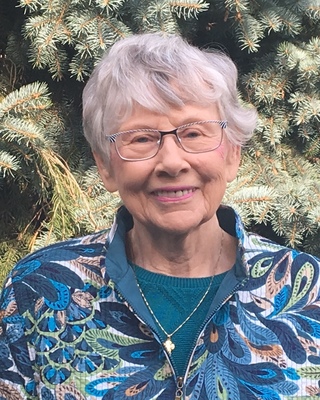
Hosted by Marcia Montie Paladino
Licensed Professional Clinical Counselor, MA, PhD, LPCC
Group meets in Medina, OH 44256
Women who have faced various challenges in their lives, such as depression, anxiety, and divorce, who will benefit from the caring support of other women. Meets 2nd and 4th Thursday of the month, 10:00 to 11:30. $10 per session. We plan to keep meeting on Zoom.
Intensive Outpatient Treatment exclusively for substance-dependent women who are pregnant.

Intensive Outpatient Treatment exclusively for substance-dependent women who are pregnant.
An educational group that teaches a wide range of coping skills designed to help people with increasing mindfulness, distress tolerance, emotion regulation and interpersonal effectiveness skills.

An educational group that teaches a wide range of coping skills designed to help people with increasing mindfulness, distress tolerance, emotion regulation and interpersonal effectiveness skills.
This group is for any woman who is struggling with postpartum depression or is struggling to cope after giving birth. Women who have newborns or children up to age 1 will benefit from this group. The group will discuss helpful ways to provide yourself with self-care, cope with postpartum depression, and relate to new mothers like yourself. Therapist has first hand experience dealing with postpartum depression. Cost is $20 per session or $100 for the full 6 weeks.

This group is for any woman who is struggling with postpartum depression or is struggling to cope after giving birth. Women who have newborns or children up to age 1 will benefit from this group. The group will discuss helpful ways to provide yourself with self-care, cope with postpartum depression, and relate to new mothers like yourself. Therapist has first hand experience dealing with postpartum depression. Cost is $20 per session or $100 for the full 6 weeks.
This is a 12 week confidential group developed for those struggling with explosive and persistent anger, or impulse control issues in intimate relationships. Our anger management groups meet the requirements of any referring court system, or agency. In addition, those who are struggling with marital issues or workplace relationships will find this resource a life saver. CCA is the leader in providing high quality, face to face online group counseling. Difficulty getting your anger under control? Join this group today and get your life back on track!
Hosted by Christian Counseling Associates of Eastern Ohio
Counselor, PhD
Group meets in Cleveland, OH 44109
This is a 12 week confidential group developed for those struggling with explosive and persistent anger, or impulse control issues in intimate relationships. Our anger management groups meet the requirements of any referring court system, or agency. In addition, those who are struggling with marital issues or workplace relationships will find this resource a life saver. CCA is the leader in providing high quality, face to face online group counseling. Difficulty getting your anger under control? Join this group today and get your life back on track!
Using the SAMHSA Anger Management workbook, I facilitate a 6 week anger management virtual group where clients will learn about anger events and cues, anger control plans, the aggression cycle, cognitive restructuring, assertiveness training, the conflict resolution model, and what anger looks like in their family. Both court ordered clients and non court ordered clients may attend.

Using the SAMHSA Anger Management workbook, I facilitate a 6 week anger management virtual group where clients will learn about anger events and cues, anger control plans, the aggression cycle, cognitive restructuring, assertiveness training, the conflict resolution model, and what anger looks like in their family. Both court ordered clients and non court ordered clients may attend.
Gandhi said it best when he said, "You may never know what comes of your actions, but if you do nothing there will be no results".

Hosted by Dwayne M Williams
Clinical Social Work/Therapist, MSSA, LCSW, LISW-S, SAP, CFC
Group meets in Euclid, OH 44132
Gandhi said it best when he said, "You may never know what comes of your actions, but if you do nothing there will be no results".
"The pen is mightier than the sword," and sometimes we do need power tools to help us work through changes, losses, and move forward to activate our potential. This group -- which can be divided into subgroups -- is open to any woman in transition. You may be a new mom; you may be a career changer; you may have a chronic illness you are striving to accept. Come to the group to write, to share your writing, to read inspiring writing, and to enjoy support and compassion. We will strive to recharge for the coming week.

"The pen is mightier than the sword," and sometimes we do need power tools to help us work through changes, losses, and move forward to activate our potential. This group -- which can be divided into subgroups -- is open to any woman in transition. You may be a new mom; you may be a career changer; you may have a chronic illness you are striving to accept. Come to the group to write, to share your writing, to read inspiring writing, and to enjoy support and compassion. We will strive to recharge for the coming week.
This can be individually with married or pre-married couples or in a group setting. This runs for 8 weeks for married couples wanting to resolve conflict and communication issues and move toward forgiveness in their marriage. Sessions focus on how to move forward and practice unity in the marriage.
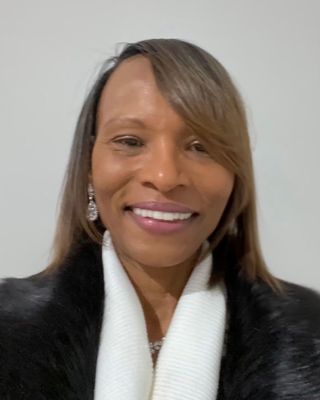
Hosted by Cynthia E. Woods
Licensed Professional Clinical Counselor, LPCC-S
Group meets in Beachwood, OH 44122
This can be individually with married or pre-married couples or in a group setting. This runs for 8 weeks for married couples wanting to resolve conflict and communication issues and move toward forgiveness in their marriage. Sessions focus on how to move forward and practice unity in the marriage.
See more therapy options for Cleveland Heights


Nearby Searches for Cleveland Heights
- Beachwood
- Chagrin Falls
- Cleveland
- Euclid
- Independence
- Lakewood
- Mentor
- Middleburg Heights
- Parma
- Richmond Heights
- Shaker Heights
- Solon
FAQs - About Group Therapy and Support Groups
How can I find a support group in Cleveland Heights?
To find a support group in your area, start by entering your city, zip code, or the name of the group into the search bar at the top of the page. When searching, consider whether you prefer an in-person or virtual group. This can help you decide how broad your geographic search should be. If you are open to virtual groups, you might want to search by state instead of just your city, especially if there are limited options nearby.
Once you complete your search, you can use the filters to narrow the results by selecting specialties (such as grief, trauma, or eating disorders), therapeutic approaches, age groups, and other criteria to find a group that best fits your needs.
Once you complete your search, you can use the filters to narrow the results by selecting specialties (such as grief, trauma, or eating disorders), therapeutic approaches, age groups, and other criteria to find a group that best fits your needs.
How does group therapy work?
Group therapy is led by one or more trained therapists and provides a space where participants can process their experiences and learn from others facing similar challenges. Groups may focus on a specific issue—such as addiction, grief, physical illnesses, parenting, or caregiving—or they may center around a particular therapeutic approach, such as Cognitive Behavioral Therapy (CBT), social skill development, or Exposure Therapy. Some groups are also designed for specific populations, such as teens, veterans, or LGBTQ+ individuals.
It’s also important to distinguish group therapy from peer-led support groups, like Alcoholics Anonymous. While both can offer valuable support, therapy groups are typically led by licensed professionals and follow a more structured format. Therapy groups often meet for a fixed length of time with a consistent group of members, while many peer support groups meet for an indefinite period of time with members coming and going.
It’s also important to distinguish group therapy from peer-led support groups, like Alcoholics Anonymous. While both can offer valuable support, therapy groups are typically led by licensed professionals and follow a more structured format. Therapy groups often meet for a fixed length of time with a consistent group of members, while many peer support groups meet for an indefinite period of time with members coming and going.
What are the benefits of group therapy?
Group therapy offers several important benefits. It brings together people facing similar challenges—whether related to mental health, physical health, or life transitions—and creates a supportive environment where participants can exchange feedback, share experiences, and learn from one another. Hearing different perspectives can help individuals discover new coping strategies and practical tools they may not have encountered on their own. Sharing personal experiences, such as coping with a serious illness or navigating family struggles, can also reduce feelings of isolation and foster a sense of connection and understanding. In addition to emotional support, group members often gain useful, real-world advice from peers who have faced similar situations.
Group therapy is typically more affordable than individual therapy and, for certain conditions, can be equally effective. Many groups also include structured activities—such as guided journaling, cognitive-behavioral exercises, or role-playing—to help participants develop concrete skills they can apply in daily life.
Group therapy is typically more affordable than individual therapy and, for certain conditions, can be equally effective. Many groups also include structured activities—such as guided journaling, cognitive-behavioral exercises, or role-playing—to help participants develop concrete skills they can apply in daily life.
Is group therapy as effective as individual therapy?
It is difficult to make a blanket statement about the effectiveness of support groups, as they vary widely in focus and the conditions they address. However, support groups can be highly valuable in helping individuals gain emotional support and achieve meaningful treatment outcomes. For certain conditions, such as substance use, research has shown that group therapy can be particularly effective—sometimes just as effective as individual therapy—in supporting long-term recovery.
Many professionals attribute the effectiveness of group therapy to the unique benefits of the group setting, which fosters peer-to-peer learning and a sense of connection through shared experiences. Group settings also offer accountability and encouragement from both facilitators and fellow participants, which helps sustain motivation and supports continued progress. These factors together play a key role in promoting the overall effectiveness of group therapy.
Many professionals attribute the effectiveness of group therapy to the unique benefits of the group setting, which fosters peer-to-peer learning and a sense of connection through shared experiences. Group settings also offer accountability and encouragement from both facilitators and fellow participants, which helps sustain motivation and supports continued progress. These factors together play a key role in promoting the overall effectiveness of group therapy.
How much does group therapy cost?
Group therapy is typically less expensive than individual therapy, with sessions typically costing between $50 and $75 each. In comparison, individual therapy can cost anywhere from $100 to $200 or more per session, even with insurance. Some therapists or organizations offer low-cost or free group therapy options, particularly through community centers or nonprofit organizations. In some cases, groups may require payment upfront for a set number of sessions, such as paying for six weekly sessions at the first meeting. However, many providers offer payment plans to help make participation more accessible if this upfront payment is required.
Does insurance cover group therapy?
As with individual therapy, insurance coverage for group therapy varies based on factors such as your specific insurance plan, the purpose of the group, your diagnosis, and whether the group provider is in-network. Many insurance plans cover group therapy sessions that address diagnosable mental health conditions, such as substance use disorders, anxiety, or depression.
However, groups that focus on topics not directly tied to a mental health diagnosis—such as parenting support or divorce recovery—are less likely to be covered. Because coverage can vary widely, it’s important to check with your insurance provider before joining a group to confirm whether the sessions will be covered and what out-of-pocket costs you may be responsible for.
However, groups that focus on topics not directly tied to a mental health diagnosis—such as parenting support or divorce recovery—are less likely to be covered. Because coverage can vary widely, it’s important to check with your insurance provider before joining a group to confirm whether the sessions will be covered and what out-of-pocket costs you may be responsible for.
How long does group therapy last?
The length of each group therapy session typically ranges from 45 minutes to two hours, depending on the therapy approach, the group’s goals, and how often the group meets. In some cases, group therapy is part of a larger treatment program, such as an Intensive Outpatient Program (IOP), where group sessions complement individual therapy and are scheduled as part of the program’s overall structure.
The duration of participation in a group also varies. Some groups are designed to be short-term, lasting anywhere from 6 to 24 weeks—for example, bereavement groups or skills-based groups like those using Dialectical Behavioral Therapy (DBT). Other groups may be longer-term, lasting a year or more, and some ongoing support groups meet indefinitely, allowing participants to stay as long as they find the group helpful.
The duration of participation in a group also varies. Some groups are designed to be short-term, lasting anywhere from 6 to 24 weeks—for example, bereavement groups or skills-based groups like those using Dialectical Behavioral Therapy (DBT). Other groups may be longer-term, lasting a year or more, and some ongoing support groups meet indefinitely, allowing participants to stay as long as they find the group helpful.
What are the limitations of support groups?
Support groups offer many benefits, but they also have certain limitations. Unlike therapy groups, many support groups do not provide formal therapeutic treatment and are not led by licensed mental health professionals. For individuals seeking clinical treatment for specific mental health diagnoses—such as depression, eating disorders, or substance use—individual therapy or group therapy led by a licensed professional may offer more personalized and specialized care.
The effectiveness of a support group also depends heavily on the group’s participants and the overall group dynamic. When members engage respectfully and offer constructive support, the group can foster valuable peer-to-peer learning. However, if certain participants dominate discussions, provide inaccurate advice, or create conflict, it can disrupt the group’s sense of safety and reduce its effectiveness. Confidentiality can also be harder to maintain in support groups, particularly in open groups where participants can join or leave at any time. With new members regularly entering the group, it can be more difficult to build and sustain a consistent sense of trust and privacy.
The effectiveness of a support group also depends heavily on the group’s participants and the overall group dynamic. When members engage respectfully and offer constructive support, the group can foster valuable peer-to-peer learning. However, if certain participants dominate discussions, provide inaccurate advice, or create conflict, it can disrupt the group’s sense of safety and reduce its effectiveness. Confidentiality can also be harder to maintain in support groups, particularly in open groups where participants can join or leave at any time. With new members regularly entering the group, it can be more difficult to build and sustain a consistent sense of trust and privacy.