Support Groups in Roslyn Heights, NY
This group helps members to identify and manage feelings, address body image issues, improve self esteem, address problems of self regulation and reduce feelings of shame.

Hosted by Carolyn Carrano
Clinical Social Work/Therapist, MSW, LCSW-R
Group meets in Roslyn Heights, NY 11577
This group helps members to identify and manage feelings, address body image issues, improve self esteem, address problems of self regulation and reduce feelings of shame.
SPACE (Supportive Parenting for Anxious Childhood Emotions) is a parent-based treatment for children and teens with anxiety, OCD, and related difficulties. This evidence-based program developed at Yale works primarily with parents and is shown to significantly reduce children's anxiety symptoms. My practice is offering group & individual SPACE options - via Zoom.

SPACE (Supportive Parenting for Anxious Childhood Emotions) is a parent-based treatment for children and teens with anxiety, OCD, and related difficulties. This evidence-based program developed at Yale works primarily with parents and is shown to significantly reduce children's anxiety symptoms. My practice is offering group & individual SPACE options - via Zoom.
With the support of Cognitive Behavioral Therapy, you can have the power to change your emotions, thoughts and behaviors. I’m going to help you to recognize your emotions and then support you through the process of identifying the ways you can control these emotions. This can be done through practicing mindfulness exercises or a thought-challenging approach. I also provide comprehensive Psycho-educational evaluations to help your child succeed in their educational environment. Whether they need additional support academically or behaviorally, our assessments will highlight your child’s unique strengths and weaknesses and provide recommendations for next steps.

With the support of Cognitive Behavioral Therapy, you can have the power to change your emotions, thoughts and behaviors. I’m going to help you to recognize your emotions and then support you through the process of identifying the ways you can control these emotions. This can be done through practicing mindfulness exercises or a thought-challenging approach. I also provide comprehensive Psycho-educational evaluations to help your child succeed in their educational environment. Whether they need additional support academically or behaviorally, our assessments will highlight your child’s unique strengths and weaknesses and provide recommendations for next steps.
SPACE (Supportive Parenting for Anxious Childhood Emotions) is a parent-based treatment for children and teens with anxiety, OCD, and related difficulties. This evidence-based program developed at Yale works primarily with parents and is shown to significantly reduce children's anxiety symptoms. My practice is offering group & individual SPACE options - both in person and via Zoom.

SPACE (Supportive Parenting for Anxious Childhood Emotions) is a parent-based treatment for children and teens with anxiety, OCD, and related difficulties. This evidence-based program developed at Yale works primarily with parents and is shown to significantly reduce children's anxiety symptoms. My practice is offering group & individual SPACE options - both in person and via Zoom.
We are now offering an elementary-aged social skills group, using the Social Thinking and Everyday Speech curriculum. Video modeling and role playing are used, so that group participants can practice in real-time and in a safe and nurturing environment. This group is focused on friendship-building skills, emotional regulation and on resolving interpersonal conflict. Additional parent coaching opportunities are available upon request.
We are now offering an elementary-aged social skills group, using the Social Thinking and Everyday Speech curriculum. Video modeling and role playing are used, so that group participants can practice in real-time and in a safe and nurturing environment. This group is focused on friendship-building skills, emotional regulation and on resolving interpersonal conflict. Additional parent coaching opportunities are available upon request.
More Groups Nearby
Some relationship patterns develop so early they feel automatic - reaching, clinging, overthinking, or losing yourself to keep someone close. This group creates a structured, supportive space for women who want to slow that cycle down and understand it. Across 16 weeks, you’ll explore attachment, emotional regulation, and the protective parts of you that have been trying to keep you safe. Expect grounding, clarity, and skills that help you move from anxious reacting to secure relating. Group scheduled to start Mid-July! Please reach out with any questions: roma.kaczmarkiewicz@nextlevelmhc.com
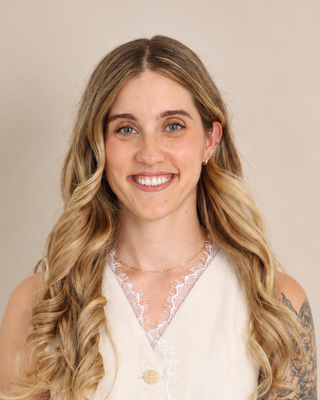
Some relationship patterns develop so early they feel automatic - reaching, clinging, overthinking, or losing yourself to keep someone close. This group creates a structured, supportive space for women who want to slow that cycle down and understand it. Across 16 weeks, you’ll explore attachment, emotional regulation, and the protective parts of you that have been trying to keep you safe. Expect grounding, clarity, and skills that help you move from anxious reacting to secure relating. Group scheduled to start Mid-July! Please reach out with any questions: roma.kaczmarkiewicz@nextlevelmhc.com
A place to clear away obstacles to creative work or personal process by use of visualization, meditate states, & free-writing.

A place to clear away obstacles to creative work or personal process by use of visualization, meditate states, & free-writing.
Maximizing your happiness.

Maximizing your happiness.
Mindful Self Therapy is a trauma-informed group practice led by creatives. We specialize in working with artists, individuals and couples who seek support through life’s challenges. As practitioners with backgrounds in the music industry, we understand the unique emotional landscapes that creatives often navigate, including identity, burnout, perfectionism. Our work expands to those outside of the creative realm, with a specialized focus on Trauma, relationships and ADHD. Whether you're processing past trauma, seeking deeper self-awareness, or navigating the complexities of creative living, we're here to support your journey

Mindful Self Therapy is a trauma-informed group practice led by creatives. We specialize in working with artists, individuals and couples who seek support through life’s challenges. As practitioners with backgrounds in the music industry, we understand the unique emotional landscapes that creatives often navigate, including identity, burnout, perfectionism. Our work expands to those outside of the creative realm, with a specialized focus on Trauma, relationships and ADHD. Whether you're processing past trauma, seeking deeper self-awareness, or navigating the complexities of creative living, we're here to support your journey
Dialectical Behavioral Therapy identifies and changes negative thinking patterns and pushes for positive behavioral changes. DBT Group Therapy at Gateway to Solutions focuses on mindfulness; interpersonal effectiveness, stress tolerance, and emotional regulation. DBT treats Depression, Anxiety, Self-Harm, Personality Disorders, Binge-eating, PTSD, Traumatic Brain Injuries (TBI), Mood Disorders, and Abuse survivors. Things You Should Know: In Person, 1.5-hour per session, Tuesdays, 7 PM to 8:30 PM, Insurance reimbursable, contact us to schedule an intake.

Hosted by Mandolin Moody
Clinical Social Work/Therapist, LMSW, DBT, REBT, CBT
Group meets in New York, NY 10006
Dialectical Behavioral Therapy identifies and changes negative thinking patterns and pushes for positive behavioral changes. DBT Group Therapy at Gateway to Solutions focuses on mindfulness; interpersonal effectiveness, stress tolerance, and emotional regulation. DBT treats Depression, Anxiety, Self-Harm, Personality Disorders, Binge-eating, PTSD, Traumatic Brain Injuries (TBI), Mood Disorders, and Abuse survivors. Things You Should Know: In Person, 1.5-hour per session, Tuesdays, 7 PM to 8:30 PM, Insurance reimbursable, contact us to schedule an intake.
Dilectial Behaviroal Therapy Skills group is designed for individuals coping with emotional dysregulation (i.e., mood lability, difficulties regulating anger, anxiety, depression, as well as decreasing behavioral impulsivity). It is designed to teach members new and more adaptive coping mechanisms, such as ways to increase mindfulness, regulate emotions, tolerate distress, and be more interpersonally effective.

Dilectial Behaviroal Therapy Skills group is designed for individuals coping with emotional dysregulation (i.e., mood lability, difficulties regulating anger, anxiety, depression, as well as decreasing behavioral impulsivity). It is designed to teach members new and more adaptive coping mechanisms, such as ways to increase mindfulness, regulate emotions, tolerate distress, and be more interpersonally effective.
A women's group, using dance/movement interventions to address different emotional issues and build coping skills and resilience.

A women's group, using dance/movement interventions to address different emotional issues and build coping skills and resilience.
A place to make new friends, get support and discuss joys and challenges of motherhood.

Hosted by Nancy Schneider
Art Therapist, ATR-BC, LCAT, LPAT, CLAT
Group meets in Rockville Centre, NY 11570
A place to make new friends, get support and discuss joys and challenges of motherhood.
"Anger Management Anxiety Behavior Modification Co-Occurring Disorders Treatment Cognitive Behavioral Therapy Depression Dissociative Disorders Grief/Bereavement Medical Illness/Disease Management Obsessive Compulsive Disorder Personality Disorders Post-Traumatic Stress Disorder (PTSD) Psychotic/Schizophrenic Disorders Serious Mental Illness Trauma Therapy Bipolar Disorder Youth Support"
"Anger Management Anxiety Behavior Modification Co-Occurring Disorders Treatment Cognitive Behavioral Therapy Depression Dissociative Disorders Grief/Bereavement Medical Illness/Disease Management Obsessive Compulsive Disorder Personality Disorders Post-Traumatic Stress Disorder (PTSD) Psychotic/Schizophrenic Disorders Serious Mental Illness Trauma Therapy Bipolar Disorder Youth Support"
At the Stress Management Workshop you'll master a variety of stress management tools that can be pulled out of your "toolbox" and applied immediately whenever confronted with a stressful situation. Skills learned include recognizing and challenging negative self-talk, overcoming fear, meditation/breathing techniques, assertion training, and time management. Small, upbeat groups meet for 7 Saturdays (dates depend on participant availability.) Join us and start creating the life you were meant to live!
Call today to register for our next group. I hope you'll join us!
CALM Coffee Hour is an 8 week in-person parent group. We aim to create a safe and non-judgmental space for caregivers to learn about child development, explore their parenting strategies and dynamics at home and try out new approaches. We will explore various topics such as stress and the brain, developmentally appropriate expectations, and managing our own push-buttons. Each session will be a combination of didactic material and open discussion. Coffee and snacks are on us! Led by Martha Lee, LCSW. Starts Tuesday, October 8, 2024 from 9:00am to 10:00am Fee: $1000.

Hosted by Lissa Hunsicker Kenney
Clinical Social Work/Therapist, LCSW
Group meets in Brooklyn, NY 11242
CALM Coffee Hour is an 8 week in-person parent group. We aim to create a safe and non-judgmental space for caregivers to learn about child development, explore their parenting strategies and dynamics at home and try out new approaches. We will explore various topics such as stress and the brain, developmentally appropriate expectations, and managing our own push-buttons. Each session will be a combination of didactic material and open discussion. Coffee and snacks are on us! Led by Martha Lee, LCSW. Starts Tuesday, October 8, 2024 from 9:00am to 10:00am Fee: $1000.
The group aims to provide a safe and therapeutic space for people grieving the loss of a sibling. The group will meet in-person in my Union Square office beginning January 7, 2027. This group will be closed (non-drop-in) and group will take place on Thursdays from 5:15 pm-6:15 pm from Jan 7-April 15 2027. There will be no group held on Feb 18 during President's Week.

The group aims to provide a safe and therapeutic space for people grieving the loss of a sibling. The group will meet in-person in my Union Square office beginning January 7, 2027. This group will be closed (non-drop-in) and group will take place on Thursdays from 5:15 pm-6:15 pm from Jan 7-April 15 2027. There will be no group held on Feb 18 during President's Week.
The New Hope Mental Health Counseling Services is uniquely located on the Queens and Long Island border. The services being offered are to a large minority base population speaking Spanish, Bengali, Haitian Creole and English. The New Hope Mental Health Counseling Services currently has clinicians who speak these different languages which make it easier for the respective client to identify with a face and language they can be comfortable working with.

Hosted by The New Hope Mental Health Counseling Services
Counselor, PhD, LMHC, CCTS-F, CAMS II
Group meets in Rockville Centre, NY 11570
The New Hope Mental Health Counseling Services is uniquely located on the Queens and Long Island border. The services being offered are to a large minority base population speaking Spanish, Bengali, Haitian Creole and English. The New Hope Mental Health Counseling Services currently has clinicians who speak these different languages which make it easier for the respective client to identify with a face and language they can be comfortable working with.
Welcome to Evoke Psychology! Located in the heart of Manhattan, we offer in-person and virtual sessions. Our team of expert clinicians bring a diverse range of specialties and a deep commitment to providing compassionate, evidence-based mental health care to individuals across the lifespan—from toddlers to centenarians. With a wide range of specialties, we offer personalized, high-quality treatment for life transitions and complex concerns such as anxiety, depression, suicidality, and bipolar disorder. At Evoke, we’re committed to supporting your growth, healing, and transformation with warmth, insight, and integrity.

Welcome to Evoke Psychology! Located in the heart of Manhattan, we offer in-person and virtual sessions. Our team of expert clinicians bring a diverse range of specialties and a deep commitment to providing compassionate, evidence-based mental health care to individuals across the lifespan—from toddlers to centenarians. With a wide range of specialties, we offer personalized, high-quality treatment for life transitions and complex concerns such as anxiety, depression, suicidality, and bipolar disorder. At Evoke, we’re committed to supporting your growth, healing, and transformation with warmth, insight, and integrity.
Perception of one's life can often be challenging, confusing, misleading, scary, stressful, depressing & this list could be endless based on situations, environment, perception & an unlimited plethora of variables. This leads to anxiety over the very situations occurring as well as depression based on the potential for negative outcomes of those circumstances. This group will address topics weekly causing this-such as loss/grief, children, spouses, work, colleagues, etc. & cover numerous coping mechanisms while learning to manage emotion & manage to obtain a smile if only for a moment during group. This will be the beginning of cognitively restructuring negative thoughts.
Hosted by Four Bridges Social Work Services, LCSW-PC
Clinical Social Work/Therapist, MSW, DSW, LCSW-R, BCD, ACSW
Group meets in Staten Island, NY 10306
Perception of one's life can often be challenging, confusing, misleading, scary, stressful, depressing & this list could be endless based on situations, environment, perception & an unlimited plethora of variables. This leads to anxiety over the very situations occurring as well as depression based on the potential for negative outcomes of those circumstances. This group will address topics weekly causing this-such as loss/grief, children, spouses, work, colleagues, etc. & cover numerous coping mechanisms while learning to manage emotion & manage to obtain a smile if only for a moment during group. This will be the beginning of cognitively restructuring negative thoughts.
See more therapy options for Roslyn Heights


Nearby Searches for Roslyn Heights
- Bayside
- Garden City
- Great Neck
- Jericho
- Levittown
- Manhasset
- Mineola
- Port Washington
- Queens Village
- Roslyn
- Sea Cliff
- Westbury
FAQs - About Group Therapy and Support Groups
How can I find a support group in Roslyn Heights?
To find a support group in your area, start by entering your city, zip code, or the name of the group into the search bar at the top of the page. When searching, consider whether you prefer an in-person or virtual group. This can help you decide how broad your geographic search should be. If you are open to virtual groups, you might want to search by state instead of just your city, especially if there are limited options nearby.
Once you complete your search, you can use the filters to narrow the results by selecting specialties (such as grief, trauma, or eating disorders), therapeutic approaches, age groups, and other criteria to find a group that best fits your needs.
How does group therapy work?
Group therapy is led by one or more trained therapists and provides a space where participants can process their experiences and learn from others facing similar challenges. Groups may focus on a specific issue—such as addiction, grief, physical illnesses, parenting, or caregiving—or they may center around a particular therapeutic approach, such as Cognitive Behavioral Therapy (CBT), social skill development, or Exposure Therapy. Some groups are also designed for specific populations, such as teens, veterans, or LGBTQ+ individuals.
It’s also important to distinguish group therapy from peer-led support groups, like Alcoholics Anonymous. While both can offer valuable support, therapy groups are typically led by licensed professionals and follow a more structured format. Therapy groups often meet for a fixed length of time with a consistent group of members, while many peer support groups meet for an indefinite period of time with members coming and going.
What are the benefits of group therapy?
Group therapy offers several important benefits. It brings together people facing similar challenges—whether related to mental health, physical health, or life transitions—and creates a supportive environment where participants can exchange feedback, share experiences, and learn from one another. Hearing different perspectives can help individuals discover new coping strategies and practical tools they may not have encountered on their own. Sharing personal experiences, such as coping with a serious illness or navigating family struggles, can also reduce feelings of isolation and foster a sense of connection and understanding. In addition to emotional support, group members often gain useful, real-world advice from peers who have faced similar situations.
Group therapy is typically more affordable than individual therapy and, for certain conditions, can be equally effective. Many groups also include structured activities—such as guided journaling, cognitive-behavioral exercises, or role-playing—to help participants develop concrete skills they can apply in daily life.
Is group therapy as effective as individual therapy?
It is difficult to make a blanket statement about the effectiveness of support groups, as they vary widely in focus and the conditions they address. However, support groups can be highly valuable in helping individuals gain emotional support and achieve meaningful treatment outcomes. For certain conditions, such as substance use, research has shown that group therapy can be particularly effective—sometimes just as effective as individual therapy—in supporting long-term recovery.
Many professionals attribute the effectiveness of group therapy to the unique benefits of the group setting, which fosters peer-to-peer learning and a sense of connection through shared experiences. Group settings also offer accountability and encouragement from both facilitators and fellow participants, which helps sustain motivation and supports continued progress. These factors together play a key role in promoting the overall effectiveness of group therapy.
How much does group therapy cost?
Group therapy is typically less expensive than individual therapy, with sessions typically costing between $50 and $75 each. In comparison, individual therapy can cost anywhere from $100 to $200 or more per session, even with insurance. Some therapists or organizations offer low-cost or free group therapy options, particularly through community centers or nonprofit organizations. In some cases, groups may require payment upfront for a set number of sessions, such as paying for six weekly sessions at the first meeting. However, many providers offer payment plans to help make participation more accessible if this upfront payment is required.
Does insurance cover group therapy?
As with individual therapy, insurance coverage for group therapy varies based on factors such as your specific insurance plan, the purpose of the group, your diagnosis, and whether the group provider is in-network. Many insurance plans cover group therapy sessions that address diagnosable mental health conditions, such as substance use disorders, anxiety, or depression.
However, groups that focus on topics not directly tied to a mental health diagnosis—such as parenting support or divorce recovery—are less likely to be covered. Because coverage can vary widely, it’s important to check with your insurance provider before joining a group to confirm whether the sessions will be covered and what out-of-pocket costs you may be responsible for.
How long does group therapy last?
The length of each group therapy session typically ranges from 45 minutes to two hours, depending on the therapy approach, the group’s goals, and how often the group meets. In some cases, group therapy is part of a larger treatment program, such as an Intensive Outpatient Program (IOP), where group sessions complement individual therapy and are scheduled as part of the program’s overall structure.
The duration of participation in a group also varies. Some groups are designed to be short-term, lasting anywhere from 6 to 24 weeks—for example, bereavement groups or skills-based groups like those using Dialectical Behavioral Therapy (DBT). Other groups may be longer-term, lasting a year or more, and some ongoing support groups meet indefinitely, allowing participants to stay as long as they find the group helpful.
What are the limitations of support groups?
Support groups offer many benefits, but they also have certain limitations. Unlike therapy groups, many support groups do not provide formal therapeutic treatment and are not led by licensed mental health professionals. For individuals seeking clinical treatment for specific mental health diagnoses—such as depression, eating disorders, or substance use—individual therapy or group therapy led by a licensed professional may offer more personalized and specialized care.
The effectiveness of a support group also depends heavily on the group’s participants and the overall group dynamic. When members engage respectfully and offer constructive support, the group can foster valuable peer-to-peer learning. However, if certain participants dominate discussions, provide inaccurate advice, or create conflict, it can disrupt the group’s sense of safety and reduce its effectiveness. Confidentiality can also be harder to maintain in support groups, particularly in open groups where participants can join or leave at any time. With new members regularly entering the group, it can be more difficult to build and sustain a consistent sense of trust and privacy.