Process group for people who are living in sustained recovery.
Process group for people who are living in sustained recovery.
Our Day Programs (IOP level of care) include two (2) 90 minute, skills-focused groups per day: Dialectical-Behavior Skills, DBT consultation, Positive Communication Skills, Weekend Planning & Outcome, Moving Forward, and CBT-Relapse Prevention. Clients at this level of care are asked to have the goal of abstinence for the period of time they are in the group so they can use skills rather than turning to a substance to cope. Twice-weekly drug testing and breathalyzing. 4-Day Program: Monday/Wednesday/Friday 11-2pm, and Thursday 12-3pm 3-Day Program: Tuesday/Thursday 12-3pm, and Friday 11-2pm

Hosted by Center for Motivation and Change (CMC)
Treatment Center, PhD
Group meets in New York, NY 10018
We help with substance use, compulsive behaviors, trauma, anxiety, depression, ADHD, OCD, and relationship difficulties.
Our Day Programs (IOP level of care) include two (2) 90 minute, skills-focused groups per day: Dialectical-Behavior Skills, DBT consultation, Positive Communication Skills, Weekend Planning & Outcome, Moving Forward, and CBT-Relapse Prevention. Clients at this level of care are asked to have the goal of abstinence for the period of time they are in the group so they can use skills rather than turning to a substance to cope. Twice-weekly drug testing and breathalyzing. 4-Day Program: Monday/Wednesday/Friday 11-2pm, and Thursday 12-3pm 3-Day Program: Tuesday/Thursday 12-3pm, and Friday 11-2pm
Dialectical Behavior Therapy (DBT) Skills Group is a pivotal part of DBT that works together with individual therapy to help participants cope with intense emotions & build a life they want to show up for. This group is a 38 week (about 9 month long) commitment that focuses on learning & applying 75 DBT Skills that help people manage stress, increase moments of calm & strengthen interpersonal relationships. This group also includes specific focus on the DBT for Addiction module within the distress tolerance module.
Dialectical Behavior Therapy (DBT) Skills Group is a pivotal part of DBT that works together with individual therapy to help participants cope with intense emotions & build a life they want to show up for. This group is a 38 week (about 9 month long) commitment that focuses on learning & applying 75 DBT Skills that help people manage stress, increase moments of calm & strengthen interpersonal relationships. This group also includes specific focus on the DBT for Addiction module within the distress tolerance module.
This processing group takes a harm-reduction approach that explores recovery for LGBTQIA+ people at any stage of recovery. LGBTQIA+ people face unique challenges when considering substance use recovery. Most outpatient groups are based in a gender binary, rigid structures, and lack of focus on LGBTQIA+ issues. The purpose of this group is to create an environment that encourages people to interact with one another with different recovery goals, and approaches and processing the emotions that may come up with this. This mirrors the outside world and what participants will experience on a daily basis.
I specialize in grief and loss therapy, a harm reduction approach to substance use, and therapy for LGBTQIA people exploring identity and queer-related issues.
This processing group takes a harm-reduction approach that explores recovery for LGBTQIA+ people at any stage of recovery. LGBTQIA+ people face unique challenges when considering substance use recovery. Most outpatient groups are based in a gender binary, rigid structures, and lack of focus on LGBTQIA+ issues. The purpose of this group is to create an environment that encourages people to interact with one another with different recovery goals, and approaches and processing the emotions that may come up with this. This mirrors the outside world and what participants will experience on a daily basis.
Here at ReKlame Health, we are a group of psychiatric providers who offer clients a safe and open space to express themselves freely, so they can get the treatment they need to take back control of their lives. We offer personalized treatment plans including medication management, and supportive therapy when needed, to help you heal.
Hosted by Arielle Terlien
Psychiatric Nurse Practitioner, PMHNP, BC
Group meets in New York, NY 10028
Here at ReKlame Health, we are a group of psychiatric providers who offer clients a safe and open space to express themselves freely, so they can get the treatment they need to take back control of their lives. We offer personalized treatment plans including medication management, and supportive therapy when needed, to help you heal.
Here at ReKlame Health, we are a group of psychiatric providers who offer clients a safe and open space to express themselves freely, so they can get the treatment they need to take back control of their lives. We offer personalized treatment plans including medication management, and supportive therapy when needed, to help you heal.
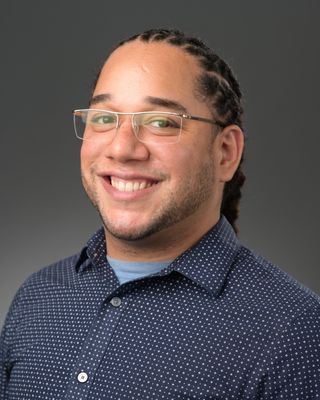
Hosted by Quilvio Rodriguez
Psychiatric Nurse Practitioner, PMHNP, BC
Group meets in New York, NY 10028
Here at ReKlame Health, we are a group of psychiatric providers who offer clients a safe and open space to express themselves freely, so they can get the treatment they need to take back control of their lives. We offer personalized treatment plans including medication management, and supportive therapy when needed, to help you heal.
Dialectical Behavioral Therapy identifies and changes negative thinking patterns and pushes for positive behavioral changes. DBT Group Therapy at Gateway to Solutions focuses on mindfulness; interpersonal effectiveness, stress tolerance, and emotional regulation. DBT treats Depression, Anxiety, Self-Harm, Personality Disorders, Binge-eating, PTSD, Traumatic Brain Injuries (TBI), Mood Disorders, and Abuse survivors. Things You Should Know: In person, 1.5-hour per session, Tuesday's, 7 PM to 8:30 PM, Insurance reimbursable, contact us to schedule an intake.
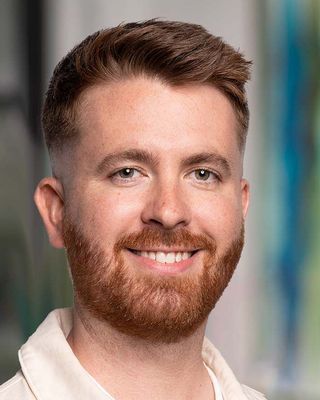
Hosted by Jamie Downie
Licensed Master Social Worker, LMSW, REBT, DBT
Group meets in New York, NY 10006
Dialectical Behavioral Therapy identifies and changes negative thinking patterns and pushes for positive behavioral changes. DBT Group Therapy at Gateway to Solutions focuses on mindfulness; interpersonal effectiveness, stress tolerance, and emotional regulation. DBT treats Depression, Anxiety, Self-Harm, Personality Disorders, Binge-eating, PTSD, Traumatic Brain Injuries (TBI), Mood Disorders, and Abuse survivors. Things You Should Know: In person, 1.5-hour per session, Tuesday's, 7 PM to 8:30 PM, Insurance reimbursable, contact us to schedule an intake.
Welcome to my dynamic DBT skills group, where transformation and empowerment take center stage! This SAFE, engaging and supportive environment is designed to help you develop essential skills for managing emotions, enhancing relationships, and navigating life’s challenges with confidence. Each session is packed with valuable insights as we dive into the four core modules of Dialectical Behavioral Therapy: mindfulness, distress tolerance, emotion regulation, and interpersonal effectiveness. Participants will have the opportunity to share experiences, practice skills, and learn from one another, fostering a sense of community and connection.
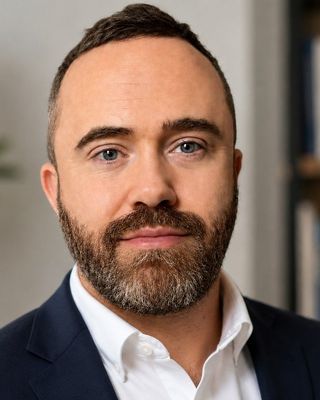
Hosted by Michael Morgan
Clinical Social Work/Therapist, LCSW, C-DBT
Group meets in New York, NY 10065
Welcome to my dynamic DBT skills group, where transformation and empowerment take center stage! This SAFE, engaging and supportive environment is designed to help you develop essential skills for managing emotions, enhancing relationships, and navigating life’s challenges with confidence. Each session is packed with valuable insights as we dive into the four core modules of Dialectical Behavioral Therapy: mindfulness, distress tolerance, emotion regulation, and interpersonal effectiveness. Participants will have the opportunity to share experiences, practice skills, and learn from one another, fostering a sense of community and connection.
You're more than twice as likely to quit smoking if you use nicotine replacement, medications, or group therapy than if you do nothing at all, according to John R. Hughes, MD, who has studied smoking cessation programs. Using SmokEnders techniques, both the physical and psychological aspects of smoking are addressed, making it more effective and supportive.

You're more than twice as likely to quit smoking if you use nicotine replacement, medications, or group therapy than if you do nothing at all, according to John R. Hughes, MD, who has studied smoking cessation programs. Using SmokEnders techniques, both the physical and psychological aspects of smoking are addressed, making it more effective and supportive.
Call 917-983-8353 or 551-298-2764 to schedule a SAP evaluation. Specializing in completing Return-To-Duty SAP Evaluations for FMCSA, FAA, USCG, FTA, and FRA employees. The SAP process can feel stressful. Having a qualified DOT SAP is crucial to successful completion and a stress free experience. Let me help you get back to work right away. Evaluations done VIRTUALLY via ZOOM.

Call 917-983-8353 or 551-298-2764 to schedule a SAP evaluation. Specializing in completing Return-To-Duty SAP Evaluations for FMCSA, FAA, USCG, FTA, and FRA employees. The SAP process can feel stressful. Having a qualified DOT SAP is crucial to successful completion and a stress free experience. Let me help you get back to work right away. Evaluations done VIRTUALLY via ZOOM.
This group works with women who are dealing with difficulties surrounding trauma and addiction. The group is topic-based and uses the group members' relationships to create a safe environment for women to speak about relevant topics and learn safe coping skills.

This group works with women who are dealing with difficulties surrounding trauma and addiction. The group is topic-based and uses the group members' relationships to create a safe environment for women to speak about relevant topics and learn safe coping skills.
Many of the men I work with carry an enormous amount alone… stress, pressure, uncertainty, and questions about connection that rarely have a safe place to be spoken out loud. Substances and Gambling have served as escapes, and they worked.....until they didn't. Abstinence is a shared value, but not a barrier to entry. Member-driven conversations - content and process. Wednesdays at 8am In-person in Midtown Manhattan (119 W. 57th St.) 55 minutes, $75/session Rolling admission, 7 members only Started April 8th, 2026

Hosted by Andrew John Tucker
Clinical Social Work/Therapist, LCSW, CASAC-G
Group meets in New York, NY 10019
I work with individuals facing substance use, anxiety, depression, and challenging life circumstances, creating a safe space to explore concerns and build a plan for growth.
Many of the men I work with carry an enormous amount alone… stress, pressure, uncertainty, and questions about connection that rarely have a safe place to be spoken out loud. Substances and Gambling have served as escapes, and they worked.....until they didn't. Abstinence is a shared value, but not a barrier to entry. Member-driven conversations - content and process. Wednesdays at 8am In-person in Midtown Manhattan (119 W. 57th St.) 55 minutes, $75/session Rolling admission, 7 members only Started April 8th, 2026
Change to Evolve is a group that focuses on helping clients to identify the issues that prevent them from living their lives to their fullest potential. I utilize CBT and Mindfulness therapy and techniques to help identify maladaptive (negative) thought patterns that prevent goal fulfillment. Together we will identify, challenge and then work to change negative thoughts by practicing greater self awareness. Clients are provided with a safe place to open up and start the healing process with a trained therapist and counselor.
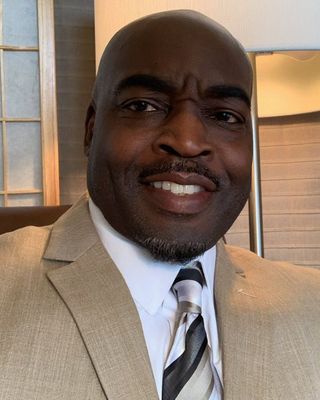
Hosted by John Saunders
Licensed Mental Health Counselor, LMHC-D, M-CASAC, MS, MA, C-DBT
Group meets in New York, NY 10016
I work with clients who may struggle with mood disorders, depression, ADHD, anxiety, eating disorders, conduct disorders, including poor impulse control, and addiction.
Change to Evolve is a group that focuses on helping clients to identify the issues that prevent them from living their lives to their fullest potential. I utilize CBT and Mindfulness therapy and techniques to help identify maladaptive (negative) thought patterns that prevent goal fulfillment. Together we will identify, challenge and then work to change negative thoughts by practicing greater self awareness. Clients are provided with a safe place to open up and start the healing process with a trained therapist and counselor.
Searchlight Therapy is a Group Practice offering highly customizable, individualized, and transformative care to Adolescents, Young Adults, and their Families treating Substance Use and Co Occurring Disorders in New York City Whether you’re taking the first step or continuing your journey, we’re here to walk alongside you by helping to navigate the challenges of recovery, rebuild connection, and create lasting change. Our team of experienced therapists are dedicated to helping adolescents and adults take that first step. Services- Individual Therapy Family Therapy Clinical Parent Coaching Clinical Case Management Consulting
Searchlight Therapy is a Group Practice offering highly customizable, individualized, and transformative care to Adolescents, Young Adults, and their Families treating Substance Use and Co Occurring Disorders in New York City Whether you’re taking the first step or continuing your journey, we’re here to walk alongside you by helping to navigate the challenges of recovery, rebuild connection, and create lasting change. Our team of experienced therapists are dedicated to helping adolescents and adults take that first step. Services- Individual Therapy Family Therapy Clinical Parent Coaching Clinical Case Management Consulting
Our IOP schedule is individualized to each patient's schedule our clinicians provide individual therapy and a range of groups to teach skills and strategies for managing thoughts and feelings without the use of alcohol and drugs. Groups include Morning Mindfulness, Mentalization, Mixed Emotions, Cognitive Behavioral Therapy (CBT) Relapse, Dialectical Behavior Therapy (DBT), Emotion Efficacy, Acceptance and Commitment Therapy (ACT), Trauma Groups, Community Reinforcement Approach (CRA) and #Altsober.

Our IOP schedule is individualized to each patient's schedule our clinicians provide individual therapy and a range of groups to teach skills and strategies for managing thoughts and feelings without the use of alcohol and drugs. Groups include Morning Mindfulness, Mentalization, Mixed Emotions, Cognitive Behavioral Therapy (CBT) Relapse, Dialectical Behavior Therapy (DBT), Emotion Efficacy, Acceptance and Commitment Therapy (ACT), Trauma Groups, Community Reinforcement Approach (CRA) and #Altsober.
This DBT-based group not only focuses on reducing self-harming behaviors--including eating disorders, addictions, cutting, or any behavioral patterns interfering with the potential to live life with a measure of effectiveness--but is also appropriate for individuals seeking to navigate chronic interpersonal difficulties that have served as impediments to happiness and success. Each week we learn essential DBT skills and share interpersonal processes and dynamics in order to learn how to best implement the learned skills into daily living. This group has been helpful for those who are new to DBT, or those looking for a refresher course.

This DBT-based group not only focuses on reducing self-harming behaviors--including eating disorders, addictions, cutting, or any behavioral patterns interfering with the potential to live life with a measure of effectiveness--but is also appropriate for individuals seeking to navigate chronic interpersonal difficulties that have served as impediments to happiness and success. Each week we learn essential DBT skills and share interpersonal processes and dynamics in order to learn how to best implement the learned skills into daily living. This group has been helpful for those who are new to DBT, or those looking for a refresher course.
Process Group for Intimacy Issues, Problematic Sexual Behaviors and Sex Addiction: Learn to remain sexually healthy and sexually sober while getting your real needs met from your primary relationships

Process Group for Intimacy Issues, Problematic Sexual Behaviors and Sex Addiction: Learn to remain sexually healthy and sexually sober while getting your real needs met from your primary relationships
Protect your life from self destruction. I see society's most high functioning men, elite expert 31 years 46K hrs sexual misbehavior specialist psychotherapy. Evidence based research oriented methods on Infidelity, Prostitution, Seeking Arrangements Sugar Daddy, Strip Clubs, Massage Parlors, OnlyFans, Certified Specialist. I bring highly effective clinical skills, most up to date understandings to change distorted thinking and end these misbehaviors, heal your relationships. Proudly never used "Carnes" model. Call me now, I would love to help. TELEHEALTH to to NY CT NJ CA FL OH UT $400 Individual Sessions $200 Group sessions www.sexuallycompulsive.com

Hosted by Sex Addiction, Infidelity 28 Yrs Experience Expert
Clinical Social Work/Therapist, LCSW-R , SOTS
Group meets in New York, NY 10151
I help clients who need experienced clinical expert 31 years history in correcting the thinking behaviors of infidelity cheating, prostitution, "seeking arrangements", sexual addiction so destructive choices not repeated.
Protect your life from self destruction. I see society's most high functioning men, elite expert 31 years 46K hrs sexual misbehavior specialist psychotherapy. Evidence based research oriented methods on Infidelity, Prostitution, Seeking Arrangements Sugar Daddy, Strip Clubs, Massage Parlors, OnlyFans, Certified Specialist. I bring highly effective clinical skills, most up to date understandings to change distorted thinking and end these misbehaviors, heal your relationships. Proudly never used "Carnes" model. Call me now, I would love to help. TELEHEALTH to to NY CT NJ CA FL OH UT $400 Individual Sessions $200 Group sessions www.sexuallycompulsive.com
Process group for men with over a year of continuous recovery
Process group for men with over a year of continuous recovery
Group therapy for sexual addiction helps provide a safe forum where group members who have a shared experience experience with sexual addiction can find support and help. The group experience helps combat the intense shame and sense of isolation that a sex addict often experiences. Group therapy is a very powerful therapeutic experience in a way that other modes of therapy are not. Clients often find that group therapy is an excellent way to learn how others perceive them, how they relate to others, and how they view themselves.

Hosted by Center for Intimacy Recovery
Clinical Social Work/Therapist, LCSW, CSAT, EMDR
Group meets in New York, NY 10018
We support individuals and families overcome defenses to intimacy such as sexual and love addiction, intimacy avoidant behavior, betrayal trauma, pornography, infidelity and as well as sex therapy.
Group therapy for sexual addiction helps provide a safe forum where group members who have a shared experience experience with sexual addiction can find support and help. The group experience helps combat the intense shame and sense of isolation that a sex addict often experiences. Group therapy is a very powerful therapeutic experience in a way that other modes of therapy are not. Clients often find that group therapy is an excellent way to learn how others perceive them, how they relate to others, and how they view themselves.
See more therapy options for New York


Nearby Addiction Support Groups Searches for New York
See More Addiction Support Groups Addiction Support Groups
What is the best therapy for addiction?
Addiction treatment will be tailored to the individual. People seeking help for addiction—whether with a psychotherapist, in an outpatient clinic, or in a residential program—should expect to engage in multiple types of treatments, sometimes including medication. For anyone recovering from addiction, avoiding situations in which one has typically used a substance is essential, as is the support of close connections. Since substance use disorders tend to co-occur with underlying mental health conditions such as anxiety or depression, those must also be addressed as part of any recovery plan.
How long does therapy for addiction take?
There is no set timeline for recovery from addiction. Patients and their families should expect the work to last several months, if not longer. Residential treatment programs may be based on a stay of 30, 60, or 90 days, with continuing work after release, but only about 1 percent of people are treated in such facilities. Ceasing use is just the first step; therapy to help maintain abstinence and effect behavior change must follow. The process of recovery, neuroscience has shown, involves brain cells recovering the capacity to respond to natural sources of reward and restore control over the impulse to use. Another definition of recovery is restoring voluntary control over one’s substance use and retaking all of one’s previous responsibilities.
How effective is drug addiction treatment?
Substance use disorders are treatable and remission is achievable for many who seek recovery; by some estimates, more than three-quarters of people who become addicted to alcohol or drugs recover. But that success rarely occurs quickly or on a set timeline; relapse is not only common, but many therapists and clinicians view it as a normal part of the process—not always a sign that a person has returned to addiction, but a signal that their treatment should be adjusted to help them regain control. Overall, research suggests, five years after the end of substance use, one’s risk of relapse is no greater than that of others who had not faced addiction. Other experts believe that complete abstinence is not the only measure of recovery, and that, through effective treatment, many people can learn to control their use.
How can you get addiction treatment for someone?
The most important factor in recovery from addiction is widely understood to be an individual’s commitment to change. For that reason,“interventions” in which friends and family gather to urge or force someone to begin immediate treatment often backfire; even when such efforts do lead someone to begin treatment, they may be less likely to stay than those who are self-driven. Still, family members can play an important role in supporting an individual who seeks help and can take part in family therapy as one element of a loved one’s treatment.