Support Groups in East Meadow, NY
This group offers a safe, supportive space to explore how you relate to others and build more authentic, fulfilling connections. Together, we’ll examine patterns in relationships with family, partners, friends, and within the group itself. Through open dialogue and shared reflection, members gain greater awareness of their feelings, thoughts, and behaviors — opening new possibilities for more genuine, satisfying relationships. As the therapist, I guide the process, offering feedback and support as members learn to communicate openly, resolve interpersonal challenges, and deepen connection. This is an open group, welcoming new members who want to better understand themselves and others through the healing power of relationships.

Hosted by Marta Laurette
Clinical Social Work/Therapist, LCSW-R
Group meets in East Meadow, NY 11554
This group offers a safe, supportive space to explore how you relate to others and build more authentic, fulfilling connections. Together, we’ll examine patterns in relationships with family, partners, friends, and within the group itself. Through open dialogue and shared reflection, members gain greater awareness of their feelings, thoughts, and behaviors — opening new possibilities for more genuine, satisfying relationships. As the therapist, I guide the process, offering feedback and support as members learn to communicate openly, resolve interpersonal challenges, and deepen connection. This is an open group, welcoming new members who want to better understand themselves and others through the healing power of relationships.
More Groups Nearby
Life as a new mother is full of excitement but can also be full of challenges and can feel very isolating. Come to this new group starting in July 2017 to share your stresses and your successes in a safe environment under the guidance of an experienced therapist

Hosted by Laura Barr Salinas
Clinical Social Work/Therapist, LCSW
Group meets in Garden City, NY 11530
Life as a new mother is full of excitement but can also be full of challenges and can feel very isolating. Come to this new group starting in July 2017 to share your stresses and your successes in a safe environment under the guidance of an experienced therapist
Body image groups are limited to 6-8 clients and focuses on coping skills and specific strategies to tolerate and improve the distress associated with negative body image. Even with effective eating disorder treatment, severe body image distress can persist for years after eating disorder recovery and poses significant risk for relapse. These groups are designed to specifically address these issues.

Hosted by Dr. DeSarbo / ED-180 Treatment Progams
Psychiatrist, DO
Group meets in Garden City, NY 11530
Body image groups are limited to 6-8 clients and focuses on coping skills and specific strategies to tolerate and improve the distress associated with negative body image. Even with effective eating disorder treatment, severe body image distress can persist for years after eating disorder recovery and poses significant risk for relapse. These groups are designed to specifically address these issues.
A group for adult BIPOC women, femmes, and gender expansive folks who are currently parenting or engaged in caregiving for a child or children. From a place of radical love, participants discuss how to support one another in utilizing liberatory/anti-oppressive child raising strategies, identifying day-to-day practices of joy and celebration, and nurturing their children and their own authentic selves, ability to self-advocate, and recognize/intervene injustice. Groups cycles are 6-9 weeks at a time, weekly meetings for 75 minutes per session, $75 (with sliding scale slots) per session, maximum of 8 people per group.
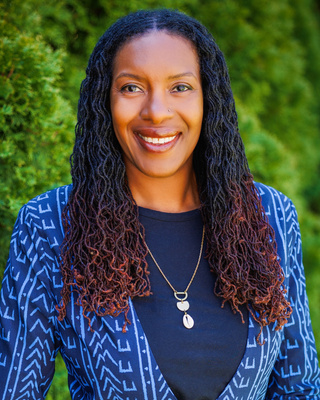
A group for adult BIPOC women, femmes, and gender expansive folks who are currently parenting or engaged in caregiving for a child or children. From a place of radical love, participants discuss how to support one another in utilizing liberatory/anti-oppressive child raising strategies, identifying day-to-day practices of joy and celebration, and nurturing their children and their own authentic selves, ability to self-advocate, and recognize/intervene injustice. Groups cycles are 6-9 weeks at a time, weekly meetings for 75 minutes per session, $75 (with sliding scale slots) per session, maximum of 8 people per group.
Our small Group Therapy will be integrate with cognitive behavioral therapy and dialectical behavioral therapy to enhance healing on depression, anxiety, addiction issues, anger problems, dementia support for patients and families, parenting issues and teens transition life events. In our group therapy give clients to receive the support and encouragement of the other clients of the group in a caring therapeutic environment. Our clients participating in the group can see that others are going through the same thing, which can help them feel less alone and promote healing of mind.

Hosted by Gina Lee
Psychiatric Nurse Practitioner, PNP-BC, ANP-BC
Group meets in Little Neck, NY 11362
Our small Group Therapy will be integrate with cognitive behavioral therapy and dialectical behavioral therapy to enhance healing on depression, anxiety, addiction issues, anger problems, dementia support for patients and families, parenting issues and teens transition life events. In our group therapy give clients to receive the support and encouragement of the other clients of the group in a caring therapeutic environment. Our clients participating in the group can see that others are going through the same thing, which can help them feel less alone and promote healing of mind.
Dialectical Behavioral Therapy identifies and changes negative thinking patterns and pushes for positive behavioral changes. DBT Group Therapy at Gateway to Solutions focuses on mindfulness; interpersonal effectiveness, stress tolerance, and emotional regulation. DBT treats Depression, Anxiety, Self-Harm, Personality Disorders, Binge-eating, PTSD, Traumatic Brain Injuries (TBI), Mood Disorders, and Abuse survivors. Things You Should Know: In Person, 1.5-hour per session, Tuesdays, 7 PM to 8:30 PM, Insurance reimbursable, contact us to schedule an intake.

Dialectical Behavioral Therapy identifies and changes negative thinking patterns and pushes for positive behavioral changes. DBT Group Therapy at Gateway to Solutions focuses on mindfulness; interpersonal effectiveness, stress tolerance, and emotional regulation. DBT treats Depression, Anxiety, Self-Harm, Personality Disorders, Binge-eating, PTSD, Traumatic Brain Injuries (TBI), Mood Disorders, and Abuse survivors. Things You Should Know: In Person, 1.5-hour per session, Tuesdays, 7 PM to 8:30 PM, Insurance reimbursable, contact us to schedule an intake.
Accepting Referrals - The Resilience Room is a virtual social emotional learning group for pre-teen/teens. This group will teach them the necessary social emotional learning skills to be successful in life. Some of these skills consist of self-awareness, emotional regulation and responsible decision making skills. The purpose of the group is to help pre-teen/teens understand and manage their emotions in a healthy way.

Hosted by Kimberly Shaw, LCSW
Clinical Social Work/Therapist, LCSW
Group meets in Queens Village, NY 11427
Accepting Referrals - The Resilience Room is a virtual social emotional learning group for pre-teen/teens. This group will teach them the necessary social emotional learning skills to be successful in life. Some of these skills consist of self-awareness, emotional regulation and responsible decision making skills. The purpose of the group is to help pre-teen/teens understand and manage their emotions in a healthy way.
...in which smart, self-aware, creative adult men come together to obliterate social game-playing and talk honestly about every aspect of their lives, support each other, challenge each other, help each other, learn from each other, ask each other for feedback, tell each other the truth, find out how they come across to each other, generally help each other grow...and, in so doing, make the relationships in their lives much more rewarding, and their experiences of being humans on Planet Earth much more fulfilling.

Hosted by Tracy Solomon
Clinical Social Work/Therapist, MA, LCSW, PsyA
Group meets in Brooklyn, NY 11201
...in which smart, self-aware, creative adult men come together to obliterate social game-playing and talk honestly about every aspect of their lives, support each other, challenge each other, help each other, learn from each other, ask each other for feedback, tell each other the truth, find out how they come across to each other, generally help each other grow...and, in so doing, make the relationships in their lives much more rewarding, and their experiences of being humans on Planet Earth much more fulfilling.
A trauma-informed, somatic process group for adult survivors of childhood sexual abuse — designed to help you build a safer, more connected relationship with your body. Over 8 weeks, we begin with stabilization: grounding, nervous system regulation, and resourcing. Once a foundation is built, we move into supported trauma processing — paced, boundaried, and always within your window of tolerance. Facilitated by Dipti Balwani, LMHC, RYT-200, EMDR Level 1. A free 25-minute screening consultation is required prior to joining. Virtual. Wednesdays at 7 PM EST. Starting June 24.
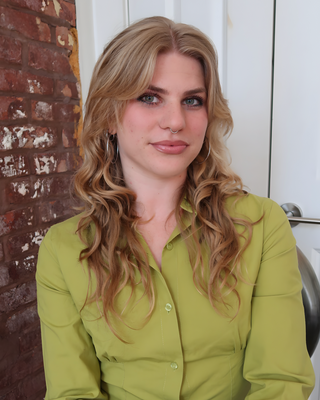
A trauma-informed, somatic process group for adult survivors of childhood sexual abuse — designed to help you build a safer, more connected relationship with your body. Over 8 weeks, we begin with stabilization: grounding, nervous system regulation, and resourcing. Once a foundation is built, we move into supported trauma processing — paced, boundaried, and always within your window of tolerance. Facilitated by Dipti Balwani, LMHC, RYT-200, EMDR Level 1. A free 25-minute screening consultation is required prior to joining. Virtual. Wednesdays at 7 PM EST. Starting June 24.
This group is for single, career-minded women seeking support from other women like them. From a very young age, women are taught that their womanhood is intrinsically tied to getting married and having kids. This can cause distress not only for women who want these things but don't have them, but also for women who don't want these things but can't get away from the pressures of society and/or their own conflicting thoughts that they should want these things. Find strength and take comfort in the presence of other women dealing with similar challenges.

This group is for single, career-minded women seeking support from other women like them. From a very young age, women are taught that their womanhood is intrinsically tied to getting married and having kids. This can cause distress not only for women who want these things but don't have them, but also for women who don't want these things but can't get away from the pressures of society and/or their own conflicting thoughts that they should want these things. Find strength and take comfort in the presence of other women dealing with similar challenges.
Experienced Mental Health Counselors. Proud to provide high quality level of customer service, mental health experience, and commitment to health and wellness to all patients. The goal is to make you feel a better version of yourself, the self that tends to be lost due to diverse factors introduced by the process of simply being.

Experienced Mental Health Counselors. Proud to provide high quality level of customer service, mental health experience, and commitment to health and wellness to all patients. The goal is to make you feel a better version of yourself, the self that tends to be lost due to diverse factors introduced by the process of simply being.
Life can get serious, but your playful spirit is still inside you, waiting to be rediscovered. This supportive improv group offers adults a safe, judgment-free space to explore creativity, spontaneity, and joy through fun, guided improv exercises. Using improv games, you’ll reconnect with your sense of play, reduce stress, strengthen communication skills, build social connections, and embrace spontaneity and self-expression. No acting experience needed, just an openness to play. Whether you want to spark creativity, relieve tension, or have fun, this group invites you to tap into your inner child and experience the healing power of play.

Life can get serious, but your playful spirit is still inside you, waiting to be rediscovered. This supportive improv group offers adults a safe, judgment-free space to explore creativity, spontaneity, and joy through fun, guided improv exercises. Using improv games, you’ll reconnect with your sense of play, reduce stress, strengthen communication skills, build social connections, and embrace spontaneity and self-expression. No acting experience needed, just an openness to play. Whether you want to spark creativity, relieve tension, or have fun, this group invites you to tap into your inner child and experience the healing power of play.
Becoming a parent is one of life's most miraculous experiences. With all the joy also comes challenges that sometimes new parents are not ready for. We will be discussing a range of topics imcluding; new identity, how to deal will loneliness and even boredom, disappointing expectations, changing relationship with spouce/ significant other, co parenting and more. The group will be supportive and educational and allow parents to connect with eacother and develop relationships.

Becoming a parent is one of life's most miraculous experiences. With all the joy also comes challenges that sometimes new parents are not ready for. We will be discussing a range of topics imcluding; new identity, how to deal will loneliness and even boredom, disappointing expectations, changing relationship with spouce/ significant other, co parenting and more. The group will be supportive and educational and allow parents to connect with eacother and develop relationships.
All gender identities Play Your Parts group focuses on healing trauma and family of origin issues utilizing Psychodramatic/IFS parts work. We create a safe and supportive environment to work on interpersonal issues using parts mapping, parts work, and psychodramatic role-playing.

Hosted by The Inner Stage/Valerie Simon, LCSW, TEP, CET III
Clinical Social Work/Therapist, LCSW-R, CP, TEP, CET III, CertIFS
Group meets in New York, NY 10023
All gender identities Play Your Parts group focuses on healing trauma and family of origin issues utilizing Psychodramatic/IFS parts work. We create a safe and supportive environment to work on interpersonal issues using parts mapping, parts work, and psychodramatic role-playing.
A weekly Wednesday evening group aimed at helping patients explore themselves and their relationship to others; a dynamic process that grows from the here-and-now of members' experiences in the room.

A weekly Wednesday evening group aimed at helping patients explore themselves and their relationship to others; a dynamic process that grows from the here-and-now of members' experiences in the room.
Whether you’re swiping, first-dating, or healing from a breakup, we’re here to listen, learn, and grow together. Share your experiences, challenges, and successes in a safe and understanding environment. Let’s build confidence, set healthy boundaries, and find love on your terms.

Whether you’re swiping, first-dating, or healing from a breakup, we’re here to listen, learn, and grow together. Share your experiences, challenges, and successes in a safe and understanding environment. Let’s build confidence, set healthy boundaries, and find love on your terms.
Our DBT for BED follows the skills manual focusing on specific teachings for behaviors associated with food and weight issues. The use of DBT skills brings a dialectical approach to abstinence and substitute behaviors to help cope with intense feelings while you are integrating your skillful self. Somatic skills and embodiment allow for a more holistic skill set. The best part is not having to do it alone. This group format is a total of 8 weeks and covers emotion regulation, self compassion, harm reduction & other concrete living skills navigating a recovery lifestyle.

Our DBT for BED follows the skills manual focusing on specific teachings for behaviors associated with food and weight issues. The use of DBT skills brings a dialectical approach to abstinence and substitute behaviors to help cope with intense feelings while you are integrating your skillful self. Somatic skills and embodiment allow for a more holistic skill set. The best part is not having to do it alone. This group format is a total of 8 weeks and covers emotion regulation, self compassion, harm reduction & other concrete living skills navigating a recovery lifestyle.
This group meets via Telemedicine for a 7-week program: Virtual ketamine-assisted psychotherapy (KAP). Our therapists are in collaboration with psychiatrists at Journey Clinical to prescribe the safe administration of ketamine sublingual lozenges for at-home use. What makes our group unique is the integration and preparation sessions: We guide you through sound healing, Creative Arts Therapy (art), and Dance/Movement Therapy to enhance the effects of the treatment and integrate body-mind. Sessions are eligible for partial, out-of-network coverage per your insurance plan. The program runs September 1st at 12:30 pm EST--Oct. 13th, 2023.

Hosted by Balanced Life Movement Creative Arts Therapy PLLC
Art Therapist, MS, BC-DMT, LCAT
Group meets in Brooklyn, NY 11226
This group meets via Telemedicine for a 7-week program: Virtual ketamine-assisted psychotherapy (KAP). Our therapists are in collaboration with psychiatrists at Journey Clinical to prescribe the safe administration of ketamine sublingual lozenges for at-home use. What makes our group unique is the integration and preparation sessions: We guide you through sound healing, Creative Arts Therapy (art), and Dance/Movement Therapy to enhance the effects of the treatment and integrate body-mind. Sessions are eligible for partial, out-of-network coverage per your insurance plan. The program runs September 1st at 12:30 pm EST--Oct. 13th, 2023.
Friendships can become more complicated as children enter their Middle School years. Many kids benefit from a little more practice reading social cues, managing frustration, handling conflict, tolerating uncomfortable social moments, and figuring out which peers feel like a good fit. Through conversation, games, role-play, and real-life problem-solving, we’ll work on building social confidence, flexibility, and the practical skills that help kids develop healthy, meaningful friendships—while staying true to who they are. *I want cost to be as little of a barrier as possible, so flexible pay-what-you-can rates are available.

Friendships can become more complicated as children enter their Middle School years. Many kids benefit from a little more practice reading social cues, managing frustration, handling conflict, tolerating uncomfortable social moments, and figuring out which peers feel like a good fit. Through conversation, games, role-play, and real-life problem-solving, we’ll work on building social confidence, flexibility, and the practical skills that help kids develop healthy, meaningful friendships—while staying true to who they are. *I want cost to be as little of a barrier as possible, so flexible pay-what-you-can rates are available.
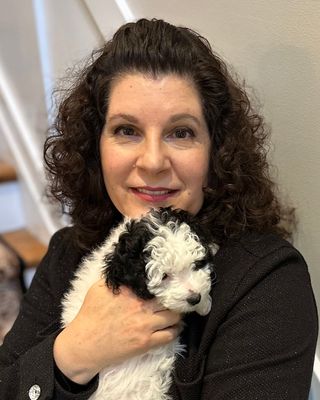
As a certified Grief Educator, group is geared towards women who have experienced loss and feel stuck in grief. In this group we will witness each others losses, be present with each other, and have a safe space to talk about our loved one, while learning how to live life with more joy than pain. This will be a safe and supportive group that will also share some insights that help individuals navigate grief in a way that is meaningful to them. We are not supposed to grieve alone. We need our grief to be witnessed by others to heal.
Hosted by Adrienne Licari
Clinical Social Work/Therapist, LCSW-R
Group meets in Stony Brook, NY 11790
As a certified Grief Educator, group is geared towards women who have experienced loss and feel stuck in grief. In this group we will witness each others losses, be present with each other, and have a safe space to talk about our loved one, while learning how to live life with more joy than pain. This will be a safe and supportive group that will also share some insights that help individuals navigate grief in a way that is meaningful to them. We are not supposed to grieve alone. We need our grief to be witnessed by others to heal.
See more therapy options for East Meadow


FAQs - About Group Therapy and Support Groups
How can I find a support group in East Meadow?
To find a support group in your area, start by entering your city, zip code, or the name of the group into the search bar at the top of the page. When searching, consider whether you prefer an in-person or virtual group. This can help you decide how broad your geographic search should be. If you are open to virtual groups, you might want to search by state instead of just your city, especially if there are limited options nearby.
Once you complete your search, you can use the filters to narrow the results by selecting specialties (such as grief, trauma, or eating disorders), therapeutic approaches, age groups, and other criteria to find a group that best fits your needs.
Once you complete your search, you can use the filters to narrow the results by selecting specialties (such as grief, trauma, or eating disorders), therapeutic approaches, age groups, and other criteria to find a group that best fits your needs.
How does group therapy work?
Group therapy is led by one or more trained therapists and provides a space where participants can process their experiences and learn from others facing similar challenges. Groups may focus on a specific issue—such as addiction, grief, physical illnesses, parenting, or caregiving—or they may center around a particular therapeutic approach, such as Cognitive Behavioral Therapy (CBT), social skill development, or Exposure Therapy. Some groups are also designed for specific populations, such as teens, veterans, or LGBTQ+ individuals.
It’s also important to distinguish group therapy from peer-led support groups, like Alcoholics Anonymous. While both can offer valuable support, therapy groups are typically led by licensed professionals and follow a more structured format. Therapy groups often meet for a fixed length of time with a consistent group of members, while many peer support groups meet for an indefinite period of time with members coming and going.
It’s also important to distinguish group therapy from peer-led support groups, like Alcoholics Anonymous. While both can offer valuable support, therapy groups are typically led by licensed professionals and follow a more structured format. Therapy groups often meet for a fixed length of time with a consistent group of members, while many peer support groups meet for an indefinite period of time with members coming and going.
What are the benefits of group therapy?
Group therapy offers several important benefits. It brings together people facing similar challenges—whether related to mental health, physical health, or life transitions—and creates a supportive environment where participants can exchange feedback, share experiences, and learn from one another. Hearing different perspectives can help individuals discover new coping strategies and practical tools they may not have encountered on their own. Sharing personal experiences, such as coping with a serious illness or navigating family struggles, can also reduce feelings of isolation and foster a sense of connection and understanding. In addition to emotional support, group members often gain useful, real-world advice from peers who have faced similar situations.
Group therapy is typically more affordable than individual therapy and, for certain conditions, can be equally effective. Many groups also include structured activities—such as guided journaling, cognitive-behavioral exercises, or role-playing—to help participants develop concrete skills they can apply in daily life.
Group therapy is typically more affordable than individual therapy and, for certain conditions, can be equally effective. Many groups also include structured activities—such as guided journaling, cognitive-behavioral exercises, or role-playing—to help participants develop concrete skills they can apply in daily life.
Is group therapy as effective as individual therapy?
It is difficult to make a blanket statement about the effectiveness of support groups, as they vary widely in focus and the conditions they address. However, support groups can be highly valuable in helping individuals gain emotional support and achieve meaningful treatment outcomes. For certain conditions, such as substance use, research has shown that group therapy can be particularly effective—sometimes just as effective as individual therapy—in supporting long-term recovery.
Many professionals attribute the effectiveness of group therapy to the unique benefits of the group setting, which fosters peer-to-peer learning and a sense of connection through shared experiences. Group settings also offer accountability and encouragement from both facilitators and fellow participants, which helps sustain motivation and supports continued progress. These factors together play a key role in promoting the overall effectiveness of group therapy.
Many professionals attribute the effectiveness of group therapy to the unique benefits of the group setting, which fosters peer-to-peer learning and a sense of connection through shared experiences. Group settings also offer accountability and encouragement from both facilitators and fellow participants, which helps sustain motivation and supports continued progress. These factors together play a key role in promoting the overall effectiveness of group therapy.
How much does group therapy cost?
Group therapy is typically less expensive than individual therapy, with sessions typically costing between $50 and $75 each. In comparison, individual therapy can cost anywhere from $100 to $200 or more per session, even with insurance. Some therapists or organizations offer low-cost or free group therapy options, particularly through community centers or nonprofit organizations. In some cases, groups may require payment upfront for a set number of sessions, such as paying for six weekly sessions at the first meeting. However, many providers offer payment plans to help make participation more accessible if this upfront payment is required.
Does insurance cover group therapy?
As with individual therapy, insurance coverage for group therapy varies based on factors such as your specific insurance plan, the purpose of the group, your diagnosis, and whether the group provider is in-network. Many insurance plans cover group therapy sessions that address diagnosable mental health conditions, such as substance use disorders, anxiety, or depression.
However, groups that focus on topics not directly tied to a mental health diagnosis—such as parenting support or divorce recovery—are less likely to be covered. Because coverage can vary widely, it’s important to check with your insurance provider before joining a group to confirm whether the sessions will be covered and what out-of-pocket costs you may be responsible for.
However, groups that focus on topics not directly tied to a mental health diagnosis—such as parenting support or divorce recovery—are less likely to be covered. Because coverage can vary widely, it’s important to check with your insurance provider before joining a group to confirm whether the sessions will be covered and what out-of-pocket costs you may be responsible for.
How long does group therapy last?
The length of each group therapy session typically ranges from 45 minutes to two hours, depending on the therapy approach, the group’s goals, and how often the group meets. In some cases, group therapy is part of a larger treatment program, such as an Intensive Outpatient Program (IOP), where group sessions complement individual therapy and are scheduled as part of the program’s overall structure.
The duration of participation in a group also varies. Some groups are designed to be short-term, lasting anywhere from 6 to 24 weeks—for example, bereavement groups or skills-based groups like those using Dialectical Behavioral Therapy (DBT). Other groups may be longer-term, lasting a year or more, and some ongoing support groups meet indefinitely, allowing participants to stay as long as they find the group helpful.
The duration of participation in a group also varies. Some groups are designed to be short-term, lasting anywhere from 6 to 24 weeks—for example, bereavement groups or skills-based groups like those using Dialectical Behavioral Therapy (DBT). Other groups may be longer-term, lasting a year or more, and some ongoing support groups meet indefinitely, allowing participants to stay as long as they find the group helpful.
What are the limitations of support groups?
Support groups offer many benefits, but they also have certain limitations. Unlike therapy groups, many support groups do not provide formal therapeutic treatment and are not led by licensed mental health professionals. For individuals seeking clinical treatment for specific mental health diagnoses—such as depression, eating disorders, or substance use—individual therapy or group therapy led by a licensed professional may offer more personalized and specialized care.
The effectiveness of a support group also depends heavily on the group’s participants and the overall group dynamic. When members engage respectfully and offer constructive support, the group can foster valuable peer-to-peer learning. However, if certain participants dominate discussions, provide inaccurate advice, or create conflict, it can disrupt the group’s sense of safety and reduce its effectiveness. Confidentiality can also be harder to maintain in support groups, particularly in open groups where participants can join or leave at any time. With new members regularly entering the group, it can be more difficult to build and sustain a consistent sense of trust and privacy.
The effectiveness of a support group also depends heavily on the group’s participants and the overall group dynamic. When members engage respectfully and offer constructive support, the group can foster valuable peer-to-peer learning. However, if certain participants dominate discussions, provide inaccurate advice, or create conflict, it can disrupt the group’s sense of safety and reduce its effectiveness. Confidentiality can also be harder to maintain in support groups, particularly in open groups where participants can join or leave at any time. With new members regularly entering the group, it can be more difficult to build and sustain a consistent sense of trust and privacy.