Support Groups in Millburn, NJ
Starting therapy should be easy. You can email, call, text, or request a call back. You can see our staff, choose the best therapist for you, see their openings, and request an appointment online. Get started https://www.resolutioncc.com/team We are open M-F with both daytime and evening sessions We have offices in Millburn, Jersey City, and Bloomfield. Call or text our office or email us with questions!

Hosted by Kateryna Shushval
Licensed Professional Counselor, LPC, LAC
Group meets in Millburn, NJ 07041
Starting therapy should be easy. You can email, call, text, or request a call back. You can see our staff, choose the best therapist for you, see their openings, and request an appointment online. Get started https://www.resolutioncc.com/team We are open M-F with both daytime and evening sessions We have offices in Millburn, Jersey City, and Bloomfield. Call or text our office or email us with questions!
Social Skills Issues for Children and Adolescents

Hosted by Marie Geron PhD Millburn Short Hills Psychological
Psychologist, PhD
Group meets in Millburn, NJ 07041
Social Skills Issues for Children and Adolescents
Groups for Parents, including life coaching, relationship issues, family issues,
Hosted by Marie Geron PhD Millburn Short Hills Psychological
Psychologist, PhD
Group meets in Millburn, NJ 07041
Groups for Parents, including life coaching, relationship issues, family issues,
Therapy for Professionals, Leaders, and Helpers Under Chronic Stress Serving NJ, NY & PA via Telehealth. Holy Trinity Wellness & Leadership Group LLC integrates professional social work ethics, faith-informed leadership principles, and intentional organizational culture design. While grounded in Christian moral tradition, our services are inclusive, culturally responsive, and professionally regulated. Our clinical services are governed by the NASW Code of Ethics, affirming Service, Social Justice, Dignity and Worth of the Person, Importance of Human Relationships, Integrity, and Competence.

Hosted by Holy Trinity Wellness(Behavioral & Mental Health)
Clinical Social Work/Therapist, LCSW, MSW, MS
Group meets in Millburn, NJ 07041
Therapy for Professionals, Leaders, and Helpers Under Chronic Stress Serving NJ, NY & PA via Telehealth. Holy Trinity Wellness & Leadership Group LLC integrates professional social work ethics, faith-informed leadership principles, and intentional organizational culture design. While grounded in Christian moral tradition, our services are inclusive, culturally responsive, and professionally regulated. Our clinical services are governed by the NASW Code of Ethics, affirming Service, Social Justice, Dignity and Worth of the Person, Importance of Human Relationships, Integrity, and Competence.
More Groups Nearby
Training group for clinicians to talk about cases and explore their feelings in the here and now as a way to work on their self in order to improve their capacity as a clinician. The group emphasizes the development of the clinician’s self as a central clinical tool. Through facilitated reflection and group process, members examine internal conflicts, relational patterns, and affective responses that shape therapeutic presence and clinical judgment. The focus is on increasing emotional awareness, tolerance for ambiguity, and capacity for attuned, thoughtful therapeutic work. We will meet remotely.
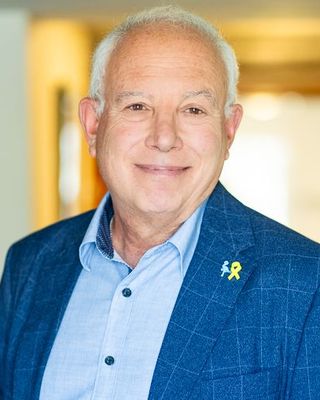
Hosted by Michael Hessdorf
Clinical Social Work/Therapist, LCSW, CGP
Group meets in Maplewood, NJ 07040
Training group for clinicians to talk about cases and explore their feelings in the here and now as a way to work on their self in order to improve their capacity as a clinician. The group emphasizes the development of the clinician’s self as a central clinical tool. Through facilitated reflection and group process, members examine internal conflicts, relational patterns, and affective responses that shape therapeutic presence and clinical judgment. The focus is on increasing emotional awareness, tolerance for ambiguity, and capacity for attuned, thoughtful therapeutic work. We will meet remotely.
En este grupo podrás trabajar con tus angustias, ansiedades, addiciones y violencia doméstica. Llámame para apuntarte!!! Llamenos hoy!! 201-800-5967

Hosted by Into The Light Wellness & Recovery Center
Drug & Alcohol Counselor, LPC, LCADC, ICADC, CCS, DVS
Group meets in North Arlington, NJ 07031
En este grupo podrás trabajar con tus angustias, ansiedades, addiciones y violencia doméstica. Llámame para apuntarte!!! Llamenos hoy!! 201-800-5967
The group experience has been found to be a powerful healing tool, Our support group is an opportunity to share your story in a safe and confidential place with women who will believe you and who can relate. Each group session will revolve around a theme (e.g., sharing of strengths, coping skills, guided activities and discussions, wellness and self-care work, and writing exercises), and activities will focus on helping survivors come together to explore and process their feelings about their trauma, as well as sharing coping mechanisms that assist in the healing process.

Hosted by Anna Tseytlina
Marriage & Family Therapist Associate, LMFT
Group meets in Paramus, NJ 07652
The group experience has been found to be a powerful healing tool, Our support group is an opportunity to share your story in a safe and confidential place with women who will believe you and who can relate. Each group session will revolve around a theme (e.g., sharing of strengths, coping skills, guided activities and discussions, wellness and self-care work, and writing exercises), and activities will focus on helping survivors come together to explore and process their feelings about their trauma, as well as sharing coping mechanisms that assist in the healing process.
Exploring different ways of dealing with your children and exploring your triggers to make the home a more peaceful environment.
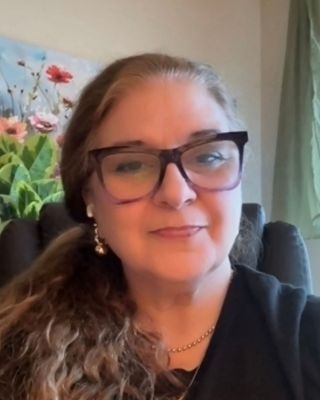
Hosted by Maria M Runfolo-McCormack
Licensed Professional Counselor, MA, LPC
Group meets in Union, NJ 07083
Exploring different ways of dealing with your children and exploring your triggers to make the home a more peaceful environment.
Therapist

Hosted by Jecksenia Chaparro
Clinical Social Work/Therapist, LSW, LCADC
Group meets in Mountain Lakes, NJ 07046
Therapist
Attendees will learn how to identify how Domestic Violence can destroy their daily living and how to walk away without hurting anyone involved. Call us today! Help is available 201-800-5967 Los asistentes aprenderán a identificar como la violencia doméstica puede destruir su vida diaria y cómo alejarse sin lastimar a nadie involucrado. ¡Llámenos hoy! Hay ayuda disponible 201-800-5967
Hosted by Into The Light Wellness & Recovery Center
Drug & Alcohol Counselor, LPC, LCADC, ICADC, CCS, DVS
Group meets in North Arlington, NJ 07031
Attendees will learn how to identify how Domestic Violence can destroy their daily living and how to walk away without hurting anyone involved. Call us today! Help is available 201-800-5967 Los asistentes aprenderán a identificar como la violencia doméstica puede destruir su vida diaria y cómo alejarse sin lastimar a nadie involucrado. ¡Llámenos hoy! Hay ayuda disponible 201-800-5967
IMPROVE YOUR MENTAL HEALTH! Resilience DBT offers DBT Skills for High School students, to help your teen learn life-long coping skills and become their strongest, most confident self. In a supportive virtual environment Our Resilience DBT Teen skills groups target symptoms of Depression,Anxiety, Eating Disorders, Trauma ,and Unexpressed Grief. We make the groups a safe, fun, and structured way to learn new coping skills. High School Students rotate through the 5 adolescent modules. Parents of teens participate in adjoining Parent Groups to learn Mindful Parenting techniques. www.ResilienceDBT-ED.com

IMPROVE YOUR MENTAL HEALTH! Resilience DBT offers DBT Skills for High School students, to help your teen learn life-long coping skills and become their strongest, most confident self. In a supportive virtual environment Our Resilience DBT Teen skills groups target symptoms of Depression,Anxiety, Eating Disorders, Trauma ,and Unexpressed Grief. We make the groups a safe, fun, and structured way to learn new coping skills. High School Students rotate through the 5 adolescent modules. Parents of teens participate in adjoining Parent Groups to learn Mindful Parenting techniques. www.ResilienceDBT-ED.com
Are you a parent who is seeking to navigate their relationship with their pre-teen and teenager?. Then this is the group for you. The sessions focus on managing anxiety, managing sibling interactions, strengthening parent and child relationships, Setting boundaries, building self-care skills, and emotional regulation. The group is four (4) weeks long. Starting December 6, 2026

Hosted by Massiel Jimenez
Marriage & Family Therapist Associate, MA, LAMFT
Group meets in Englewood, NJ 07631
Are you a parent who is seeking to navigate their relationship with their pre-teen and teenager?. Then this is the group for you. The sessions focus on managing anxiety, managing sibling interactions, strengthening parent and child relationships, Setting boundaries, building self-care skills, and emotional regulation. The group is four (4) weeks long. Starting December 6, 2026
Raising children and teenagers today, in the age of social media among other issues, is difficult. Raising a child with emotional issues, mild or severe, can be even more difficult and isolating. Come join our group and get support from other parents, as well as insight from our therapeutic group leader. Email Stacey@rpptherapy with subject line "groups" for more information.

Raising children and teenagers today, in the age of social media among other issues, is difficult. Raising a child with emotional issues, mild or severe, can be even more difficult and isolating. Come join our group and get support from other parents, as well as insight from our therapeutic group leader. Email Stacey@rpptherapy with subject line "groups" for more information.
Group members meet weekly as a supplemental part of Individual DBT to focus on skills such as Emotional Regulation, Social Skills, and Distress Tolerance in a safe and supportive environment for teens and young adults. Next Group beginning January.

Hosted by Van Reipen Counseling and Psychological Services
Psychologist, PhD
Group meets in Jersey City, NJ 07306
Group members meet weekly as a supplemental part of Individual DBT to focus on skills such as Emotional Regulation, Social Skills, and Distress Tolerance in a safe and supportive environment for teens and young adults. Next Group beginning January.
The group experience has been found to be a powerful healing tool, Our support group is an opportunity to share your story in a safe and confidential place with women who will believe you and who can relate. Each group session will revolve around a theme (e.g., sharing of strengths, coping skills, guided activities and discussions, wellness and self-care work, and writing exercises), and activities will focus on helping survivors come together to explore and process their feelings about their trauma, as well as sharing coping mechanisms that assist in the healing process.

Hosted by Stephen J. Oreski
Clinical Social Work/Therapist, MSW, LCSW, DSW
Group meets in Paramus, NJ 07652
The group experience has been found to be a powerful healing tool, Our support group is an opportunity to share your story in a safe and confidential place with women who will believe you and who can relate. Each group session will revolve around a theme (e.g., sharing of strengths, coping skills, guided activities and discussions, wellness and self-care work, and writing exercises), and activities will focus on helping survivors come together to explore and process their feelings about their trauma, as well as sharing coping mechanisms that assist in the healing process.
For many years, neurodivergent people have lacked a supportive, nurturing, and safe space to exist. This group is meant for neurodivergent people to help one another by providing support, creating activities, and clearly communicating feelings and needs.

Hosted by Peter Keenan Linden
Clinical Social Work/Therapist, LCSW
Group meets in West Caldwell, NJ 07006
For many years, neurodivergent people have lacked a supportive, nurturing, and safe space to exist. This group is meant for neurodivergent people to help one another by providing support, creating activities, and clearly communicating feelings and needs.
Feeling alone? Burnt out? Disconnected from yourself or your baby? You aren't alone. This eight week pregnancy/postpartum support group is intended to help provide you with the tools, connections, and confidence you need to navigate the highs and lows of becoming a Mother. For $45/session, you'll learn skills to implement a postpartum support plan that prioritizes you and baby, make time for self-care and evidence-based strategies for reducing stress/anxiety, navigate identity shifts, and feel more confident in setting boundaries and communicating with your support system.

Hosted by Karla Boertzel
Licensed Professional Counselor, MA, LPC, PMH-C
Group meets in Madison, NJ 07940
Feeling alone? Burnt out? Disconnected from yourself or your baby? You aren't alone. This eight week pregnancy/postpartum support group is intended to help provide you with the tools, connections, and confidence you need to navigate the highs and lows of becoming a Mother. For $45/session, you'll learn skills to implement a postpartum support plan that prioritizes you and baby, make time for self-care and evidence-based strategies for reducing stress/anxiety, navigate identity shifts, and feel more confident in setting boundaries and communicating with your support system.
Learn skills that will make a difference in your life and the life of your child. This group is comprised of 10 sessions for parents/caregivers. It will teach you 10 steps to regain parental control, help your child develop self-control and communicate more effectively with your child. Are mission is for you to see a noticeable difference in your relationship with your child, their behaviors and confidence in your parenting skills.

Hosted by Parenting Skills Stress Regulation Jessica Herrera
Licensed Professional Counselor, MA, LPC
Group meets in Cliffside Park, NJ 07010
Learn skills that will make a difference in your life and the life of your child. This group is comprised of 10 sessions for parents/caregivers. It will teach you 10 steps to regain parental control, help your child develop self-control and communicate more effectively with your child. Are mission is for you to see a noticeable difference in your relationship with your child, their behaviors and confidence in your parenting skills.
Wednesdays at 445pm: Art and play therapy to support social growth, confidence & emotion regulation. Ideal for kids who: • Feel anxious or unsure in groups • Have big feelings or frequent worries • Struggle with changes or transitions • Needs help expressing needs kindly This group helps kids: • Build confidence with peers • Use calming tools for big emotions • Handle changes with more ease • Communicate difficult feelings

Hosted by StrongHearts Counseling, Westfield
Clinical Social Work/Therapist, LCSW
Group meets in Westfield, NJ 07090
Wednesdays at 445pm: Art and play therapy to support social growth, confidence & emotion regulation. Ideal for kids who: • Feel anxious or unsure in groups • Have big feelings or frequent worries • Struggle with changes or transitions • Needs help expressing needs kindly This group helps kids: • Build confidence with peers • Use calming tools for big emotions • Handle changes with more ease • Communicate difficult feelings
It’s a 16-week class that is broken down into 2 parts: DBT skills for couples, and Imago psycho-education for couples. The class is a great way for couples to better understand the behavioral patterns that present in their relationships. Participants will search their childhoods for roots of conflict and focus on ways to heal. The DBT skills component is evidence-based and result-driven. Skills from the five DBT modules: Mindfulness, Emotion Regulation, Interpersonal Effectiveness, Distress Tolerance, and Walking the Middle Path are integrated into the weekly practices of the group.

It’s a 16-week class that is broken down into 2 parts: DBT skills for couples, and Imago psycho-education for couples. The class is a great way for couples to better understand the behavioral patterns that present in their relationships. Participants will search their childhoods for roots of conflict and focus on ways to heal. The DBT skills component is evidence-based and result-driven. Skills from the five DBT modules: Mindfulness, Emotion Regulation, Interpersonal Effectiveness, Distress Tolerance, and Walking the Middle Path are integrated into the weekly practices of the group.
See more therapy options for Millburn


FAQs - About Group Therapy and Support Groups
How can I find a support group in Millburn?
To find a support group in your area, start by entering your city, zip code, or the name of the group into the search bar at the top of the page. When searching, consider whether you prefer an in-person or virtual group. This can help you decide how broad your geographic search should be. If you are open to virtual groups, you might want to search by state instead of just your city, especially if there are limited options nearby.
Once you complete your search, you can use the filters to narrow the results by selecting specialties (such as grief, trauma, or eating disorders), therapeutic approaches, age groups, and other criteria to find a group that best fits your needs.
How does group therapy work?
Group therapy is led by one or more trained therapists and provides a space where participants can process their experiences and learn from others facing similar challenges. Groups may focus on a specific issue—such as addiction, grief, physical illnesses, parenting, or caregiving—or they may center around a particular therapeutic approach, such as Cognitive Behavioral Therapy (CBT), social skill development, or Exposure Therapy. Some groups are also designed for specific populations, such as teens, veterans, or LGBTQ+ individuals.
It’s also important to distinguish group therapy from peer-led support groups, like Alcoholics Anonymous. While both can offer valuable support, therapy groups are typically led by licensed professionals and follow a more structured format. Therapy groups often meet for a fixed length of time with a consistent group of members, while many peer support groups meet for an indefinite period of time with members coming and going.
What are the benefits of group therapy?
Group therapy offers several important benefits. It brings together people facing similar challenges—whether related to mental health, physical health, or life transitions—and creates a supportive environment where participants can exchange feedback, share experiences, and learn from one another. Hearing different perspectives can help individuals discover new coping strategies and practical tools they may not have encountered on their own. Sharing personal experiences, such as coping with a serious illness or navigating family struggles, can also reduce feelings of isolation and foster a sense of connection and understanding. In addition to emotional support, group members often gain useful, real-world advice from peers who have faced similar situations.
Group therapy is typically more affordable than individual therapy and, for certain conditions, can be equally effective. Many groups also include structured activities—such as guided journaling, cognitive-behavioral exercises, or role-playing—to help participants develop concrete skills they can apply in daily life.
Is group therapy as effective as individual therapy?
It is difficult to make a blanket statement about the effectiveness of support groups, as they vary widely in focus and the conditions they address. However, support groups can be highly valuable in helping individuals gain emotional support and achieve meaningful treatment outcomes. For certain conditions, such as substance use, research has shown that group therapy can be particularly effective—sometimes just as effective as individual therapy—in supporting long-term recovery.
Many professionals attribute the effectiveness of group therapy to the unique benefits of the group setting, which fosters peer-to-peer learning and a sense of connection through shared experiences. Group settings also offer accountability and encouragement from both facilitators and fellow participants, which helps sustain motivation and supports continued progress. These factors together play a key role in promoting the overall effectiveness of group therapy.
How much does group therapy cost?
Group therapy is typically less expensive than individual therapy, with sessions typically costing between $50 and $75 each. In comparison, individual therapy can cost anywhere from $100 to $200 or more per session, even with insurance. Some therapists or organizations offer low-cost or free group therapy options, particularly through community centers or nonprofit organizations. In some cases, groups may require payment upfront for a set number of sessions, such as paying for six weekly sessions at the first meeting. However, many providers offer payment plans to help make participation more accessible if this upfront payment is required.
Does insurance cover group therapy?
As with individual therapy, insurance coverage for group therapy varies based on factors such as your specific insurance plan, the purpose of the group, your diagnosis, and whether the group provider is in-network. Many insurance plans cover group therapy sessions that address diagnosable mental health conditions, such as substance use disorders, anxiety, or depression.
However, groups that focus on topics not directly tied to a mental health diagnosis—such as parenting support or divorce recovery—are less likely to be covered. Because coverage can vary widely, it’s important to check with your insurance provider before joining a group to confirm whether the sessions will be covered and what out-of-pocket costs you may be responsible for.
How long does group therapy last?
The length of each group therapy session typically ranges from 45 minutes to two hours, depending on the therapy approach, the group’s goals, and how often the group meets. In some cases, group therapy is part of a larger treatment program, such as an Intensive Outpatient Program (IOP), where group sessions complement individual therapy and are scheduled as part of the program’s overall structure.
The duration of participation in a group also varies. Some groups are designed to be short-term, lasting anywhere from 6 to 24 weeks—for example, bereavement groups or skills-based groups like those using Dialectical Behavioral Therapy (DBT). Other groups may be longer-term, lasting a year or more, and some ongoing support groups meet indefinitely, allowing participants to stay as long as they find the group helpful.
What are the limitations of support groups?
Support groups offer many benefits, but they also have certain limitations. Unlike therapy groups, many support groups do not provide formal therapeutic treatment and are not led by licensed mental health professionals. For individuals seeking clinical treatment for specific mental health diagnoses—such as depression, eating disorders, or substance use—individual therapy or group therapy led by a licensed professional may offer more personalized and specialized care.
The effectiveness of a support group also depends heavily on the group’s participants and the overall group dynamic. When members engage respectfully and offer constructive support, the group can foster valuable peer-to-peer learning. However, if certain participants dominate discussions, provide inaccurate advice, or create conflict, it can disrupt the group’s sense of safety and reduce its effectiveness. Confidentiality can also be harder to maintain in support groups, particularly in open groups where participants can join or leave at any time. With new members regularly entering the group, it can be more difficult to build and sustain a consistent sense of trust and privacy.