Support Groups in Iselin, NJ
At You Bridge Health, our vision is to be the best psychiatric mental health clinic in the world. We combine compassion, clinical care, and purpose-driven support to create true transformation. We exist to help you reconnect with yourself, build the life you were made for, and rise with clarity, strength, and confidence. Our mission is to walk with you as you uncover your purpose, overcome what’s been holding you back, and build a fulfilling life. Every session is personalized, every plan rooted in respect and empathy. This isn’t just care. This is transformation.

Hosted by Miracle Nwobu
Psychiatric Nurse Practitioner, PMHNP, APRN, MSN
Group meets in Iselin, NJ 08830
At You Bridge Health, our vision is to be the best psychiatric mental health clinic in the world. We combine compassion, clinical care, and purpose-driven support to create true transformation. We exist to help you reconnect with yourself, build the life you were made for, and rise with clarity, strength, and confidence. Our mission is to walk with you as you uncover your purpose, overcome what’s been holding you back, and build a fulfilling life. Every session is personalized, every plan rooted in respect and empathy. This isn’t just care. This is transformation.
At You Bridge Health, our vision is to be the best psychiatric mental health clinic in the world. We combine compassion, clinical care, and purpose-driven support to create true transformation. We exist to help you reconnect with yourself, build the life you were made for, and rise with clarity, strength, and confidence. Our mission is to walk with you as you uncover your purpose, overcome what’s been holding you back, and build a fulfilling life. Every session is personalized, every plan rooted in respect and empathy. This isn’t just care. This is transformation.

Hosted by Wendy Akoh-Brefo
Psychiatric Nurse Practitioner, PMHNP, ANCC-BC, MSN
Group meets in Iselin, NJ 08830
At You Bridge Health, our vision is to be the best psychiatric mental health clinic in the world. We combine compassion, clinical care, and purpose-driven support to create true transformation. We exist to help you reconnect with yourself, build the life you were made for, and rise with clarity, strength, and confidence. Our mission is to walk with you as you uncover your purpose, overcome what’s been holding you back, and build a fulfilling life. Every session is personalized, every plan rooted in respect and empathy. This isn’t just care. This is transformation.
At You Bridge Health, our vision is to be the best psychiatric mental health clinic in the world. We combine compassion, clinical care, and purpose-driven support to create true transformation. We exist to help you reconnect with yourself, build the life you were made for, and rise with clarity, strength, and confidence. Our mission is to walk with you as you uncover your purpose, overcome what’s been holding you back, and build a fulfilling life. Every session is personalized, every plan rooted in respect and empathy. This isn’t just care. This is transformation.

Hosted by Adedoyin Kolawole
Psychiatric Nurse Practitioner, APN, PMHNP, BC, MSN, APRN
Group meets in Iselin, NJ 08830
At You Bridge Health, our vision is to be the best psychiatric mental health clinic in the world. We combine compassion, clinical care, and purpose-driven support to create true transformation. We exist to help you reconnect with yourself, build the life you were made for, and rise with clarity, strength, and confidence. Our mission is to walk with you as you uncover your purpose, overcome what’s been holding you back, and build a fulfilling life. Every session is personalized, every plan rooted in respect and empathy. This isn’t just care. This is transformation.
More Groups Nearby
Daniel Edelman's Psy.D, P.C. is a multispecialty group practice providing psychotherapy, psychological and neuropsychological evaluation and testing of children, adolescents, adults, couples and family-level intervention. Our staff of clinicians have diverse backgrounds with extensive experience and training. They provide highly individualized and comprehensive treatment to address a variety of life challenges, stresses and maladies.

Daniel Edelman's Psy.D, P.C. is a multispecialty group practice providing psychotherapy, psychological and neuropsychological evaluation and testing of children, adolescents, adults, couples and family-level intervention. Our staff of clinicians have diverse backgrounds with extensive experience and training. They provide highly individualized and comprehensive treatment to address a variety of life challenges, stresses and maladies.
I am currently forming a teen group. The focus will be determined by the issues which the individual members bring to the group.

I am currently forming a teen group. The focus will be determined by the issues which the individual members bring to the group.
Helping people cope with divorce and separation in a group setting and individually as well. During these trying times, it helps to know your not alone.

Hosted by Dr. John A Gore
Licensed Professional Counselor, Psy-A, LPC, LCADC, CAMS-II, CCS
Group meets in South Plainfield, NJ 07080
Helping people cope with divorce and separation in a group setting and individually as well. During these trying times, it helps to know your not alone.
Tired of overthinking every conversation? The Coffee Cohort is an 8-week social lab for adults (24+) who crave connection but struggle to initiate it. Led by two expert therapists, this Friday morning ritual (11:00 AM) moves therapy into a cozy, real-world setting. Ditch the social anxiety through psychoeducation and structured practice in a small, curated co-ed cohort. Whether you feel awkward in groups or lonely in a crowd, we provide the "social architecture" to help you navigate conversations with ease. Stop overthinking and start initiating. Scan to apply for our next cycle.

Tired of overthinking every conversation? The Coffee Cohort is an 8-week social lab for adults (24+) who crave connection but struggle to initiate it. Led by two expert therapists, this Friday morning ritual (11:00 AM) moves therapy into a cozy, real-world setting. Ditch the social anxiety through psychoeducation and structured practice in a small, curated co-ed cohort. Whether you feel awkward in groups or lonely in a crowd, we provide the "social architecture" to help you navigate conversations with ease. Stop overthinking and start initiating. Scan to apply for our next cycle.
Telehealth Group for 11- 13yr olds dealing with the social isolation of being stuck at home during the pandemic. We work on dealing with boredom, loneliness, disappointment, uncertainty of what to expect, the challenges of online instruction, and spending TOO MUCH time with their family.

Hosted by Marci Sonenblum
Licensed Professional Counselor, LPC
Group meets in East Brunswick, NJ 08816
Telehealth Group for 11- 13yr olds dealing with the social isolation of being stuck at home during the pandemic. We work on dealing with boredom, loneliness, disappointment, uncertainty of what to expect, the challenges of online instruction, and spending TOO MUCH time with their family.
Join this early morning group to share what is going on in life, build community, and process the feelings of the easy and not so easy sides of being a mom and a woman. The group will meet for six weeks.

Hosted by Kelly Gentry
Licensed Professional Counselor, PhD, LPC, ACS
Group meets in Nutley, NJ 07110
Join this early morning group to share what is going on in life, build community, and process the feelings of the easy and not so easy sides of being a mom and a woman. The group will meet for six weeks.
Youth ages 8-11 attend this DBT based group as part of the IOP program. (It is not offered outside of IOP). This program is appropriate for youth with behavioral and/or emotional needs, on the autism spectrum, ADHD, school fear/refusal, self-esteem and confidence issues, anxiety, depression, organizational and self-regulation needs, and more.

Youth ages 8-11 attend this DBT based group as part of the IOP program. (It is not offered outside of IOP). This program is appropriate for youth with behavioral and/or emotional needs, on the autism spectrum, ADHD, school fear/refusal, self-esteem and confidence issues, anxiety, depression, organizational and self-regulation needs, and more.
A support group for children ages 7-9 who may benefit from building skills to manage stress and anxiety. We'll focus on art, play, mindfulness, and learning basic emotional regulation skills. This is a group that may especially benefit children who may not necessarily need 1:1 therapy, who enjoy groups, or who are reporting increased worry, reassurance seeking, perfectionism, clinginess, etc. This group will be in-person. Anticipated start will be January 2027. Please reach out with interest!

Hosted by Jackie Tassiello
Art Therapist, MPS, ATR-BC, LCAT, ATCS, LPAT
Group meets in Montclair, NJ 07043
A support group for children ages 7-9 who may benefit from building skills to manage stress and anxiety. We'll focus on art, play, mindfulness, and learning basic emotional regulation skills. This is a group that may especially benefit children who may not necessarily need 1:1 therapy, who enjoy groups, or who are reporting increased worry, reassurance seeking, perfectionism, clinginess, etc. This group will be in-person. Anticipated start will be January 2027. Please reach out with interest!
This virtual group for adults takes place around the holidays where grief can be louder than usual. Join us for 8 weeks where you will: Learn coping skills, learn more about grief, gain support from others, improve mental health symptoms associated with grief. A grief therapy group provides a compassionate space for individuals to share their experiences and find support from others who understand the challenges of loss. An intro call is needed before starting the group to gather information and determine if you are a good fit.

This virtual group for adults takes place around the holidays where grief can be louder than usual. Join us for 8 weeks where you will: Learn coping skills, learn more about grief, gain support from others, improve mental health symptoms associated with grief. A grief therapy group provides a compassionate space for individuals to share their experiences and find support from others who understand the challenges of loss. An intro call is needed before starting the group to gather information and determine if you are a good fit.
The Adolescent Group at SPS is made up of young men and women of High School age. The group is led with Dave Hanft, LPC, CPGC, Both Dave Hanft and I are very experienced in working with teenagers and we have specialized training in adolescent development issues, including eating and body-image, self-esteem, experimentation with substances, and dealing with emotions such as anxiety, anger, and sadness.

The Adolescent Group at SPS is made up of young men and women of High School age. The group is led with Dave Hanft, LPC, CPGC, Both Dave Hanft and I are very experienced in working with teenagers and we have specialized training in adolescent development issues, including eating and body-image, self-esteem, experimentation with substances, and dealing with emotions such as anxiety, anger, and sadness.
Codependency is a human condition that deeply affects relationships, self-worth, and one’s ability to function effectively. It often hinders the capacity to love oneself, leaving people feeling dependent on external validation. This group is designed to help participants recognize the ways codependency has negatively impacted their lives and relationships, while offering practical tools and strategies to break free from its grip. Our focus is on understanding these patterns, healing from within, and building a foundation of self-love, empowering each person to embrace their true potential and live authentically.

Hosted by Turnaround Counseling Services
Licensed Professional Counselor, MS, LPC, LCADC
Group meets in Piscataway, NJ 08854
Codependency is a human condition that deeply affects relationships, self-worth, and one’s ability to function effectively. It often hinders the capacity to love oneself, leaving people feeling dependent on external validation. This group is designed to help participants recognize the ways codependency has negatively impacted their lives and relationships, while offering practical tools and strategies to break free from its grip. Our focus is on understanding these patterns, healing from within, and building a foundation of self-love, empowering each person to embrace their true potential and live authentically.
DBT skills focus on mindfulness, distress tolerance, emotion regulation and interpersonal effectiveness. Each week we learn new ways to cope with difficult emotions and learn how to regulate them.
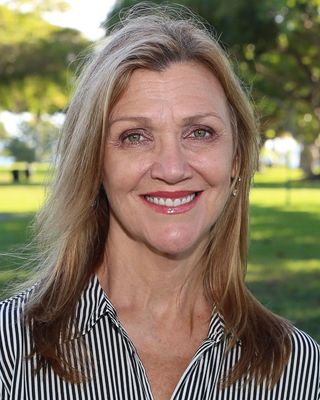
Hosted by Sally Duerr-Rodriguez
Mental Health Counselor, MS, LMHC, LPC
Group meets in Montclair, NJ 07042
DBT skills focus on mindfulness, distress tolerance, emotion regulation and interpersonal effectiveness. Each week we learn new ways to cope with difficult emotions and learn how to regulate them.
This trauma-focused online support group provides a safe, supportive space for women healing from emotionally, psychologically, narcissistically, or physically abusive relationships. Through connection, mindfulness, and trauma-informed coping skills, participants will build self-worth, strengthen boundaries, regulate emotions, and move toward healing and empowerment.

Hosted by Neola Bricuyet
Clinical Social Work/Therapist, LCSW, LSW, MSW
Group meets in Princeton, NJ 08540
This trauma-focused online support group provides a safe, supportive space for women healing from emotionally, psychologically, narcissistically, or physically abusive relationships. Through connection, mindfulness, and trauma-informed coping skills, participants will build self-worth, strengthen boundaries, regulate emotions, and move toward healing and empowerment.
The Neurodivergent Men's Support Group is a supportive space for adult men who identify as neurodivergent to connect, share experiences, and build community. Through guided discussion, members will explore topics such as communication, relationships, self-acceptance, work, and everyday challenges while developing greater confidence in themselves and their relationships.

The Neurodivergent Men's Support Group is a supportive space for adult men who identify as neurodivergent to connect, share experiences, and build community. Through guided discussion, members will explore topics such as communication, relationships, self-acceptance, work, and everyday challenges while developing greater confidence in themselves and their relationships.
Discover techniques that can help manage stress, anxiety and other emotions. Share experiences on ways to cope with past stress. What barriers do you face when trying to use healthy coping skills? What coping strategies have been most effective for you? Discusse two types of coping skills: Problem- focused coping which is addressing the root cause and Emotion-focused coping which is managing emotional responses. We explore relaxation techniques, including deep breathing and counting exercises. Discuss how prioritizing self-care and gratitude is a health form of coping skills. How focusing on gratitude can improve mood and resilience.

Discover techniques that can help manage stress, anxiety and other emotions. Share experiences on ways to cope with past stress. What barriers do you face when trying to use healthy coping skills? What coping strategies have been most effective for you? Discusse two types of coping skills: Problem- focused coping which is addressing the root cause and Emotion-focused coping which is managing emotional responses. We explore relaxation techniques, including deep breathing and counting exercises. Discuss how prioritizing self-care and gratitude is a health form of coping skills. How focusing on gratitude can improve mood and resilience.
Bi-weekly men's support group, open forum style with limited availability. This is a high functioning and inclusive group where participants share experiences and explore solutions as well as ways to best cope. This group provides a safe, confidential, and collaborative space for opportunity to break through barriers. To learn more or register, contact me. Next group begins during Summer 2026.

Hosted by UrbanPsych Counseling Group
Licensed Professional Counselor, EdS, LPC, LPCMH, ACS
Group meets in Princeton, NJ 08540
Bi-weekly men's support group, open forum style with limited availability. This is a high functioning and inclusive group where participants share experiences and explore solutions as well as ways to best cope. This group provides a safe, confidential, and collaborative space for opportunity to break through barriers. To learn more or register, contact me. Next group begins during Summer 2026.
This four-week series provides both professional and peer support for those struggling with anxiety. The purpose of this highly interactive program is to dispel myths, share information, and teach targeted, practical skills to help you deal more confidently and successfully with anxiety. This group can help you: understand and recognize symptoms of anxiety; know how to leverage anxiety to work for your benefit; apply strategies for self-regulation; identify and challenge automatic negative thoughts and core beliefs that contribute to anxiety; and provide digital tools that help practice and reinforce what you've learned.

Hosted by Lee Ann Cianci-Morris
Licensed Professional Counselor, LPC, LCADC
Group meets in Dover, NJ 07801
This four-week series provides both professional and peer support for those struggling with anxiety. The purpose of this highly interactive program is to dispel myths, share information, and teach targeted, practical skills to help you deal more confidently and successfully with anxiety. This group can help you: understand and recognize symptoms of anxiety; know how to leverage anxiety to work for your benefit; apply strategies for self-regulation; identify and challenge automatic negative thoughts and core beliefs that contribute to anxiety; and provide digital tools that help practice and reinforce what you've learned.
See more therapy options for Iselin


FAQs - About Group Therapy and Support Groups
How can I find a support group in Iselin?
To find a support group in your area, start by entering your city, zip code, or the name of the group into the search bar at the top of the page. When searching, consider whether you prefer an in-person or virtual group. This can help you decide how broad your geographic search should be. If you are open to virtual groups, you might want to search by state instead of just your city, especially if there are limited options nearby.
Once you complete your search, you can use the filters to narrow the results by selecting specialties (such as grief, trauma, or eating disorders), therapeutic approaches, age groups, and other criteria to find a group that best fits your needs.
Once you complete your search, you can use the filters to narrow the results by selecting specialties (such as grief, trauma, or eating disorders), therapeutic approaches, age groups, and other criteria to find a group that best fits your needs.
How does group therapy work?
Group therapy is led by one or more trained therapists and provides a space where participants can process their experiences and learn from others facing similar challenges. Groups may focus on a specific issue—such as addiction, grief, physical illnesses, parenting, or caregiving—or they may center around a particular therapeutic approach, such as Cognitive Behavioral Therapy (CBT), social skill development, or Exposure Therapy. Some groups are also designed for specific populations, such as teens, veterans, or LGBTQ+ individuals.
It’s also important to distinguish group therapy from peer-led support groups, like Alcoholics Anonymous. While both can offer valuable support, therapy groups are typically led by licensed professionals and follow a more structured format. Therapy groups often meet for a fixed length of time with a consistent group of members, while many peer support groups meet for an indefinite period of time with members coming and going.
It’s also important to distinguish group therapy from peer-led support groups, like Alcoholics Anonymous. While both can offer valuable support, therapy groups are typically led by licensed professionals and follow a more structured format. Therapy groups often meet for a fixed length of time with a consistent group of members, while many peer support groups meet for an indefinite period of time with members coming and going.
What are the benefits of group therapy?
Group therapy offers several important benefits. It brings together people facing similar challenges—whether related to mental health, physical health, or life transitions—and creates a supportive environment where participants can exchange feedback, share experiences, and learn from one another. Hearing different perspectives can help individuals discover new coping strategies and practical tools they may not have encountered on their own. Sharing personal experiences, such as coping with a serious illness or navigating family struggles, can also reduce feelings of isolation and foster a sense of connection and understanding. In addition to emotional support, group members often gain useful, real-world advice from peers who have faced similar situations.
Group therapy is typically more affordable than individual therapy and, for certain conditions, can be equally effective. Many groups also include structured activities—such as guided journaling, cognitive-behavioral exercises, or role-playing—to help participants develop concrete skills they can apply in daily life.
Group therapy is typically more affordable than individual therapy and, for certain conditions, can be equally effective. Many groups also include structured activities—such as guided journaling, cognitive-behavioral exercises, or role-playing—to help participants develop concrete skills they can apply in daily life.
Is group therapy as effective as individual therapy?
It is difficult to make a blanket statement about the effectiveness of support groups, as they vary widely in focus and the conditions they address. However, support groups can be highly valuable in helping individuals gain emotional support and achieve meaningful treatment outcomes. For certain conditions, such as substance use, research has shown that group therapy can be particularly effective—sometimes just as effective as individual therapy—in supporting long-term recovery.
Many professionals attribute the effectiveness of group therapy to the unique benefits of the group setting, which fosters peer-to-peer learning and a sense of connection through shared experiences. Group settings also offer accountability and encouragement from both facilitators and fellow participants, which helps sustain motivation and supports continued progress. These factors together play a key role in promoting the overall effectiveness of group therapy.
Many professionals attribute the effectiveness of group therapy to the unique benefits of the group setting, which fosters peer-to-peer learning and a sense of connection through shared experiences. Group settings also offer accountability and encouragement from both facilitators and fellow participants, which helps sustain motivation and supports continued progress. These factors together play a key role in promoting the overall effectiveness of group therapy.
How much does group therapy cost?
Group therapy is typically less expensive than individual therapy, with sessions typically costing between $50 and $75 each. In comparison, individual therapy can cost anywhere from $100 to $200 or more per session, even with insurance. Some therapists or organizations offer low-cost or free group therapy options, particularly through community centers or nonprofit organizations. In some cases, groups may require payment upfront for a set number of sessions, such as paying for six weekly sessions at the first meeting. However, many providers offer payment plans to help make participation more accessible if this upfront payment is required.
Does insurance cover group therapy?
As with individual therapy, insurance coverage for group therapy varies based on factors such as your specific insurance plan, the purpose of the group, your diagnosis, and whether the group provider is in-network. Many insurance plans cover group therapy sessions that address diagnosable mental health conditions, such as substance use disorders, anxiety, or depression.
However, groups that focus on topics not directly tied to a mental health diagnosis—such as parenting support or divorce recovery—are less likely to be covered. Because coverage can vary widely, it’s important to check with your insurance provider before joining a group to confirm whether the sessions will be covered and what out-of-pocket costs you may be responsible for.
However, groups that focus on topics not directly tied to a mental health diagnosis—such as parenting support or divorce recovery—are less likely to be covered. Because coverage can vary widely, it’s important to check with your insurance provider before joining a group to confirm whether the sessions will be covered and what out-of-pocket costs you may be responsible for.
How long does group therapy last?
The length of each group therapy session typically ranges from 45 minutes to two hours, depending on the therapy approach, the group’s goals, and how often the group meets. In some cases, group therapy is part of a larger treatment program, such as an Intensive Outpatient Program (IOP), where group sessions complement individual therapy and are scheduled as part of the program’s overall structure.
The duration of participation in a group also varies. Some groups are designed to be short-term, lasting anywhere from 6 to 24 weeks—for example, bereavement groups or skills-based groups like those using Dialectical Behavioral Therapy (DBT). Other groups may be longer-term, lasting a year or more, and some ongoing support groups meet indefinitely, allowing participants to stay as long as they find the group helpful.
The duration of participation in a group also varies. Some groups are designed to be short-term, lasting anywhere from 6 to 24 weeks—for example, bereavement groups or skills-based groups like those using Dialectical Behavioral Therapy (DBT). Other groups may be longer-term, lasting a year or more, and some ongoing support groups meet indefinitely, allowing participants to stay as long as they find the group helpful.
What are the limitations of support groups?
Support groups offer many benefits, but they also have certain limitations. Unlike therapy groups, many support groups do not provide formal therapeutic treatment and are not led by licensed mental health professionals. For individuals seeking clinical treatment for specific mental health diagnoses—such as depression, eating disorders, or substance use—individual therapy or group therapy led by a licensed professional may offer more personalized and specialized care.
The effectiveness of a support group also depends heavily on the group’s participants and the overall group dynamic. When members engage respectfully and offer constructive support, the group can foster valuable peer-to-peer learning. However, if certain participants dominate discussions, provide inaccurate advice, or create conflict, it can disrupt the group’s sense of safety and reduce its effectiveness. Confidentiality can also be harder to maintain in support groups, particularly in open groups where participants can join or leave at any time. With new members regularly entering the group, it can be more difficult to build and sustain a consistent sense of trust and privacy.
The effectiveness of a support group also depends heavily on the group’s participants and the overall group dynamic. When members engage respectfully and offer constructive support, the group can foster valuable peer-to-peer learning. However, if certain participants dominate discussions, provide inaccurate advice, or create conflict, it can disrupt the group’s sense of safety and reduce its effectiveness. Confidentiality can also be harder to maintain in support groups, particularly in open groups where participants can join or leave at any time. With new members regularly entering the group, it can be more difficult to build and sustain a consistent sense of trust and privacy.