Support Groups in Haledon, NJ
YTS is comprised of two Licensed Clinician Social Workers with no current waitlist. Yokasta Duran, LCSW and Tracey Ross LCSW, LCADC are specialized therapists with over 9 years of experience working with individuals and families. We look forward to working with you!

Hosted by Tracey S Ross
Clinical Social Work/Therapist, LCSW, LCADC
Group meets in Haledon, NJ 07508
YTS is comprised of two Licensed Clinician Social Workers with no current waitlist. Yokasta Duran, LCSW and Tracey Ross LCSW, LCADC are specialized therapists with over 9 years of experience working with individuals and families. We look forward to working with you!
More Groups Nearby
Join us on Sunday June 22, 2025 from 10am-2pm as we inspire you to open your heart, connect to your soul and quiet your mind long enough to begin the journey to self love and healing. Activities include yoga, sound healing, equine therapy, guided meditation by Beatriz Wawra, LCSW and a presentation by Tammy Sausa, LCSW author of Lessons from the Listening Lady.
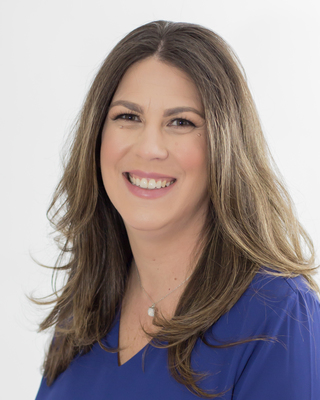
Hosted by A Therapy Life Center, LLC
Clinical Social Work/Therapist, LCSW
Group meets in Leonia, NJ 07605
Join us on Sunday June 22, 2025 from 10am-2pm as we inspire you to open your heart, connect to your soul and quiet your mind long enough to begin the journey to self love and healing. Activities include yoga, sound healing, equine therapy, guided meditation by Beatriz Wawra, LCSW and a presentation by Tammy Sausa, LCSW author of Lessons from the Listening Lady.
If you are separated, going through a divorce or divorced, this group is for you. Work through your experiences and emotional feelings in a supportive group setting with the guidance of a skilled psychotherapist who has also been there! Grab your coffee or tea and begin your day with an incentive for positive change! Spaces are limited.Please contact me to reserve your seat for the next 8 week group. I look forward to meeting you!

If you are separated, going through a divorce or divorced, this group is for you. Work through your experiences and emotional feelings in a supportive group setting with the guidance of a skilled psychotherapist who has also been there! Grab your coffee or tea and begin your day with an incentive for positive change! Spaces are limited.Please contact me to reserve your seat for the next 8 week group. I look forward to meeting you!
I am excited to announce that I will be starting a brand new IN PERSON social skills group for high school students diagnosed with ASD. The group will be held in Montclair and is geared towards helping socially challenged high schoolers, build relationships with their peers. It will involve gameplay, psychoeducation, and the processing of difficulties and challenges in developing social connectedness in a neurotypical world. There is a limited number of openings, so I would encourage applicants to reach out to me right away.

I am excited to announce that I will be starting a brand new IN PERSON social skills group for high school students diagnosed with ASD. The group will be held in Montclair and is geared towards helping socially challenged high schoolers, build relationships with their peers. It will involve gameplay, psychoeducation, and the processing of difficulties and challenges in developing social connectedness in a neurotypical world. There is a limited number of openings, so I would encourage applicants to reach out to me right away.
This group focuses on the stress and anxiety as a result of infertility. This group provides support for the emotional trauma that is related to infertility.

Hosted by Kira Baskerville-Williams
Clinical Social Work/Therapist, LCSW, EdD, CCTP
Group meets in Maplewood, NJ 07040
This group focuses on the stress and anxiety as a result of infertility. This group provides support for the emotional trauma that is related to infertility.
Through Dr. Jed Baker's Social Skills Training Project, we run social skills groups with children, teenagers, and young adults every night of the week.

Hosted by Dan Bender
Licensed Professional Counselor, MAEdS, LPC, NCC
Group meets in Springfield, NJ 07081
Through Dr. Jed Baker's Social Skills Training Project, we run social skills groups with children, teenagers, and young adults every night of the week.
These virtual training groups are for mental health professionals who want support personally and professionally. From the modern psychoanalytic frame, members are encouraged to deepen their understanding of themselves, relationships and their clinical work.

These virtual training groups are for mental health professionals who want support personally and professionally. From the modern psychoanalytic frame, members are encouraged to deepen their understanding of themselves, relationships and their clinical work.
Intensives offer a focused, in-depth approach for individuals and couples who want meaningful change without waiting months for progress. Couples intensives help partners break out of stuck patterns, improve communication, heal from betrayal, and reconnect more quickly. Individual intensives provide dedicated space to work through anxiety, relationship stress, or emotional overwhelm at a deeper level. In a private, supportive setting, we focus on what’s been keeping you stuck and support real, lasting change. If you’re ready for meaningful progress, I’m here to help.to learn more!

Hosted by Stevette Heyliger
Licensed Professional Counselor, MA, LPC
Group meets in Montclair, NJ 07042
Intensives offer a focused, in-depth approach for individuals and couples who want meaningful change without waiting months for progress. Couples intensives help partners break out of stuck patterns, improve communication, heal from betrayal, and reconnect more quickly. Individual intensives provide dedicated space to work through anxiety, relationship stress, or emotional overwhelm at a deeper level. In a private, supportive setting, we focus on what’s been keeping you stuck and support real, lasting change. If you’re ready for meaningful progress, I’m here to help.to learn more!
Develop Emotional Regulation, Establish Self Confidence, Build Social Awareness through play based activities. Group runs in 8 week increments four times a year (Fall, Winter, Spring, and Summer). K, 1st and 2nd Grade runs 4:15 on Tuesdays. 3rd, 4th, and 5th Grade runs 5:15 on Tuesdays. Dates and times subject to change. Please inquire for the most up to date information. This is a closed skills development group and not a therapeutic group.
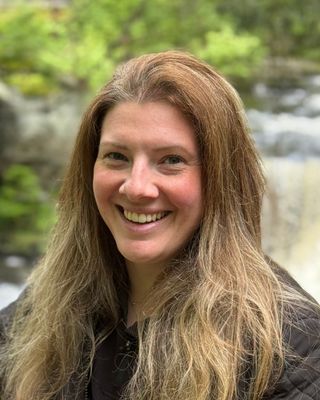
Hosted by Gabriella Mullady Fink
Licensed Professional Counselor, MA, LPC, NCC, ACS
Group meets in Ramsey, NJ 07446
Develop Emotional Regulation, Establish Self Confidence, Build Social Awareness through play based activities. Group runs in 8 week increments four times a year (Fall, Winter, Spring, and Summer). K, 1st and 2nd Grade runs 4:15 on Tuesdays. 3rd, 4th, and 5th Grade runs 5:15 on Tuesdays. Dates and times subject to change. Please inquire for the most up to date information. This is a closed skills development group and not a therapeutic group.
We are accepting new clients in the State of New Jersey.
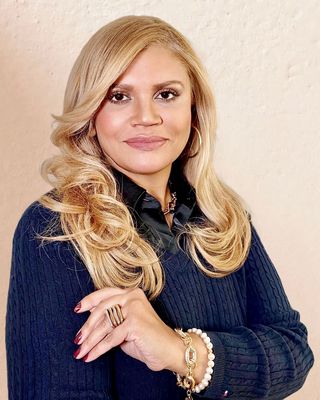
We are accepting new clients in the State of New Jersey.
Social Skills Issues for Children and Adolescents

Hosted by Marie Geron PhD Millburn Short Hills Psychological
Psychologist, PhD
Group meets in Millburn, NJ 07041
Social Skills Issues for Children and Adolescents
Embrace change with Internal Family Systems (IFS) group therapy! This group will guide you in self-development after going through a divorce. It is a supportive space that helps you calmly navigate through this life change. Participating in this group will boost your self-confidence, courage, and resilience. For more information visit https://eq-wellness.com/therapy-groups.
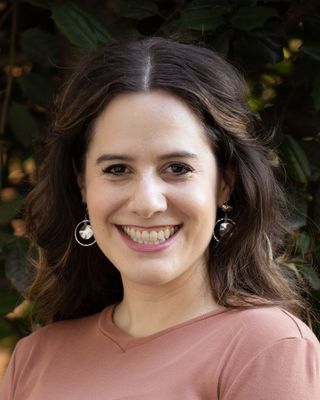
Embrace change with Internal Family Systems (IFS) group therapy! This group will guide you in self-development after going through a divorce. It is a supportive space that helps you calmly navigate through this life change. Participating in this group will boost your self-confidence, courage, and resilience. For more information visit https://eq-wellness.com/therapy-groups.
What? How? Navigating college can be difficult but should be a time of growth and self-exploration. For many students with ADHD (Attention Deficit Hyperactivity Order) or ASD (Autism Spectrum Disorder) it can be an overwhelming process. Having a community or group to rely on helps lessen the load and takes the pressure off from constant reminders from parents or others, as well as the frustration of applying tips from neuro-typical individuals who mean well but often have trouble understanding what it is like to be neuro-divergent. Come join our small group community. Groups limited to 8-10 people.

Hosted by Misty A Shores
Clinical Social Work/Therapist, MSW, LCSW, CCS
Group meets in Westfield, NJ 07090
What? How? Navigating college can be difficult but should be a time of growth and self-exploration. For many students with ADHD (Attention Deficit Hyperactivity Order) or ASD (Autism Spectrum Disorder) it can be an overwhelming process. Having a community or group to rely on helps lessen the load and takes the pressure off from constant reminders from parents or others, as well as the frustration of applying tips from neuro-typical individuals who mean well but often have trouble understanding what it is like to be neuro-divergent. Come join our small group community. Groups limited to 8-10 people.
Social Thinking focused social skills. Three different age groupings and times.

Hosted by The Parent TRAIN
Licensed Professional Counselor, PhD, LPC
Group meets in Pompton Plains, NJ 07444
Social Thinking focused social skills. Three different age groupings and times.
New Group Alert -Hope Stream Family Therapy is proud to announce our new women's group: Empower HER! Empower HER will focus on helping connect with other women, learning ways to increase self-esteem, stress management and so much more! For more information or questions, please reach out via email: Office@Hopestreamlmft.com #HopeStreamLMFT #Therapy #women #womenempoweringwomen #womenempowement #njtherapist#njtherapy#nj
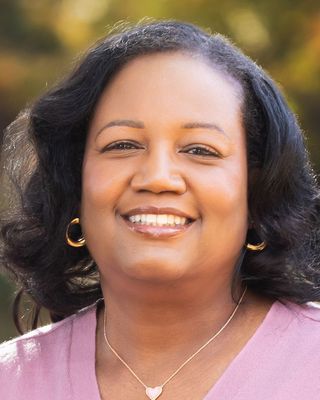
Hosted by Tabrina Hargrove
Marriage & Family Therapist, MA, LMFT
Group meets in Mountainside, NJ 07092
New Group Alert -Hope Stream Family Therapy is proud to announce our new women's group: Empower HER! Empower HER will focus on helping connect with other women, learning ways to increase self-esteem, stress management and so much more! For more information or questions, please reach out via email: Office@Hopestreamlmft.com #HopeStreamLMFT #Therapy #women #womenempoweringwomen #womenempowement #njtherapist#njtherapy#nj
This group meets at the Verona Park Boathouse the first and third Monday of the month for family members caring for someone with dementia and/or Parkinson's. For more information call 917-916-8002.
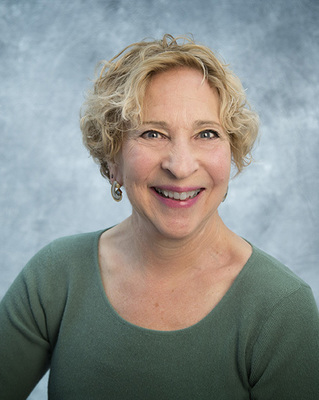
This group meets at the Verona Park Boathouse the first and third Monday of the month for family members caring for someone with dementia and/or Parkinson's. For more information call 917-916-8002.
We provide a general addictions recovery group, and groups for Men, Women, and Teens. Relapse Prevention Identifying triggers and relapse warning signs is a major part of recovery. This group is designed to help patients that are prone to chronic relapse, to stay stopped. We will emphasis the importance of self care, maintaining abstinence, and staying honest, open and willing to live your life on life's terms. Some of the topics covered in our confidential groups include: Relapse warning signs, spirituality and addiction, nutrition and exercise, gratitude and motivation.

Hosted by Specialized Therapy Associates
Psychologist, PsyD, APN-C, CFMP
Group meets in Hackensack, NJ 07601
We provide a general addictions recovery group, and groups for Men, Women, and Teens. Relapse Prevention Identifying triggers and relapse warning signs is a major part of recovery. This group is designed to help patients that are prone to chronic relapse, to stay stopped. We will emphasis the importance of self care, maintaining abstinence, and staying honest, open and willing to live your life on life's terms. Some of the topics covered in our confidential groups include: Relapse warning signs, spirituality and addiction, nutrition and exercise, gratitude and motivation.
a group for boys in high school who want a safe space to connect with peers about the ups & downs of the high school years. Group will focus on managing stress & anxiety, learning coping skills, increasing self-esteem & providing a space to connect with other teens facing similar struggles.

Hosted by Family Dynamics Counseling Center
Licensed Professional Counselor, LPC
Group meets in Ridgewood, NJ 07450
a group for boys in high school who want a safe space to connect with peers about the ups & downs of the high school years. Group will focus on managing stress & anxiety, learning coping skills, increasing self-esteem & providing a space to connect with other teens facing similar struggles.
Our Intensive Outpatient Program (IOP) is offered in both the day and evening hours. It is an integrative approach for individuals who require a structured treatment program to assist them in overcoming addiction. IOP is designed to allow individuals to receive intensive outpatient treatment while minimizing disruption in their lives. In addition to evidence-based practices, we offer holistic treatments as part of our integrative approach to addiction recovery. This includes mindfulness, experiential therapy, expressive art therapy and yoga for recovery. Services include: Group Therapy, Weekly Counseling, Case Management Sessions, Weekly Drug Analysis, Holistic and Cognitive Therapy and Psychiatric Consultations.
Our Intensive Outpatient Program (IOP) is offered in both the day and evening hours. It is an integrative approach for individuals who require a structured treatment program to assist them in overcoming addiction. IOP is designed to allow individuals to receive intensive outpatient treatment while minimizing disruption in their lives. In addition to evidence-based practices, we offer holistic treatments as part of our integrative approach to addiction recovery. This includes mindfulness, experiential therapy, expressive art therapy and yoga for recovery. Services include: Group Therapy, Weekly Counseling, Case Management Sessions, Weekly Drug Analysis, Holistic and Cognitive Therapy and Psychiatric Consultations.
Relational Trauma Repair: A Unique Experiential Healing Group for ACoAs -- This method for group work was developed by Tian Dayton, PhD. Group will be a place to safely connect with other Adult Children of Alcoholics (or those growing up with family dysfunction) and to move towards emotional sobriety through developing skills in noticing/mindfulness of feeling, expression, processing and self-regulation. Group will incorporate moving around the room and some creative practices such as guided imagery, journaling, letter-writing and potentially Empty Chair work. Participants may also have addiction history but must be working on sobriety/12-step actively. Group is closed to 6 members.
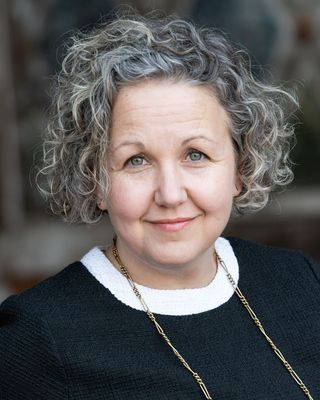
Relational Trauma Repair: A Unique Experiential Healing Group for ACoAs -- This method for group work was developed by Tian Dayton, PhD. Group will be a place to safely connect with other Adult Children of Alcoholics (or those growing up with family dysfunction) and to move towards emotional sobriety through developing skills in noticing/mindfulness of feeling, expression, processing and self-regulation. Group will incorporate moving around the room and some creative practices such as guided imagery, journaling, letter-writing and potentially Empty Chair work. Participants may also have addiction history but must be working on sobriety/12-step actively. Group is closed to 6 members.
See more therapy options for Haledon


FAQs - About Group Therapy and Support Groups
How can I find a support group in Haledon?
To find a support group in your area, start by entering your city, zip code, or the name of the group into the search bar at the top of the page. When searching, consider whether you prefer an in-person or virtual group. This can help you decide how broad your geographic search should be. If you are open to virtual groups, you might want to search by state instead of just your city, especially if there are limited options nearby.
Once you complete your search, you can use the filters to narrow the results by selecting specialties (such as grief, trauma, or eating disorders), therapeutic approaches, age groups, and other criteria to find a group that best fits your needs.
Once you complete your search, you can use the filters to narrow the results by selecting specialties (such as grief, trauma, or eating disorders), therapeutic approaches, age groups, and other criteria to find a group that best fits your needs.
How does group therapy work?
Group therapy is led by one or more trained therapists and provides a space where participants can process their experiences and learn from others facing similar challenges. Groups may focus on a specific issue—such as addiction, grief, physical illnesses, parenting, or caregiving—or they may center around a particular therapeutic approach, such as Cognitive Behavioral Therapy (CBT), social skill development, or Exposure Therapy. Some groups are also designed for specific populations, such as teens, veterans, or LGBTQ+ individuals.
It’s also important to distinguish group therapy from peer-led support groups, like Alcoholics Anonymous. While both can offer valuable support, therapy groups are typically led by licensed professionals and follow a more structured format. Therapy groups often meet for a fixed length of time with a consistent group of members, while many peer support groups meet for an indefinite period of time with members coming and going.
It’s also important to distinguish group therapy from peer-led support groups, like Alcoholics Anonymous. While both can offer valuable support, therapy groups are typically led by licensed professionals and follow a more structured format. Therapy groups often meet for a fixed length of time with a consistent group of members, while many peer support groups meet for an indefinite period of time with members coming and going.
What are the benefits of group therapy?
Group therapy offers several important benefits. It brings together people facing similar challenges—whether related to mental health, physical health, or life transitions—and creates a supportive environment where participants can exchange feedback, share experiences, and learn from one another. Hearing different perspectives can help individuals discover new coping strategies and practical tools they may not have encountered on their own. Sharing personal experiences, such as coping with a serious illness or navigating family struggles, can also reduce feelings of isolation and foster a sense of connection and understanding. In addition to emotional support, group members often gain useful, real-world advice from peers who have faced similar situations.
Group therapy is typically more affordable than individual therapy and, for certain conditions, can be equally effective. Many groups also include structured activities—such as guided journaling, cognitive-behavioral exercises, or role-playing—to help participants develop concrete skills they can apply in daily life.
Group therapy is typically more affordable than individual therapy and, for certain conditions, can be equally effective. Many groups also include structured activities—such as guided journaling, cognitive-behavioral exercises, or role-playing—to help participants develop concrete skills they can apply in daily life.
Is group therapy as effective as individual therapy?
It is difficult to make a blanket statement about the effectiveness of support groups, as they vary widely in focus and the conditions they address. However, support groups can be highly valuable in helping individuals gain emotional support and achieve meaningful treatment outcomes. For certain conditions, such as substance use, research has shown that group therapy can be particularly effective—sometimes just as effective as individual therapy—in supporting long-term recovery.
Many professionals attribute the effectiveness of group therapy to the unique benefits of the group setting, which fosters peer-to-peer learning and a sense of connection through shared experiences. Group settings also offer accountability and encouragement from both facilitators and fellow participants, which helps sustain motivation and supports continued progress. These factors together play a key role in promoting the overall effectiveness of group therapy.
Many professionals attribute the effectiveness of group therapy to the unique benefits of the group setting, which fosters peer-to-peer learning and a sense of connection through shared experiences. Group settings also offer accountability and encouragement from both facilitators and fellow participants, which helps sustain motivation and supports continued progress. These factors together play a key role in promoting the overall effectiveness of group therapy.
How much does group therapy cost?
Group therapy is typically less expensive than individual therapy, with sessions typically costing between $50 and $75 each. In comparison, individual therapy can cost anywhere from $100 to $200 or more per session, even with insurance. Some therapists or organizations offer low-cost or free group therapy options, particularly through community centers or nonprofit organizations. In some cases, groups may require payment upfront for a set number of sessions, such as paying for six weekly sessions at the first meeting. However, many providers offer payment plans to help make participation more accessible if this upfront payment is required.
Does insurance cover group therapy?
As with individual therapy, insurance coverage for group therapy varies based on factors such as your specific insurance plan, the purpose of the group, your diagnosis, and whether the group provider is in-network. Many insurance plans cover group therapy sessions that address diagnosable mental health conditions, such as substance use disorders, anxiety, or depression.
However, groups that focus on topics not directly tied to a mental health diagnosis—such as parenting support or divorce recovery—are less likely to be covered. Because coverage can vary widely, it’s important to check with your insurance provider before joining a group to confirm whether the sessions will be covered and what out-of-pocket costs you may be responsible for.
However, groups that focus on topics not directly tied to a mental health diagnosis—such as parenting support or divorce recovery—are less likely to be covered. Because coverage can vary widely, it’s important to check with your insurance provider before joining a group to confirm whether the sessions will be covered and what out-of-pocket costs you may be responsible for.
How long does group therapy last?
The length of each group therapy session typically ranges from 45 minutes to two hours, depending on the therapy approach, the group’s goals, and how often the group meets. In some cases, group therapy is part of a larger treatment program, such as an Intensive Outpatient Program (IOP), where group sessions complement individual therapy and are scheduled as part of the program’s overall structure.
The duration of participation in a group also varies. Some groups are designed to be short-term, lasting anywhere from 6 to 24 weeks—for example, bereavement groups or skills-based groups like those using Dialectical Behavioral Therapy (DBT). Other groups may be longer-term, lasting a year or more, and some ongoing support groups meet indefinitely, allowing participants to stay as long as they find the group helpful.
The duration of participation in a group also varies. Some groups are designed to be short-term, lasting anywhere from 6 to 24 weeks—for example, bereavement groups or skills-based groups like those using Dialectical Behavioral Therapy (DBT). Other groups may be longer-term, lasting a year or more, and some ongoing support groups meet indefinitely, allowing participants to stay as long as they find the group helpful.
What are the limitations of support groups?
Support groups offer many benefits, but they also have certain limitations. Unlike therapy groups, many support groups do not provide formal therapeutic treatment and are not led by licensed mental health professionals. For individuals seeking clinical treatment for specific mental health diagnoses—such as depression, eating disorders, or substance use—individual therapy or group therapy led by a licensed professional may offer more personalized and specialized care.
The effectiveness of a support group also depends heavily on the group’s participants and the overall group dynamic. When members engage respectfully and offer constructive support, the group can foster valuable peer-to-peer learning. However, if certain participants dominate discussions, provide inaccurate advice, or create conflict, it can disrupt the group’s sense of safety and reduce its effectiveness. Confidentiality can also be harder to maintain in support groups, particularly in open groups where participants can join or leave at any time. With new members regularly entering the group, it can be more difficult to build and sustain a consistent sense of trust and privacy.
The effectiveness of a support group also depends heavily on the group’s participants and the overall group dynamic. When members engage respectfully and offer constructive support, the group can foster valuable peer-to-peer learning. However, if certain participants dominate discussions, provide inaccurate advice, or create conflict, it can disrupt the group’s sense of safety and reduce its effectiveness. Confidentiality can also be harder to maintain in support groups, particularly in open groups where participants can join or leave at any time. With new members regularly entering the group, it can be more difficult to build and sustain a consistent sense of trust and privacy.