Support Groups in Hackettstown, NJ
Help equip your child for social success!. Our social skills groups help children ages 6-16 learn to build and maintain peer relationships, improve peer communication, teach constructive emotional expression, improve social problem solving skills and so much more!
Help equip your child for social success!. Our social skills groups help children ages 6-16 learn to build and maintain peer relationships, improve peer communication, teach constructive emotional expression, improve social problem solving skills and so much more!
Our anti-bullying groups have two overriding goals: to help your child heal from the destructive impact of bullying AND to help empower your child to combat bullying on and off line. Children who have experienced bullying often feel isolated and alone. Our groups can help your child know they are most definately not alone, while also helping counteract the damaging impact that bullying (physical, emotional, verbal or cyberbullying)has.
Our anti-bullying groups have two overriding goals: to help your child heal from the destructive impact of bullying AND to help empower your child to combat bullying on and off line. Children who have experienced bullying often feel isolated and alone. Our groups can help your child know they are most definately not alone, while also helping counteract the damaging impact that bullying (physical, emotional, verbal or cyberbullying)has.
A group for teenagers who could benefit from connecting with other teens in a therapeutic and safe environment. For teens struggling with the pressures of this time of life, peer or family issues, emotional regulation, etc.
A group for teenagers who could benefit from connecting with other teens in a therapeutic and safe environment. For teens struggling with the pressures of this time of life, peer or family issues, emotional regulation, etc.

Hosted by Dr. Charlie McNeil
Marriage & Family Therapist, DMin, EdS, LMFT
Group meets in Hackettstown, NJ 07840
More Groups Nearby
Find solace and strength in our women's group dedicated to trauma recovery. We provide a safe haven to explore healing through DBT, IFS, and EMDR. Learn vital skills to manage trauma symptoms, fostering emotional regulation and resilience. Deepen self-understanding and enhance relationships. Discover the mind-body connection, empowering you to integrate past experiences. We guide you in making positive lifestyle changes to promote well-being. Join a supportive community, reclaim your inner peace, and embark on a journey of profound healing. Take the first step towards a brighter future today.

Find solace and strength in our women's group dedicated to trauma recovery. We provide a safe haven to explore healing through DBT, IFS, and EMDR. Learn vital skills to manage trauma symptoms, fostering emotional regulation and resilience. Deepen self-understanding and enhance relationships. Discover the mind-body connection, empowering you to integrate past experiences. We guide you in making positive lifestyle changes to promote well-being. Join a supportive community, reclaim your inner peace, and embark on a journey of profound healing. Take the first step towards a brighter future today.
The Launching Years group is a professionally led therapy group designed to assist young adults ages 18 - 25 make changes in destructive substance use patterns. Through the use of open discussion, skill development, goal setting, accountability and peer support, "launchers" develop goals for the changes they wish to make in their substance involvement and receive coaching, techniques and support in achieving their goals.

Hosted by Dr. Kieran Ayre—Substance & Behavioral Addictions
Clinical Social Work/Therapist, PhD, LCSW, ACSW, LCADC, CCDS
Group meets in Morristown, NJ 07960
The Launching Years group is a professionally led therapy group designed to assist young adults ages 18 - 25 make changes in destructive substance use patterns. Through the use of open discussion, skill development, goal setting, accountability and peer support, "launchers" develop goals for the changes they wish to make in their substance involvement and receive coaching, techniques and support in achieving their goals.
Connect with a thoughtful community of experienced therapists who value collaboration, continued growth, and sustainable practice development. Share clinical insights, exchange strategies, and explore new perspectives in a supportive, peer-based setting. Through ongoing conversation, consultation, and shared wisdom, you’ll stay engaged, sharpen your work, and strengthen both your clinical approach and your practice. Whether you’re refining how you work, navigating ethical questions, or thoughtfully evolving your practice, this group offers meaningful connection and support—together.

Hosted by Jeffrey M Brandler
Marriage & Family Therapist, LMFT, CAS, NBCCH
Group meets in Boonton, NJ 07005
Connect with a thoughtful community of experienced therapists who value collaboration, continued growth, and sustainable practice development. Share clinical insights, exchange strategies, and explore new perspectives in a supportive, peer-based setting. Through ongoing conversation, consultation, and shared wisdom, you’ll stay engaged, sharpen your work, and strengthen both your clinical approach and your practice. Whether you’re refining how you work, navigating ethical questions, or thoughtfully evolving your practice, this group offers meaningful connection and support—together.
For many years, neurodivergent people have lacked a supportive, nurturing, and safe space to exist. This group is meant for neurodivergent people to help one another by providing support, creating activities, and clearly communicating feelings and needs.

Hosted by Peter Keenan Linden
Clinical Social Work/Therapist, LCSW
Group meets in West Caldwell, NJ 07006
For many years, neurodivergent people have lacked a supportive, nurturing, and safe space to exist. This group is meant for neurodivergent people to help one another by providing support, creating activities, and clearly communicating feelings and needs.
When a daughter loses her mother it is life changing. Whether you have had a good or conflicting relationship with your mother, it feels like your foundation has cracked. Sessions are six weeks long, and are scheduled throughout the year. Let me help you feel stabilized again...Call 973-727-8290 or email: judith.zucker@gmail.com to register for the upcoming session.

Hosted by Judith Zucker
Clinical Social Work/Therapist, MSW, LCSW
Group meets in Morristown, NJ 07960
When a daughter loses her mother it is life changing. Whether you have had a good or conflicting relationship with your mother, it feels like your foundation has cracked. Sessions are six weeks long, and are scheduled throughout the year. Let me help you feel stabilized again...Call 973-727-8290 or email: judith.zucker@gmail.com to register for the upcoming session.
This group is for men and women ages 35+ who want to learn how to express their feelings, resolve conflicts, and gain insight for the purpose of improving their relationships at home and at work. It is a support and psychotherapy group focused on learning about oneself through interaction with group members.

This group is for men and women ages 35+ who want to learn how to express their feelings, resolve conflicts, and gain insight for the purpose of improving their relationships at home and at work. It is a support and psychotherapy group focused on learning about oneself through interaction with group members.
Outpatient mental health services provided by Kara S Jablonka, LCSW.

Hosted by Kara S. Jablonka
Clinical Social Work/Therapist, MSW, LCSW
Group meets in Springfield, NJ 07081
Outpatient mental health services provided by Kara S Jablonka, LCSW.
PLEASE EMAIL OR CALL FOR DETAILS ON MEETING TIMES. In this group I will focus on teaching you the simple and highly effective technique for EFT, or "tapping". You will leave after the first session with a skill set to begin practicing at home. Subsequent sessions will fine tune and customize your ability to apply tapping to almost everything in your life.

Hosted by LifePoint Psychotherapy Center
Clinical Social Work/Therapist, MSW, LCSW
Group meets in Morristown, NJ 07960
PLEASE EMAIL OR CALL FOR DETAILS ON MEETING TIMES. In this group I will focus on teaching you the simple and highly effective technique for EFT, or "tapping". You will leave after the first session with a skill set to begin practicing at home. Subsequent sessions will fine tune and customize your ability to apply tapping to almost everything in your life.
Fill out the google doc if you are interested in learning more: https://forms.gle/xCAAK9oxh65nAZej6 **May be covered by insurance** This 8 week group will teach mindfulness skills to overcome challenges related to ADHD. Participants will be led through a brief mindfulness practice, followed by an explanation and discussion on how each practice can be implemented. Members will share challenges and successes, as well as seek input on relatable issues like sleep, organization, anxiety and life with ADHD.

Hosted by Kelly Coppola
Clinical Social Work/Therapist, LCSW, CCTP
Group meets in West Caldwell, NJ 07006
Fill out the google doc if you are interested in learning more: https://forms.gle/xCAAK9oxh65nAZej6 **May be covered by insurance** This 8 week group will teach mindfulness skills to overcome challenges related to ADHD. Participants will be led through a brief mindfulness practice, followed by an explanation and discussion on how each practice can be implemented. Members will share challenges and successes, as well as seek input on relatable issues like sleep, organization, anxiety and life with ADHD.
Authentic You is a group practice located in Flemington, NJ, primarily serving individuals and their families who are struggling with eating disorders, body dysmorphia, anxiety, and depression. Authentic You is unique and provides in-house nutrition services with our registered dietitian.

Hosted by Kathleen E Wright
Clinical Social Work/Therapist, ASW, LSW, LCSW
Group meets in Flemington, NJ 08822
Authentic You is a group practice located in Flemington, NJ, primarily serving individuals and their families who are struggling with eating disorders, body dysmorphia, anxiety, and depression. Authentic You is unique and provides in-house nutrition services with our registered dietitian.
Groups as needed
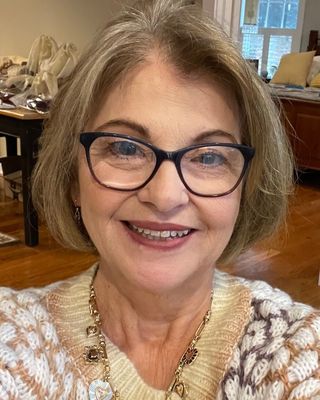
Groups as needed
A virtual group for women to receive education, feedback and support from mental health professionals and a supportive community. Group topics explored are as follows: -WOMEN’S HEALTH & WELLNESS -SELF-CARE STRESS MANAGEMENT -BOUNDARY SETTING & HEALTHY RELATIONSHIPS -SUPPORT, REFLECTION AND COMMUNITY *Group is fully virtual*

A virtual group for women to receive education, feedback and support from mental health professionals and a supportive community. Group topics explored are as follows: -WOMEN’S HEALTH & WELLNESS -SELF-CARE STRESS MANAGEMENT -BOUNDARY SETTING & HEALTHY RELATIONSHIPS -SUPPORT, REFLECTION AND COMMUNITY *Group is fully virtual*
I have been certified to offer Clinical Supervision to other therapists in the field. If you are interested in seeking supervision, please contact me to discuss specifics. I would like to start either individual or group supervision.

I have been certified to offer Clinical Supervision to other therapists in the field. If you are interested in seeking supervision, please contact me to discuss specifics. I would like to start either individual or group supervision.
Our center services people with disabilities and autism who have social skills deficits or phobias.

Hosted by Advanced Learning Behavioral Center, LLC
Licensed Professional Counselor, LPC, BCBA, PhD, BBS
Group meets in Morristown, NJ 07960
Our center services people with disabilities and autism who have social skills deficits or phobias.
Are you unhappy with aspects of your life? Do you long for a better, more loving and intimate relationship? Are you feeling that you are not fulfilled in your career? Do you want more out of your life? Are you constantly repeating self-destructive behaviors. Do you want to be better at dealing with difficult people. Imagine your life where you are able to change your life story. You are in a loving relationship. You are working in a career that feels satisfying and fulfilling. You are living a life that you knew, deep inside of you, was always a possibility..
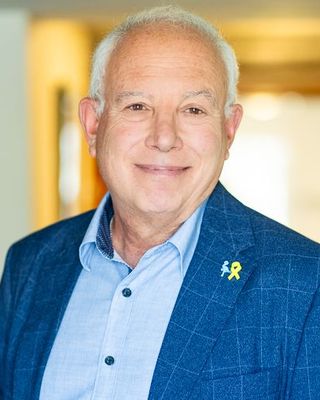
Hosted by Michael Hessdorf
Clinical Social Work/Therapist, LCSW, CGP
Group meets in Maplewood, NJ 07040
Are you unhappy with aspects of your life? Do you long for a better, more loving and intimate relationship? Are you feeling that you are not fulfilled in your career? Do you want more out of your life? Are you constantly repeating self-destructive behaviors. Do you want to be better at dealing with difficult people. Imagine your life where you are able to change your life story. You are in a loving relationship. You are working in a career that feels satisfying and fulfilling. You are living a life that you knew, deep inside of you, was always a possibility..
IOP/PHP

Hosted by Jomaby HealthCare Services, LLC
Psychiatric Nurse Practitioner, DNP, APN-c, PMHNP, BC
Group meets in Flemington, NJ 08822
IOP/PHP
See more therapy options for Hackettstown


Nearby Searches for Hackettstown
See More Support Groups FAQs - About Group Therapy and Support Groups
How can I find a support group in Hackettstown?
To find a support group in your area, start by entering your city, zip code, or the name of the group into the search bar at the top of the page. When searching, consider whether you prefer an in-person or virtual group. This can help you decide how broad your geographic search should be. If you are open to virtual groups, you might want to search by state instead of just your city, especially if there are limited options nearby.
Once you complete your search, you can use the filters to narrow the results by selecting specialties (such as grief, trauma, or eating disorders), therapeutic approaches, age groups, and other criteria to find a group that best fits your needs.
Once you complete your search, you can use the filters to narrow the results by selecting specialties (such as grief, trauma, or eating disorders), therapeutic approaches, age groups, and other criteria to find a group that best fits your needs.
How does group therapy work?
Group therapy is led by one or more trained therapists and provides a space where participants can process their experiences and learn from others facing similar challenges. Groups may focus on a specific issue—such as addiction, grief, physical illnesses, parenting, or caregiving—or they may center around a particular therapeutic approach, such as Cognitive Behavioral Therapy (CBT), social skill development, or Exposure Therapy. Some groups are also designed for specific populations, such as teens, veterans, or LGBTQ+ individuals.
It’s also important to distinguish group therapy from peer-led support groups, like Alcoholics Anonymous. While both can offer valuable support, therapy groups are typically led by licensed professionals and follow a more structured format. Therapy groups often meet for a fixed length of time with a consistent group of members, while many peer support groups meet for an indefinite period of time with members coming and going.
It’s also important to distinguish group therapy from peer-led support groups, like Alcoholics Anonymous. While both can offer valuable support, therapy groups are typically led by licensed professionals and follow a more structured format. Therapy groups often meet for a fixed length of time with a consistent group of members, while many peer support groups meet for an indefinite period of time with members coming and going.
What are the benefits of group therapy?
Group therapy offers several important benefits. It brings together people facing similar challenges—whether related to mental health, physical health, or life transitions—and creates a supportive environment where participants can exchange feedback, share experiences, and learn from one another. Hearing different perspectives can help individuals discover new coping strategies and practical tools they may not have encountered on their own. Sharing personal experiences, such as coping with a serious illness or navigating family struggles, can also reduce feelings of isolation and foster a sense of connection and understanding. In addition to emotional support, group members often gain useful, real-world advice from peers who have faced similar situations.
Group therapy is typically more affordable than individual therapy and, for certain conditions, can be equally effective. Many groups also include structured activities—such as guided journaling, cognitive-behavioral exercises, or role-playing—to help participants develop concrete skills they can apply in daily life.
Group therapy is typically more affordable than individual therapy and, for certain conditions, can be equally effective. Many groups also include structured activities—such as guided journaling, cognitive-behavioral exercises, or role-playing—to help participants develop concrete skills they can apply in daily life.
Is group therapy as effective as individual therapy?
It is difficult to make a blanket statement about the effectiveness of support groups, as they vary widely in focus and the conditions they address. However, support groups can be highly valuable in helping individuals gain emotional support and achieve meaningful treatment outcomes. For certain conditions, such as substance use, research has shown that group therapy can be particularly effective—sometimes just as effective as individual therapy—in supporting long-term recovery.
Many professionals attribute the effectiveness of group therapy to the unique benefits of the group setting, which fosters peer-to-peer learning and a sense of connection through shared experiences. Group settings also offer accountability and encouragement from both facilitators and fellow participants, which helps sustain motivation and supports continued progress. These factors together play a key role in promoting the overall effectiveness of group therapy.
Many professionals attribute the effectiveness of group therapy to the unique benefits of the group setting, which fosters peer-to-peer learning and a sense of connection through shared experiences. Group settings also offer accountability and encouragement from both facilitators and fellow participants, which helps sustain motivation and supports continued progress. These factors together play a key role in promoting the overall effectiveness of group therapy.
How much does group therapy cost?
Group therapy is typically less expensive than individual therapy, with sessions typically costing between $50 and $75 each. In comparison, individual therapy can cost anywhere from $100 to $200 or more per session, even with insurance. Some therapists or organizations offer low-cost or free group therapy options, particularly through community centers or nonprofit organizations. In some cases, groups may require payment upfront for a set number of sessions, such as paying for six weekly sessions at the first meeting. However, many providers offer payment plans to help make participation more accessible if this upfront payment is required.
Does insurance cover group therapy?
As with individual therapy, insurance coverage for group therapy varies based on factors such as your specific insurance plan, the purpose of the group, your diagnosis, and whether the group provider is in-network. Many insurance plans cover group therapy sessions that address diagnosable mental health conditions, such as substance use disorders, anxiety, or depression.
However, groups that focus on topics not directly tied to a mental health diagnosis—such as parenting support or divorce recovery—are less likely to be covered. Because coverage can vary widely, it’s important to check with your insurance provider before joining a group to confirm whether the sessions will be covered and what out-of-pocket costs you may be responsible for.
However, groups that focus on topics not directly tied to a mental health diagnosis—such as parenting support or divorce recovery—are less likely to be covered. Because coverage can vary widely, it’s important to check with your insurance provider before joining a group to confirm whether the sessions will be covered and what out-of-pocket costs you may be responsible for.
How long does group therapy last?
The length of each group therapy session typically ranges from 45 minutes to two hours, depending on the therapy approach, the group’s goals, and how often the group meets. In some cases, group therapy is part of a larger treatment program, such as an Intensive Outpatient Program (IOP), where group sessions complement individual therapy and are scheduled as part of the program’s overall structure.
The duration of participation in a group also varies. Some groups are designed to be short-term, lasting anywhere from 6 to 24 weeks—for example, bereavement groups or skills-based groups like those using Dialectical Behavioral Therapy (DBT). Other groups may be longer-term, lasting a year or more, and some ongoing support groups meet indefinitely, allowing participants to stay as long as they find the group helpful.
The duration of participation in a group also varies. Some groups are designed to be short-term, lasting anywhere from 6 to 24 weeks—for example, bereavement groups or skills-based groups like those using Dialectical Behavioral Therapy (DBT). Other groups may be longer-term, lasting a year or more, and some ongoing support groups meet indefinitely, allowing participants to stay as long as they find the group helpful.
What are the limitations of support groups?
Support groups offer many benefits, but they also have certain limitations. Unlike therapy groups, many support groups do not provide formal therapeutic treatment and are not led by licensed mental health professionals. For individuals seeking clinical treatment for specific mental health diagnoses—such as depression, eating disorders, or substance use—individual therapy or group therapy led by a licensed professional may offer more personalized and specialized care.
The effectiveness of a support group also depends heavily on the group’s participants and the overall group dynamic. When members engage respectfully and offer constructive support, the group can foster valuable peer-to-peer learning. However, if certain participants dominate discussions, provide inaccurate advice, or create conflict, it can disrupt the group’s sense of safety and reduce its effectiveness. Confidentiality can also be harder to maintain in support groups, particularly in open groups where participants can join or leave at any time. With new members regularly entering the group, it can be more difficult to build and sustain a consistent sense of trust and privacy.
The effectiveness of a support group also depends heavily on the group’s participants and the overall group dynamic. When members engage respectfully and offer constructive support, the group can foster valuable peer-to-peer learning. However, if certain participants dominate discussions, provide inaccurate advice, or create conflict, it can disrupt the group’s sense of safety and reduce its effectiveness. Confidentiality can also be harder to maintain in support groups, particularly in open groups where participants can join or leave at any time. With new members regularly entering the group, it can be more difficult to build and sustain a consistent sense of trust and privacy.