Support Groups in Rockingham County, NH
Here at Crossroads Recovery Center we offer two separate substance use programs a PHP and IOP that are effective alternatives and enables individuals to work or attend other obligations while getting the support necessary for success. We offer a daytime PHP 9:00 am-2:00 pm that specializes in Evidence Based Treatment and we also offer an Evening SUD IOP 5:30 pm - 8:30pm. Each of our therapist draw from first hand experience. We believe that every client young and old deserves a better way of life and navigating the road to recovery, "Starts with You !

Hosted by Crossroads Recovery Center, LLC
Treatment Center, LCMHC, LDAC
Group meets in Salem, NH 03079
Here at Crossroads Recovery Center we offer two separate substance use programs a PHP and IOP that are effective alternatives and enables individuals to work or attend other obligations while getting the support necessary for success. We offer a daytime PHP 9:00 am-2:00 pm that specializes in Evidence Based Treatment and we also offer an Evening SUD IOP 5:30 pm - 8:30pm. Each of our therapist draw from first hand experience. We believe that every client young and old deserves a better way of life and navigating the road to recovery, "Starts with You !
Recovery is a lifelong process of improving health and well-being while living independently. Many people suffering from addiction achieve sobriety. Recovery is more difficult. It involves changing your outlook on life, your behavior and in some cases your environment. Successful recovery is inspired by the hope that recovery is possible and faith that you will recover.

Recovery is a lifelong process of improving health and well-being while living independently. Many people suffering from addiction achieve sobriety. Recovery is more difficult. It involves changing your outlook on life, your behavior and in some cases your environment. Successful recovery is inspired by the hope that recovery is possible and faith that you will recover.
Here are at Crossroads due to the necessity for intensive outpatient services that help individuals cope with with the additional anxiety and depression symptoms that we are facing everyday there is support to help those who would benefit in a group setting of others who are experiencing similar difficulties. Call our office at 603-912-4490 for an immediate intake. All groups are in person
Here are at Crossroads due to the necessity for intensive outpatient services that help individuals cope with with the additional anxiety and depression symptoms that we are facing everyday there is support to help those who would benefit in a group setting of others who are experiencing similar difficulties. Call our office at 603-912-4490 for an immediate intake. All groups are in person
Grief and Loss with EMDR therapy group: EMDR has been found to be very effective both for individual and group sessions. The group will be very small (max 6) and will offer people a space to process their losses without having to talk through the details of their experience (unless they choose to share). Please email me to schedule a 15 minute consultation call to be sure this is the right group for you. My office is on the second floor, so the ability to climb stairs are required.

Grief and Loss with EMDR therapy group: EMDR has been found to be very effective both for individual and group sessions. The group will be very small (max 6) and will offer people a space to process their losses without having to talk through the details of their experience (unless they choose to share). Please email me to schedule a 15 minute consultation call to be sure this is the right group for you. My office is on the second floor, so the ability to climb stairs are required.
The Girl Strong Group is a skill, education, and support group for adolescent girls which focuses on increasing feelings of empowerment, self-compassion, connection, and confidence. The facilitator is a Licensed Marriage and Family Therapist who will cover topics such as healthy relationships/boundaries, effective communication, coping with emotions/stress, and decision making/problem solving. Groups meet once a week for one hour and run for six weeks.

The Girl Strong Group is a skill, education, and support group for adolescent girls which focuses on increasing feelings of empowerment, self-compassion, connection, and confidence. The facilitator is a Licensed Marriage and Family Therapist who will cover topics such as healthy relationships/boundaries, effective communication, coping with emotions/stress, and decision making/problem solving. Groups meet once a week for one hour and run for six weeks.
Feel overwhelmed, scattered, or disconnected from yourself? This 4-week online group offers a supportive space to learn practical mindfulness skills that help you slow down, tune in, and respond to life with greater ease. Each week, we'll explore evidence-based techniques drawn from mindfulness-based approaches to reduce stress, quiet the inner critic, and cultivate presence. No prior experience needed — just a willingness to show up. Format: 4 sessions. Online via video. Private pay. Space is limited. Inquire to reserve your spot.

Feel overwhelmed, scattered, or disconnected from yourself? This 4-week online group offers a supportive space to learn practical mindfulness skills that help you slow down, tune in, and respond to life with greater ease. Each week, we'll explore evidence-based techniques drawn from mindfulness-based approaches to reduce stress, quiet the inner critic, and cultivate presence. No prior experience needed — just a willingness to show up. Format: 4 sessions. Online via video. Private pay. Space is limited. Inquire to reserve your spot.
This is a long term group for couples it meets 1 time per week and new members must make a 6 week commitment. Members then will attend a min of 3x per month for 6 months with drop in possible as needed.
Hosted by Seaport support , LLC. Mary Yost
Counselor, LCMHC, MA, MLADC
Group meets in Portsmouth, NH 03801
This is a long term group for couples it meets 1 time per week and new members must make a 6 week commitment. Members then will attend a min of 3x per month for 6 months with drop in possible as needed.
Coming in the fall of 2018! Redeemed from Alcohol is an 8 week course teaching scientific Cognitive Behavioral Therapy (CBT) techniques for coping with cravings and urges. Also participants will learn the effects of alcohol on the brain, as well as how childhood experiences contribute to alcohol missues. This class will teach biblical principles including self-control and addiction. Clients will have daily CBT worksheets as well as daily journal topics which are inspired by the Bible.

Hosted by Infinite Hope Counseling Services; Sheila DuBois
Counselor, LCMHC, MS
Group meets in Derry, NH 03038
Coming in the fall of 2018! Redeemed from Alcohol is an 8 week course teaching scientific Cognitive Behavioral Therapy (CBT) techniques for coping with cravings and urges. Also participants will learn the effects of alcohol on the brain, as well as how childhood experiences contribute to alcohol missues. This class will teach biblical principles including self-control and addiction. Clients will have daily CBT worksheets as well as daily journal topics which are inspired by the Bible.
This group is for professional women who want to grow, be more effective and empowered. We explore issues such as time management, communications skills, healthy boundaries, work-life balance.

Hosted by Adalgisa Holtrop
Clinical Social Work/Therapist, MSW, LICSW
Group meets in Stratham, NH 03885
This group is for professional women who want to grow, be more effective and empowered. We explore issues such as time management, communications skills, healthy boundaries, work-life balance.
A Group for Women Integrating What They've Survived. Kintsugi is the centuries-old Japanese practice of mending broken pottery with veins of gold — refusing to hide the fracture, and instead making the place of breaking the most luminous part of the whole. This group is built on that philosophy. This is not a trauma-processing group. It is an integration and meaning-making group for women who have already done significant healing work — through grief, loss, betrayal, illness, and who are ready to gather what they've survived into something whole, beautiful and thriving.
Hosted by Nadine Thompson
Clinical Social Work/Therapist, MSW, LICSW
Group meets in Exeter, NH 03833
A Group for Women Integrating What They've Survived. Kintsugi is the centuries-old Japanese practice of mending broken pottery with veins of gold — refusing to hide the fracture, and instead making the place of breaking the most luminous part of the whole. This group is built on that philosophy. This is not a trauma-processing group. It is an integration and meaning-making group for women who have already done significant healing work — through grief, loss, betrayal, illness, and who are ready to gather what they've survived into something whole, beautiful and thriving.
A forensic psychologist applies psychological principles to legal matters. They work at the intersection of psychology and law, providing expertise in criminal and civil legal contexts. This includes evaluating individuals involved in legal proceedings, offering expert testimony, and contributing to research on criminal behavior and legal issues
A forensic psychologist applies psychological principles to legal matters. They work at the intersection of psychology and law, providing expertise in criminal and civil legal contexts. This includes evaluating individuals involved in legal proceedings, offering expert testimony, and contributing to research on criminal behavior and legal issues
Dialectical Behavior Therapy (DBT) is a structured therapy that focuses on teaching four core skills (mindfulness, acceptance & distress tolerance, emotional regulation, and interpersonal effectiveness) to help you create a life you want. You work on those skills and applying them to your life. This group is offered to not just clients but the public, some insurances pay for the group, otherwise this one-hour session is out of pocket expense of $30 for each session. This group is an 8-week series. This group is to help you learn the skills to regulate your emotions.
Dialectical Behavior Therapy (DBT) is a structured therapy that focuses on teaching four core skills (mindfulness, acceptance & distress tolerance, emotional regulation, and interpersonal effectiveness) to help you create a life you want. You work on those skills and applying them to your life. This group is offered to not just clients but the public, some insurances pay for the group, otherwise this one-hour session is out of pocket expense of $30 for each session. This group is an 8-week series. This group is to help you learn the skills to regulate your emotions.
Please have a look at the site - www.genesisprocess.org . With the Relapse prevention workbook - I find that this is an effective and proven course that leads a path of self discovery and experiential inventory of why we behave and do the things that are not good or healthy for us.

Hosted by Charles Clark Pastoral Counseling & Life Coaching
Pastoral Counselor, BSc, MAR, BCPC, ICCA LC, LicMin
Group meets in Kingston, NH 03848
Please have a look at the site - www.genesisprocess.org . With the Relapse prevention workbook - I find that this is an effective and proven course that leads a path of self discovery and experiential inventory of why we behave and do the things that are not good or healthy for us.
Herren Project hosts live online support groups for families and loved ones affected by substance or alcohol use disorder. I facilitate spousal/partner support groups that meet weekly via Zoom and are offered at no cost, thanks to donations. All you need is a computer or phone to join. All are welcome, and participation (speaking/sharing) is not required (but encouraged!). You must be 18 years of age to participate. All groups are held in EST. To register and learn more: https://herrenproject.org/ online-support-groups/

Herren Project hosts live online support groups for families and loved ones affected by substance or alcohol use disorder. I facilitate spousal/partner support groups that meet weekly via Zoom and are offered at no cost, thanks to donations. All you need is a computer or phone to join. All are welcome, and participation (speaking/sharing) is not required (but encouraged!). You must be 18 years of age to participate. All groups are held in EST. To register and learn more: https://herrenproject.org/ online-support-groups/
Private practice with a focus upon adults, children, and families.

Private practice with a focus upon adults, children, and families.
I currently offer DWI Restoration Groups which are open to anyone who is in need of counseling to restore licensure in NH. I am an (IDSP) Impaired Driver Service Provider.

Hosted by Jennifer Casey, LADC Counseling, LLC
Drug & Alcohol Counselor, LADC, BS
Group meets in North Hampton, NH 03862
I currently offer DWI Restoration Groups which are open to anyone who is in need of counseling to restore licensure in NH. I am an (IDSP) Impaired Driver Service Provider.
The Seacoast Adult ADHD Support Group (founded 2007) is a place for ADHD adults to meet and gain practical skills, knowledge, emotional support, and to share resources with a creative, strengths-based approach. No cost to attend, but newcomers must first contact the facilitator, Robin Bellantone, MA, LCMHC. This is a peer support group, not a therapy group. Ongoing since 2007 we are now online!

The Seacoast Adult ADHD Support Group (founded 2007) is a place for ADHD adults to meet and gain practical skills, knowledge, emotional support, and to share resources with a creative, strengths-based approach. No cost to attend, but newcomers must first contact the facilitator, Robin Bellantone, MA, LCMHC. This is a peer support group, not a therapy group. Ongoing since 2007 we are now online!
This is a small group experience available online. The Secure Parent Collective runs year round to support parents in their journey. The Secure Parent Collective is guided by Denise Mendes-Wilson, MA, LCMHC and each week she encourages you to explore the impacts of attachment styles in the parent-child relationship. This group is limited to six participants at a time and is available by self pay at this time. This group meets Wednesdays at 1:00 PM.
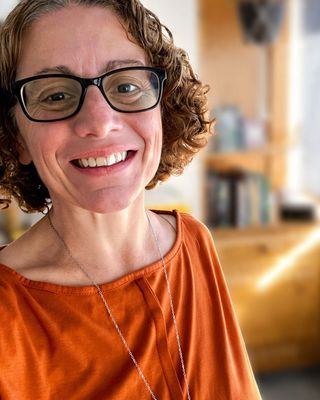
Hosted by Denise M. Mendes-Wilson
Licensed Clinical Mental Health Counselor, MA, LCMHC, CCSP
Group meets in Windham, NH 03087
This is a small group experience available online. The Secure Parent Collective runs year round to support parents in their journey. The Secure Parent Collective is guided by Denise Mendes-Wilson, MA, LCMHC and each week she encourages you to explore the impacts of attachment styles in the parent-child relationship. This group is limited to six participants at a time and is available by self pay at this time. This group meets Wednesdays at 1:00 PM.
If you could have left already, you would have. If insight alone were enough, you wouldn’t still feel pulled back into the same cycle — the hope, the anxiety, the waiting, the urge to reach out, and the confusion that follows. This 12-week group program focuses on: Understanding trauma bonds and anxious–avoidant attachment patterns, Calming attachment activation without using the relationship for relief, Recognizing protest behaviors and responding without self-abandonment, Setting boundaries without guilt or cruelty, Rebuilding internal safety, self-trust, and emotional capacity, Learning how to stay connected to yourself — even when attachment is triggered.

If you could have left already, you would have. If insight alone were enough, you wouldn’t still feel pulled back into the same cycle — the hope, the anxiety, the waiting, the urge to reach out, and the confusion that follows. This 12-week group program focuses on: Understanding trauma bonds and anxious–avoidant attachment patterns, Calming attachment activation without using the relationship for relief, Recognizing protest behaviors and responding without self-abandonment, Setting boundaries without guilt or cruelty, Rebuilding internal safety, self-trust, and emotional capacity, Learning how to stay connected to yourself — even when attachment is triggered.
Reconnect with your body. Rebuild trust. Rediscover ease with food. This 12-week experiential workshop is designed for individuals seeking a more peaceful, empowered relationship with food and their bodies. Through guided discussion, skills practice, and supportive community, participants will explore principles of Intuitive Eating and learn how to: Tune into hunger, fullness, and satisfaction cues; Reduce guilt and anxiety around eating; Challenge unhelpful diet rules and internalized weight stigma; Build sustainable, compassionate self-care practices.
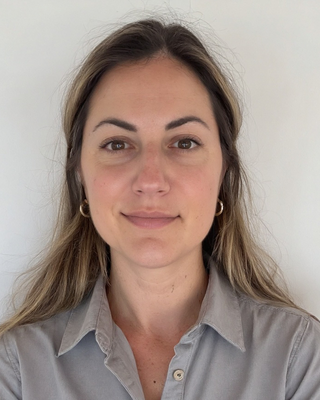
Reconnect with your body. Rebuild trust. Rediscover ease with food. This 12-week experiential workshop is designed for individuals seeking a more peaceful, empowered relationship with food and their bodies. Through guided discussion, skills practice, and supportive community, participants will explore principles of Intuitive Eating and learn how to: Tune into hunger, fullness, and satisfaction cues; Reduce guilt and anxiety around eating; Challenge unhelpful diet rules and internalized weight stigma; Build sustainable, compassionate self-care practices.
See more therapy options for Rockingham County


FAQs - About Group Therapy and Support Groups
How can I find a support group in Rockingham County?
To find a support group in your area, start by entering your city, zip code, or the name of the group into the search bar at the top of the page. When searching, consider whether you prefer an in-person or virtual group. This can help you decide how broad your geographic search should be. If you are open to virtual groups, you might want to search by state instead of just your city, especially if there are limited options nearby.
Once you complete your search, you can use the filters to narrow the results by selecting specialties (such as grief, trauma, or eating disorders), therapeutic approaches, age groups, and other criteria to find a group that best fits your needs.
How does group therapy work?
Group therapy is led by one or more trained therapists and provides a space where participants can process their experiences and learn from others facing similar challenges. Groups may focus on a specific issue—such as addiction, grief, physical illnesses, parenting, or caregiving—or they may center around a particular therapeutic approach, such as Cognitive Behavioral Therapy (CBT), social skill development, or Exposure Therapy. Some groups are also designed for specific populations, such as teens, veterans, or LGBTQ+ individuals.
It’s also important to distinguish group therapy from peer-led support groups, like Alcoholics Anonymous. While both can offer valuable support, therapy groups are typically led by licensed professionals and follow a more structured format. Therapy groups often meet for a fixed length of time with a consistent group of members, while many peer support groups meet for an indefinite period of time with members coming and going.
What are the benefits of group therapy?
Group therapy offers several important benefits. It brings together people facing similar challenges—whether related to mental health, physical health, or life transitions—and creates a supportive environment where participants can exchange feedback, share experiences, and learn from one another. Hearing different perspectives can help individuals discover new coping strategies and practical tools they may not have encountered on their own. Sharing personal experiences, such as coping with a serious illness or navigating family struggles, can also reduce feelings of isolation and foster a sense of connection and understanding. In addition to emotional support, group members often gain useful, real-world advice from peers who have faced similar situations.
Group therapy is typically more affordable than individual therapy and, for certain conditions, can be equally effective. Many groups also include structured activities—such as guided journaling, cognitive-behavioral exercises, or role-playing—to help participants develop concrete skills they can apply in daily life.
Is group therapy as effective as individual therapy?
It is difficult to make a blanket statement about the effectiveness of support groups, as they vary widely in focus and the conditions they address. However, support groups can be highly valuable in helping individuals gain emotional support and achieve meaningful treatment outcomes. For certain conditions, such as substance use, research has shown that group therapy can be particularly effective—sometimes just as effective as individual therapy—in supporting long-term recovery.
Many professionals attribute the effectiveness of group therapy to the unique benefits of the group setting, which fosters peer-to-peer learning and a sense of connection through shared experiences. Group settings also offer accountability and encouragement from both facilitators and fellow participants, which helps sustain motivation and supports continued progress. These factors together play a key role in promoting the overall effectiveness of group therapy.
How much does group therapy cost?
Group therapy is typically less expensive than individual therapy, with sessions typically costing between $50 and $75 each. In comparison, individual therapy can cost anywhere from $100 to $200 or more per session, even with insurance. Some therapists or organizations offer low-cost or free group therapy options, particularly through community centers or nonprofit organizations. In some cases, groups may require payment upfront for a set number of sessions, such as paying for six weekly sessions at the first meeting. However, many providers offer payment plans to help make participation more accessible if this upfront payment is required.
Does insurance cover group therapy?
As with individual therapy, insurance coverage for group therapy varies based on factors such as your specific insurance plan, the purpose of the group, your diagnosis, and whether the group provider is in-network. Many insurance plans cover group therapy sessions that address diagnosable mental health conditions, such as substance use disorders, anxiety, or depression.
However, groups that focus on topics not directly tied to a mental health diagnosis—such as parenting support or divorce recovery—are less likely to be covered. Because coverage can vary widely, it’s important to check with your insurance provider before joining a group to confirm whether the sessions will be covered and what out-of-pocket costs you may be responsible for.
How long does group therapy last?
The length of each group therapy session typically ranges from 45 minutes to two hours, depending on the therapy approach, the group’s goals, and how often the group meets. In some cases, group therapy is part of a larger treatment program, such as an Intensive Outpatient Program (IOP), where group sessions complement individual therapy and are scheduled as part of the program’s overall structure.
The duration of participation in a group also varies. Some groups are designed to be short-term, lasting anywhere from 6 to 24 weeks—for example, bereavement groups or skills-based groups like those using Dialectical Behavioral Therapy (DBT). Other groups may be longer-term, lasting a year or more, and some ongoing support groups meet indefinitely, allowing participants to stay as long as they find the group helpful.
What are the limitations of support groups?
Support groups offer many benefits, but they also have certain limitations. Unlike therapy groups, many support groups do not provide formal therapeutic treatment and are not led by licensed mental health professionals. For individuals seeking clinical treatment for specific mental health diagnoses—such as depression, eating disorders, or substance use—individual therapy or group therapy led by a licensed professional may offer more personalized and specialized care.
The effectiveness of a support group also depends heavily on the group’s participants and the overall group dynamic. When members engage respectfully and offer constructive support, the group can foster valuable peer-to-peer learning. However, if certain participants dominate discussions, provide inaccurate advice, or create conflict, it can disrupt the group’s sense of safety and reduce its effectiveness. Confidentiality can also be harder to maintain in support groups, particularly in open groups where participants can join or leave at any time. With new members regularly entering the group, it can be more difficult to build and sustain a consistent sense of trust and privacy.