Support Groups in New Hampshire
Here at Crossroads Recovery Center we offer two separate substance use programs a PHP and IOP that are effective alternatives and enables individuals to work or attend other obligations while getting the support necessary for success. We offer a daytime PHP 9:00 am-2:00 pm that specializes in Evidence Based Treatment and we also offer an Evening SUD IOP 5:30 pm - 8:30pm. Each of our therapist draw from first hand experience. We believe that every client young and old deserves a better way of life and navigating the road to recovery, "Starts with You !

Hosted by Crossroads Recovery Center, LLC
Treatment Center, LCMHC, LDAC
Group meets in Salem, NH 03079
Here at Crossroads Recovery Center we offer two separate substance use programs a PHP and IOP that are effective alternatives and enables individuals to work or attend other obligations while getting the support necessary for success. We offer a daytime PHP 9:00 am-2:00 pm that specializes in Evidence Based Treatment and we also offer an Evening SUD IOP 5:30 pm - 8:30pm. Each of our therapist draw from first hand experience. We believe that every client young and old deserves a better way of life and navigating the road to recovery, "Starts with You !
Raising a child with anxiety can feel exhausting and confusing. You may feel like nothing you try is working, and worry your child will never break free from their fears. At Middle Path Counseling, we work with parents through SPACE (Supportive Parenting for Anxious Childhood Emotions), a proven program from Yale that helps caregivers make small but powerful changes to reduce anxiety at home. Tuesdays at 10:00AM via Zoom or Wednesdays in office at 5:30PM. 6 weeks and 1 individual session included. Led by Jackie Pollner, LCMHC. Reach out through here or our website to enroll today.
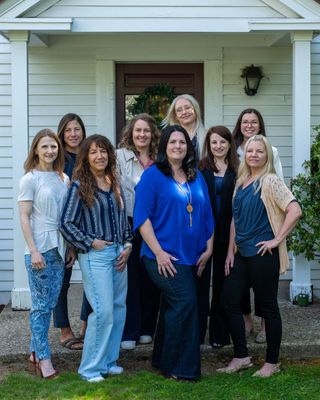
Raising a child with anxiety can feel exhausting and confusing. You may feel like nothing you try is working, and worry your child will never break free from their fears. At Middle Path Counseling, we work with parents through SPACE (Supportive Parenting for Anxious Childhood Emotions), a proven program from Yale that helps caregivers make small but powerful changes to reduce anxiety at home. Tuesdays at 10:00AM via Zoom or Wednesdays in office at 5:30PM. 6 weeks and 1 individual session included. Led by Jackie Pollner, LCMHC. Reach out through here or our website to enroll today.
Please have a look at the site - www.genesisprocess.org . With the Relapse prevention workbook - I find that this is an effective and proven course that leads a path of self discovery and experiential inventory of why we behave and do the things that are not good or healthy for us.

Hosted by Charles Clark Pastoral Counseling & Life Coaching
Pastoral Counselor, BSc, MAR, BCPC, ICCA LC, LicMin
Group meets in Kingston, NH 03848
Please have a look at the site - www.genesisprocess.org . With the Relapse prevention workbook - I find that this is an effective and proven course that leads a path of self discovery and experiential inventory of why we behave and do the things that are not good or healthy for us.
Reconnect with your body. Rebuild trust. Rediscover ease with food. This 12-week experiential workshop is designed for individuals seeking a more peaceful, empowered relationship with food and their bodies. Through guided discussion, skills practice, and supportive community, participants will explore principles of Intuitive Eating and learn how to: Tune into hunger, fullness, and satisfaction cues; Reduce guilt and anxiety around eating; Challenge unhelpful diet rules and internalized weight stigma; Build sustainable, compassionate self-care practices.
Reconnect with your body. Rebuild trust. Rediscover ease with food. This 12-week experiential workshop is designed for individuals seeking a more peaceful, empowered relationship with food and their bodies. Through guided discussion, skills practice, and supportive community, participants will explore principles of Intuitive Eating and learn how to: Tune into hunger, fullness, and satisfaction cues; Reduce guilt and anxiety around eating; Challenge unhelpful diet rules and internalized weight stigma; Build sustainable, compassionate self-care practices.
*Not currently running* Professionals Substance Abuse Support Group. This group meets once per week and is for professionals such as those in the legal, medical or counseling professions, or those who are highly visible in the community. If you are looking for a supportive, non-judgmental and confidential group where you can get help to gain sobriety and personal growth and talk to other professionals who have the same struggles than this is the group for you. This group will re-open based on interest.

Hosted by Sarah Ziegler
Drug & Alcohol Counselor, MA, MLADC, MAC, ICAADC
Group meets in Concord, NH 03301
*Not currently running* Professionals Substance Abuse Support Group. This group meets once per week and is for professionals such as those in the legal, medical or counseling professions, or those who are highly visible in the community. If you are looking for a supportive, non-judgmental and confidential group where you can get help to gain sobriety and personal growth and talk to other professionals who have the same struggles than this is the group for you. This group will re-open based on interest.
Learn essential coping skills in a supportive group setting. Through ACT-based techniques, you’ll learn to navigate life’s challenges with greater ease and confidence over 8 weeks. Starts May 11, 2026.

Hosted by A.B.A. Behavioral Consulting
Counselor, MA, MBA, LCMHC
Group meets in Manchester, NH 03101
Learn essential coping skills in a supportive group setting. Through ACT-based techniques, you’ll learn to navigate life’s challenges with greater ease and confidence over 8 weeks. Starts May 11, 2026.
Dialectical Behavior Therapy (DBT) is a skills-based group to learn mindfulness, distress tolerance, interpersonal effectiveness and emotional regulation to reduce your symptoms of depression, anxiety, substance use disorder, trauma, self-injury and other overwhelming emotions. The group maximum is 10 and it runs for 12 weeks for an hour and a half. Whether you are new to DBT, or need a refresher, those who have taken this group in the past have provided positive feedback, but more importantly, have moved towards a more positive lifestyle. Please contact me with any questions, or to see if this is the group for you!!

Hosted by Michelle Houle
Licensed Professional Counselor, MLADC, LCMHC
Group meets in Ossipee, NH 03864
Dialectical Behavior Therapy (DBT) is a skills-based group to learn mindfulness, distress tolerance, interpersonal effectiveness and emotional regulation to reduce your symptoms of depression, anxiety, substance use disorder, trauma, self-injury and other overwhelming emotions. The group maximum is 10 and it runs for 12 weeks for an hour and a half. Whether you are new to DBT, or need a refresher, those who have taken this group in the past have provided positive feedback, but more importantly, have moved towards a more positive lifestyle. Please contact me with any questions, or to see if this is the group for you!!
This group is for professional women who want to grow, be more effective and empowered. We explore issues such as time management, communications skills, healthy boundaries, work-life balance.

Hosted by Adalgisa Holtrop
Clinical Social Work/Therapist, MSW, LICSW
Group meets in Stratham, NH 03885
This group is for professional women who want to grow, be more effective and empowered. We explore issues such as time management, communications skills, healthy boundaries, work-life balance.
We offer NeuroStar TMS in our Nashua, NH office. This is a medication-free treatment and is FDA approved for treatment of Major Depression Disorder, Adolescdent Depression, Anxious Depression, and Obsessive Compulsive Disorder. In real-world studies, 83% of patients who completed NeuroStar treatment saw a measurable improvement in their depressive symptoms. In one study, adolescent patients had a 78% response rate and 48% remission rate.
Hosted by Granite State Family Psychiatry
Psychiatric Nurse Practitioner, MSN, PMHNP, BC
Group meets in Nashua, NH 03060
We offer NeuroStar TMS in our Nashua, NH office. This is a medication-free treatment and is FDA approved for treatment of Major Depression Disorder, Adolescdent Depression, Anxious Depression, and Obsessive Compulsive Disorder. In real-world studies, 83% of patients who completed NeuroStar treatment saw a measurable improvement in their depressive symptoms. In one study, adolescent patients had a 78% response rate and 48% remission rate.
This weekly support group offers a warm and understanding space for parents of neurodivergent children, including those with ADHD, autism, and learning differences. Parenting a child with unique needs can bring both joy and significant challenges, and many parents find themselves feeling overwhelmed or alone. In this group, parents can share experiences, receive support, and explore practical strategies for navigating daily challenges, school systems, and emotional needs—both their child’s and their own. The group is designed to foster connection, reduce isolation, and support parents in feeling more confident and resourced in their role.

This weekly support group offers a warm and understanding space for parents of neurodivergent children, including those with ADHD, autism, and learning differences. Parenting a child with unique needs can bring both joy and significant challenges, and many parents find themselves feeling overwhelmed or alone. In this group, parents can share experiences, receive support, and explore practical strategies for navigating daily challenges, school systems, and emotional needs—both their child’s and their own. The group is designed to foster connection, reduce isolation, and support parents in feeling more confident and resourced in their role.
Please see website for more information- www.nicolemancinotherapy.com. - Groups a for women, youth & teens

Please see website for more information- www.nicolemancinotherapy.com. - Groups a for women, youth & teens
Take a look at our website www.bedfordfamilytherapy.com. We have practice locations in Exeter and Bedford, NH as well as Charlotte, NC. In addition to individual, couples and family therapy, we also offer a division called INTEGRATE which provides ABA (Applied Behavioral Analysis), SLP (Speech and Language Pathology); ADHD and Executive Function Coaching; Case Management; Supplement Support; Life Coaching and Executive Consulting. We believe in treating the whole person systemically. Please reach out to our intake coordinator, Deb Belleau, at 603-606-1233 x 208 for more information!

Hosted by Lisa Boldin
Clinical Social Work/Therapist, MBA/MSW, LICSW
Group meets in Exeter, NH 03833
Take a look at our website www.bedfordfamilytherapy.com. We have practice locations in Exeter and Bedford, NH as well as Charlotte, NC. In addition to individual, couples and family therapy, we also offer a division called INTEGRATE which provides ABA (Applied Behavioral Analysis), SLP (Speech and Language Pathology); ADHD and Executive Function Coaching; Case Management; Supplement Support; Life Coaching and Executive Consulting. We believe in treating the whole person systemically. Please reach out to our intake coordinator, Deb Belleau, at 603-606-1233 x 208 for more information!
Dialectical Behavior Therapy (DBT) is a structured therapy that focuses on teaching four core skills (mindfulness, acceptance & distress tolerance, emotional regulation, and interpersonal effectiveness) to help you create a life you want. You work on those skills and applying them to your life. This group is offered to not just clients but the public, some insurances pay for the group, otherwise this one-hour session is out of pocket expense of $30 for each session. This group is an 8-week series. This group is to help you learn the skills to regulate your emotions.
Dialectical Behavior Therapy (DBT) is a structured therapy that focuses on teaching four core skills (mindfulness, acceptance & distress tolerance, emotional regulation, and interpersonal effectiveness) to help you create a life you want. You work on those skills and applying them to your life. This group is offered to not just clients but the public, some insurances pay for the group, otherwise this one-hour session is out of pocket expense of $30 for each session. This group is an 8-week series. This group is to help you learn the skills to regulate your emotions.
Starting on 9/25/24! I am excited to offer this ongoing group for teen girls ages 14 - 17 yrs. Every Tuesday 4:30 - 5:45pm. It is co-facilitated, and filled with lots of therapeutic support to address healthy social connection in conjunction with effective coping strategies to combat anxiety, depressed thoughts, loneliness, negative self talk and more! An opportunity to share experiences and lift each other up with fun and engaging activities. Snacks and water provided at every session. Initial 15 minute intake required. Ends 6/10/25
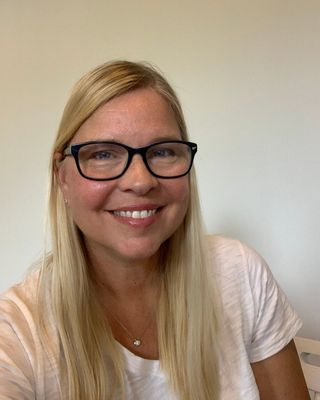
Starting on 9/25/24! I am excited to offer this ongoing group for teen girls ages 14 - 17 yrs. Every Tuesday 4:30 - 5:45pm. It is co-facilitated, and filled with lots of therapeutic support to address healthy social connection in conjunction with effective coping strategies to combat anxiety, depressed thoughts, loneliness, negative self talk and more! An opportunity to share experiences and lift each other up with fun and engaging activities. Snacks and water provided at every session. Initial 15 minute intake required. Ends 6/10/25
We experiences all kinds of loss in our lives! Our groups are open to any kinds of grieving over a loss, i.e., empty nest, relationship,, career,death (pets inc!), etc.-- Feeling the grief and learning HOW to move forward.

Hosted by Sarah Tirrell-Wysocki
Clinical Social Work/Therapist, MSW, LICSW
Group meets in Concord, NH 03301
We experiences all kinds of loss in our lives! Our groups are open to any kinds of grieving over a loss, i.e., empty nest, relationship,, career,death (pets inc!), etc.-- Feeling the grief and learning HOW to move forward.
Are you challenged by depression, anxiety, or chronic pain and looking to improve your ability to manage these difficulties? The Mindful Way is a 8-week Mindfulness-Based Cognitive Therapy (MBCT) group designed to help individuals build awareness, emotional resilience, and healthier responses to difficulties. MBCT is an evidence-based approach shown to reduce the risk of depressive relapse and support improvement in symptoms of anxiety, chronic stress, and chronic pain. The program is experiential in nature and combines approaches such as mindfulness meditation, gentle movement, cognitive strategies, and mindfulness in daily activities to foster lasting change and a more compassionate relationship with your experience.
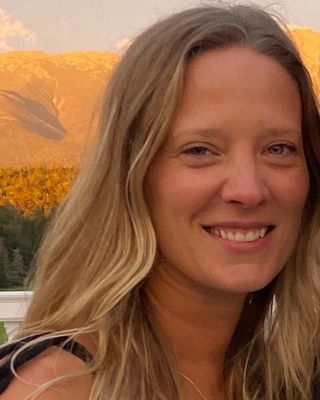
Are you challenged by depression, anxiety, or chronic pain and looking to improve your ability to manage these difficulties? The Mindful Way is a 8-week Mindfulness-Based Cognitive Therapy (MBCT) group designed to help individuals build awareness, emotional resilience, and healthier responses to difficulties. MBCT is an evidence-based approach shown to reduce the risk of depressive relapse and support improvement in symptoms of anxiety, chronic stress, and chronic pain. The program is experiential in nature and combines approaches such as mindfulness meditation, gentle movement, cognitive strategies, and mindfulness in daily activities to foster lasting change and a more compassionate relationship with your experience.
An open, non- judgmental space for those new to recovery, or questioning substance use, and want education on addiction. Research provides evidence that group therapy is highly effective for addiction recovery. Some main benefits of participating in group therapy discussions: Gain greater self-awareness by listening to others; improve communication skills; connect with peers through shared experiences; receive honest feedback; and get outside perspectives; reduce isolation, shame, loneliness, and stigmatization. Overall, group therapy boosts a person’s ability to maintain long-lasting sobriety; and provides a safe haven of support, understanding, and mutual respect

Hosted by Meredith J Hamel
Drug & Alcohol Counselor, LCMHC, MLADC, IDSP
Group meets in Rochester, NH 03867
An open, non- judgmental space for those new to recovery, or questioning substance use, and want education on addiction. Research provides evidence that group therapy is highly effective for addiction recovery. Some main benefits of participating in group therapy discussions: Gain greater self-awareness by listening to others; improve communication skills; connect with peers through shared experiences; receive honest feedback; and get outside perspectives; reduce isolation, shame, loneliness, and stigmatization. Overall, group therapy boosts a person’s ability to maintain long-lasting sobriety; and provides a safe haven of support, understanding, and mutual respect
This group will teach you how to have a better night's sleep using current research and science. As part of the group we will discuss what gets in the way and ways to alleviate stressors. the group will run for six weeks.

This group will teach you how to have a better night's sleep using current research and science. As part of the group we will discuss what gets in the way and ways to alleviate stressors. the group will run for six weeks.
This 12-week virtual group is designed for adults who want to build a more compassionate, flexible, and sustainable relationship with food and their bodies. Participants will explore patterns related to eating, body image, dieting, emotional eating, and self-criticism while learning practical tools grounded in intuitive eating principles. The group provides a supportive therapeutic space to develop greater awareness, self-trust, and flexibility around food. Sessions are conducted securely online, allowing participants to join from anywhere in the United States, provided they are physically located in a PSYPACT-participating state at the time of each session.

This 12-week virtual group is designed for adults who want to build a more compassionate, flexible, and sustainable relationship with food and their bodies. Participants will explore patterns related to eating, body image, dieting, emotional eating, and self-criticism while learning practical tools grounded in intuitive eating principles. The group provides a supportive therapeutic space to develop greater awareness, self-trust, and flexibility around food. Sessions are conducted securely online, allowing participants to join from anywhere in the United States, provided they are physically located in a PSYPACT-participating state at the time of each session.
Here are at Crossroads due to the necessity for intensive outpatient services that help individuals cope with with the additional anxiety and depression symptoms that we are facing everyday there is support to help those who would benefit in a group setting of others who are experiencing similar difficulties. Call our office at 603-912-4490 for an immediate intake. All groups are in person
Here are at Crossroads due to the necessity for intensive outpatient services that help individuals cope with with the additional anxiety and depression symptoms that we are facing everyday there is support to help those who would benefit in a group setting of others who are experiencing similar difficulties. Call our office at 603-912-4490 for an immediate intake. All groups are in person
See more therapy options for New Hampshire


FAQs - About Group Therapy and Support Groups
How can I find a support group in New Hampshire?
To find a support group in your area, start by entering your city, zip code, or the name of the group into the search bar at the top of the page. When searching, consider whether you prefer an in-person or virtual group. This can help you decide how broad your geographic search should be. If you are open to virtual groups, you might want to search by state instead of just your city, especially if there are limited options nearby.
Once you complete your search, you can use the filters to narrow the results by selecting specialties (such as grief, trauma, or eating disorders), therapeutic approaches, age groups, and other criteria to find a group that best fits your needs.
Once you complete your search, you can use the filters to narrow the results by selecting specialties (such as grief, trauma, or eating disorders), therapeutic approaches, age groups, and other criteria to find a group that best fits your needs.
How does group therapy work?
Group therapy is led by one or more trained therapists and provides a space where participants can process their experiences and learn from others facing similar challenges. Groups may focus on a specific issue—such as addiction, grief, physical illnesses, parenting, or caregiving—or they may center around a particular therapeutic approach, such as Cognitive Behavioral Therapy (CBT), social skill development, or Exposure Therapy. Some groups are also designed for specific populations, such as teens, veterans, or LGBTQ+ individuals.
It’s also important to distinguish group therapy from peer-led support groups, like Alcoholics Anonymous. While both can offer valuable support, therapy groups are typically led by licensed professionals and follow a more structured format. Therapy groups often meet for a fixed length of time with a consistent group of members, while many peer support groups meet for an indefinite period of time with members coming and going.
It’s also important to distinguish group therapy from peer-led support groups, like Alcoholics Anonymous. While both can offer valuable support, therapy groups are typically led by licensed professionals and follow a more structured format. Therapy groups often meet for a fixed length of time with a consistent group of members, while many peer support groups meet for an indefinite period of time with members coming and going.
What are the benefits of group therapy?
Group therapy offers several important benefits. It brings together people facing similar challenges—whether related to mental health, physical health, or life transitions—and creates a supportive environment where participants can exchange feedback, share experiences, and learn from one another. Hearing different perspectives can help individuals discover new coping strategies and practical tools they may not have encountered on their own. Sharing personal experiences, such as coping with a serious illness or navigating family struggles, can also reduce feelings of isolation and foster a sense of connection and understanding. In addition to emotional support, group members often gain useful, real-world advice from peers who have faced similar situations.
Group therapy is typically more affordable than individual therapy and, for certain conditions, can be equally effective. Many groups also include structured activities—such as guided journaling, cognitive-behavioral exercises, or role-playing—to help participants develop concrete skills they can apply in daily life.
Group therapy is typically more affordable than individual therapy and, for certain conditions, can be equally effective. Many groups also include structured activities—such as guided journaling, cognitive-behavioral exercises, or role-playing—to help participants develop concrete skills they can apply in daily life.
Is group therapy as effective as individual therapy?
It is difficult to make a blanket statement about the effectiveness of support groups, as they vary widely in focus and the conditions they address. However, support groups can be highly valuable in helping individuals gain emotional support and achieve meaningful treatment outcomes. For certain conditions, such as substance use, research has shown that group therapy can be particularly effective—sometimes just as effective as individual therapy—in supporting long-term recovery.
Many professionals attribute the effectiveness of group therapy to the unique benefits of the group setting, which fosters peer-to-peer learning and a sense of connection through shared experiences. Group settings also offer accountability and encouragement from both facilitators and fellow participants, which helps sustain motivation and supports continued progress. These factors together play a key role in promoting the overall effectiveness of group therapy.
Many professionals attribute the effectiveness of group therapy to the unique benefits of the group setting, which fosters peer-to-peer learning and a sense of connection through shared experiences. Group settings also offer accountability and encouragement from both facilitators and fellow participants, which helps sustain motivation and supports continued progress. These factors together play a key role in promoting the overall effectiveness of group therapy.
How much does group therapy cost?
Group therapy is typically less expensive than individual therapy, with sessions typically costing between $50 and $75 each. In comparison, individual therapy can cost anywhere from $100 to $200 or more per session, even with insurance. Some therapists or organizations offer low-cost or free group therapy options, particularly through community centers or nonprofit organizations. In some cases, groups may require payment upfront for a set number of sessions, such as paying for six weekly sessions at the first meeting. However, many providers offer payment plans to help make participation more accessible if this upfront payment is required.
Does insurance cover group therapy?
As with individual therapy, insurance coverage for group therapy varies based on factors such as your specific insurance plan, the purpose of the group, your diagnosis, and whether the group provider is in-network. Many insurance plans cover group therapy sessions that address diagnosable mental health conditions, such as substance use disorders, anxiety, or depression.
However, groups that focus on topics not directly tied to a mental health diagnosis—such as parenting support or divorce recovery—are less likely to be covered. Because coverage can vary widely, it’s important to check with your insurance provider before joining a group to confirm whether the sessions will be covered and what out-of-pocket costs you may be responsible for.
However, groups that focus on topics not directly tied to a mental health diagnosis—such as parenting support or divorce recovery—are less likely to be covered. Because coverage can vary widely, it’s important to check with your insurance provider before joining a group to confirm whether the sessions will be covered and what out-of-pocket costs you may be responsible for.
How long does group therapy last?
The length of each group therapy session typically ranges from 45 minutes to two hours, depending on the therapy approach, the group’s goals, and how often the group meets. In some cases, group therapy is part of a larger treatment program, such as an Intensive Outpatient Program (IOP), where group sessions complement individual therapy and are scheduled as part of the program’s overall structure.
The duration of participation in a group also varies. Some groups are designed to be short-term, lasting anywhere from 6 to 24 weeks—for example, bereavement groups or skills-based groups like those using Dialectical Behavioral Therapy (DBT). Other groups may be longer-term, lasting a year or more, and some ongoing support groups meet indefinitely, allowing participants to stay as long as they find the group helpful.
The duration of participation in a group also varies. Some groups are designed to be short-term, lasting anywhere from 6 to 24 weeks—for example, bereavement groups or skills-based groups like those using Dialectical Behavioral Therapy (DBT). Other groups may be longer-term, lasting a year or more, and some ongoing support groups meet indefinitely, allowing participants to stay as long as they find the group helpful.
What are the limitations of support groups?
Support groups offer many benefits, but they also have certain limitations. Unlike therapy groups, many support groups do not provide formal therapeutic treatment and are not led by licensed mental health professionals. For individuals seeking clinical treatment for specific mental health diagnoses—such as depression, eating disorders, or substance use—individual therapy or group therapy led by a licensed professional may offer more personalized and specialized care.
The effectiveness of a support group also depends heavily on the group’s participants and the overall group dynamic. When members engage respectfully and offer constructive support, the group can foster valuable peer-to-peer learning. However, if certain participants dominate discussions, provide inaccurate advice, or create conflict, it can disrupt the group’s sense of safety and reduce its effectiveness. Confidentiality can also be harder to maintain in support groups, particularly in open groups where participants can join or leave at any time. With new members regularly entering the group, it can be more difficult to build and sustain a consistent sense of trust and privacy.
The effectiveness of a support group also depends heavily on the group’s participants and the overall group dynamic. When members engage respectfully and offer constructive support, the group can foster valuable peer-to-peer learning. However, if certain participants dominate discussions, provide inaccurate advice, or create conflict, it can disrupt the group’s sense of safety and reduce its effectiveness. Confidentiality can also be harder to maintain in support groups, particularly in open groups where participants can join or leave at any time. With new members regularly entering the group, it can be more difficult to build and sustain a consistent sense of trust and privacy.