Support Groups in Southern Pines, NC
If you have an adult child that is having problems with alcohol or other drugs, please contact me.

Hosted by Constance Pearson
Licensed Professional Counselor, LCMHC, LCAS, NCC, MAC AP
Group meets in Southern Pines, NC 28387
If you have an adult child that is having problems with alcohol or other drugs, please contact me.
Substance Abuse Counseling for DWI offenders and other interested clients will be available in the evening by appointment/reservation beginning April, 2014. Reservations are required to participate in these group sessions. The evening groups are two hours in length (with one break between each hour session)..

Hosted by Norma Moody Faulk
Licensed Clinical Mental Health Counselor, MA, LCMHC, LCAS
Group meets in Southern Pines, NC 28387
Substance Abuse Counseling for DWI offenders and other interested clients will be available in the evening by appointment/reservation beginning April, 2014. Reservations are required to participate in these group sessions. The evening groups are two hours in length (with one break between each hour session)..
Whether you have a DWI or are having problems with relationships and work because of your alcohol or drug consumption, you can get better. This group focuses on teaching you the laws and learning to make better choices. In the group session, you can express yourself and also learn from others experiences.
Hosted by Norma Moody Faulk
Licensed Clinical Mental Health Counselor, MA, LCMHC, LCAS
Group meets in Southern Pines, NC 28387
Whether you have a DWI or are having problems with relationships and work because of your alcohol or drug consumption, you can get better. This group focuses on teaching you the laws and learning to make better choices. In the group session, you can express yourself and also learn from others experiences.
Group therpy for DWI clients following Assessments. This class will teach you th things you need to learn so you will not be a repeat offender. This group is limited to ten people per class and is by reservation only. I/We utilized the nationally recognized Prime For ife Program.
Hosted by Norma Moody Faulk
Licensed Clinical Mental Health Counselor, MA, LCMHC, LCAS
Group meets in Southern Pines, NC 28387
Group therpy for DWI clients following Assessments. This class will teach you th things you need to learn so you will not be a repeat offender. This group is limited to ten people per class and is by reservation only. I/We utilized the nationally recognized Prime For ife Program.

Hosted by Marissa Romano
Lic Clinical Mental Health Counselor Associate, MA, LCMHCA
Group meets in Southern Pines, NC 28387

Hosted by Kardia Counseling & Consulting, PLLC
Drug & Alcohol Counselor, NCC, LCAS, AADC, LMHC, LCMHC-S
Group meets in Southern Pines, NC 28387
More Groups Nearby
Unbothered & Empowered: A Healing Journey for Minority Women in Toxic Workspaces is a four-session group (60–90 minutes per session) designed to address the unique anxiety and stress that minority women experience in toxic professional settings. It combines mental health counseling and career counseling expertise.

Hosted by Pamela Adkins
Licensed Clinical Mental Health Counselor, LCMHC, CCC, MA, MS, NCC
Group meets in Sanford, NC 27332
Unbothered & Empowered: A Healing Journey for Minority Women in Toxic Workspaces is a four-session group (60–90 minutes per session) designed to address the unique anxiety and stress that minority women experience in toxic professional settings. It combines mental health counseling and career counseling expertise.
Women in today's society live under the pressure of perfectionism. The nuances of our society is that women are expected to be strong, independent, confident and socially acceptable. The Women's Wellness Group is a shared space where women can discover, explore and create personal qualities that reflect their true identity and live their life to their fullest potential.

Hosted by Ultimate Life Counseling, Wellness & Consulting
Licensed Professional Counselor, MAEd, LCAS, LCMHC, CCS-I
Group meets in Sanford, NC 27332
Women in today's society live under the pressure of perfectionism. The nuances of our society is that women are expected to be strong, independent, confident and socially acceptable. The Women's Wellness Group is a shared space where women can discover, explore and create personal qualities that reflect their true identity and live their life to their fullest potential.
This is a space where people can experience solidarity in their grief process. This is an open group that meets weekly. Everyone will have a chance to be heard and share their experiences and how their grieving process has been so far. People can come together and see they are not alone. This is a virtual group. Please call the number listed in my profile or email me for more information.
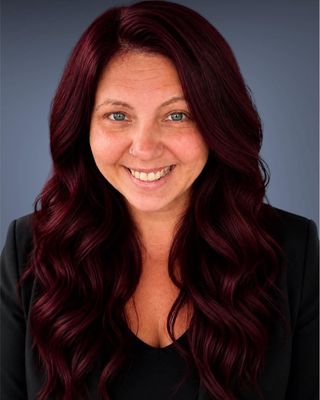
Hosted by Tovey Ader-Olson
Lic Clinical Mental Health Counselor Associate, M.Ed, LCMHCA, NCC
Group meets in Sanford, NC 27330
This is a space where people can experience solidarity in their grief process. This is an open group that meets weekly. Everyone will have a chance to be heard and share their experiences and how their grieving process has been so far. People can come together and see they are not alone. This is a virtual group. Please call the number listed in my profile or email me for more information.
This group is FREE and Online designed for those Legally responsible for raising and loving children born of others. This group welcomes anyone/anywhere who would like to join. Please see the calendar on our Website for the schedule, here is the link https://meet.google.com/wyx-oeia-qaz.

Hosted by Leandra Davidson
Psychiatric Nurse Practitioner, MBA, MSN , PMHNP
Group meets in Fayetteville, NC 28306
This group is FREE and Online designed for those Legally responsible for raising and loving children born of others. This group welcomes anyone/anywhere who would like to join. Please see the calendar on our Website for the schedule, here is the link https://meet.google.com/wyx-oeia-qaz.
This group is designed for spouses, close loved ones, and caregivers that have lost someone and want support as well as someone to guide them through their grief. Please reach out and we will have a free phone call to determine appropriateness. Online Group through Zoom. Time will be determined by group members. Insurance can be filed for participants in NC and VA. $25 per session Out of Network/ Out of Pocket

Hosted by Joanna Nunez
Clinical Social Work/Therapist, MSW, LCAS, LCSW
Group meets in Fayetteville, NC 28301
This group is designed for spouses, close loved ones, and caregivers that have lost someone and want support as well as someone to guide them through their grief. Please reach out and we will have a free phone call to determine appropriateness. Online Group through Zoom. Time will be determined by group members. Insurance can be filed for participants in NC and VA. $25 per session Out of Network/ Out of Pocket
The holiday season can make grief feel especially heavy. This 6-week group offers a safe, supportive space to share your story, honor your loved one, and learn practical coping strategies. Guided by a licensed clinician, sessions include discussion, reflection, and meaningful activities to help you navigate holiday challenges with compassion and strength. Together, we’ll explore ways to manage triggers, set boundaries, and create rituals of remembrance. Join us to find comfort, connection, and tools for healing during the holidays.

Hosted by Genesis Balance Counseling, PLLC
Clinical Social Work/Therapist
Group meets in Fayetteville, NC 28303
The holiday season can make grief feel especially heavy. This 6-week group offers a safe, supportive space to share your story, honor your loved one, and learn practical coping strategies. Guided by a licensed clinician, sessions include discussion, reflection, and meaningful activities to help you navigate holiday challenges with compassion and strength. Together, we’ll explore ways to manage triggers, set boundaries, and create rituals of remembrance. Join us to find comfort, connection, and tools for healing during the holidays.
Rula is a comprehensive behavioral health telemental health solution that makes it easy for individuals to find a therapist or prescriber who is in-network with their insurance and fits their needs.
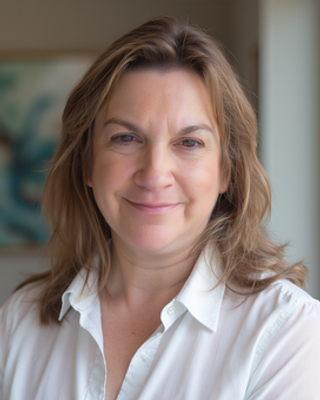
Hosted by Sarah Patterson
Licensed Professional Counselor, PhD, LPC
Group meets in Sanford, NC 27330
Rula is a comprehensive behavioral health telemental health solution that makes it easy for individuals to find a therapist or prescriber who is in-network with their insurance and fits their needs.
Align Counseling & Wellness’ Postpartum Support Group is a supportive 10-week group for mothers navigating the emotional challenges of the postpartum season. Designed for moms within 0–12 months postpartum, this small group offers a safe, welcoming, and confidential space to connect, heal, and feel understood. Topics include postpartum anxiety and depression, overwhelm, identity changes, sleep deprivation, mom guilt, relationship adjustments, self-care, coping skills, and rebuilding confidence. Co-facilitated by Kari Bustillos, LCMHC, and Keli Howard, LCMHC-Intern, the group focuses on reducing isolation while helping mothers gain support, encouragement, and practical tools throughout their postpartum journey.

Hosted by Align Counseling & Wellness, PLLC
Licensed Professional Counselor, LCMHC
Group meets in Fayetteville, NC 28304
Align Counseling & Wellness’ Postpartum Support Group is a supportive 10-week group for mothers navigating the emotional challenges of the postpartum season. Designed for moms within 0–12 months postpartum, this small group offers a safe, welcoming, and confidential space to connect, heal, and feel understood. Topics include postpartum anxiety and depression, overwhelm, identity changes, sleep deprivation, mom guilt, relationship adjustments, self-care, coping skills, and rebuilding confidence. Co-facilitated by Kari Bustillos, LCMHC, and Keli Howard, LCMHC-Intern, the group focuses on reducing isolation while helping mothers gain support, encouragement, and practical tools throughout their postpartum journey.
Calming Earth Collective PLLC approaches Mental Health from a Holistic viewpoint recognizing the interconnectedness of mind, body, and spirit. We offer personalized treatment plans that integrate various therapeutic modalities, including psychotherapy, mindfulness practices, and alternative therapies.

Hosted by Ruth A Sterbach
Clinical Social Work/Therapist, LCSW
Group meets in Fayetteville, NC 28314
Calming Earth Collective PLLC approaches Mental Health from a Holistic viewpoint recognizing the interconnectedness of mind, body, and spirit. We offer personalized treatment plans that integrate various therapeutic modalities, including psychotherapy, mindfulness practices, and alternative therapies.
Strong Beginnings is a therapeutic support group for new parents adjusting to life with a baby. In a safe, welcoming space, you'll connect with other parents, explore the challenges of early parenthood, and build confidence through guided discussion and practical, evidence-informed strategies. Topics include: Life after baby Stress and emotional well-being Parent-infant attachment Understanding infant cues Self-care and sleep Relationship and family changes Building confidence as a parent, whether you're a first-time parent or expanding your family, Strong Beginnings offers support, connection, and encouragement for your parenting journey.
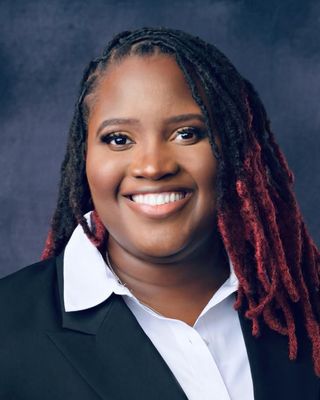
Hosted by Ashley F Nelson
Clinical Social Work/Therapist, DSW, LCSW, IMH-E
Group meets in Raeford, NC 28376
Strong Beginnings is a therapeutic support group for new parents adjusting to life with a baby. In a safe, welcoming space, you'll connect with other parents, explore the challenges of early parenthood, and build confidence through guided discussion and practical, evidence-informed strategies. Topics include: Life after baby Stress and emotional well-being Parent-infant attachment Understanding infant cues Self-care and sleep Relationship and family changes Building confidence as a parent, whether you're a first-time parent or expanding your family, Strong Beginnings offers support, connection, and encouragement for your parenting journey.
This will be a 6 week virtual education group hosted by women counselors on the following topics: 1. Work-life balance, discussing how to manage professional and personal life to avoid overwhelm. 2. Personal development, avoiding imposter syndrome 3. Financial management- introductory steps to budgeting 4. Relationships, Parenting and communication/assertiveness work-how to speak up at work. 5. Health and wellness: Focusing on ways to better your health, discussing the importance of doctor's visits, eating properly, walks, and the like. 6. Mental health and wellness/tapping into your gifts, exercise, and girl's talk.

Hosted by Sunflowers Wellness Therapeutic Services PLLC
Licensed Clinical Mental Health Counselor, LCMHC
Group meets in Fayetteville, NC 28304
This will be a 6 week virtual education group hosted by women counselors on the following topics: 1. Work-life balance, discussing how to manage professional and personal life to avoid overwhelm. 2. Personal development, avoiding imposter syndrome 3. Financial management- introductory steps to budgeting 4. Relationships, Parenting and communication/assertiveness work-how to speak up at work. 5. Health and wellness: Focusing on ways to better your health, discussing the importance of doctor's visits, eating properly, walks, and the like. 6. Mental health and wellness/tapping into your gifts, exercise, and girl's talk.
This will be an ongoing virtual psycho education group hosted by women counselors on the following topics: 1. Work-life balance, discussing how to manage professional and personal life to avoid overwhelm. 2. Personal development, avoiding imposter syndrome 3. Financial management- introductory steps to budgeting 4. Relationships, Parenting and communication/assertiveness work-how to speak up at work. 5. Health and wellness: Focusing on ways to better your health, discussing the importance of doctor's visits, eating properly, walks, and the like. 6. Mental health and wellness/tapping into your gifts, exercise, and girl's talk.

Hosted by Denotra J. Winston
Lic Clinical Mental Health Counselor Supervisor, MA, LCMHCS, LCAS, CCS, NCC
Group meets in Fayetteville, NC 28304
This will be an ongoing virtual psycho education group hosted by women counselors on the following topics: 1. Work-life balance, discussing how to manage professional and personal life to avoid overwhelm. 2. Personal development, avoiding imposter syndrome 3. Financial management- introductory steps to budgeting 4. Relationships, Parenting and communication/assertiveness work-how to speak up at work. 5. Health and wellness: Focusing on ways to better your health, discussing the importance of doctor's visits, eating properly, walks, and the like. 6. Mental health and wellness/tapping into your gifts, exercise, and girl's talk.
This group focuses on developing a better self awareness to include identifying unhelpful thinking styles and gaining insight into their purpose in life.

Hosted by Metamorphosis Unlimited, PLLC
Clinical Social Work/Therapist, LCSW, LCAS, CCTPII, CIHC
Group meets in Fayetteville, NC 28314
This group focuses on developing a better self awareness to include identifying unhelpful thinking styles and gaining insight into their purpose in life.
Teen Group on Tuesdays Anxiety & Depression Skills Group for Teens designed to support emotional wellness and skill-building in a structured, therapeutic setting. Fayetteville Location. Tuesdays | 6:00 PM – 7:00 PM Participation may be appropriate for teens experiencing symptoms of anxiety or depression. Services are provided by qualified clinicians.
Hosted by Denotra J. Winston
Lic Clinical Mental Health Counselor Supervisor, MA, LCMHCS, LCAS, CCS, NCC
Group meets in Fayetteville, NC 28304
Teen Group on Tuesdays Anxiety & Depression Skills Group for Teens designed to support emotional wellness and skill-building in a structured, therapeutic setting. Fayetteville Location. Tuesdays | 6:00 PM – 7:00 PM Participation may be appropriate for teens experiencing symptoms of anxiety or depression. Services are provided by qualified clinicians.
See more therapy options for Southern Pines


Nearby Searches for Southern Pines
See More Support Groups FAQs - About Group Therapy and Support Groups
How can I find a support group in Southern Pines?
To find a support group in your area, start by entering your city, zip code, or the name of the group into the search bar at the top of the page. When searching, consider whether you prefer an in-person or virtual group. This can help you decide how broad your geographic search should be. If you are open to virtual groups, you might want to search by state instead of just your city, especially if there are limited options nearby.
Once you complete your search, you can use the filters to narrow the results by selecting specialties (such as grief, trauma, or eating disorders), therapeutic approaches, age groups, and other criteria to find a group that best fits your needs.
Once you complete your search, you can use the filters to narrow the results by selecting specialties (such as grief, trauma, or eating disorders), therapeutic approaches, age groups, and other criteria to find a group that best fits your needs.
How does group therapy work?
Group therapy is led by one or more trained therapists and provides a space where participants can process their experiences and learn from others facing similar challenges. Groups may focus on a specific issue—such as addiction, grief, physical illnesses, parenting, or caregiving—or they may center around a particular therapeutic approach, such as Cognitive Behavioral Therapy (CBT), social skill development, or Exposure Therapy. Some groups are also designed for specific populations, such as teens, veterans, or LGBTQ+ individuals.
It’s also important to distinguish group therapy from peer-led support groups, like Alcoholics Anonymous. While both can offer valuable support, therapy groups are typically led by licensed professionals and follow a more structured format. Therapy groups often meet for a fixed length of time with a consistent group of members, while many peer support groups meet for an indefinite period of time with members coming and going.
It’s also important to distinguish group therapy from peer-led support groups, like Alcoholics Anonymous. While both can offer valuable support, therapy groups are typically led by licensed professionals and follow a more structured format. Therapy groups often meet for a fixed length of time with a consistent group of members, while many peer support groups meet for an indefinite period of time with members coming and going.
What are the benefits of group therapy?
Group therapy offers several important benefits. It brings together people facing similar challenges—whether related to mental health, physical health, or life transitions—and creates a supportive environment where participants can exchange feedback, share experiences, and learn from one another. Hearing different perspectives can help individuals discover new coping strategies and practical tools they may not have encountered on their own. Sharing personal experiences, such as coping with a serious illness or navigating family struggles, can also reduce feelings of isolation and foster a sense of connection and understanding. In addition to emotional support, group members often gain useful, real-world advice from peers who have faced similar situations.
Group therapy is typically more affordable than individual therapy and, for certain conditions, can be equally effective. Many groups also include structured activities—such as guided journaling, cognitive-behavioral exercises, or role-playing—to help participants develop concrete skills they can apply in daily life.
Group therapy is typically more affordable than individual therapy and, for certain conditions, can be equally effective. Many groups also include structured activities—such as guided journaling, cognitive-behavioral exercises, or role-playing—to help participants develop concrete skills they can apply in daily life.
Is group therapy as effective as individual therapy?
It is difficult to make a blanket statement about the effectiveness of support groups, as they vary widely in focus and the conditions they address. However, support groups can be highly valuable in helping individuals gain emotional support and achieve meaningful treatment outcomes. For certain conditions, such as substance use, research has shown that group therapy can be particularly effective—sometimes just as effective as individual therapy—in supporting long-term recovery.
Many professionals attribute the effectiveness of group therapy to the unique benefits of the group setting, which fosters peer-to-peer learning and a sense of connection through shared experiences. Group settings also offer accountability and encouragement from both facilitators and fellow participants, which helps sustain motivation and supports continued progress. These factors together play a key role in promoting the overall effectiveness of group therapy.
Many professionals attribute the effectiveness of group therapy to the unique benefits of the group setting, which fosters peer-to-peer learning and a sense of connection through shared experiences. Group settings also offer accountability and encouragement from both facilitators and fellow participants, which helps sustain motivation and supports continued progress. These factors together play a key role in promoting the overall effectiveness of group therapy.
How much does group therapy cost?
Group therapy is typically less expensive than individual therapy, with sessions typically costing between $50 and $75 each. In comparison, individual therapy can cost anywhere from $100 to $200 or more per session, even with insurance. Some therapists or organizations offer low-cost or free group therapy options, particularly through community centers or nonprofit organizations. In some cases, groups may require payment upfront for a set number of sessions, such as paying for six weekly sessions at the first meeting. However, many providers offer payment plans to help make participation more accessible if this upfront payment is required.
Does insurance cover group therapy?
As with individual therapy, insurance coverage for group therapy varies based on factors such as your specific insurance plan, the purpose of the group, your diagnosis, and whether the group provider is in-network. Many insurance plans cover group therapy sessions that address diagnosable mental health conditions, such as substance use disorders, anxiety, or depression.
However, groups that focus on topics not directly tied to a mental health diagnosis—such as parenting support or divorce recovery—are less likely to be covered. Because coverage can vary widely, it’s important to check with your insurance provider before joining a group to confirm whether the sessions will be covered and what out-of-pocket costs you may be responsible for.
However, groups that focus on topics not directly tied to a mental health diagnosis—such as parenting support or divorce recovery—are less likely to be covered. Because coverage can vary widely, it’s important to check with your insurance provider before joining a group to confirm whether the sessions will be covered and what out-of-pocket costs you may be responsible for.
How long does group therapy last?
The length of each group therapy session typically ranges from 45 minutes to two hours, depending on the therapy approach, the group’s goals, and how often the group meets. In some cases, group therapy is part of a larger treatment program, such as an Intensive Outpatient Program (IOP), where group sessions complement individual therapy and are scheduled as part of the program’s overall structure.
The duration of participation in a group also varies. Some groups are designed to be short-term, lasting anywhere from 6 to 24 weeks—for example, bereavement groups or skills-based groups like those using Dialectical Behavioral Therapy (DBT). Other groups may be longer-term, lasting a year or more, and some ongoing support groups meet indefinitely, allowing participants to stay as long as they find the group helpful.
The duration of participation in a group also varies. Some groups are designed to be short-term, lasting anywhere from 6 to 24 weeks—for example, bereavement groups or skills-based groups like those using Dialectical Behavioral Therapy (DBT). Other groups may be longer-term, lasting a year or more, and some ongoing support groups meet indefinitely, allowing participants to stay as long as they find the group helpful.
What are the limitations of support groups?
Support groups offer many benefits, but they also have certain limitations. Unlike therapy groups, many support groups do not provide formal therapeutic treatment and are not led by licensed mental health professionals. For individuals seeking clinical treatment for specific mental health diagnoses—such as depression, eating disorders, or substance use—individual therapy or group therapy led by a licensed professional may offer more personalized and specialized care.
The effectiveness of a support group also depends heavily on the group’s participants and the overall group dynamic. When members engage respectfully and offer constructive support, the group can foster valuable peer-to-peer learning. However, if certain participants dominate discussions, provide inaccurate advice, or create conflict, it can disrupt the group’s sense of safety and reduce its effectiveness. Confidentiality can also be harder to maintain in support groups, particularly in open groups where participants can join or leave at any time. With new members regularly entering the group, it can be more difficult to build and sustain a consistent sense of trust and privacy.
The effectiveness of a support group also depends heavily on the group’s participants and the overall group dynamic. When members engage respectfully and offer constructive support, the group can foster valuable peer-to-peer learning. However, if certain participants dominate discussions, provide inaccurate advice, or create conflict, it can disrupt the group’s sense of safety and reduce its effectiveness. Confidentiality can also be harder to maintain in support groups, particularly in open groups where participants can join or leave at any time. With new members regularly entering the group, it can be more difficult to build and sustain a consistent sense of trust and privacy.