Support Groups in Robeson County, NC
This group is done mainly over the summer when the child is out of school. The maximum amount of teens for this group is 6. Teens will learn anger triggers, team building strategies, coping skills and effective communication skills.

Hosted by Living at Peace, PLLC
Licensed Clinical Social Worker Associate, MSW, LCSWA, LCASA, CCSOTS, CCDVC
Group meets in Saint Pauls, NC 28384
This group is done mainly over the summer when the child is out of school. The maximum amount of teens for this group is 6. Teens will learn anger triggers, team building strategies, coping skills and effective communication skills.
Living At Peace, PLLC offers Parenting counseling. Our Kindle E-book is now available, "Ten Step Module Cognitive Behavioral Approach: Parenting Class Workbook".
Hosted by Living at Peace, PLLC
Licensed Clinical Social Worker Associate, MSW, LCSWA, LCASA, CCSOTS, CCDVC
Group meets in Saint Pauls, NC 28384
Living At Peace, PLLC offers Parenting counseling. Our Kindle E-book is now available, "Ten Step Module Cognitive Behavioral Approach: Parenting Class Workbook".
The breakdown of many family systems is due to lack of knowledge in parenting skills. Our goal is to assist on all levels with their children such as toddlers, teenagers, disabled and foster parents. This group is also designed to aid those who have been mandated by the Department of Social Services and the State Court System.
Hosted by Living at Peace, PLLC
Licensed Clinical Social Worker Associate, MSW, LCSWA, LCASA, CCSOTS, CCDVC
Group meets in Saint Pauls, NC 28384
The breakdown of many family systems is due to lack of knowledge in parenting skills. Our goal is to assist on all levels with their children such as toddlers, teenagers, disabled and foster parents. This group is also designed to aid those who have been mandated by the Department of Social Services and the State Court System.

Hosted by New Journey
Drug & Alcohol Counselor, SAP, CSAC, PFLC, CLC
Group meets in Lumberton, NC 28358
Hosted by New Journey
Drug & Alcohol Counselor, SAP, CSAC, PFLC, CLC
Group meets in Lumberton, NC 28358
Online Groups
Structured virtual therapy group for adults struggling with body-focused repetitive behaviors (BFRBs), including skin picking and hair pulling. This 8-week group combines evidence-based approaches such as Habit Reversal Training (HRT), mindfulness, behavioral strategies, and emotional regulation tools to help participants better understand triggers, increase awareness, and reduce repetitive behaviors. The group is supportive, skills-based, and designed to reduce shame and isolation while building practical tools for change. Small group format (3-5 participants). Can be participated in alongside individual therapy. Self-pay only; not billed through insurance.

Structured virtual therapy group for adults struggling with body-focused repetitive behaviors (BFRBs), including skin picking and hair pulling. This 8-week group combines evidence-based approaches such as Habit Reversal Training (HRT), mindfulness, behavioral strategies, and emotional regulation tools to help participants better understand triggers, increase awareness, and reduce repetitive behaviors. The group is supportive, skills-based, and designed to reduce shame and isolation while building practical tools for change. Small group format (3-5 participants). Can be participated in alongside individual therapy. Self-pay only; not billed through insurance.
Are you highly sensitive? Meet with a group of other highly sensitive individuals and learn more about how to access this tendency as a strength, as well as how to manage the challenges. To learn more about HSP's, go to www.sacredlistener.com. To find out if you might be highly sensitive, take the self-test at www.hsperson.com.
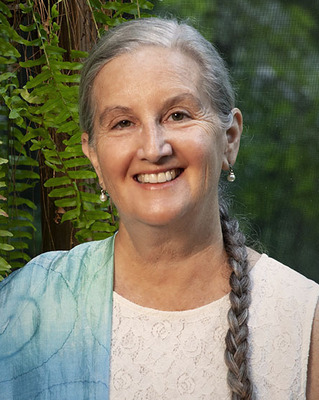
Are you highly sensitive? Meet with a group of other highly sensitive individuals and learn more about how to access this tendency as a strength, as well as how to manage the challenges. To learn more about HSP's, go to www.sacredlistener.com. To find out if you might be highly sensitive, take the self-test at www.hsperson.com.
Dial Down Anxiety with DBT is an online group designed for adults with overwhelming anxiety & strong emotions who want proven methods for lasting relief. I’ve enhanced the research-backed DBT Emotion Regulation skills to specifically address anxiety & intense emotions. By the end of the course, you will have a wealth of tools and daily strategies to finally untangle yourself from debilitating emotions. This group includes the full curriculum of the Emotion Regulation section of original DBT, 1 class of Distress Tolerance skills, and 1 class of Mindfulness skills. It packs years of content & tools into 8 actionable weeks.
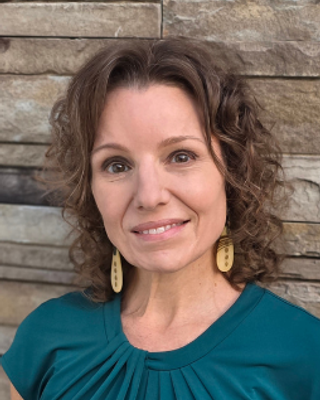
Dial Down Anxiety with DBT is an online group designed for adults with overwhelming anxiety & strong emotions who want proven methods for lasting relief. I’ve enhanced the research-backed DBT Emotion Regulation skills to specifically address anxiety & intense emotions. By the end of the course, you will have a wealth of tools and daily strategies to finally untangle yourself from debilitating emotions. This group includes the full curriculum of the Emotion Regulation section of original DBT, 1 class of Distress Tolerance skills, and 1 class of Mindfulness skills. It packs years of content & tools into 8 actionable weeks.
I make psychotherapy accessible for everyone. The process can be intimidating to some and I want all to be confident that they will be in a warm, comforting environment with the opportunity for light-heartedness, even in challenging times.
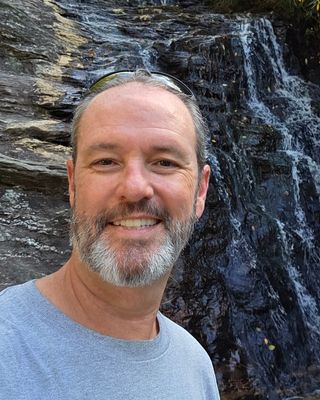
Hosted by Jason Wesson
Clinical Social Work/Therapist, MSW, LCSW, LCAS
Group meets in Hillsborough, NC 27278
I make psychotherapy accessible for everyone. The process can be intimidating to some and I want all to be confident that they will be in a warm, comforting environment with the opportunity for light-heartedness, even in challenging times.
Spring 2025 (email to inquire details). Come heal and explore an embodied healing process through yoga, group processing, and embodiment . Explore how your body holds your story and identity while anchoring into hope and desire for more healing and wholeness in your life. Consider joining if you are ready to heal in community and bring your body on the healing journey. Visit jennalittle.com/yoga-for-healing

Spring 2025 (email to inquire details). Come heal and explore an embodied healing process through yoga, group processing, and embodiment . Explore how your body holds your story and identity while anchoring into hope and desire for more healing and wholeness in your life. Consider joining if you are ready to heal in community and bring your body on the healing journey. Visit jennalittle.com/yoga-for-healing
This social skills group is for children ages 6 - 10, 11-13, or teens who struggle with making and keeping friends, teasing,self-confidence, shyness, or social awkwardness. Children in the group may be diagnosed with AD/HD or Aspergers, or may simply need help with specific social skills. Through a combination of games, role-play activities, videos, and projects children learn social skills in a fun and positive setting. With a doctoral level child psychologist as the leader and "coach" children are able to practice skills with peers and have immediate feedback about their skills.

This social skills group is for children ages 6 - 10, 11-13, or teens who struggle with making and keeping friends, teasing,self-confidence, shyness, or social awkwardness. Children in the group may be diagnosed with AD/HD or Aspergers, or may simply need help with specific social skills. Through a combination of games, role-play activities, videos, and projects children learn social skills in a fun and positive setting. With a doctoral level child psychologist as the leader and "coach" children are able to practice skills with peers and have immediate feedback about their skills.
Substance abuse groups with 10 or fewer participants use a combination of Cognitive Behavioral Therapy (CBT), mindfulness, and Motivational Interviewing (MI) to support recovery. CBT helps individuals identify and change harmful thought patterns linked to substance use, while mindfulness techniques teach awareness and stress management to control cravings. MI focuses on enhancing motivation for change, resolving ambivalence, and strengthening commitment to recovery goals. The small group setting fosters personal interaction, providing a supportive environment where participants can share experiences, develop coping strategies, and build self-efficacy to overcome addiction.
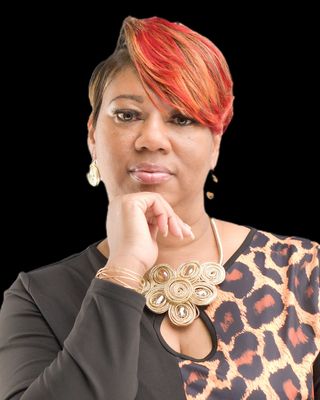
Hosted by Tech Talk Therapy, LLC
Drug & Alcohol Counselor, PP, DDiv, MA, CADC
Group meets in Troy, NC 27371
Substance abuse groups with 10 or fewer participants use a combination of Cognitive Behavioral Therapy (CBT), mindfulness, and Motivational Interviewing (MI) to support recovery. CBT helps individuals identify and change harmful thought patterns linked to substance use, while mindfulness techniques teach awareness and stress management to control cravings. MI focuses on enhancing motivation for change, resolving ambivalence, and strengthening commitment to recovery goals. The small group setting fosters personal interaction, providing a supportive environment where participants can share experiences, develop coping strategies, and build self-efficacy to overcome addiction.
Leadership changes people. Carrying difficult decisions, managing competing priorities, and absorbing everyone else's anxiety eventually affects how people think, relate, and perform. That's where we come in. Our executive psychologists work with leaders across consulting, law, technology, healthcare, finance, government, and professional sports. Because we understand the culture, we can focus on what matters most from the very first conversation.

Hosted by Associates in Corporate Psychology
Licensed Mental Health Counselor, PhD
Group meets in Raleigh, NC 27610
Leadership changes people. Carrying difficult decisions, managing competing priorities, and absorbing everyone else's anxiety eventually affects how people think, relate, and perform. That's where we come in. Our executive psychologists work with leaders across consulting, law, technology, healthcare, finance, government, and professional sports. Because we understand the culture, we can focus on what matters most from the very first conversation.
Strengthen your relationships by discovering how you connect. In this group you'll discover patterns in your relationships, receive honest and supportive feedback, and practice new ways of connecting. Co-faciliated by Leslie Veach, LCMHC, we meet Wednesday mornings from 8:40 to. 10 am.
Hosted by Matt Case
Licensed Clinical Mental Health Counselor, LCMHC
Group meets in Chapel Hill, NC 27514
Strengthen your relationships by discovering how you connect. In this group you'll discover patterns in your relationships, receive honest and supportive feedback, and practice new ways of connecting. Co-faciliated by Leslie Veach, LCMHC, we meet Wednesday mornings from 8:40 to. 10 am.
Learn to reconnect to your authentic self through a series of meditation techniques and writing prompts. Meditation and writing exercises can increase self-awareness and help with acceptance as well as growth. No writing experience required, just a willingness to be compassionate towards self and others. Start date: TBA Fee: $20 per group session Please call or email for a free group screening session.

Hosted by Christina Sapien-Iezzi
Licensed Professional Counselor, LCMHC
Group meets in Durham, NC 27705
Learn to reconnect to your authentic self through a series of meditation techniques and writing prompts. Meditation and writing exercises can increase self-awareness and help with acceptance as well as growth. No writing experience required, just a willingness to be compassionate towards self and others. Start date: TBA Fee: $20 per group session Please call or email for a free group screening session.
At Zenith Counseling, we believe in guiding individuals towards their highest potential, helping them navigate through life’s challenges with resilience and grace. Founded by Johanna Sozio, our practice is dedicated to providing compassionate and effective therapy services to the Cary, NC community and the greater Raleigh area.

Hosted by Zenith Counseling-Immediate Appts. Available
Licensed Professional Counselor, MA, LCMHCS
Group meets in Cary, NC 27518
At Zenith Counseling, we believe in guiding individuals towards their highest potential, helping them navigate through life’s challenges with resilience and grace. Founded by Johanna Sozio, our practice is dedicated to providing compassionate and effective therapy services to the Cary, NC community and the greater Raleigh area.
For moms ready to process their birth experience and find connection with others who truly understand. You might be weeks, months, or even years postpartum thinking, “I should be over this by now”… but something still feels unsettled. This group is a space where you don’t have to explain or minimize your experience. You don’t have to keep holding this on your own. Led by a Perinatal Mental Health Certified, licensed therapist who specializes in birth trauma and fostering deep, meaningful connection—where you can feel safe, seen, and supported without judgment.

Hosted by Victoria Edgington, Anxiety, Trauma, EMDR for Moms
Licensed Clinical Mental Health Counselor, PMH-C
Group meets in Raleigh, NC 27615
For moms ready to process their birth experience and find connection with others who truly understand. You might be weeks, months, or even years postpartum thinking, “I should be over this by now”… but something still feels unsettled. This group is a space where you don’t have to explain or minimize your experience. You don’t have to keep holding this on your own. Led by a Perinatal Mental Health Certified, licensed therapist who specializes in birth trauma and fostering deep, meaningful connection—where you can feel safe, seen, and supported without judgment.
In order to be enrolled in this group you must have completed a state required DWI assessment with this level of recommendation. These groups can be used to satisfy your requirements for obtaining your Drivers License. This group is for individuals who have completed a state-required DWI assessment and received a recommendation for this level of intervention. The group provides psychoeducation on topics such as the cycle of addiction, relapse prevention, trigger identification, the effects of substances on the body. Participation in this group may also satisfy requirements for obtaining a driver's license.
In order to be enrolled in this group you must have completed a state required DWI assessment with this level of recommendation. These groups can be used to satisfy your requirements for obtaining your Drivers License. This group is for individuals who have completed a state-required DWI assessment and received a recommendation for this level of intervention. The group provides psychoeducation on topics such as the cycle of addiction, relapse prevention, trigger identification, the effects of substances on the body. Participation in this group may also satisfy requirements for obtaining a driver's license.
A free support group for anyone grieving the loss of a beloved pet. Our pets often become like family and they walk us through difficult times in our lives. Your grief is valid and significant. Find comfort and a sense of community in this counselor led group among others who love and miss their pets. Group meets the first Monday of each month at the Zoom Room in Indian Trail, NC. First meeting on Monday, October 5th from 6-7pm.
A free support group for anyone grieving the loss of a beloved pet. Our pets often become like family and they walk us through difficult times in our lives. Your grief is valid and significant. Find comfort and a sense of community in this counselor led group among others who love and miss their pets. Group meets the first Monday of each month at the Zoom Room in Indian Trail, NC. First meeting on Monday, October 5th from 6-7pm.
Whether you have a DWI or are having problems with relationships and work because of your alcohol or drug consumption, you can get better. This group focuses on teaching you the laws and learning to make better choices. In the group session, you can express yourself and also learn from others experiences.

Hosted by Norma Moody Faulk
Licensed Clinical Mental Health Counselor, MA, LCMHC, LCAS
Group meets in Southern Pines, NC 28387
Whether you have a DWI or are having problems with relationships and work because of your alcohol or drug consumption, you can get better. This group focuses on teaching you the laws and learning to make better choices. In the group session, you can express yourself and also learn from others experiences.
See more therapy options for Robeson County


FAQs - About Group Therapy and Support Groups
How can I find a support group in Robeson County?
To find a support group in your area, start by entering your city, zip code, or the name of the group into the search bar at the top of the page. When searching, consider whether you prefer an in-person or virtual group. This can help you decide how broad your geographic search should be. If you are open to virtual groups, you might want to search by state instead of just your city, especially if there are limited options nearby.
Once you complete your search, you can use the filters to narrow the results by selecting specialties (such as grief, trauma, or eating disorders), therapeutic approaches, age groups, and other criteria to find a group that best fits your needs.
Once you complete your search, you can use the filters to narrow the results by selecting specialties (such as grief, trauma, or eating disorders), therapeutic approaches, age groups, and other criteria to find a group that best fits your needs.
How does group therapy work?
Group therapy is led by one or more trained therapists and provides a space where participants can process their experiences and learn from others facing similar challenges. Groups may focus on a specific issue—such as addiction, grief, physical illnesses, parenting, or caregiving—or they may center around a particular therapeutic approach, such as Cognitive Behavioral Therapy (CBT), social skill development, or Exposure Therapy. Some groups are also designed for specific populations, such as teens, veterans, or LGBTQ+ individuals.
It’s also important to distinguish group therapy from peer-led support groups, like Alcoholics Anonymous. While both can offer valuable support, therapy groups are typically led by licensed professionals and follow a more structured format. Therapy groups often meet for a fixed length of time with a consistent group of members, while many peer support groups meet for an indefinite period of time with members coming and going.
It’s also important to distinguish group therapy from peer-led support groups, like Alcoholics Anonymous. While both can offer valuable support, therapy groups are typically led by licensed professionals and follow a more structured format. Therapy groups often meet for a fixed length of time with a consistent group of members, while many peer support groups meet for an indefinite period of time with members coming and going.
What are the benefits of group therapy?
Group therapy offers several important benefits. It brings together people facing similar challenges—whether related to mental health, physical health, or life transitions—and creates a supportive environment where participants can exchange feedback, share experiences, and learn from one another. Hearing different perspectives can help individuals discover new coping strategies and practical tools they may not have encountered on their own. Sharing personal experiences, such as coping with a serious illness or navigating family struggles, can also reduce feelings of isolation and foster a sense of connection and understanding. In addition to emotional support, group members often gain useful, real-world advice from peers who have faced similar situations.
Group therapy is typically more affordable than individual therapy and, for certain conditions, can be equally effective. Many groups also include structured activities—such as guided journaling, cognitive-behavioral exercises, or role-playing—to help participants develop concrete skills they can apply in daily life.
Group therapy is typically more affordable than individual therapy and, for certain conditions, can be equally effective. Many groups also include structured activities—such as guided journaling, cognitive-behavioral exercises, or role-playing—to help participants develop concrete skills they can apply in daily life.
Is group therapy as effective as individual therapy?
It is difficult to make a blanket statement about the effectiveness of support groups, as they vary widely in focus and the conditions they address. However, support groups can be highly valuable in helping individuals gain emotional support and achieve meaningful treatment outcomes. For certain conditions, such as substance use, research has shown that group therapy can be particularly effective—sometimes just as effective as individual therapy—in supporting long-term recovery.
Many professionals attribute the effectiveness of group therapy to the unique benefits of the group setting, which fosters peer-to-peer learning and a sense of connection through shared experiences. Group settings also offer accountability and encouragement from both facilitators and fellow participants, which helps sustain motivation and supports continued progress. These factors together play a key role in promoting the overall effectiveness of group therapy.
Many professionals attribute the effectiveness of group therapy to the unique benefits of the group setting, which fosters peer-to-peer learning and a sense of connection through shared experiences. Group settings also offer accountability and encouragement from both facilitators and fellow participants, which helps sustain motivation and supports continued progress. These factors together play a key role in promoting the overall effectiveness of group therapy.
How much does group therapy cost?
Group therapy is typically less expensive than individual therapy, with sessions typically costing between $50 and $75 each. In comparison, individual therapy can cost anywhere from $100 to $200 or more per session, even with insurance. Some therapists or organizations offer low-cost or free group therapy options, particularly through community centers or nonprofit organizations. In some cases, groups may require payment upfront for a set number of sessions, such as paying for six weekly sessions at the first meeting. However, many providers offer payment plans to help make participation more accessible if this upfront payment is required.
Does insurance cover group therapy?
As with individual therapy, insurance coverage for group therapy varies based on factors such as your specific insurance plan, the purpose of the group, your diagnosis, and whether the group provider is in-network. Many insurance plans cover group therapy sessions that address diagnosable mental health conditions, such as substance use disorders, anxiety, or depression.
However, groups that focus on topics not directly tied to a mental health diagnosis—such as parenting support or divorce recovery—are less likely to be covered. Because coverage can vary widely, it’s important to check with your insurance provider before joining a group to confirm whether the sessions will be covered and what out-of-pocket costs you may be responsible for.
However, groups that focus on topics not directly tied to a mental health diagnosis—such as parenting support or divorce recovery—are less likely to be covered. Because coverage can vary widely, it’s important to check with your insurance provider before joining a group to confirm whether the sessions will be covered and what out-of-pocket costs you may be responsible for.
How long does group therapy last?
The length of each group therapy session typically ranges from 45 minutes to two hours, depending on the therapy approach, the group’s goals, and how often the group meets. In some cases, group therapy is part of a larger treatment program, such as an Intensive Outpatient Program (IOP), where group sessions complement individual therapy and are scheduled as part of the program’s overall structure.
The duration of participation in a group also varies. Some groups are designed to be short-term, lasting anywhere from 6 to 24 weeks—for example, bereavement groups or skills-based groups like those using Dialectical Behavioral Therapy (DBT). Other groups may be longer-term, lasting a year or more, and some ongoing support groups meet indefinitely, allowing participants to stay as long as they find the group helpful.
The duration of participation in a group also varies. Some groups are designed to be short-term, lasting anywhere from 6 to 24 weeks—for example, bereavement groups or skills-based groups like those using Dialectical Behavioral Therapy (DBT). Other groups may be longer-term, lasting a year or more, and some ongoing support groups meet indefinitely, allowing participants to stay as long as they find the group helpful.
What are the limitations of support groups?
Support groups offer many benefits, but they also have certain limitations. Unlike therapy groups, many support groups do not provide formal therapeutic treatment and are not led by licensed mental health professionals. For individuals seeking clinical treatment for specific mental health diagnoses—such as depression, eating disorders, or substance use—individual therapy or group therapy led by a licensed professional may offer more personalized and specialized care.
The effectiveness of a support group also depends heavily on the group’s participants and the overall group dynamic. When members engage respectfully and offer constructive support, the group can foster valuable peer-to-peer learning. However, if certain participants dominate discussions, provide inaccurate advice, or create conflict, it can disrupt the group’s sense of safety and reduce its effectiveness. Confidentiality can also be harder to maintain in support groups, particularly in open groups where participants can join or leave at any time. With new members regularly entering the group, it can be more difficult to build and sustain a consistent sense of trust and privacy.
The effectiveness of a support group also depends heavily on the group’s participants and the overall group dynamic. When members engage respectfully and offer constructive support, the group can foster valuable peer-to-peer learning. However, if certain participants dominate discussions, provide inaccurate advice, or create conflict, it can disrupt the group’s sense of safety and reduce its effectiveness. Confidentiality can also be harder to maintain in support groups, particularly in open groups where participants can join or leave at any time. With new members regularly entering the group, it can be more difficult to build and sustain a consistent sense of trust and privacy.