Support Groups in Jacksonville, NC
This social skills group will assist children with learning the skills necessary to function well in society. Anger management and social skills will be addressed, and children will have the opportunity to practice the skills being taught.

Hosted by Brighter Life Counseling, PLLC
Licensed Professional Counselor, NCC, LPC, LCAS, CCMC, DBTC
Group meets in Jacksonville, NC 28540
This social skills group will assist children with learning the skills necessary to function well in society. Anger management and social skills will be addressed, and children will have the opportunity to practice the skills being taught.
The "Anger Management for the 21st Century" is an evidenced based group that meets for 8 sessions. This group is appropriate for any individual wanting to learn skills and interventions to manage their anger more effectively. It covers topics such as stress management, empathic listening, responding instead of reacting, harmful communication styles and effective communication, and how to retreat and think things over.

Hosted by Monique Ivanov
Clinical Social Work/Therapist, LCSW, DCSW
Group meets in Jacksonville, NC 28546
The "Anger Management for the 21st Century" is an evidenced based group that meets for 8 sessions. This group is appropriate for any individual wanting to learn skills and interventions to manage their anger more effectively. It covers topics such as stress management, empathic listening, responding instead of reacting, harmful communication styles and effective communication, and how to retreat and think things over.
We offer small groups for teens and adults to socialize. We also can provide topic specific groups depending on need.

Hosted by Crystal Clarity Counseling Services
Licensed Professional Counselor, LCMHC
Group meets in Jacksonville, NC 28540
We offer small groups for teens and adults to socialize. We also can provide topic specific groups depending on need.
GROUP IS ON PAUSE: It has been said that your marriage can be as difficult as your childhood was. But the good news is, the problems you are having in your marriage did not start with your marriage. In this group, you will learn how to connect with your spouse, your friends and your children in a deeper, more meaningful way. You will gain an incredible amount of insight into understanding of your actions, what is driving your behavior in relationships and how to end the unhealthy, unproductive and unfruitful ways of relating.

Hosted by Hermeisha R. Green
Clinical Social Work/Therapist, LCSW
Group meets in Jacksonville, NC 28546
GROUP IS ON PAUSE: It has been said that your marriage can be as difficult as your childhood was. But the good news is, the problems you are having in your marriage did not start with your marriage. In this group, you will learn how to connect with your spouse, your friends and your children in a deeper, more meaningful way. You will gain an incredible amount of insight into understanding of your actions, what is driving your behavior in relationships and how to end the unhealthy, unproductive and unfruitful ways of relating.
The "Coping with PTSD in the Family Group" is appropriate for adults, spouses, and significant others who have a family member diagnosed with PTSD. The group utilizes cognitive behavioral therapy approaches in conjunction with solution focused interventions to process and increase one's understanding and coping with a family member diagnosed with PTSD. The group is open ended and meets weekly.
Hosted by Monique Ivanov
Clinical Social Work/Therapist, LCSW, DCSW
Group meets in Jacksonville, NC 28546
The "Coping with PTSD in the Family Group" is appropriate for adults, spouses, and significant others who have a family member diagnosed with PTSD. The group utilizes cognitive behavioral therapy approaches in conjunction with solution focused interventions to process and increase one's understanding and coping with a family member diagnosed with PTSD. The group is open ended and meets weekly.
Focus of group is to learn and use skills and strategies to develop a life which each individual experiences as worth living. The DBT skills are mindfulness, distress tolerance, interpersonal effectiveness, and emotion regulation.
Hosted by Brighter Life Counseling, PLLC
Licensed Professional Counselor, NCC, LPC, LCAS, CCMC, DBTC
Group meets in Jacksonville, NC 28540
Focus of group is to learn and use skills and strategies to develop a life which each individual experiences as worth living. The DBT skills are mindfulness, distress tolerance, interpersonal effectiveness, and emotion regulation.
This group assists individuals with addressing the things which make them angry as they learn to control their actions.
Hosted by Brighter Life Counseling, PLLC
Licensed Professional Counselor, NCC, LPC, LCAS, CCMC, DBTC
Group meets in Jacksonville, NC 28540
This group assists individuals with addressing the things which make them angry as they learn to control their actions.
Progressions Center offers the only state certified BIP programs in Onslow County certified by the NC Council for Women. This is a 26 week, semi-open, evidenced based group for individuals court mandated into a BIP program as a result of a domestic violence incident. Progressions Center offers both an all male group and an all female group. The group follows the Duluth Model and also the STOP Program model. All group facilitators are credentialed in both models.
Hosted by Monique Ivanov
Clinical Social Work/Therapist, LCSW, DCSW
Group meets in Jacksonville, NC 28546
Progressions Center offers the only state certified BIP programs in Onslow County certified by the NC Council for Women. This is a 26 week, semi-open, evidenced based group for individuals court mandated into a BIP program as a result of a domestic violence incident. Progressions Center offers both an all male group and an all female group. The group follows the Duluth Model and also the STOP Program model. All group facilitators are credentialed in both models.


Hosted by Kathleen R Meeks
Marriage & Family Therapist, PhD, LMFT, CST, ASDCS, CCTP
Group meets in Jacksonville, NC 28540
More Groups Nearby
Online psychotherapy practice serving residents of North Carolina through individual and couples counseling, specializing in issues related to military life, work, and relationship stress.

Hosted by Miranda Sharp
Clinical Social Work/Therapist, MSW, LCSW
Group meets in Sneads Ferry, NC 28460
Online psychotherapy practice serving residents of North Carolina through individual and couples counseling, specializing in issues related to military life, work, and relationship stress.
Online Groups
Enhance your bond with hands on activities to support feeding, sleeping, and infant interaction. This group is designed for parents and their pre-crawling babies and utilizes coaching, education, play and bodywork therapy. Meet friends, build your community of support, and nurture the foundation of your parent-child relationship. This group meets weekly. Please contact me for more info.

Enhance your bond with hands on activities to support feeding, sleeping, and infant interaction. This group is designed for parents and their pre-crawling babies and utilizes coaching, education, play and bodywork therapy. Meet friends, build your community of support, and nurture the foundation of your parent-child relationship. This group meets weekly. Please contact me for more info.
This group focuses on increasing social skills in young tween/adolescent/teenaged girls. Issues targeted include self-esteem, depression, anxiety, bullying, compliance, problem-solving, communication, health relationships, conflict resolution, anger, negative thought patterns and increasing mindfulness.

Hosted by New Way Counseling, PLLC
Clinical Social Work/Therapist, LCSW, LCAS, MAC
Group meets in Knightdale, NC 27545
This group focuses on increasing social skills in young tween/adolescent/teenaged girls. Issues targeted include self-esteem, depression, anxiety, bullying, compliance, problem-solving, communication, health relationships, conflict resolution, anger, negative thought patterns and increasing mindfulness.
Healing Connections offers trauma and addictions counseling utilizing evidenced based practices such as Eye Movement Desensitization and Reprocessing and CBT. Charlyne Boyette is a solo practitioner who utilizes person-centered, solutions focused, strengths based approaches to assist people with achieving their goals, emerging from stuck places, and living well.
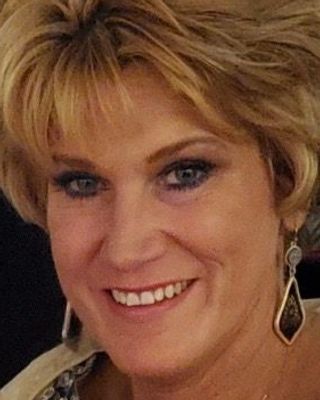
Hosted by Char Boyette
Drug & Alcohol Counselor, LCAS, EMDRIA, CCS, MDiv, JD
Group meets in Greenville, NC 27858
Healing Connections offers trauma and addictions counseling utilizing evidenced based practices such as Eye Movement Desensitization and Reprocessing and CBT. Charlyne Boyette is a solo practitioner who utilizes person-centered, solutions focused, strengths based approaches to assist people with achieving their goals, emerging from stuck places, and living well.
Women of all ages and stages of their life are welcomed. I want create and environment where we learn to love ourselves, which will eventually radiate out to others. This group will be six weeks with identified topics for each session. Some of the topics consist of self-care, self esteem, coping skills. Began your journey of becoming the pink starburst in your life.
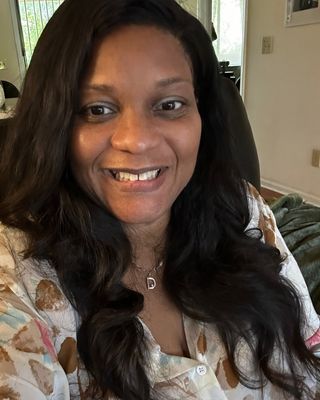
Hosted by Dana King
Lic Clinical Mental Health Counselor Associate, LCMHCA
Group meets in Wilmington, NC 28403
Women of all ages and stages of their life are welcomed. I want create and environment where we learn to love ourselves, which will eventually radiate out to others. This group will be six weeks with identified topics for each session. Some of the topics consist of self-care, self esteem, coping skills. Began your journey of becoming the pink starburst in your life.
Group designed to explore and practice tools of communication to feel deeper connections to spouses/ partners.

Hosted by Krista Bronisas
Marriage & Family Therapist, MS, LMFT, PC
Group meets in Wilmington, NC 28403
Group designed to explore and practice tools of communication to feel deeper connections to spouses/ partners.
Everyone’s parenting skills are different, we do not get a manual once we become parents, we learn as we go. Renewed Strength offers the opportunity to discuss these areas in a group setting whereas everyone can provide techniques that work for them and don’t. These group sessions can support parents by providing child development knowledge, guidance, emotional support, and tools to enhance the parent - child relationship.

Hosted by Niki Evans-Hook
Licensed Professional Counselor, LCMHC
Group meets in Knightdale, NC 27545
Everyone’s parenting skills are different, we do not get a manual once we become parents, we learn as we go. Renewed Strength offers the opportunity to discuss these areas in a group setting whereas everyone can provide techniques that work for them and don’t. These group sessions can support parents by providing child development knowledge, guidance, emotional support, and tools to enhance the parent - child relationship.
This group is for young adults who feel overwhelmed by stress or anxiety, find themselves stuck in negative thought patterns, and are disconnected from the here and now. The goals of this group are to teach skills to participants that will support them in managing stress, improve their emotional regulation, and cultivate greater presence, calm, and focus in daily life through mindfulness practices. We will be addressing some of the common barriers to mindfulness practice such as distraction, boredom, and tiredness, so this won’t just be a repeat of every meditation experience you’ve ever had.

This group is for young adults who feel overwhelmed by stress or anxiety, find themselves stuck in negative thought patterns, and are disconnected from the here and now. The goals of this group are to teach skills to participants that will support them in managing stress, improve their emotional regulation, and cultivate greater presence, calm, and focus in daily life through mindfulness practices. We will be addressing some of the common barriers to mindfulness practice such as distraction, boredom, and tiredness, so this won’t just be a repeat of every meditation experience you’ve ever had.
Our mission is to provide a safe and nonjudgemental Forum for men 18 years old and up. A supportive presence. Group provides a platform in which participants can address their personal and social concerns. Group participants are encouraged to address their thoughts, feelings and to process the responses of others providing positive feedback.

Hosted by Monumental Foundations PLLC
Licensed Clinical Mental Health Counselor Supervisor, LCMHCS, LCAS, CCS, CCMHC, NCC
Group meets in Wilmington, NC 28401
Our mission is to provide a safe and nonjudgemental Forum for men 18 years old and up. A supportive presence. Group provides a platform in which participants can address their personal and social concerns. Group participants are encouraged to address their thoughts, feelings and to process the responses of others providing positive feedback.
Join Anneka, LMFT for a 6-week virtual women’s wellness circle starting mid-October! "Understanding the Modern Woman: Reconnecting With Who You Are" explores identity, boundaries, self-worth, and relationships in an intimate group of 5 to 8 women. Sessions meet weekly in a safe, supportive online space. Insurance may cover all sessions, and spots are limited. Email office@abetter-you.org or call 302-635-0991 to apply today.

Join Anneka, LMFT for a 6-week virtual women’s wellness circle starting mid-October! "Understanding the Modern Woman: Reconnecting With Who You Are" explores identity, boundaries, self-worth, and relationships in an intimate group of 5 to 8 women. Sessions meet weekly in a safe, supportive online space. Insurance may cover all sessions, and spots are limited. Email office@abetter-you.org or call 302-635-0991 to apply today.
See more therapy options for Jacksonville


FAQs - About Group Therapy and Support Groups
How can I find a support group in Jacksonville?
To find a support group in your area, start by entering your city, zip code, or the name of the group into the search bar at the top of the page. When searching, consider whether you prefer an in-person or virtual group. This can help you decide how broad your geographic search should be. If you are open to virtual groups, you might want to search by state instead of just your city, especially if there are limited options nearby.
Once you complete your search, you can use the filters to narrow the results by selecting specialties (such as grief, trauma, or eating disorders), therapeutic approaches, age groups, and other criteria to find a group that best fits your needs.
Once you complete your search, you can use the filters to narrow the results by selecting specialties (such as grief, trauma, or eating disorders), therapeutic approaches, age groups, and other criteria to find a group that best fits your needs.
How does group therapy work?
Group therapy is led by one or more trained therapists and provides a space where participants can process their experiences and learn from others facing similar challenges. Groups may focus on a specific issue—such as addiction, grief, physical illnesses, parenting, or caregiving—or they may center around a particular therapeutic approach, such as Cognitive Behavioral Therapy (CBT), social skill development, or Exposure Therapy. Some groups are also designed for specific populations, such as teens, veterans, or LGBTQ+ individuals.
It’s also important to distinguish group therapy from peer-led support groups, like Alcoholics Anonymous. While both can offer valuable support, therapy groups are typically led by licensed professionals and follow a more structured format. Therapy groups often meet for a fixed length of time with a consistent group of members, while many peer support groups meet for an indefinite period of time with members coming and going.
It’s also important to distinguish group therapy from peer-led support groups, like Alcoholics Anonymous. While both can offer valuable support, therapy groups are typically led by licensed professionals and follow a more structured format. Therapy groups often meet for a fixed length of time with a consistent group of members, while many peer support groups meet for an indefinite period of time with members coming and going.
What are the benefits of group therapy?
Group therapy offers several important benefits. It brings together people facing similar challenges—whether related to mental health, physical health, or life transitions—and creates a supportive environment where participants can exchange feedback, share experiences, and learn from one another. Hearing different perspectives can help individuals discover new coping strategies and practical tools they may not have encountered on their own. Sharing personal experiences, such as coping with a serious illness or navigating family struggles, can also reduce feelings of isolation and foster a sense of connection and understanding. In addition to emotional support, group members often gain useful, real-world advice from peers who have faced similar situations.
Group therapy is typically more affordable than individual therapy and, for certain conditions, can be equally effective. Many groups also include structured activities—such as guided journaling, cognitive-behavioral exercises, or role-playing—to help participants develop concrete skills they can apply in daily life.
Group therapy is typically more affordable than individual therapy and, for certain conditions, can be equally effective. Many groups also include structured activities—such as guided journaling, cognitive-behavioral exercises, or role-playing—to help participants develop concrete skills they can apply in daily life.
Is group therapy as effective as individual therapy?
It is difficult to make a blanket statement about the effectiveness of support groups, as they vary widely in focus and the conditions they address. However, support groups can be highly valuable in helping individuals gain emotional support and achieve meaningful treatment outcomes. For certain conditions, such as substance use, research has shown that group therapy can be particularly effective—sometimes just as effective as individual therapy—in supporting long-term recovery.
Many professionals attribute the effectiveness of group therapy to the unique benefits of the group setting, which fosters peer-to-peer learning and a sense of connection through shared experiences. Group settings also offer accountability and encouragement from both facilitators and fellow participants, which helps sustain motivation and supports continued progress. These factors together play a key role in promoting the overall effectiveness of group therapy.
Many professionals attribute the effectiveness of group therapy to the unique benefits of the group setting, which fosters peer-to-peer learning and a sense of connection through shared experiences. Group settings also offer accountability and encouragement from both facilitators and fellow participants, which helps sustain motivation and supports continued progress. These factors together play a key role in promoting the overall effectiveness of group therapy.
How much does group therapy cost?
Group therapy is typically less expensive than individual therapy, with sessions typically costing between $50 and $75 each. In comparison, individual therapy can cost anywhere from $100 to $200 or more per session, even with insurance. Some therapists or organizations offer low-cost or free group therapy options, particularly through community centers or nonprofit organizations. In some cases, groups may require payment upfront for a set number of sessions, such as paying for six weekly sessions at the first meeting. However, many providers offer payment plans to help make participation more accessible if this upfront payment is required.
Does insurance cover group therapy?
As with individual therapy, insurance coverage for group therapy varies based on factors such as your specific insurance plan, the purpose of the group, your diagnosis, and whether the group provider is in-network. Many insurance plans cover group therapy sessions that address diagnosable mental health conditions, such as substance use disorders, anxiety, or depression.
However, groups that focus on topics not directly tied to a mental health diagnosis—such as parenting support or divorce recovery—are less likely to be covered. Because coverage can vary widely, it’s important to check with your insurance provider before joining a group to confirm whether the sessions will be covered and what out-of-pocket costs you may be responsible for.
However, groups that focus on topics not directly tied to a mental health diagnosis—such as parenting support or divorce recovery—are less likely to be covered. Because coverage can vary widely, it’s important to check with your insurance provider before joining a group to confirm whether the sessions will be covered and what out-of-pocket costs you may be responsible for.
How long does group therapy last?
The length of each group therapy session typically ranges from 45 minutes to two hours, depending on the therapy approach, the group’s goals, and how often the group meets. In some cases, group therapy is part of a larger treatment program, such as an Intensive Outpatient Program (IOP), where group sessions complement individual therapy and are scheduled as part of the program’s overall structure.
The duration of participation in a group also varies. Some groups are designed to be short-term, lasting anywhere from 6 to 24 weeks—for example, bereavement groups or skills-based groups like those using Dialectical Behavioral Therapy (DBT). Other groups may be longer-term, lasting a year or more, and some ongoing support groups meet indefinitely, allowing participants to stay as long as they find the group helpful.
The duration of participation in a group also varies. Some groups are designed to be short-term, lasting anywhere from 6 to 24 weeks—for example, bereavement groups or skills-based groups like those using Dialectical Behavioral Therapy (DBT). Other groups may be longer-term, lasting a year or more, and some ongoing support groups meet indefinitely, allowing participants to stay as long as they find the group helpful.
What are the limitations of support groups?
Support groups offer many benefits, but they also have certain limitations. Unlike therapy groups, many support groups do not provide formal therapeutic treatment and are not led by licensed mental health professionals. For individuals seeking clinical treatment for specific mental health diagnoses—such as depression, eating disorders, or substance use—individual therapy or group therapy led by a licensed professional may offer more personalized and specialized care.
The effectiveness of a support group also depends heavily on the group’s participants and the overall group dynamic. When members engage respectfully and offer constructive support, the group can foster valuable peer-to-peer learning. However, if certain participants dominate discussions, provide inaccurate advice, or create conflict, it can disrupt the group’s sense of safety and reduce its effectiveness. Confidentiality can also be harder to maintain in support groups, particularly in open groups where participants can join or leave at any time. With new members regularly entering the group, it can be more difficult to build and sustain a consistent sense of trust and privacy.
The effectiveness of a support group also depends heavily on the group’s participants and the overall group dynamic. When members engage respectfully and offer constructive support, the group can foster valuable peer-to-peer learning. However, if certain participants dominate discussions, provide inaccurate advice, or create conflict, it can disrupt the group’s sense of safety and reduce its effectiveness. Confidentiality can also be harder to maintain in support groups, particularly in open groups where participants can join or leave at any time. With new members regularly entering the group, it can be more difficult to build and sustain a consistent sense of trust and privacy.