Support Groups in Candler, NC
My goal for this group is to provide folks with REAL tools and strategies for navigating stages of relapse, setting boundaries, practicing self-compassion, and learning some coping skills surrounding distress tolerance. With this group you will: Walk away with an action plan and a community as you navigate your relationship with alcohol; Gain realistic tools for how to effectively cope with alcohol cravings; Engage in a safe and supportive environment to strengthen a sense of community; Develop a deeper understanding of the impact alcohol has in your daily life; and build coping skills to manage mental health triggers.

Hosted by Makenzie Wilbourn
Licensed Professional Counselor, LCMHC, LCAS, CCS
Group meets in Candler, NC 28715
My goal for this group is to provide folks with REAL tools and strategies for navigating stages of relapse, setting boundaries, practicing self-compassion, and learning some coping skills surrounding distress tolerance. With this group you will: Walk away with an action plan and a community as you navigate your relationship with alcohol; Gain realistic tools for how to effectively cope with alcohol cravings; Engage in a safe and supportive environment to strengthen a sense of community; Develop a deeper understanding of the impact alcohol has in your daily life; and build coping skills to manage mental health triggers.
Join us for a restorative weekend women’s retreat May 29th–31st, 2026, on 17 private acres just 30 minutes outside Asheville, NC, in the Blue Ridge Mountains. Created for women who deserve rest and time to recharge, this all-inclusive experience offers catered meals, daily yoga, a guided 1.5-mile hike to a scenic lookout tower, and a psychoeducational group bouquet-building activity exploring what helps you bloom. Space is limited reach out today to register
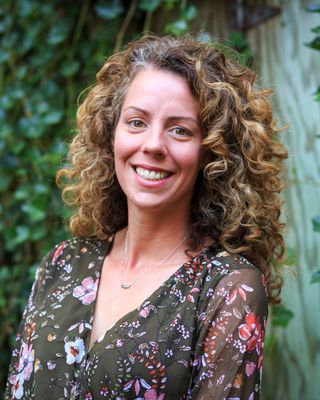
Hosted by Chelsea Etheridge
Licensed Clinical Mental Health Counselor, LPC, LMHC
Group meets in Candler, NC 28715
Join us for a restorative weekend women’s retreat May 29th–31st, 2026, on 17 private acres just 30 minutes outside Asheville, NC, in the Blue Ridge Mountains. Created for women who deserve rest and time to recharge, this all-inclusive experience offers catered meals, daily yoga, a guided 1.5-mile hike to a scenic lookout tower, and a psychoeducational group bouquet-building activity exploring what helps you bloom. Space is limited reach out today to register
More Groups Nearby
Afraid, Angry, or Overwhelmed by the News? Baffled about how to get along with family members who see things differently? Wish for another option besides angry argument or keeping silent? Join us for a friendly, interactive workshop to support inner peace and outer empowerment. Drawing on tools from Marshall Rosenberg and Byron Katie, we practice skills to enjoy heart-to-heart connection across differences. Saturday July 25, 1pm – 4:30 pm. Online. Donation of $75 requested. No one turned away for lack of funds. Email Carlyle to register or learn more.

Hosted by Carlyle Stewart
Licensed Clinical Mental Health Counselor, MS, LCMHC
Group meets in Asheville, NC 28803
Afraid, Angry, or Overwhelmed by the News? Baffled about how to get along with family members who see things differently? Wish for another option besides angry argument or keeping silent? Join us for a friendly, interactive workshop to support inner peace and outer empowerment. Drawing on tools from Marshall Rosenberg and Byron Katie, we practice skills to enjoy heart-to-heart connection across differences. Saturday July 25, 1pm – 4:30 pm. Online. Donation of $75 requested. No one turned away for lack of funds. Email Carlyle to register or learn more.
This won’t be a traditional book club. Instead of simply reading a book about art and creativity, we’ll meet once a month to actually do a project from the chosen book. We meet on the last Monday of the month, from 4-6pm. Bring your chosen art or craft book and the supplies you need to complete your project of choice. (The optional book for February is “Creative Abstract Mixed Media” by Kate Rebecca Leach.) www.mountaincreativearts.com/events
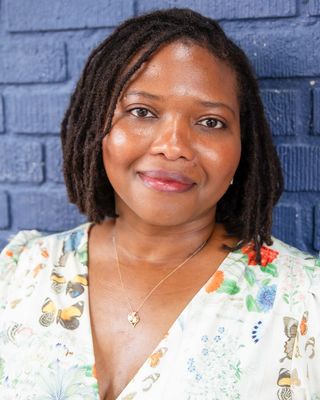
Hosted by Kara Ashley-Gilmore
Licensed Clinical Mental Health Counselor, LCMHC, ATR-BC, SEP
Group meets in Hendersonville, NC 28791
This won’t be a traditional book club. Instead of simply reading a book about art and creativity, we’ll meet once a month to actually do a project from the chosen book. We meet on the last Monday of the month, from 4-6pm. Bring your chosen art or craft book and the supplies you need to complete your project of choice. (The optional book for February is “Creative Abstract Mixed Media” by Kate Rebecca Leach.) www.mountaincreativearts.com/events
This group will provide a supported and confidential setting for therapists interested in knowing more about themselves and how their unique life experience and subjectivity affect and inform their lives and clinical work. The group setting is dynamic and evocative, offering experiential learning with an emphasis on enhancing emotional and relational development. With the help of the group leader and fellow group members, participants explore and work with the blocks toward emotional communication and immediacy that inevitably emerge. For more information about this group, please call Pamela at 828-545-4563.
Hosted by Pamela Millis
Licensed Clinical Mental Health Counselor, LCMHCS, CGP
Group meets in Asheville, NC 28801
This group will provide a supported and confidential setting for therapists interested in knowing more about themselves and how their unique life experience and subjectivity affect and inform their lives and clinical work. The group setting is dynamic and evocative, offering experiential learning with an emphasis on enhancing emotional and relational development. With the help of the group leader and fellow group members, participants explore and work with the blocks toward emotional communication and immediacy that inevitably emerge. For more information about this group, please call Pamela at 828-545-4563.
This group is for men who are looking for something real, vulnerable, and just challenging enough. One of the most valuable aspects of this group is simply being vulnerable with other men and holding space for other men to be vulnerable, in a facilitated container. Process groups are designed to be a microcosm of how you relate with yourself and others in your day-to-day life. Here, we look at patterns you are wanting to shift and support you in trying out new responses to old patterns. As men start to shift in group, they shift outside as well.

Hosted by Evan Reinhold
Licensed Clinical Mental Health Counselor, MA, LCMHC
Group meets in Asheville, NC 28801
This group is for men who are looking for something real, vulnerable, and just challenging enough. One of the most valuable aspects of this group is simply being vulnerable with other men and holding space for other men to be vulnerable, in a facilitated container. Process groups are designed to be a microcosm of how you relate with yourself and others in your day-to-day life. Here, we look at patterns you are wanting to shift and support you in trying out new responses to old patterns. As men start to shift in group, they shift outside as well.
Our group focuses on family dynamics and how to best support each part of the whole. We believe that deep healing and lasting change happens when we can all work together acknowledging our interactions and interconnectedness and our family systems.

Our group focuses on family dynamics and how to best support each part of the whole. We believe that deep healing and lasting change happens when we can all work together acknowledging our interactions and interconnectedness and our family systems.
This group meets 3 times a week (Tuesday, Thursday, & Saturday) and is gender specific to females only. Groups will meet from 4PM-7PM.

This group meets 3 times a week (Tuesday, Thursday, & Saturday) and is gender specific to females only. Groups will meet from 4PM-7PM.
This free monthly group is designed to fill your tool box with ways to handle stress, difficult relationships, and find support with other women who get it. ashevilleinfertilitycounseling.com/group

Hosted by Allison Ramsey
Licensed Professional Counselor, MS, LCMHC, LMHC
Group meets in Asheville, NC 28801
This free monthly group is designed to fill your tool box with ways to handle stress, difficult relationships, and find support with other women who get it. ashevilleinfertilitycounseling.com/group
Yoga, yogalates, Barre & sculpt, and spin classes offered at the Brevard Health & Racquet Club, Brevard Yoga, and Cedar Mountain Yoga & Pilates

Yoga, yogalates, Barre & sculpt, and spin classes offered at the Brevard Health & Racquet Club, Brevard Yoga, and Cedar Mountain Yoga & Pilates
This is a mixed gender, interpersonal process groups that meet weekly on zoom. These groups are for people interested in meaningful and deep interpersonal work, where we focus on emotional communication, intimacy, and connection. Group is a place where you can try new things, share thoughts and feelings that don't often get expressed, give and receive feedback, work on attachment wounds, and develop deep and meaningful relationships with other people who are wanting to be more authentic.
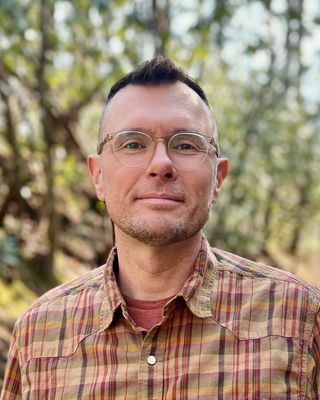
Hosted by Chris Byrne
Licensed Clinical Mental Health Counselor, MA, LPC, LCMHC
Group meets in Asheville, NC 28801
This is a mixed gender, interpersonal process groups that meet weekly on zoom. These groups are for people interested in meaningful and deep interpersonal work, where we focus on emotional communication, intimacy, and connection. Group is a place where you can try new things, share thoughts and feelings that don't often get expressed, give and receive feedback, work on attachment wounds, and develop deep and meaningful relationships with other people who are wanting to be more authentic.
This online group is grounded in somatic resource, resiliency and personal mindset to set & keep goals, wither business, personal or relational. Each group is $25 and are Fridays at 2 pm, last 60-90 depending on the # of people in the group. Monthly in person component for folx local to Asheville. Framework provided that uses daily practice & occasional written content. Each group focuses on accountability & experiential exercises. Reach out if interested :) Series starts in October and lasts through the end of the year. Skills will be recorded and provided in weekly emails.

This online group is grounded in somatic resource, resiliency and personal mindset to set & keep goals, wither business, personal or relational. Each group is $25 and are Fridays at 2 pm, last 60-90 depending on the # of people in the group. Monthly in person component for folx local to Asheville. Framework provided that uses daily practice & occasional written content. Each group focuses on accountability & experiential exercises. Reach out if interested :) Series starts in October and lasts through the end of the year. Skills will be recorded and provided in weekly emails.
Attending a support group prior to additional therapy or treatment may help an individual begin the recovery process. Participating in groups may be an important supplement to any type of outpatient eating disorder treatment. Continuing with support after treatment may help reinforce skills, provide accountability, and increase motivation and commitment to recovery. VIRTUAL, Pro-recovery, gender-inclusive, 18+ Every Wednesday 6:00-7:00 pm Visit https://crcfored.com/support-groups/ to sign up.

Attending a support group prior to additional therapy or treatment may help an individual begin the recovery process. Participating in groups may be an important supplement to any type of outpatient eating disorder treatment. Continuing with support after treatment may help reinforce skills, provide accountability, and increase motivation and commitment to recovery. VIRTUAL, Pro-recovery, gender-inclusive, 18+ Every Wednesday 6:00-7:00 pm Visit https://crcfored.com/support-groups/ to sign up.
On a regular basis, I offer Hold Me Tight workshops for couples. Each workshop is conducted on a Saturday from 9:00 - 5:30. The workshop is designed to help you and your partner interrupt negative patterns of interacting and generate positive patterns of interacting. The goals are to help you heal emotional wounds and create a secure bond. The workshop is educational, experiential, supportive and fun. Find out more by visiting www.holdmetightwnc.com

On a regular basis, I offer Hold Me Tight workshops for couples. Each workshop is conducted on a Saturday from 9:00 - 5:30. The workshop is designed to help you and your partner interrupt negative patterns of interacting and generate positive patterns of interacting. The goals are to help you heal emotional wounds and create a secure bond. The workshop is educational, experiential, supportive and fun. Find out more by visiting www.holdmetightwnc.com
For anyone navigating a life shift: loss, divorce, career change, empty nest, aging parents, or not knowing what lights you up these days. We don’t offer unsolicited advice. We listen. We honor pauses instead of rushing to fill in silence. We trust that your own wisdom knows how to find its way to the surface. This isn’t about being polite. It’s about being real and communicating from depth rather than performance or a helper/fixer mindset. If you’re craving a space like that, call me.
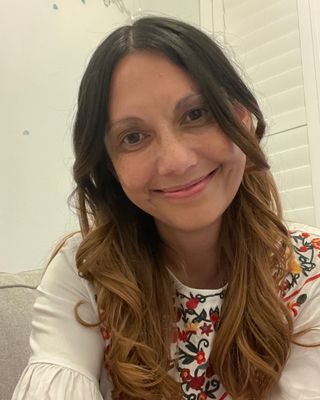
Hosted by Celeste McKeever
Licensed Clinical Mental Health Counselor, LCMHC, LMHC-QS, EMDR, RRT
Group meets in Hendersonville, NC 28792
For anyone navigating a life shift: loss, divorce, career change, empty nest, aging parents, or not knowing what lights you up these days. We don’t offer unsolicited advice. We listen. We honor pauses instead of rushing to fill in silence. We trust that your own wisdom knows how to find its way to the surface. This isn’t about being polite. It’s about being real and communicating from depth rather than performance or a helper/fixer mindset. If you’re craving a space like that, call me.
Winter Blues Practical Skills for Mood, Motivation & Connection is an 8 week, virtual, DBT skills group designed for adults who find the darker months bring lower mood, decreased motivation, more isolation, or a general sense of feeling less like themselves. The group will focus on practical skills for managing difficult emotions , getting unstuck when motivation is low, maintaining connection and reducing isolation, building routines that support mood, creating things to look forward to. The group will meet weekly beginning in December, with no group the week of December 21 for the holidays, and will continue into February.

Hosted by Michele Finkelstein
Clinical Social Work/Therapist, MSW, LCSW, C-DBT
Group meets in Asheville, NC 28801
Winter Blues Practical Skills for Mood, Motivation & Connection is an 8 week, virtual, DBT skills group designed for adults who find the darker months bring lower mood, decreased motivation, more isolation, or a general sense of feeling less like themselves. The group will focus on practical skills for managing difficult emotions , getting unstuck when motivation is low, maintaining connection and reducing isolation, building routines that support mood, creating things to look forward to. The group will meet weekly beginning in December, with no group the week of December 21 for the holidays, and will continue into February.
This is a one day workshop: 3/28/26. Join us for "Sacred Rage," a workshop that offers the opportunity to tap into your anger using art while staying grounded and connected to your body. We’ll explore your rage, what silences it, and what it needs to move forward. What to expect: Mindfulness practices and intuitive painting; Self-expression through lines, colors, and shapes; A guided poetry exercise to transform images into written form. Ready to uncover the message your anger needs you to hear? Register Here: https://tinyurl.com/3hmxnwvh
Hosted by Kara Ashley-Gilmore
Licensed Clinical Mental Health Counselor, LCMHC, ATR-BC, SEP
Group meets in Hendersonville, NC 28791
This is a one day workshop: 3/28/26. Join us for "Sacred Rage," a workshop that offers the opportunity to tap into your anger using art while staying grounded and connected to your body. We’ll explore your rage, what silences it, and what it needs to move forward. What to expect: Mindfulness practices and intuitive painting; Self-expression through lines, colors, and shapes; A guided poetry exercise to transform images into written form. Ready to uncover the message your anger needs you to hear? Register Here: https://tinyurl.com/3hmxnwvh
Building Compassion for Self and Others Through Mindfulness and Somatic Practice. 6-week Learning, Skills & Support Group. ::: Offering practical tools for cultivating increased compassion, insight, and well-being in your daily life. Particularly well-suited to those who may struggle with self-criticism, shame and/or anxiety, Embodying Mindful Compassion offers both cognitive and somatic practices for building capacity for compassion towards yourself and others and in facing life’s challenges with greater ease and flexibility. Groups are ongoing - contact me for next start date.
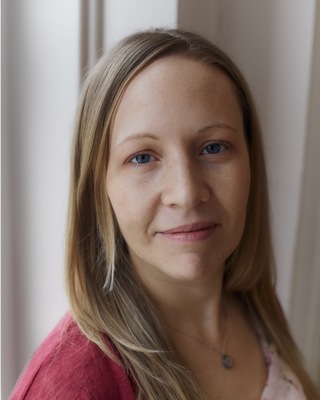
Hosted by Stephanie Howarth
Licensed Clinical Mental Health Counselor, MA, LCMHC, NCC, P-SEP
Group meets in Asheville, NC 28801
Building Compassion for Self and Others Through Mindfulness and Somatic Practice. 6-week Learning, Skills & Support Group. ::: Offering practical tools for cultivating increased compassion, insight, and well-being in your daily life. Particularly well-suited to those who may struggle with self-criticism, shame and/or anxiety, Embodying Mindful Compassion offers both cognitive and somatic practices for building capacity for compassion towards yourself and others and in facing life’s challenges with greater ease and flexibility. Groups are ongoing - contact me for next start date.
This group is for anxious perfectionists looking for skills to redefine their lives and build a life worth living. Get grounded, present, and free from suffering.
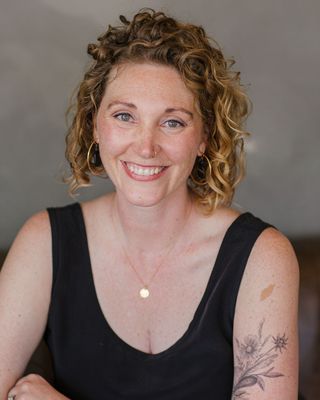
Hosted by Lela Saffle
Clinical Social Work/Therapist, MA, LCSW
Group meets in Black Mountain, NC 28711
This group is for anxious perfectionists looking for skills to redefine their lives and build a life worth living. Get grounded, present, and free from suffering.
This group is only for men and meets 3 times a week. Modalities include DBT, CBT, Life Skills, Yoga/Meditation/ Individual, Trauma Informed Care.
This group is only for men and meets 3 times a week. Modalities include DBT, CBT, Life Skills, Yoga/Meditation/ Individual, Trauma Informed Care.
See more therapy options for Candler


FAQs - About Group Therapy and Support Groups
How can I find a support group in Candler?
To find a support group in your area, start by entering your city, zip code, or the name of the group into the search bar at the top of the page. When searching, consider whether you prefer an in-person or virtual group. This can help you decide how broad your geographic search should be. If you are open to virtual groups, you might want to search by state instead of just your city, especially if there are limited options nearby.
Once you complete your search, you can use the filters to narrow the results by selecting specialties (such as grief, trauma, or eating disorders), therapeutic approaches, age groups, and other criteria to find a group that best fits your needs.
How does group therapy work?
Group therapy is led by one or more trained therapists and provides a space where participants can process their experiences and learn from others facing similar challenges. Groups may focus on a specific issue—such as addiction, grief, physical illnesses, parenting, or caregiving—or they may center around a particular therapeutic approach, such as Cognitive Behavioral Therapy (CBT), social skill development, or Exposure Therapy. Some groups are also designed for specific populations, such as teens, veterans, or LGBTQ+ individuals.
It’s also important to distinguish group therapy from peer-led support groups, like Alcoholics Anonymous. While both can offer valuable support, therapy groups are typically led by licensed professionals and follow a more structured format. Therapy groups often meet for a fixed length of time with a consistent group of members, while many peer support groups meet for an indefinite period of time with members coming and going.
What are the benefits of group therapy?
Group therapy offers several important benefits. It brings together people facing similar challenges—whether related to mental health, physical health, or life transitions—and creates a supportive environment where participants can exchange feedback, share experiences, and learn from one another. Hearing different perspectives can help individuals discover new coping strategies and practical tools they may not have encountered on their own. Sharing personal experiences, such as coping with a serious illness or navigating family struggles, can also reduce feelings of isolation and foster a sense of connection and understanding. In addition to emotional support, group members often gain useful, real-world advice from peers who have faced similar situations.
Group therapy is typically more affordable than individual therapy and, for certain conditions, can be equally effective. Many groups also include structured activities—such as guided journaling, cognitive-behavioral exercises, or role-playing—to help participants develop concrete skills they can apply in daily life.
Is group therapy as effective as individual therapy?
It is difficult to make a blanket statement about the effectiveness of support groups, as they vary widely in focus and the conditions they address. However, support groups can be highly valuable in helping individuals gain emotional support and achieve meaningful treatment outcomes. For certain conditions, such as substance use, research has shown that group therapy can be particularly effective—sometimes just as effective as individual therapy—in supporting long-term recovery.
Many professionals attribute the effectiveness of group therapy to the unique benefits of the group setting, which fosters peer-to-peer learning and a sense of connection through shared experiences. Group settings also offer accountability and encouragement from both facilitators and fellow participants, which helps sustain motivation and supports continued progress. These factors together play a key role in promoting the overall effectiveness of group therapy.
How much does group therapy cost?
Group therapy is typically less expensive than individual therapy, with sessions typically costing between $50 and $75 each. In comparison, individual therapy can cost anywhere from $100 to $200 or more per session, even with insurance. Some therapists or organizations offer low-cost or free group therapy options, particularly through community centers or nonprofit organizations. In some cases, groups may require payment upfront for a set number of sessions, such as paying for six weekly sessions at the first meeting. However, many providers offer payment plans to help make participation more accessible if this upfront payment is required.
Does insurance cover group therapy?
As with individual therapy, insurance coverage for group therapy varies based on factors such as your specific insurance plan, the purpose of the group, your diagnosis, and whether the group provider is in-network. Many insurance plans cover group therapy sessions that address diagnosable mental health conditions, such as substance use disorders, anxiety, or depression.
However, groups that focus on topics not directly tied to a mental health diagnosis—such as parenting support or divorce recovery—are less likely to be covered. Because coverage can vary widely, it’s important to check with your insurance provider before joining a group to confirm whether the sessions will be covered and what out-of-pocket costs you may be responsible for.
How long does group therapy last?
The length of each group therapy session typically ranges from 45 minutes to two hours, depending on the therapy approach, the group’s goals, and how often the group meets. In some cases, group therapy is part of a larger treatment program, such as an Intensive Outpatient Program (IOP), where group sessions complement individual therapy and are scheduled as part of the program’s overall structure.
The duration of participation in a group also varies. Some groups are designed to be short-term, lasting anywhere from 6 to 24 weeks—for example, bereavement groups or skills-based groups like those using Dialectical Behavioral Therapy (DBT). Other groups may be longer-term, lasting a year or more, and some ongoing support groups meet indefinitely, allowing participants to stay as long as they find the group helpful.
What are the limitations of support groups?
Support groups offer many benefits, but they also have certain limitations. Unlike therapy groups, many support groups do not provide formal therapeutic treatment and are not led by licensed mental health professionals. For individuals seeking clinical treatment for specific mental health diagnoses—such as depression, eating disorders, or substance use—individual therapy or group therapy led by a licensed professional may offer more personalized and specialized care.
The effectiveness of a support group also depends heavily on the group’s participants and the overall group dynamic. When members engage respectfully and offer constructive support, the group can foster valuable peer-to-peer learning. However, if certain participants dominate discussions, provide inaccurate advice, or create conflict, it can disrupt the group’s sense of safety and reduce its effectiveness. Confidentiality can also be harder to maintain in support groups, particularly in open groups where participants can join or leave at any time. With new members regularly entering the group, it can be more difficult to build and sustain a consistent sense of trust and privacy.