Support Groups in Helena, MT
12 week DBT Skiils Group (in person) every fall Start 9/2/26 Also available is DBT skills coaching online. https://heartmindcollab.com
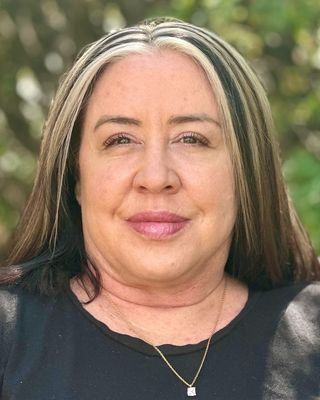
12 week DBT Skiils Group (in person) every fall Start 9/2/26 Also available is DBT skills coaching online. https://heartmindcollab.com
This group will begin Fall, 2024 into Spring 2025. This group is for men seeking to find strength, resilience, and focus in a positive and supportive setting to deepen into our minds, bodies, and inner strength of healthy masculinity. Through multiple modalities, group participants will meet with other men committed to strengthening themselves and their community. Mindfulness, Somatic Experiencing intro skills, connections with nature, and peer support will all be essential elements of this group's process over 2 3-month mini-semesters.

This group will begin Fall, 2024 into Spring 2025. This group is for men seeking to find strength, resilience, and focus in a positive and supportive setting to deepen into our minds, bodies, and inner strength of healthy masculinity. Through multiple modalities, group participants will meet with other men committed to strengthening themselves and their community. Mindfulness, Somatic Experiencing intro skills, connections with nature, and peer support will all be essential elements of this group's process over 2 3-month mini-semesters.
Online Groups
Transforming Anger group process will explore sources of anger and resentment, triggering thoughts, and impulsive behaviors. Group members will gain insights into underlying thoughts and beliefs about themselves, and learn to remove obstacles to their own healthy personal power.
Goals include healing hurt underneath anger, identifying healthy coping skills, and creating healthy behaviors and relationships.
Our group provides a non-judgmental environment to explore your sexual behaviors, emotions, and relationships. Unlike traditional SAA groups, our group is led by a licensed therapist who has extensive training in sex addiction recovery. Our group leaders have all "done the work" and achieved lasting recovery, meaning you will always work with someone who knows exactly what you're going through. This group is designed to meet the unique needs of individuals struggling with compulsive sexual behaviors, regardless of how symptoms are presenting.

Hosted by Drew Driver
Licensed Clinical Professional Counselor, CSAT, LCPC, NCC, MA
Group meets in Bozeman, MT 59715
Our group provides a non-judgmental environment to explore your sexual behaviors, emotions, and relationships. Unlike traditional SAA groups, our group is led by a licensed therapist who has extensive training in sex addiction recovery. Our group leaders have all "done the work" and achieved lasting recovery, meaning you will always work with someone who knows exactly what you're going through. This group is designed to meet the unique needs of individuals struggling with compulsive sexual behaviors, regardless of how symptoms are presenting.
A group private practice with ongoing consultation and training, working with the mainstream adult population and issues of anxiety, depression, and relationship problems.
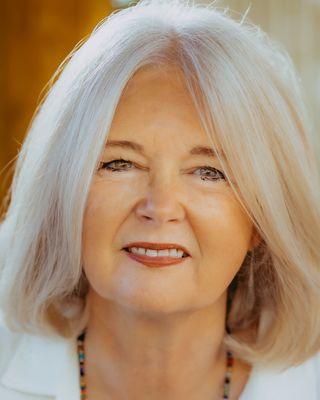
A group private practice with ongoing consultation and training, working with the mainstream adult population and issues of anxiety, depression, and relationship problems.
We offer: Chemical Dependency Evaluations, DUI Classes, 2.1 Intensive Outpatient Program, 1.0 Outpatient Program, MIP Services, 12 steps Program, Spiritual Counseling, Anger Management: Duluth Model. Batterer Intervention Program: Duluth Model. Domestic Violence and Domestic abuse Treatment Program. Co-occurring Disorders, Mental Health Treatment Program, and Addictions Treatment Program.

Hosted by CMP Power of Healing Counseling and TC, LLC
Verified Verified
Group meets in Great Falls, MT 59401
We offer: Chemical Dependency Evaluations, DUI Classes, 2.1 Intensive Outpatient Program, 1.0 Outpatient Program, MIP Services, 12 steps Program, Spiritual Counseling, Anger Management: Duluth Model. Batterer Intervention Program: Duluth Model. Domestic Violence and Domestic abuse Treatment Program. Co-occurring Disorders, Mental Health Treatment Program, and Addictions Treatment Program.
Open professionally facilitated support group for individuals and couples struggling with infertility. Date/time subject to change depending on schedules of individuals registered for the group. Groups can only be offered if there are 4 or more individuals interested in participating. They most often occur weekday evenings. Call to inquire. 406.552.5327 or check on facebook: www.facebook.com/collaborativeeffort

Hosted by Kerry N Herndon
Clinical Social Work/Therapist, LCSW, LAC
Group meets in Missoula, MT 59801
Open professionally facilitated support group for individuals and couples struggling with infertility. Date/time subject to change depending on schedules of individuals registered for the group. Groups can only be offered if there are 4 or more individuals interested in participating. They most often occur weekday evenings. Call to inquire. 406.552.5327 or check on facebook: www.facebook.com/collaborativeeffort
Groups of 5 to 8 participants, using expressive writing through the AWA method. AWA groups are intended to cultivate a writing practice and not typically conducted as therapy groups, however they have very powerful therapeutic impacts including resiliency and connection building and increasing self-esteem. Expressive writing is an evidenced based method for self-exploration, self-care and processing difficult feelings and experiences. These groups are not typically billable through insurance. Please reach out if you have interest or would like more information.
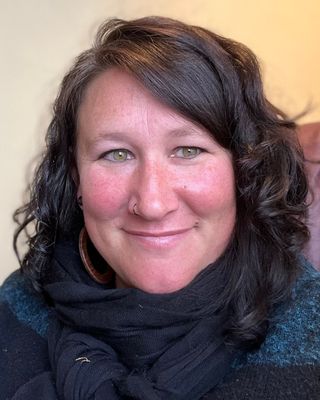
Hosted by A.J. Hershman LCPC, Balsamroot Counseling
Licensed Clinical Professional Counselor, LCPC
Group meets in Missoula, MT 59802
Groups of 5 to 8 participants, using expressive writing through the AWA method. AWA groups are intended to cultivate a writing practice and not typically conducted as therapy groups, however they have very powerful therapeutic impacts including resiliency and connection building and increasing self-esteem. Expressive writing is an evidenced based method for self-exploration, self-care and processing difficult feelings and experiences. These groups are not typically billable through insurance. Please reach out if you have interest or would like more information.
This group is being formed to deal with the many issues and fears resulting from changes created by the COVID pandemic
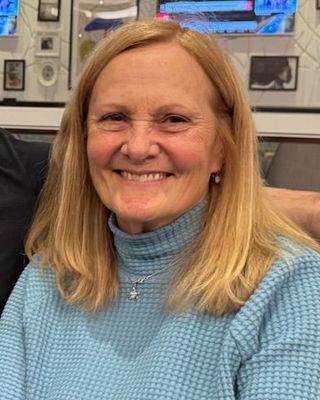
This group is being formed to deal with the many issues and fears resulting from changes created by the COVID pandemic
A social group for young adults and teens. They learn appropriate socialization through fun activities. Food is provided in order for the individuals to learn skills when in difficult or uncomfortable food situations. The facilitator has ASD and helps guide the group with life experiences. The group is clinical (without feeling like it) and supervised by a counselor on site.

Hosted by Mountain Therapy, LLC
Counselor, LCPC, LAC, C-DBT, ASDCS
Group meets in Great Falls, MT 59405
A social group for young adults and teens. They learn appropriate socialization through fun activities. Food is provided in order for the individuals to learn skills when in difficult or uncomfortable food situations. The facilitator has ASD and helps guide the group with life experiences. The group is clinical (without feeling like it) and supervised by a counselor on site.
This group is a skills group for trauma survivors to feel safer in the world.

This group is a skills group for trauma survivors to feel safer in the world.
Every Survivor Thriving: Essential Education and Mindfulness. An educational group for survivors of domestic abuse, interpersonal terrorism, or narcissistic abuse who want to learn more about identifying old patterns, forming healthy relationships with self and others, and practicing mindfulness skills.

Every Survivor Thriving: Essential Education and Mindfulness. An educational group for survivors of domestic abuse, interpersonal terrorism, or narcissistic abuse who want to learn more about identifying old patterns, forming healthy relationships with self and others, and practicing mindfulness skills.
Founder and leader of the Montana association for Emotionally Focused Therapy. Community organizer for therapist training events. Provider of training workshops for therapists.
Founder and leader of the Montana association for Emotionally Focused Therapy. Community organizer for therapist training events. Provider of training workshops for therapists.
Group therapy for adults with a diagnosed substance use disorder or gambling disorder. Educational/therapy group with a focus on anger management and domestic violence.

Hosted by Stepping Stones Counseling, PLLC
Drug & Alcohol Counselor, LAC
Group meets in Missoula, MT 59801
Group therapy for adults with a diagnosed substance use disorder or gambling disorder. Educational/therapy group with a focus on anger management and domestic violence.
Connection in recovery is an essential element within the treatment and recovery process. This is why we offer a FREE recovery focused eating disorder support group that serves both adolescents and adults. Connection and reflection within the group environment allows an opportunity to find companionship and support among other individuals that share in relatable and common experiences. Overall goals are to provide a safe and non-judgmental space to share, gain support, learn practical skills/tools, and to instill motivation and hope that full recovery is possible. Sign up here: https://www.emilywish.com/services

Connection in recovery is an essential element within the treatment and recovery process. This is why we offer a FREE recovery focused eating disorder support group that serves both adolescents and adults. Connection and reflection within the group environment allows an opportunity to find companionship and support among other individuals that share in relatable and common experiences. Overall goals are to provide a safe and non-judgmental space to share, gain support, learn practical skills/tools, and to instill motivation and hope that full recovery is possible. Sign up here: https://www.emilywish.com/services
This group is for teenagers that are learning social skills, how to regulate their emotions, improving communication skills and how to have better relationships with family and friends. We also focus on how to problem solve and reduce self-harm behaviors and reduce suicide ideation.
Hosted by Mountain Therapy, LLC
Counselor, LCPC, LAC, C-DBT, ASDCS
Group meets in Great Falls, MT 59405
This group is for teenagers that are learning social skills, how to regulate their emotions, improving communication skills and how to have better relationships with family and friends. We also focus on how to problem solve and reduce self-harm behaviors and reduce suicide ideation.
Learn DBT skills in a fast paced and consolidated approach. This is a group to join an adjunct to individual therapy to address acute symptoms of anxiety, depression and trauma. Ideal for clients with Borderline Personality Disorder.
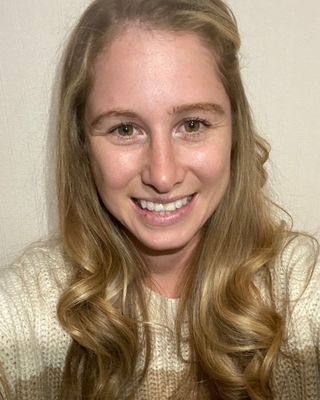
Learn DBT skills in a fast paced and consolidated approach. This is a group to join an adjunct to individual therapy to address acute symptoms of anxiety, depression and trauma. Ideal for clients with Borderline Personality Disorder.
Reduce stress, find balance, start thriving! Bozeman Counseling Center works with individuals who are wanting a collaborative, integrative, holistic approach to their growth and development. We have a wide variety of therapists with amazing backgrounds and experience, to help you on your journey towards empowerment and thriving!

Reduce stress, find balance, start thriving! Bozeman Counseling Center works with individuals who are wanting a collaborative, integrative, holistic approach to their growth and development. We have a wide variety of therapists with amazing backgrounds and experience, to help you on your journey towards empowerment and thriving!
This isn’t just another 6 WEEK group about budgets and spreadsheets. It’s a space for women who are ready to... ^ Untangle stress and shame that can show up around money ^ Understand the “why” behind their financial habits ^ Learn how emotions and finances intertwine — and how to shift the story ^ Connect with other women who get it {{2026 EVENING Flourish Group Schedule}} BEGINS **Wednesday evenings, starting February 11th (may skip March 4th), ** April 1st, **September 9th,**Tuesday evenings, starting November 10th at 6:00 p.m. MT. There are 4 EVENING GROUP OFFERINGS.
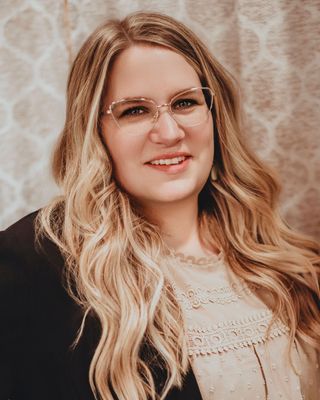
This isn’t just another 6 WEEK group about budgets and spreadsheets. It’s a space for women who are ready to... ^ Untangle stress and shame that can show up around money ^ Understand the “why” behind their financial habits ^ Learn how emotions and finances intertwine — and how to shift the story ^ Connect with other women who get it {{2026 EVENING Flourish Group Schedule}} BEGINS **Wednesday evenings, starting February 11th (may skip March 4th), ** April 1st, **September 9th,**Tuesday evenings, starting November 10th at 6:00 p.m. MT. There are 4 EVENING GROUP OFFERINGS.
Support group focused on learning about burnout management and connecting with yourself and others through it. Open to individuals between 18-26 years old. Each week we will get together to discuss what burnout is and how it impacts us. We will complete a grounding/mindfulness exercise, learn about a component of burnout, then reflect collaboratively. We hope to create a space to process through a variety of methods; shared discussions, games, art, reflective prompts, and meditations. Snacks and tea will be provided. The group will take place from March 25th - April 30th.

Hosted by Heather Weas
Licensed Clinical Professional Counselor, MS, PCLC
Group meets in Bozeman, MT 59715
Support group focused on learning about burnout management and connecting with yourself and others through it. Open to individuals between 18-26 years old. Each week we will get together to discuss what burnout is and how it impacts us. We will complete a grounding/mindfulness exercise, learn about a component of burnout, then reflect collaboratively. We hope to create a space to process through a variety of methods; shared discussions, games, art, reflective prompts, and meditations. Snacks and tea will be provided. The group will take place from March 25th - April 30th.
See more therapy options for Helena


FAQs - About Group Therapy and Support Groups
How can I find a support group in Helena?
To find a support group in your area, start by entering your city, zip code, or the name of the group into the search bar at the top of the page. When searching, consider whether you prefer an in-person or virtual group. This can help you decide how broad your geographic search should be. If you are open to virtual groups, you might want to search by state instead of just your city, especially if there are limited options nearby.
Once you complete your search, you can use the filters to narrow the results by selecting specialties (such as grief, trauma, or eating disorders), therapeutic approaches, age groups, and other criteria to find a group that best fits your needs.
Once you complete your search, you can use the filters to narrow the results by selecting specialties (such as grief, trauma, or eating disorders), therapeutic approaches, age groups, and other criteria to find a group that best fits your needs.
How does group therapy work?
Group therapy is led by one or more trained therapists and provides a space where participants can process their experiences and learn from others facing similar challenges. Groups may focus on a specific issue—such as addiction, grief, physical illnesses, parenting, or caregiving—or they may center around a particular therapeutic approach, such as Cognitive Behavioral Therapy (CBT), social skill development, or Exposure Therapy. Some groups are also designed for specific populations, such as teens, veterans, or LGBTQ+ individuals.
It’s also important to distinguish group therapy from peer-led support groups, like Alcoholics Anonymous. While both can offer valuable support, therapy groups are typically led by licensed professionals and follow a more structured format. Therapy groups often meet for a fixed length of time with a consistent group of members, while many peer support groups meet for an indefinite period of time with members coming and going.
It’s also important to distinguish group therapy from peer-led support groups, like Alcoholics Anonymous. While both can offer valuable support, therapy groups are typically led by licensed professionals and follow a more structured format. Therapy groups often meet for a fixed length of time with a consistent group of members, while many peer support groups meet for an indefinite period of time with members coming and going.
What are the benefits of group therapy?
Group therapy offers several important benefits. It brings together people facing similar challenges—whether related to mental health, physical health, or life transitions—and creates a supportive environment where participants can exchange feedback, share experiences, and learn from one another. Hearing different perspectives can help individuals discover new coping strategies and practical tools they may not have encountered on their own. Sharing personal experiences, such as coping with a serious illness or navigating family struggles, can also reduce feelings of isolation and foster a sense of connection and understanding. In addition to emotional support, group members often gain useful, real-world advice from peers who have faced similar situations.
Group therapy is typically more affordable than individual therapy and, for certain conditions, can be equally effective. Many groups also include structured activities—such as guided journaling, cognitive-behavioral exercises, or role-playing—to help participants develop concrete skills they can apply in daily life.
Group therapy is typically more affordable than individual therapy and, for certain conditions, can be equally effective. Many groups also include structured activities—such as guided journaling, cognitive-behavioral exercises, or role-playing—to help participants develop concrete skills they can apply in daily life.
Is group therapy as effective as individual therapy?
It is difficult to make a blanket statement about the effectiveness of support groups, as they vary widely in focus and the conditions they address. However, support groups can be highly valuable in helping individuals gain emotional support and achieve meaningful treatment outcomes. For certain conditions, such as substance use, research has shown that group therapy can be particularly effective—sometimes just as effective as individual therapy—in supporting long-term recovery.
Many professionals attribute the effectiveness of group therapy to the unique benefits of the group setting, which fosters peer-to-peer learning and a sense of connection through shared experiences. Group settings also offer accountability and encouragement from both facilitators and fellow participants, which helps sustain motivation and supports continued progress. These factors together play a key role in promoting the overall effectiveness of group therapy.
Many professionals attribute the effectiveness of group therapy to the unique benefits of the group setting, which fosters peer-to-peer learning and a sense of connection through shared experiences. Group settings also offer accountability and encouragement from both facilitators and fellow participants, which helps sustain motivation and supports continued progress. These factors together play a key role in promoting the overall effectiveness of group therapy.
How much does group therapy cost?
Group therapy is typically less expensive than individual therapy, with sessions typically costing between $50 and $75 each. In comparison, individual therapy can cost anywhere from $100 to $200 or more per session, even with insurance. Some therapists or organizations offer low-cost or free group therapy options, particularly through community centers or nonprofit organizations. In some cases, groups may require payment upfront for a set number of sessions, such as paying for six weekly sessions at the first meeting. However, many providers offer payment plans to help make participation more accessible if this upfront payment is required.
Does insurance cover group therapy?
As with individual therapy, insurance coverage for group therapy varies based on factors such as your specific insurance plan, the purpose of the group, your diagnosis, and whether the group provider is in-network. Many insurance plans cover group therapy sessions that address diagnosable mental health conditions, such as substance use disorders, anxiety, or depression.
However, groups that focus on topics not directly tied to a mental health diagnosis—such as parenting support or divorce recovery—are less likely to be covered. Because coverage can vary widely, it’s important to check with your insurance provider before joining a group to confirm whether the sessions will be covered and what out-of-pocket costs you may be responsible for.
However, groups that focus on topics not directly tied to a mental health diagnosis—such as parenting support or divorce recovery—are less likely to be covered. Because coverage can vary widely, it’s important to check with your insurance provider before joining a group to confirm whether the sessions will be covered and what out-of-pocket costs you may be responsible for.
How long does group therapy last?
The length of each group therapy session typically ranges from 45 minutes to two hours, depending on the therapy approach, the group’s goals, and how often the group meets. In some cases, group therapy is part of a larger treatment program, such as an Intensive Outpatient Program (IOP), where group sessions complement individual therapy and are scheduled as part of the program’s overall structure.
The duration of participation in a group also varies. Some groups are designed to be short-term, lasting anywhere from 6 to 24 weeks—for example, bereavement groups or skills-based groups like those using Dialectical Behavioral Therapy (DBT). Other groups may be longer-term, lasting a year or more, and some ongoing support groups meet indefinitely, allowing participants to stay as long as they find the group helpful.
The duration of participation in a group also varies. Some groups are designed to be short-term, lasting anywhere from 6 to 24 weeks—for example, bereavement groups or skills-based groups like those using Dialectical Behavioral Therapy (DBT). Other groups may be longer-term, lasting a year or more, and some ongoing support groups meet indefinitely, allowing participants to stay as long as they find the group helpful.
What are the limitations of support groups?
Support groups offer many benefits, but they also have certain limitations. Unlike therapy groups, many support groups do not provide formal therapeutic treatment and are not led by licensed mental health professionals. For individuals seeking clinical treatment for specific mental health diagnoses—such as depression, eating disorders, or substance use—individual therapy or group therapy led by a licensed professional may offer more personalized and specialized care.
The effectiveness of a support group also depends heavily on the group’s participants and the overall group dynamic. When members engage respectfully and offer constructive support, the group can foster valuable peer-to-peer learning. However, if certain participants dominate discussions, provide inaccurate advice, or create conflict, it can disrupt the group’s sense of safety and reduce its effectiveness. Confidentiality can also be harder to maintain in support groups, particularly in open groups where participants can join or leave at any time. With new members regularly entering the group, it can be more difficult to build and sustain a consistent sense of trust and privacy.
The effectiveness of a support group also depends heavily on the group’s participants and the overall group dynamic. When members engage respectfully and offer constructive support, the group can foster valuable peer-to-peer learning. However, if certain participants dominate discussions, provide inaccurate advice, or create conflict, it can disrupt the group’s sense of safety and reduce its effectiveness. Confidentiality can also be harder to maintain in support groups, particularly in open groups where participants can join or leave at any time. With new members regularly entering the group, it can be more difficult to build and sustain a consistent sense of trust and privacy.