Support Groups in Columbia, MO
MBCT is an evidence based group experience that can help you recover from depression or anxiety. The group has been shown to help most with severe depression, including people who have not seen benefit from medication. We'll work together to develop daily practices that help you connect with yourself and move toward a rich and emotionally balanced life. This group meets weekly for 8 weeks.

MBCT is an evidence based group experience that can help you recover from depression or anxiety. The group has been shown to help most with severe depression, including people who have not seen benefit from medication. We'll work together to develop daily practices that help you connect with yourself and move toward a rich and emotionally balanced life. This group meets weekly for 8 weeks.
Led by Jared Torbet, LPC, this group is designed for college students ages 18-26, and provides ongoing support & accountability throughout each semester to better promote academic success, improve school-life balance, and increase a sense of personal fulfillment. Us ADHDers tend to slack off, procrastinate, find something more fun than homework to do, and as a result, we fall behind, and experience the regrettable consequences. This group provides accountability via peer support. Throughout each semester, members will connect with one another both inside and outside of group, with a focus on understanding, acceptance, encouragement, accountability, and self-confidence.

Led by Jared Torbet, LPC, this group is designed for college students ages 18-26, and provides ongoing support & accountability throughout each semester to better promote academic success, improve school-life balance, and increase a sense of personal fulfillment. Us ADHDers tend to slack off, procrastinate, find something more fun than homework to do, and as a result, we fall behind, and experience the regrettable consequences. This group provides accountability via peer support. Throughout each semester, members will connect with one another both inside and outside of group, with a focus on understanding, acceptance, encouragement, accountability, and self-confidence.
Give your child a nostalgic summer camp experience in a safe, supportive environment led by Registered Play Therapists. Our camp focuses on building essential life skills through play, movement, and creativity. Schedule & Pricing When: Fridays in July (Starting July 10) Time: 8:00 AM – 12:00 PM Where: Kindred Collective Full Series (All 4 Sessions): $275 Single Session: $85 per Friday

Hosted by Ashlyn Gautam
Licensed Professional Counselor, LPC-S, RPT™
Group meets in Columbia, MO 65203
Give your child a nostalgic summer camp experience in a safe, supportive environment led by Registered Play Therapists. Our camp focuses on building essential life skills through play, movement, and creativity. Schedule & Pricing When: Fridays in July (Starting July 10) Time: 8:00 AM – 12:00 PM Where: Kindred Collective Full Series (All 4 Sessions): $275 Single Session: $85 per Friday
We are excited to bring to you Hold Me Tight Couples Workshops that will help you transform your relationship, strengthen the connection with your partner, and help you build intimacy and emotional connection in your relationship. Great relationships take work, and partners who are more secure in themselves and their relationship with their partner have better relationships. If you’re looking to improve your relationship and go deeper than just improving communication or love languages, this program is for you! DATES: July 15-16, 2022 and October 7-8, 2022 (2 day workshop)

We are excited to bring to you Hold Me Tight Couples Workshops that will help you transform your relationship, strengthen the connection with your partner, and help you build intimacy and emotional connection in your relationship. Great relationships take work, and partners who are more secure in themselves and their relationship with their partner have better relationships. If you’re looking to improve your relationship and go deeper than just improving communication or love languages, this program is for you! DATES: July 15-16, 2022 and October 7-8, 2022 (2 day workshop)
We have an opening for a man who wants to do men's work. This group is a safe, supportive, confidential, non-shaming environment where men share their thoughts and feelings. Patrick has been facilitating this group for 23 years. Call Patrick Kane to arrange a free interview. See website at www.heartlandcenterformenandwomen.com

We have an opening for a man who wants to do men's work. This group is a safe, supportive, confidential, non-shaming environment where men share their thoughts and feelings. Patrick has been facilitating this group for 23 years. Call Patrick Kane to arrange a free interview. See website at www.heartlandcenterformenandwomen.com
SMART Recovery is an evidence/research based approach for substance and activity dependencies. SMART is a secular, non-12 step program utilizing Rational Emotive Behavioral Therapy methods to help one change their thoughts of self-doubt, emotions and choices. There are also groups for Family & Friends of those with dependencies.

Hosted by Suzanne Opperman
Psychiatric Nurse Practitioner, PMHNP, CADC, CCTP-II
Group meets in Columbia, MO 65201
SMART Recovery is an evidence/research based approach for substance and activity dependencies. SMART is a secular, non-12 step program utilizing Rational Emotive Behavioral Therapy methods to help one change their thoughts of self-doubt, emotions and choices. There are also groups for Family & Friends of those with dependencies.
A Batterers’ Intervention Program (BIP) is a program that batterers attend, usually as part of the legal system response to domestic violence. A batterer may also attend a program voluntarily. A BIP has an important role in coordinated community response to domestic violence, and it is important that victim safety and offender accountability are primary goals of a BIP. Other goals may include education and awareness of the belief system that allows battering to occur. Court and Probation and Parole Approved.

A Batterers’ Intervention Program (BIP) is a program that batterers attend, usually as part of the legal system response to domestic violence. A batterer may also attend a program voluntarily. A BIP has an important role in coordinated community response to domestic violence, and it is important that victim safety and offender accountability are primary goals of a BIP. Other goals may include education and awareness of the belief system that allows battering to occur. Court and Probation and Parole Approved.
This is a therapeutic support group led by our psychologist, Samantha Chace, who is specialized in eating disorders. This group is for those in active recovery with a dietitian and therapist on their treatment team. All types of EDs are welcome. The age range is 18-35 years old. This group meets online in the evenings, once per week.

Hosted by Sarah Nonnenmacher
Licensed Clinical Professional Counselor, CEDS
Group meets in Columbia, MO 65203
This is a therapeutic support group led by our psychologist, Samantha Chace, who is specialized in eating disorders. This group is for those in active recovery with a dietitian and therapist on their treatment team. All types of EDs are welcome. The age range is 18-35 years old. This group meets online in the evenings, once per week.
We invite you to join us for an 8-week coaching group designed to support and equip you as you walk alongside those in your life who use drugs and alcohol, have an eating disorder, and/or live with mental illness. We will spend about an hour each week talking about what life is like in your world; how to change communication and behavior patterns, and how to live freely as you navigate substance use in those around you.

We invite you to join us for an 8-week coaching group designed to support and equip you as you walk alongside those in your life who use drugs and alcohol, have an eating disorder, and/or live with mental illness. We will spend about an hour each week talking about what life is like in your world; how to change communication and behavior patterns, and how to live freely as you navigate substance use in those around you.
Welcome to a circular breathing Breathwork class that focuses on releasing trauma in the body! This is a somatic experience led by a Licensed Counselor and focuses on clearing out emotions held in your body. It is currently being offered on scheduled Thursday evenings, 7-8pm. A yoga mat, water and blanket are recommended. Please email me if you are interested in attending a class. Please email with any questions @ spacetobloomllc@gmail.com. The class is $25 and you can sign up at spacetobloomllc.com
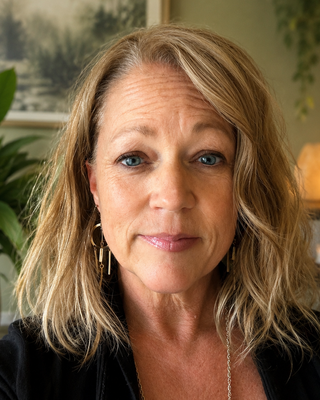
Welcome to a circular breathing Breathwork class that focuses on releasing trauma in the body! This is a somatic experience led by a Licensed Counselor and focuses on clearing out emotions held in your body. It is currently being offered on scheduled Thursday evenings, 7-8pm. A yoga mat, water and blanket are recommended. Please email me if you are interested in attending a class. Please email with any questions @ spacetobloomllc@gmail.com. The class is $25 and you can sign up at spacetobloomllc.com
Our mission is to create a safe place to be yourself, express your pain/frustration while increasing your understanding, tools, and social connections. This group is designed to empower professionals and thrive in a tasks-based world. This group is ideal for adults 18 yrs. old + and have been diagnosed OR suspect they have ADHD/ADD. Topics Include: Understanding Symptoms, Gain Personal Insight, Learn Effective Tools, Strategies & Resources, Navigating Professional & Workplace Concerns, Create Meaningful & Lasting Relationships. Currently, groups are Virtual to increase access + ease of connecting. Check out our website for more information! https://brave-mo.com/group-counseling

Hosted by Elizabeth Hocker
Licensed Professional Counselor, MEd, LPC
Group meets in Columbia, MO 65201
Our mission is to create a safe place to be yourself, express your pain/frustration while increasing your understanding, tools, and social connections. This group is designed to empower professionals and thrive in a tasks-based world. This group is ideal for adults 18 yrs. old + and have been diagnosed OR suspect they have ADHD/ADD. Topics Include: Understanding Symptoms, Gain Personal Insight, Learn Effective Tools, Strategies & Resources, Navigating Professional & Workplace Concerns, Create Meaningful & Lasting Relationships. Currently, groups are Virtual to increase access + ease of connecting. Check out our website for more information! https://brave-mo.com/group-counseling
This small group begins with a brief introduction to Breathwork and explanation of what happens to your body, your mind and emotionally! This type of breathwork was designed to bring up emotions held in the body. The next 20 minutes is fast-paced, guided breathwork followed by a releasing SCREAM. This class ends with 20 minutes of gratitude moments created to inspire centeredness and calm. Bring a yoga mat, blanket, journal (optional) and an open-mind. This class is guided the entire time. email spacetobloom@gmail.com or go online at spacetobloomllc.com to sign up.
This small group begins with a brief introduction to Breathwork and explanation of what happens to your body, your mind and emotionally! This type of breathwork was designed to bring up emotions held in the body. The next 20 minutes is fast-paced, guided breathwork followed by a releasing SCREAM. This class ends with 20 minutes of gratitude moments created to inspire centeredness and calm. Bring a yoga mat, blanket, journal (optional) and an open-mind. This class is guided the entire time. email spacetobloom@gmail.com or go online at spacetobloomllc.com to sign up.
Led by Jared Torbet, LPC, this group is designed for college students ages 18-26, and provides ongoing support & accountability throughout each semester to better promote academic success, improve school-life balance, and increase a sense of personal fulfillment. Us ADHDers tend to slack off, procrastinate, find something more fun than homework to do, and as a result, we fall behind, and experience the regrettable consequences. This group provides accountability via peer support. Throughout each semester, members will connect with one another both inside and outside of group, with a focus on understanding, acceptance, encouragement, accountability, and self-confidence.

Hosted by Jared Torbet
Licensed Professional Counselor, MEd, LPC, CC
Group meets in Columbia, MO 65203
Led by Jared Torbet, LPC, this group is designed for college students ages 18-26, and provides ongoing support & accountability throughout each semester to better promote academic success, improve school-life balance, and increase a sense of personal fulfillment. Us ADHDers tend to slack off, procrastinate, find something more fun than homework to do, and as a result, we fall behind, and experience the regrettable consequences. This group provides accountability via peer support. Throughout each semester, members will connect with one another both inside and outside of group, with a focus on understanding, acceptance, encouragement, accountability, and self-confidence.
Learn to handle anger effectively and use it in a productive manner. Trainings and education can be scheduled to fit your specific needs, including workplace safety. Separate curriculum is available for youth. 12 week courses as required by the state of Missouri for offenders. Course is approved by the Courts and Probation and Parole.
Learn to handle anger effectively and use it in a productive manner. Trainings and education can be scheduled to fit your specific needs, including workplace safety. Separate curriculum is available for youth. 12 week courses as required by the state of Missouri for offenders. Course is approved by the Courts and Probation and Parole.
SMART Recovery Family & Friends Meeting Through WWW.SMARTReocovery.org (register) then "ONLINE MEETINGS" to reach calendar. Go to MONDAY's 8:30 pm (CT) and click, takes you to meeting link, click again This MEETING ID: 943723807 Zoom Family & Friends Meeting Id#: 943723807 8:30p -10 pm CT
Hosted by Suzanne Opperman
Psychiatric Nurse Practitioner, PMHNP, CADC, CCTP-II
Group meets in Columbia, MO 65201
SMART Recovery Family & Friends Meeting Through WWW.SMARTReocovery.org (register) then "ONLINE MEETINGS" to reach calendar. Go to MONDAY's 8:30 pm (CT) and click, takes you to meeting link, click again This MEETING ID: 943723807 Zoom Family & Friends Meeting Id#: 943723807 8:30p -10 pm CT
This IN PERSON interpersonal process groups uses the concept of “schemas” or “parts” in helping members understand and express their internal experience and deal with internal conflicts. Many of the individuals who have taken part in this type of group in the past have had early trauma and/or neglect, vague or complex presenting concerns and issues that often go back to childhood. They also tend to have difficult relationships with their parents/families. If you are participating in individual therapy at our clinic or elsewhere, we recommend that you continue that work while participating in this group.

This IN PERSON interpersonal process groups uses the concept of “schemas” or “parts” in helping members understand and express their internal experience and deal with internal conflicts. Many of the individuals who have taken part in this type of group in the past have had early trauma and/or neglect, vague or complex presenting concerns and issues that often go back to childhood. They also tend to have difficult relationships with their parents/families. If you are participating in individual therapy at our clinic or elsewhere, we recommend that you continue that work while participating in this group.
Would you like to build a stronger, happier, and more secure relationship with your partner? This group guides you through the research from the Gottman Institute and experiences with your partner that will help you build your connection, communicate better, and manage conflicts. This group is ideal for couples at any stage of their relationship, but is not a replacement for couples therapy when significant conflicts/issues exist. Please reach out if you want guidance on if this is the right group for you.

Would you like to build a stronger, happier, and more secure relationship with your partner? This group guides you through the research from the Gottman Institute and experiences with your partner that will help you build your connection, communicate better, and manage conflicts. This group is ideal for couples at any stage of their relationship, but is not a replacement for couples therapy when significant conflicts/issues exist. Please reach out if you want guidance on if this is the right group for you.
Continuing Care is for past participants of The Intensive and/or supplemental groups offered at IMF Counseling. This group provides community support and skill-building strategies for you to utilize as you continue your personal work. Continuing Care incorporates SMART recovery tools, relational boundary guidelines, and group process work in a safe and flexible format.
Continuing Care is for past participants of The Intensive and/or supplemental groups offered at IMF Counseling. This group provides community support and skill-building strategies for you to utilize as you continue your personal work. Continuing Care incorporates SMART recovery tools, relational boundary guidelines, and group process work in a safe and flexible format.
Friends & Family is designed to support those who care for someone with a mental health or substance use concern. This 8 week group meets on Wednesdays 4:00-5:15 at IMF. Participants will learn how to care for self in the context of caring for others. Additionally, you will learn strategies for making small shifts in your relationship that can effectively help your loved one move toward change or maintain changes already made. The group offers a compassionate approach to supporting you and your loved one, teaches practical skills, and provides opportunity to work specifically on your individual concerns.
Friends & Family is designed to support those who care for someone with a mental health or substance use concern. This 8 week group meets on Wednesdays 4:00-5:15 at IMF. Participants will learn how to care for self in the context of caring for others. Additionally, you will learn strategies for making small shifts in your relationship that can effectively help your loved one move toward change or maintain changes already made. The group offers a compassionate approach to supporting you and your loved one, teaches practical skills, and provides opportunity to work specifically on your individual concerns.
This group focuses on understanding anxiety and building positive coping skills. Group sessions include peer support, psychoeducation, coping skills, and experiential learning.
This group focuses on understanding anxiety and building positive coping skills. Group sessions include peer support, psychoeducation, coping skills, and experiential learning.
See more therapy options for Columbia


FAQs - About Group Therapy and Support Groups
How can I find a support group in Columbia?
To find a support group in your area, start by entering your city, zip code, or the name of the group into the search bar at the top of the page. When searching, consider whether you prefer an in-person or virtual group. This can help you decide how broad your geographic search should be. If you are open to virtual groups, you might want to search by state instead of just your city, especially if there are limited options nearby.
Once you complete your search, you can use the filters to narrow the results by selecting specialties (such as grief, trauma, or eating disorders), therapeutic approaches, age groups, and other criteria to find a group that best fits your needs.
Once you complete your search, you can use the filters to narrow the results by selecting specialties (such as grief, trauma, or eating disorders), therapeutic approaches, age groups, and other criteria to find a group that best fits your needs.
How does group therapy work?
Group therapy is led by one or more trained therapists and provides a space where participants can process their experiences and learn from others facing similar challenges. Groups may focus on a specific issue—such as addiction, grief, physical illnesses, parenting, or caregiving—or they may center around a particular therapeutic approach, such as Cognitive Behavioral Therapy (CBT), social skill development, or Exposure Therapy. Some groups are also designed for specific populations, such as teens, veterans, or LGBTQ+ individuals.
It’s also important to distinguish group therapy from peer-led support groups, like Alcoholics Anonymous. While both can offer valuable support, therapy groups are typically led by licensed professionals and follow a more structured format. Therapy groups often meet for a fixed length of time with a consistent group of members, while many peer support groups meet for an indefinite period of time with members coming and going.
It’s also important to distinguish group therapy from peer-led support groups, like Alcoholics Anonymous. While both can offer valuable support, therapy groups are typically led by licensed professionals and follow a more structured format. Therapy groups often meet for a fixed length of time with a consistent group of members, while many peer support groups meet for an indefinite period of time with members coming and going.
What are the benefits of group therapy?
Group therapy offers several important benefits. It brings together people facing similar challenges—whether related to mental health, physical health, or life transitions—and creates a supportive environment where participants can exchange feedback, share experiences, and learn from one another. Hearing different perspectives can help individuals discover new coping strategies and practical tools they may not have encountered on their own. Sharing personal experiences, such as coping with a serious illness or navigating family struggles, can also reduce feelings of isolation and foster a sense of connection and understanding. In addition to emotional support, group members often gain useful, real-world advice from peers who have faced similar situations.
Group therapy is typically more affordable than individual therapy and, for certain conditions, can be equally effective. Many groups also include structured activities—such as guided journaling, cognitive-behavioral exercises, or role-playing—to help participants develop concrete skills they can apply in daily life.
Group therapy is typically more affordable than individual therapy and, for certain conditions, can be equally effective. Many groups also include structured activities—such as guided journaling, cognitive-behavioral exercises, or role-playing—to help participants develop concrete skills they can apply in daily life.
Is group therapy as effective as individual therapy?
It is difficult to make a blanket statement about the effectiveness of support groups, as they vary widely in focus and the conditions they address. However, support groups can be highly valuable in helping individuals gain emotional support and achieve meaningful treatment outcomes. For certain conditions, such as substance use, research has shown that group therapy can be particularly effective—sometimes just as effective as individual therapy—in supporting long-term recovery.
Many professionals attribute the effectiveness of group therapy to the unique benefits of the group setting, which fosters peer-to-peer learning and a sense of connection through shared experiences. Group settings also offer accountability and encouragement from both facilitators and fellow participants, which helps sustain motivation and supports continued progress. These factors together play a key role in promoting the overall effectiveness of group therapy.
Many professionals attribute the effectiveness of group therapy to the unique benefits of the group setting, which fosters peer-to-peer learning and a sense of connection through shared experiences. Group settings also offer accountability and encouragement from both facilitators and fellow participants, which helps sustain motivation and supports continued progress. These factors together play a key role in promoting the overall effectiveness of group therapy.
How much does group therapy cost?
Group therapy is typically less expensive than individual therapy, with sessions typically costing between $50 and $75 each. In comparison, individual therapy can cost anywhere from $100 to $200 or more per session, even with insurance. Some therapists or organizations offer low-cost or free group therapy options, particularly through community centers or nonprofit organizations. In some cases, groups may require payment upfront for a set number of sessions, such as paying for six weekly sessions at the first meeting. However, many providers offer payment plans to help make participation more accessible if this upfront payment is required.
Does insurance cover group therapy?
As with individual therapy, insurance coverage for group therapy varies based on factors such as your specific insurance plan, the purpose of the group, your diagnosis, and whether the group provider is in-network. Many insurance plans cover group therapy sessions that address diagnosable mental health conditions, such as substance use disorders, anxiety, or depression.
However, groups that focus on topics not directly tied to a mental health diagnosis—such as parenting support or divorce recovery—are less likely to be covered. Because coverage can vary widely, it’s important to check with your insurance provider before joining a group to confirm whether the sessions will be covered and what out-of-pocket costs you may be responsible for.
However, groups that focus on topics not directly tied to a mental health diagnosis—such as parenting support or divorce recovery—are less likely to be covered. Because coverage can vary widely, it’s important to check with your insurance provider before joining a group to confirm whether the sessions will be covered and what out-of-pocket costs you may be responsible for.
How long does group therapy last?
The length of each group therapy session typically ranges from 45 minutes to two hours, depending on the therapy approach, the group’s goals, and how often the group meets. In some cases, group therapy is part of a larger treatment program, such as an Intensive Outpatient Program (IOP), where group sessions complement individual therapy and are scheduled as part of the program’s overall structure.
The duration of participation in a group also varies. Some groups are designed to be short-term, lasting anywhere from 6 to 24 weeks—for example, bereavement groups or skills-based groups like those using Dialectical Behavioral Therapy (DBT). Other groups may be longer-term, lasting a year or more, and some ongoing support groups meet indefinitely, allowing participants to stay as long as they find the group helpful.
The duration of participation in a group also varies. Some groups are designed to be short-term, lasting anywhere from 6 to 24 weeks—for example, bereavement groups or skills-based groups like those using Dialectical Behavioral Therapy (DBT). Other groups may be longer-term, lasting a year or more, and some ongoing support groups meet indefinitely, allowing participants to stay as long as they find the group helpful.
What are the limitations of support groups?
Support groups offer many benefits, but they also have certain limitations. Unlike therapy groups, many support groups do not provide formal therapeutic treatment and are not led by licensed mental health professionals. For individuals seeking clinical treatment for specific mental health diagnoses—such as depression, eating disorders, or substance use—individual therapy or group therapy led by a licensed professional may offer more personalized and specialized care.
The effectiveness of a support group also depends heavily on the group’s participants and the overall group dynamic. When members engage respectfully and offer constructive support, the group can foster valuable peer-to-peer learning. However, if certain participants dominate discussions, provide inaccurate advice, or create conflict, it can disrupt the group’s sense of safety and reduce its effectiveness. Confidentiality can also be harder to maintain in support groups, particularly in open groups where participants can join or leave at any time. With new members regularly entering the group, it can be more difficult to build and sustain a consistent sense of trust and privacy.
The effectiveness of a support group also depends heavily on the group’s participants and the overall group dynamic. When members engage respectfully and offer constructive support, the group can foster valuable peer-to-peer learning. However, if certain participants dominate discussions, provide inaccurate advice, or create conflict, it can disrupt the group’s sense of safety and reduce its effectiveness. Confidentiality can also be harder to maintain in support groups, particularly in open groups where participants can join or leave at any time. With new members regularly entering the group, it can be more difficult to build and sustain a consistent sense of trust and privacy.