Support Groups in Roseville, MN
Brainspotting with Art is a 4-week telehealth group for adults that blends brainspotting with creative expression to support insight and healing. Each 90-minute session includes guided processing using a brainspot, followed by time to express your experience through drawing, painting, writing, or another medium of choice in a supportive, nonjudgmental space. No art experience needed. Meets Thursdays 5:30–7 p.m.

Hosted by Lucy Stewart
Clinical Social Work/Therapist, LICSW, MSW, PMH-C
Group meets in Roseville, MN 55113
Brainspotting with Art is a 4-week telehealth group for adults that blends brainspotting with creative expression to support insight and healing. Each 90-minute session includes guided processing using a brainspot, followed by time to express your experience through drawing, painting, writing, or another medium of choice in a supportive, nonjudgmental space. No art experience needed. Meets Thursdays 5:30–7 p.m.
Helping men get unstuck. Real therapy for real change. Individual and couple's counseling.

Hosted by Adam Wick
Licensed Professional Clinical Counselor, LPCC, LADC, CSAT
Group meets in Roseville, MN 55113
Helping men get unstuck. Real therapy for real change. Individual and couple's counseling.
We offer two Tuesday groups: 11:00am-1:00pm, and 5:00-7:00pm. Omni Mental Health's DBT program consists of weekly group and individual therapy. In DBT skills group, patients learn coping skills to manage emotional distress and relationship concerns. This group is a hybrid group where some individuals attend in person, and others join via telehealth.

We offer two Tuesday groups: 11:00am-1:00pm, and 5:00-7:00pm. Omni Mental Health's DBT program consists of weekly group and individual therapy. In DBT skills group, patients learn coping skills to manage emotional distress and relationship concerns. This group is a hybrid group where some individuals attend in person, and others join via telehealth.
Omni Mental Health's DBT program consists of weekly group and individual therapy. In DBT skills group, patients learn coping skills to manage emotional distress and relationship concerns. This group is a hybrid group where some individuals attend in person, and others join via telehealth.
Omni Mental Health's DBT program consists of weekly group and individual therapy. In DBT skills group, patients learn coping skills to manage emotional distress and relationship concerns. This group is a hybrid group where some individuals attend in person, and others join via telehealth.
Omni Mental Health's DBT program consists of weekly group and individual therapy. In DBT skills group, patients learn coping skills to manage emotional distress and relationship concerns. This group is a hybrid group where some individuals attend in person, and others join via telehealth.
Omni Mental Health's DBT program consists of weekly group and individual therapy. In DBT skills group, patients learn coping skills to manage emotional distress and relationship concerns. This group is a hybrid group where some individuals attend in person, and others join via telehealth.
More Groups Nearby
Planting Seeds Recovery offers aviation (pilots, aviation students, air traffic controllers, etc.) specific aftercare process groups that meet the requirements for the HIMS program and FAA. Currently, we are meeting via telehealth and offer flexible scheduling to meet your specific needs.

Planting Seeds Recovery offers aviation (pilots, aviation students, air traffic controllers, etc.) specific aftercare process groups that meet the requirements for the HIMS program and FAA. Currently, we are meeting via telehealth and offer flexible scheduling to meet your specific needs.
Tools, Confidence & Connection. At Lilium Center, we know that teens with ADHD experience the world differently—often with incredible creativity, intensity, and drive, but also with unique challenges around focus, emotion, and motivation. Our Empowered with ADHD group is designed to support teens 14+ in building real-world skills while cultivating confidence, connection, and self-understanding. Reserve a spot ! https://forms.gle/wdjLJue5EeoMxgqU7 We will get you connected!

Tools, Confidence & Connection. At Lilium Center, we know that teens with ADHD experience the world differently—often with incredible creativity, intensity, and drive, but also with unique challenges around focus, emotion, and motivation. Our Empowered with ADHD group is designed to support teens 14+ in building real-world skills while cultivating confidence, connection, and self-understanding. Reserve a spot ! https://forms.gle/wdjLJue5EeoMxgqU7 We will get you connected!
Our integrative psychiatric providers work collaboratively with their client’s care team to promote mental health and wellness. They approach each client holistically by assessing their physical health, current symptoms, and life stressors. Our nurse practitioners pride themselves on whole-body wellness. They take ample time with you to assess and understand your individual needs and may provide coaching for healthy life-style choices. In addition to or in place of medication, they may suggest alternative treatments such as vitamin supplements, nutritional suggestions, exercise, mind-body therapies, or aromatherapy, to get you back to feeling...SIMPLY WHOLE.

Hosted by Serenity Behavioral Health & Wellness LLC
Psychologist, PsyD, LP
Group meets in Savage, MN 55378
Our integrative psychiatric providers work collaboratively with their client’s care team to promote mental health and wellness. They approach each client holistically by assessing their physical health, current symptoms, and life stressors. Our nurse practitioners pride themselves on whole-body wellness. They take ample time with you to assess and understand your individual needs and may provide coaching for healthy life-style choices. In addition to or in place of medication, they may suggest alternative treatments such as vitamin supplements, nutritional suggestions, exercise, mind-body therapies, or aromatherapy, to get you back to feeling...SIMPLY WHOLE.
Elite Recovery is an Intensive Outpatient (IOP) and Outpatient (OP) addiction treatment program based in the Twin Cities of Minneapolis and St. Paul. We offer integrated treatment to adult males, 18 years and older who struggle with substance abuse and mental health issues. Addiction Treatment Approaches :Cognitive behavioral therapy (CBT,) Addiction treatment counseling therapy, Trauma skills groups, Access to appointments with MAT providers, Brief intervention approach, Contingency management/motivational incentive, Motivational interviewing, Counseling for anger management, Minnesota Matrix Model, Relapse prevention planning

Hosted by Elite Recovery Outpatient Treatment Center
Treatment Center
Group meets in Saint Paul, MN 55105
Elite Recovery is an Intensive Outpatient (IOP) and Outpatient (OP) addiction treatment program based in the Twin Cities of Minneapolis and St. Paul. We offer integrated treatment to adult males, 18 years and older who struggle with substance abuse and mental health issues. Addiction Treatment Approaches :Cognitive behavioral therapy (CBT,) Addiction treatment counseling therapy, Trauma skills groups, Access to appointments with MAT providers, Brief intervention approach, Contingency management/motivational incentive, Motivational interviewing, Counseling for anger management, Minnesota Matrix Model, Relapse prevention planning
“The role of the artist is exactly the same as the role of the lover. If I love you, I have to make you conscious of the things you don’t see.” ? James Baldwin. Curiosities we may explore: what do I want people to know about me, my experience, my art? what are the barriers? How does my creative process inform my process of becoming aware of what I am not conscious of, support this and/ or extend this to others? **This is a support group, not a therapy group. please reach out with any questions

“The role of the artist is exactly the same as the role of the lover. If I love you, I have to make you conscious of the things you don’t see.” ? James Baldwin. Curiosities we may explore: what do I want people to know about me, my experience, my art? what are the barriers? How does my creative process inform my process of becoming aware of what I am not conscious of, support this and/ or extend this to others? **This is a support group, not a therapy group. please reach out with any questions
Pinnacle Behavioral Healthcare provides a comprehensive service for individuals with a variety of psychiatric and psychological problems. We welcome new patients and accept referrals from various sources. We provide assessments and evaluations of mental illnesses, Crisis management, Medication management, Individual and group psychotherapy (talking through problems). Our psychiatric providers will help you understand your mental health condition by carrying out comprehensive diagnostic assessments that result in an individualized treatment plan, which may include medication management, and psychotherapy. We have experienced therapists that provide individual therapy, couples/marriage therapy and family therapy. They will work with you to resolve life's problems that contribute to illnesses.

Pinnacle Behavioral Healthcare provides a comprehensive service for individuals with a variety of psychiatric and psychological problems. We welcome new patients and accept referrals from various sources. We provide assessments and evaluations of mental illnesses, Crisis management, Medication management, Individual and group psychotherapy (talking through problems). Our psychiatric providers will help you understand your mental health condition by carrying out comprehensive diagnostic assessments that result in an individualized treatment plan, which may include medication management, and psychotherapy. We have experienced therapists that provide individual therapy, couples/marriage therapy and family therapy. They will work with you to resolve life's problems that contribute to illnesses.
Identity is a journey—sometimes magical, sometimes messy, always uniquely yours. This group is a colorful, comfy space to explore who you are across sexuality, race, gender, culture, and all the intersections that make you *you*. This group is targeted for young adults questioning, exploring, redefining, reinventing; holding multiple identities and wanting a space that gets it; and looking for community vibes + real talk. We dive into intersectional identity, family and cultural expectations, confidence and self-love, relationships and boundaries, stress, bias, and life transitions.
Identity is a journey—sometimes magical, sometimes messy, always uniquely yours. This group is a colorful, comfy space to explore who you are across sexuality, race, gender, culture, and all the intersections that make you *you*. This group is targeted for young adults questioning, exploring, redefining, reinventing; holding multiple identities and wanting a space that gets it; and looking for community vibes + real talk. We dive into intersectional identity, family and cultural expectations, confidence and self-love, relationships and boundaries, stress, bias, and life transitions.
This ongoing monthly support group offers a supportive and validating space for adult children of emotionally immature parents to share experiences, connect authentically, and continue healing with people who actually get it. | Group meets monthly on the 1st Thursday of each month from 12 - 1pm CST. Cost is $40/session with discount for BIPOC and LGBTQIA+ communities. | Free 15-minute consult required to join.
This ongoing monthly support group offers a supportive and validating space for adult children of emotionally immature parents to share experiences, connect authentically, and continue healing with people who actually get it. | Group meets monthly on the 1st Thursday of each month from 12 - 1pm CST. Cost is $40/session with discount for BIPOC and LGBTQIA+ communities. | Free 15-minute consult required to join.
Join me, a certified Mad to Glad educator, as we embark on a journey to develop and practice new skills that will empower you to manage your relationship with your child. While many parenting programs, books, and even helpful families and friends may not have the specific training to address children with intense emotions, this course is different. It will equip you with the tools to make meaningful changes in your relationship with your child.

Hosted by Heidi Dummer
Clinical Social Work/Therapist, LICSW, OTR/L
Group meets in Richfield, MN 55423
Join me, a certified Mad to Glad educator, as we embark on a journey to develop and practice new skills that will empower you to manage your relationship with your child. While many parenting programs, books, and even helpful families and friends may not have the specific training to address children with intense emotions, this course is different. It will equip you with the tools to make meaningful changes in your relationship with your child.
Group is discontinued until further notice as of 3/1/20. End Procrastination by attending this group! This is a 6 consecutive week group,excluding holidays. There is an option for continuing or follow-up groups. The group is kept small, 5-6 members, to allow for more individual attention. Insurance usually covers group therapy. Please verify with your insurance. Register now, Call or text (612) 716-1721. Group to start July, 2019. May be combined with other groups as Women's Support Group.

Group is discontinued until further notice as of 3/1/20. End Procrastination by attending this group! This is a 6 consecutive week group,excluding holidays. There is an option for continuing or follow-up groups. The group is kept small, 5-6 members, to allow for more individual attention. Insurance usually covers group therapy. Please verify with your insurance. Register now, Call or text (612) 716-1721. Group to start July, 2019. May be combined with other groups as Women's Support Group.
Therapist Tools is a series of experiences to help therapists build on knowledge, skills and capacity for working with individuals, couples and family systems. Therapy tools is available to individuals and small groups. Experiences can be customized to meet varying needs. Up to 12 CEU's are available. Workshop sections include the following: Knowing Me - Knowing You - Understanding Personality Preference In Couples; Couples Conflict -Exploring the Me, WE and Us; The Essence of Trust - Creating Deeper Trust In Self and Others; Therapist As Leader - In Person, in Private, In Community; Personality, Conflict and Trust - Exploring Team Dynamics.
Hosted by NuVyb Consulting
Marriage & Family Therapist, MA, LMFT
Group meets in Saint Paul, MN 55102
Therapist Tools is a series of experiences to help therapists build on knowledge, skills and capacity for working with individuals, couples and family systems. Therapy tools is available to individuals and small groups. Experiences can be customized to meet varying needs. Up to 12 CEU's are available. Workshop sections include the following: Knowing Me - Knowing You - Understanding Personality Preference In Couples; Couples Conflict -Exploring the Me, WE and Us; The Essence of Trust - Creating Deeper Trust In Self and Others; Therapist As Leader - In Person, in Private, In Community; Personality, Conflict and Trust - Exploring Team Dynamics.
GREAT Group to get your weekend started off right! Client should be in some stage of recovery and willing to challenge and be challenged when others notice their ED present in group. Eating in group encouraged. Higher level of care history helpful in regards to norms, expectations, and language.
GREAT Group to get your weekend started off right! Client should be in some stage of recovery and willing to challenge and be challenged when others notice their ED present in group. Eating in group encouraged. Higher level of care history helpful in regards to norms, expectations, and language.
Group with DBT-PTSD Specialists in Plymouth, MN. For individuals that have been through DBT programming previously. Learning how to implement skills into real world examples from group participants. Mindfulness exercise practice.
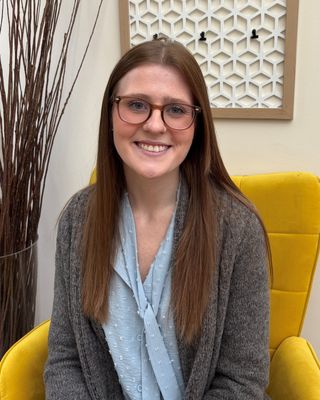
Group with DBT-PTSD Specialists in Plymouth, MN. For individuals that have been through DBT programming previously. Learning how to implement skills into real world examples from group participants. Mindfulness exercise practice.
This virtual group is a space for trans and nonbinary adults to explore their identities, learn together, and build community. We'll decide the topics as a group, so I can't guarantee what will be discussed- only that you'll get to decide what parts of your experience as a trans/nonbinary/exploring person you want to dive into. The group runs for 8 weeks and is offered in the spring and fall (for now- I may offer a summer or winter group if there's interest!). Private pay only- $35 a session for a total cost of $280.

This virtual group is a space for trans and nonbinary adults to explore their identities, learn together, and build community. We'll decide the topics as a group, so I can't guarantee what will be discussed- only that you'll get to decide what parts of your experience as a trans/nonbinary/exploring person you want to dive into. The group runs for 8 weeks and is offered in the spring and fall (for now- I may offer a summer or winter group if there's interest!). Private pay only- $35 a session for a total cost of $280.
This recovery group is for LGBTQIA+ folks maintaining sobriety in their own way who want additional mental health support. All recovery pathways are respected but must be abstinent from active problematic substance use. ***Individual & family/relational sessions available as needed ***Medication management referral support
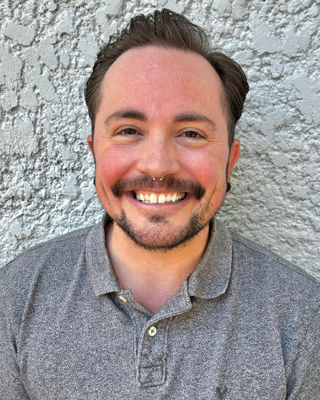
Hosted by Cade Arthur Finn
Marriage & Family Therapist, MA, LMFT, LADC
Group meets in Minneapolis, MN 55408
This recovery group is for LGBTQIA+ folks maintaining sobriety in their own way who want additional mental health support. All recovery pathways are respected but must be abstinent from active problematic substance use. ***Individual & family/relational sessions available as needed ***Medication management referral support
See more therapy options for Roseville


FAQs - About Group Therapy and Support Groups
How can I find a support group in Roseville?
To find a support group in your area, start by entering your city, zip code, or the name of the group into the search bar at the top of the page. When searching, consider whether you prefer an in-person or virtual group. This can help you decide how broad your geographic search should be. If you are open to virtual groups, you might want to search by state instead of just your city, especially if there are limited options nearby.
Once you complete your search, you can use the filters to narrow the results by selecting specialties (such as grief, trauma, or eating disorders), therapeutic approaches, age groups, and other criteria to find a group that best fits your needs.
How does group therapy work?
Group therapy is led by one or more trained therapists and provides a space where participants can process their experiences and learn from others facing similar challenges. Groups may focus on a specific issue—such as addiction, grief, physical illnesses, parenting, or caregiving—or they may center around a particular therapeutic approach, such as Cognitive Behavioral Therapy (CBT), social skill development, or Exposure Therapy. Some groups are also designed for specific populations, such as teens, veterans, or LGBTQ+ individuals.
It’s also important to distinguish group therapy from peer-led support groups, like Alcoholics Anonymous. While both can offer valuable support, therapy groups are typically led by licensed professionals and follow a more structured format. Therapy groups often meet for a fixed length of time with a consistent group of members, while many peer support groups meet for an indefinite period of time with members coming and going.
What are the benefits of group therapy?
Group therapy offers several important benefits. It brings together people facing similar challenges—whether related to mental health, physical health, or life transitions—and creates a supportive environment where participants can exchange feedback, share experiences, and learn from one another. Hearing different perspectives can help individuals discover new coping strategies and practical tools they may not have encountered on their own. Sharing personal experiences, such as coping with a serious illness or navigating family struggles, can also reduce feelings of isolation and foster a sense of connection and understanding. In addition to emotional support, group members often gain useful, real-world advice from peers who have faced similar situations.
Group therapy is typically more affordable than individual therapy and, for certain conditions, can be equally effective. Many groups also include structured activities—such as guided journaling, cognitive-behavioral exercises, or role-playing—to help participants develop concrete skills they can apply in daily life.
Is group therapy as effective as individual therapy?
It is difficult to make a blanket statement about the effectiveness of support groups, as they vary widely in focus and the conditions they address. However, support groups can be highly valuable in helping individuals gain emotional support and achieve meaningful treatment outcomes. For certain conditions, such as substance use, research has shown that group therapy can be particularly effective—sometimes just as effective as individual therapy—in supporting long-term recovery.
Many professionals attribute the effectiveness of group therapy to the unique benefits of the group setting, which fosters peer-to-peer learning and a sense of connection through shared experiences. Group settings also offer accountability and encouragement from both facilitators and fellow participants, which helps sustain motivation and supports continued progress. These factors together play a key role in promoting the overall effectiveness of group therapy.
How much does group therapy cost?
Group therapy is typically less expensive than individual therapy, with sessions typically costing between $50 and $75 each. In comparison, individual therapy can cost anywhere from $100 to $200 or more per session, even with insurance. Some therapists or organizations offer low-cost or free group therapy options, particularly through community centers or nonprofit organizations. In some cases, groups may require payment upfront for a set number of sessions, such as paying for six weekly sessions at the first meeting. However, many providers offer payment plans to help make participation more accessible if this upfront payment is required.
Does insurance cover group therapy?
As with individual therapy, insurance coverage for group therapy varies based on factors such as your specific insurance plan, the purpose of the group, your diagnosis, and whether the group provider is in-network. Many insurance plans cover group therapy sessions that address diagnosable mental health conditions, such as substance use disorders, anxiety, or depression.
However, groups that focus on topics not directly tied to a mental health diagnosis—such as parenting support or divorce recovery—are less likely to be covered. Because coverage can vary widely, it’s important to check with your insurance provider before joining a group to confirm whether the sessions will be covered and what out-of-pocket costs you may be responsible for.
How long does group therapy last?
The length of each group therapy session typically ranges from 45 minutes to two hours, depending on the therapy approach, the group’s goals, and how often the group meets. In some cases, group therapy is part of a larger treatment program, such as an Intensive Outpatient Program (IOP), where group sessions complement individual therapy and are scheduled as part of the program’s overall structure.
The duration of participation in a group also varies. Some groups are designed to be short-term, lasting anywhere from 6 to 24 weeks—for example, bereavement groups or skills-based groups like those using Dialectical Behavioral Therapy (DBT). Other groups may be longer-term, lasting a year or more, and some ongoing support groups meet indefinitely, allowing participants to stay as long as they find the group helpful.
What are the limitations of support groups?
Support groups offer many benefits, but they also have certain limitations. Unlike therapy groups, many support groups do not provide formal therapeutic treatment and are not led by licensed mental health professionals. For individuals seeking clinical treatment for specific mental health diagnoses—such as depression, eating disorders, or substance use—individual therapy or group therapy led by a licensed professional may offer more personalized and specialized care.
The effectiveness of a support group also depends heavily on the group’s participants and the overall group dynamic. When members engage respectfully and offer constructive support, the group can foster valuable peer-to-peer learning. However, if certain participants dominate discussions, provide inaccurate advice, or create conflict, it can disrupt the group’s sense of safety and reduce its effectiveness. Confidentiality can also be harder to maintain in support groups, particularly in open groups where participants can join or leave at any time. With new members regularly entering the group, it can be more difficult to build and sustain a consistent sense of trust and privacy.