Support Groups in Maplewood, MN
Maplewood Psychology has been recognized as one of the top 10 best psychology clinics in Minnesota, providing quality mental health services since 1984.

Maplewood Psychology has been recognized as one of the top 10 best psychology clinics in Minnesota, providing quality mental health services since 1984.
More Groups Nearby
Balfour Therapy offers weekly Diversity Group meeting. This is a group where participants discuss and process issues of marginalization and racism we face in our lives. We offer an adult group. And we offer a teen group.

Hosted by Balfour Therapy
Clinical Social Work/Therapist, LICSW
Group meets in Minneapolis, MN 55410
Balfour Therapy offers weekly Diversity Group meeting. This is a group where participants discuss and process issues of marginalization and racism we face in our lives. We offer an adult group. And we offer a teen group.
Train the Mind. Master the Moment. This 8-week therapy group equips high-performing teens with science-backed, sports psychology-based tools to manage anxiety, regulate emotions, and perform with calm confidence—on and off the field. Blending sports psychology with evidence-based mental health strategies, this group helps teens reduce anxiety, sharpen focus, and build lasting resilience. Teens will learn how to recover from setbacks, stay grounded under pressure, and thrive in high-stakes moments. This group runs Tues @ 3PM ?Edina and Thursdays 6PM in ?St Paul Reserve a spot today! https://forms.gle/wdjLJue5EeoMxgqU7

Train the Mind. Master the Moment. This 8-week therapy group equips high-performing teens with science-backed, sports psychology-based tools to manage anxiety, regulate emotions, and perform with calm confidence—on and off the field. Blending sports psychology with evidence-based mental health strategies, this group helps teens reduce anxiety, sharpen focus, and build lasting resilience. Teens will learn how to recover from setbacks, stay grounded under pressure, and thrive in high-stakes moments. This group runs Tues @ 3PM ?Edina and Thursdays 6PM in ?St Paul Reserve a spot today! https://forms.gle/wdjLJue5EeoMxgqU7
Learn and practice meditation and yoga In a supportive group setting from specially trained and trauma-informed therapists and body-work professionals. The approach is particularly gentle and responsive to the needs of the individual. All levels of experience and all ages 14 and up welcome.

Learn and practice meditation and yoga In a supportive group setting from specially trained and trauma-informed therapists and body-work professionals. The approach is particularly gentle and responsive to the needs of the individual. All levels of experience and all ages 14 and up welcome.
This is a 4 week online group beginning 10/26/26. When the world feels overwhelming, your nervous system deserves care, compassion, and connection. In this space, you are not expected to “push through” or have it all figured out. We gather to gently process what we’re carrying — together. Using somatic awareness and body-based practices, we’ll focus on supporting nervous system regulation; practical anxiety management; building emotional resilience and capacity; reconnecting with a sense of agency and empowerment Each session invites you to find a gentle focus on connection and belonging, helping you to feel more anchored.

This is a 4 week online group beginning 10/26/26. When the world feels overwhelming, your nervous system deserves care, compassion, and connection. In this space, you are not expected to “push through” or have it all figured out. We gather to gently process what we’re carrying — together. Using somatic awareness and body-based practices, we’ll focus on supporting nervous system regulation; practical anxiety management; building emotional resilience and capacity; reconnecting with a sense of agency and empowerment Each session invites you to find a gentle focus on connection and belonging, helping you to feel more anchored.
At Healing Connections, our extensive experience and qualifications in Dialectical Behavior Therapy (DBT) forms the basis for virtually all of our programs. Developed to help clients who are experiencing significant life stressors and those who have difficulty regulating emotions, thinking patterns, behaviors, relationships, and their self-concept, DBT Life Skills focuses on acceptance and understanding. Our DBT therapists specialize in using mindfulness to accomplish these goals, allowing new patterns of thinking, feeling, and acting to emerge. We offer a variety of days and times for our Life Skills groups. Please contact our office for more details.

Hosted by Healing Connections Therapy Center
Psychologist, MSEd, LP
Group meets in Burnsville, MN 55306
At Healing Connections, our extensive experience and qualifications in Dialectical Behavior Therapy (DBT) forms the basis for virtually all of our programs. Developed to help clients who are experiencing significant life stressors and those who have difficulty regulating emotions, thinking patterns, behaviors, relationships, and their self-concept, DBT Life Skills focuses on acceptance and understanding. Our DBT therapists specialize in using mindfulness to accomplish these goals, allowing new patterns of thinking, feeling, and acting to emerge. We offer a variety of days and times for our Life Skills groups. Please contact our office for more details.
Yoga Calm is a program that teaches children how to calm their own body and better regulate their emotions as well as learn pro-social behavior and skills.
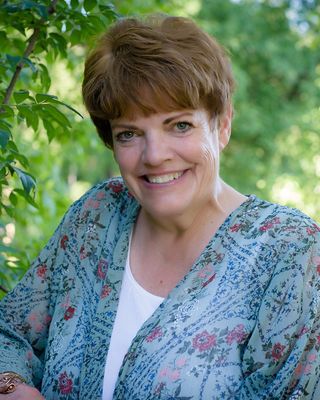
Hosted by Lynn M Marrs
Clinical Social Work/Therapist, L, I, C, S, W
Group meets in Maple Grove, MN 55311
Yoga Calm is a program that teaches children how to calm their own body and better regulate their emotions as well as learn pro-social behavior and skills.
Is your journey towards motherhood disrupted by infertility? Does your experience of infertility have you feeling overwhelmed, anxious, lonely, or hopeless? The NEST's Infertility Process Group, with Dr. Alise Novak will provide a safe and nurturing space to join other women impacted by the trauma of infertility. The group is designed to support women and access knowledge and information to assist in decision making, improve understanding of the impact of infertility on emotional well-being and relationships, and learn adaptive coping strategies. You will also receive non-judgmental support, encouragement, and connection to work towards healing and well-being.
Is your journey towards motherhood disrupted by infertility? Does your experience of infertility have you feeling overwhelmed, anxious, lonely, or hopeless? The NEST's Infertility Process Group, with Dr. Alise Novak will provide a safe and nurturing space to join other women impacted by the trauma of infertility. The group is designed to support women and access knowledge and information to assist in decision making, improve understanding of the impact of infertility on emotional well-being and relationships, and learn adaptive coping strategies. You will also receive non-judgmental support, encouragement, and connection to work towards healing and well-being.
3 person session

3 person session
Thrive Therapy provides a safe place to address the personal circumstances in your life. Thrive’s therapists and counselors are kind, approachable and professional. Creating a setting that promotes acceptance and allows you to openly explore your current trials without fear of criticism. Whether you are looking for support in managing your feelings of anxiety, struggling with your self-confidence or identity, determining the status of your relationship, speaking up for yourself, facing your addictions or recuperating from past trauma or personal loss, Thrive Therapy can help.

Hosted by Sam Secord
Marriage & Family Therapist, MA, LMFT, LADC
Group meets in Burnsville, MN 55337
Thrive Therapy provides a safe place to address the personal circumstances in your life. Thrive’s therapists and counselors are kind, approachable and professional. Creating a setting that promotes acceptance and allows you to openly explore your current trials without fear of criticism. Whether you are looking for support in managing your feelings of anxiety, struggling with your self-confidence or identity, determining the status of your relationship, speaking up for yourself, facing your addictions or recuperating from past trauma or personal loss, Thrive Therapy can help.
We are hosting a new support group focused on men and relationships. It would fit a variety of men going through change that may take place early in life or late in life. We are trying to support men as they explore who they are as they face new commitments, different stressors and learn how to care of themselves, advocate for what they need in a healthy way. Our vision is oriented towards men building new relationships more so than grieving a divorce but we happy to talk to you if you are unsure it would be a fit.

Hosted by Joel Grostephan
Clinical Social Work/Therapist, MSW, LICSW
Group meets in Saint Paul, MN 55108
We are hosting a new support group focused on men and relationships. It would fit a variety of men going through change that may take place early in life or late in life. We are trying to support men as they explore who they are as they face new commitments, different stressors and learn how to care of themselves, advocate for what they need in a healthy way. Our vision is oriented towards men building new relationships more so than grieving a divorce but we happy to talk to you if you are unsure it would be a fit.
We are a clinic full of highly skilled and empathic practitioners who serve infants, children, teens and adults. Our child practitioners are RPTs (Registered Play Therapists) or those under supervision seeking that high level credential for work with children and families. Our teen and adult practitioners are trauma informed and highly skilled in many modalities. We also have staff trained in couple's work and parent support both in person and telehealth. Please visit our website www.beginningsandbeyondmn.com and look at our make an appointment page for current openings.

Hosted by Beginnings and Beyond Counseling
Clinical Social Work/Therapist, MSW, LICSW, RPT-S, SEP
Group meets in Edina, MN 55436
We are a clinic full of highly skilled and empathic practitioners who serve infants, children, teens and adults. Our child practitioners are RPTs (Registered Play Therapists) or those under supervision seeking that high level credential for work with children and families. Our teen and adult practitioners are trauma informed and highly skilled in many modalities. We also have staff trained in couple's work and parent support both in person and telehealth. Please visit our website www.beginningsandbeyondmn.com and look at our make an appointment page for current openings.
Our evening outpatient groups meet Mondays & Wednesdays, 5:00–8:00 PM, and Thursdays from 5:00–7:00 PM for added flexibility. Individual counseling is scheduled by appointment outside group hours to fit work, school, and family commitments. Services include evidence-based therapy, recovery planning, peer support, care coordination, and medication-assisted treatment (as appropriate), delivered by licensed clinicians and recovery professionals. Ideal for those stepping down from higher levels of care or starting with structured support in the evenings.
Hosted by Sage Prairie Treatment Center Eagan
Treatment Center, RN, MSN, CARN, LADC
Group meets in Eagan, MN 55122
Our evening outpatient groups meet Mondays & Wednesdays, 5:00–8:00 PM, and Thursdays from 5:00–7:00 PM for added flexibility. Individual counseling is scheduled by appointment outside group hours to fit work, school, and family commitments. Services include evidence-based therapy, recovery planning, peer support, care coordination, and medication-assisted treatment (as appropriate), delivered by licensed clinicians and recovery professionals. Ideal for those stepping down from higher levels of care or starting with structured support in the evenings.
Ainga offers comprehensive, culturally responsive counseling services designed to support individuals and families across every stage of healing. Group sessions focus on community connection, emotional wellness, and skill-building, providing safe spaces for growth and peer support. Family counseling strengthens relationships through guided communication and trauma-informed approaches. Individual counseling empowers clients with personalized strategies to navigate life challenges and build resilience. For those impacted by substance use, Ainga provides structured, compassionate support tailored to recovery and harm reduction. With a deep commitment to honoring identity and fostering resilience, Ainga’s services promote holistic wellness and long-term transformation.
Hosted by Ainga Mental Health and Consulting
Clinical Social Work/Therapist, LICSW, LPCC, LADC, LMFT
Group meets in Minneapolis, MN 55429
Ainga offers comprehensive, culturally responsive counseling services designed to support individuals and families across every stage of healing. Group sessions focus on community connection, emotional wellness, and skill-building, providing safe spaces for growth and peer support. Family counseling strengthens relationships through guided communication and trauma-informed approaches. Individual counseling empowers clients with personalized strategies to navigate life challenges and build resilience. For those impacted by substance use, Ainga provides structured, compassionate support tailored to recovery and harm reduction. With a deep commitment to honoring identity and fostering resilience, Ainga’s services promote holistic wellness and long-term transformation.
At Lachlan, we believe therapy can be more than working through what’s hard—it can be a space for discovery, inspiration, and meaningful change. We’re here for the heartbreaks and the challenges, offering a steady hand through the tough moments. But we’re also here to nurture hope, to help you reconnect with your strength, and to rediscover a deeper sense of who you are and where you’re headed. We’re here to help you build a life that feels truly your own—clear, connected, and full of possibility.

At Lachlan, we believe therapy can be more than working through what’s hard—it can be a space for discovery, inspiration, and meaningful change. We’re here for the heartbreaks and the challenges, offering a steady hand through the tough moments. But we’re also here to nurture hope, to help you reconnect with your strength, and to rediscover a deeper sense of who you are and where you’re headed. We’re here to help you build a life that feels truly your own—clear, connected, and full of possibility.
Many people throughout the years have said things such as "it must be hard being a therapist". What I think most people mean by that is that it's hard hearing tragic stories traumas that people go through all day which is true. However the real tragedy of individual therapy is that we are not individuals we are collectives in my feeling is when I am doing therapy with an individual I think to myself "if he could have met the guy that was in my office just before that me you would be therapist for each other".

Many people throughout the years have said things such as "it must be hard being a therapist". What I think most people mean by that is that it's hard hearing tragic stories traumas that people go through all day which is true. However the real tragedy of individual therapy is that we are not individuals we are collectives in my feeling is when I am doing therapy with an individual I think to myself "if he could have met the guy that was in my office just before that me you would be therapist for each other".
This is a DBT group of 8-10 participants, currently meeting in a hybrid format- some participants attend in person, and some attend virtually. Each group sessions focuses on practicing mindfulness and reviewing a new DBT skill each week. Group members give support to each other, although this is not an in-depth "process group". Instead, the group focuses on members practicing DBT skills to improve their lives and manage life's stressors.

This is a DBT group of 8-10 participants, currently meeting in a hybrid format- some participants attend in person, and some attend virtually. Each group sessions focuses on practicing mindfulness and reviewing a new DBT skill each week. Group members give support to each other, although this is not an in-depth "process group". Instead, the group focuses on members practicing DBT skills to improve their lives and manage life's stressors.
The primary focus of this intensive is processing and releasing the negative messages and emotions that were rooted in painful experiences from the past, allowing the freedom to embody your authentic self.

The primary focus of this intensive is processing and releasing the negative messages and emotions that were rooted in painful experiences from the past, allowing the freedom to embody your authentic self.
Has your relationship lost it's spark? Are you wanting to gain some relationship tools before getting married? Are you and your partner having difficulty being together during this quarentine? Soul Work Counseling is offering a FREE (minus course materials) online 8-week couples seminar based on the work of Dr. John Gottman, reknowned clinical psychologist and marriage researcher. Gottman's "7 Principles of Making Marriage Work is a great tool to help build-or rebuild-a healthy foundation for your relationship. Come join us for a fun, interactive group, while gaining tools and getting back to "that lovin feeling" again!

Has your relationship lost it's spark? Are you wanting to gain some relationship tools before getting married? Are you and your partner having difficulty being together during this quarentine? Soul Work Counseling is offering a FREE (minus course materials) online 8-week couples seminar based on the work of Dr. John Gottman, reknowned clinical psychologist and marriage researcher. Gottman's "7 Principles of Making Marriage Work is a great tool to help build-or rebuild-a healthy foundation for your relationship. Come join us for a fun, interactive group, while gaining tools and getting back to "that lovin feeling" again!
We are a clinical mental health private practice.

Hosted by Family Frameworks, LLC
Clinical Social Work/Therapist, MSW, LICSW
Group meets in Woodbury, MN 55125
We are a clinical mental health private practice.
See more therapy options for Maplewood


FAQs - About Group Therapy and Support Groups
How can I find a support group in Maplewood?
To find a support group in your area, start by entering your city, zip code, or the name of the group into the search bar at the top of the page. When searching, consider whether you prefer an in-person or virtual group. This can help you decide how broad your geographic search should be. If you are open to virtual groups, you might want to search by state instead of just your city, especially if there are limited options nearby.
Once you complete your search, you can use the filters to narrow the results by selecting specialties (such as grief, trauma, or eating disorders), therapeutic approaches, age groups, and other criteria to find a group that best fits your needs.
Once you complete your search, you can use the filters to narrow the results by selecting specialties (such as grief, trauma, or eating disorders), therapeutic approaches, age groups, and other criteria to find a group that best fits your needs.
How does group therapy work?
Group therapy is led by one or more trained therapists and provides a space where participants can process their experiences and learn from others facing similar challenges. Groups may focus on a specific issue—such as addiction, grief, physical illnesses, parenting, or caregiving—or they may center around a particular therapeutic approach, such as Cognitive Behavioral Therapy (CBT), social skill development, or Exposure Therapy. Some groups are also designed for specific populations, such as teens, veterans, or LGBTQ+ individuals.
It’s also important to distinguish group therapy from peer-led support groups, like Alcoholics Anonymous. While both can offer valuable support, therapy groups are typically led by licensed professionals and follow a more structured format. Therapy groups often meet for a fixed length of time with a consistent group of members, while many peer support groups meet for an indefinite period of time with members coming and going.
It’s also important to distinguish group therapy from peer-led support groups, like Alcoholics Anonymous. While both can offer valuable support, therapy groups are typically led by licensed professionals and follow a more structured format. Therapy groups often meet for a fixed length of time with a consistent group of members, while many peer support groups meet for an indefinite period of time with members coming and going.
What are the benefits of group therapy?
Group therapy offers several important benefits. It brings together people facing similar challenges—whether related to mental health, physical health, or life transitions—and creates a supportive environment where participants can exchange feedback, share experiences, and learn from one another. Hearing different perspectives can help individuals discover new coping strategies and practical tools they may not have encountered on their own. Sharing personal experiences, such as coping with a serious illness or navigating family struggles, can also reduce feelings of isolation and foster a sense of connection and understanding. In addition to emotional support, group members often gain useful, real-world advice from peers who have faced similar situations.
Group therapy is typically more affordable than individual therapy and, for certain conditions, can be equally effective. Many groups also include structured activities—such as guided journaling, cognitive-behavioral exercises, or role-playing—to help participants develop concrete skills they can apply in daily life.
Group therapy is typically more affordable than individual therapy and, for certain conditions, can be equally effective. Many groups also include structured activities—such as guided journaling, cognitive-behavioral exercises, or role-playing—to help participants develop concrete skills they can apply in daily life.
Is group therapy as effective as individual therapy?
It is difficult to make a blanket statement about the effectiveness of support groups, as they vary widely in focus and the conditions they address. However, support groups can be highly valuable in helping individuals gain emotional support and achieve meaningful treatment outcomes. For certain conditions, such as substance use, research has shown that group therapy can be particularly effective—sometimes just as effective as individual therapy—in supporting long-term recovery.
Many professionals attribute the effectiveness of group therapy to the unique benefits of the group setting, which fosters peer-to-peer learning and a sense of connection through shared experiences. Group settings also offer accountability and encouragement from both facilitators and fellow participants, which helps sustain motivation and supports continued progress. These factors together play a key role in promoting the overall effectiveness of group therapy.
Many professionals attribute the effectiveness of group therapy to the unique benefits of the group setting, which fosters peer-to-peer learning and a sense of connection through shared experiences. Group settings also offer accountability and encouragement from both facilitators and fellow participants, which helps sustain motivation and supports continued progress. These factors together play a key role in promoting the overall effectiveness of group therapy.
How much does group therapy cost?
Group therapy is typically less expensive than individual therapy, with sessions typically costing between $50 and $75 each. In comparison, individual therapy can cost anywhere from $100 to $200 or more per session, even with insurance. Some therapists or organizations offer low-cost or free group therapy options, particularly through community centers or nonprofit organizations. In some cases, groups may require payment upfront for a set number of sessions, such as paying for six weekly sessions at the first meeting. However, many providers offer payment plans to help make participation more accessible if this upfront payment is required.
Does insurance cover group therapy?
As with individual therapy, insurance coverage for group therapy varies based on factors such as your specific insurance plan, the purpose of the group, your diagnosis, and whether the group provider is in-network. Many insurance plans cover group therapy sessions that address diagnosable mental health conditions, such as substance use disorders, anxiety, or depression.
However, groups that focus on topics not directly tied to a mental health diagnosis—such as parenting support or divorce recovery—are less likely to be covered. Because coverage can vary widely, it’s important to check with your insurance provider before joining a group to confirm whether the sessions will be covered and what out-of-pocket costs you may be responsible for.
However, groups that focus on topics not directly tied to a mental health diagnosis—such as parenting support or divorce recovery—are less likely to be covered. Because coverage can vary widely, it’s important to check with your insurance provider before joining a group to confirm whether the sessions will be covered and what out-of-pocket costs you may be responsible for.
How long does group therapy last?
The length of each group therapy session typically ranges from 45 minutes to two hours, depending on the therapy approach, the group’s goals, and how often the group meets. In some cases, group therapy is part of a larger treatment program, such as an Intensive Outpatient Program (IOP), where group sessions complement individual therapy and are scheduled as part of the program’s overall structure.
The duration of participation in a group also varies. Some groups are designed to be short-term, lasting anywhere from 6 to 24 weeks—for example, bereavement groups or skills-based groups like those using Dialectical Behavioral Therapy (DBT). Other groups may be longer-term, lasting a year or more, and some ongoing support groups meet indefinitely, allowing participants to stay as long as they find the group helpful.
The duration of participation in a group also varies. Some groups are designed to be short-term, lasting anywhere from 6 to 24 weeks—for example, bereavement groups or skills-based groups like those using Dialectical Behavioral Therapy (DBT). Other groups may be longer-term, lasting a year or more, and some ongoing support groups meet indefinitely, allowing participants to stay as long as they find the group helpful.
What are the limitations of support groups?
Support groups offer many benefits, but they also have certain limitations. Unlike therapy groups, many support groups do not provide formal therapeutic treatment and are not led by licensed mental health professionals. For individuals seeking clinical treatment for specific mental health diagnoses—such as depression, eating disorders, or substance use—individual therapy or group therapy led by a licensed professional may offer more personalized and specialized care.
The effectiveness of a support group also depends heavily on the group’s participants and the overall group dynamic. When members engage respectfully and offer constructive support, the group can foster valuable peer-to-peer learning. However, if certain participants dominate discussions, provide inaccurate advice, or create conflict, it can disrupt the group’s sense of safety and reduce its effectiveness. Confidentiality can also be harder to maintain in support groups, particularly in open groups where participants can join or leave at any time. With new members regularly entering the group, it can be more difficult to build and sustain a consistent sense of trust and privacy.
The effectiveness of a support group also depends heavily on the group’s participants and the overall group dynamic. When members engage respectfully and offer constructive support, the group can foster valuable peer-to-peer learning. However, if certain participants dominate discussions, provide inaccurate advice, or create conflict, it can disrupt the group’s sense of safety and reduce its effectiveness. Confidentiality can also be harder to maintain in support groups, particularly in open groups where participants can join or leave at any time. With new members regularly entering the group, it can be more difficult to build and sustain a consistent sense of trust and privacy.