Support Groups in Pontiac, MI
Looking in the Mirror.....Self-Reflections 
Hosted by Emages Counseling & Advocacy Services
Licensed Professional Counselor, PhD, MA, LPC
Verified Verified
Group meets in Pontiac, MI 48341
More Groups Nearby
Looking in the Mirror.....Self-Reflections
Hosted by Emages Counseling & Advocacy Services
Licensed Professional Counselor, PhD, MA, LPC
Verified Verified
Group meets in Pontiac, MI 48341
DBT Skill Training Group 
Rochester Evidence-Based Psychotherapy Clinic, PLLC is offering comprehensive Dialectical Behavior Therapy which includes individual therapy, DBT Skills Training Group, and telephone consultation. Adolescent groups and adult groups are ongoing and accepting new members.
Hosted by Rochester Evidence-Based Psychotherapy Clinic
LPC, NCC
Verified Verified
Group meets in Rochester, MI 48307
Rochester Evidence-Based Psychotherapy Clinic, PLLC is offering comprehensive Dialectical Behavior Therapy which includes individual therapy, DBT Skills Training Group, and telephone consultation. Adolescent groups and adult groups are ongoing and accepting new members.
Trails to Wellness CBT & Mindfulness (9-12 grd) 
STARTING APRIL, 2024! This group, targeted for high school students, focuses on strengthening emotional regulation and overall wellness through the use of evidence-based skills for coping with and managing difficult emotions. Over the course of 10 sessions, individuals will learn ...
Hosted by Daniel Richard Grandberry
Pre-Licensed Professional
Verified Verified
Group meets in Troy, MI 48084
STARTING APRIL, 2024! This group, targeted for high school students, focuses on strengthening emotional regulation and overall wellness through the use of evidence-based skills for coping with and managing difficult emotions. Over the course of 10 sessions, individuals will learn ...
SUAVE' Sisters United Acieving Vision -N- Excellen 
The mission of SUAVE (Sisters United Achieving Vision -n- Excellence) in partnership with Vision Without Limits is dedicated to empowering the lives of Women impacted by low self esteem, lack of motivation, loss of focus, in need of direction, and ...
Hosted by Denise Tyus
Licensed Professional Counselor, MA, LPC, GCDF, BSW
Verified Verified
Group meets in Southfield, MI 48034
The mission of SUAVE (Sisters United Achieving Vision -n- Excellence) in partnership with Vision Without Limits is dedicated to empowering the lives of Women impacted by low self esteem, lack of motivation, loss of focus, in need of direction, and ...
Full Circle Wellness 
We focus on techniques that address the origins of anxiety, depression, and trauma. These emotional states are not just thoughts that we think, but physical experiences felt in the body; tightness in the chest, trembling, pit in the stomach, etc. ...
Hosted by Lori Little
Limited Licensed Psychologist, MA, LLP
Verified Verified
Group meets in Keego Harbor, MI 48320
We focus on techniques that address the origins of anxiety, depression, and trauma. These emotional states are not just thoughts that we think, but physical experiences felt in the body; tightness in the chest, trembling, pit in the stomach, etc. ...
"Tap into a new way of thinking"! 
Group counseling can be an effective form of therapy that provides clients with supportive environment to share their experience, receive feedback and support, and develop coping skills and strategies. Here at Higher Heights Counseling, we will be empathetic, tailor treatments ...
Hosted by Higher Heights Counseling Services
Counselor, MA, LLPC
Verified Verified
Group meets in Southfield, MI 48034
Group counseling can be an effective form of therapy that provides clients with supportive environment to share their experience, receive feedback and support, and develop coping skills and strategies. Here at Higher Heights Counseling, we will be empathetic, tailor treatments ...
Didactic group for depression and anxiety. 
Members will discuss and process their feelings for low self worth, depressed mood and anxiety. Therapist will assist members by providing psychological education, support and guidance that will help members to obtain help, hope and healing. This therapist uses a ...
Hosted by Carla Y Jenkins
Counselor, MA, L, P, C
Verified Verified
Group meets in Waterford, MI 48327
Members will discuss and process their feelings for low self worth, depressed mood and anxiety. Therapist will assist members by providing psychological education, support and guidance that will help members to obtain help, hope and healing. This therapist uses a ...
Training in Bioenergetic Analysis 
Training for certification in Bioenergetic Analysis begins in Michigan in September 2022! Join over 1400 clinicians in 35 countries worldwide in this organic, relational, body-based psychodynamic treatment modality. Bioenergetics (BA) offers both a theoretical base and an expanse of techniques ...
Hosted by Ann L Coleman
Clinical Social Work/Therapist, LMSW, CBT
Verified Verified
Group meets in Troy, MI 48098
Training for certification in Bioenergetic Analysis begins in Michigan in September 2022! Join over 1400 clinicians in 35 countries worldwide in this organic, relational, body-based psychodynamic treatment modality. Bioenergetics (BA) offers both a theoretical base and an expanse of techniques ...
Substance Abuse Group (Evening) 
Weekly supportive group for people struggling with substance addictions, including alcohol and drugs.
We are listed in the book "100 Best Treatment Centers in the U.S. for Alcohol and Substance Abuse."
Hosted by Counseling Associates
PhD
Verified Verified
Group meets in West Bloomfield, MI 48322
Weekly supportive group for people struggling with substance addictions, including alcohol and drugs.
We are listed in the book "100 Best Treatment Centers in the U.S. for Alcohol and Substance Abuse."
Group Therapy 
Tuesdays 5:30pm: Therapy group for high schoolers struggling with depression and anxiety. Saturdays: Social skills group for children ages 4 to 8. Saturdays: Adults with high functioning autism / aspergers
Hosted by Bright Pine BH: Psychological Testing and Therapy
Psychologist, PsyD, LP
Verified Verified
Group meets in Clarkston, MI 48346
Tuesdays 5:30pm: Therapy group for high schoolers struggling with depression and anxiety. Saturdays: Social skills group for children ages 4 to 8. Saturdays: Adults with high functioning autism / aspergers
Women's Recovery & Resilience Group 
Long term Support Group for women in recovery who are looking to enhance their recovery process and maintain long term recovery. Through Life Satisfaction Coaching women will develop resilience in various life areas that will minimize relapse potential and enahnce ...
Hosted by Quality Of Life Therapy & Coaching
Psychologist, PhD, LP
Verified Verified
Group meets in West Bloomfield, MI 48322
Long term Support Group for women in recovery who are looking to enhance their recovery process and maintain long term recovery. Through Life Satisfaction Coaching women will develop resilience in various life areas that will minimize relapse potential and enahnce ...
Adults with high-functioning autism
Meets every other Saturday from 9 to 10am. Adults with high-functioning autism. A safe place to process with others. Once a month the group members do a bowling outing together.
Hosted by Bright Pine BH: Psychological Testing and Therapy
Psychologist, PsyD, LP
Verified Verified
Group meets in Clarkston, MI 48346
Meets every other Saturday from 9 to 10am. Adults with high-functioning autism. A safe place to process with others. Once a month the group members do a bowling outing together.
Liberty Mental Health 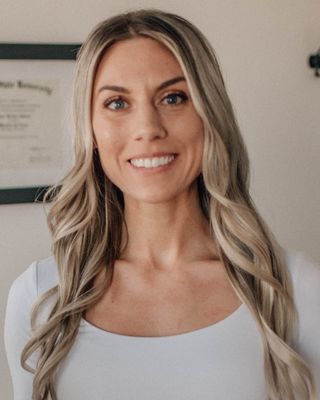
Liberty Mental Health offers professional, effective, and confidential counseling therapy services in a newly furnished and clean office setting. We offer counseling for individuals 4+, couples, and families. Our wide range of experienced counselors ensures that we can provide services ...
Hosted by Jaime Mills
Licensed Professional Counselor, LPC
Verified Verified
Group meets in Farmington Hills, MI 48334
Liberty Mental Health offers professional, effective, and confidential counseling therapy services in a newly furnished and clean office setting. We offer counseling for individuals 4+, couples, and families. Our wide range of experienced counselors ensures that we can provide services ...
Couples Date Night 
Couples date night is an event that I host monthly for couples who want to enrich their relationship, deepen their connection and create cool new memories in an inviting atmosphere. Join me and other couples for some fun and healthy ...
Hosted by Jakita Criswell-Reed
Marriage & Family Therapist, MA, LLMFT
Verified Verified
Group meets in Southfield, MI 48034
Couples date night is an event that I host monthly for couples who want to enrich their relationship, deepen their connection and create cool new memories in an inviting atmosphere. Join me and other couples for some fun and healthy ...
Men's Recovery, Maintenance & Resilien
Men's long term recovery & maintenance support group. Designed to provide long term support for men in their recovery process. Relapse prevention by focusing on the development of resilience in various life areas, through Life Satisfaction Coaching and enhancement of ...
Hosted by Quality Of Life Therapy & Coaching
Psychologist, PhD, LP
Verified Verified
Group meets in West Bloomfield, MI 48322
Men's long term recovery & maintenance support group. Designed to provide long term support for men in their recovery process. Relapse prevention by focusing on the development of resilience in various life areas, through Life Satisfaction Coaching and enhancement of ...
Grief and Loss Groups 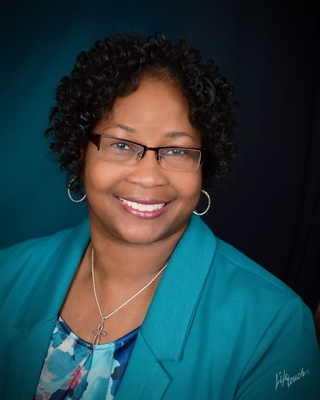
...IF THE LOSS IS REAL, THE GRIEF IS REAL... I am developing grief and loss groups where your pain can be witnessed by myself and others who are experiencing difficulty coping with various losses. Speaking to others can be a ...
Hosted by Michelle Stinnett
Counselor, LPC, NCC, CAADC
Verified Verified
Group meets in Troy, MI 48084
...IF THE LOSS IS REAL, THE GRIEF IS REAL... I am developing grief and loss groups where your pain can be witnessed by myself and others who are experiencing difficulty coping with various losses. Speaking to others can be a ...
TRAILS to Wellness CBT & Mindfulness (6th-8th grd) 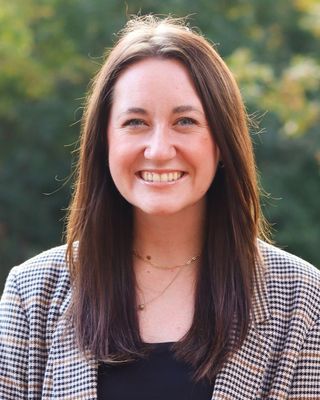
STARTING APRIL 16TH, 2024! This group, targeted for students in middle school, focuses on strengthening emotional regulation and overall wellness through the use of evidence-based skills for coping with and managing difficult emotions. Over the course of 10 sessions, individuals ...
Hosted by Colleen Reveley
Clinical Social Work/Therapist, LMSW
Verified Verified
Group meets in Troy, MI 48084
STARTING APRIL 16TH, 2024! This group, targeted for students in middle school, focuses on strengthening emotional regulation and overall wellness through the use of evidence-based skills for coping with and managing difficult emotions. Over the course of 10 sessions, individuals ...
Mindful Wellness 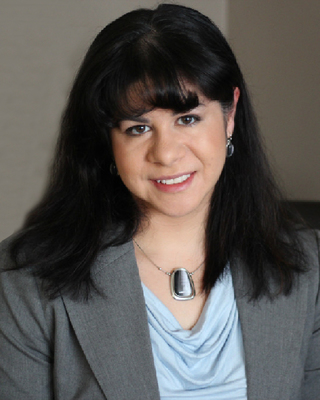
This program, offered as a one-day workshop or an ongoing series, combines the traditional approach of psychoeducation with the holistic pathway of yoga and mindfulness interventions to help eliminate negative emotions, promote self-regulation, and increase inner peace. Advances in neurobiology ...
Hosted by Carmelita R Samuel
Clinical Social Work/Therapist, LMSW, ACSW
Verified Verified
Group meets in Rochester Hills, MI 48306
This program, offered as a one-day workshop or an ongoing series, combines the traditional approach of psychoeducation with the holistic pathway of yoga and mindfulness interventions to help eliminate negative emotions, promote self-regulation, and increase inner peace. Advances in neurobiology ...
This Isn't What I Expected 
New parents are often surprised at the strong feelings they have that aren't always positive. This group helps parents deal honestly with the stresses, worries and emotions that surface. Skills will be suggested and fine-tuned for those who want help ...
Hosted by Tracey L Stulberg
Marriage & Family Therapist, PhD, LMFT
Verified Verified
Group meets in Birmingham, MI 48009
New parents are often surprised at the strong feelings they have that aren't always positive. This group helps parents deal honestly with the stresses, worries and emotions that surface. Skills will be suggested and fine-tuned for those who want help ...
See more therapy options for Pontiac


FAQs - About Group Therapy and Support Groups
How can I find a support group in Pontiac?
Search for nearby support groups by inputting your city, zip code, or the name of the group into the search bar. From there, you can filter to find a group that suits your needs, whether you are looking for support for a teenager, a group that focuses on a specific issue, such as depression, or a particular program type, such as one geared toward developing social skills. To navigate between locations within the same country, enter a new city or zip code into the search bar.
How does group therapy work?
Therapy groups are led by one or more therapists and serve to help people process their experiences and learn from others who understand their challenges firsthand. They can be based on a specific issue, such as addiction, grief, physical illnesses, parenting, and caregiving. They can involve a specific type of program or therapy, such as a social skills group or CBT group. They can also be specific to a particular population or community, such as teens or LGBTQ.
Support groups, like Alcoholics Anonymous, also focus on a specific issue, but are typically led by members with lived experiences and are less structured than therapy groups. Most therapy groups will meet for a fixed length of time with a consistent group of members, while many support groups meet for an indefinite period of time with members coming and going.
Support groups, like Alcoholics Anonymous, also focus on a specific issue, but are typically led by members with lived experiences and are less structured than therapy groups. Most therapy groups will meet for a fixed length of time with a consistent group of members, while many support groups meet for an indefinite period of time with members coming and going.
What are the benefits of group therapy?
Support groups help connect people with shared challenges or physical and mental health conditions. In a group setting, participants can receive support and feedback from peers and can acquire new skills, strategies and perspectives by listening to one another. Discussing your experience with someone who also has a cancer diagnosis, or whose son also struggles with addiction, for example, can help you feel less alone, reduce distress, find empathy and connection, and learn practical or medical information that has helped others. Group therapy can also be a more affordable option than individual therapy and just as effective.
Is group therapy as effective as individual therapy?
Support groups can be deeply valuable for both emotional support and/or treatment outcomes. It’s difficult to make a blanket statement on efficacy due to the many different types of support groups and conditions treated, but group therapy has been found to be just as effective as individual therapy in establishing long-term abstinence for conditions such as substance abuse, addiction and alcohol abuse.
How much does group therapy cost?
Group counseling is typically less expensive than individual counseling, with each session costing on average between $60 to $75. Meanwhile, individual therapy sessions can run anywhere from $100 to $200 and up, even after insurance. It is possible to find low-cost group therapy options and many therapists offer group sessions free of charge.
Does insurance cover group therapy?
As with individual therapy, many insurance companies do offer coverage for group therapy sessions. However, the coverage varies based on your insurance plan details and whether you choose an in-network or out-of-network mental healthcare provider. Individuals are encouraged to check with their insurance providers to verify coverage.
How long does group therapy last?
The length of a support group session is often one hour but can fall anywhere between 45 minutes and two hours. The amount of time that people remain in a support group varies based on their specific needs and goals and the type of therapy. Some individuals may seek a shorter-term group, such as a bereavement group, that may last between six and 20 weeks. Some may seek a longer-term group that lasts for a year or indefinitely.
What are the limitations of support groups?
Support groups have many benefits, but there are a few limitations as well. Support groups do not constitute formal therapeutic or medical treatment, and are not run by licensed mental health professionals, so some people may opt for group therapy or individual therapy instead. Additionally, support groups can depend on the other participants, so a disruptive individual has the potential to mar the group dynamic, and the anecdotal information shared may sometimes be unhelpful or inaccurate. Because it is a group setting, confidentiality can be more difficult to guard and participants receive less personalized attention than they would in an individual therapy session.