Support Groups in Livingston County, MI
HOLD is a telehealth therapy group for individuals navigating grief, loss, and the emotional weight of caregiving. Whether you are grieving a loved one, experiencing anticipatory grief, or adjusting to a major life transition, this space offers steady support. HOLD provides practical tools for managing stress, honoring your grief, and caring for yourself in sustainable ways. You don't have to carry this alone. The next group is scheduled to start March 4th, 2026.

HOLD is a telehealth therapy group for individuals navigating grief, loss, and the emotional weight of caregiving. Whether you are grieving a loved one, experiencing anticipatory grief, or adjusting to a major life transition, this space offers steady support. HOLD provides practical tools for managing stress, honoring your grief, and caring for yourself in sustainable ways. You don't have to carry this alone. The next group is scheduled to start March 4th, 2026.
Supporting someone with addiction can be overwhelming, but you don't have to do it alone. This group combines SMART Recovery® Family & Friends principles with CBT tools to help you understand addictive behaviors, set healthy boundaries, improve communication, and respond effectively without enabling. You'll learn practical strategies to manage stress, challenge unhelpful thinking, and prioritize your own well-being while supporting your loved one. Gain the confidence, skills, and support needed to foster healthier relationships—regardless of where your loved one is in their recovery journey.

Hosted by HMR Counseling and Behavioral Services
Licensed Professional Counselor, LPC-S
Group meets in Brighton, MI 48114
Supporting someone with addiction can be overwhelming, but you don't have to do it alone. This group combines SMART Recovery® Family & Friends principles with CBT tools to help you understand addictive behaviors, set healthy boundaries, improve communication, and respond effectively without enabling. You'll learn practical strategies to manage stress, challenge unhelpful thinking, and prioritize your own well-being while supporting your loved one. Gain the confidence, skills, and support needed to foster healthier relationships—regardless of where your loved one is in their recovery journey.
Please inquire for upcoming group dates.

Hosted by Root to Rise- Early Childhood, Maternal, Parenting
Clinical Social Work/Therapist, LMSW, LCSW, IMH-E®, IFS, PMH-C
Group meets in Brighton, MI 48114
Please inquire for upcoming group dates.
Group Therapy for teens living with a Chronic Disease, Illness or Condition. The focus is aimed at connecting teens with others who "get it" and can share experiences, coping strategies, and support. Group is led by licensed therapist with personal and professional experience with chronic illness and pain. The group meets once a week for 12 weeks in Novi, MI. Call if you'd like more information. New group forming now!

Hosted by Kristina M. Princinsky
Licensed Professional Counselor, MA, LPC
Group meets in Brighton, MI 48116
Group Therapy for teens living with a Chronic Disease, Illness or Condition. The focus is aimed at connecting teens with others who "get it" and can share experiences, coping strategies, and support. Group is led by licensed therapist with personal and professional experience with chronic illness and pain. The group meets once a week for 12 weeks in Novi, MI. Call if you'd like more information. New group forming now!
This group is intended to help individuals develop a regular mindfulness practice to address issues of depression, anxiety, and stress management. Methods are demonstrated and practiced first in the group setting and carried to home practice.
This group is intended to help individuals develop a regular mindfulness practice to address issues of depression, anxiety, and stress management. Methods are demonstrated and practiced first in the group setting and carried to home practice.
Living with a chronic medical illness is stressful, complicated and exhausting. Individuals often worry about the uncertainty of their future, the unpredictability of their symptoms and financial difficulties. If that sounds familiar, you're not alone! The Living Well with Illness Group brings individuals together who are going through similar experiences to share feelings and coping strategies. The group is led by a fully licensed therapist who understands chronic illness personally and professionally. The group meets once a week for 10-12 weeks in-person in Brighton, MI. Call (810) 215-0303 today for more information.
Hosted by Kristina M. Princinsky
Licensed Professional Counselor, MA, LPC
Group meets in Brighton, MI 48116
Living with a chronic medical illness is stressful, complicated and exhausting. Individuals often worry about the uncertainty of their future, the unpredictability of their symptoms and financial difficulties. If that sounds familiar, you're not alone! The Living Well with Illness Group brings individuals together who are going through similar experiences to share feelings and coping strategies. The group is led by a fully licensed therapist who understands chronic illness personally and professionally. The group meets once a week for 10-12 weeks in-person in Brighton, MI. Call (810) 215-0303 today for more information.
BOOST is a therapy group for college students and young adults working toward eating disorder recovery. This structured, supportive space helps individuals struggling with restriction, bingeing, purging, and body image distress. We integrate CBT-E, DBT skills, ACT, and nervous system regulation strategies to reduce meal anxiety, strengthen your healthy voice, and build confidence beyond appearance. College brings unique stressors — BOOST offers practical tools, accountability, and compassionate support. Recovery doesn’t require perfection, just willingness.
BOOST is a therapy group for college students and young adults working toward eating disorder recovery. This structured, supportive space helps individuals struggling with restriction, bingeing, purging, and body image distress. We integrate CBT-E, DBT skills, ACT, and nervous system regulation strategies to reduce meal anxiety, strengthen your healthy voice, and build confidence beyond appearance. College brings unique stressors — BOOST offers practical tools, accountability, and compassionate support. Recovery doesn’t require perfection, just willingness.
12-wk Group meets once a week, in Brighton, MI. The group was developed for caregivers and family members whose loved ones are living with Chronic Disease, Mental Illness or Chronic Pain. The focus is aimed at improving self-care and quality of life by providing education, coping skills and relational support.
Hosted by Kristina M. Princinsky
Licensed Professional Counselor, MA, LPC
Group meets in Brighton, MI 48116
12-wk Group meets once a week, in Brighton, MI. The group was developed for caregivers and family members whose loved ones are living with Chronic Disease, Mental Illness or Chronic Pain. The focus is aimed at improving self-care and quality of life by providing education, coping skills and relational support.
THRIVE is a therapy group for teens working toward eating disorder recovery. This supportive space helps adolescents struggling with restriction, bingeing, purging, and body image distress build skills for lasting change. We integrate CBT-E, DBT skills, and nervous system regulation strategies while strengthening self-worth and identity beyond appearance. Parent involvement and education are included to support recovery at home. THRIVE provides structure, accountability, and compassion — helping teens move from simply surviving to truly thriving.
THRIVE is a therapy group for teens working toward eating disorder recovery. This supportive space helps adolescents struggling with restriction, bingeing, purging, and body image distress build skills for lasting change. We integrate CBT-E, DBT skills, and nervous system regulation strategies while strengthening self-worth and identity beyond appearance. Parent involvement and education are included to support recovery at home. THRIVE provides structure, accountability, and compassion — helping teens move from simply surviving to truly thriving.

Hosted by Nichole Lyn Brady-Kourt
Clinical Social Work/Therapist, LMSW
Group meets in Howell, MI 48843
Online Groups
At Intuitive Therapy Partners, our goal is to honor your wisdom and experience in the therapeutic relationship, and to provide you with tailored, evidence-based therapies to meet your needs.

Hosted by Valerie Roedenbeck Maloof
Clinical Social Work/Therapist, MPhil, LMSW
Group meets in Ann Arbor, MI 48104
At Intuitive Therapy Partners, our goal is to honor your wisdom and experience in the therapeutic relationship, and to provide you with tailored, evidence-based therapies to meet your needs.
This group will begin running in the Spring of 2022. The group is tailored specifically for the parent or loved-one who wants help understanding and supporting the changes their child is going through. It is a nonjudgmental, educational and safe space for parents to express their feelings with other parents who are facing the same life changes. Each session will vary from broad topics to specific issues within the family unit. Group times/cost TBD. Please reach out if interested to be placed on our enrollment list.

This group will begin running in the Spring of 2022. The group is tailored specifically for the parent or loved-one who wants help understanding and supporting the changes their child is going through. It is a nonjudgmental, educational and safe space for parents to express their feelings with other parents who are facing the same life changes. Each session will vary from broad topics to specific issues within the family unit. Group times/cost TBD. Please reach out if interested to be placed on our enrollment list.
Join us to mix and mingle with other women. We will meet October 5th, 5pm-6:30pm @ 29556 Southfield Rd, Suite 150 Southfield MI 48076. Following the mingle we will have a session that focuses on Healthy Relationships: Cultivating, Grieving lost relationships and identifying healthy coping skills to maintain them. space is limited $75 light refreshments

Join us to mix and mingle with other women. We will meet October 5th, 5pm-6:30pm @ 29556 Southfield Rd, Suite 150 Southfield MI 48076. Following the mingle we will have a session that focuses on Healthy Relationships: Cultivating, Grieving lost relationships and identifying healthy coping skills to maintain them. space is limited $75 light refreshments
FERTILITY ISSUES FOR MEN AND WOMEN, INDIVIDUALS AND COUPLES DECIDING ON ASSISTED REPRODUCTIVE TECHNOLOGY (IVF, ICSI), FAMILY PLANNING, ADOPTION.SURROGACY, POSSIBLE FOSTER PARENTING - EMOTIONAL ISSUES RELATED TO INFERTILITY AND FAMILY PLANNING. EVALUATION INCLUDING FULL MEDICAL AND PSYCHOLOGICAL WRITE-UP. REFERRAL TO OB-GYN, REPRODUCTIVE SPECIALIST & GROUP EXPERIENCE.

Hosted by Rochelle Anixt Gold
Clinical Social Work/Therapist, LMSW, ACSW, MA
Group meets in Birmingham, MI 48009
FERTILITY ISSUES FOR MEN AND WOMEN, INDIVIDUALS AND COUPLES DECIDING ON ASSISTED REPRODUCTIVE TECHNOLOGY (IVF, ICSI), FAMILY PLANNING, ADOPTION.SURROGACY, POSSIBLE FOSTER PARENTING - EMOTIONAL ISSUES RELATED TO INFERTILITY AND FAMILY PLANNING. EVALUATION INCLUDING FULL MEDICAL AND PSYCHOLOGICAL WRITE-UP. REFERRAL TO OB-GYN, REPRODUCTIVE SPECIALIST & GROUP EXPERIENCE.
The Soft Space is a therapist-led virtual support group for mothers navigating stress, anxiety, burnout, perfectionism, identity changes, and the mental load of caring for others. This group offers a supportive space to connect with other mothers, gain practical coping tools, and prioritize your own well-being without judgment. Topics may include: • Anxiety and stress management • Boundaries and self-care • Identity beyond motherhood • Burnout and overwhelm • Emotional wellness and nervous system regulation Group Details: • Virtual • Open to mothers throughout Michigan • Every Monday, 12:00–1:00 PM EST • 6 week sessions• Contact to join the next cohort

The Soft Space is a therapist-led virtual support group for mothers navigating stress, anxiety, burnout, perfectionism, identity changes, and the mental load of caring for others. This group offers a supportive space to connect with other mothers, gain practical coping tools, and prioritize your own well-being without judgment. Topics may include: • Anxiety and stress management • Boundaries and self-care • Identity beyond motherhood • Burnout and overwhelm • Emotional wellness and nervous system regulation Group Details: • Virtual • Open to mothers throughout Michigan • Every Monday, 12:00–1:00 PM EST • 6 week sessions• Contact to join the next cohort
Please call 313-282-4856 for details.

Hosted by Kandice Moss
Licensed Professional Counselor, MA, LPC, BC-DMT, IMH
Group meets in Royal Oak, MI 48067
Please call 313-282-4856 for details.
The Bringing Baby Home Program is a research based program that prepares couples for life with their new baby. It provides couples with the opportunity to learn communications skills and stress management techniques in order to strengthen their relationship as they embark on the exciting and challenging journey of parenthood.

Hosted by Roots & Wings Counseling, PLLC
Counselor, MA, LPC, NCC
Group meets in Rochester Hills, MI 48307
The Bringing Baby Home Program is a research based program that prepares couples for life with their new baby. It provides couples with the opportunity to learn communications skills and stress management techniques in order to strengthen their relationship as they embark on the exciting and challenging journey of parenthood.
This group is to help alleviate the loneliness and sadness that comes with losing a beloved pet. This loss could have occurred weeks, months, or even years ago. It doesn’t matter when your pet passed away, you can join this group and receive the support you need. The Pet Grief Group is an 8-week process group. If you’re interested in this group, please contact me at 269-339-0963 or at danielle@brainbodytherapy services.com.

Hosted by Danielle Kriengsak-Obhas
Limited Licensed Psychologist, MA, LLP, CAADC
Group meets in Kalamazoo, MI 49009
This group is to help alleviate the loneliness and sadness that comes with losing a beloved pet. This loss could have occurred weeks, months, or even years ago. It doesn’t matter when your pet passed away, you can join this group and receive the support you need. The Pet Grief Group is an 8-week process group. If you’re interested in this group, please contact me at 269-339-0963 or at danielle@brainbodytherapy services.com.
Life Journey focuses on making a difference! We actively work with you to envision and create the life you want. All our therapists are readily available and responsive to the needs of clients. We believe you should make breakthroughs in therapy on a regular basis. You will see results and you will know our goal is to move you forward on your journey. We are active problem solvers who respect the sacrifice you are making to change your life. We promise to work hard to accomplish your therapeutic goals! Let's get started to see where your journey leads.....

Life Journey focuses on making a difference! We actively work with you to envision and create the life you want. All our therapists are readily available and responsive to the needs of clients. We believe you should make breakthroughs in therapy on a regular basis. You will see results and you will know our goal is to move you forward on your journey. We are active problem solvers who respect the sacrifice you are making to change your life. We promise to work hard to accomplish your therapeutic goals! Let's get started to see where your journey leads.....
...IF THE LOSS IS REAL, THE GRIEF IS REAL... I am developing grief and loss groups where your pain can be witnessed by myself and others who are experiencing difficulty coping with various losses. Speaking to others can be a benefit in helping you learn about grief and how to move along the grief journey to find a life of hope and love for the future. These groups will be online unless otherwise indicated. I look forward to working with you!
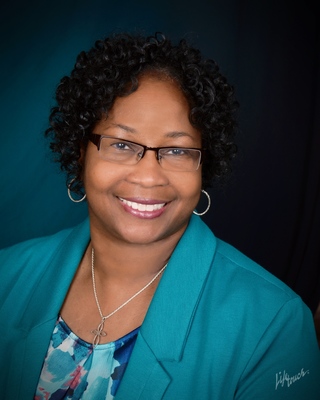
...IF THE LOSS IS REAL, THE GRIEF IS REAL... I am developing grief and loss groups where your pain can be witnessed by myself and others who are experiencing difficulty coping with various losses. Speaking to others can be a benefit in helping you learn about grief and how to move along the grief journey to find a life of hope and love for the future. These groups will be online unless otherwise indicated. I look forward to working with you!
See more therapy options for Livingston County


FAQs - About Group Therapy and Support Groups
How can I find a support group in Livingston County?
To find a support group in your area, start by entering your city, zip code, or the name of the group into the search bar at the top of the page. When searching, consider whether you prefer an in-person or virtual group. This can help you decide how broad your geographic search should be. If you are open to virtual groups, you might want to search by state instead of just your city, especially if there are limited options nearby.
Once you complete your search, you can use the filters to narrow the results by selecting specialties (such as grief, trauma, or eating disorders), therapeutic approaches, age groups, and other criteria to find a group that best fits your needs.
Once you complete your search, you can use the filters to narrow the results by selecting specialties (such as grief, trauma, or eating disorders), therapeutic approaches, age groups, and other criteria to find a group that best fits your needs.
How does group therapy work?
Group therapy is led by one or more trained therapists and provides a space where participants can process their experiences and learn from others facing similar challenges. Groups may focus on a specific issue—such as addiction, grief, physical illnesses, parenting, or caregiving—or they may center around a particular therapeutic approach, such as Cognitive Behavioral Therapy (CBT), social skill development, or Exposure Therapy. Some groups are also designed for specific populations, such as teens, veterans, or LGBTQ+ individuals.
It’s also important to distinguish group therapy from peer-led support groups, like Alcoholics Anonymous. While both can offer valuable support, therapy groups are typically led by licensed professionals and follow a more structured format. Therapy groups often meet for a fixed length of time with a consistent group of members, while many peer support groups meet for an indefinite period of time with members coming and going.
It’s also important to distinguish group therapy from peer-led support groups, like Alcoholics Anonymous. While both can offer valuable support, therapy groups are typically led by licensed professionals and follow a more structured format. Therapy groups often meet for a fixed length of time with a consistent group of members, while many peer support groups meet for an indefinite period of time with members coming and going.
What are the benefits of group therapy?
Group therapy offers several important benefits. It brings together people facing similar challenges—whether related to mental health, physical health, or life transitions—and creates a supportive environment where participants can exchange feedback, share experiences, and learn from one another. Hearing different perspectives can help individuals discover new coping strategies and practical tools they may not have encountered on their own. Sharing personal experiences, such as coping with a serious illness or navigating family struggles, can also reduce feelings of isolation and foster a sense of connection and understanding. In addition to emotional support, group members often gain useful, real-world advice from peers who have faced similar situations.
Group therapy is typically more affordable than individual therapy and, for certain conditions, can be equally effective. Many groups also include structured activities—such as guided journaling, cognitive-behavioral exercises, or role-playing—to help participants develop concrete skills they can apply in daily life.
Group therapy is typically more affordable than individual therapy and, for certain conditions, can be equally effective. Many groups also include structured activities—such as guided journaling, cognitive-behavioral exercises, or role-playing—to help participants develop concrete skills they can apply in daily life.
Is group therapy as effective as individual therapy?
It is difficult to make a blanket statement about the effectiveness of support groups, as they vary widely in focus and the conditions they address. However, support groups can be highly valuable in helping individuals gain emotional support and achieve meaningful treatment outcomes. For certain conditions, such as substance use, research has shown that group therapy can be particularly effective—sometimes just as effective as individual therapy—in supporting long-term recovery.
Many professionals attribute the effectiveness of group therapy to the unique benefits of the group setting, which fosters peer-to-peer learning and a sense of connection through shared experiences. Group settings also offer accountability and encouragement from both facilitators and fellow participants, which helps sustain motivation and supports continued progress. These factors together play a key role in promoting the overall effectiveness of group therapy.
Many professionals attribute the effectiveness of group therapy to the unique benefits of the group setting, which fosters peer-to-peer learning and a sense of connection through shared experiences. Group settings also offer accountability and encouragement from both facilitators and fellow participants, which helps sustain motivation and supports continued progress. These factors together play a key role in promoting the overall effectiveness of group therapy.
How much does group therapy cost?
Group therapy is typically less expensive than individual therapy, with sessions typically costing between $50 and $75 each. In comparison, individual therapy can cost anywhere from $100 to $200 or more per session, even with insurance. Some therapists or organizations offer low-cost or free group therapy options, particularly through community centers or nonprofit organizations. In some cases, groups may require payment upfront for a set number of sessions, such as paying for six weekly sessions at the first meeting. However, many providers offer payment plans to help make participation more accessible if this upfront payment is required.
Does insurance cover group therapy?
As with individual therapy, insurance coverage for group therapy varies based on factors such as your specific insurance plan, the purpose of the group, your diagnosis, and whether the group provider is in-network. Many insurance plans cover group therapy sessions that address diagnosable mental health conditions, such as substance use disorders, anxiety, or depression.
However, groups that focus on topics not directly tied to a mental health diagnosis—such as parenting support or divorce recovery—are less likely to be covered. Because coverage can vary widely, it’s important to check with your insurance provider before joining a group to confirm whether the sessions will be covered and what out-of-pocket costs you may be responsible for.
However, groups that focus on topics not directly tied to a mental health diagnosis—such as parenting support or divorce recovery—are less likely to be covered. Because coverage can vary widely, it’s important to check with your insurance provider before joining a group to confirm whether the sessions will be covered and what out-of-pocket costs you may be responsible for.
How long does group therapy last?
The length of each group therapy session typically ranges from 45 minutes to two hours, depending on the therapy approach, the group’s goals, and how often the group meets. In some cases, group therapy is part of a larger treatment program, such as an Intensive Outpatient Program (IOP), where group sessions complement individual therapy and are scheduled as part of the program’s overall structure.
The duration of participation in a group also varies. Some groups are designed to be short-term, lasting anywhere from 6 to 24 weeks—for example, bereavement groups or skills-based groups like those using Dialectical Behavioral Therapy (DBT). Other groups may be longer-term, lasting a year or more, and some ongoing support groups meet indefinitely, allowing participants to stay as long as they find the group helpful.
The duration of participation in a group also varies. Some groups are designed to be short-term, lasting anywhere from 6 to 24 weeks—for example, bereavement groups or skills-based groups like those using Dialectical Behavioral Therapy (DBT). Other groups may be longer-term, lasting a year or more, and some ongoing support groups meet indefinitely, allowing participants to stay as long as they find the group helpful.
What are the limitations of support groups?
Support groups offer many benefits, but they also have certain limitations. Unlike therapy groups, many support groups do not provide formal therapeutic treatment and are not led by licensed mental health professionals. For individuals seeking clinical treatment for specific mental health diagnoses—such as depression, eating disorders, or substance use—individual therapy or group therapy led by a licensed professional may offer more personalized and specialized care.
The effectiveness of a support group also depends heavily on the group’s participants and the overall group dynamic. When members engage respectfully and offer constructive support, the group can foster valuable peer-to-peer learning. However, if certain participants dominate discussions, provide inaccurate advice, or create conflict, it can disrupt the group’s sense of safety and reduce its effectiveness. Confidentiality can also be harder to maintain in support groups, particularly in open groups where participants can join or leave at any time. With new members regularly entering the group, it can be more difficult to build and sustain a consistent sense of trust and privacy.
The effectiveness of a support group also depends heavily on the group’s participants and the overall group dynamic. When members engage respectfully and offer constructive support, the group can foster valuable peer-to-peer learning. However, if certain participants dominate discussions, provide inaccurate advice, or create conflict, it can disrupt the group’s sense of safety and reduce its effectiveness. Confidentiality can also be harder to maintain in support groups, particularly in open groups where participants can join or leave at any time. With new members regularly entering the group, it can be more difficult to build and sustain a consistent sense of trust and privacy.