Support Groups in Bloomfield Hills, MI
Metanoia Counseling's men's groups cover various topics that effect men in their everyday lives. Discussions include but are not limited to dating, parenting, career, anxiety, masculinity and how to be an overall better man we you navigate through today's ever changing world. These groups are limited to 10-12 men and the length can range from 60-90 minutes per session. Groups usually meet one time per week for 6-8 weeks.
Hosted by Christopher Kourtakis
Counselor, LLPC, MBA, PhD-26
Group meets in Bloomfield Hills, MI 48304
Metanoia Counseling's men's groups cover various topics that effect men in their everyday lives. Discussions include but are not limited to dating, parenting, career, anxiety, masculinity and how to be an overall better man we you navigate through today's ever changing world. These groups are limited to 10-12 men and the length can range from 60-90 minutes per session. Groups usually meet one time per week for 6-8 weeks.
Coming home to self; a seasoned hearts journey to love: A day retreat for women ready to cultivate self love as the foundation for fulfilling relationships. Discover what is means to truly come home to yourself.

Hosted by Marcie M Wagner
Limited Licensed Psychologist, MA, LLP, PLLC
Group meets in Bloomfield Hills, MI 48304
Coming home to self; a seasoned hearts journey to love: A day retreat for women ready to cultivate self love as the foundation for fulfilling relationships. Discover what is means to truly come home to yourself.
Our classes utilize an evidence-based motivational prevention, intervention and pretreatment program specifically designed for adults, young adults, and teens that might be making high-risk choices and/or are involved in the legal system. It is designed to help individuals change drinking and drug use behaviors by changing beliefs, attitudes, risk perceptions, motivations, and it provides knowledge of how to reduce their risk of alcohol and drug related problems throughout their lives. The ultimate goal of our class is to prevent and reduce the number of accidents, injuries, deaths, and crimes caused by people who use alcohol and drugs.
Hosted by Mark Steven Wells
Clinical Social Work/Therapist, LMSW, CAADC, CCSOTS, CCHTVSP, ERYT500
Group meets in Bloomfield Hills, MI 48302
Our classes utilize an evidence-based motivational prevention, intervention and pretreatment program specifically designed for adults, young adults, and teens that might be making high-risk choices and/or are involved in the legal system. It is designed to help individuals change drinking and drug use behaviors by changing beliefs, attitudes, risk perceptions, motivations, and it provides knowledge of how to reduce their risk of alcohol and drug related problems throughout their lives. The ultimate goal of our class is to prevent and reduce the number of accidents, injuries, deaths, and crimes caused by people who use alcohol and drugs.
Just graduated? You're not alone. This group is designed for recent graduates who are exploring their next steps. Whether you're thinking about grad school, starting your career, looking for internships, or still figuring things out. Together, we’ll identify challenges, share resources, and support each other through this sometimes overwhelming transition. We meet twice a month via video on a rotating schedule. Call, text or email to learn more or to join us. We’d love to have you.

Hosted by Katie Parker Counseling PLLC
Licensed Professional Counselor, MA, LPC
Group meets in Bloomfield Hills, MI 48302
Just graduated? You're not alone. This group is designed for recent graduates who are exploring their next steps. Whether you're thinking about grad school, starting your career, looking for internships, or still figuring things out. Together, we’ll identify challenges, share resources, and support each other through this sometimes overwhelming transition. We meet twice a month via video on a rotating schedule. Call, text or email to learn more or to join us. We’d love to have you.
Our office offers in-person and virtual sessions for psychiatric and psychological services. Our team provides individual therapy, family therapy, couples therapy, psychological testing, psychiatric evaluations, and medication monitoring in addition to ongoing clinical research trials.

Our office offers in-person and virtual sessions for psychiatric and psychological services. Our team provides individual therapy, family therapy, couples therapy, psychological testing, psychiatric evaluations, and medication monitoring in addition to ongoing clinical research trials.
We are a professional and peer-facilitated grief support program for those individuals, families and friends who have lost a loved one to suicide. We meet on the 2nd Tuesday of each month, 7-8:30 pm. There is no fee, but donations are greatly appreciated.
Hosted by Gigi A Colombini
Clinical Social Work/Therapist, LMSW
Group meets in Bloomfield Hills, MI 48304
We are a professional and peer-facilitated grief support program for those individuals, families and friends who have lost a loved one to suicide. We meet on the 2nd Tuesday of each month, 7-8:30 pm. There is no fee, but donations are greatly appreciated.
Providing psychiatric care exclusively through an online platform. We listen to where you’ve been, recognize who you are and help you create personal goals for health and healing. By meeting you where you are — both emotionally and physically — we provide specialized services to get you where you want to be. Utilizing years of experience, our providers believe in multifaceted treatment that includes traditional and integrative care. We are highly experienced in treating depression, anxiety, ADHD, bipolar disorder, grief, PTSD, trauma, postpartum depression, parenting struggles, stress management and more. We offer counseling, medication management, faith-based care, and lifestyle modification.

Hosted by Rise Psychiatric Services (Online Mental Health)
Physician Assistant, LPC, PA-C
Group meets in Bloomfield Hills, MI 48304
Providing psychiatric care exclusively through an online platform. We listen to where you’ve been, recognize who you are and help you create personal goals for health and healing. By meeting you where you are — both emotionally and physically — we provide specialized services to get you where you want to be. Utilizing years of experience, our providers believe in multifaceted treatment that includes traditional and integrative care. We are highly experienced in treating depression, anxiety, ADHD, bipolar disorder, grief, PTSD, trauma, postpartum depression, parenting struggles, stress management and more. We offer counseling, medication management, faith-based care, and lifestyle modification.
While in SAIOP, you receive structured, supportive treatment for addiction in a group setting while staying at home with your loved ones. This program is currently open to adults aged 18 and over. All of our clients first receive a thorough assessment. SAIOP includes three treatment sessions per week for six weeks. Each session lasts three hours. SAIOP sessions may be held in person or virtually/remotely. If you’re successful in the Intensive Outpatient Program, you’ll step down to our outpatient addiction treatment program for additional care.
Hosted by Mark Steven Wells
Clinical Social Work/Therapist, LMSW, CAADC, CCSOTS, CCHTVSP, ERYT500
Group meets in Bloomfield Hills, MI 48302
While in SAIOP, you receive structured, supportive treatment for addiction in a group setting while staying at home with your loved ones. This program is currently open to adults aged 18 and over. All of our clients first receive a thorough assessment. SAIOP includes three treatment sessions per week for six weeks. Each session lasts three hours. SAIOP sessions may be held in person or virtually/remotely. If you’re successful in the Intensive Outpatient Program, you’ll step down to our outpatient addiction treatment program for additional care.
Is your marriage stuck? Considering divorce or recovering from an affair? Trapped in the same arguments, living like roommates, or feeling totally disconnected? Frustrated that weekly 50-minute therapy sessions end just as you get somewhere? A private two-day marriage intensive changes that. It gives you uninterrupted time to slow down, feel heard, uncover answers without blame, and focus completely on healing without distractions. Don't wait months to feel better. Figure out your next steps now.
Hosted by Christopher Kourtakis
Counselor, LLPC, MBA, PhD-26
Group meets in Bloomfield Hills, MI 48304
Is your marriage stuck? Considering divorce or recovering from an affair? Trapped in the same arguments, living like roommates, or feeling totally disconnected? Frustrated that weekly 50-minute therapy sessions end just as you get somewhere? A private two-day marriage intensive changes that. It gives you uninterrupted time to slow down, feel heard, uncover answers without blame, and focus completely on healing without distractions. Don't wait months to feel better. Figure out your next steps now.
The Early Recovery Group (ERG) is a therapeutic program for those beginning recovery from addiction. Meeting weekly, this structured environment lets members share experiences and develop coping strategies for sobriety. Led by a licensed therapist, sessions focus on triggers, relapse prevention, and emotional regulation. ERG promotes peer support, fostering a community of accountability and encouragement. It also includes skill-building activities to enhance personal development and resilience, essential for sustained recovery. Participants explore personal challenges in a supportive space, promoting growth. Regular attendance equips members to manage early recovery complexities, establishing a healthier lifestyle foundation.
Hosted by Mark Steven Wells
Clinical Social Work/Therapist, LMSW, CAADC, CCSOTS, CCHTVSP, ERYT500
Group meets in Bloomfield Hills, MI 48302
The Early Recovery Group (ERG) is a therapeutic program for those beginning recovery from addiction. Meeting weekly, this structured environment lets members share experiences and develop coping strategies for sobriety. Led by a licensed therapist, sessions focus on triggers, relapse prevention, and emotional regulation. ERG promotes peer support, fostering a community of accountability and encouragement. It also includes skill-building activities to enhance personal development and resilience, essential for sustained recovery. Participants explore personal challenges in a supportive space, promoting growth. Regular attendance equips members to manage early recovery complexities, establishing a healthier lifestyle foundation.
Metanoia Counseling's Men's divorce groups cover various topics that affect men as they go through their divorce or are recently divorced. Discussions include but are not limited to communication with your ex, co-parenting, and parenting (how to be a single dad), careers, anxiety, balancing everyday life, family issues, friend groups and how to be an overall better man as you navigate through today's ever changing world. These groups are limited to 10-12 men and the length can range from 60-90 minutes per session. Groups usually meet one time per week for 6-8 weeks.
Hosted by Christopher Kourtakis
Counselor, LLPC, MBA, PhD-26
Group meets in Bloomfield Hills, MI 48304
Metanoia Counseling's Men's divorce groups cover various topics that affect men as they go through their divorce or are recently divorced. Discussions include but are not limited to communication with your ex, co-parenting, and parenting (how to be a single dad), careers, anxiety, balancing everyday life, family issues, friend groups and how to be an overall better man as you navigate through today's ever changing world. These groups are limited to 10-12 men and the length can range from 60-90 minutes per session. Groups usually meet one time per week for 6-8 weeks.
More Groups Nearby
We help individuals and couples transform their lives for the better. Together we will cultivate greater confidence and develop more fulfilling relationships all while improving your feelings and behaviors. For 50 minutes, once or twice per week, in person or online, for a number of weeks, months, or years, you talk with a skillful professional and form a relationship. Together you develop an understanding of what is keeping you from contentment. Then, you and your personal therapist work on creating your best life possible.

We help individuals and couples transform their lives for the better. Together we will cultivate greater confidence and develop more fulfilling relationships all while improving your feelings and behaviors. For 50 minutes, once or twice per week, in person or online, for a number of weeks, months, or years, you talk with a skillful professional and form a relationship. Together you develop an understanding of what is keeping you from contentment. Then, you and your personal therapist work on creating your best life possible.
Are you tired of second-guessing yourself, comparing yourself to others, or feeling like you’re never quite enough? Confident You is a supportive 6-week online therapy group for Michigan women ready to strengthen their self-esteem and confidence. Through practical CBT and DBT skills, you’ll learn to challenge negative self-talk, quiet your inner critic, validate yourself, communicate more confidently, and begin seeing yourself in a healthier way. Start date: Thursday, September 24, 2026 Insurance: Insurance may cover a portion depending on individual benefits; self-pay available.
Hosted by Shawnda Dewberry
Clinical Social Work/Therapist, LMSW
Group meets in Sterling Heights, MI 48312
Are you tired of second-guessing yourself, comparing yourself to others, or feeling like you’re never quite enough? Confident You is a supportive 6-week online therapy group for Michigan women ready to strengthen their self-esteem and confidence. Through practical CBT and DBT skills, you’ll learn to challenge negative self-talk, quiet your inner critic, validate yourself, communicate more confidently, and begin seeing yourself in a healthier way. Start date: Thursday, September 24, 2026 Insurance: Insurance may cover a portion depending on individual benefits; self-pay available.
This group meets online to support any man struggling with addictive or self-medicating behaviors during this isolating time. All forms of self-medicating welcome such as: pornography, sex, drugs/alcohol, food, video games, work, gambling and relationships. This is a group of 8-10 men that learn tools to more effectively maintain healthy long-term sobriety. The group is actively engaged in each other's lives outside of group time throughout the week via text/phone. The opposite of addiction is not sobriety; It's connection!

Hosted by Chris Chandler
Licensed Professional Counselor, LPC, LPCC, CSAT-S
Group meets in Warren, MI 48092
This group meets online to support any man struggling with addictive or self-medicating behaviors during this isolating time. All forms of self-medicating welcome such as: pornography, sex, drugs/alcohol, food, video games, work, gambling and relationships. This is a group of 8-10 men that learn tools to more effectively maintain healthy long-term sobriety. The group is actively engaged in each other's lives outside of group time throughout the week via text/phone. The opposite of addiction is not sobriety; It's connection!
Please inquire for upcoming group dates.

Hosted by Root to Rise- Early Childhood, Maternal, Parenting
Clinical Social Work/Therapist, LMSW, LCSW, IMH-E®, IFS, PMH-C
Group meets in Brighton, MI 48114
Please inquire for upcoming group dates.
Primacare is a nationally accredited mental health program which offers comprehensive therapy services and psychological testing. We have been servicing patients in the community for over 20 years and treat children, adolescents, adults and seniors. We have offices in Westland, Michigan and Monroe, Michigan. Our therapists have many years of experience and are trained in a myriad of treatment modalities in order to treat psychological disorders. Our staff includes psychologists, social workers, professional counselors and a staff psychiatrist and are available for daytime, evening and weekend appointments.

Primacare is a nationally accredited mental health program which offers comprehensive therapy services and psychological testing. We have been servicing patients in the community for over 20 years and treat children, adolescents, adults and seniors. We have offices in Westland, Michigan and Monroe, Michigan. Our therapists have many years of experience and are trained in a myriad of treatment modalities in order to treat psychological disorders. Our staff includes psychologists, social workers, professional counselors and a staff psychiatrist and are available for daytime, evening and weekend appointments.
Sound Therapy works to heal deep layers of stress through the use of sound vibration and frequency. Attendees of this session are bathed in harmonic frequencies integrating the whole brain and body into a state of peace and calm. The singing bowls used in the session are tuned to the 7 chakras, allowing clients to: cleanse energetic blockages, re-align, feel balanced and healthy. This is intended to: relieve stress, release one from repetitive cycles, illness, alleviate pain, restore harmony and highlight a healthy life practice. No experience necessary.

Hosted by Bainbridge Center for Growth & Development
Verified Verified
Group meets in Ferndale, MI 48220
Sound Therapy works to heal deep layers of stress through the use of sound vibration and frequency. Attendees of this session are bathed in harmonic frequencies integrating the whole brain and body into a state of peace and calm. The singing bowls used in the session are tuned to the 7 chakras, allowing clients to: cleanse energetic blockages, re-align, feel balanced and healthy. This is intended to: relieve stress, release one from repetitive cycles, illness, alleviate pain, restore harmony and highlight a healthy life practice. No experience necessary.
Social programs at a Social Distance! Small (max of six) groups focused on building social and emotional connections facilitated by a licensed therapist. Offering both in-person and virtual options. Meeting twice per week and offering groups for kiddos (ages 9-11), tweens (ages 13-14) and college students (18-21). Topics focused on: friends/relationships, coping with stress and anxiety, "taboo" topics, tolerance and inclusivity, and more!

Hosted by Brooke Bendix
Clinical Social Work/Therapist, LMSW
Group meets in Farmington Hills, MI 48334
Social programs at a Social Distance! Small (max of six) groups focused on building social and emotional connections facilitated by a licensed therapist. Offering both in-person and virtual options. Meeting twice per week and offering groups for kiddos (ages 9-11), tweens (ages 13-14) and college students (18-21). Topics focused on: friends/relationships, coping with stress and anxiety, "taboo" topics, tolerance and inclusivity, and more!
A group for adults - offering a four-week workshop focusing on communication skills, active listening skills, how to clearly and confidently communicate your own wants and needs, and developing and maintaining healthy boundaries. Please call (734) 778-0663 for more information! (Group runs from 6/11/26-7/3/26)
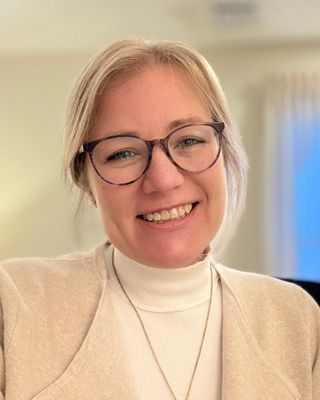
Hosted by Danielle Lenora Sienkiewicz
Pre-Licensed Professional, LCP, intern
Group meets in Southgate, MI 48195
A group for adults - offering a four-week workshop focusing on communication skills, active listening skills, how to clearly and confidently communicate your own wants and needs, and developing and maintaining healthy boundaries. Please call (734) 778-0663 for more information! (Group runs from 6/11/26-7/3/26)
Though the name may seem different this group therapy is created for women to help empower, renew, heal, restore motivate and come together in order to share and fellowship with other women.
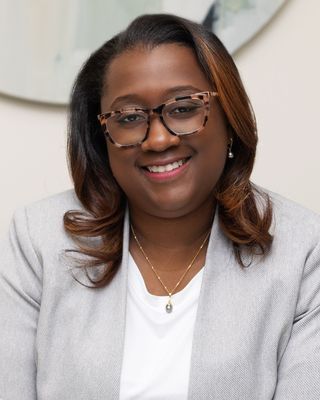
Hosted by Siedah Spencer-Ardis
Marriage & Family Therapist, MA, LMFT
Group meets in Southfield, MI 48076
Though the name may seem different this group therapy is created for women to help empower, renew, heal, restore motivate and come together in order to share and fellowship with other women.
See more therapy options for Bloomfield Hills


FAQs - About Group Therapy and Support Groups
How can I find a support group in Bloomfield Hills?
To find a support group in your area, start by entering your city, zip code, or the name of the group into the search bar at the top of the page. When searching, consider whether you prefer an in-person or virtual group. This can help you decide how broad your geographic search should be. If you are open to virtual groups, you might want to search by state instead of just your city, especially if there are limited options nearby.
Once you complete your search, you can use the filters to narrow the results by selecting specialties (such as grief, trauma, or eating disorders), therapeutic approaches, age groups, and other criteria to find a group that best fits your needs.
Once you complete your search, you can use the filters to narrow the results by selecting specialties (such as grief, trauma, or eating disorders), therapeutic approaches, age groups, and other criteria to find a group that best fits your needs.
How does group therapy work?
Group therapy is led by one or more trained therapists and provides a space where participants can process their experiences and learn from others facing similar challenges. Groups may focus on a specific issue—such as addiction, grief, physical illnesses, parenting, or caregiving—or they may center around a particular therapeutic approach, such as Cognitive Behavioral Therapy (CBT), social skill development, or Exposure Therapy. Some groups are also designed for specific populations, such as teens, veterans, or LGBTQ+ individuals.
It’s also important to distinguish group therapy from peer-led support groups, like Alcoholics Anonymous. While both can offer valuable support, therapy groups are typically led by licensed professionals and follow a more structured format. Therapy groups often meet for a fixed length of time with a consistent group of members, while many peer support groups meet for an indefinite period of time with members coming and going.
It’s also important to distinguish group therapy from peer-led support groups, like Alcoholics Anonymous. While both can offer valuable support, therapy groups are typically led by licensed professionals and follow a more structured format. Therapy groups often meet for a fixed length of time with a consistent group of members, while many peer support groups meet for an indefinite period of time with members coming and going.
What are the benefits of group therapy?
Group therapy offers several important benefits. It brings together people facing similar challenges—whether related to mental health, physical health, or life transitions—and creates a supportive environment where participants can exchange feedback, share experiences, and learn from one another. Hearing different perspectives can help individuals discover new coping strategies and practical tools they may not have encountered on their own. Sharing personal experiences, such as coping with a serious illness or navigating family struggles, can also reduce feelings of isolation and foster a sense of connection and understanding. In addition to emotional support, group members often gain useful, real-world advice from peers who have faced similar situations.
Group therapy is typically more affordable than individual therapy and, for certain conditions, can be equally effective. Many groups also include structured activities—such as guided journaling, cognitive-behavioral exercises, or role-playing—to help participants develop concrete skills they can apply in daily life.
Group therapy is typically more affordable than individual therapy and, for certain conditions, can be equally effective. Many groups also include structured activities—such as guided journaling, cognitive-behavioral exercises, or role-playing—to help participants develop concrete skills they can apply in daily life.
Is group therapy as effective as individual therapy?
It is difficult to make a blanket statement about the effectiveness of support groups, as they vary widely in focus and the conditions they address. However, support groups can be highly valuable in helping individuals gain emotional support and achieve meaningful treatment outcomes. For certain conditions, such as substance use, research has shown that group therapy can be particularly effective—sometimes just as effective as individual therapy—in supporting long-term recovery.
Many professionals attribute the effectiveness of group therapy to the unique benefits of the group setting, which fosters peer-to-peer learning and a sense of connection through shared experiences. Group settings also offer accountability and encouragement from both facilitators and fellow participants, which helps sustain motivation and supports continued progress. These factors together play a key role in promoting the overall effectiveness of group therapy.
Many professionals attribute the effectiveness of group therapy to the unique benefits of the group setting, which fosters peer-to-peer learning and a sense of connection through shared experiences. Group settings also offer accountability and encouragement from both facilitators and fellow participants, which helps sustain motivation and supports continued progress. These factors together play a key role in promoting the overall effectiveness of group therapy.
How much does group therapy cost?
Group therapy is typically less expensive than individual therapy, with sessions typically costing between $50 and $75 each. In comparison, individual therapy can cost anywhere from $100 to $200 or more per session, even with insurance. Some therapists or organizations offer low-cost or free group therapy options, particularly through community centers or nonprofit organizations. In some cases, groups may require payment upfront for a set number of sessions, such as paying for six weekly sessions at the first meeting. However, many providers offer payment plans to help make participation more accessible if this upfront payment is required.
Does insurance cover group therapy?
As with individual therapy, insurance coverage for group therapy varies based on factors such as your specific insurance plan, the purpose of the group, your diagnosis, and whether the group provider is in-network. Many insurance plans cover group therapy sessions that address diagnosable mental health conditions, such as substance use disorders, anxiety, or depression.
However, groups that focus on topics not directly tied to a mental health diagnosis—such as parenting support or divorce recovery—are less likely to be covered. Because coverage can vary widely, it’s important to check with your insurance provider before joining a group to confirm whether the sessions will be covered and what out-of-pocket costs you may be responsible for.
However, groups that focus on topics not directly tied to a mental health diagnosis—such as parenting support or divorce recovery—are less likely to be covered. Because coverage can vary widely, it’s important to check with your insurance provider before joining a group to confirm whether the sessions will be covered and what out-of-pocket costs you may be responsible for.
How long does group therapy last?
The length of each group therapy session typically ranges from 45 minutes to two hours, depending on the therapy approach, the group’s goals, and how often the group meets. In some cases, group therapy is part of a larger treatment program, such as an Intensive Outpatient Program (IOP), where group sessions complement individual therapy and are scheduled as part of the program’s overall structure.
The duration of participation in a group also varies. Some groups are designed to be short-term, lasting anywhere from 6 to 24 weeks—for example, bereavement groups or skills-based groups like those using Dialectical Behavioral Therapy (DBT). Other groups may be longer-term, lasting a year or more, and some ongoing support groups meet indefinitely, allowing participants to stay as long as they find the group helpful.
The duration of participation in a group also varies. Some groups are designed to be short-term, lasting anywhere from 6 to 24 weeks—for example, bereavement groups or skills-based groups like those using Dialectical Behavioral Therapy (DBT). Other groups may be longer-term, lasting a year or more, and some ongoing support groups meet indefinitely, allowing participants to stay as long as they find the group helpful.
What are the limitations of support groups?
Support groups offer many benefits, but they also have certain limitations. Unlike therapy groups, many support groups do not provide formal therapeutic treatment and are not led by licensed mental health professionals. For individuals seeking clinical treatment for specific mental health diagnoses—such as depression, eating disorders, or substance use—individual therapy or group therapy led by a licensed professional may offer more personalized and specialized care.
The effectiveness of a support group also depends heavily on the group’s participants and the overall group dynamic. When members engage respectfully and offer constructive support, the group can foster valuable peer-to-peer learning. However, if certain participants dominate discussions, provide inaccurate advice, or create conflict, it can disrupt the group’s sense of safety and reduce its effectiveness. Confidentiality can also be harder to maintain in support groups, particularly in open groups where participants can join or leave at any time. With new members regularly entering the group, it can be more difficult to build and sustain a consistent sense of trust and privacy.
The effectiveness of a support group also depends heavily on the group’s participants and the overall group dynamic. When members engage respectfully and offer constructive support, the group can foster valuable peer-to-peer learning. However, if certain participants dominate discussions, provide inaccurate advice, or create conflict, it can disrupt the group’s sense of safety and reduce its effectiveness. Confidentiality can also be harder to maintain in support groups, particularly in open groups where participants can join or leave at any time. With new members regularly entering the group, it can be more difficult to build and sustain a consistent sense of trust and privacy.