Support Groups in Battle Creek, MI
This Coaching Program is a guided coaching experience rooted in the rhythms of emotional healing, spiritual reflection, and personal transformation. It helps individuals and couples slow down, listen inwardly, and re-engage with life from a place of clarity, intention, and alignment. Using tools from narrative therapy, forgiveness therapy, communication theory, and soul work, this program coaches participants through three core phases—Pause (to ground and reflect), Wait (to observe and reframe), and Emerge (to take aligned, healing-centered action).

Hosted by Aisha Walters
Clinical Social Work/Therapist, MSS, MLSP, LMSW-C
Group meets in Battle Creek, MI 49015
This Coaching Program is a guided coaching experience rooted in the rhythms of emotional healing, spiritual reflection, and personal transformation. It helps individuals and couples slow down, listen inwardly, and re-engage with life from a place of clarity, intention, and alignment. Using tools from narrative therapy, forgiveness therapy, communication theory, and soul work, this program coaches participants through three core phases—Pause (to ground and reflect), Wait (to observe and reframe), and Emerge (to take aligned, healing-centered action).
More Groups Nearby
Sessions will focus on building skills necessary in social communication like making and keeping friends, problem-solving, assertiveness and confidence and conflict resolution, as well as self-management. Psycho-educational material is provided as well as practice of skills through games, activities and facilitated role play.
Sessions will focus on building skills necessary in social communication like making and keeping friends, problem-solving, assertiveness and confidence and conflict resolution, as well as self-management. Psycho-educational material is provided as well as practice of skills through games, activities and facilitated role play.
A therapeutic book study of Cloud and Townsend's book Boundaries from October 1 - November 12 and runs for six weeks with one week off (not meeting Oct 15). This group is for women only. The sessions run from 6-7:15 pm. Participants are required to pay for 4 sessions up front ($100) and to also attend those 4 sessions, but ideally attend all 6 sessions. Each session is $25. You can also check to see if your insurance covers group psychotherapy, which is code 90853. Please RSVP to lboonzaayer@desertstreams.org. I will accept one virtual participant.
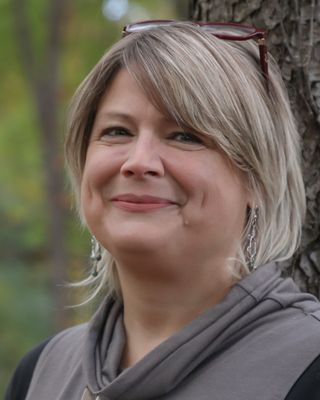
Hosted by Lydia Cm Boonzaayer
Licensed Professional Counselor, LPC
Group meets in Kalamazoo, MI 49008
A therapeutic book study of Cloud and Townsend's book Boundaries from October 1 - November 12 and runs for six weeks with one week off (not meeting Oct 15). This group is for women only. The sessions run from 6-7:15 pm. Participants are required to pay for 4 sessions up front ($100) and to also attend those 4 sessions, but ideally attend all 6 sessions. Each session is $25. You can also check to see if your insurance covers group psychotherapy, which is code 90853. Please RSVP to lboonzaayer@desertstreams.org. I will accept one virtual participant.
Transcranial Magnetic Stimulation (TMS) therapy is an effective and FDA-cleared treatment since 2008 for patients suffering from moderate to severe major depression who have not responded to medicinal therapy. Our practice is one of few in Michigan that offers this innovative therapy since 2010. TMS is non invasive office procedure, it stimulate neurons in the area of the brain that controls mood, without the need for general anesthesia or sedation. Most insurances including Medicare covers it. Prior authorization may have to be obtained. 83% respond and 62% shows remission after TMS. Schedule a consultation at www.kzootms.com .

Hosted by Kalamazoo TMS & Behavior Health
Psychiatrist, MD, MBBS, DDSc
Group meets in Portage, MI 49002
Transcranial Magnetic Stimulation (TMS) therapy is an effective and FDA-cleared treatment since 2008 for patients suffering from moderate to severe major depression who have not responded to medicinal therapy. Our practice is one of few in Michigan that offers this innovative therapy since 2010. TMS is non invasive office procedure, it stimulate neurons in the area of the brain that controls mood, without the need for general anesthesia or sedation. Most insurances including Medicare covers it. Prior authorization may have to be obtained. 83% respond and 62% shows remission after TMS. Schedule a consultation at www.kzootms.com .
Ketamine was FDA approved an anesthetic agent in 1970. Ketamine infusion for treatment resistant depression is not approved by the FDA. If a person responds to ketamine, it can rapidly reduce suicidality (life-threatening thoughts and acts) and relieve other serious symptoms of depression. Ketamine also can be effective for treating depression combined with anxiety.It’s not entirely clear how ketamine works. Because it the novel mechanism, ketamine may be able to help people successfully manage depression when other treatments have not worked. Some of the side effect include high blood pressure, nausea and vomiting, perceptual disturbances and dissociation.
Hosted by Kalamazoo TMS & Behavior Health
Psychiatrist, MD, MBBS, DDSc
Group meets in Portage, MI 49002
Ketamine was FDA approved an anesthetic agent in 1970. Ketamine infusion for treatment resistant depression is not approved by the FDA. If a person responds to ketamine, it can rapidly reduce suicidality (life-threatening thoughts and acts) and relieve other serious symptoms of depression. Ketamine also can be effective for treating depression combined with anxiety.It’s not entirely clear how ketamine works. Because it the novel mechanism, ketamine may be able to help people successfully manage depression when other treatments have not worked. Some of the side effect include high blood pressure, nausea and vomiting, perceptual disturbances and dissociation.
We’re living at a crossroads: between conditioned patterns of consumerism and perfectionism, and a new paradigm that invites more presence, connection, and authenticity. The holidays can turn up the volume on unhelpful ways of being, often leaving us stressed, lonely, or overwhelmed. Microdosing, when practiced with intention, offers a way to slow down, reconnect with ourselves, and cultivate compassion. Join us to explore microdosing as a tool for balance, connection, and breaking free from the holiday pressures that no longer serve us. Sundays in November. Via Zoom. $120 total- to register: www.curando.info under *bookings* page.
We’re living at a crossroads: between conditioned patterns of consumerism and perfectionism, and a new paradigm that invites more presence, connection, and authenticity. The holidays can turn up the volume on unhelpful ways of being, often leaving us stressed, lonely, or overwhelmed. Microdosing, when practiced with intention, offers a way to slow down, reconnect with ourselves, and cultivate compassion. Join us to explore microdosing as a tool for balance, connection, and breaking free from the holiday pressures that no longer serve us. Sundays in November. Via Zoom. $120 total- to register: www.curando.info under *bookings* page.
Outpatient mental health services located in Coldwater, MI. Treating ADHD, anxiety, depression, adjustment disorders, oppositional defiance disorder, and more.

Outpatient mental health services located in Coldwater, MI. Treating ADHD, anxiety, depression, adjustment disorders, oppositional defiance disorder, and more.
Finding freedom from porn addiction often feels like an impossible, lonely battle. But it doesn't have to be. Through our flagship recovery program, men and women are discovering a real path to healing. Over 31 weeks, this holistic journey combines reality and clinical science to guide you step by step. You won't walk this road alone; instead, you'll join a supportive, private community where daily check-ins keep you grounded, practical tools empower your daily life, and secure accountability helps you finally reclaim your freedom.
Hosted by Ray Brandon
Licensed Professional Counselor, MA, LPC, CSAT, NCC
Group meets in Kalamazoo, MI 49009
Finding freedom from porn addiction often feels like an impossible, lonely battle. But it doesn't have to be. Through our flagship recovery program, men and women are discovering a real path to healing. Over 31 weeks, this holistic journey combines reality and clinical science to guide you step by step. You won't walk this road alone; instead, you'll join a supportive, private community where daily check-ins keep you grounded, practical tools empower your daily life, and secure accountability helps you finally reclaim your freedom.
MBSR was developed in 1979 by Dr. Jon Kabat-Zinn at the University of Massachusetts Medical Center. It is an 8-week course that teaches mindfulness meditation, gentle yoga, and other forms of mindfulness practice that can be used in daily life (eating, communication, etc.). MBSR is the most researched Mind-Body program available and can be very helpful with a variety of physical and psychological challenges. Please contact me if you are interested!

Hosted by Lucy Sternburgh
Licensed Professional Counselor, LPC, SEP
Group meets in Kalamazoo, MI 49008
MBSR was developed in 1979 by Dr. Jon Kabat-Zinn at the University of Massachusetts Medical Center. It is an 8-week course that teaches mindfulness meditation, gentle yoga, and other forms of mindfulness practice that can be used in daily life (eating, communication, etc.). MBSR is the most researched Mind-Body program available and can be very helpful with a variety of physical and psychological challenges. Please contact me if you are interested!
Family Coaching Sessions are for families looking for a group approach to navigating the wholeness of the entire family. This supportive solution focused coaching focuses on FAMILY systems or family dysfunction, and to provide HELPFUL SOLUTIONS. This is an alternative to traditional therapy which focuses on one individual, to care for the group as a whole. Coaching is offered for a group fee for 4 sessions, with the option to add-on additional meetings. We work together to help identify social and emotional deficits along with executive function skill building to create new systems for the family to function better.

Hosted by Melanie Bugnaski
Licensed Professional Counselor, MA, LPC
Group meets in Kalamazoo, MI 49009
Family Coaching Sessions are for families looking for a group approach to navigating the wholeness of the entire family. This supportive solution focused coaching focuses on FAMILY systems or family dysfunction, and to provide HELPFUL SOLUTIONS. This is an alternative to traditional therapy which focuses on one individual, to care for the group as a whole. Coaching is offered for a group fee for 4 sessions, with the option to add-on additional meetings. We work together to help identify social and emotional deficits along with executive function skill building to create new systems for the family to function better.
I assist parents and families navigate through struggles they may be having with adjusting to virtual/hybrid learning. I provide tools and strategies to make this new learning less stressful as we navigate through COVID-19 and all the uncertainties revolving around education.
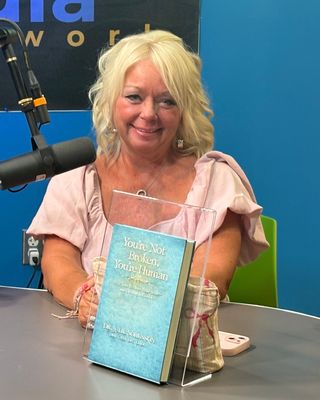
Hosted by Julie Sorenson
Licensed Professional Counselor, DMFT, MA, LPC
Group meets in Portage, MI 49024
I assist parents and families navigate through struggles they may be having with adjusting to virtual/hybrid learning. I provide tools and strategies to make this new learning less stressful as we navigate through COVID-19 and all the uncertainties revolving around education.
*Returning in 2022* The Anchored in Hope Postpartum group provides therapy, education and support for moms who are struggling with sleep issues, feeling overwhelmed, feeling isolated or alone, having increased anxiety, feeling guilt, sadness or irritability during the postpartum period. In a safe and supportive environment, women learn and share strategies for enhancing their sense of well-being and problem-solving abilities in a therapeutic setting. Topics covered include self-esteem, self-care, relationships, coping skills, building a healthy support network and feelings of depression and anxiety.
*Returning in 2022* The Anchored in Hope Postpartum group provides therapy, education and support for moms who are struggling with sleep issues, feeling overwhelmed, feeling isolated or alone, having increased anxiety, feeling guilt, sadness or irritability during the postpartum period. In a safe and supportive environment, women learn and share strategies for enhancing their sense of well-being and problem-solving abilities in a therapeutic setting. Topics covered include self-esteem, self-care, relationships, coping skills, building a healthy support network and feelings of depression and anxiety.
Family workshops offer a fun day for your entire family to GROW TOGETHER through Movement, Music, Relaxation & Art Activities. Throughout our lives, most of us have experienced being pruned (through discipline), transplanted (planned or unplanned moves in life) or being grafted into another family unit (through marriage or divorce)... but we are still able to be fruitful. Learn skills for navigating your family journey of relationships and faith. Traditional, blended, single parent-led, grandparent-led, adopted and foster families are all welcome! Contact to inquire of future spring workshop days or to host a workshop at your school or church.
Hosted by Melanie Bugnaski
Licensed Professional Counselor, MA, LPC
Group meets in Richland, MI 49083
Family workshops offer a fun day for your entire family to GROW TOGETHER through Movement, Music, Relaxation & Art Activities. Throughout our lives, most of us have experienced being pruned (through discipline), transplanted (planned or unplanned moves in life) or being grafted into another family unit (through marriage or divorce)... but we are still able to be fruitful. Learn skills for navigating your family journey of relationships and faith. Traditional, blended, single parent-led, grandparent-led, adopted and foster families are all welcome! Contact to inquire of future spring workshop days or to host a workshop at your school or church.
This group provides psycho-educational material and facilitated game, activity and role-play to explore issues concerning those with social anxiety and who may be on the Autism spectrum. This group targets a variety of issues from making and maintaining relationships and friendships, coping with anxiety, assertiveness and confidence, general self-management, conflict-resolution and teamwork.
This group provides psycho-educational material and facilitated game, activity and role-play to explore issues concerning those with social anxiety and who may be on the Autism spectrum. This group targets a variety of issues from making and maintaining relationships and friendships, coping with anxiety, assertiveness and confidence, general self-management, conflict-resolution and teamwork.
Enlightened Recovery offers a range of holistic groups to nurture both mind and body. Reiki and sound healing sessions promote energy balance and deep relaxation. Yoga classes build strength, flexibility, and mindfulness. Acupuncture sessions harness traditional methods for natural healing, while tai chi emphasizes graceful, meditative movement. Nutrition workshops empower participants with knowledge to fuel their recovery, and hands-on cooking groups provide practical skills for preparing healthy meals. Together, these holistic approaches support overall well-being and enhance the recovery journey.

Enlightened Recovery offers a range of holistic groups to nurture both mind and body. Reiki and sound healing sessions promote energy balance and deep relaxation. Yoga classes build strength, flexibility, and mindfulness. Acupuncture sessions harness traditional methods for natural healing, while tai chi emphasizes graceful, meditative movement. Nutrition workshops empower participants with knowledge to fuel their recovery, and hands-on cooking groups provide practical skills for preparing healthy meals. Together, these holistic approaches support overall well-being and enhance the recovery journey.
I offer group and individual supervision for LLPC's.
I offer group and individual supervision for LLPC's.
Life Journey focuses on making a difference! We actively work with you to envision and create the life you want. All our therapists are readily available and responsive to the needs of clients. We believe you should make breakthroughs in therapy on a regular basis. You will see results and you will know our goal is to move you forward on your journey. We are active problem solvers who respect the sacrifice you are making to change your life. We promise to work hard to accomplish your therapeutic goals! Let's get started to see where your journey leads.....

Life Journey focuses on making a difference! We actively work with you to envision and create the life you want. All our therapists are readily available and responsive to the needs of clients. We believe you should make breakthroughs in therapy on a regular basis. You will see results and you will know our goal is to move you forward on your journey. We are active problem solvers who respect the sacrifice you are making to change your life. We promise to work hard to accomplish your therapeutic goals! Let's get started to see where your journey leads.....
Join us at Meaningful Connections Counseling for a free body doubling/accountability group! Struggling to do the thing? Join our supportive body doubling group to work on something you've been meaning to do. Examples: homework, crossword puzzles, meditation, painting, taxes, answering emails, making appointments, etc. For more information please email us at: Leahconditlpc@gmail.com
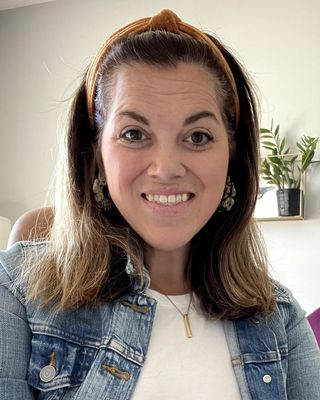
Join us at Meaningful Connections Counseling for a free body doubling/accountability group! Struggling to do the thing? Join our supportive body doubling group to work on something you've been meaning to do. Examples: homework, crossword puzzles, meditation, painting, taxes, answering emails, making appointments, etc. For more information please email us at: Leahconditlpc@gmail.com
This free Support Group of breast cancer patients at any stage of treatment or remission.
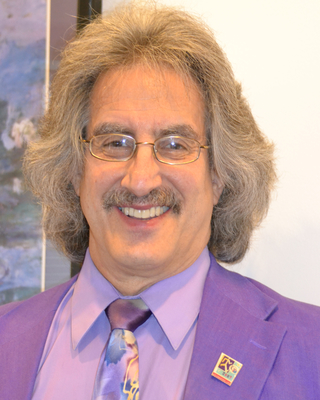
This free Support Group of breast cancer patients at any stage of treatment or remission.
See more therapy options for Battle Creek


Nearby Searches for Battle Creek
See More Support Groups FAQs - About Group Therapy and Support Groups
How can I find a support group in Battle Creek?
To find a support group in your area, start by entering your city, zip code, or the name of the group into the search bar at the top of the page. When searching, consider whether you prefer an in-person or virtual group. This can help you decide how broad your geographic search should be. If you are open to virtual groups, you might want to search by state instead of just your city, especially if there are limited options nearby.
Once you complete your search, you can use the filters to narrow the results by selecting specialties (such as grief, trauma, or eating disorders), therapeutic approaches, age groups, and other criteria to find a group that best fits your needs.
Once you complete your search, you can use the filters to narrow the results by selecting specialties (such as grief, trauma, or eating disorders), therapeutic approaches, age groups, and other criteria to find a group that best fits your needs.
How does group therapy work?
Group therapy is led by one or more trained therapists and provides a space where participants can process their experiences and learn from others facing similar challenges. Groups may focus on a specific issue—such as addiction, grief, physical illnesses, parenting, or caregiving—or they may center around a particular therapeutic approach, such as Cognitive Behavioral Therapy (CBT), social skill development, or Exposure Therapy. Some groups are also designed for specific populations, such as teens, veterans, or LGBTQ+ individuals.
It’s also important to distinguish group therapy from peer-led support groups, like Alcoholics Anonymous. While both can offer valuable support, therapy groups are typically led by licensed professionals and follow a more structured format. Therapy groups often meet for a fixed length of time with a consistent group of members, while many peer support groups meet for an indefinite period of time with members coming and going.
It’s also important to distinguish group therapy from peer-led support groups, like Alcoholics Anonymous. While both can offer valuable support, therapy groups are typically led by licensed professionals and follow a more structured format. Therapy groups often meet for a fixed length of time with a consistent group of members, while many peer support groups meet for an indefinite period of time with members coming and going.
What are the benefits of group therapy?
Group therapy offers several important benefits. It brings together people facing similar challenges—whether related to mental health, physical health, or life transitions—and creates a supportive environment where participants can exchange feedback, share experiences, and learn from one another. Hearing different perspectives can help individuals discover new coping strategies and practical tools they may not have encountered on their own. Sharing personal experiences, such as coping with a serious illness or navigating family struggles, can also reduce feelings of isolation and foster a sense of connection and understanding. In addition to emotional support, group members often gain useful, real-world advice from peers who have faced similar situations.
Group therapy is typically more affordable than individual therapy and, for certain conditions, can be equally effective. Many groups also include structured activities—such as guided journaling, cognitive-behavioral exercises, or role-playing—to help participants develop concrete skills they can apply in daily life.
Group therapy is typically more affordable than individual therapy and, for certain conditions, can be equally effective. Many groups also include structured activities—such as guided journaling, cognitive-behavioral exercises, or role-playing—to help participants develop concrete skills they can apply in daily life.
Is group therapy as effective as individual therapy?
It is difficult to make a blanket statement about the effectiveness of support groups, as they vary widely in focus and the conditions they address. However, support groups can be highly valuable in helping individuals gain emotional support and achieve meaningful treatment outcomes. For certain conditions, such as substance use, research has shown that group therapy can be particularly effective—sometimes just as effective as individual therapy—in supporting long-term recovery.
Many professionals attribute the effectiveness of group therapy to the unique benefits of the group setting, which fosters peer-to-peer learning and a sense of connection through shared experiences. Group settings also offer accountability and encouragement from both facilitators and fellow participants, which helps sustain motivation and supports continued progress. These factors together play a key role in promoting the overall effectiveness of group therapy.
Many professionals attribute the effectiveness of group therapy to the unique benefits of the group setting, which fosters peer-to-peer learning and a sense of connection through shared experiences. Group settings also offer accountability and encouragement from both facilitators and fellow participants, which helps sustain motivation and supports continued progress. These factors together play a key role in promoting the overall effectiveness of group therapy.
How much does group therapy cost?
Group therapy is typically less expensive than individual therapy, with sessions typically costing between $50 and $75 each. In comparison, individual therapy can cost anywhere from $100 to $200 or more per session, even with insurance. Some therapists or organizations offer low-cost or free group therapy options, particularly through community centers or nonprofit organizations. In some cases, groups may require payment upfront for a set number of sessions, such as paying for six weekly sessions at the first meeting. However, many providers offer payment plans to help make participation more accessible if this upfront payment is required.
Does insurance cover group therapy?
As with individual therapy, insurance coverage for group therapy varies based on factors such as your specific insurance plan, the purpose of the group, your diagnosis, and whether the group provider is in-network. Many insurance plans cover group therapy sessions that address diagnosable mental health conditions, such as substance use disorders, anxiety, or depression.
However, groups that focus on topics not directly tied to a mental health diagnosis—such as parenting support or divorce recovery—are less likely to be covered. Because coverage can vary widely, it’s important to check with your insurance provider before joining a group to confirm whether the sessions will be covered and what out-of-pocket costs you may be responsible for.
However, groups that focus on topics not directly tied to a mental health diagnosis—such as parenting support or divorce recovery—are less likely to be covered. Because coverage can vary widely, it’s important to check with your insurance provider before joining a group to confirm whether the sessions will be covered and what out-of-pocket costs you may be responsible for.
How long does group therapy last?
The length of each group therapy session typically ranges from 45 minutes to two hours, depending on the therapy approach, the group’s goals, and how often the group meets. In some cases, group therapy is part of a larger treatment program, such as an Intensive Outpatient Program (IOP), where group sessions complement individual therapy and are scheduled as part of the program’s overall structure.
The duration of participation in a group also varies. Some groups are designed to be short-term, lasting anywhere from 6 to 24 weeks—for example, bereavement groups or skills-based groups like those using Dialectical Behavioral Therapy (DBT). Other groups may be longer-term, lasting a year or more, and some ongoing support groups meet indefinitely, allowing participants to stay as long as they find the group helpful.
The duration of participation in a group also varies. Some groups are designed to be short-term, lasting anywhere from 6 to 24 weeks—for example, bereavement groups or skills-based groups like those using Dialectical Behavioral Therapy (DBT). Other groups may be longer-term, lasting a year or more, and some ongoing support groups meet indefinitely, allowing participants to stay as long as they find the group helpful.
What are the limitations of support groups?
Support groups offer many benefits, but they also have certain limitations. Unlike therapy groups, many support groups do not provide formal therapeutic treatment and are not led by licensed mental health professionals. For individuals seeking clinical treatment for specific mental health diagnoses—such as depression, eating disorders, or substance use—individual therapy or group therapy led by a licensed professional may offer more personalized and specialized care.
The effectiveness of a support group also depends heavily on the group’s participants and the overall group dynamic. When members engage respectfully and offer constructive support, the group can foster valuable peer-to-peer learning. However, if certain participants dominate discussions, provide inaccurate advice, or create conflict, it can disrupt the group’s sense of safety and reduce its effectiveness. Confidentiality can also be harder to maintain in support groups, particularly in open groups where participants can join or leave at any time. With new members regularly entering the group, it can be more difficult to build and sustain a consistent sense of trust and privacy.
The effectiveness of a support group also depends heavily on the group’s participants and the overall group dynamic. When members engage respectfully and offer constructive support, the group can foster valuable peer-to-peer learning. However, if certain participants dominate discussions, provide inaccurate advice, or create conflict, it can disrupt the group’s sense of safety and reduce its effectiveness. Confidentiality can also be harder to maintain in support groups, particularly in open groups where participants can join or leave at any time. With new members regularly entering the group, it can be more difficult to build and sustain a consistent sense of trust and privacy.