Support Groups in Gorham, ME
Yoga Therapy is a bottom-up approach to emotional health. Honoring the integrated bi-directional relationship of the physical, energetic, and emotional body in health and healing. Through yoga we can help clients to regulate the parasympathetic and sympathetic nervous system and improve vagal nerve tone, two key areas of the nervous system disrupted by trauma.

Hosted by Susan Gaudet
Clinical Social Work/Therapist, LCSW, RYT, R-HYI
Group meets in Gorham, ME 04038
Yoga Therapy is a bottom-up approach to emotional health. Honoring the integrated bi-directional relationship of the physical, energetic, and emotional body in health and healing. Through yoga we can help clients to regulate the parasympathetic and sympathetic nervous system and improve vagal nerve tone, two key areas of the nervous system disrupted by trauma.
More Groups Nearby
This support group is designed for women navigating the challenges of perimenopause and menopause. Share your story in a safe, supportive space with others who truly ‘get it.’ Together, we will explore our changing relationships at work, at home, and with ourselves. Learn ways to build resilience and discover your new normal for this stage of life. Group meets weekly for six sessions. New groups starting in August and September. Please call for an interview.

This support group is designed for women navigating the challenges of perimenopause and menopause. Share your story in a safe, supportive space with others who truly ‘get it.’ Together, we will explore our changing relationships at work, at home, and with ourselves. Learn ways to build resilience and discover your new normal for this stage of life. Group meets weekly for six sessions. New groups starting in August and September. Please call for an interview.
A virtual Psychotherapy Process Group for high-functioning dads with kids ages 0-early teens who are achieving success but are struggling with wellbeing and balancing success as a parent, spouse/partner and professional. The group will provide an opportunity for connection, support, feedback and growth from a group of dads sharing similar challenges. The group may facilitate the development of new skills, approaches, mindsets and confidence to be successful as a family man and a professional.

A virtual Psychotherapy Process Group for high-functioning dads with kids ages 0-early teens who are achieving success but are struggling with wellbeing and balancing success as a parent, spouse/partner and professional. The group will provide an opportunity for connection, support, feedback and growth from a group of dads sharing similar challenges. The group may facilitate the development of new skills, approaches, mindsets and confidence to be successful as a family man and a professional.
(Virtual weekly group) This group is designed for adults experiencing obsessive compulsive disorder, generalized anxiety, panic attacks, social anxiety, health anxiety, excessive worry, and intrusive thoughts. You will learn tools, coping skills, and strategies to work with to better manage your symptoms. You will receive support, encouragement, and a compassionate understanding from others experiencing similar challenges. Please reach out with any questions, or for further information on fees, and insurance coverage.
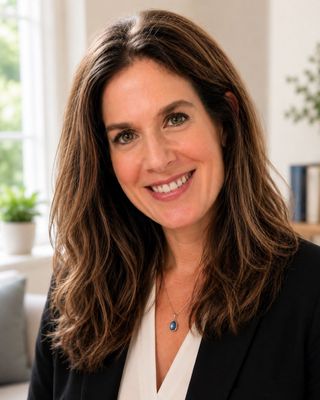
(Virtual weekly group) This group is designed for adults experiencing obsessive compulsive disorder, generalized anxiety, panic attacks, social anxiety, health anxiety, excessive worry, and intrusive thoughts. You will learn tools, coping skills, and strategies to work with to better manage your symptoms. You will receive support, encouragement, and a compassionate understanding from others experiencing similar challenges. Please reach out with any questions, or for further information on fees, and insurance coverage.
Next cohort: Fall 2026 starting 9/9/26. Experience the support and connection of other women who get it and have been there too. Lead by licensed therapists and designed by a survivor and trauma specialist, this 10 week support group is for women who have experienced sexual or interpersonal violence, sexual abuse, or other adverse experiences related to sexual or personal safety. Have a space to talk openly about your experience, receive support, connect with other survivors, and learn that you are not alone.

Hosted by Virago Wellness
Licensed Professional Counselor, LCPC
Group meets in South Portland, ME 04106
Next cohort: Fall 2026 starting 9/9/26. Experience the support and connection of other women who get it and have been there too. Lead by licensed therapists and designed by a survivor and trauma specialist, this 10 week support group is for women who have experienced sexual or interpersonal violence, sexual abuse, or other adverse experiences related to sexual or personal safety. Have a space to talk openly about your experience, receive support, connect with other survivors, and learn that you are not alone.
(Virtual group) Being part of a blended family can be deeply rewarding; however, it also can come with unique challenges. This support group is designed for stepparents and partners navigating relationships with stepchildren, co-parenting, conflicts, boundaries, communication, feelings of exclusion, the emotional ups and downs of blended family life, and much more. Together, we will share experiences, learn practical strategies, and build healthier relationships in a safe, nonjudgemental environment. Whether you are new to a blended family or have been part of one for years, you are welcome to join! Please contact me for rates.
(Virtual group) Being part of a blended family can be deeply rewarding; however, it also can come with unique challenges. This support group is designed for stepparents and partners navigating relationships with stepchildren, co-parenting, conflicts, boundaries, communication, feelings of exclusion, the emotional ups and downs of blended family life, and much more. Together, we will share experiences, learn practical strategies, and build healthier relationships in a safe, nonjudgemental environment. Whether you are new to a blended family or have been part of one for years, you are welcome to join! Please contact me for rates.
Designed to bring awareness, insight and assist with releasing stored trauma/arousal in the body, this body-based counseling group will explore sensation, emotion and being in the present moment. Anxiety and fear are memorized responses to historic situations which interfere with freshness in the present moment. Seek insight about long-held unconscious beliefs and release attendant emotions with Betsy Elder LCPC on Wednesdays at 145 Maine St. #5 ,Brunswick 6:30-8:30pm. $20/session. Call 207-504-6600 or email elder.betsy@gmail.com for more information.

Designed to bring awareness, insight and assist with releasing stored trauma/arousal in the body, this body-based counseling group will explore sensation, emotion and being in the present moment. Anxiety and fear are memorized responses to historic situations which interfere with freshness in the present moment. Seek insight about long-held unconscious beliefs and release attendant emotions with Betsy Elder LCPC on Wednesdays at 145 Maine St. #5 ,Brunswick 6:30-8:30pm. $20/session. Call 207-504-6600 or email elder.betsy@gmail.com for more information.
EMERGE is a counseling group for people who have lost their sense of self in their relationships with others. Not being authentic with others can lead to depression over not being who you wanted to be in the past or anxiety about who you will be in the future. By gaining a better understanding of who you really are you can become more confident in the decisions you make each day and the way you communicate who you are and what you think to others. Join a small group of serious people like yourself who want to EMERGE as yourself.

EMERGE is a counseling group for people who have lost their sense of self in their relationships with others. Not being authentic with others can lead to depression over not being who you wanted to be in the past or anxiety about who you will be in the future. By gaining a better understanding of who you really are you can become more confident in the decisions you make each day and the way you communicate who you are and what you think to others. Join a small group of serious people like yourself who want to EMERGE as yourself.
This group is designed to support women through this major life transition. These experiences can feel overwhelming and isolating. You don’t have to be on this journey alone. Join a safe, healing and supportive space where women can share feelings of loss, grief, anger and uncertainty. Together we explore the challenges of co-parenting, negotiating with a former partner, and navigating changing roles. This group offers practical support and meaningful connection to help you move forward wherever you are in the process. Group meets every other week for six sessions. New groups starting in August and September. Please call for an interview.
This group is designed to support women through this major life transition. These experiences can feel overwhelming and isolating. You don’t have to be on this journey alone. Join a safe, healing and supportive space where women can share feelings of loss, grief, anger and uncertainty. Together we explore the challenges of co-parenting, negotiating with a former partner, and navigating changing roles. This group offers practical support and meaningful connection to help you move forward wherever you are in the process. Group meets every other week for six sessions. New groups starting in August and September. Please call for an interview.
A boutique Adult, Child & Adolescent Psychiatry and Psychology practice located in Saco/Biddeford Maine and serving the greater Portland Maine area with in-person visits in addition to all of Maine via telehealth. We can often offer same-week appointments, medication and evidence-based therapies for anxiety, depression, OCD, ADHD, bipolar disorder, schizophrenia, personality disorders and more.

A boutique Adult, Child & Adolescent Psychiatry and Psychology practice located in Saco/Biddeford Maine and serving the greater Portland Maine area with in-person visits in addition to all of Maine via telehealth. We can often offer same-week appointments, medication and evidence-based therapies for anxiety, depression, OCD, ADHD, bipolar disorder, schizophrenia, personality disorders and more.
All who wish to participate.

All who wish to participate.
Queer and trans folks often move through seasons of change without a space built for that experience, coming out, transition, chosen family, grief, reinvention. This four-week series offers a space where LGBTQIA+ adults can explore identity, connection, and change together, through music, play, and the safety of witnessing and being witnessed. This group is for non-musicians, musicians and everyone in between! No musical skill is required, only a willingness to show up and see what moves through you.

Hosted by Kelsey Raftis
Licensed Clinical Professional Counselor, LCPC, MT-BC, MA
Group meets in South Portland, ME 04106
Queer and trans folks often move through seasons of change without a space built for that experience, coming out, transition, chosen family, grief, reinvention. This four-week series offers a space where LGBTQIA+ adults can explore identity, connection, and change together, through music, play, and the safety of witnessing and being witnessed. This group is for non-musicians, musicians and everyone in between! No musical skill is required, only a willingness to show up and see what moves through you.
This is a group for male-identified persons with the purposes of providing a safe, supportive, and confidential space to discuss issues of men’s identity including but not limited to: Mental Health, Relationships, Work, Self-Care, Meaning and Purpose, Family, Culture, Sex and Sexuality, Stress Management/Coping Tools, Grief and Loss, and Health and Aging. Both insurance and sliding-scale payments are accepted. *PLEASE NOTE* Participants must initially be in individual therapy with me for a time before joining this group. Please contact me with any questions.

This is a group for male-identified persons with the purposes of providing a safe, supportive, and confidential space to discuss issues of men’s identity including but not limited to: Mental Health, Relationships, Work, Self-Care, Meaning and Purpose, Family, Culture, Sex and Sexuality, Stress Management/Coping Tools, Grief and Loss, and Health and Aging. Both insurance and sliding-scale payments are accepted. *PLEASE NOTE* Participants must initially be in individual therapy with me for a time before joining this group. Please contact me with any questions.
For Therapists: This is a group for clinicians who want to deepen their work with experiential theory and practice. The material draws from Person-Centered Therapy, Gestalt Therapy, Emotion-Focused Therapy Psychodrama, and the facilitator's two decades of conducting humanistic/experiential therapy. Each meeting includes lecture, discussion, and experiential practice. Join a supportive learning community and advance your skills and effectiveness. See also my Experiential Couples Therapy Study Group. These groups each meet every other week from 11am to 1pm. There's also an every other Friday group from 11am to 1pm.

For Therapists: This is a group for clinicians who want to deepen their work with experiential theory and practice. The material draws from Person-Centered Therapy, Gestalt Therapy, Emotion-Focused Therapy Psychodrama, and the facilitator's two decades of conducting humanistic/experiential therapy. Each meeting includes lecture, discussion, and experiential practice. Join a supportive learning community and advance your skills and effectiveness. See also my Experiential Couples Therapy Study Group. These groups each meet every other week from 11am to 1pm. There's also an every other Friday group from 11am to 1pm.
We all have a lot of roles in our lives: Partner, parent, child, sibling, friend, employee, boss, caregiver, caree, talker, listener, student, teacher, sage, fool, etc. We have roles we're tired of, roles we wish we had, and roles we're trying to get better at. Come join with others as we explore the roles of our lives: How to get the ones we want, how to get better at the ones we have, and how to say goodbye to the ones we no longer want. 12-week group. Open to all. Sliding scale. Downtown Portland.
We all have a lot of roles in our lives: Partner, parent, child, sibling, friend, employee, boss, caregiver, caree, talker, listener, student, teacher, sage, fool, etc. We have roles we're tired of, roles we wish we had, and roles we're trying to get better at. Come join with others as we explore the roles of our lives: How to get the ones we want, how to get better at the ones we have, and how to say goodbye to the ones we no longer want. 12-week group. Open to all. Sliding scale. Downtown Portland.
I currently running a biweekly in-person consultation group with therapists who have taken my Gestalt Therapy and Gottman Method couples therapy trainings. I'd like to start a 2nd biweekly group for new couples therapists or couples therapists who have not been part of my trainings. The days for this new group could be Tuesday or Wednesday, for an hour starting around 2pm. If this interests you and you may know some colleagues that want to join as well, please feel free to email me.

Hosted by Adrienne J Bentsen
Marriage & Family Therapist, MA, LMFT
Group meets in Portland, ME 04101
I currently running a biweekly in-person consultation group with therapists who have taken my Gestalt Therapy and Gottman Method couples therapy trainings. I'd like to start a 2nd biweekly group for new couples therapists or couples therapists who have not been part of my trainings. The days for this new group could be Tuesday or Wednesday, for an hour starting around 2pm. If this interests you and you may know some colleagues that want to join as well, please feel free to email me.
Learn skills for more psychological flexibility (using mindfulness and committed actions) in a safe and confidential group. You’ll learn how to: • Unhook from negative/harmful thoughts • Be more present • Accept what cannot be changed • Focus on what’s most important in your life • Take committed action toward your values • Have a kinder and more realistic view of yourself and others. No insurance accepted for this support group. This is an in-person group. We switch to on-line only in severe weather conditions.

Hosted by Teresa Valliere
Clinical Social Work/Therapist, LCSW, LADC, CCS
Group meets in Portland, ME 04103
Learn skills for more psychological flexibility (using mindfulness and committed actions) in a safe and confidential group. You’ll learn how to: • Unhook from negative/harmful thoughts • Be more present • Accept what cannot be changed • Focus on what’s most important in your life • Take committed action toward your values • Have a kinder and more realistic view of yourself and others. No insurance accepted for this support group. This is an in-person group. We switch to on-line only in severe weather conditions.
Learn the basics of mindful meditation from a therapist with more than fifteen years of teaching experience. Mindfulness is the key strategy for gaining control of your emotional landscape and achieving your goals, large and small. I assemble groups of four participants who have a shared interest in learning how to meditate. We find an hour time slot when we're all available and then we meet for four weeks in a row. The fee is $100 for all four sessions, due at the start of the first group.

Learn the basics of mindful meditation from a therapist with more than fifteen years of teaching experience. Mindfulness is the key strategy for gaining control of your emotional landscape and achieving your goals, large and small. I assemble groups of four participants who have a shared interest in learning how to meditate. We find an hour time slot when we're all available and then we meet for four weeks in a row. The fee is $100 for all four sessions, due at the start of the first group.
Pesso Boyden Psychomotor System[PBSP] is a highly respected mind-body therapy which utilizes role-playing [or reenactment] to access and process experiences from the past that continue to influence present day emotions, attitudes, expectations and decisions. Within this role-playing structure which offers a tactile, auditory and visual kinesthetic experience, one's past can be effectively remapped in the present moment, in exactly the right way, leading to a life of greater optomism and more fulfilling relationships.

Hosted by Relational Life Therapy (RLT Certified)
Counselor, MS, MEd
Group meets in Kennebunk, ME 04043
Pesso Boyden Psychomotor System[PBSP] is a highly respected mind-body therapy which utilizes role-playing [or reenactment] to access and process experiences from the past that continue to influence present day emotions, attitudes, expectations and decisions. Within this role-playing structure which offers a tactile, auditory and visual kinesthetic experience, one's past can be effectively remapped in the present moment, in exactly the right way, leading to a life of greater optomism and more fulfilling relationships.
Supportive aftercare group for those affected by those who have loved ones in their family who struggle with addiction. It is so important to not feel alone and to know that there are others out there who know the struggle and have a safe place to feel vulnerable and want to become stronger and more informed about this disease.

Supportive aftercare group for those affected by those who have loved ones in their family who struggle with addiction. It is so important to not feel alone and to know that there are others out there who know the struggle and have a safe place to feel vulnerable and want to become stronger and more informed about this disease.
See more therapy options for Gorham


Nearby Searches for Gorham
See More Support Groups FAQs - About Group Therapy and Support Groups
How can I find a support group in Gorham?
To find a support group in your area, start by entering your city, zip code, or the name of the group into the search bar at the top of the page. When searching, consider whether you prefer an in-person or virtual group. This can help you decide how broad your geographic search should be. If you are open to virtual groups, you might want to search by state instead of just your city, especially if there are limited options nearby.
Once you complete your search, you can use the filters to narrow the results by selecting specialties (such as grief, trauma, or eating disorders), therapeutic approaches, age groups, and other criteria to find a group that best fits your needs.
Once you complete your search, you can use the filters to narrow the results by selecting specialties (such as grief, trauma, or eating disorders), therapeutic approaches, age groups, and other criteria to find a group that best fits your needs.
How does group therapy work?
Group therapy is led by one or more trained therapists and provides a space where participants can process their experiences and learn from others facing similar challenges. Groups may focus on a specific issue—such as addiction, grief, physical illnesses, parenting, or caregiving—or they may center around a particular therapeutic approach, such as Cognitive Behavioral Therapy (CBT), social skill development, or Exposure Therapy. Some groups are also designed for specific populations, such as teens, veterans, or LGBTQ+ individuals.
It’s also important to distinguish group therapy from peer-led support groups, like Alcoholics Anonymous. While both can offer valuable support, therapy groups are typically led by licensed professionals and follow a more structured format. Therapy groups often meet for a fixed length of time with a consistent group of members, while many peer support groups meet for an indefinite period of time with members coming and going.
It’s also important to distinguish group therapy from peer-led support groups, like Alcoholics Anonymous. While both can offer valuable support, therapy groups are typically led by licensed professionals and follow a more structured format. Therapy groups often meet for a fixed length of time with a consistent group of members, while many peer support groups meet for an indefinite period of time with members coming and going.
What are the benefits of group therapy?
Group therapy offers several important benefits. It brings together people facing similar challenges—whether related to mental health, physical health, or life transitions—and creates a supportive environment where participants can exchange feedback, share experiences, and learn from one another. Hearing different perspectives can help individuals discover new coping strategies and practical tools they may not have encountered on their own. Sharing personal experiences, such as coping with a serious illness or navigating family struggles, can also reduce feelings of isolation and foster a sense of connection and understanding. In addition to emotional support, group members often gain useful, real-world advice from peers who have faced similar situations.
Group therapy is typically more affordable than individual therapy and, for certain conditions, can be equally effective. Many groups also include structured activities—such as guided journaling, cognitive-behavioral exercises, or role-playing—to help participants develop concrete skills they can apply in daily life.
Group therapy is typically more affordable than individual therapy and, for certain conditions, can be equally effective. Many groups also include structured activities—such as guided journaling, cognitive-behavioral exercises, or role-playing—to help participants develop concrete skills they can apply in daily life.
Is group therapy as effective as individual therapy?
It is difficult to make a blanket statement about the effectiveness of support groups, as they vary widely in focus and the conditions they address. However, support groups can be highly valuable in helping individuals gain emotional support and achieve meaningful treatment outcomes. For certain conditions, such as substance use, research has shown that group therapy can be particularly effective—sometimes just as effective as individual therapy—in supporting long-term recovery.
Many professionals attribute the effectiveness of group therapy to the unique benefits of the group setting, which fosters peer-to-peer learning and a sense of connection through shared experiences. Group settings also offer accountability and encouragement from both facilitators and fellow participants, which helps sustain motivation and supports continued progress. These factors together play a key role in promoting the overall effectiveness of group therapy.
Many professionals attribute the effectiveness of group therapy to the unique benefits of the group setting, which fosters peer-to-peer learning and a sense of connection through shared experiences. Group settings also offer accountability and encouragement from both facilitators and fellow participants, which helps sustain motivation and supports continued progress. These factors together play a key role in promoting the overall effectiveness of group therapy.
How much does group therapy cost?
Group therapy is typically less expensive than individual therapy, with sessions typically costing between $50 and $75 each. In comparison, individual therapy can cost anywhere from $100 to $200 or more per session, even with insurance. Some therapists or organizations offer low-cost or free group therapy options, particularly through community centers or nonprofit organizations. In some cases, groups may require payment upfront for a set number of sessions, such as paying for six weekly sessions at the first meeting. However, many providers offer payment plans to help make participation more accessible if this upfront payment is required.
Does insurance cover group therapy?
As with individual therapy, insurance coverage for group therapy varies based on factors such as your specific insurance plan, the purpose of the group, your diagnosis, and whether the group provider is in-network. Many insurance plans cover group therapy sessions that address diagnosable mental health conditions, such as substance use disorders, anxiety, or depression.
However, groups that focus on topics not directly tied to a mental health diagnosis—such as parenting support or divorce recovery—are less likely to be covered. Because coverage can vary widely, it’s important to check with your insurance provider before joining a group to confirm whether the sessions will be covered and what out-of-pocket costs you may be responsible for.
However, groups that focus on topics not directly tied to a mental health diagnosis—such as parenting support or divorce recovery—are less likely to be covered. Because coverage can vary widely, it’s important to check with your insurance provider before joining a group to confirm whether the sessions will be covered and what out-of-pocket costs you may be responsible for.
How long does group therapy last?
The length of each group therapy session typically ranges from 45 minutes to two hours, depending on the therapy approach, the group’s goals, and how often the group meets. In some cases, group therapy is part of a larger treatment program, such as an Intensive Outpatient Program (IOP), where group sessions complement individual therapy and are scheduled as part of the program’s overall structure.
The duration of participation in a group also varies. Some groups are designed to be short-term, lasting anywhere from 6 to 24 weeks—for example, bereavement groups or skills-based groups like those using Dialectical Behavioral Therapy (DBT). Other groups may be longer-term, lasting a year or more, and some ongoing support groups meet indefinitely, allowing participants to stay as long as they find the group helpful.
The duration of participation in a group also varies. Some groups are designed to be short-term, lasting anywhere from 6 to 24 weeks—for example, bereavement groups or skills-based groups like those using Dialectical Behavioral Therapy (DBT). Other groups may be longer-term, lasting a year or more, and some ongoing support groups meet indefinitely, allowing participants to stay as long as they find the group helpful.
What are the limitations of support groups?
Support groups offer many benefits, but they also have certain limitations. Unlike therapy groups, many support groups do not provide formal therapeutic treatment and are not led by licensed mental health professionals. For individuals seeking clinical treatment for specific mental health diagnoses—such as depression, eating disorders, or substance use—individual therapy or group therapy led by a licensed professional may offer more personalized and specialized care.
The effectiveness of a support group also depends heavily on the group’s participants and the overall group dynamic. When members engage respectfully and offer constructive support, the group can foster valuable peer-to-peer learning. However, if certain participants dominate discussions, provide inaccurate advice, or create conflict, it can disrupt the group’s sense of safety and reduce its effectiveness. Confidentiality can also be harder to maintain in support groups, particularly in open groups where participants can join or leave at any time. With new members regularly entering the group, it can be more difficult to build and sustain a consistent sense of trust and privacy.
The effectiveness of a support group also depends heavily on the group’s participants and the overall group dynamic. When members engage respectfully and offer constructive support, the group can foster valuable peer-to-peer learning. However, if certain participants dominate discussions, provide inaccurate advice, or create conflict, it can disrupt the group’s sense of safety and reduce its effectiveness. Confidentiality can also be harder to maintain in support groups, particularly in open groups where participants can join or leave at any time. With new members regularly entering the group, it can be more difficult to build and sustain a consistent sense of trust and privacy.