Support Groups in Mount Rainier, MD
A virtual mindfulness processing group for adults experiencing anxiety and depression due to work-related stressors.

A virtual mindfulness processing group for adults experiencing anxiety and depression due to work-related stressors.
More Groups Nearby
This psychodynamic psychotherapy group is comprised of women in their 20's through 40's. The focus is on self-acceptance, relationship building, career development, and appropriate self-expression. Members have considerable psychotherapy experience and are able to observe themselves and the group process as they discuss content.

This psychodynamic psychotherapy group is comprised of women in their 20's through 40's. The focus is on self-acceptance, relationship building, career development, and appropriate self-expression. Members have considerable psychotherapy experience and are able to observe themselves and the group process as they discuss content.
Anger is a normal, healthy emotion. It becomes unhealthy when it flares up most times or spirals out of control. Explosive anger has severe consequences for yourself, your relationships, and your state of being. The good news is that getting anger under control is easier than you think. With insight into the real reasons for your anger and the proper management tools, you can learn to keep your temper from controlling and ultimately ruining your life. We have an anger management group for adults. This educational program is ideal for court requirements, businesses, human resources, families, couples, and individuals.

Anger is a normal, healthy emotion. It becomes unhealthy when it flares up most times or spirals out of control. Explosive anger has severe consequences for yourself, your relationships, and your state of being. The good news is that getting anger under control is easier than you think. With insight into the real reasons for your anger and the proper management tools, you can learn to keep your temper from controlling and ultimately ruining your life. We have an anger management group for adults. This educational program is ideal for court requirements, businesses, human resources, families, couples, and individuals.
Have you been in individual therapy for years but haven't gotten the results you expected? Despite your hard work, your therapist may not have the full picture. They only know what you tell them, and we all have blind spots. In group therapy, the therapist observes you interacting with others, while group members provide honest feedback about how they experience you. Together, this helps clarify patterns that may be contributing to your unhappiness. By increasing self-awareness and learning new ways of relating, you can build healthier relationships and create meaningful change.

Have you been in individual therapy for years but haven't gotten the results you expected? Despite your hard work, your therapist may not have the full picture. They only know what you tell them, and we all have blind spots. In group therapy, the therapist observes you interacting with others, while group members provide honest feedback about how they experience you. Together, this helps clarify patterns that may be contributing to your unhappiness. By increasing self-awareness and learning new ways of relating, you can build healthier relationships and create meaningful change.
Virtual Adult (25+) Women's educational support group with the option to play video games or craft. Rotating lesson plans and discussion questions. Neurodivergence, wellness.

Hosted by GameTalk Therapy
Licensed Clinical Professional Counselor, LCPC, LPCMH
Group meets in Linthicum Heights, MD 21090
Virtual Adult (25+) Women's educational support group with the option to play video games or craft. Rotating lesson plans and discussion questions. Neurodivergence, wellness.
6314 Windsor Mild Road Gwynn Oak Suite 201B MD 21217,Amazing Care Health Services, LLC provides culturally sensitive, high-quality mental health services to children, adolescents, adults, and their families to empower healthy people in a strong community. We offer outpatient mental health services to children, adolescents, and adults, at the office or in the community in individual and group settings. We offer medication management for those clients that need medication

Hosted by Amazing Care Mental Health &SUD Services LLC
Treatment Center, BHA, MHA, DHA
Group meets in Baltimore, MD 21207
6314 Windsor Mild Road Gwynn Oak Suite 201B MD 21217,Amazing Care Health Services, LLC provides culturally sensitive, high-quality mental health services to children, adolescents, adults, and their families to empower healthy people in a strong community. We offer outpatient mental health services to children, adolescents, and adults, at the office or in the community in individual and group settings. We offer medication management for those clients that need medication
This group attends to the heart of the therapist with a self-care pause that nurtures, enriches and affirms our work and lives. Expand clinical awareness in the confidential setting of an experiential, multi-disciplinary group as attunement within the group revives and awakens an awareness of the clinical gold within our reach. Meets one Friday a month from 3 to 5 PM. Co-facilitated by Trish Cleary, MS, LCPC-MFT-ADC, CGP, FAGPA and Ginger Sullivan, MA, LPC, CGP, FAGPA. More information is available on the Announcements page of www.trishcleary.com
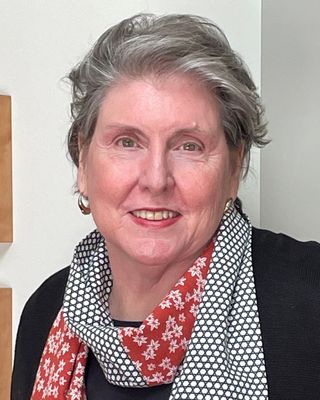
Hosted by Trish Cleary
Licensed Clinical Professional Counselor, MS, LCPC, LCMFT, LCADC, CGP
Group meets in Chevy Chase, MD 20815
This group attends to the heart of the therapist with a self-care pause that nurtures, enriches and affirms our work and lives. Expand clinical awareness in the confidential setting of an experiential, multi-disciplinary group as attunement within the group revives and awakens an awareness of the clinical gold within our reach. Meets one Friday a month from 3 to 5 PM. Co-facilitated by Trish Cleary, MS, LCPC-MFT-ADC, CGP, FAGPA and Ginger Sullivan, MA, LPC, CGP, FAGPA. More information is available on the Announcements page of www.trishcleary.com
Using psycho-education, hypnotherapy, dynamic psychotherapy, and mutual support we focus on generating a positive healthy outcome over the course of ten weeks. Having successfully run this group many times, it is ongoing throughout the year, and begins on quarterly intervals.
Contact our office for the next group scheduled!
The parent DBT group helps caregivers learn skills to support their child's emotional and behavioral challenges. Focused on mindfulness, emotional regulation, distress tolerance, and effective communication, the group teaches parents how to model and reinforce healthy coping strategies at home. Through discussions, role-play, and shared experiences, parents gain insight into their own emotional responses and develop tools for reducing conflict, managing stress, and improving family dynamics. Facilitated by a therapist, the group fosters a supportive environment, empowering parents to better understand their child's needs and create a more stable, compassionate family environment.

Hosted by Nicole Fayard
Licensed Clinical Professional Counselor, LCPC, LPC, NCC
Group meets in Bethesda, MD 20814
The parent DBT group helps caregivers learn skills to support their child's emotional and behavioral challenges. Focused on mindfulness, emotional regulation, distress tolerance, and effective communication, the group teaches parents how to model and reinforce healthy coping strategies at home. Through discussions, role-play, and shared experiences, parents gain insight into their own emotional responses and develop tools for reducing conflict, managing stress, and improving family dynamics. Facilitated by a therapist, the group fosters a supportive environment, empowering parents to better understand their child's needs and create a more stable, compassionate family environment.
Gather with other moms to express, release, and learn in a safe and trusting environment. Take time from the day that can be yours to nourish and rejuvenate.

Hosted by Alison Fellowes Comly
Clinical Social Work/Therapist, LICSW
Group meets in Bethesda, MD 20814
Gather with other moms to express, release, and learn in a safe and trusting environment. Take time from the day that can be yours to nourish and rejuvenate.
The focus is on an opportunity to more deeply understand body/mind/spirit/emotion as these pertain to the psychological/relational problems that cause the desire for therapeutic help. Emotional expression in a safe and 'attachment' healing process offers a unique experience for most clients. In this highly structured atmosphere clients can experience self in relationship to others as well as to ones own deeply felt emotional life. Members are carefully screened and selected for this group.

Hosted by Laurette Eileen Harvey
Clinical Social Work/Therapist, LCSW-C, MEd
Group meets in Silver Spring, MD 20910
The focus is on an opportunity to more deeply understand body/mind/spirit/emotion as these pertain to the psychological/relational problems that cause the desire for therapeutic help. Emotional expression in a safe and 'attachment' healing process offers a unique experience for most clients. In this highly structured atmosphere clients can experience self in relationship to others as well as to ones own deeply felt emotional life. Members are carefully screened and selected for this group.
This group is designed for individuals struggling with anxiety, stress, overthinking, avoidance, perfectionism, or feeling stuck in cycles of worry. Together, we focus on practical tools and evidence-based strategies to help participants build resilience, increase flexibility, and respond to anxiety in healthier ways. Sessions incorporate psychoeducation, coping skills, mindfulness, Acceptance & Commitment informed strategies, and exposure-based concepts in a supportive and approachable environment. Participants will have opportunities to learn, reflect, and connect with others who understand the challenges anxiety can bring. Individuals with all levels of anxiety are welcome, including those managing OCD, phobias, social anxiety, panic, generalized anxiety.

Hosted by Blossoming Growth, PLLC
Clinical Social Work/Therapist, LCSW-C
Group meets in Bethesda, MD 20815
This group is designed for individuals struggling with anxiety, stress, overthinking, avoidance, perfectionism, or feeling stuck in cycles of worry. Together, we focus on practical tools and evidence-based strategies to help participants build resilience, increase flexibility, and respond to anxiety in healthier ways. Sessions incorporate psychoeducation, coping skills, mindfulness, Acceptance & Commitment informed strategies, and exposure-based concepts in a supportive and approachable environment. Participants will have opportunities to learn, reflect, and connect with others who understand the challenges anxiety can bring. Individuals with all levels of anxiety are welcome, including those managing OCD, phobias, social anxiety, panic, generalized anxiety.
The program consists of 12 lessons and you will receive a certificate of completion.
You may also choose to complete the program via individual sessions rather than group sessions.

The program consists of 12 lessons and you will receive a certificate of completion.
You may also choose to complete the program via individual sessions rather than group sessions.
Weekly therapy group for clients who are dealing with divorce and parenting challenges. Having a supportive nonjudgemental space to learn to cope with challenging transitions and develop healthy coping skills to build a life worth living.

Hosted by Healing By Design LLC
Clinical Social Work/Therapist, LCSW-C
Group meets in Chevy Chase, MD 20815
Weekly therapy group for clients who are dealing with divorce and parenting challenges. Having a supportive nonjudgemental space to learn to cope with challenging transitions and develop healthy coping skills to build a life worth living.
Help your Teen challenge and change their perspective to help manage stress, regulate emotions, and have confidence to face the challenges of their everyday life. Maryland Therapy Collective's mood management and coping skills teen group is built on the foundation of Dialectical Behavioral Therapy (DBT) while also incorporating units of Cognitive Behavioral Therapy (CBT) and Narrative Therapy. This gives the teens the opportunity to learn skills from different modalities to empower them to use what is most helpful and relevant for them while also collaborating with other teens on shared concerns.

Hosted by Maryland Therapy Collective
Clinical Social Work/Therapist, LCSW-C, CCTP, C-DBT
Group meets in Olney, MD 20832
Help your Teen challenge and change their perspective to help manage stress, regulate emotions, and have confidence to face the challenges of their everyday life. Maryland Therapy Collective's mood management and coping skills teen group is built on the foundation of Dialectical Behavioral Therapy (DBT) while also incorporating units of Cognitive Behavioral Therapy (CBT) and Narrative Therapy. This gives the teens the opportunity to learn skills from different modalities to empower them to use what is most helpful and relevant for them while also collaborating with other teens on shared concerns.
An in-person group for adolescents who struggle with anxiety, social anxiety, and self-esteem.Learn and practice the following: Week 1: Introduction & Basics-The difference between stress and anxiety and why you need different strategies for each -Increasing emotional awareness -The 3 things that predict anxiety getting worse and how to stop this process -How to manage panic attacks using the 3 step panic attack protocol. Week 2: Managing and Coping. Week 3: Hands on Application and Practice. Week 4: Social Anxiety. Week 5: "What if" Anxiety. Week 6: Home Support and Takeaways. Please see flyer for more details www.asfcounseling.com

Hosted by Dena Alalfey
Licensed Clinical Professional Counselor, MS, NCC, LCPC
Group meets in Gaithersburg, MD 20878
An in-person group for adolescents who struggle with anxiety, social anxiety, and self-esteem.Learn and practice the following: Week 1: Introduction & Basics-The difference between stress and anxiety and why you need different strategies for each -Increasing emotional awareness -The 3 things that predict anxiety getting worse and how to stop this process -How to manage panic attacks using the 3 step panic attack protocol. Week 2: Managing and Coping. Week 3: Hands on Application and Practice. Week 4: Social Anxiety. Week 5: "What if" Anxiety. Week 6: Home Support and Takeaways. Please see flyer for more details www.asfcounseling.com
This group offers a safe and healing environment for gay women experiencing life changes. Members will learn how to prepare for the psychological stages involved in transitions such as coming out as queer, queer dating, relationship issues, etc.
Gain emotional support, constructive feedback, and learn to communicate with others. *This group meets virtually.*

Hosted by Grace C Riddell
Clinical Social Work/Therapist, LICSW, LCSW-C, MEd
Group meets in Kensington, MD 20895
This group offers a safe and healing environment for gay women experiencing life changes. Members will learn how to prepare for the psychological stages involved in transitions such as coming out as queer, queer dating, relationship issues, etc.
Gain emotional support, constructive feedback, and learn to communicate with others. *This group meets virtually.*
Learn more about yourself and how to live a more complete and rewarding life. Join our newest 10 week women's group, beginning on Wednesday, January 10, at 7PM. The contents of each session will vary based on the specific needs of our group members. Most insurances are accepted. Fee per 90 minute session: $75. Intake required prior to group acceptance. ALL SESSIONS WILL BE VIRTUAL.
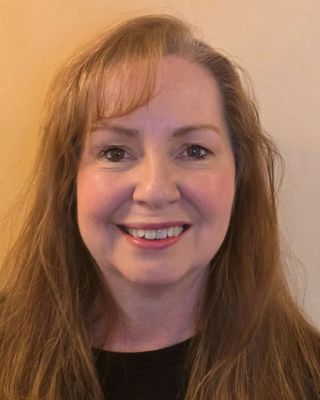
Hosted by Jane Bisco
Clinical Social Work/Therapist, MSW, LCSW-C, LICSW
Group meets in Elkridge, MD 21075
Learn more about yourself and how to live a more complete and rewarding life. Join our newest 10 week women's group, beginning on Wednesday, January 10, at 7PM. The contents of each session will vary based on the specific needs of our group members. Most insurances are accepted. Fee per 90 minute session: $75. Intake required prior to group acceptance. ALL SESSIONS WILL BE VIRTUAL.
We are a group of independent psychiatrists, psychologists, and therapists who are dedicated to providing the highest quality care for our patients. When working with children and adolescents, we strive to involve the family whenever possible, while being mindful of our patient’s confidentiality. We welcome collaboration with other psychiatrists, psychologists, counselors, and medical or other professionals. We strive to treat our patients and their families with respect and to adhere to the highest standards of professional and ethical conduct.

Hosted by Matt Otto
Licensed Clinical Professional Counselor, MS, LCPC
Group meets in Columbia, MD 21044
We are a group of independent psychiatrists, psychologists, and therapists who are dedicated to providing the highest quality care for our patients. When working with children and adolescents, we strive to involve the family whenever possible, while being mindful of our patient’s confidentiality. We welcome collaboration with other psychiatrists, psychologists, counselors, and medical or other professionals. We strive to treat our patients and their families with respect and to adhere to the highest standards of professional and ethical conduct.
Each and every Friday evening, come out and release, relate and rejuvenate as you begin your weekend.

Hosted by Choices International
Licensed Clinical Professional Counselor, LCPC, CAC-AD, LPC, NCC, MAC
Group meets in Upper Marlboro, MD 20774
Each and every Friday evening, come out and release, relate and rejuvenate as you begin your weekend.
See more therapy options for Mount Rainier

Nearby Searches for Mount Rainier
- Beltsville
- Bethesda
- Chevy Chase
- Greenbelt
- Hyattsville
- Kensington
- Lanham
- Largo
- North Bethesda
- Oxon Hill
- Silver Spring
- Takoma Park
FAQs - About Group Therapy and Support Groups
How can I find a support group in Mount Rainier?
To find a support group in your area, start by entering your city, zip code, or the name of the group into the search bar at the top of the page. When searching, consider whether you prefer an in-person or virtual group. This can help you decide how broad your geographic search should be. If you are open to virtual groups, you might want to search by state instead of just your city, especially if there are limited options nearby.
Once you complete your search, you can use the filters to narrow the results by selecting specialties (such as grief, trauma, or eating disorders), therapeutic approaches, age groups, and other criteria to find a group that best fits your needs.
How does group therapy work?
Group therapy is led by one or more trained therapists and provides a space where participants can process their experiences and learn from others facing similar challenges. Groups may focus on a specific issue—such as addiction, grief, physical illnesses, parenting, or caregiving—or they may center around a particular therapeutic approach, such as Cognitive Behavioral Therapy (CBT), social skill development, or Exposure Therapy. Some groups are also designed for specific populations, such as teens, veterans, or LGBTQ+ individuals.
It’s also important to distinguish group therapy from peer-led support groups, like Alcoholics Anonymous. While both can offer valuable support, therapy groups are typically led by licensed professionals and follow a more structured format. Therapy groups often meet for a fixed length of time with a consistent group of members, while many peer support groups meet for an indefinite period of time with members coming and going.
What are the benefits of group therapy?
Group therapy offers several important benefits. It brings together people facing similar challenges—whether related to mental health, physical health, or life transitions—and creates a supportive environment where participants can exchange feedback, share experiences, and learn from one another. Hearing different perspectives can help individuals discover new coping strategies and practical tools they may not have encountered on their own. Sharing personal experiences, such as coping with a serious illness or navigating family struggles, can also reduce feelings of isolation and foster a sense of connection and understanding. In addition to emotional support, group members often gain useful, real-world advice from peers who have faced similar situations.
Group therapy is typically more affordable than individual therapy and, for certain conditions, can be equally effective. Many groups also include structured activities—such as guided journaling, cognitive-behavioral exercises, or role-playing—to help participants develop concrete skills they can apply in daily life.
Is group therapy as effective as individual therapy?
It is difficult to make a blanket statement about the effectiveness of support groups, as they vary widely in focus and the conditions they address. However, support groups can be highly valuable in helping individuals gain emotional support and achieve meaningful treatment outcomes. For certain conditions, such as substance use, research has shown that group therapy can be particularly effective—sometimes just as effective as individual therapy—in supporting long-term recovery.
Many professionals attribute the effectiveness of group therapy to the unique benefits of the group setting, which fosters peer-to-peer learning and a sense of connection through shared experiences. Group settings also offer accountability and encouragement from both facilitators and fellow participants, which helps sustain motivation and supports continued progress. These factors together play a key role in promoting the overall effectiveness of group therapy.
How much does group therapy cost?
Group therapy is typically less expensive than individual therapy, with sessions typically costing between $50 and $75 each. In comparison, individual therapy can cost anywhere from $100 to $200 or more per session, even with insurance. Some therapists or organizations offer low-cost or free group therapy options, particularly through community centers or nonprofit organizations. In some cases, groups may require payment upfront for a set number of sessions, such as paying for six weekly sessions at the first meeting. However, many providers offer payment plans to help make participation more accessible if this upfront payment is required.
Does insurance cover group therapy?
As with individual therapy, insurance coverage for group therapy varies based on factors such as your specific insurance plan, the purpose of the group, your diagnosis, and whether the group provider is in-network. Many insurance plans cover group therapy sessions that address diagnosable mental health conditions, such as substance use disorders, anxiety, or depression.
However, groups that focus on topics not directly tied to a mental health diagnosis—such as parenting support or divorce recovery—are less likely to be covered. Because coverage can vary widely, it’s important to check with your insurance provider before joining a group to confirm whether the sessions will be covered and what out-of-pocket costs you may be responsible for.
How long does group therapy last?
The length of each group therapy session typically ranges from 45 minutes to two hours, depending on the therapy approach, the group’s goals, and how often the group meets. In some cases, group therapy is part of a larger treatment program, such as an Intensive Outpatient Program (IOP), where group sessions complement individual therapy and are scheduled as part of the program’s overall structure.
The duration of participation in a group also varies. Some groups are designed to be short-term, lasting anywhere from 6 to 24 weeks—for example, bereavement groups or skills-based groups like those using Dialectical Behavioral Therapy (DBT). Other groups may be longer-term, lasting a year or more, and some ongoing support groups meet indefinitely, allowing participants to stay as long as they find the group helpful.
What are the limitations of support groups?
Support groups offer many benefits, but they also have certain limitations. Unlike therapy groups, many support groups do not provide formal therapeutic treatment and are not led by licensed mental health professionals. For individuals seeking clinical treatment for specific mental health diagnoses—such as depression, eating disorders, or substance use—individual therapy or group therapy led by a licensed professional may offer more personalized and specialized care.
The effectiveness of a support group also depends heavily on the group’s participants and the overall group dynamic. When members engage respectfully and offer constructive support, the group can foster valuable peer-to-peer learning. However, if certain participants dominate discussions, provide inaccurate advice, or create conflict, it can disrupt the group’s sense of safety and reduce its effectiveness. Confidentiality can also be harder to maintain in support groups, particularly in open groups where participants can join or leave at any time. With new members regularly entering the group, it can be more difficult to build and sustain a consistent sense of trust and privacy.