Support Groups in Frederick, MD
(Request to be put on waitlist)

Hosted by David J Cruzan
Licensed Clinical Professional Counselor, MS, LCPC, SRT, CSAT
Group meets in Frederick, MD 21701
(Request to be put on waitlist)
A free, biweekly support group for parents & families of transgender and nonbinary people sponsored by the Frederick Center and facilitated by Calvin Ryan, LMSW (he/him). We provide a safe, nonjudgmental space to give and receive support, share resources, and connect with other families navigating the joys and challenges of loving trans and gender-diverse young people. Newcomers are welcome. We're here for you no matter where you are in your journey. We meet on the first Saturday of the month in person at the Frederick Center, and on the third Saturday we meet via Zoom. Contact TransFamily@thefrederickcenter.org for more information.

A free, biweekly support group for parents & families of transgender and nonbinary people sponsored by the Frederick Center and facilitated by Calvin Ryan, LMSW (he/him). We provide a safe, nonjudgmental space to give and receive support, share resources, and connect with other families navigating the joys and challenges of loving trans and gender-diverse young people. Newcomers are welcome. We're here for you no matter where you are in your journey. We meet on the first Saturday of the month in person at the Frederick Center, and on the third Saturday we meet via Zoom. Contact TransFamily@thefrederickcenter.org for more information.
This virtual group therapy is designed for individuals navigating substance use recovery and committed to active change. In a supportive, confidential space, members connect with others who understand the challenges of recovery firsthand. The group focuses on building coping skills, strengthening relapse-prevention strategies, improving emotional regulation, and fostering accountability. Through guided discussion and shared experience, clients gain insight, encouragement, and practical tools to support long-term recovery and personal growth—without judgment and at their own pace.

This virtual group therapy is designed for individuals navigating substance use recovery and committed to active change. In a supportive, confidential space, members connect with others who understand the challenges of recovery firsthand. The group focuses on building coping skills, strengthening relapse-prevention strategies, improving emotional regulation, and fostering accountability. Through guided discussion and shared experience, clients gain insight, encouragement, and practical tools to support long-term recovery and personal growth—without judgment and at their own pace.
FREE Support Group sponsored by The Sophia Ann Charity. Join us to share experiences, receive emotional support, and connect with other parents navigating the postpartum period. Our sessions are nurturing, confidential, and led by trained facilitators experienced in postpartum care. Check out our Support Groups page for dates, times, and registration: https://www.sophiaanncharity.com/groups

FREE Support Group sponsored by The Sophia Ann Charity. Join us to share experiences, receive emotional support, and connect with other parents navigating the postpartum period. Our sessions are nurturing, confidential, and led by trained facilitators experienced in postpartum care. Check out our Support Groups page for dates, times, and registration: https://www.sophiaanncharity.com/groups
Is your teen struggling with anxiety, ADHD, or feeling “different”? The In-Between, at The Center for Empowerment and Resilience, is a therapist-led support group that helps teens feel understood and supported as they navigate adolescence. Through activities, discussions, and peer connection, members build confidence, social skills, and emotional resilience in a space where they can be themselves. The group is ideal for teens seeking connection and coping tools. Focus areas include emotional regulation, self-esteem, friendships, identity, and managing anxiety and ADHD.

Hosted by The Center for Empowerment and Resilience
Counselor, LGPC
Group meets in Frederick, MD 21701
Is your teen struggling with anxiety, ADHD, or feeling “different”? The In-Between, at The Center for Empowerment and Resilience, is a therapist-led support group that helps teens feel understood and supported as they navigate adolescence. Through activities, discussions, and peer connection, members build confidence, social skills, and emotional resilience in a space where they can be themselves. The group is ideal for teens seeking connection and coping tools. Focus areas include emotional regulation, self-esteem, friendships, identity, and managing anxiety and ADHD.
At Peaceful Mind Healing, we are experienced in working with children, families, and adults from a wide variety of racial, economic and cultural backgrounds. We believe that an individual function best when one feels peaceful within oneself. We utilize individual therapy, family therapy, play therapy, phone consultations, as well as a wide range of empirically validated instruments to support the individuals towards improvements in their daily functioning and achieving a peaceful existence within oneself.

At Peaceful Mind Healing, we are experienced in working with children, families, and adults from a wide variety of racial, economic and cultural backgrounds. We believe that an individual function best when one feels peaceful within oneself. We utilize individual therapy, family therapy, play therapy, phone consultations, as well as a wide range of empirically validated instruments to support the individuals towards improvements in their daily functioning and achieving a peaceful existence within oneself.
We have a holistic approach to mental health and wellness. Evidence-based practice such as healthy lifestyle, psychotherapy, and sometimes medication are among treatment options for depression, anxiety, and other similar issues. Coaching can help you to identify goals and make positive changes. Coaching is not a treatment for mental illness.
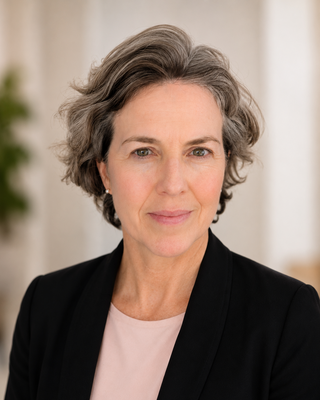
Hosted by Victoria Selby
Psychiatric Nurse Practitioner, PhD, CRNP, PMHNPBC, CARN-AP
Group meets in Frederick, MD 21701
We have a holistic approach to mental health and wellness. Evidence-based practice such as healthy lifestyle, psychotherapy, and sometimes medication are among treatment options for depression, anxiety, and other similar issues. Coaching can help you to identify goals and make positive changes. Coaching is not a treatment for mental illness.
This 10 week virtual group is for individuals 18+ years who are, or have been in relationships with someone with a personality disorder. This group is designed to help you increase knowledge and understanding, find support, recognize your own needs, implement healthy practices for yourself, and design a path for moving forward. Spaces are limited so call today for information or to register.

This 10 week virtual group is for individuals 18+ years who are, or have been in relationships with someone with a personality disorder. This group is designed to help you increase knowledge and understanding, find support, recognize your own needs, implement healthy practices for yourself, and design a path for moving forward. Spaces are limited so call today for information or to register.
Certified domestic violence batterers' intervention group and an anger management program for individuals seeking assistance in learning more appropriate communication and relationship skills. Insurance accepted and sliding scale fee available.

Hosted by Allied Counseling Group
Drug & Alcohol Counselor, LCADC, MAC
Group meets in Frederick, MD 21701
Certified domestic violence batterers' intervention group and an anger management program for individuals seeking assistance in learning more appropriate communication and relationship skills. Insurance accepted and sliding scale fee available.
Taking a holistic, personalized approach, getting to know each client individually, and working together to harness their unique strengths and achieve their most fulfilling life.

Hosted by Kelly Huggins
Psychiatric Nurse Practitioner, MSN, PMHNP, -BC
Group meets in Frederick, MD 21701
Taking a holistic, personalized approach, getting to know each client individually, and working together to harness their unique strengths and achieve their most fulfilling life.
I offer ongoing therapy groups that allow individuals to explore areas of concerns with others, while developing healthy patterns of interaction and realtionship. Please contact me for current dates/times of these groups.
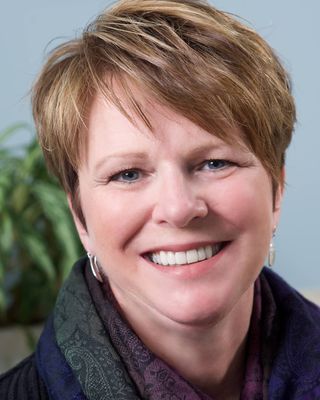
I offer ongoing therapy groups that allow individuals to explore areas of concerns with others, while developing healthy patterns of interaction and realtionship. Please contact me for current dates/times of these groups.
I offer a weekly Process Group for my clients. Group Therapy is a great way to practice how we engage in relationship. It allows a unique opportunity to explore the many patterns of interacting and roles we take on in our relationships. Group therapy is a way to practice interpersonal skills and have honest authentic interaction with others. Group members learn to share and interact with one another in a way that promotes healing and encourages the personal development of each participant. Groups are made up of 4-8 people. Group therapy sessions are held on a weekly basis and are 75 minutes in length.

Hosted by Katie Joanna Marsh
Clinical Social Work/Therapist, LCSW-C
Group meets in Frederick, MD 21701
I offer a weekly Process Group for my clients. Group Therapy is a great way to practice how we engage in relationship. It allows a unique opportunity to explore the many patterns of interacting and roles we take on in our relationships. Group therapy is a way to practice interpersonal skills and have honest authentic interaction with others. Group members learn to share and interact with one another in a way that promotes healing and encourages the personal development of each participant. Groups are made up of 4-8 people. Group therapy sessions are held on a weekly basis and are 75 minutes in length.
Grief can feel isolating, but you don't have to face it alone. Our free telehealth ASL Grief Support Group offers a safe, supportive space for Deaf, DeafBlind, Deaf+, and HOH adults grieving the loss of a loved one. This closed group meets over several weeks, allowing members to build trust and meaningful connections. Through guided discussion, shared experiences, and practical coping strategies, participants process grief in a culturally affirming environment where communication happens directly in American Sign Language (ASL). The group is facilitated by Clinical Mental Health Counseling interns from My Deaf Therapy under the supervision of Kristine Gile.

Hosted by My Deaf Therapy - Expert ASL Therapists
Psychologist, PhD, LLC
Group meets in Frederick, MD 21701
Grief can feel isolating, but you don't have to face it alone. Our free telehealth ASL Grief Support Group offers a safe, supportive space for Deaf, DeafBlind, Deaf+, and HOH adults grieving the loss of a loved one. This closed group meets over several weeks, allowing members to build trust and meaningful connections. Through guided discussion, shared experiences, and practical coping strategies, participants process grief in a culturally affirming environment where communication happens directly in American Sign Language (ASL). The group is facilitated by Clinical Mental Health Counseling interns from My Deaf Therapy under the supervision of Kristine Gile.
Women's therapy group focused on understanding and coping with long term effects of complex trauma, establishing support and guidance through recovery. Having an individual therapist is required. Will work with insurance or private pay.

Hosted by Holistic Hope and Healing
Clinical Social Work/Therapist, LCSWC, LCADC, CIMHP
Group meets in Frederick, MD 21702
Women's therapy group focused on understanding and coping with long term effects of complex trauma, establishing support and guidance through recovery. Having an individual therapist is required. Will work with insurance or private pay.
The Complete Man is a psychoeducational group dedicated to the often underserved area of men's mental health. We offer a confidential, supportive space to honor the core characteristics of masculinity while challenging outdated blueprints for strength. Many men learn to "tough it out," but this group helps you forge a new path. We work together to develop a richer emotional vocabulary and practice skills to improve communication. The goal is to move beyond emotional suppression and build a more authentic, resilient, and fulfilling life.

Hosted by Dave Sherwin
Licensed Clinical Professional Counselor, LCPC
Group meets in Frederick, MD 21701
The Complete Man is a psychoeducational group dedicated to the often underserved area of men's mental health. We offer a confidential, supportive space to honor the core characteristics of masculinity while challenging outdated blueprints for strength. Many men learn to "tough it out," but this group helps you forge a new path. We work together to develop a richer emotional vocabulary and practice skills to improve communication. The goal is to move beyond emotional suppression and build a more authentic, resilient, and fulfilling life.
Join us on Monday each month at 6pm (90 minute group) at Give Rise Studio in Frederick to gather and create. Each month's gathering will be inspired by a theme (Previous themes - Crossing the Threshold, The Things We Carry). This monthly practice is a space where you can engage in the process of art. The images you create are messages from within, usually from internal spaces where words don't reach. Join us for this therapeutic art gathering where you can explore your inner world and allow your images to reflect and guide you on your journey.
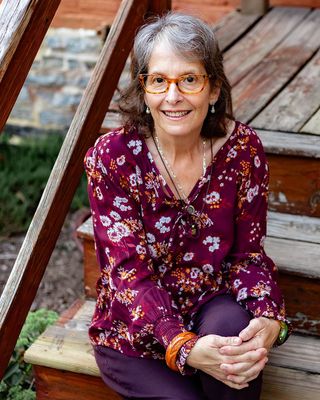
Hosted by Missy Helen Scherr-Phillips
Art Therapist, MA, ATR-BC, LCPAT
Group meets in Frederick, MD 21701
Join us on Monday each month at 6pm (90 minute group) at Give Rise Studio in Frederick to gather and create. Each month's gathering will be inspired by a theme (Previous themes - Crossing the Threshold, The Things We Carry). This monthly practice is a space where you can engage in the process of art. The images you create are messages from within, usually from internal spaces where words don't reach. Join us for this therapeutic art gathering where you can explore your inner world and allow your images to reflect and guide you on your journey.
Tina offers a weekly 60-minute 12-week closed parent support group to parent(s), guardian(s) who have children and/or may be caring for a child who has a learning, physical, and/or both disability. This parent group is a specific resource where parents share experiences, learn skills, find community, and reduce stress with help from peers and facilitator. This support group also offers a safe space for parents and/or caregivers to get advice, advocacy, emotional relief, validation, and tackling issues from daily tantrums to major challenges like teen mental health and/or addiction.

Hosted by Tina M Allen
Clinical Social Work/Therapist, LICSW, LCSW-C, LCSW
Group meets in Frederick, MD 21702
Tina offers a weekly 60-minute 12-week closed parent support group to parent(s), guardian(s) who have children and/or may be caring for a child who has a learning, physical, and/or both disability. This parent group is a specific resource where parents share experiences, learn skills, find community, and reduce stress with help from peers and facilitator. This support group also offers a safe space for parents and/or caregivers to get advice, advocacy, emotional relief, validation, and tackling issues from daily tantrums to major challenges like teen mental health and/or addiction.
At Willow Pond Counseling, we help you embark on a journey of self-awareness, self-acceptance, and self-growth. We focus on creating a warm, comfortable, and welcoming space for you to explore the thoughts, emotions, and experiences associated with your unique story. In collaboration with you, we develop personalized treatment plans aimed at helping you gain valuable insight into yourself, develop coping strategies to manage stress, and build resilience to overcome life's hurdles.
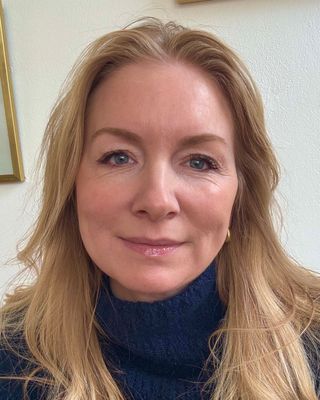
Hosted by Amy Sayler
Licensed Clinical Professional Counselor, MS, LCPC, NCC
Group meets in Frederick, MD 21701
At Willow Pond Counseling, we help you embark on a journey of self-awareness, self-acceptance, and self-growth. We focus on creating a warm, comfortable, and welcoming space for you to explore the thoughts, emotions, and experiences associated with your unique story. In collaboration with you, we develop personalized treatment plans aimed at helping you gain valuable insight into yourself, develop coping strategies to manage stress, and build resilience to overcome life's hurdles.
With over 25 years of experience, Inner-Evolution Counseling, Coaching and Yoga draws from a blend of eastern wisdom and western science to compassionately guide individuals, families, and groups toward their highest potential. Our mission is to help our clients activate the inner resources and guidance needed to remove obstacles and create pathways to more joyful living using a holistic approach that honors the connection between mind and body.

Hosted by Inner-Evolution Counseling, Coaching & Yoga
Clinical Social Work/Therapist, LCSWC
Group meets in Frederick, MD 21701
With over 25 years of experience, Inner-Evolution Counseling, Coaching and Yoga draws from a blend of eastern wisdom and western science to compassionately guide individuals, families, and groups toward their highest potential. Our mission is to help our clients activate the inner resources and guidance needed to remove obstacles and create pathways to more joyful living using a holistic approach that honors the connection between mind and body.
The Frederick Center's Youth Group Jr. is a free peer community group for LGBTQ+ youth, ages 9 to 13, co-facilitated by LGBTQ+-identified facilitators, including The Frederick Center’s Program Coordinator and Justine Kilian, LMSW. Meetings are topic-driven, including education, support, friendship-building, skill-sharing, and more. This is a great place to make connections in a safe, affirming, and welcoming environment. Group meetings are held on Wednesdays from 5-6:30 pm at The Frederick Center. On the last Wednesday of each month, the meetings are held virtually via Zoom. For questions, contact youthgroupjr@thefrederickcenter.org.

The Frederick Center's Youth Group Jr. is a free peer community group for LGBTQ+ youth, ages 9 to 13, co-facilitated by LGBTQ+-identified facilitators, including The Frederick Center’s Program Coordinator and Justine Kilian, LMSW. Meetings are topic-driven, including education, support, friendship-building, skill-sharing, and more. This is a great place to make connections in a safe, affirming, and welcoming environment. Group meetings are held on Wednesdays from 5-6:30 pm at The Frederick Center. On the last Wednesday of each month, the meetings are held virtually via Zoom. For questions, contact youthgroupjr@thefrederickcenter.org.
See more therapy options for Frederick


FAQs - About Group Therapy and Support Groups
How can I find a support group in Frederick?
To find a support group in your area, start by entering your city, zip code, or the name of the group into the search bar at the top of the page. When searching, consider whether you prefer an in-person or virtual group. This can help you decide how broad your geographic search should be. If you are open to virtual groups, you might want to search by state instead of just your city, especially if there are limited options nearby.
Once you complete your search, you can use the filters to narrow the results by selecting specialties (such as grief, trauma, or eating disorders), therapeutic approaches, age groups, and other criteria to find a group that best fits your needs.
Once you complete your search, you can use the filters to narrow the results by selecting specialties (such as grief, trauma, or eating disorders), therapeutic approaches, age groups, and other criteria to find a group that best fits your needs.
How does group therapy work?
Group therapy is led by one or more trained therapists and provides a space where participants can process their experiences and learn from others facing similar challenges. Groups may focus on a specific issue—such as addiction, grief, physical illnesses, parenting, or caregiving—or they may center around a particular therapeutic approach, such as Cognitive Behavioral Therapy (CBT), social skill development, or Exposure Therapy. Some groups are also designed for specific populations, such as teens, veterans, or LGBTQ+ individuals.
It’s also important to distinguish group therapy from peer-led support groups, like Alcoholics Anonymous. While both can offer valuable support, therapy groups are typically led by licensed professionals and follow a more structured format. Therapy groups often meet for a fixed length of time with a consistent group of members, while many peer support groups meet for an indefinite period of time with members coming and going.
It’s also important to distinguish group therapy from peer-led support groups, like Alcoholics Anonymous. While both can offer valuable support, therapy groups are typically led by licensed professionals and follow a more structured format. Therapy groups often meet for a fixed length of time with a consistent group of members, while many peer support groups meet for an indefinite period of time with members coming and going.
What are the benefits of group therapy?
Group therapy offers several important benefits. It brings together people facing similar challenges—whether related to mental health, physical health, or life transitions—and creates a supportive environment where participants can exchange feedback, share experiences, and learn from one another. Hearing different perspectives can help individuals discover new coping strategies and practical tools they may not have encountered on their own. Sharing personal experiences, such as coping with a serious illness or navigating family struggles, can also reduce feelings of isolation and foster a sense of connection and understanding. In addition to emotional support, group members often gain useful, real-world advice from peers who have faced similar situations.
Group therapy is typically more affordable than individual therapy and, for certain conditions, can be equally effective. Many groups also include structured activities—such as guided journaling, cognitive-behavioral exercises, or role-playing—to help participants develop concrete skills they can apply in daily life.
Group therapy is typically more affordable than individual therapy and, for certain conditions, can be equally effective. Many groups also include structured activities—such as guided journaling, cognitive-behavioral exercises, or role-playing—to help participants develop concrete skills they can apply in daily life.
Is group therapy as effective as individual therapy?
It is difficult to make a blanket statement about the effectiveness of support groups, as they vary widely in focus and the conditions they address. However, support groups can be highly valuable in helping individuals gain emotional support and achieve meaningful treatment outcomes. For certain conditions, such as substance use, research has shown that group therapy can be particularly effective—sometimes just as effective as individual therapy—in supporting long-term recovery.
Many professionals attribute the effectiveness of group therapy to the unique benefits of the group setting, which fosters peer-to-peer learning and a sense of connection through shared experiences. Group settings also offer accountability and encouragement from both facilitators and fellow participants, which helps sustain motivation and supports continued progress. These factors together play a key role in promoting the overall effectiveness of group therapy.
Many professionals attribute the effectiveness of group therapy to the unique benefits of the group setting, which fosters peer-to-peer learning and a sense of connection through shared experiences. Group settings also offer accountability and encouragement from both facilitators and fellow participants, which helps sustain motivation and supports continued progress. These factors together play a key role in promoting the overall effectiveness of group therapy.
How much does group therapy cost?
Group therapy is typically less expensive than individual therapy, with sessions typically costing between $50 and $75 each. In comparison, individual therapy can cost anywhere from $100 to $200 or more per session, even with insurance. Some therapists or organizations offer low-cost or free group therapy options, particularly through community centers or nonprofit organizations. In some cases, groups may require payment upfront for a set number of sessions, such as paying for six weekly sessions at the first meeting. However, many providers offer payment plans to help make participation more accessible if this upfront payment is required.
Does insurance cover group therapy?
As with individual therapy, insurance coverage for group therapy varies based on factors such as your specific insurance plan, the purpose of the group, your diagnosis, and whether the group provider is in-network. Many insurance plans cover group therapy sessions that address diagnosable mental health conditions, such as substance use disorders, anxiety, or depression.
However, groups that focus on topics not directly tied to a mental health diagnosis—such as parenting support or divorce recovery—are less likely to be covered. Because coverage can vary widely, it’s important to check with your insurance provider before joining a group to confirm whether the sessions will be covered and what out-of-pocket costs you may be responsible for.
However, groups that focus on topics not directly tied to a mental health diagnosis—such as parenting support or divorce recovery—are less likely to be covered. Because coverage can vary widely, it’s important to check with your insurance provider before joining a group to confirm whether the sessions will be covered and what out-of-pocket costs you may be responsible for.
How long does group therapy last?
The length of each group therapy session typically ranges from 45 minutes to two hours, depending on the therapy approach, the group’s goals, and how often the group meets. In some cases, group therapy is part of a larger treatment program, such as an Intensive Outpatient Program (IOP), where group sessions complement individual therapy and are scheduled as part of the program’s overall structure.
The duration of participation in a group also varies. Some groups are designed to be short-term, lasting anywhere from 6 to 24 weeks—for example, bereavement groups or skills-based groups like those using Dialectical Behavioral Therapy (DBT). Other groups may be longer-term, lasting a year or more, and some ongoing support groups meet indefinitely, allowing participants to stay as long as they find the group helpful.
The duration of participation in a group also varies. Some groups are designed to be short-term, lasting anywhere from 6 to 24 weeks—for example, bereavement groups or skills-based groups like those using Dialectical Behavioral Therapy (DBT). Other groups may be longer-term, lasting a year or more, and some ongoing support groups meet indefinitely, allowing participants to stay as long as they find the group helpful.
What are the limitations of support groups?
Support groups offer many benefits, but they also have certain limitations. Unlike therapy groups, many support groups do not provide formal therapeutic treatment and are not led by licensed mental health professionals. For individuals seeking clinical treatment for specific mental health diagnoses—such as depression, eating disorders, or substance use—individual therapy or group therapy led by a licensed professional may offer more personalized and specialized care.
The effectiveness of a support group also depends heavily on the group’s participants and the overall group dynamic. When members engage respectfully and offer constructive support, the group can foster valuable peer-to-peer learning. However, if certain participants dominate discussions, provide inaccurate advice, or create conflict, it can disrupt the group’s sense of safety and reduce its effectiveness. Confidentiality can also be harder to maintain in support groups, particularly in open groups where participants can join or leave at any time. With new members regularly entering the group, it can be more difficult to build and sustain a consistent sense of trust and privacy.
The effectiveness of a support group also depends heavily on the group’s participants and the overall group dynamic. When members engage respectfully and offer constructive support, the group can foster valuable peer-to-peer learning. However, if certain participants dominate discussions, provide inaccurate advice, or create conflict, it can disrupt the group’s sense of safety and reduce its effectiveness. Confidentiality can also be harder to maintain in support groups, particularly in open groups where participants can join or leave at any time. With new members regularly entering the group, it can be more difficult to build and sustain a consistent sense of trust and privacy.