Support Groups in Sharon, MA
Clients ask me “How do I….” Let go? Love Myself? Forgive? Know when it’s time to divorce? Divorce a Narcissist? Live with a Borderline? Meditate? Trust after heartbreak? I have developed a program for 1:1 counseling to address these specific questions that a client may have and want to solely focus on. My clients are able to leave each session armed with homework, interventions, books, quotes and mantras to learn these tools to help them in all areas of their life. I look forward to helping you truly and freely live your life.
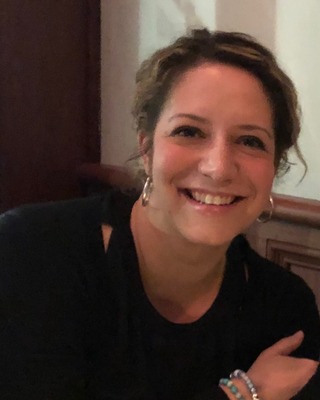
Clients ask me “How do I….” Let go? Love Myself? Forgive? Know when it’s time to divorce? Divorce a Narcissist? Live with a Borderline? Meditate? Trust after heartbreak? I have developed a program for 1:1 counseling to address these specific questions that a client may have and want to solely focus on. My clients are able to leave each session armed with homework, interventions, books, quotes and mantras to learn these tools to help them in all areas of their life. I look forward to helping you truly and freely live your life.

More Groups Nearby
The Luminous Collaborative is a group practice integrating medical and therapeutic expertise for ketamine assisted therapy retreats and intensives. Our team includes a physician with over 25 years experience in internal medicine, palliative care, and medical ethics, alongside two psychotherapists with deep expertise in trauma recovery and psychedelic-assisted therapy. All are trained in ketamine assisted therapy and grounded in somatic and expressive practices and mindfulness, creating a uniquely integrated approach where medical safety, therapeutic depth, and embodied wisdom work together. We weave evidence-based therapies and complementary modalities to form safe containers for transformative healing. Learn more: luminouscollaborative.com

Hosted by Dr. Alison M Rhodes
Clinical Social Work/Therapist, PhD, LICSW
Group meets in Cambridge, MA 02140
The Luminous Collaborative is a group practice integrating medical and therapeutic expertise for ketamine assisted therapy retreats and intensives. Our team includes a physician with over 25 years experience in internal medicine, palliative care, and medical ethics, alongside two psychotherapists with deep expertise in trauma recovery and psychedelic-assisted therapy. All are trained in ketamine assisted therapy and grounded in somatic and expressive practices and mindfulness, creating a uniquely integrated approach where medical safety, therapeutic depth, and embodied wisdom work together. We weave evidence-based therapies and complementary modalities to form safe containers for transformative healing. Learn more: luminouscollaborative.com
Deep healing requires a stable foundation. Before you can process the past, you must learn to feel safe in the present. This group focuses specifically on the mechanics of regulation. We do not share trauma narratives here. Instead, we build the "brakes" for your nervous system. You will master somatic tools to anchor yourself, manage overwhelm, and widen your window of tolerance. Whether you are preparing for intensive trauma therapy (like EMDR) or simply seek relief from daily stress, these skills are essential. Do not rush the climb. Join this group and learn to secure your footing first.

Deep healing requires a stable foundation. Before you can process the past, you must learn to feel safe in the present. This group focuses specifically on the mechanics of regulation. We do not share trauma narratives here. Instead, we build the "brakes" for your nervous system. You will master somatic tools to anchor yourself, manage overwhelm, and widen your window of tolerance. Whether you are preparing for intensive trauma therapy (like EMDR) or simply seek relief from daily stress, these skills are essential. Do not rush the climb. Join this group and learn to secure your footing first.
This is a supportive group for individuals with anxiety or depression who want to apply mindfulness, compassionate acceptance, and values-based action in their lives. The group content is based on the principles Acceptance and Commitment Therapy.

This is a supportive group for individuals with anxiety or depression who want to apply mindfulness, compassionate acceptance, and values-based action in their lives. The group content is based on the principles Acceptance and Commitment Therapy.
Are you a new LCSW seeking clinical supervision from a LICSW? I am here to support you in your journey towards getting your LICSW.

Hosted by Km Collaborative Multi-Cultural Group Practice
Clinical Social Work/Therapist
Group meets in Boston, MA 02124
Are you a new LCSW seeking clinical supervision from a LICSW? I am here to support you in your journey towards getting your LICSW.
Are you a high school athlete looking to improve your mental game and boost your performance? Join our in-person, interactive 6-WEEK SPORTS PSYCHOLOGY GROUP and discover the tools and strategies to enhance your focus, manage stress, and perform at your peak! This group is ideal for athletes in town or club teams, who want to improve their mindset and mental strategies and enhance their performance.

Are you a high school athlete looking to improve your mental game and boost your performance? Join our in-person, interactive 6-WEEK SPORTS PSYCHOLOGY GROUP and discover the tools and strategies to enhance your focus, manage stress, and perform at your peak! This group is ideal for athletes in town or club teams, who want to improve their mindset and mental strategies and enhance their performance.
This group is a supportive group for officers who would like to join others who are feeling disconnected from others, having difficulties with feelings of anger, isolation or job dissatisfaction. Come Join others who feel the same way you do.

Hosted by Patricia Diaferio
Clinical Social Work/Therapist, LICSW
Group meets in North Attleboro, MA 02760
This group is a supportive group for officers who would like to join others who are feeling disconnected from others, having difficulties with feelings of anger, isolation or job dissatisfaction. Come Join others who feel the same way you do.
A misconception of far too many young adults is that one should be sailing seamlessly into adulthood. The standards they set for themselves are informed (TV, Social media), by what it looks like everyone else has: Budding career, sculptured body, relationship bliss, charismatic personality, olympian mind, all the right answers. This illusion has, of course, unfortunate consequences for those already disadvantaged by self doubt, social anxiety, and depression. Connections and relationships created in group therapy helps from both ends by enriching members’ self worth and identity while creating a more realistic and balanced perception of the world they inhabit.

Hosted by “The Power of Relationships”—Group Psychotherapies
Clinical Social Work/Therapist, LICSW , MSW, MS, CGP
Group meets in Boston, MA 02130
A misconception of far too many young adults is that one should be sailing seamlessly into adulthood. The standards they set for themselves are informed (TV, Social media), by what it looks like everyone else has: Budding career, sculptured body, relationship bliss, charismatic personality, olympian mind, all the right answers. This illusion has, of course, unfortunate consequences for those already disadvantaged by self doubt, social anxiety, and depression. Connections and relationships created in group therapy helps from both ends by enriching members’ self worth and identity while creating a more realistic and balanced perception of the world they inhabit.
Radically Open Dialectical Behavior Therapy (RO-DBT) is a type of therapy that was developed by Dr. Thomas Lynch to treat individuals who struggle with emotional over-control, as opposed to the emotional dysregulation that is typically treated with traditional DBT. Core tenants include: Social Signaling and Communication, Emotional Expression and Vulnerability, Flexibility vs. Rigidity, and Engagement with Uncertainty. Reach out to me for more information!

Radically Open Dialectical Behavior Therapy (RO-DBT) is a type of therapy that was developed by Dr. Thomas Lynch to treat individuals who struggle with emotional over-control, as opposed to the emotional dysregulation that is typically treated with traditional DBT. Core tenants include: Social Signaling and Communication, Emotional Expression and Vulnerability, Flexibility vs. Rigidity, and Engagement with Uncertainty. Reach out to me for more information!
This specialized couples therapy model is where sessions are co-facilitated by a married clinical team. Both clinicians are present in session, offering a balanced, relational lens while maintaining a single, unified therapeutic framework. Does this feel overwhelming with two therapists present? Most couples report the opposite. Having two clinicians often creates greater containment, structure, and emotional safety, especially when conversations feel tense or stuck. What kinds of issues can be addressed? Couples may work on: •Communication breakdowns •Trust and betrayal •Emotional disconnection •Power struggles and resentment •Life transitions and role changes •Trauma and stress impacting the relationship

Hosted by Couples Therapy, Groups and Retreats
Counselor, MFT, LSW, LMHC, PsyD
Group meets in Brockton, MA 02301
This specialized couples therapy model is where sessions are co-facilitated by a married clinical team. Both clinicians are present in session, offering a balanced, relational lens while maintaining a single, unified therapeutic framework. Does this feel overwhelming with two therapists present? Most couples report the opposite. Having two clinicians often creates greater containment, structure, and emotional safety, especially when conversations feel tense or stuck. What kinds of issues can be addressed? Couples may work on: •Communication breakdowns •Trust and betrayal •Emotional disconnection •Power struggles and resentment •Life transitions and role changes •Trauma and stress impacting the relationship
A team of professionals who conduct therapy services using a secure telehealth platform. The telehealth platform used is the professional version of DOXY.ME. Each Therapist has a meeting room and you will join this meeting room at the time of your appointment. We are able to perform services in multiple states. For a list of these states, please visit our website www.vendettiwellnessgroup.com
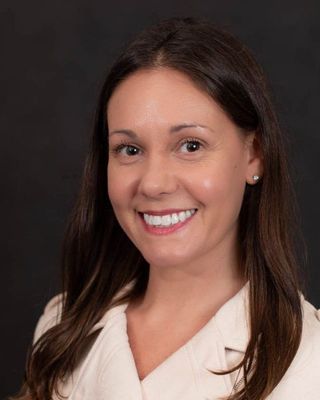
Hosted by Vendetti Wellness Group, PC
Clinical Social Work/Therapist, LICSW
Group meets in Hopkinton, MA 01748
A team of professionals who conduct therapy services using a secure telehealth platform. The telehealth platform used is the professional version of DOXY.ME. Each Therapist has a meeting room and you will join this meeting room at the time of your appointment. We are able to perform services in multiple states. For a list of these states, please visit our website www.vendettiwellnessgroup.com
CURRENTLY ACCEPTING NEW MEMBERS! This is a 24-sessions DBT Skills Group for teens in high school focused on building practical skills. The group will cover the four core DBT modules: Mindfulness, Interpersonal Effectiveness, Emotion Regulation, and Distress Tolerance. Each week will introduce a new skill with opportunities to learn and practice in a supportive, engaging environment. Participants will receive a personal workbook and have at-home practice between sessions to help apply skills in everyday life. For more information email us at admin@birchhillbh.com or visit our website at birchhillbh.com
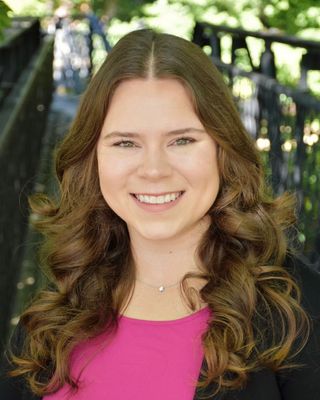
CURRENTLY ACCEPTING NEW MEMBERS! This is a 24-sessions DBT Skills Group for teens in high school focused on building practical skills. The group will cover the four core DBT modules: Mindfulness, Interpersonal Effectiveness, Emotion Regulation, and Distress Tolerance. Each week will introduce a new skill with opportunities to learn and practice in a supportive, engaging environment. Participants will receive a personal workbook and have at-home practice between sessions to help apply skills in everyday life. For more information email us at admin@birchhillbh.com or visit our website at birchhillbh.com
Furnished therapy office and separate group room space with private waiting room! $17 per hour in 4 or 8 hour blocks. Minimum rental of 16 hours per week. Mondays 8 am - 12 pm, Tuesdays 8 am - 12 pm, Wednesdays: 4 - 8 pm or 5 - 9 pm; Thursdays: 8 am - 12 pm, 3 - 7 pm or 4 - 8 pm, All day Friday, Saturday, Sunday. Includes utilities (a/c, Heat, Electricity). Monthly At will lease. Group room holds up to 10 people or use for family/children's sessions for more space. On Beacon St within feet of MBTA.

Furnished therapy office and separate group room space with private waiting room! $17 per hour in 4 or 8 hour blocks. Minimum rental of 16 hours per week. Mondays 8 am - 12 pm, Tuesdays 8 am - 12 pm, Wednesdays: 4 - 8 pm or 5 - 9 pm; Thursdays: 8 am - 12 pm, 3 - 7 pm or 4 - 8 pm, All day Friday, Saturday, Sunday. Includes utilities (a/c, Heat, Electricity). Monthly At will lease. Group room holds up to 10 people or use for family/children's sessions for more space. On Beacon St within feet of MBTA.
A virtual therapeutic space for individuals who have lost a loved one. This group will be a safe space for anyone interested in expressing and processing their feelings in their grief journey. It will include psychoeducation on stages of grief, self- care, bereavement, and mourning.

A virtual therapeutic space for individuals who have lost a loved one. This group will be a safe space for anyone interested in expressing and processing their feelings in their grief journey. It will include psychoeducation on stages of grief, self- care, bereavement, and mourning.
This group is a safe space for men in any stage of their mental health journey. Together, we'll explore issues surrounding OCD and men's experiences, share challenging and uplifting experiences, and learn from one another. Expect to share and practice coping skills, hold one another accountable to living with an ERP mindset, and feel validated and supported by your peers.

This group is a safe space for men in any stage of their mental health journey. Together, we'll explore issues surrounding OCD and men's experiences, share challenging and uplifting experiences, and learn from one another. Expect to share and practice coping skills, hold one another accountable to living with an ERP mindset, and feel validated and supported by your peers.
The purpose of this Interpersonal Process Psychotherapy Group is to help you develop a deeper understanding of how you relate to yourself and others. This is primarily achieved by exploring your thoughts, feelings, and reactions toward other group members in real time. Through this process, you can gain insight into your relational patterns with those close to you (such as partners, family, colleagues, and friends) and have the chance to experiment with new ways of interacting.

The purpose of this Interpersonal Process Psychotherapy Group is to help you develop a deeper understanding of how you relate to yourself and others. This is primarily achieved by exploring your thoughts, feelings, and reactions toward other group members in real time. Through this process, you can gain insight into your relational patterns with those close to you (such as partners, family, colleagues, and friends) and have the chance to experiment with new ways of interacting.
At Moonstone Healing, our monthly book club is more than just a gathering! It’s a space for meaningful connection, personal growth, and supportive community. Each month, we explore a new book focused on self-discovery, healing, and empowerment. Whether you're joining for insightful conversation or simply a sense of belonging, you’ll find a welcoming circle here. Registration is required, and space is limited as our book club tends to fill up quickly!

Hosted by Dr. Cassie Cardoza: Individual & Couples Counselor
Counselor, PsyD, LMHC
Group meets in Fall River, MA 02720
At Moonstone Healing, our monthly book club is more than just a gathering! It’s a space for meaningful connection, personal growth, and supportive community. Each month, we explore a new book focused on self-discovery, healing, and empowerment. Whether you're joining for insightful conversation or simply a sense of belonging, you’ll find a welcoming circle here. Registration is required, and space is limited as our book club tends to fill up quickly!
This group is for adults who feel stuck, overwhelmed, or unfulfilled and want to build a more meaningful and fulfilling life. Using Acceptance and Commitment Therapy (ACT), you’ll learn practical skills to navigate difficult thoughts and emotions, practice mindfulness and self-compassion, clarify your values, and take meaningful steps toward the life you want. Through connecting with others in a supportive environment, group members often feel less alone and more connected both within the group and in their lives. Email me to schedule a complimentary phone consultation to learn more.

This group is for adults who feel stuck, overwhelmed, or unfulfilled and want to build a more meaningful and fulfilling life. Using Acceptance and Commitment Therapy (ACT), you’ll learn practical skills to navigate difficult thoughts and emotions, practice mindfulness and self-compassion, clarify your values, and take meaningful steps toward the life you want. Through connecting with others in a supportive environment, group members often feel less alone and more connected both within the group and in their lives. Email me to schedule a complimentary phone consultation to learn more.
***Alcohol & Drug Evaluations 781-366-0292 (Zoom and in person) are available. By appointment only. The evaluation is a 45-60 minute consultation that determines if you need alcohol or drug treatment, and if you do, how much you need. We evaluate personal history, work history, attitude, emotional stability, criminal history and alcohol/drug use through personal interview and assessment tools. The standard turn-around time for an alcohol and drug evaluation is 3-5 business days; however, if you need the evaluation completed the same-day or next-day, the evaluation is subject to a $50 rush fee.
***Alcohol & Drug Evaluations 781-366-0292 (Zoom and in person) are available. By appointment only. The evaluation is a 45-60 minute consultation that determines if you need alcohol or drug treatment, and if you do, how much you need. We evaluate personal history, work history, attitude, emotional stability, criminal history and alcohol/drug use through personal interview and assessment tools. The standard turn-around time for an alcohol and drug evaluation is 3-5 business days; however, if you need the evaluation completed the same-day or next-day, the evaluation is subject to a $50 rush fee.
See more therapy options for Sharon


FAQs - About Group Therapy and Support Groups
How can I find a support group in Sharon?
To find a support group in your area, start by entering your city, zip code, or the name of the group into the search bar at the top of the page. When searching, consider whether you prefer an in-person or virtual group. This can help you decide how broad your geographic search should be. If you are open to virtual groups, you might want to search by state instead of just your city, especially if there are limited options nearby.
Once you complete your search, you can use the filters to narrow the results by selecting specialties (such as grief, trauma, or eating disorders), therapeutic approaches, age groups, and other criteria to find a group that best fits your needs.
Once you complete your search, you can use the filters to narrow the results by selecting specialties (such as grief, trauma, or eating disorders), therapeutic approaches, age groups, and other criteria to find a group that best fits your needs.
How does group therapy work?
Group therapy is led by one or more trained therapists and provides a space where participants can process their experiences and learn from others facing similar challenges. Groups may focus on a specific issue—such as addiction, grief, physical illnesses, parenting, or caregiving—or they may center around a particular therapeutic approach, such as Cognitive Behavioral Therapy (CBT), social skill development, or Exposure Therapy. Some groups are also designed for specific populations, such as teens, veterans, or LGBTQ+ individuals.
It’s also important to distinguish group therapy from peer-led support groups, like Alcoholics Anonymous. While both can offer valuable support, therapy groups are typically led by licensed professionals and follow a more structured format. Therapy groups often meet for a fixed length of time with a consistent group of members, while many peer support groups meet for an indefinite period of time with members coming and going.
It’s also important to distinguish group therapy from peer-led support groups, like Alcoholics Anonymous. While both can offer valuable support, therapy groups are typically led by licensed professionals and follow a more structured format. Therapy groups often meet for a fixed length of time with a consistent group of members, while many peer support groups meet for an indefinite period of time with members coming and going.
What are the benefits of group therapy?
Group therapy offers several important benefits. It brings together people facing similar challenges—whether related to mental health, physical health, or life transitions—and creates a supportive environment where participants can exchange feedback, share experiences, and learn from one another. Hearing different perspectives can help individuals discover new coping strategies and practical tools they may not have encountered on their own. Sharing personal experiences, such as coping with a serious illness or navigating family struggles, can also reduce feelings of isolation and foster a sense of connection and understanding. In addition to emotional support, group members often gain useful, real-world advice from peers who have faced similar situations.
Group therapy is typically more affordable than individual therapy and, for certain conditions, can be equally effective. Many groups also include structured activities—such as guided journaling, cognitive-behavioral exercises, or role-playing—to help participants develop concrete skills they can apply in daily life.
Group therapy is typically more affordable than individual therapy and, for certain conditions, can be equally effective. Many groups also include structured activities—such as guided journaling, cognitive-behavioral exercises, or role-playing—to help participants develop concrete skills they can apply in daily life.
Is group therapy as effective as individual therapy?
It is difficult to make a blanket statement about the effectiveness of support groups, as they vary widely in focus and the conditions they address. However, support groups can be highly valuable in helping individuals gain emotional support and achieve meaningful treatment outcomes. For certain conditions, such as substance use, research has shown that group therapy can be particularly effective—sometimes just as effective as individual therapy—in supporting long-term recovery.
Many professionals attribute the effectiveness of group therapy to the unique benefits of the group setting, which fosters peer-to-peer learning and a sense of connection through shared experiences. Group settings also offer accountability and encouragement from both facilitators and fellow participants, which helps sustain motivation and supports continued progress. These factors together play a key role in promoting the overall effectiveness of group therapy.
Many professionals attribute the effectiveness of group therapy to the unique benefits of the group setting, which fosters peer-to-peer learning and a sense of connection through shared experiences. Group settings also offer accountability and encouragement from both facilitators and fellow participants, which helps sustain motivation and supports continued progress. These factors together play a key role in promoting the overall effectiveness of group therapy.
How much does group therapy cost?
Group therapy is typically less expensive than individual therapy, with sessions typically costing between $50 and $75 each. In comparison, individual therapy can cost anywhere from $100 to $200 or more per session, even with insurance. Some therapists or organizations offer low-cost or free group therapy options, particularly through community centers or nonprofit organizations. In some cases, groups may require payment upfront for a set number of sessions, such as paying for six weekly sessions at the first meeting. However, many providers offer payment plans to help make participation more accessible if this upfront payment is required.
Does insurance cover group therapy?
As with individual therapy, insurance coverage for group therapy varies based on factors such as your specific insurance plan, the purpose of the group, your diagnosis, and whether the group provider is in-network. Many insurance plans cover group therapy sessions that address diagnosable mental health conditions, such as substance use disorders, anxiety, or depression.
However, groups that focus on topics not directly tied to a mental health diagnosis—such as parenting support or divorce recovery—are less likely to be covered. Because coverage can vary widely, it’s important to check with your insurance provider before joining a group to confirm whether the sessions will be covered and what out-of-pocket costs you may be responsible for.
However, groups that focus on topics not directly tied to a mental health diagnosis—such as parenting support or divorce recovery—are less likely to be covered. Because coverage can vary widely, it’s important to check with your insurance provider before joining a group to confirm whether the sessions will be covered and what out-of-pocket costs you may be responsible for.
How long does group therapy last?
The length of each group therapy session typically ranges from 45 minutes to two hours, depending on the therapy approach, the group’s goals, and how often the group meets. In some cases, group therapy is part of a larger treatment program, such as an Intensive Outpatient Program (IOP), where group sessions complement individual therapy and are scheduled as part of the program’s overall structure.
The duration of participation in a group also varies. Some groups are designed to be short-term, lasting anywhere from 6 to 24 weeks—for example, bereavement groups or skills-based groups like those using Dialectical Behavioral Therapy (DBT). Other groups may be longer-term, lasting a year or more, and some ongoing support groups meet indefinitely, allowing participants to stay as long as they find the group helpful.
The duration of participation in a group also varies. Some groups are designed to be short-term, lasting anywhere from 6 to 24 weeks—for example, bereavement groups or skills-based groups like those using Dialectical Behavioral Therapy (DBT). Other groups may be longer-term, lasting a year or more, and some ongoing support groups meet indefinitely, allowing participants to stay as long as they find the group helpful.
What are the limitations of support groups?
Support groups offer many benefits, but they also have certain limitations. Unlike therapy groups, many support groups do not provide formal therapeutic treatment and are not led by licensed mental health professionals. For individuals seeking clinical treatment for specific mental health diagnoses—such as depression, eating disorders, or substance use—individual therapy or group therapy led by a licensed professional may offer more personalized and specialized care.
The effectiveness of a support group also depends heavily on the group’s participants and the overall group dynamic. When members engage respectfully and offer constructive support, the group can foster valuable peer-to-peer learning. However, if certain participants dominate discussions, provide inaccurate advice, or create conflict, it can disrupt the group’s sense of safety and reduce its effectiveness. Confidentiality can also be harder to maintain in support groups, particularly in open groups where participants can join or leave at any time. With new members regularly entering the group, it can be more difficult to build and sustain a consistent sense of trust and privacy.
The effectiveness of a support group also depends heavily on the group’s participants and the overall group dynamic. When members engage respectfully and offer constructive support, the group can foster valuable peer-to-peer learning. However, if certain participants dominate discussions, provide inaccurate advice, or create conflict, it can disrupt the group’s sense of safety and reduce its effectiveness. Confidentiality can also be harder to maintain in support groups, particularly in open groups where participants can join or leave at any time. With new members regularly entering the group, it can be more difficult to build and sustain a consistent sense of trust and privacy.