Support Groups in Pittsfield, MA
NEXT GROUP OCTOBER 2026. This group is ideal for anyone caring for a child who has experienced trauma such as traumatic loss, abuse, neglect, or domestic violence. The group provides education about the ways traumatic events can impact a child's brain and body, as well as the ripple effects this may have on families. Sessions will also include tips, parenting techniques, and useful information to share with loved ones. Connect with others and gain skills to be the best support you can be for your child. ALL caregivers welcome: single parents, LGBTQIA+ parents, grandparents, foster parents, adoptive parents etc.

NEXT GROUP OCTOBER 2026. This group is ideal for anyone caring for a child who has experienced trauma such as traumatic loss, abuse, neglect, or domestic violence. The group provides education about the ways traumatic events can impact a child's brain and body, as well as the ripple effects this may have on families. Sessions will also include tips, parenting techniques, and useful information to share with loved ones. Connect with others and gain skills to be the best support you can be for your child. ALL caregivers welcome: single parents, LGBTQIA+ parents, grandparents, foster parents, adoptive parents etc.
When you want to move beyond surviving, this group was built for what comes next. Healing Forward is a 9-week online trauma-informed support group for survivors of sexual trauma on Thursdays, beginning October 1st. Each week, we'll explore a new topic, including self-compassion, creativity, and build practices that support you through the week. You'll leave with a new skill, honest conversations about what others rarely talk about, and a community where your whole experience is welcome. $35/person per session. Join us: https://forms.gle/9J88GXoVQuLFZgtCA

When you want to move beyond surviving, this group was built for what comes next. Healing Forward is a 9-week online trauma-informed support group for survivors of sexual trauma on Thursdays, beginning October 1st. Each week, we'll explore a new topic, including self-compassion, creativity, and build practices that support you through the week. You'll leave with a new skill, honest conversations about what others rarely talk about, and a community where your whole experience is welcome. $35/person per session. Join us: https://forms.gle/9J88GXoVQuLFZgtCA
seeking referrals for group
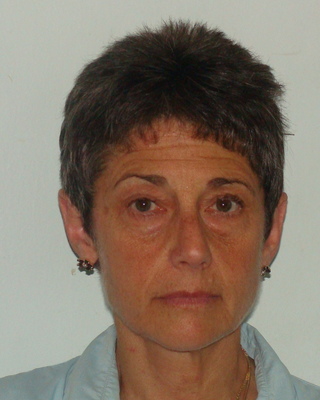
Hosted by Ann L Greenbaum-Mucia
Clinical Social Work/Therapist, LICSW
Group meets in Pittsfield, MA 01201
seeking referrals for group
More Groups Nearby
Discover the path to renewing and deepening your relationship with the Hold Me Tight Workshop. This transformative experience is crafted for couples seeking to build intimacy and emotional connection, understand destructive patterns, and revitalize their bond. By uncovering the root causes of conflicts, you’ll learn to move beyond surface issues and truly understand your partner’s intentions. Take the first step towards a stronger relationship today. More information at www.ThreeCouplesTherapists.com. This group will meet from 9:00am - 5:00pm on Saturday & Sunday, July 26 & 27, 2025 at the Lenox Community Center.

Discover the path to renewing and deepening your relationship with the Hold Me Tight Workshop. This transformative experience is crafted for couples seeking to build intimacy and emotional connection, understand destructive patterns, and revitalize their bond. By uncovering the root causes of conflicts, you’ll learn to move beyond surface issues and truly understand your partner’s intentions. Take the first step towards a stronger relationship today. More information at www.ThreeCouplesTherapists.com. This group will meet from 9:00am - 5:00pm on Saturday & Sunday, July 26 & 27, 2025 at the Lenox Community Center.
Self Cycle is a moving meditation offered remotely that uses cycling as a tool for getting in touch with emotional and mental parts of yourself that may be in need of healing. Through the power of bilateral stimulation (engaging both sides of your brain) we work with these parts through movement, music, and the strength that comes from therapy delivered in a dynamic group setting.

Self Cycle is a moving meditation offered remotely that uses cycling as a tool for getting in touch with emotional and mental parts of yourself that may be in need of healing. Through the power of bilateral stimulation (engaging both sides of your brain) we work with these parts through movement, music, and the strength that comes from therapy delivered in a dynamic group setting.
I am a Massachusetts Certified School Adjustment Counselor and have extensive experience consulting, counseling and presenting in both private and public Schools K-12 in the areas of social, emotional and mental health. Please contact me for more details.

Hosted by Tina Howard
Clinical Social Work/Therapist, LICSW, SAC
Group meets in Haydenville, MA 01039
I am a Massachusetts Certified School Adjustment Counselor and have extensive experience consulting, counseling and presenting in both private and public Schools K-12 in the areas of social, emotional and mental health. Please contact me for more details.
Through the Food and Your Mood Wellness Group, we will explore ways food, nutrition and integrative medicine can affect our moods and responses to stress in multiple ways.

Hosted by Colleen Passetto; Berkshire Heart and Mind Therapy
Clinical Social Work/Therapist, LICSW
Group meets in Hinsdale, MA 01235
Through the Food and Your Mood Wellness Group, we will explore ways food, nutrition and integrative medicine can affect our moods and responses to stress in multiple ways.
Group offers rich opportunity to develop deeper and more meaningful connection with others. Group uses the "here and now" to support and challenge members in finding new ways to engage. If you are interested in how group might help you meet your therapeutic goals, please feel free to contact me for a consultation.

Group offers rich opportunity to develop deeper and more meaningful connection with others. Group uses the "here and now" to support and challenge members in finding new ways to engage. If you are interested in how group might help you meet your therapeutic goals, please feel free to contact me for a consultation.
Group offers rich opportunity to develop deeper and more meaningful connection with others. Group uses the "here and now" to support and challenge members in finding new ways to engage. If you are interested in how group might help you meet your therapeutic goals, please feel free to contact me for a consultation.
Group offers rich opportunity to develop deeper and more meaningful connection with others. Group uses the "here and now" to support and challenge members in finding new ways to engage. If you are interested in how group might help you meet your therapeutic goals, please feel free to contact me for a consultation.
Finding the best coping mechanisms for yourself to cope with anxiety can be a challenge & stressful process. Anxiety & coping support groups can be a big help in the process of healing & challenging negative thoughts that come with the anxiety. There are several benefits that you can get from this type of treatment through Cognitive Behavioral Therapy techniques and mindfulness.
Hosted by Colleen Passetto; Berkshire Heart and Mind Therapy
Clinical Social Work/Therapist, LICSW
Group meets in Hinsdale, MA 01235
Finding the best coping mechanisms for yourself to cope with anxiety can be a challenge & stressful process. Anxiety & coping support groups can be a big help in the process of healing & challenging negative thoughts that come with the anxiety. There are several benefits that you can get from this type of treatment through Cognitive Behavioral Therapy techniques and mindfulness.
Held via Zoom Open Enrollment Parents and caregivers experiencing the emotional journey of child removal and reunification – whether through DCF involvement, family court, divorce, or other life circumstances. This space is for you, whether starting, continuing, reflecting on your reunification journey or seeking support among other parents. • No certificate required or provided • Trauma and Nervous System-informed, no-pressure environment • Focus on emotional support, reflection, emotions, and self-regulation We gently explore managing expectation, tending to emotions, and self-regulation. No insurance/No problem Sliding scale & no pay options available. https://forms.gle/oAcLGaFetU7YX3om6 <--Copy&Paste

Held via Zoom Open Enrollment Parents and caregivers experiencing the emotional journey of child removal and reunification – whether through DCF involvement, family court, divorce, or other life circumstances. This space is for you, whether starting, continuing, reflecting on your reunification journey or seeking support among other parents. • No certificate required or provided • Trauma and Nervous System-informed, no-pressure environment • Focus on emotional support, reflection, emotions, and self-regulation We gently explore managing expectation, tending to emotions, and self-regulation. No insurance/No problem Sliding scale & no pay options available. https://forms.gle/oAcLGaFetU7YX3om6 <--Copy&Paste
The Translate Gender Family Group is a place for parents and family members of gender fluid/trans* children to come together and share successes, experiences, and challenges in the struggle to create a gender-affirming environment for their children, both at home and in communities. This group is designed to aid care givers in creating larger networks of supports and resources, and welcomes parents of children ages 3 - 17. This group is an open-ended family therapy group that includes all members of trans* families (caregivers/parents, trans*/gender fluid children, and their siblings).

Hosted by Shannon L. Sennott
Clinical Social Work/Therapist, LICSW
Group meets in Haydenville, MA 01039
The Translate Gender Family Group is a place for parents and family members of gender fluid/trans* children to come together and share successes, experiences, and challenges in the struggle to create a gender-affirming environment for their children, both at home and in communities. This group is designed to aid care givers in creating larger networks of supports and resources, and welcomes parents of children ages 3 - 17. This group is an open-ended family therapy group that includes all members of trans* families (caregivers/parents, trans*/gender fluid children, and their siblings).
When someone you love and trust betrays you, the emotional impact can be overwhelming. We will discuss what betrayal trauma looks like, develop a solid sense of stability, explore setting healthy boundaries, and address gaslighting.

Hosted by Meg Von Glahn
Licensed Professional Counselor, LCPC, CSAT, CMAT, APSATS, LMHC
Group meets in Lenox, MA 01240
When someone you love and trust betrays you, the emotional impact can be overwhelming. We will discuss what betrayal trauma looks like, develop a solid sense of stability, explore setting healthy boundaries, and address gaslighting.
We are not currently accepting new members for our groups. Visit our website and join our mailing list and we'll let you know about new groups when they form. Anxiety & stress reduction therapy group Learn to decrease overwhelm & tension through body-awareness, mindfulness & movement. Create a more peaceful, joyful and connected life. Visit our website to learn more: http://movement-matters.com and select services and calm mind calm body group.

We are not currently accepting new members for our groups. Visit our website and join our mailing list and we'll let you know about new groups when they form. Anxiety & stress reduction therapy group Learn to decrease overwhelm & tension through body-awareness, mindfulness & movement. Create a more peaceful, joyful and connected life. Visit our website to learn more: http://movement-matters.com and select services and calm mind calm body group.
Compassionate Aging is a 12 week group for older women to gain support around issues related to aging including retirement, financial issues, intimate relationships and sexuality, health, post-menopausal issues, friendships, relationships with adult children, loss, ageism, as well as many others.
Compassionate Aging is a 12 week group for older women to gain support around issues related to aging including retirement, financial issues, intimate relationships and sexuality, health, post-menopausal issues, friendships, relationships with adult children, loss, ageism, as well as many others.
Advance your EMDR practice through a small, collaborative consultation group for clinicians who have completed EMDR Basic Training. Beginning September 2026, this monthly virtual group offers support with skill refinement, case conceptualization, and challenging cases. Led by Lynne Harris, MPH, LMHC, LMFT, a Certified EMDR Therapist and EMDRIA Approved Consultant with over 20 years of clinical experience, the group provides expert guidance and peer connection. Areas of specialization include complex trauma, developmental and attachment-related trauma, and co-occurring substance use disorders. Consultation hours may be applied toward EMDRIA certification. Space is limited to four clinicians.

Hosted by Berkshire Mental Health Collaborative
Licensed Mental Health Counselor, LMHC
Group meets in Great Barrington, MA 01230
Advance your EMDR practice through a small, collaborative consultation group for clinicians who have completed EMDR Basic Training. Beginning September 2026, this monthly virtual group offers support with skill refinement, case conceptualization, and challenging cases. Led by Lynne Harris, MPH, LMHC, LMFT, a Certified EMDR Therapist and EMDRIA Approved Consultant with over 20 years of clinical experience, the group provides expert guidance and peer connection. Areas of specialization include complex trauma, developmental and attachment-related trauma, and co-occurring substance use disorders. Consultation hours may be applied toward EMDRIA certification. Space is limited to four clinicians.
Weekly therapeutic processing group for adults experiencing grief at any stage of loss, including those with loved ones in hospice care or dementia. Group will take place in my Great Barrington office on Mondays at 12:45pm and will run for 12 weeks at a time. Covered by insurance, if I am in-network with your plan. Please visit my website or contact me for more information.

Hosted by Lisa Orenstein
Clinical Social Work/Therapist, LICSW
Group meets in Great Barrington, MA 01230
Weekly therapeutic processing group for adults experiencing grief at any stage of loss, including those with loved ones in hospice care or dementia. Group will take place in my Great Barrington office on Mondays at 12:45pm and will run for 12 weeks at a time. Covered by insurance, if I am in-network with your plan. Please visit my website or contact me for more information.
MEETS ONLINE. These strengths-based, neuroaffirming groups are for adults (ages 20+) wanting to: better understand their neurodivergence, connect and share with others, and gain practical tools to improve daily functioning. Integrates psychoeducation, strategies, resources, accountability and peer support. Spark ADHD Adult Support Groups meet weekly from 12-1 pm. Cohort communities begin in Fall and Spring. Visit https://www.sparkadhd.com to preregister or for more information.

Hosted by Spark ADHD Coaching & Consulting (Meg Taylor)
Verified Verified
Group meets in Northampton, MA 01060
MEETS ONLINE. These strengths-based, neuroaffirming groups are for adults (ages 20+) wanting to: better understand their neurodivergence, connect and share with others, and gain practical tools to improve daily functioning. Integrates psychoeducation, strategies, resources, accountability and peer support. Spark ADHD Adult Support Groups meet weekly from 12-1 pm. Cohort communities begin in Fall and Spring. Visit https://www.sparkadhd.com to preregister or for more information.
Friendship Groups for ages 6-10 being offered in person and virtually! Activities will encourage participants to build their friendship skills in the following areas: • Perspective taking • Initiating and maintaining conversations • Reading the room • Identifying common interests • Compromise in play • Keeping in mind the big picture • Emotional regulation and more! Contact balancedbehaviorconsulting@gmail.com for more information.

Hosted by Behavior Support/Executive Function-Jessica Drohan
Verified Verified
Group meets in Lenox, MA 01240
Friendship Groups for ages 6-10 being offered in person and virtually! Activities will encourage participants to build their friendship skills in the following areas: • Perspective taking • Initiating and maintaining conversations • Reading the room • Identifying common interests • Compromise in play • Keeping in mind the big picture • Emotional regulation and more! Contact balancedbehaviorconsulting@gmail.com for more information.
Kripalu Yoga Center. August 21-23, 2020 During this retreat for couples, we will teach simple but profound mindfulness practices that deepen our capacity to give and receive love, strengthen or rebuild trust, overcome fears, and heal hurts, losses, and resentments. We practice abiding together in the present moment, meeting each other in truth and mutuality, and expanding our compassion to include more of whatever is unloved in ourselves and our partners.

Kripalu Yoga Center. August 21-23, 2020 During this retreat for couples, we will teach simple but profound mindfulness practices that deepen our capacity to give and receive love, strengthen or rebuild trust, overcome fears, and heal hurts, losses, and resentments. We practice abiding together in the present moment, meeting each other in truth and mutuality, and expanding our compassion to include more of whatever is unloved in ourselves and our partners.
See more therapy options for Pittsfield


Nearby Searches for Pittsfield
See More Support Groups FAQs - About Group Therapy and Support Groups
How can I find a support group in Pittsfield?
To find a support group in your area, start by entering your city, zip code, or the name of the group into the search bar at the top of the page. When searching, consider whether you prefer an in-person or virtual group. This can help you decide how broad your geographic search should be. If you are open to virtual groups, you might want to search by state instead of just your city, especially if there are limited options nearby.
Once you complete your search, you can use the filters to narrow the results by selecting specialties (such as grief, trauma, or eating disorders), therapeutic approaches, age groups, and other criteria to find a group that best fits your needs.
Once you complete your search, you can use the filters to narrow the results by selecting specialties (such as grief, trauma, or eating disorders), therapeutic approaches, age groups, and other criteria to find a group that best fits your needs.
How does group therapy work?
Group therapy is led by one or more trained therapists and provides a space where participants can process their experiences and learn from others facing similar challenges. Groups may focus on a specific issue—such as addiction, grief, physical illnesses, parenting, or caregiving—or they may center around a particular therapeutic approach, such as Cognitive Behavioral Therapy (CBT), social skill development, or Exposure Therapy. Some groups are also designed for specific populations, such as teens, veterans, or LGBTQ+ individuals.
It’s also important to distinguish group therapy from peer-led support groups, like Alcoholics Anonymous. While both can offer valuable support, therapy groups are typically led by licensed professionals and follow a more structured format. Therapy groups often meet for a fixed length of time with a consistent group of members, while many peer support groups meet for an indefinite period of time with members coming and going.
It’s also important to distinguish group therapy from peer-led support groups, like Alcoholics Anonymous. While both can offer valuable support, therapy groups are typically led by licensed professionals and follow a more structured format. Therapy groups often meet for a fixed length of time with a consistent group of members, while many peer support groups meet for an indefinite period of time with members coming and going.
What are the benefits of group therapy?
Group therapy offers several important benefits. It brings together people facing similar challenges—whether related to mental health, physical health, or life transitions—and creates a supportive environment where participants can exchange feedback, share experiences, and learn from one another. Hearing different perspectives can help individuals discover new coping strategies and practical tools they may not have encountered on their own. Sharing personal experiences, such as coping with a serious illness or navigating family struggles, can also reduce feelings of isolation and foster a sense of connection and understanding. In addition to emotional support, group members often gain useful, real-world advice from peers who have faced similar situations.
Group therapy is typically more affordable than individual therapy and, for certain conditions, can be equally effective. Many groups also include structured activities—such as guided journaling, cognitive-behavioral exercises, or role-playing—to help participants develop concrete skills they can apply in daily life.
Group therapy is typically more affordable than individual therapy and, for certain conditions, can be equally effective. Many groups also include structured activities—such as guided journaling, cognitive-behavioral exercises, or role-playing—to help participants develop concrete skills they can apply in daily life.
Is group therapy as effective as individual therapy?
It is difficult to make a blanket statement about the effectiveness of support groups, as they vary widely in focus and the conditions they address. However, support groups can be highly valuable in helping individuals gain emotional support and achieve meaningful treatment outcomes. For certain conditions, such as substance use, research has shown that group therapy can be particularly effective—sometimes just as effective as individual therapy—in supporting long-term recovery.
Many professionals attribute the effectiveness of group therapy to the unique benefits of the group setting, which fosters peer-to-peer learning and a sense of connection through shared experiences. Group settings also offer accountability and encouragement from both facilitators and fellow participants, which helps sustain motivation and supports continued progress. These factors together play a key role in promoting the overall effectiveness of group therapy.
Many professionals attribute the effectiveness of group therapy to the unique benefits of the group setting, which fosters peer-to-peer learning and a sense of connection through shared experiences. Group settings also offer accountability and encouragement from both facilitators and fellow participants, which helps sustain motivation and supports continued progress. These factors together play a key role in promoting the overall effectiveness of group therapy.
How much does group therapy cost?
Group therapy is typically less expensive than individual therapy, with sessions typically costing between $50 and $75 each. In comparison, individual therapy can cost anywhere from $100 to $200 or more per session, even with insurance. Some therapists or organizations offer low-cost or free group therapy options, particularly through community centers or nonprofit organizations. In some cases, groups may require payment upfront for a set number of sessions, such as paying for six weekly sessions at the first meeting. However, many providers offer payment plans to help make participation more accessible if this upfront payment is required.
Does insurance cover group therapy?
As with individual therapy, insurance coverage for group therapy varies based on factors such as your specific insurance plan, the purpose of the group, your diagnosis, and whether the group provider is in-network. Many insurance plans cover group therapy sessions that address diagnosable mental health conditions, such as substance use disorders, anxiety, or depression.
However, groups that focus on topics not directly tied to a mental health diagnosis—such as parenting support or divorce recovery—are less likely to be covered. Because coverage can vary widely, it’s important to check with your insurance provider before joining a group to confirm whether the sessions will be covered and what out-of-pocket costs you may be responsible for.
However, groups that focus on topics not directly tied to a mental health diagnosis—such as parenting support or divorce recovery—are less likely to be covered. Because coverage can vary widely, it’s important to check with your insurance provider before joining a group to confirm whether the sessions will be covered and what out-of-pocket costs you may be responsible for.
How long does group therapy last?
The length of each group therapy session typically ranges from 45 minutes to two hours, depending on the therapy approach, the group’s goals, and how often the group meets. In some cases, group therapy is part of a larger treatment program, such as an Intensive Outpatient Program (IOP), where group sessions complement individual therapy and are scheduled as part of the program’s overall structure.
The duration of participation in a group also varies. Some groups are designed to be short-term, lasting anywhere from 6 to 24 weeks—for example, bereavement groups or skills-based groups like those using Dialectical Behavioral Therapy (DBT). Other groups may be longer-term, lasting a year or more, and some ongoing support groups meet indefinitely, allowing participants to stay as long as they find the group helpful.
The duration of participation in a group also varies. Some groups are designed to be short-term, lasting anywhere from 6 to 24 weeks—for example, bereavement groups or skills-based groups like those using Dialectical Behavioral Therapy (DBT). Other groups may be longer-term, lasting a year or more, and some ongoing support groups meet indefinitely, allowing participants to stay as long as they find the group helpful.
What are the limitations of support groups?
Support groups offer many benefits, but they also have certain limitations. Unlike therapy groups, many support groups do not provide formal therapeutic treatment and are not led by licensed mental health professionals. For individuals seeking clinical treatment for specific mental health diagnoses—such as depression, eating disorders, or substance use—individual therapy or group therapy led by a licensed professional may offer more personalized and specialized care.
The effectiveness of a support group also depends heavily on the group’s participants and the overall group dynamic. When members engage respectfully and offer constructive support, the group can foster valuable peer-to-peer learning. However, if certain participants dominate discussions, provide inaccurate advice, or create conflict, it can disrupt the group’s sense of safety and reduce its effectiveness. Confidentiality can also be harder to maintain in support groups, particularly in open groups where participants can join or leave at any time. With new members regularly entering the group, it can be more difficult to build and sustain a consistent sense of trust and privacy.
The effectiveness of a support group also depends heavily on the group’s participants and the overall group dynamic. When members engage respectfully and offer constructive support, the group can foster valuable peer-to-peer learning. However, if certain participants dominate discussions, provide inaccurate advice, or create conflict, it can disrupt the group’s sense of safety and reduce its effectiveness. Confidentiality can also be harder to maintain in support groups, particularly in open groups where participants can join or leave at any time. With new members regularly entering the group, it can be more difficult to build and sustain a consistent sense of trust and privacy.