Support Groups in Haverhill, MA
If you love someone with Bipolar, you might feel overwhelmed: You’re struggling with stuff that’s way beyond your control. But we are here–for you–others going through the same thing, and professionals who care and can help. In service to you, I'm eager to share what I know, and what I deeply feel. In my online workshop, I can offer you… A chance to share and connect with others; a way to understand Bipolar and its treatment options; and strategies to help, to set loving limits, and–above all–to take care of yourself!

Hosted by OCD Specialist, Shane MacDonald, LICSW
Clinical Social Work/Therapist, LICSW
Group meets in Haverhill, MA 01830
If you love someone with Bipolar, you might feel overwhelmed: You’re struggling with stuff that’s way beyond your control. But we are here–for you–others going through the same thing, and professionals who care and can help. In service to you, I'm eager to share what I know, and what I deeply feel. In my online workshop, I can offer you… A chance to share and connect with others; a way to understand Bipolar and its treatment options; and strategies to help, to set loving limits, and–above all–to take care of yourself!
Groups forming now! This trauma-focused therapy group for adults integrates Internal Family Systems (IFS) “parts work” and mindfulness-based interventions. Participants explore the dynamics of their “parts”, learn to reconnect with Self-energy, and develop healthier internal dialogue. Mindfulness, self-compassion, and somatic techniques enhance awareness of present experiences of body-mind promoting regulation. Sessions provide a space for individuals to share, validate, process, and integrate their traumatic experiences and engage in a process of healing the wounds sustained.. Clients will learn about IFS work with “protectors”, meditation, and the mind-body connection in a non-pathologizing environment.

Hosted by Ryoen Elizabeth Drewello
Clinical Social Work/Therapist, LICSW
Group meets in Haverhill, MA 01830
Groups forming now! This trauma-focused therapy group for adults integrates Internal Family Systems (IFS) “parts work” and mindfulness-based interventions. Participants explore the dynamics of their “parts”, learn to reconnect with Self-energy, and develop healthier internal dialogue. Mindfulness, self-compassion, and somatic techniques enhance awareness of present experiences of body-mind promoting regulation. Sessions provide a space for individuals to share, validate, process, and integrate their traumatic experiences and engage in a process of healing the wounds sustained.. Clients will learn about IFS work with “protectors”, meditation, and the mind-body connection in a non-pathologizing environment.
Contemporary Counseling and Wellness offers teletherapy and psychological evaluations related to immigration cases to clients in Massachusetts in English and Spanish.

Contemporary Counseling and Wellness offers teletherapy and psychological evaluations related to immigration cases to clients in Massachusetts in English and Spanish.
Group Encounter addresses the many issues faced by women. Covering topics from early learning, childhood struggles, impact of addiction or exposure to addiction, divorce, relationship concerns and daily stressors. Focus on self-compassion, self-esteem and self-worth tallowing renewed focus on personal possibilities. Psychoeducation, psychodynamic, mindfulness and CBT are employed to facilitate the process This is an open group; is ongoing, taking new members. Please check here for changes in schedule. updated 1/4/2026. Cost: 20.00 per group. Email interest and I will add you to the list. Looking forward to seeing you. Please bring notebook/notepad.

Group Encounter addresses the many issues faced by women. Covering topics from early learning, childhood struggles, impact of addiction or exposure to addiction, divorce, relationship concerns and daily stressors. Focus on self-compassion, self-esteem and self-worth tallowing renewed focus on personal possibilities. Psychoeducation, psychodynamic, mindfulness and CBT are employed to facilitate the process This is an open group; is ongoing, taking new members. Please check here for changes in schedule. updated 1/4/2026. Cost: 20.00 per group. Email interest and I will add you to the list. Looking forward to seeing you. Please bring notebook/notepad.
This group is for court mandated and/or self mandated clients for anger management (NOT batterer intervention). It is a 14 - hour TWO Day anger control workshop which meets periodically (this 2-day workshop replaces the prior 10 week group). I also offer a 4 session LIVE telehealth anger group, beginning in June of 2020. The dates/times can be found on my website: NEangermanagement.com - OR, PLEASE CALL FOR UPDATED DATES/TIMES.

Hosted by New England Anger Management - Rev. Philip Meher
Counselor, MA, MEd, LCMHC, CAMT
Group meets in Haverhill, MA 01832
This group is for court mandated and/or self mandated clients for anger management (NOT batterer intervention). It is a 14 - hour TWO Day anger control workshop which meets periodically (this 2-day workshop replaces the prior 10 week group). I also offer a 4 session LIVE telehealth anger group, beginning in June of 2020. The dates/times can be found on my website: NEangermanagement.com - OR, PLEASE CALL FOR UPDATED DATES/TIMES.
Teen DBT Skills Group! Begins October 2021- June 2022. DBT Skills is a weekly group high school teens who experience difficulty managing emotions, engage in self destructive behaviors, have conflict with friends and family. Teens will learn- healthy coping skills they will actually use, self managements skills, how to communicate with assertiveness, and how to create a life worth living. EMAIL: therapy@alisharousselle.com

Teen DBT Skills Group! Begins October 2021- June 2022. DBT Skills is a weekly group high school teens who experience difficulty managing emotions, engage in self destructive behaviors, have conflict with friends and family. Teens will learn- healthy coping skills they will actually use, self managements skills, how to communicate with assertiveness, and how to create a life worth living. EMAIL: therapy@alisharousselle.com
More Groups Nearby
Rosewood Psychiatry offers convenient telehealth psychiatric medication management from the comfort of your own home.

Hosted by Samantha Rose Jankowski
Psychiatric Nurse Practitioner, PMHNP, CNP
Group meets in Boston, MA 02109
Rosewood Psychiatry offers convenient telehealth psychiatric medication management from the comfort of your own home.
This online psychotherapy group addresses clinically significant anxiety and stress symptoms that impair daily functioning. The intervention focuses on evidence-based CBT skills to reduce symptoms and improve coping capacity. This group helps people learn practical skills to manage anxiety and stress. Participants learn how anxiety works, how thoughts and behaviors affect stress, and how to calm the body and mind. The group offers a supportive space to practice skills and feel less alone in managing anxiety. Online Group Structure Length: 60–90 minutes Frequency: Weekly Duration: 6–10 sessions, Group Size: 6–10 participants and a trained and Licensed facilitator.

This online psychotherapy group addresses clinically significant anxiety and stress symptoms that impair daily functioning. The intervention focuses on evidence-based CBT skills to reduce symptoms and improve coping capacity. This group helps people learn practical skills to manage anxiety and stress. Participants learn how anxiety works, how thoughts and behaviors affect stress, and how to calm the body and mind. The group offers a supportive space to practice skills and feel less alone in managing anxiety. Online Group Structure Length: 60–90 minutes Frequency: Weekly Duration: 6–10 sessions, Group Size: 6–10 participants and a trained and Licensed facilitator.
Our in-person Cambridge grief group is a safe place to process grief and connect with others who understand. Research shows that addressing grief during young adulthood is crucial for lifelong emotional wellbeing, helping prevent the prolonged pain that can come from unprocessed loss. Past participants consistently share how meaningful it's been to find understanding and support during this chapter of life. Our ongoing group is starting a new round soon. More details can be found at www.1awellness.com/groups-and-workshops/
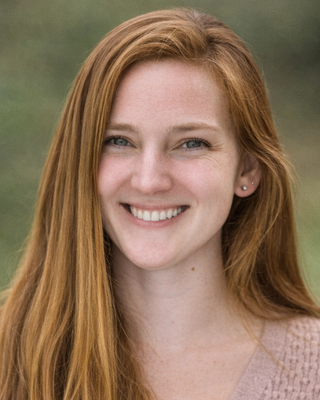
Our in-person Cambridge grief group is a safe place to process grief and connect with others who understand. Research shows that addressing grief during young adulthood is crucial for lifelong emotional wellbeing, helping prevent the prolonged pain that can come from unprocessed loss. Past participants consistently share how meaningful it's been to find understanding and support during this chapter of life. Our ongoing group is starting a new round soon. More details can be found at www.1awellness.com/groups-and-workshops/
Ready to make significant progress in your trauma healing journey? EMDR Intensives offer a powerful, concentrated approach, allowing you to address deep-rooted challenges in just a few sessions. These personalized, half- or full-day sessions combine comprehensive preparation, focused trauma reprocessing, and tailored follow-up support to help you break through where traditional therapy may take longer. Ideal for those with busy schedules or seeking faster results, intensives provide a safe, supportive environment for profound change. Take the next step toward healing—reach out today to learn more or schedule your personalized EMDR Intensive.

Hosted by Amanda Whitehurst
Clinical Social Work/Therapist, LICSW, SEP
Group meets in Cambridge, MA 02140
Ready to make significant progress in your trauma healing journey? EMDR Intensives offer a powerful, concentrated approach, allowing you to address deep-rooted challenges in just a few sessions. These personalized, half- or full-day sessions combine comprehensive preparation, focused trauma reprocessing, and tailored follow-up support to help you break through where traditional therapy may take longer. Ideal for those with busy schedules or seeking faster results, intensives provide a safe, supportive environment for profound change. Take the next step toward healing—reach out today to learn more or schedule your personalized EMDR Intensive.
Join our Board Game Therapy Group for kids ages 7-18, designed to help those with social skills deficits! This engaging group combines the fun of board games with structured activities that promote teamwork, communication, and problem-solving. Under the guidance of a licensed clinical psychologist, participants will build confidence, improve social interactions, and develop essential skills in a supportive environment. It's a great opportunity to make friends while learning valuable strategies for navigating social situations. Don’t miss out on the fun—sign up today and watch your child thrive! For more info, email jjohnson@iasboston.com.
Join our Board Game Therapy Group for kids ages 7-18, designed to help those with social skills deficits! This engaging group combines the fun of board games with structured activities that promote teamwork, communication, and problem-solving. Under the guidance of a licensed clinical psychologist, participants will build confidence, improve social interactions, and develop essential skills in a supportive environment. It's a great opportunity to make friends while learning valuable strategies for navigating social situations. Don’t miss out on the fun—sign up today and watch your child thrive! For more info, email jjohnson@iasboston.com.
At Insight Center for Behavioral Health, LLC we provide individuals and their families with compassion driven care and service excellence across a continuum of culturally aware and appropriate behavioral health services. ? As a key and critical community resource, Insight Center for Behavioral Health, LLC provides compassionate care to its patients via a wide range of vital behavioral healthcare services. We treat all psychiatric and substance abuse disorders while maintaining a focus on the needs of our communities, individuals, and families. ?

Hosted by Insight Center for Behavioral Health
Drug & Alcohol Counselor, MS, LMHC, LADC, CADC
Group meets in Lowell, MA 01852
At Insight Center for Behavioral Health, LLC we provide individuals and their families with compassion driven care and service excellence across a continuum of culturally aware and appropriate behavioral health services. ? As a key and critical community resource, Insight Center for Behavioral Health, LLC provides compassionate care to its patients via a wide range of vital behavioral healthcare services. We treat all psychiatric and substance abuse disorders while maintaining a focus on the needs of our communities, individuals, and families. ?
Next session starts in June on thursdays from 6:15-7:30pm for 6 weeks. Although there isn't any one solution, there are many small actions that when repeated often shift our mood, strengthen our relationships and improve our general well being. This small group workshop will be a relaxed and fun opportunity to learn and reinforce realistic and "doable" habits that contribute to a positive, upward spiral. Topics: How to live in the moment more often. Why self-compassion is important and how to feel it more. Mandatory self-care - more than just a suggestion. Research on gratitude.
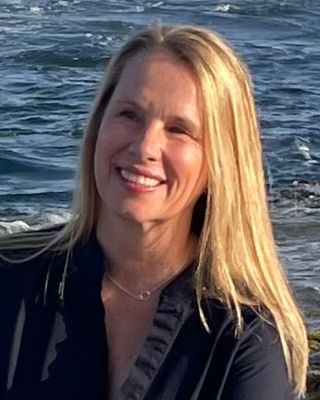
Next session starts in June on thursdays from 6:15-7:30pm for 6 weeks. Although there isn't any one solution, there are many small actions that when repeated often shift our mood, strengthen our relationships and improve our general well being. This small group workshop will be a relaxed and fun opportunity to learn and reinforce realistic and "doable" habits that contribute to a positive, upward spiral. Topics: How to live in the moment more often. Why self-compassion is important and how to feel it more. Mandatory self-care - more than just a suggestion. Research on gratitude.
Therapy group for adults struggling with anxiety.
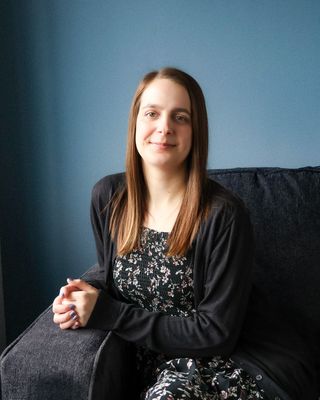
Therapy group for adults struggling with anxiety.
This 8 week, in-person, supportive social skills group offers pre-tweens and tweens the opportunity to learn conversation, friendship, and social problem-solving skills, as well as effective strategies for managing and tolerating anxiety in social settings. Participants will explore the anxious brain and its impact on thoughts, feelings, and behaviors; practice specific breathing, mindfulness, and guided meditation techniques; and use targeted exposure to improve one's ability to manage and tolerate anxiety, fear, embarrassment, and avoidance in social situations and increase social participation, confidence, assertiveness, and conversation skills. Initial, individual meeting required to determine goodness of fit and identify individual areas of need.

This 8 week, in-person, supportive social skills group offers pre-tweens and tweens the opportunity to learn conversation, friendship, and social problem-solving skills, as well as effective strategies for managing and tolerating anxiety in social settings. Participants will explore the anxious brain and its impact on thoughts, feelings, and behaviors; practice specific breathing, mindfulness, and guided meditation techniques; and use targeted exposure to improve one's ability to manage and tolerate anxiety, fear, embarrassment, and avoidance in social situations and increase social participation, confidence, assertiveness, and conversation skills. Initial, individual meeting required to determine goodness of fit and identify individual areas of need.
I am offering a goal- oriented, 12 session, focused teletherapy group on How to Reduce Your Anxiety and Stress During the Coronavirus Epidemic. Participants will learn specific skills and have an opportunity to share and problem solve together online. Most health insurances accepted including Medicare and MassHealth

I am offering a goal- oriented, 12 session, focused teletherapy group on How to Reduce Your Anxiety and Stress During the Coronavirus Epidemic. Participants will learn specific skills and have an opportunity to share and problem solve together online. Most health insurances accepted including Medicare and MassHealth
These groups are often the first time that neurodiverse couples have the chance to speak with others about how their neurodiversity affects their relationship. They offer you the opportunity to realize that the issues you are struggling with are not unique. This makes it possible to take things less personally and to learn new tools and strategies from the other couples and from Grace. No formal diagnosis is required. Monthly meetings are 90 minutes and cost $55 per couple per meeting.
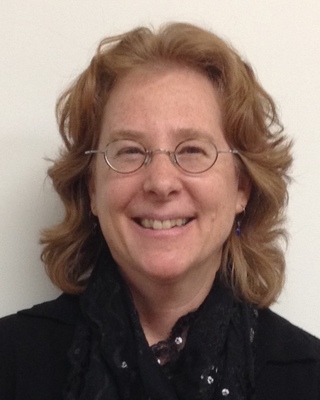
These groups are often the first time that neurodiverse couples have the chance to speak with others about how their neurodiversity affects their relationship. They offer you the opportunity to realize that the issues you are struggling with are not unique. This makes it possible to take things less personally and to learn new tools and strategies from the other couples and from Grace. No formal diagnosis is required. Monthly meetings are 90 minutes and cost $55 per couple per meeting.
Join us for a nourishing 8-week series and discover practical, concrete Mindfulness & CBT skills for reducing stress and anxiety, while promoting overall whole-body wellness. Throughout the 8-weeks, you will: 1) Develop skills for responding calmly to stressful events 2) Increase gratitude and compassion for self and others 3) Identify individualized mindfulness-skills that resonate with you and can be practiced regularly 4) Uncover your capacity to be present in the moment

Hosted by Kaitlin Nunamann
Clinical Social Work/Therapist, MSW, LICSW, RYT
Group meets in Boston, MA 02114
Join us for a nourishing 8-week series and discover practical, concrete Mindfulness & CBT skills for reducing stress and anxiety, while promoting overall whole-body wellness. Throughout the 8-weeks, you will: 1) Develop skills for responding calmly to stressful events 2) Increase gratitude and compassion for self and others 3) Identify individualized mindfulness-skills that resonate with you and can be practiced regularly 4) Uncover your capacity to be present in the moment
See more therapy options for Haverhill


Nearby Searches for Haverhill
See More Support Groups FAQs - About Group Therapy and Support Groups
How can I find a support group in Haverhill?
To find a support group in your area, start by entering your city, zip code, or the name of the group into the search bar at the top of the page. When searching, consider whether you prefer an in-person or virtual group. This can help you decide how broad your geographic search should be. If you are open to virtual groups, you might want to search by state instead of just your city, especially if there are limited options nearby.
Once you complete your search, you can use the filters to narrow the results by selecting specialties (such as grief, trauma, or eating disorders), therapeutic approaches, age groups, and other criteria to find a group that best fits your needs.
How does group therapy work?
Group therapy is led by one or more trained therapists and provides a space where participants can process their experiences and learn from others facing similar challenges. Groups may focus on a specific issue—such as addiction, grief, physical illnesses, parenting, or caregiving—or they may center around a particular therapeutic approach, such as Cognitive Behavioral Therapy (CBT), social skill development, or Exposure Therapy. Some groups are also designed for specific populations, such as teens, veterans, or LGBTQ+ individuals.
It’s also important to distinguish group therapy from peer-led support groups, like Alcoholics Anonymous. While both can offer valuable support, therapy groups are typically led by licensed professionals and follow a more structured format. Therapy groups often meet for a fixed length of time with a consistent group of members, while many peer support groups meet for an indefinite period of time with members coming and going.
What are the benefits of group therapy?
Group therapy offers several important benefits. It brings together people facing similar challenges—whether related to mental health, physical health, or life transitions—and creates a supportive environment where participants can exchange feedback, share experiences, and learn from one another. Hearing different perspectives can help individuals discover new coping strategies and practical tools they may not have encountered on their own. Sharing personal experiences, such as coping with a serious illness or navigating family struggles, can also reduce feelings of isolation and foster a sense of connection and understanding. In addition to emotional support, group members often gain useful, real-world advice from peers who have faced similar situations.
Group therapy is typically more affordable than individual therapy and, for certain conditions, can be equally effective. Many groups also include structured activities—such as guided journaling, cognitive-behavioral exercises, or role-playing—to help participants develop concrete skills they can apply in daily life.
Is group therapy as effective as individual therapy?
It is difficult to make a blanket statement about the effectiveness of support groups, as they vary widely in focus and the conditions they address. However, support groups can be highly valuable in helping individuals gain emotional support and achieve meaningful treatment outcomes. For certain conditions, such as substance use, research has shown that group therapy can be particularly effective—sometimes just as effective as individual therapy—in supporting long-term recovery.
Many professionals attribute the effectiveness of group therapy to the unique benefits of the group setting, which fosters peer-to-peer learning and a sense of connection through shared experiences. Group settings also offer accountability and encouragement from both facilitators and fellow participants, which helps sustain motivation and supports continued progress. These factors together play a key role in promoting the overall effectiveness of group therapy.
How much does group therapy cost?
Group therapy is typically less expensive than individual therapy, with sessions typically costing between $50 and $75 each. In comparison, individual therapy can cost anywhere from $100 to $200 or more per session, even with insurance. Some therapists or organizations offer low-cost or free group therapy options, particularly through community centers or nonprofit organizations. In some cases, groups may require payment upfront for a set number of sessions, such as paying for six weekly sessions at the first meeting. However, many providers offer payment plans to help make participation more accessible if this upfront payment is required.
Does insurance cover group therapy?
As with individual therapy, insurance coverage for group therapy varies based on factors such as your specific insurance plan, the purpose of the group, your diagnosis, and whether the group provider is in-network. Many insurance plans cover group therapy sessions that address diagnosable mental health conditions, such as substance use disorders, anxiety, or depression.
However, groups that focus on topics not directly tied to a mental health diagnosis—such as parenting support or divorce recovery—are less likely to be covered. Because coverage can vary widely, it’s important to check with your insurance provider before joining a group to confirm whether the sessions will be covered and what out-of-pocket costs you may be responsible for.
How long does group therapy last?
The length of each group therapy session typically ranges from 45 minutes to two hours, depending on the therapy approach, the group’s goals, and how often the group meets. In some cases, group therapy is part of a larger treatment program, such as an Intensive Outpatient Program (IOP), where group sessions complement individual therapy and are scheduled as part of the program’s overall structure.
The duration of participation in a group also varies. Some groups are designed to be short-term, lasting anywhere from 6 to 24 weeks—for example, bereavement groups or skills-based groups like those using Dialectical Behavioral Therapy (DBT). Other groups may be longer-term, lasting a year or more, and some ongoing support groups meet indefinitely, allowing participants to stay as long as they find the group helpful.
What are the limitations of support groups?
Support groups offer many benefits, but they also have certain limitations. Unlike therapy groups, many support groups do not provide formal therapeutic treatment and are not led by licensed mental health professionals. For individuals seeking clinical treatment for specific mental health diagnoses—such as depression, eating disorders, or substance use—individual therapy or group therapy led by a licensed professional may offer more personalized and specialized care.
The effectiveness of a support group also depends heavily on the group’s participants and the overall group dynamic. When members engage respectfully and offer constructive support, the group can foster valuable peer-to-peer learning. However, if certain participants dominate discussions, provide inaccurate advice, or create conflict, it can disrupt the group’s sense of safety and reduce its effectiveness. Confidentiality can also be harder to maintain in support groups, particularly in open groups where participants can join or leave at any time. With new members regularly entering the group, it can be more difficult to build and sustain a consistent sense of trust and privacy.