Support Groups in Framingham, MA
If you are 40 to 70 years old and feel your problems are personal (anxiety, depression, trauma, addiction) or interpersonal (marital conflict, parenting trouble, work problems), group therapy is an researched-based effective approach. The group's focus on the here-and-now develops your capacity to know what you're feeling in real-time, increases your ability to share your feelings, needs, wishes and wants and to understand others' as well. Group therapy will increase your strength to stand up for yourself and also your willingness to stand with others. This group meets on Zoom.

Hosted by Charles Glazier
Clinical Social Work/Therapist, LICSW, DCSW, CGP
Group meets in Framingham, MA 01701
If you are 40 to 70 years old and feel your problems are personal (anxiety, depression, trauma, addiction) or interpersonal (marital conflict, parenting trouble, work problems), group therapy is an researched-based effective approach. The group's focus on the here-and-now develops your capacity to know what you're feeling in real-time, increases your ability to share your feelings, needs, wishes and wants and to understand others' as well. Group therapy will increase your strength to stand up for yourself and also your willingness to stand with others. This group meets on Zoom.
Deep healing requires a stable foundation. Before you can process the past, you must learn to feel safe in the present. This group focuses specifically on the mechanics of regulation. We do not share trauma narratives here. Instead, we build the "brakes" for your nervous system. You will master somatic tools to anchor yourself, manage overwhelm, and widen your window of tolerance. Whether you are preparing for intensive trauma therapy (like EMDR) or simply seek relief from daily stress, these skills are essential. Do not rush the climb. Join this group and learn to secure your footing first.

Deep healing requires a stable foundation. Before you can process the past, you must learn to feel safe in the present. This group focuses specifically on the mechanics of regulation. We do not share trauma narratives here. Instead, we build the "brakes" for your nervous system. You will master somatic tools to anchor yourself, manage overwhelm, and widen your window of tolerance. Whether you are preparing for intensive trauma therapy (like EMDR) or simply seek relief from daily stress, these skills are essential. Do not rush the climb. Join this group and learn to secure your footing first.
Traditional therapy is excellent, but for those with "high-wall" anxiety, it can take months or years to make a breakthrough. Ketamine acts as a biological "reset," temporarily softening the ego and defense mechanisms. This allows one to access feelings and insights that they’ve been too "stuck" or "shelled" to reach in regular sessions. Our young adults are currently facing a "loneliness epidemic." By healing in a group, they can realize their struggles are not a personal failure, but a shared human experience. This significantly boosts the "Confidence" and "Self-Esteem" goals of the program.

Hosted by The Whole Being & Ketamine Assisted Psychotherapy
Clinical Social Work/Therapist, LCSW
Group meets in Framingham, MA 01701
Traditional therapy is excellent, but for those with "high-wall" anxiety, it can take months or years to make a breakthrough. Ketamine acts as a biological "reset," temporarily softening the ego and defense mechanisms. This allows one to access feelings and insights that they’ve been too "stuck" or "shelled" to reach in regular sessions. Our young adults are currently facing a "loneliness epidemic." By healing in a group, they can realize their struggles are not a personal failure, but a shared human experience. This significantly boosts the "Confidence" and "Self-Esteem" goals of the program.
Chronic pain is isolating. For high school students, who may struggle to attend school, extra curriculars, or social events, the isolation from their peers can be especially damaging. Chronic pain can lead to hopelessness and withdrawal from life. These groups are a place for teens to connect, to support one another, to learn from one another, and to figure out how to live meaningful lives despite their pain. Open to Massachusetts high school age students, online, Mondays 4pm and/or Saturdays at 9am (choose one or both groups) $150 a month for one group. Discount for attending both groups.

Chronic pain is isolating. For high school students, who may struggle to attend school, extra curriculars, or social events, the isolation from their peers can be especially damaging. Chronic pain can lead to hopelessness and withdrawal from life. These groups are a place for teens to connect, to support one another, to learn from one another, and to figure out how to live meaningful lives despite their pain. Open to Massachusetts high school age students, online, Mondays 4pm and/or Saturdays at 9am (choose one or both groups) $150 a month for one group. Discount for attending both groups.
For individuals looking for a trauma-focused addiction support group.

Hosted by Integrative Wellbeing Center
Counselor, LMHC, LADC-1, LPC, MACCS
Group meets in Framingham, MA 01702
For individuals looking for a trauma-focused addiction support group.
Young adult group for ages of 21-30. This group combines holistic healing techniques such as meditation, shamanic practices and reiki, with discussions addressing the challenges of young adulthood. Our format will begin each week with a short meditation facilitated by Marci Zieff, followed by a discussion, facilitated by Judy Seligman. This group will run for 4 weeks; September 12, 19, 26 and October 3, Thursdays from 6:30-7:30pm. It will meet remotely. Cost $195 per person for the 4-week session Co-facilitated by Marci Zieff, Reiki Master, Shamanic healer and meditation teacher and Judy Seligman, LICSW.

Young adult group for ages of 21-30. This group combines holistic healing techniques such as meditation, shamanic practices and reiki, with discussions addressing the challenges of young adulthood. Our format will begin each week with a short meditation facilitated by Marci Zieff, followed by a discussion, facilitated by Judy Seligman. This group will run for 4 weeks; September 12, 19, 26 and October 3, Thursdays from 6:30-7:30pm. It will meet remotely. Cost $195 per person for the 4-week session Co-facilitated by Marci Zieff, Reiki Master, Shamanic healer and meditation teacher and Judy Seligman, LICSW.
Registration required. Please contact if you would like to register. No cost. This is an online group. Caregiving is hard. You do not have to do it alone. Join a group of like minded people, every Monday (except legal holidays). We hope you can join us.
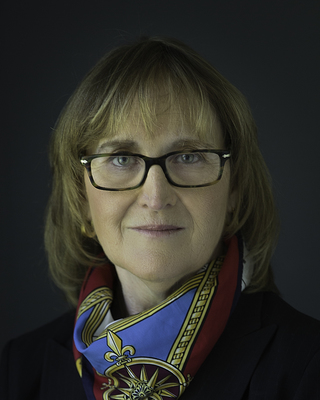
Hosted by JFS Elder Care Solutions Allies in Aging
Clinical Social Work/Therapist, LICSW, CCM
Group meets in Framingham, MA 01702
Registration required. Please contact if you would like to register. No cost. This is an online group. Caregiving is hard. You do not have to do it alone. Join a group of like minded people, every Monday (except legal holidays). We hope you can join us.
Move beyond understanding the concepts to mastering the tools. This structured 12-week group focuses on the four pillars of Dialectical Behavior Therapy: Mindfulness, Distress Tolerance, Emotion Regulation, and Interpersonal Effectiveness. Each session is designed as a 'skills lab' where we move past the 'what' and focus on the 'how.' You will leave with a personalized toolkit to navigate life’s high-stress moments with clarity and confidence. Next session to begin soon. Save your seat by getting your name on the waitlist.

Move beyond understanding the concepts to mastering the tools. This structured 12-week group focuses on the four pillars of Dialectical Behavior Therapy: Mindfulness, Distress Tolerance, Emotion Regulation, and Interpersonal Effectiveness. Each session is designed as a 'skills lab' where we move past the 'what' and focus on the 'how.' You will leave with a personalized toolkit to navigate life’s high-stress moments with clarity and confidence. Next session to begin soon. Save your seat by getting your name on the waitlist.
Are you kinky? Have you felt judged, shamed, or pathologized when you try to talk in individual or group therapy about your kinks and fetishes? Have you attempted to seek support only to find your lifestyle has become the focus other people’s fascination, or you’ve felt you had to hide part of who you are to not draw unwanted attention? Do you wish you had a place to work on your relationship issues with others who understand you? Group will meet weekly, beginning after Labor Day. Time TBD based on members' schedules. $150/month. Private pay only.
Are you kinky? Have you felt judged, shamed, or pathologized when you try to talk in individual or group therapy about your kinks and fetishes? Have you attempted to seek support only to find your lifestyle has become the focus other people’s fascination, or you’ve felt you had to hide part of who you are to not draw unwanted attention? Do you wish you had a place to work on your relationship issues with others who understand you? Group will meet weekly, beginning after Labor Day. Time TBD based on members' schedules. $150/month. Private pay only.
If you are 40 to 70 years old and feel your problems are personal (anxiety, depression, trauma, addiction) or interpersonal (marital conflict, parenting trouble, work problems), group therapy is an effective and inexpensive treatment. The group's focus on the here-and-now develops your capacity to know what you're feeling in real-time and increases your ability to share your feelings, needs, wishes and wants and to understand others' as well. Group work increases your strength to stand up for yourself and your capacity to stand with others.
Hosted by Charles Glazier
Clinical Social Work/Therapist, LICSW, DCSW, CGP
Group meets in Framingham, MA 01701
If you are 40 to 70 years old and feel your problems are personal (anxiety, depression, trauma, addiction) or interpersonal (marital conflict, parenting trouble, work problems), group therapy is an effective and inexpensive treatment. The group's focus on the here-and-now develops your capacity to know what you're feeling in real-time and increases your ability to share your feelings, needs, wishes and wants and to understand others' as well. Group work increases your strength to stand up for yourself and your capacity to stand with others.
For individuals looking to experience the healing benefits of EMDR group therapy, maximum 10.
Hosted by Integrative Wellbeing Center
Counselor, LMHC, LADC-1, LPC, MACCS
Group meets in Framingham, MA 01702
For individuals looking to experience the healing benefits of EMDR group therapy, maximum 10.
If you love someone with Bipolar, you might feel overwhelmed: You’re struggling with stuff that’s way beyond your control. But we are here–for you–others going through the same thing, and professionals who care and can help. In service to you, I'm eager to share what I know, and what I deeply feel. In my online workshop, I can offer you… A chance to share and connect with others; a way to understand Bipolar and its treatment options; and strategies to help, to set loving limits, and–above all–to take care of yourself!

Hosted by OCD Specialist, Shane MacDonald, LICSW
Clinical Social Work/Therapist, LICSW
Group meets in Framingham, MA 01702
If you love someone with Bipolar, you might feel overwhelmed: You’re struggling with stuff that’s way beyond your control. But we are here–for you–others going through the same thing, and professionals who care and can help. In service to you, I'm eager to share what I know, and what I deeply feel. In my online workshop, I can offer you… A chance to share and connect with others; a way to understand Bipolar and its treatment options; and strategies to help, to set loving limits, and–above all–to take care of yourself!
Nulife Behavioral Health offers Intensive Outpatient Programs (IOP) and Partial Hospitalization Programs (PHP) to support mental health recovery. - **IOP** is suitable for individuals needing more support than traditional therapy without 24-hour supervision. It involves several hours of therapy multiple times a week, focusing on issues like substance abuse and anxiety, with group and individual therapy sessions. - **PHP** provides a structured treatment environment for those transitioning from inpatient care or experiencing acute symptoms. It includes daily therapy and support, helping individuals develop coping strategies while allowing them to return home in the evenings. Both aim for personalized, comprehensive care.

Nulife Behavioral Health offers Intensive Outpatient Programs (IOP) and Partial Hospitalization Programs (PHP) to support mental health recovery. - **IOP** is suitable for individuals needing more support than traditional therapy without 24-hour supervision. It involves several hours of therapy multiple times a week, focusing on issues like substance abuse and anxiety, with group and individual therapy sessions. - **PHP** provides a structured treatment environment for those transitioning from inpatient care or experiencing acute symptoms. It includes daily therapy and support, helping individuals develop coping strategies while allowing them to return home in the evenings. Both aim for personalized, comprehensive care.
For individuals who are prescribed ketamine and are looking for group integration and follow-up sessions. Maximum 5 (with similar diagnoses)
Hosted by Integrative Wellbeing Center
Counselor, LMHC, LADC-1, LPC, MACCS
Group meets in Framingham, MA 01702
For individuals who are prescribed ketamine and are looking for group integration and follow-up sessions. Maximum 5 (with similar diagnoses)
Do you practice consensual non-monogamy in any of its forms? Have you attempted to seek support only to find your lifestyle has become the focus other people’s fascination, or you’ve felt you had to hide part of who you are to not draw unwanted attention? Do you wish you had a place to work on your life and relationship issues with others who understand you? Join a new, online CNM interpersonal process group. Group will meet weekly, beginning after Labor Day. Time TBD based on members' schedules. $150/month. Private pay only.
Do you practice consensual non-monogamy in any of its forms? Have you attempted to seek support only to find your lifestyle has become the focus other people’s fascination, or you’ve felt you had to hide part of who you are to not draw unwanted attention? Do you wish you had a place to work on your life and relationship issues with others who understand you? Join a new, online CNM interpersonal process group. Group will meet weekly, beginning after Labor Day. Time TBD based on members' schedules. $150/month. Private pay only.

Hosted by Vendetti Wellness Group, PC
Clinical Social Work/Therapist, LICSW
Group meets in Framingham, MA 01702
More Groups Nearby
Weekend Workshop for Couples: October 17-18, 2020, . 9am-5pm Saturday & Sunday. Cost: $700 per couple. We will be teaching couples mindfulness practices for being present together, balancing self and other, dealing with differences, giving and receiving attention, building trust and cultivating compassion.

Weekend Workshop for Couples: October 17-18, 2020, . 9am-5pm Saturday & Sunday. Cost: $700 per couple. We will be teaching couples mindfulness practices for being present together, balancing self and other, dealing with differences, giving and receiving attention, building trust and cultivating compassion.
Many relationships hit a crossroads where communication breaks down—whether conversations quickly escalate into hurtful arguments, or silence sets in and you stop communicating altogether. In my couples therapy practice, I provide a calm, structured space to break these reactive or distant cycles. Together, we will practice specific tools to help each of you express your deepest feelings and needs safely, speaking in a calm manner without triggering defensiveness. Therapy isn’t about assigning blame; it is a collaborative investment that restores meaningful connection and allows you to grow together rather than grow apart.
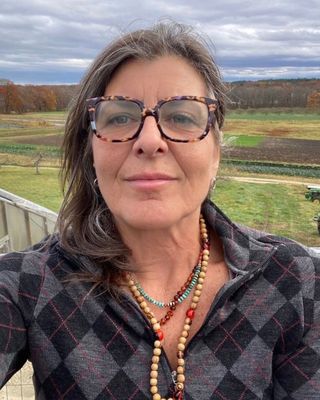
Many relationships hit a crossroads where communication breaks down—whether conversations quickly escalate into hurtful arguments, or silence sets in and you stop communicating altogether. In my couples therapy practice, I provide a calm, structured space to break these reactive or distant cycles. Together, we will practice specific tools to help each of you express your deepest feelings and needs safely, speaking in a calm manner without triggering defensiveness. Therapy isn’t about assigning blame; it is a collaborative investment that restores meaningful connection and allows you to grow together rather than grow apart.
Beyond the Gut is an 8-week virtual, educational workshop for women living with IBS, Crohn’s disease, ulcerative colitis, or an ostomy. This supportive, skills-based program explores the emotional challenges of digestive conditions, including stress, uncertainty, body image, and social concerns. Through psychoeducation, mindfulness, and practical exercises informed by CBT and ACT, participants will learn strategies to manage stress, build emotional resilience, practice self-compassion, and enhance quality of life. The workshop offers a welcoming space to connect with women navigating similar experiences. This is an educational workshop, not group psychotherapy.

Beyond the Gut is an 8-week virtual, educational workshop for women living with IBS, Crohn’s disease, ulcerative colitis, or an ostomy. This supportive, skills-based program explores the emotional challenges of digestive conditions, including stress, uncertainty, body image, and social concerns. Through psychoeducation, mindfulness, and practical exercises informed by CBT and ACT, participants will learn strategies to manage stress, build emotional resilience, practice self-compassion, and enhance quality of life. The workshop offers a welcoming space to connect with women navigating similar experiences. This is an educational workshop, not group psychotherapy.
This group will address the challenges parents face with children that are struggling with a variety of issues, including sexual identity, ADHD, depression, anxiety, drug/alcohol abuse, social media addiction, and reactions to divorce. Parents will come together to find they are not alone and develop coping strategies to ease stress and explore solutions.

This group will address the challenges parents face with children that are struggling with a variety of issues, including sexual identity, ADHD, depression, anxiety, drug/alcohol abuse, social media addiction, and reactions to divorce. Parents will come together to find they are not alone and develop coping strategies to ease stress and explore solutions.
See more therapy options for Framingham


Nearby Searches for Framingham
See More Support Groups FAQs - About Group Therapy and Support Groups
How can I find a support group in Framingham?
To find a support group in your area, start by entering your city, zip code, or the name of the group into the search bar at the top of the page. When searching, consider whether you prefer an in-person or virtual group. This can help you decide how broad your geographic search should be. If you are open to virtual groups, you might want to search by state instead of just your city, especially if there are limited options nearby.
Once you complete your search, you can use the filters to narrow the results by selecting specialties (such as grief, trauma, or eating disorders), therapeutic approaches, age groups, and other criteria to find a group that best fits your needs.
How does group therapy work?
Group therapy is led by one or more trained therapists and provides a space where participants can process their experiences and learn from others facing similar challenges. Groups may focus on a specific issue—such as addiction, grief, physical illnesses, parenting, or caregiving—or they may center around a particular therapeutic approach, such as Cognitive Behavioral Therapy (CBT), social skill development, or Exposure Therapy. Some groups are also designed for specific populations, such as teens, veterans, or LGBTQ+ individuals.
It’s also important to distinguish group therapy from peer-led support groups, like Alcoholics Anonymous. While both can offer valuable support, therapy groups are typically led by licensed professionals and follow a more structured format. Therapy groups often meet for a fixed length of time with a consistent group of members, while many peer support groups meet for an indefinite period of time with members coming and going.
What are the benefits of group therapy?
Group therapy offers several important benefits. It brings together people facing similar challenges—whether related to mental health, physical health, or life transitions—and creates a supportive environment where participants can exchange feedback, share experiences, and learn from one another. Hearing different perspectives can help individuals discover new coping strategies and practical tools they may not have encountered on their own. Sharing personal experiences, such as coping with a serious illness or navigating family struggles, can also reduce feelings of isolation and foster a sense of connection and understanding. In addition to emotional support, group members often gain useful, real-world advice from peers who have faced similar situations.
Group therapy is typically more affordable than individual therapy and, for certain conditions, can be equally effective. Many groups also include structured activities—such as guided journaling, cognitive-behavioral exercises, or role-playing—to help participants develop concrete skills they can apply in daily life.
Is group therapy as effective as individual therapy?
It is difficult to make a blanket statement about the effectiveness of support groups, as they vary widely in focus and the conditions they address. However, support groups can be highly valuable in helping individuals gain emotional support and achieve meaningful treatment outcomes. For certain conditions, such as substance use, research has shown that group therapy can be particularly effective—sometimes just as effective as individual therapy—in supporting long-term recovery.
Many professionals attribute the effectiveness of group therapy to the unique benefits of the group setting, which fosters peer-to-peer learning and a sense of connection through shared experiences. Group settings also offer accountability and encouragement from both facilitators and fellow participants, which helps sustain motivation and supports continued progress. These factors together play a key role in promoting the overall effectiveness of group therapy.
How much does group therapy cost?
Group therapy is typically less expensive than individual therapy, with sessions typically costing between $50 and $75 each. In comparison, individual therapy can cost anywhere from $100 to $200 or more per session, even with insurance. Some therapists or organizations offer low-cost or free group therapy options, particularly through community centers or nonprofit organizations. In some cases, groups may require payment upfront for a set number of sessions, such as paying for six weekly sessions at the first meeting. However, many providers offer payment plans to help make participation more accessible if this upfront payment is required.
Does insurance cover group therapy?
As with individual therapy, insurance coverage for group therapy varies based on factors such as your specific insurance plan, the purpose of the group, your diagnosis, and whether the group provider is in-network. Many insurance plans cover group therapy sessions that address diagnosable mental health conditions, such as substance use disorders, anxiety, or depression.
However, groups that focus on topics not directly tied to a mental health diagnosis—such as parenting support or divorce recovery—are less likely to be covered. Because coverage can vary widely, it’s important to check with your insurance provider before joining a group to confirm whether the sessions will be covered and what out-of-pocket costs you may be responsible for.
How long does group therapy last?
The length of each group therapy session typically ranges from 45 minutes to two hours, depending on the therapy approach, the group’s goals, and how often the group meets. In some cases, group therapy is part of a larger treatment program, such as an Intensive Outpatient Program (IOP), where group sessions complement individual therapy and are scheduled as part of the program’s overall structure.
The duration of participation in a group also varies. Some groups are designed to be short-term, lasting anywhere from 6 to 24 weeks—for example, bereavement groups or skills-based groups like those using Dialectical Behavioral Therapy (DBT). Other groups may be longer-term, lasting a year or more, and some ongoing support groups meet indefinitely, allowing participants to stay as long as they find the group helpful.
What are the limitations of support groups?
Support groups offer many benefits, but they also have certain limitations. Unlike therapy groups, many support groups do not provide formal therapeutic treatment and are not led by licensed mental health professionals. For individuals seeking clinical treatment for specific mental health diagnoses—such as depression, eating disorders, or substance use—individual therapy or group therapy led by a licensed professional may offer more personalized and specialized care.
The effectiveness of a support group also depends heavily on the group’s participants and the overall group dynamic. When members engage respectfully and offer constructive support, the group can foster valuable peer-to-peer learning. However, if certain participants dominate discussions, provide inaccurate advice, or create conflict, it can disrupt the group’s sense of safety and reduce its effectiveness. Confidentiality can also be harder to maintain in support groups, particularly in open groups where participants can join or leave at any time. With new members regularly entering the group, it can be more difficult to build and sustain a consistent sense of trust and privacy.