Support Groups in Jefferson Parish, LA
6 member group with two co-leaders. Men work on their relationship issues building a high level of trust that provides support and growth for the men. Men commit to weekly presence for a minimum of three months. A man who wishes to join must contact Dr. Jim O'Neill or Lou Irwin, BCSW to discuss suitability for men's group work.

Hosted by Dr Jim ONeill LPC
Licensed Professional Counselor, LPC, AAMFT, AAPC
Group meets in Metairie, LA 70002
6 member group with two co-leaders. Men work on their relationship issues building a high level of trust that provides support and growth for the men. Men commit to weekly presence for a minimum of three months. A man who wishes to join must contact Dr. Jim O'Neill or Lou Irwin, BCSW to discuss suitability for men's group work.
Join a small online support group of 4 to 6 women. Each session will include psychoeducation, skills practice and group discussion. Learn to use Imagery, Mindfulness, Breathwork and Stress Management to help manage anxiety. Groups help create connection - you are not alone in what you are experiencing. Call to add your name for a 2027 group.

Hosted by Melanie O'Neill
Licensed Professional Counselor, LPC, LMHC
Group meets in Metairie, LA 70003
Join a small online support group of 4 to 6 women. Each session will include psychoeducation, skills practice and group discussion. Learn to use Imagery, Mindfulness, Breathwork and Stress Management to help manage anxiety. Groups help create connection - you are not alone in what you are experiencing. Call to add your name for a 2027 group.
Educational Group based on a Cognitive Behavioral framework. Initial and final assessments are used to formulate a Final Report at completion of this 11 class course.

Hosted by Victor M Sims
Clinical Social Work/Therapist, MSW, LCSW, BACS, CAMS
Group meets in Gretna, LA 70053
Educational Group based on a Cognitive Behavioral framework. Initial and final assessments are used to formulate a Final Report at completion of this 11 class course.
Anger Management groups offered once to twice weekly. Standardized curriculum with pre ans post test offered. Certificates of completion and letters to probation, parole any other required agencies furnedh at no additional cost. Program entails 8-12 sessions. Frequency of program varies.

Anger Management groups offered once to twice weekly. Standardized curriculum with pre ans post test offered. Certificates of completion and letters to probation, parole any other required agencies furnedh at no additional cost. Program entails 8-12 sessions. Frequency of program varies.
My practice offers social skills groups for children 3 and up! We also offer groups for parenting support. Contact us today to learn about group offerings!

Hosted by Megan Nicole Long
Licensed Professional Counselor, PhD, LPC-S, RPT-S, NCC
Group meets in Metairie, LA 70006
My practice offers social skills groups for children 3 and up! We also offer groups for parenting support. Contact us today to learn about group offerings!
Join a dynamic, experiential psychodrama group designed to support healing, insight, and personal growth. Through guided role-play and dramatic techniques, participants explore inner experiences, relationships, and life events in a safe, supportive environment. Psychodrama allows you to step into different roles—yourself, others, or symbolic parts of you—to gain new perspectives, release stuck emotions, and rehearse new ways of being. This group is ideal for those seeking deeper work beyond traditional talk therapy. No acting experience is necessary just a willingness to show up. Come connect, express, transform in community with others on a shared healing journey.

Hosted by Danette Dollison-Johnson
Licensed Professional Counselor, LPC-S, MT-BC
Group meets in Metairie, LA 70001
Join a dynamic, experiential psychodrama group designed to support healing, insight, and personal growth. Through guided role-play and dramatic techniques, participants explore inner experiences, relationships, and life events in a safe, supportive environment. Psychodrama allows you to step into different roles—yourself, others, or symbolic parts of you—to gain new perspectives, release stuck emotions, and rehearse new ways of being. This group is ideal for those seeking deeper work beyond traditional talk therapy. No acting experience is necessary just a willingness to show up. Come connect, express, transform in community with others on a shared healing journey.
December 9, 16, & 23, January 6, 13, & 20. - ONLINE - Grieving Through The Holidays: A 6-week Online Support Group. A grief support group to find comfort, understanding, and connection with others who truly understand experiencing loss during the holiday season. Together, we provide a safe space for healing, sharing, and building hope for the future.To schedule a free virtual consulation, please make an appointment at NewOrleansTherapist.org/About or contacting me via psychologytoday.com. $50/session if billed weekly, $250 if paid in advance.

Hosted by Andra Aitken
Provisional Licensed Professional Counselor, PLPC, MA, E-RYT
Group meets in Metairie, LA 70001
December 9, 16, & 23, January 6, 13, & 20. - ONLINE - Grieving Through The Holidays: A 6-week Online Support Group. A grief support group to find comfort, understanding, and connection with others who truly understand experiencing loss during the holiday season. Together, we provide a safe space for healing, sharing, and building hope for the future.To schedule a free virtual consulation, please make an appointment at NewOrleansTherapist.org/About or contacting me via psychologytoday.com. $50/session if billed weekly, $250 if paid in advance.
Group therapy for partners of sex addicts. By appointment only. New Orleans: Tuesday, 6:00 - 7:30pm.

Hosted by Lighthouse Counseling Center
Clinical Social Work/Therapist, LCSW, CSAT
Group meets in Jefferson, LA 70121
Group therapy for partners of sex addicts. By appointment only. New Orleans: Tuesday, 6:00 - 7:30pm.
This is a educational group for teen's and their caregiver's to learn how to manage the emotional turmoil and impulsivity. If you or your teen is struggling with conflicts in the home, rebellious behaviors and an inability to make and keep stable relationships then this maybe a great fit for you. The group teaches skills for mindfulness, distress tolerance, interpersonal effectiveness, emotion regulation, and family challenges.
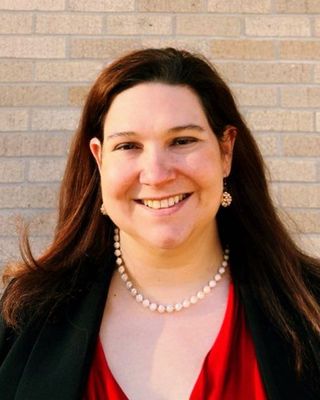
Hosted by Morgan Wangerin Lemoine
Licensed Professional Counselor, LPC-S, NCC
Group meets in Gretna, LA 70053
This is a educational group for teen's and their caregiver's to learn how to manage the emotional turmoil and impulsivity. If you or your teen is struggling with conflicts in the home, rebellious behaviors and an inability to make and keep stable relationships then this maybe a great fit for you. The group teaches skills for mindfulness, distress tolerance, interpersonal effectiveness, emotion regulation, and family challenges.
Forged for Forty is a 40-week trauma-informed men's recovery group for men whose sexual behavior is rooted in early attachment injury and unprocessed developmental trauma. Rather than treating behavior in isolation, the group works upstream addressing affect regulation, shame, and relational rupture as the soil the behavior grows in. The curriculum moves men from symptom management toward genuine relational capacity. The extended format allows the depth and repetition that lasting change requires, within a container of sustained male accountability.

Hosted by Hayden Jernigan
Licensed Professional Counselor, MA, LPC, CSAT
Group meets in New Orleans, LA 70121
Forged for Forty is a 40-week trauma-informed men's recovery group for men whose sexual behavior is rooted in early attachment injury and unprocessed developmental trauma. Rather than treating behavior in isolation, the group works upstream addressing affect regulation, shame, and relational rupture as the soil the behavior grows in. The curriculum moves men from symptom management toward genuine relational capacity. The extended format allows the depth and repetition that lasting change requires, within a container of sustained male accountability.
Group therapy offers a powerful space for connection, healing, and self-discovery. In an interactive, here-and-now environment, you’ll explore emotions, patterns, and relationships as they unfold. Honest dialogue fosters deep insight—not just through self-reflection, but through authentic encounters with others. Group work reduces isolation, strengthens self-awareness, and helps you feel seen and understood. As you share and witness the struggles and growth of others, a profound sense of belonging can emerge. Whether deepening individual work or seeking new paths to change, group therapy invites transformation through the healing power of interpersonal connection.

Hosted by Lauren Hunter — Counseling for Older Adults
Licensed Professional Counselor, PhD, LPC
Group meets in Jefferson, LA 70121
Group therapy offers a powerful space for connection, healing, and self-discovery. In an interactive, here-and-now environment, you’ll explore emotions, patterns, and relationships as they unfold. Honest dialogue fosters deep insight—not just through self-reflection, but through authentic encounters with others. Group work reduces isolation, strengthens self-awareness, and helps you feel seen and understood. As you share and witness the struggles and growth of others, a profound sense of belonging can emerge. Whether deepening individual work or seeking new paths to change, group therapy invites transformation through the healing power of interpersonal connection.
The anger management group is a 12 week treatment with a summary of the core concepts including worksheets and note taking. The treatment will help the participant to develop the skills necessary to successfully manage their anger.

The anger management group is a 12 week treatment with a summary of the core concepts including worksheets and note taking. The treatment will help the participant to develop the skills necessary to successfully manage their anger.
As a board-certified Psychiatric-Mental Health Nurse Practitioner, I’m passionate about helping individuals navigate life’s challenges and build healthier, more fulfilling lives. I work with clients facing ADHD, OCD, bipolar disorder, schizophrenia, depression, and anxiety, providing thoughtful medication management and supportive care tailored to each person’s unique needs. Whether you prefer meeting in person here in New Orleans or connecting through telehealth anywhere in Louisiana, my goal is to create a safe, supportive space where you feel understood, respected, and empowered on your path to healing

As a board-certified Psychiatric-Mental Health Nurse Practitioner, I’m passionate about helping individuals navigate life’s challenges and build healthier, more fulfilling lives. I work with clients facing ADHD, OCD, bipolar disorder, schizophrenia, depression, and anxiety, providing thoughtful medication management and supportive care tailored to each person’s unique needs. Whether you prefer meeting in person here in New Orleans or connecting through telehealth anywhere in Louisiana, my goal is to create a safe, supportive space where you feel understood, respected, and empowered on your path to healing
COVID-19 has taken everyone by storm. For those of us in the LGBTQ+ and BIPOC communities this moment can be even more isolating than ever before. The concerns that were impacting these communities prior to COVID-19 have only intensified. I want to maintain a space for folks to share how they feel, process these feelings, and make plans for themselves as it pertains to navigating through this world. Virtually, I will utilize person centered therapy as we build community with each other and take responsibility for things we can and make informed decisions as we move forward.
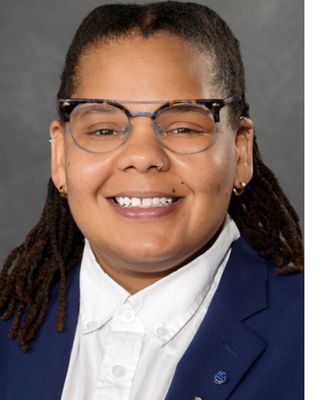
Hosted by T'airra Belcher
Licensed Professional Counselor, PhD, LPC, NCC, CCMHC
Group meets in Metairie, LA 70001
COVID-19 has taken everyone by storm. For those of us in the LGBTQ+ and BIPOC communities this moment can be even more isolating than ever before. The concerns that were impacting these communities prior to COVID-19 have only intensified. I want to maintain a space for folks to share how they feel, process these feelings, and make plans for themselves as it pertains to navigating through this world. Virtually, I will utilize person centered therapy as we build community with each other and take responsibility for things we can and make informed decisions as we move forward.
Dealing with everything related to dealing with Life!

Hosted by Tina Thomas
Clinical Social Work/Therapist, PhD, DCSW, LCSW, BSN, BACS
Group meets in Metairie, LA 70002
Dealing with everything related to dealing with Life!
A group of counselors, coaches, mentors, and interns who use unconventional thinking to produce unimaginable impact in people's lives.
A group of counselors, coaches, mentors, and interns who use unconventional thinking to produce unimaginable impact in people's lives.
Educational group presenting fact, statistics, and coping methods related to dementia.

Hosted by Michelle C Costa LCSW, LAC
Clinical Social Work/Therapist, MSW, LCSW, LAC
Group meets in Metairie, LA 70002
Educational group presenting fact, statistics, and coping methods related to dementia.
This closed group is for any indivudiuals seeking a community of support. This is a 6 week course begining in Janurary of 2023. You will walk away with practical skills to implement in your daily life to overcome anxiety. Together we will beat this.

Hosted by Arianne Dabney
Licensed Professional Counselor, LPC-S, CIMHP
Group meets in Harvey, LA 70058
This closed group is for any indivudiuals seeking a community of support. This is a 6 week course begining in Janurary of 2023. You will walk away with practical skills to implement in your daily life to overcome anxiety. Together we will beat this.
Living in Balance consists of a series of psycho-educational and experiential training sessions. Living in Balance is a flexible, evidence-based program that meets DSM-5 classifications, this flexible program draws from cognitive-behavioral, experiential, and Twelve Step approaches to help clients achieve lifelong recovery. One of the strongest emphases in the LIB program is to teach clients how to become their own relapse preventionists. This includes teaching them about the psychological and physiological components of addiction and recovery, and the various types of interventions. The Core Program is made up of twelve unique sessions.

Hosted by Avanda Craft
Clinical Social Work/Therapist, LCSW, B, A, C, S
Group meets in Harvey, LA 70058
Living in Balance consists of a series of psycho-educational and experiential training sessions. Living in Balance is a flexible, evidence-based program that meets DSM-5 classifications, this flexible program draws from cognitive-behavioral, experiential, and Twelve Step approaches to help clients achieve lifelong recovery. One of the strongest emphases in the LIB program is to teach clients how to become their own relapse preventionists. This includes teaching them about the psychological and physiological components of addiction and recovery, and the various types of interventions. The Core Program is made up of twelve unique sessions.
I offer Virtual Anger Management Evaluations for court, probation, employer, or self-referred individuals. These confidential online evaluations assess anger triggers, emotional regulation, behavioral patterns, and coping strategies. The process includes a professional interview and appropriate assessment tools, followed by a clear written report suitable for legal, workplace, or personal use. My approach is respectful, non-judgmental, and focused on understanding rather than blame. Virtual services provide flexibility and accessibility while maintaining professional standards and confidentiality.

Hosted by Motivate Wellness Behavioral & Relationship Health
Licensed Professional Counselor, MEd, LPC, NCC
Group meets in Gretna, LA 70053
I offer Virtual Anger Management Evaluations for court, probation, employer, or self-referred individuals. These confidential online evaluations assess anger triggers, emotional regulation, behavioral patterns, and coping strategies. The process includes a professional interview and appropriate assessment tools, followed by a clear written report suitable for legal, workplace, or personal use. My approach is respectful, non-judgmental, and focused on understanding rather than blame. Virtual services provide flexibility and accessibility while maintaining professional standards and confidentiality.
See more therapy options for Jefferson Parish


FAQs - About Group Therapy and Support Groups
How can I find a support group in Jefferson Parish?
To find a support group in your area, start by entering your city, zip code, or the name of the group into the search bar at the top of the page. When searching, consider whether you prefer an in-person or virtual group. This can help you decide how broad your geographic search should be. If you are open to virtual groups, you might want to search by state instead of just your city, especially if there are limited options nearby.
Once you complete your search, you can use the filters to narrow the results by selecting specialties (such as grief, trauma, or eating disorders), therapeutic approaches, age groups, and other criteria to find a group that best fits your needs.
Once you complete your search, you can use the filters to narrow the results by selecting specialties (such as grief, trauma, or eating disorders), therapeutic approaches, age groups, and other criteria to find a group that best fits your needs.
How does group therapy work?
Group therapy is led by one or more trained therapists and provides a space where participants can process their experiences and learn from others facing similar challenges. Groups may focus on a specific issue—such as addiction, grief, physical illnesses, parenting, or caregiving—or they may center around a particular therapeutic approach, such as Cognitive Behavioral Therapy (CBT), social skill development, or Exposure Therapy. Some groups are also designed for specific populations, such as teens, veterans, or LGBTQ+ individuals.
It’s also important to distinguish group therapy from peer-led support groups, like Alcoholics Anonymous. While both can offer valuable support, therapy groups are typically led by licensed professionals and follow a more structured format. Therapy groups often meet for a fixed length of time with a consistent group of members, while many peer support groups meet for an indefinite period of time with members coming and going.
It’s also important to distinguish group therapy from peer-led support groups, like Alcoholics Anonymous. While both can offer valuable support, therapy groups are typically led by licensed professionals and follow a more structured format. Therapy groups often meet for a fixed length of time with a consistent group of members, while many peer support groups meet for an indefinite period of time with members coming and going.
What are the benefits of group therapy?
Group therapy offers several important benefits. It brings together people facing similar challenges—whether related to mental health, physical health, or life transitions—and creates a supportive environment where participants can exchange feedback, share experiences, and learn from one another. Hearing different perspectives can help individuals discover new coping strategies and practical tools they may not have encountered on their own. Sharing personal experiences, such as coping with a serious illness or navigating family struggles, can also reduce feelings of isolation and foster a sense of connection and understanding. In addition to emotional support, group members often gain useful, real-world advice from peers who have faced similar situations.
Group therapy is typically more affordable than individual therapy and, for certain conditions, can be equally effective. Many groups also include structured activities—such as guided journaling, cognitive-behavioral exercises, or role-playing—to help participants develop concrete skills they can apply in daily life.
Group therapy is typically more affordable than individual therapy and, for certain conditions, can be equally effective. Many groups also include structured activities—such as guided journaling, cognitive-behavioral exercises, or role-playing—to help participants develop concrete skills they can apply in daily life.
Is group therapy as effective as individual therapy?
It is difficult to make a blanket statement about the effectiveness of support groups, as they vary widely in focus and the conditions they address. However, support groups can be highly valuable in helping individuals gain emotional support and achieve meaningful treatment outcomes. For certain conditions, such as substance use, research has shown that group therapy can be particularly effective—sometimes just as effective as individual therapy—in supporting long-term recovery.
Many professionals attribute the effectiveness of group therapy to the unique benefits of the group setting, which fosters peer-to-peer learning and a sense of connection through shared experiences. Group settings also offer accountability and encouragement from both facilitators and fellow participants, which helps sustain motivation and supports continued progress. These factors together play a key role in promoting the overall effectiveness of group therapy.
Many professionals attribute the effectiveness of group therapy to the unique benefits of the group setting, which fosters peer-to-peer learning and a sense of connection through shared experiences. Group settings also offer accountability and encouragement from both facilitators and fellow participants, which helps sustain motivation and supports continued progress. These factors together play a key role in promoting the overall effectiveness of group therapy.
How much does group therapy cost?
Group therapy is typically less expensive than individual therapy, with sessions typically costing between $50 and $75 each. In comparison, individual therapy can cost anywhere from $100 to $200 or more per session, even with insurance. Some therapists or organizations offer low-cost or free group therapy options, particularly through community centers or nonprofit organizations. In some cases, groups may require payment upfront for a set number of sessions, such as paying for six weekly sessions at the first meeting. However, many providers offer payment plans to help make participation more accessible if this upfront payment is required.
Does insurance cover group therapy?
As with individual therapy, insurance coverage for group therapy varies based on factors such as your specific insurance plan, the purpose of the group, your diagnosis, and whether the group provider is in-network. Many insurance plans cover group therapy sessions that address diagnosable mental health conditions, such as substance use disorders, anxiety, or depression.
However, groups that focus on topics not directly tied to a mental health diagnosis—such as parenting support or divorce recovery—are less likely to be covered. Because coverage can vary widely, it’s important to check with your insurance provider before joining a group to confirm whether the sessions will be covered and what out-of-pocket costs you may be responsible for.
However, groups that focus on topics not directly tied to a mental health diagnosis—such as parenting support or divorce recovery—are less likely to be covered. Because coverage can vary widely, it’s important to check with your insurance provider before joining a group to confirm whether the sessions will be covered and what out-of-pocket costs you may be responsible for.
How long does group therapy last?
The length of each group therapy session typically ranges from 45 minutes to two hours, depending on the therapy approach, the group’s goals, and how often the group meets. In some cases, group therapy is part of a larger treatment program, such as an Intensive Outpatient Program (IOP), where group sessions complement individual therapy and are scheduled as part of the program’s overall structure.
The duration of participation in a group also varies. Some groups are designed to be short-term, lasting anywhere from 6 to 24 weeks—for example, bereavement groups or skills-based groups like those using Dialectical Behavioral Therapy (DBT). Other groups may be longer-term, lasting a year or more, and some ongoing support groups meet indefinitely, allowing participants to stay as long as they find the group helpful.
The duration of participation in a group also varies. Some groups are designed to be short-term, lasting anywhere from 6 to 24 weeks—for example, bereavement groups or skills-based groups like those using Dialectical Behavioral Therapy (DBT). Other groups may be longer-term, lasting a year or more, and some ongoing support groups meet indefinitely, allowing participants to stay as long as they find the group helpful.
What are the limitations of support groups?
Support groups offer many benefits, but they also have certain limitations. Unlike therapy groups, many support groups do not provide formal therapeutic treatment and are not led by licensed mental health professionals. For individuals seeking clinical treatment for specific mental health diagnoses—such as depression, eating disorders, or substance use—individual therapy or group therapy led by a licensed professional may offer more personalized and specialized care.
The effectiveness of a support group also depends heavily on the group’s participants and the overall group dynamic. When members engage respectfully and offer constructive support, the group can foster valuable peer-to-peer learning. However, if certain participants dominate discussions, provide inaccurate advice, or create conflict, it can disrupt the group’s sense of safety and reduce its effectiveness. Confidentiality can also be harder to maintain in support groups, particularly in open groups where participants can join or leave at any time. With new members regularly entering the group, it can be more difficult to build and sustain a consistent sense of trust and privacy.
The effectiveness of a support group also depends heavily on the group’s participants and the overall group dynamic. When members engage respectfully and offer constructive support, the group can foster valuable peer-to-peer learning. However, if certain participants dominate discussions, provide inaccurate advice, or create conflict, it can disrupt the group’s sense of safety and reduce its effectiveness. Confidentiality can also be harder to maintain in support groups, particularly in open groups where participants can join or leave at any time. With new members regularly entering the group, it can be more difficult to build and sustain a consistent sense of trust and privacy.