Support Groups in Destrehan, LA
At Guided Growth, Justin uses expressive techniques to aid in helping young people better understand social situations and learn positive coping skills.

Hosted by Kaitlyn Hay
Licensed Professional Counselor, PhD, LPC-S, NCC, CCTP-II
Group meets in Destrehan, LA 70047
At Guided Growth, Justin uses expressive techniques to aid in helping young people better understand social situations and learn positive coping skills.
More Groups Nearby
How to improve therapy skills using TEAM CBT: Testing, Empathy, Agenda setting, and Methods.

How to improve therapy skills using TEAM CBT: Testing, Empathy, Agenda setting, and Methods.
Learn and practice mind-body skills to become more self-aware, manage stress better, and develop better self-care. Must commit to attend all 8 sessions. New groups begin periodically; if interested contact Mindy to place name on participant list.

Hosted by Melinda (Mindy) Milam
Clinical Social Work/Therapist, LCSW
Group meets in New Orleans, LA 70119
Learn and practice mind-body skills to become more self-aware, manage stress better, and develop better self-care. Must commit to attend all 8 sessions. New groups begin periodically; if interested contact Mindy to place name on participant list.
The Brotherhood Circle is a nationwide sanctuary for men aspiring to evolve into the best versions of themselves, albeit exemplary fathers, devoted husbands, or explorers of all aspects of healthy masculinity. Immerse in sessions designed to explore: family dynamics, love and relationships, parenting, finances, and holistic wellbeing. It's more than personal growth; it's a collective journey where bonds strengthen, redefining what it means to thrive. Together, we architect a legacy of excellence, evolving into our best versions for the benefit of families and communities. Join us on this dynamic path where men heal and empower each other to lead fulfilling, purpose-driven lives.

Hosted by Eddie St-Vil
Licensed Professional Counselor, LPC, NCC
Group meets in New Orleans, LA 70163
The Brotherhood Circle is a nationwide sanctuary for men aspiring to evolve into the best versions of themselves, albeit exemplary fathers, devoted husbands, or explorers of all aspects of healthy masculinity. Immerse in sessions designed to explore: family dynamics, love and relationships, parenting, finances, and holistic wellbeing. It's more than personal growth; it's a collective journey where bonds strengthen, redefining what it means to thrive. Together, we architect a legacy of excellence, evolving into our best versions for the benefit of families and communities. Join us on this dynamic path where men heal and empower each other to lead fulfilling, purpose-driven lives.
Group therapy offers a powerful space for connection, healing, and self-discovery. In an interactive, here-and-now environment, you’ll explore emotions, patterns, and relationships as they unfold. Honest dialogue fosters deep insight—not just through self-reflection, but through authentic encounters with others. Group work reduces isolation, strengthens self-awareness, and helps you feel seen and understood. As you share and witness the struggles and growth of others, a profound sense of belonging can emerge. Whether deepening individual work or seeking new paths to change, group therapy invites transformation through the healing power of interpersonal connection.

Hosted by Lauren Hunter — Counseling for Older Adults
Licensed Professional Counselor, PhD, LPC
Group meets in Jefferson, LA 70121
Group therapy offers a powerful space for connection, healing, and self-discovery. In an interactive, here-and-now environment, you’ll explore emotions, patterns, and relationships as they unfold. Honest dialogue fosters deep insight—not just through self-reflection, but through authentic encounters with others. Group work reduces isolation, strengthens self-awareness, and helps you feel seen and understood. As you share and witness the struggles and growth of others, a profound sense of belonging can emerge. Whether deepening individual work or seeking new paths to change, group therapy invites transformation through the healing power of interpersonal connection.
Join us for a safe, affirming space to connect, share, and grow together open to any indvidual 18+ who identify as LGBTQ+ and are looking for a supportive, understanding community to talk about life, relationships, identity, mental health, and everything in between.

Join us for a safe, affirming space to connect, share, and grow together open to any indvidual 18+ who identify as LGBTQ+ and are looking for a supportive, understanding community to talk about life, relationships, identity, mental health, and everything in between.
For master's level prepared provisionally licensed professional counselors to aid in developing expertise in service delivery of professional mental health counseling practice as well as personal and professional growth of skill sets as a developing practitioner and/clinician.

Hosted by Niquelle Lackings
Licensed Professional Counselor, PhD, LPC-S, NCC, LMFT
Group meets in New Orleans, LA 70125
For master's level prepared provisionally licensed professional counselors to aid in developing expertise in service delivery of professional mental health counseling practice as well as personal and professional growth of skill sets as a developing practitioner and/clinician.
Work on distress tolerance, emotional regulation, and interpersonal relationships. Targeting adolescents/younger teens.

Hosted by Loyola Center for Counseling and Education (LCCE)
Pre-Licensed Professional, PhD, LPC-S, NCC
Group meets in New Orleans, LA 70118
Work on distress tolerance, emotional regulation, and interpersonal relationships. Targeting adolescents/younger teens.
I'm building a therapy group and aiming to get it started around September of 2026. If you're interested in trying group psychotherapy, please reach out.

Hosted by Brian Hudson
Licensed Professional Counselor, MEd, LPC
Group meets in New Orleans, LA 70130
I'm building a therapy group and aiming to get it started around September of 2026. If you're interested in trying group psychotherapy, please reach out.
Grief can feel incredibly isolating, but you do not have to carry it alone. This closed, 8-week virtual group beginning October 13, 2026 offers a safe, structured space to process the pain of losing a loved one. We will focus on building connection, understanding the physical and emotional landscape of grief, and learning how to integrate the loss into your life going forward.

Hosted by Melissa Morrissette
Clinical Social Work/Therapist, LCSW
Group meets in New Orleans, LA 70122
Grief can feel incredibly isolating, but you do not have to carry it alone. This closed, 8-week virtual group beginning October 13, 2026 offers a safe, structured space to process the pain of losing a loved one. We will focus on building connection, understanding the physical and emotional landscape of grief, and learning how to integrate the loss into your life going forward.
As a board-certified Psychiatric-Mental Health Nurse Practitioner, I’m passionate about helping individuals navigate life’s challenges and build healthier, more fulfilling lives. I work with clients facing ADHD, OCD, bipolar disorder, schizophrenia, depression, and anxiety, providing thoughtful medication management and supportive care tailored to each person’s unique needs. Whether you prefer meeting in person here in New Orleans or connecting through telehealth anywhere in Louisiana, my goal is to create a safe, supportive space where you feel understood, respected, and empowered on your path to healing

As a board-certified Psychiatric-Mental Health Nurse Practitioner, I’m passionate about helping individuals navigate life’s challenges and build healthier, more fulfilling lives. I work with clients facing ADHD, OCD, bipolar disorder, schizophrenia, depression, and anxiety, providing thoughtful medication management and supportive care tailored to each person’s unique needs. Whether you prefer meeting in person here in New Orleans or connecting through telehealth anywhere in Louisiana, my goal is to create a safe, supportive space where you feel understood, respected, and empowered on your path to healing
This is a 12-week, closed group for graduate counseling students. We blend psychoeducation about the history of race, racism, and racial identity with emotionally-focused, process-oriented discussion (a unique model designed by Maureen Joseph, LMSW).
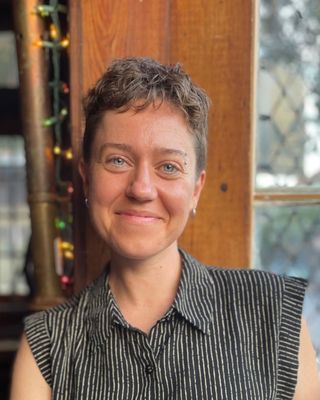
Hosted by Han Tadevich
Licensed Professional Counselor, MS, LPC, NCC
Group meets in New Orleans, LA 70118
This is a 12-week, closed group for graduate counseling students. We blend psychoeducation about the history of race, racism, and racial identity with emotionally-focused, process-oriented discussion (a unique model designed by Maureen Joseph, LMSW).
Member of No Abuse Coalition,LLC. Psychoeducational classes (26 wk program) of Duluth method of non-violence. Prescribed diversion and probation for surrounding civil and criminal courts systems. Each psychoeducational men's group is fee based on a sliding scale. I can refer to a wome's diversion group as well.
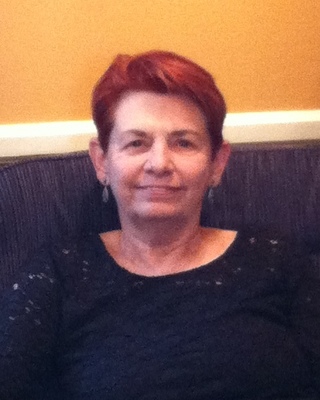
Hosted by Transition Counseling, LLC
Licensed Professional Counselor, MA, LPC, LMFT, CDVC
Group meets in Kenner, LA 70065
Member of No Abuse Coalition,LLC. Psychoeducational classes (26 wk program) of Duluth method of non-violence. Prescribed diversion and probation for surrounding civil and criminal courts systems. Each psychoeducational men's group is fee based on a sliding scale. I can refer to a wome's diversion group as well.
Girl, Stand Up! is a process group for high-functioning women navigating the emotional aftermath of high-conflict relationships, divorce, and relational trauma. If you've been holding it together on the outside but feel disconnected, uncertain, or stuck on the inside, this group offers a space to process, rebuild self-trust, and reconnect with yourself without doing it alone. The waitlist for July 2026 is now open! More details at embersolwellness.com.

Hosted by Amma Boateng
Licensed Professional Counselor, MEd, LPC, NCC
Group meets in New Orleans, LA 70118
Girl, Stand Up! is a process group for high-functioning women navigating the emotional aftermath of high-conflict relationships, divorce, and relational trauma. If you've been holding it together on the outside but feel disconnected, uncertain, or stuck on the inside, this group offers a space to process, rebuild self-trust, and reconnect with yourself without doing it alone. The waitlist for July 2026 is now open! More details at embersolwellness.com.
For those in early stages of recovery & treatment for sexual addiction.. You will learn the tools of successful, robust, successful recovery in a safe, confidential, supportive environment with other group members. You will learn how to receive & give helpful feedback to assist your journey of growth and freedom from sexual addiction. Over time with diligent work, you will begin the process of reprogramming your addiction-hijacked brain, and learn how to live everyday in the Recovery Zone. Referral to this group occurs after an evaluation for readiness.
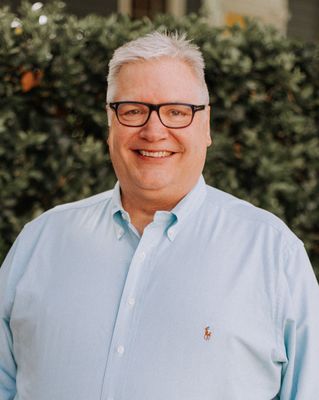
Hosted by Garry Eldridge
Marriage & Family Therapist, LMFT, LPC-S, CSAT, CPTT, CMAT
Group meets in New Orleans, LA 70121
For those in early stages of recovery & treatment for sexual addiction.. You will learn the tools of successful, robust, successful recovery in a safe, confidential, supportive environment with other group members. You will learn how to receive & give helpful feedback to assist your journey of growth and freedom from sexual addiction. Over time with diligent work, you will begin the process of reprogramming your addiction-hijacked brain, and learn how to live everyday in the Recovery Zone. Referral to this group occurs after an evaluation for readiness.
Child-Parent Relationship Therapy (CPRT) is an evidence-based, 8-week, virtual, play-based intervention that trains parents to improve the attachment bond and address behavioral issues in children ages 3 to 9
Hosted by Loyola Center for Counseling and Education (LCCE)
Pre-Licensed Professional, PhD, LPC-S, NCC
Group meets in New Orleans, LA 70118
Child-Parent Relationship Therapy (CPRT) is an evidence-based, 8-week, virtual, play-based intervention that trains parents to improve the attachment bond and address behavioral issues in children ages 3 to 9
I provide teen group therapy on Saturday mornings as needed.

Hosted by Lynn C Daigle
Licensed Professional Counselor, LPC, LMFT
Group meets in Thibodaux, LA 70301
I provide teen group therapy on Saturday mornings as needed.
We're Here: A group for LGBTQ+ survivors of abuse, sexual assault, and intimate partner violence. Join River Hollows and Han Tadevich (both queer & trans counselors) for an online, process-oriented group on Thursday evenings (started January 15th, 2026). We’ll hold space to connect with community, reflect on experiences and identities, and integrate healing. This group is for anyone 18+ who identifies as LGBTQ+ and has experienced violence/abuse of any kind.
Hosted by Han Tadevich
Licensed Professional Counselor, MS, LPC, NCC
Group meets in New Orleans, LA 70119
We're Here: A group for LGBTQ+ survivors of abuse, sexual assault, and intimate partner violence. Join River Hollows and Han Tadevich (both queer & trans counselors) for an online, process-oriented group on Thursday evenings (started January 15th, 2026). We’ll hold space to connect with community, reflect on experiences and identities, and integrate healing. This group is for anyone 18+ who identifies as LGBTQ+ and has experienced violence/abuse of any kind.
This group involves walking meditations in nature, expressive eco arts, sensory awareness activities, and verbal group processing. Walking induces bilateral stimulation, which helps to integrate our emotional and cognitive experiences. As a result, we gain a greater ability to process our thoughts and feelings. Walking, being in nature, and expanding our sensory awareness can also help to integrate our nervous system, which supports emotional regulation, mindfulness, trauma recovery, and more. Facilitators: Maddy Kolker, PLPC & Lauren McWhorter, PLPC. Dates: Sep 11th - Oct 30th. 8 sessions with 8 participants. Learn more: crescentcitypsychotherapy.com/group

This group involves walking meditations in nature, expressive eco arts, sensory awareness activities, and verbal group processing. Walking induces bilateral stimulation, which helps to integrate our emotional and cognitive experiences. As a result, we gain a greater ability to process our thoughts and feelings. Walking, being in nature, and expanding our sensory awareness can also help to integrate our nervous system, which supports emotional regulation, mindfulness, trauma recovery, and more. Facilitators: Maddy Kolker, PLPC & Lauren McWhorter, PLPC. Dates: Sep 11th - Oct 30th. 8 sessions with 8 participants. Learn more: crescentcitypsychotherapy.com/group
Discuss with therapist for details.

Hosted by Jason Pitre
Clinical Social Work/Therapist, MSW, LCSW
Group meets in New Orleans, LA 70118
Discuss with therapist for details.
See more therapy options for Destrehan


Nearby Searches for Destrehan
See More Support Groups FAQs - About Group Therapy and Support Groups
How can I find a support group in Destrehan?
To find a support group in your area, start by entering your city, zip code, or the name of the group into the search bar at the top of the page. When searching, consider whether you prefer an in-person or virtual group. This can help you decide how broad your geographic search should be. If you are open to virtual groups, you might want to search by state instead of just your city, especially if there are limited options nearby.
Once you complete your search, you can use the filters to narrow the results by selecting specialties (such as grief, trauma, or eating disorders), therapeutic approaches, age groups, and other criteria to find a group that best fits your needs.
Once you complete your search, you can use the filters to narrow the results by selecting specialties (such as grief, trauma, or eating disorders), therapeutic approaches, age groups, and other criteria to find a group that best fits your needs.
How does group therapy work?
Group therapy is led by one or more trained therapists and provides a space where participants can process their experiences and learn from others facing similar challenges. Groups may focus on a specific issue—such as addiction, grief, physical illnesses, parenting, or caregiving—or they may center around a particular therapeutic approach, such as Cognitive Behavioral Therapy (CBT), social skill development, or Exposure Therapy. Some groups are also designed for specific populations, such as teens, veterans, or LGBTQ+ individuals.
It’s also important to distinguish group therapy from peer-led support groups, like Alcoholics Anonymous. While both can offer valuable support, therapy groups are typically led by licensed professionals and follow a more structured format. Therapy groups often meet for a fixed length of time with a consistent group of members, while many peer support groups meet for an indefinite period of time with members coming and going.
It’s also important to distinguish group therapy from peer-led support groups, like Alcoholics Anonymous. While both can offer valuable support, therapy groups are typically led by licensed professionals and follow a more structured format. Therapy groups often meet for a fixed length of time with a consistent group of members, while many peer support groups meet for an indefinite period of time with members coming and going.
What are the benefits of group therapy?
Group therapy offers several important benefits. It brings together people facing similar challenges—whether related to mental health, physical health, or life transitions—and creates a supportive environment where participants can exchange feedback, share experiences, and learn from one another. Hearing different perspectives can help individuals discover new coping strategies and practical tools they may not have encountered on their own. Sharing personal experiences, such as coping with a serious illness or navigating family struggles, can also reduce feelings of isolation and foster a sense of connection and understanding. In addition to emotional support, group members often gain useful, real-world advice from peers who have faced similar situations.
Group therapy is typically more affordable than individual therapy and, for certain conditions, can be equally effective. Many groups also include structured activities—such as guided journaling, cognitive-behavioral exercises, or role-playing—to help participants develop concrete skills they can apply in daily life.
Group therapy is typically more affordable than individual therapy and, for certain conditions, can be equally effective. Many groups also include structured activities—such as guided journaling, cognitive-behavioral exercises, or role-playing—to help participants develop concrete skills they can apply in daily life.
Is group therapy as effective as individual therapy?
It is difficult to make a blanket statement about the effectiveness of support groups, as they vary widely in focus and the conditions they address. However, support groups can be highly valuable in helping individuals gain emotional support and achieve meaningful treatment outcomes. For certain conditions, such as substance use, research has shown that group therapy can be particularly effective—sometimes just as effective as individual therapy—in supporting long-term recovery.
Many professionals attribute the effectiveness of group therapy to the unique benefits of the group setting, which fosters peer-to-peer learning and a sense of connection through shared experiences. Group settings also offer accountability and encouragement from both facilitators and fellow participants, which helps sustain motivation and supports continued progress. These factors together play a key role in promoting the overall effectiveness of group therapy.
Many professionals attribute the effectiveness of group therapy to the unique benefits of the group setting, which fosters peer-to-peer learning and a sense of connection through shared experiences. Group settings also offer accountability and encouragement from both facilitators and fellow participants, which helps sustain motivation and supports continued progress. These factors together play a key role in promoting the overall effectiveness of group therapy.
How much does group therapy cost?
Group therapy is typically less expensive than individual therapy, with sessions typically costing between $50 and $75 each. In comparison, individual therapy can cost anywhere from $100 to $200 or more per session, even with insurance. Some therapists or organizations offer low-cost or free group therapy options, particularly through community centers or nonprofit organizations. In some cases, groups may require payment upfront for a set number of sessions, such as paying for six weekly sessions at the first meeting. However, many providers offer payment plans to help make participation more accessible if this upfront payment is required.
Does insurance cover group therapy?
As with individual therapy, insurance coverage for group therapy varies based on factors such as your specific insurance plan, the purpose of the group, your diagnosis, and whether the group provider is in-network. Many insurance plans cover group therapy sessions that address diagnosable mental health conditions, such as substance use disorders, anxiety, or depression.
However, groups that focus on topics not directly tied to a mental health diagnosis—such as parenting support or divorce recovery—are less likely to be covered. Because coverage can vary widely, it’s important to check with your insurance provider before joining a group to confirm whether the sessions will be covered and what out-of-pocket costs you may be responsible for.
However, groups that focus on topics not directly tied to a mental health diagnosis—such as parenting support or divorce recovery—are less likely to be covered. Because coverage can vary widely, it’s important to check with your insurance provider before joining a group to confirm whether the sessions will be covered and what out-of-pocket costs you may be responsible for.
How long does group therapy last?
The length of each group therapy session typically ranges from 45 minutes to two hours, depending on the therapy approach, the group’s goals, and how often the group meets. In some cases, group therapy is part of a larger treatment program, such as an Intensive Outpatient Program (IOP), where group sessions complement individual therapy and are scheduled as part of the program’s overall structure.
The duration of participation in a group also varies. Some groups are designed to be short-term, lasting anywhere from 6 to 24 weeks—for example, bereavement groups or skills-based groups like those using Dialectical Behavioral Therapy (DBT). Other groups may be longer-term, lasting a year or more, and some ongoing support groups meet indefinitely, allowing participants to stay as long as they find the group helpful.
The duration of participation in a group also varies. Some groups are designed to be short-term, lasting anywhere from 6 to 24 weeks—for example, bereavement groups or skills-based groups like those using Dialectical Behavioral Therapy (DBT). Other groups may be longer-term, lasting a year or more, and some ongoing support groups meet indefinitely, allowing participants to stay as long as they find the group helpful.
What are the limitations of support groups?
Support groups offer many benefits, but they also have certain limitations. Unlike therapy groups, many support groups do not provide formal therapeutic treatment and are not led by licensed mental health professionals. For individuals seeking clinical treatment for specific mental health diagnoses—such as depression, eating disorders, or substance use—individual therapy or group therapy led by a licensed professional may offer more personalized and specialized care.
The effectiveness of a support group also depends heavily on the group’s participants and the overall group dynamic. When members engage respectfully and offer constructive support, the group can foster valuable peer-to-peer learning. However, if certain participants dominate discussions, provide inaccurate advice, or create conflict, it can disrupt the group’s sense of safety and reduce its effectiveness. Confidentiality can also be harder to maintain in support groups, particularly in open groups where participants can join or leave at any time. With new members regularly entering the group, it can be more difficult to build and sustain a consistent sense of trust and privacy.
The effectiveness of a support group also depends heavily on the group’s participants and the overall group dynamic. When members engage respectfully and offer constructive support, the group can foster valuable peer-to-peer learning. However, if certain participants dominate discussions, provide inaccurate advice, or create conflict, it can disrupt the group’s sense of safety and reduce its effectiveness. Confidentiality can also be harder to maintain in support groups, particularly in open groups where participants can join or leave at any time. With new members regularly entering the group, it can be more difficult to build and sustain a consistent sense of trust and privacy.