Support Groups in Shelbyville, IN
A mental health practice in Shelbyville, Indiana, serving children, teens, couples, families, and adults by offering counseling services and neuropsychological assessments (ADHD/autism, etc.)

A mental health practice in Shelbyville, Indiana, serving children, teens, couples, families, and adults by offering counseling services and neuropsychological assessments (ADHD/autism, etc.)
More Groups Nearby
This group is for people who identify as transgender or non-binary; the "plus" means those who are also dealing with other concerns including depression, anxiety, neurodivergence and trauma. We will focus on ways to make room for yourself, to celebrate one another, and use evidence-based strategies to build a more complete you.

This group is for people who identify as transgender or non-binary; the "plus" means those who are also dealing with other concerns including depression, anxiety, neurodivergence and trauma. We will focus on ways to make room for yourself, to celebrate one another, and use evidence-based strategies to build a more complete you.
Winding Roads Counseling was created as life is like a winding road and any situation could lead an individual, family, or couple to need to have a non-biased individual to help them manage life’s challenges. Every person has the power to change their current situation for the better, no matter what obstacles they may be facing. Our goal is to collaborate with each person, as each individual is the expert in their own life, to help them develop healthy coping strategies, learn new skills, gain insight, and find purpose and meaning in their life.

Winding Roads Counseling was created as life is like a winding road and any situation could lead an individual, family, or couple to need to have a non-biased individual to help them manage life’s challenges. Every person has the power to change their current situation for the better, no matter what obstacles they may be facing. Our goal is to collaborate with each person, as each individual is the expert in their own life, to help them develop healthy coping strategies, learn new skills, gain insight, and find purpose and meaning in their life.
Text us today for all health needs mental & physical. NO controlled substances prescribed. TEXT4 HELP!

Hosted by IIPUC
Psychiatric Nurse Practitioner, DNP, PMHNP-C, FNP-C, MBA
Group meets in Indianapolis, IN 46202
Text us today for all health needs mental & physical. NO controlled substances prescribed. TEXT4 HELP!
Understanding how children grieve will help those working with children understand their behaviors and moods as they grieve. Working with children is a very sensitive area and it has to be done correctly in order to really offer assistance to the child. This 4 week class helps educate those working with children the appropriate skills to help children through periods of grief.

Understanding how children grieve will help those working with children understand their behaviors and moods as they grieve. Working with children is a very sensitive area and it has to be done correctly in order to really offer assistance to the child. This 4 week class helps educate those working with children the appropriate skills to help children through periods of grief.
Like Committee of Men, this group is ongoing source of support for guys who want to be better men. The later meeting time makes attendance possible for members who live west of the Mississippi, and suitable for fathers of young children. It is appropriate setting for men in long-term recovery as well as men addressing their relationship with substances or other addictive behaviors. We focus on boundaries, emotional balance, the relationship with self, challenges in close relationships, and much more.

Like Committee of Men, this group is ongoing source of support for guys who want to be better men. The later meeting time makes attendance possible for members who live west of the Mississippi, and suitable for fathers of young children. It is appropriate setting for men in long-term recovery as well as men addressing their relationship with substances or other addictive behaviors. We focus on boundaries, emotional balance, the relationship with self, challenges in close relationships, and much more.
Our 12-week virtual support group for LGBTQ+ neurodivergent adults begins again on June 18th! This resource and support group is all about building community, developing practical strategies to accommodate ourselves, and challenging the self-judgement that can hold us back. Together, we'll explore new ways to thrive in a supportive and inclusive space.

Hosted by Heartland Healing Counseling & Consultation
Clinical Social Work/Therapist, LCSW, LMHC, MSW
Group meets in Indianapolis, IN 46201
Our 12-week virtual support group for LGBTQ+ neurodivergent adults begins again on June 18th! This resource and support group is all about building community, developing practical strategies to accommodate ourselves, and challenging the self-judgement that can hold us back. Together, we'll explore new ways to thrive in a supportive and inclusive space.
A group for people who identify as a system or multiple to build community, share experiences, and find ways to thrive with the challenges of having DID. Join and bring your experiences to share with others that have similar experiences with knowing themselves in these unique ways.
A group for people who identify as a system or multiple to build community, share experiences, and find ways to thrive with the challenges of having DID. Join and bring your experiences to share with others that have similar experiences with knowing themselves in these unique ways.
Provides quality mental health services by utilization of innovative assessment tools and therapeutic methods proven to be effective.

Provides quality mental health services by utilization of innovative assessment tools and therapeutic methods proven to be effective.
Journey Support Services was developed to assist and equip individuals and families with resources and services to enhance their quality of life.

Hosted by Tiffany Watson
Clinical Social Work/Therapist, MSW, LSW
Group meets in Indianapolis, IN 46208
Journey Support Services was developed to assist and equip individuals and families with resources and services to enhance their quality of life.
Psychiatry & Mental Health Services

Psychiatry & Mental Health Services
This is designed as ongoing source of support for men who want to be better partners, better fathers, or better people. We have met virtually every Monday since 2019. Most members are in long-term recovery, and integrated into this community after private coaching. Most found the group while searching for help with challenges in close relationships. We focus on emotional balance, the relationship with self, cultivating a sense of purpose in life, understanding patterns that keep us from being the best expressions of who we are, and feeling more connected to ourselves, our loved ones, and the world around us.
This is designed as ongoing source of support for men who want to be better partners, better fathers, or better people. We have met virtually every Monday since 2019. Most members are in long-term recovery, and integrated into this community after private coaching. Most found the group while searching for help with challenges in close relationships. We focus on emotional balance, the relationship with self, cultivating a sense of purpose in life, understanding patterns that keep us from being the best expressions of who we are, and feeling more connected to ourselves, our loved ones, and the world around us.
The clinicians at M. & S. Counseling Services are Independent practitioners who bring their own experience and expertise to the group. We are dedicated to making M. & S. Counseling a truly nurturing and professional environment while providing helpful and effective treatment. We are a private practice group offering a wide range of mental health and substance abuse services to individuals from diverse backgrounds with a unique focus on trauma.

Hosted by Melissa Sue Sichting
Clinical Social Work/Therapist, MSW, LCSW, LCAC
Group meets in Franklin, IN 46131
The clinicians at M. & S. Counseling Services are Independent practitioners who bring their own experience and expertise to the group. We are dedicated to making M. & S. Counseling a truly nurturing and professional environment while providing helpful and effective treatment. We are a private practice group offering a wide range of mental health and substance abuse services to individuals from diverse backgrounds with a unique focus on trauma.
Discover The Art and Science of Love at the worldrenowned weekend workshop for couples. Two days filled with engaging presentations and experiential activities designed to confirm, strengthen, and restore your love. Shown to achieve results similar to those of 6 months of therapy - has produced positive results for 94% of attendees. The workshop will give you new insights and research-based skills that can dramatically improve your intimacy and friendship and help you manage conflict in a healthy, positive way. Offered multiple times each year: www.smitheycounseling.com/workshops

Hosted by Adam Smithey
Marriage & Family Therapist, PhD, LMFT, CGT, CDC
Group meets in Indianapolis, IN 46221
Discover The Art and Science of Love at the worldrenowned weekend workshop for couples. Two days filled with engaging presentations and experiential activities designed to confirm, strengthen, and restore your love. Shown to achieve results similar to those of 6 months of therapy - has produced positive results for 94% of attendees. The workshop will give you new insights and research-based skills that can dramatically improve your intimacy and friendship and help you manage conflict in a healthy, positive way. Offered multiple times each year: www.smitheycounseling.com/workshops
Our 26-week batterer’s intervention program (BIP) is designed to help individuals address the root causes of domestic violence and recognize the effects of their behavior. The treatment program teaches participants to be accountable for their actions and identify strategies to avoid violence. We also help participants develop the skills they need to identify and articulate their feelings. Individuals who participate in this treatment program learn how to develop support systems that will help them avoid domestic violence in the future.
Hosted by Firefly Children and Family Alliance
Treatment Center, LCSW, LCAC
Group meets in Indianapolis, IN 46208
Our 26-week batterer’s intervention program (BIP) is designed to help individuals address the root causes of domestic violence and recognize the effects of their behavior. The treatment program teaches participants to be accountable for their actions and identify strategies to avoid violence. We also help participants develop the skills they need to identify and articulate their feelings. Individuals who participate in this treatment program learn how to develop support systems that will help them avoid domestic violence in the future.
Motherhood can be beautiful, overwhelming, and everything in between. Join a therapist-led virtual, post-bedtime group for moms seeking connection, encouragement, and practical tools for navigating the challenges of parenting. Led by an attachment-focused therapist, this group provides a safe, judgment-free space to explore emotion regulation, mom guilt, boundaries, parenting with intention, and balancing your own needs while caring for your family. Through meaningful discussion and evidence-based strategies, you'll strengthen your relationship with yourself and your children while building a supportive community of mothers who truly understand. You don't have to do motherhood alone!

Motherhood can be beautiful, overwhelming, and everything in between. Join a therapist-led virtual, post-bedtime group for moms seeking connection, encouragement, and practical tools for navigating the challenges of parenting. Led by an attachment-focused therapist, this group provides a safe, judgment-free space to explore emotion regulation, mom guilt, boundaries, parenting with intention, and balancing your own needs while caring for your family. Through meaningful discussion and evidence-based strategies, you'll strengthen your relationship with yourself and your children while building a supportive community of mothers who truly understand. You don't have to do motherhood alone!
Next session meets February 18-April 29, 2026. This group is for adults (18+) who have difficulty managing their moods, emotions, relationships and behaviors. In the context of a warm and non-judgmental environment, this group will teach the skills needed to create a life worth living. This is an ONLINE group and will cover all the basic DBT skills including mindfulness, emotion regulation, distress tolerance and interpersonal effectiveness.

Next session meets February 18-April 29, 2026. This group is for adults (18+) who have difficulty managing their moods, emotions, relationships and behaviors. In the context of a warm and non-judgmental environment, this group will teach the skills needed to create a life worth living. This is an ONLINE group and will cover all the basic DBT skills including mindfulness, emotion regulation, distress tolerance and interpersonal effectiveness.
Next session meets February 18-April 29, 2026. This group is for adults (18+) who have difficulty managing their moods, emotions, relationships and behaviors. In the context of a warm and non-judgmental environment, this group will teach the skills needed to create a life worth living. This is an ONLINE group and will cover all the basic DBT skills including mindfulness, emotion regulation, distress tolerance and interpersonal effectiveness.
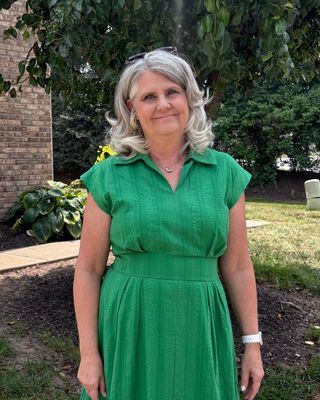
Next session meets February 18-April 29, 2026. This group is for adults (18+) who have difficulty managing their moods, emotions, relationships and behaviors. In the context of a warm and non-judgmental environment, this group will teach the skills needed to create a life worth living. This is an ONLINE group and will cover all the basic DBT skills including mindfulness, emotion regulation, distress tolerance and interpersonal effectiveness.
This transformational group is centered on body-liberation and aims to help participants unpack and challenge unhelpful narratives about bodies, health, food and self-concept. This remote group is an excellent fit for anyone experiencing a difficult relationship with their vessel. The facilitator, Mary Mireles is a BodyTrust and HAES provider, dedicated to supporting folks in building compassion for - and comfort in - their bodies.

Hosted by Heartland Healing Counseling & Consultation
Clinical Social Work/Therapist, LCSW, LISW-S
Group meets in Indianapolis, IN 46203
This transformational group is centered on body-liberation and aims to help participants unpack and challenge unhelpful narratives about bodies, health, food and self-concept. This remote group is an excellent fit for anyone experiencing a difficult relationship with their vessel. The facilitator, Mary Mireles is a BodyTrust and HAES provider, dedicated to supporting folks in building compassion for - and comfort in - their bodies.
Join us for a 6-week conversation designed exclusively for Pastors' wives. Enjoy affordable group therapy where you can share, heal, and grow together. In this group, you will find a community of women who understand the unique joys and challenges of supporting a spouse in ministry. Managing Stress of the Call, Exploration of Identity, Effective Communication. Register by April 18, Group begins April 24, 2025 6:00 PM For Pricing Information Contact: Sherry Mason, LMHC at 317-759-0865

Join us for a 6-week conversation designed exclusively for Pastors' wives. Enjoy affordable group therapy where you can share, heal, and grow together. In this group, you will find a community of women who understand the unique joys and challenges of supporting a spouse in ministry. Managing Stress of the Call, Exploration of Identity, Effective Communication. Register by April 18, Group begins April 24, 2025 6:00 PM For Pricing Information Contact: Sherry Mason, LMHC at 317-759-0865
See more therapy options for Shelbyville


Nearby Searches for Shelbyville
See More Support Groups FAQs - About Group Therapy and Support Groups
How can I find a support group in Shelbyville?
To find a support group in your area, start by entering your city, zip code, or the name of the group into the search bar at the top of the page. When searching, consider whether you prefer an in-person or virtual group. This can help you decide how broad your geographic search should be. If you are open to virtual groups, you might want to search by state instead of just your city, especially if there are limited options nearby.
Once you complete your search, you can use the filters to narrow the results by selecting specialties (such as grief, trauma, or eating disorders), therapeutic approaches, age groups, and other criteria to find a group that best fits your needs.
Once you complete your search, you can use the filters to narrow the results by selecting specialties (such as grief, trauma, or eating disorders), therapeutic approaches, age groups, and other criteria to find a group that best fits your needs.
How does group therapy work?
Group therapy is led by one or more trained therapists and provides a space where participants can process their experiences and learn from others facing similar challenges. Groups may focus on a specific issue—such as addiction, grief, physical illnesses, parenting, or caregiving—or they may center around a particular therapeutic approach, such as Cognitive Behavioral Therapy (CBT), social skill development, or Exposure Therapy. Some groups are also designed for specific populations, such as teens, veterans, or LGBTQ+ individuals.
It’s also important to distinguish group therapy from peer-led support groups, like Alcoholics Anonymous. While both can offer valuable support, therapy groups are typically led by licensed professionals and follow a more structured format. Therapy groups often meet for a fixed length of time with a consistent group of members, while many peer support groups meet for an indefinite period of time with members coming and going.
It’s also important to distinguish group therapy from peer-led support groups, like Alcoholics Anonymous. While both can offer valuable support, therapy groups are typically led by licensed professionals and follow a more structured format. Therapy groups often meet for a fixed length of time with a consistent group of members, while many peer support groups meet for an indefinite period of time with members coming and going.
What are the benefits of group therapy?
Group therapy offers several important benefits. It brings together people facing similar challenges—whether related to mental health, physical health, or life transitions—and creates a supportive environment where participants can exchange feedback, share experiences, and learn from one another. Hearing different perspectives can help individuals discover new coping strategies and practical tools they may not have encountered on their own. Sharing personal experiences, such as coping with a serious illness or navigating family struggles, can also reduce feelings of isolation and foster a sense of connection and understanding. In addition to emotional support, group members often gain useful, real-world advice from peers who have faced similar situations.
Group therapy is typically more affordable than individual therapy and, for certain conditions, can be equally effective. Many groups also include structured activities—such as guided journaling, cognitive-behavioral exercises, or role-playing—to help participants develop concrete skills they can apply in daily life.
Group therapy is typically more affordable than individual therapy and, for certain conditions, can be equally effective. Many groups also include structured activities—such as guided journaling, cognitive-behavioral exercises, or role-playing—to help participants develop concrete skills they can apply in daily life.
Is group therapy as effective as individual therapy?
It is difficult to make a blanket statement about the effectiveness of support groups, as they vary widely in focus and the conditions they address. However, support groups can be highly valuable in helping individuals gain emotional support and achieve meaningful treatment outcomes. For certain conditions, such as substance use, research has shown that group therapy can be particularly effective—sometimes just as effective as individual therapy—in supporting long-term recovery.
Many professionals attribute the effectiveness of group therapy to the unique benefits of the group setting, which fosters peer-to-peer learning and a sense of connection through shared experiences. Group settings also offer accountability and encouragement from both facilitators and fellow participants, which helps sustain motivation and supports continued progress. These factors together play a key role in promoting the overall effectiveness of group therapy.
Many professionals attribute the effectiveness of group therapy to the unique benefits of the group setting, which fosters peer-to-peer learning and a sense of connection through shared experiences. Group settings also offer accountability and encouragement from both facilitators and fellow participants, which helps sustain motivation and supports continued progress. These factors together play a key role in promoting the overall effectiveness of group therapy.
How much does group therapy cost?
Group therapy is typically less expensive than individual therapy, with sessions typically costing between $50 and $75 each. In comparison, individual therapy can cost anywhere from $100 to $200 or more per session, even with insurance. Some therapists or organizations offer low-cost or free group therapy options, particularly through community centers or nonprofit organizations. In some cases, groups may require payment upfront for a set number of sessions, such as paying for six weekly sessions at the first meeting. However, many providers offer payment plans to help make participation more accessible if this upfront payment is required.
Does insurance cover group therapy?
As with individual therapy, insurance coverage for group therapy varies based on factors such as your specific insurance plan, the purpose of the group, your diagnosis, and whether the group provider is in-network. Many insurance plans cover group therapy sessions that address diagnosable mental health conditions, such as substance use disorders, anxiety, or depression.
However, groups that focus on topics not directly tied to a mental health diagnosis—such as parenting support or divorce recovery—are less likely to be covered. Because coverage can vary widely, it’s important to check with your insurance provider before joining a group to confirm whether the sessions will be covered and what out-of-pocket costs you may be responsible for.
However, groups that focus on topics not directly tied to a mental health diagnosis—such as parenting support or divorce recovery—are less likely to be covered. Because coverage can vary widely, it’s important to check with your insurance provider before joining a group to confirm whether the sessions will be covered and what out-of-pocket costs you may be responsible for.
How long does group therapy last?
The length of each group therapy session typically ranges from 45 minutes to two hours, depending on the therapy approach, the group’s goals, and how often the group meets. In some cases, group therapy is part of a larger treatment program, such as an Intensive Outpatient Program (IOP), where group sessions complement individual therapy and are scheduled as part of the program’s overall structure.
The duration of participation in a group also varies. Some groups are designed to be short-term, lasting anywhere from 6 to 24 weeks—for example, bereavement groups or skills-based groups like those using Dialectical Behavioral Therapy (DBT). Other groups may be longer-term, lasting a year or more, and some ongoing support groups meet indefinitely, allowing participants to stay as long as they find the group helpful.
The duration of participation in a group also varies. Some groups are designed to be short-term, lasting anywhere from 6 to 24 weeks—for example, bereavement groups or skills-based groups like those using Dialectical Behavioral Therapy (DBT). Other groups may be longer-term, lasting a year or more, and some ongoing support groups meet indefinitely, allowing participants to stay as long as they find the group helpful.
What are the limitations of support groups?
Support groups offer many benefits, but they also have certain limitations. Unlike therapy groups, many support groups do not provide formal therapeutic treatment and are not led by licensed mental health professionals. For individuals seeking clinical treatment for specific mental health diagnoses—such as depression, eating disorders, or substance use—individual therapy or group therapy led by a licensed professional may offer more personalized and specialized care.
The effectiveness of a support group also depends heavily on the group’s participants and the overall group dynamic. When members engage respectfully and offer constructive support, the group can foster valuable peer-to-peer learning. However, if certain participants dominate discussions, provide inaccurate advice, or create conflict, it can disrupt the group’s sense of safety and reduce its effectiveness. Confidentiality can also be harder to maintain in support groups, particularly in open groups where participants can join or leave at any time. With new members regularly entering the group, it can be more difficult to build and sustain a consistent sense of trust and privacy.
The effectiveness of a support group also depends heavily on the group’s participants and the overall group dynamic. When members engage respectfully and offer constructive support, the group can foster valuable peer-to-peer learning. However, if certain participants dominate discussions, provide inaccurate advice, or create conflict, it can disrupt the group’s sense of safety and reduce its effectiveness. Confidentiality can also be harder to maintain in support groups, particularly in open groups where participants can join or leave at any time. With new members regularly entering the group, it can be more difficult to build and sustain a consistent sense of trust and privacy.