Support Groups in New Albany, IN
Weekly structured small DBT group where individuals learn a new skill each week to strengthen the recovery process. Covered by some insurances or cash pay rate of $10/session. Must be 18+ to attend.

Hosted by Dr. Elizabeth Ann Davis
Clinical Social Work/Therapist, DSW, LCSW
Group meets in New Albany, IN 47150
Weekly structured small DBT group where individuals learn a new skill each week to strengthen the recovery process. Covered by some insurances or cash pay rate of $10/session. Must be 18+ to attend.
Online Groups
Next session meets February 18-April 29, 2026. This group is for adults (18+) who have difficulty managing their moods, emotions, relationships and behaviors. In the context of a warm and non-judgmental environment, this group will teach the skills needed to create a life worth living. This is an ONLINE group and will cover all the basic DBT skills including mindfulness, emotion regulation, distress tolerance and interpersonal effectiveness.

Next session meets February 18-April 29, 2026. This group is for adults (18+) who have difficulty managing their moods, emotions, relationships and behaviors. In the context of a warm and non-judgmental environment, this group will teach the skills needed to create a life worth living. This is an ONLINE group and will cover all the basic DBT skills including mindfulness, emotion regulation, distress tolerance and interpersonal effectiveness.
This group meets online to support any man struggling with addictive or self-medicating behaviors during this isolating time. All forms of self-medicating welcome such as: pornography, sex, drugs/alcohol, food, video games, work, gambling and relationships. This is a group of 8-10 men that learn tools to more effectively maintain healthy long-term sobriety. The group is actively engaged in each other's lives outside of group time throughout the week via text/phone. The opposite of addiction is not sobriety; It's connection!

This group meets online to support any man struggling with addictive or self-medicating behaviors during this isolating time. All forms of self-medicating welcome such as: pornography, sex, drugs/alcohol, food, video games, work, gambling and relationships. This is a group of 8-10 men that learn tools to more effectively maintain healthy long-term sobriety. The group is actively engaged in each other's lives outside of group time throughout the week via text/phone. The opposite of addiction is not sobriety; It's connection!
Discover The Art and Science of Love at the worldrenowned weekend workshop for couples. Two days filled with engaging presentations and experiential activities designed to confirm, strengthen, and restore your love. Shown to achieve results similar to those of 6 months of therapy - has produced positive results for 94% of attendees. The workshop will give you new insights and research-based skills that can dramatically improve your intimacy and friendship and help you manage conflict in a healthy, positive way. Offered multiple times each year: www.smitheycounseling.com/workshops

Hosted by Adam Smithey
Marriage & Family Therapist, PhD, LMFT, CGT, CDC
Group meets in Indianapolis, IN 46221
Discover The Art and Science of Love at the worldrenowned weekend workshop for couples. Two days filled with engaging presentations and experiential activities designed to confirm, strengthen, and restore your love. Shown to achieve results similar to those of 6 months of therapy - has produced positive results for 94% of attendees. The workshop will give you new insights and research-based skills that can dramatically improve your intimacy and friendship and help you manage conflict in a healthy, positive way. Offered multiple times each year: www.smitheycounseling.com/workshops
This is an 8 week class that is designed to help you look at myths that you may have been taught throughout your life. It covers specific topics that will help you identify tools that you can utilize to help you move through your grief period. You must attend all 8 classes in order to receive the benefit of the class. The classes build upon each other.

This is an 8 week class that is designed to help you look at myths that you may have been taught throughout your life. It covers specific topics that will help you identify tools that you can utilize to help you move through your grief period. You must attend all 8 classes in order to receive the benefit of the class. The classes build upon each other.
Psychiatry & Mental Health Services

Psychiatry & Mental Health Services
Group therapy is a powerful therapeutic technique. Groups will help you learn more about yourself, connect with others struggling with the same emotions and feelings, and offer insight into anxiety and depression only possible in a group setting! The group will integrate Christian principles, psychology, and have a Biblical foundation! Contact me to learn more!

Group therapy is a powerful therapeutic technique. Groups will help you learn more about yourself, connect with others struggling with the same emotions and feelings, and offer insight into anxiety and depression only possible in a group setting! The group will integrate Christian principles, psychology, and have a Biblical foundation! Contact me to learn more!
This group is an outpatient group program that meets three times per week for 90 minutes, approximately 32 weeks. The program teaches our patients about the disease of addiction, it's progression, stages of change & recovery, coping skills, social skills, and also gives focus on social supports, community, and reconnecting with family. Addiction is a family disease and involving the patient's family in the patient's recovery can both educated and facilitate change.

Hosted by New Beginnings Recovery Center
Pre-Licensed Professional, LMHCA, MAC
Group meets in Seymour, IN 47274
This group is an outpatient group program that meets three times per week for 90 minutes, approximately 32 weeks. The program teaches our patients about the disease of addiction, it's progression, stages of change & recovery, coping skills, social skills, and also gives focus on social supports, community, and reconnecting with family. Addiction is a family disease and involving the patient's family in the patient's recovery can both educated and facilitate change.
We create opportunities to connect with yourself and heal grief and trauma by integrating art, nature, health & intuitive healing. This includes, but not limited to Earthing, Contemplative Photography, Ink Blotting, Trauma informed Yoga, Astrology, Jewelry Making, Painting, Dance, Writing, Express Arts, Enneagram. Flower Mandalas, Sound Healing & Breathwork.

Hosted by Tree of Life Counseling, LLC
Clinical Social Work/Therapist, MSW, LCSW, Owner, ACP F/I
Group meets in Evansville, IN 47713
We create opportunities to connect with yourself and heal grief and trauma by integrating art, nature, health & intuitive healing. This includes, but not limited to Earthing, Contemplative Photography, Ink Blotting, Trauma informed Yoga, Astrology, Jewelry Making, Painting, Dance, Writing, Express Arts, Enneagram. Flower Mandalas, Sound Healing & Breathwork.
Losing a pet can be as devastating as losing a family member or best friend. The pain is very real but many times the pain is underestimated and discounted. This group walks you through the Grief Recovery Program in order to learn how new skills and tools in dealing with the loss of a pet.
Losing a pet can be as devastating as losing a family member or best friend. The pain is very real but many times the pain is underestimated and discounted. This group walks you through the Grief Recovery Program in order to learn how new skills and tools in dealing with the loss of a pet.
Psychiatry & Mental Health Services

Psychiatry & Mental Health Services
Anger management process and prevention group using evidence-based CBT protocol published by SAMHSA. All group members receive copy of the participant handbook to keep and use throughout group.

Hosted by Hoosier Counseling LLC Ross Manning
Clinical Social Work/Therapist, MSW, LCSW, LCAC, MAC, CAMS II
Group meets in Bloomington, IN 47403
Anger management process and prevention group using evidence-based CBT protocol published by SAMHSA. All group members receive copy of the participant handbook to keep and use throughout group.
Mindfulness in Mental Health is a mutual support group for people struggling with mental health issues such as anxiety and depression that involves a heavy focus on intentional practice of mindfulness based stress reduction. In this group, we work together to build a toolbox of different coping skills and mindfulness techniques, all while supporting one another through our unique journeys.

Hosted by Sean Abraham
Clinical Social Work/Therapist, MSW, LCSW
Group meets in Bloomington, IN 47403
Mindfulness in Mental Health is a mutual support group for people struggling with mental health issues such as anxiety and depression that involves a heavy focus on intentional practice of mindfulness based stress reduction. In this group, we work together to build a toolbox of different coping skills and mindfulness techniques, all while supporting one another through our unique journeys.
Psychiatry & Mental Health Services
Psychiatry & Mental Health Services
This is an ongoing DBT skills training group that allows new members to join at the start of every new module. Members must be current clients of Supportive Community Innovations - Counseling. There are four modules, and we rotate modules every 6-8 weeks. The group meets in-person or online, depending on the group's needs that week. For more information, contact our intake coordinator.
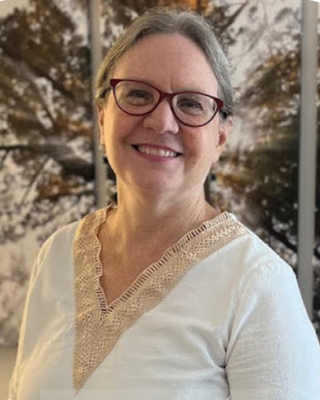
This is an ongoing DBT skills training group that allows new members to join at the start of every new module. Members must be current clients of Supportive Community Innovations - Counseling. There are four modules, and we rotate modules every 6-8 weeks. The group meets in-person or online, depending on the group's needs that week. For more information, contact our intake coordinator.
The goal of this group is to process your birth story to allow you to be more present for yourself, your baby, and in your daily life. This group allows you to process your birth story alongside others in community, while also learning tools to make meaning of the experience.

The goal of this group is to process your birth story to allow you to be more present for yourself, your baby, and in your daily life. This group allows you to process your birth story alongside others in community, while also learning tools to make meaning of the experience.
I facilitate family support groups for parents who have trouble with BEHAVIOR, TANTRUMS & MOODINESS, CLINGINESS, SLEEP, SCREENS, or TALKING ABOUT DIFFICULT SUBJECTS
(sex, drugs, death, divorce.)

I facilitate family support groups for parents who have trouble with BEHAVIOR, TANTRUMS & MOODINESS, CLINGINESS, SLEEP, SCREENS, or TALKING ABOUT DIFFICULT SUBJECTS
(sex, drugs, death, divorce.)
An ongoing support group for adults living with OCD who are engaged in or who have completed treatment using Inference-based CBT. Group is supportive, inclusive and LGBTQ allied. Meets virtually. Open to anyone in the US. Also see my other listing for a group on the 3rd Wednesday. Group members can join one or both groups.

An ongoing support group for adults living with OCD who are engaged in or who have completed treatment using Inference-based CBT. Group is supportive, inclusive and LGBTQ allied. Meets virtually. Open to anyone in the US. Also see my other listing for a group on the 3rd Wednesday. Group members can join one or both groups.
The clinicians at M. & S. Counseling Services are Independent practitioners who bring their own experience and expertise to the group. We are dedicated to making M. & S. Counseling a truly nurturing and professional environment while providing helpful and effective treatment. We are a private practice group offering a wide range of mental health and substance abuse services to individuals from diverse backgrounds with a unique focus on trauma.

Hosted by Melissa Sue Sichting
Clinical Social Work/Therapist, MSW, LCSW, LCAC
Group meets in Franklin, IN 46131
The clinicians at M. & S. Counseling Services are Independent practitioners who bring their own experience and expertise to the group. We are dedicated to making M. & S. Counseling a truly nurturing and professional environment while providing helpful and effective treatment. We are a private practice group offering a wide range of mental health and substance abuse services to individuals from diverse backgrounds with a unique focus on trauma.
Raising a child with disabilities can feel overwhelming and exhausting. We would like to surround you with therapeutic support during our group session time.

Hosted by Joni Hunter Godsey
Clinical Social Work/Therapist, MSW, LCSW, BHPC
Group meets in Bedford, IN 47421
Raising a child with disabilities can feel overwhelming and exhausting. We would like to surround you with therapeutic support during our group session time.
See more therapy options for New Albany


FAQs - About Group Therapy and Support Groups
How can I find a support group in New Albany?
To find a support group in your area, start by entering your city, zip code, or the name of the group into the search bar at the top of the page. When searching, consider whether you prefer an in-person or virtual group. This can help you decide how broad your geographic search should be. If you are open to virtual groups, you might want to search by state instead of just your city, especially if there are limited options nearby.
Once you complete your search, you can use the filters to narrow the results by selecting specialties (such as grief, trauma, or eating disorders), therapeutic approaches, age groups, and other criteria to find a group that best fits your needs.
Once you complete your search, you can use the filters to narrow the results by selecting specialties (such as grief, trauma, or eating disorders), therapeutic approaches, age groups, and other criteria to find a group that best fits your needs.
How does group therapy work?
Group therapy is led by one or more trained therapists and provides a space where participants can process their experiences and learn from others facing similar challenges. Groups may focus on a specific issue—such as addiction, grief, physical illnesses, parenting, or caregiving—or they may center around a particular therapeutic approach, such as Cognitive Behavioral Therapy (CBT), social skill development, or Exposure Therapy. Some groups are also designed for specific populations, such as teens, veterans, or LGBTQ+ individuals.
It’s also important to distinguish group therapy from peer-led support groups, like Alcoholics Anonymous. While both can offer valuable support, therapy groups are typically led by licensed professionals and follow a more structured format. Therapy groups often meet for a fixed length of time with a consistent group of members, while many peer support groups meet for an indefinite period of time with members coming and going.
It’s also important to distinguish group therapy from peer-led support groups, like Alcoholics Anonymous. While both can offer valuable support, therapy groups are typically led by licensed professionals and follow a more structured format. Therapy groups often meet for a fixed length of time with a consistent group of members, while many peer support groups meet for an indefinite period of time with members coming and going.
What are the benefits of group therapy?
Group therapy offers several important benefits. It brings together people facing similar challenges—whether related to mental health, physical health, or life transitions—and creates a supportive environment where participants can exchange feedback, share experiences, and learn from one another. Hearing different perspectives can help individuals discover new coping strategies and practical tools they may not have encountered on their own. Sharing personal experiences, such as coping with a serious illness or navigating family struggles, can also reduce feelings of isolation and foster a sense of connection and understanding. In addition to emotional support, group members often gain useful, real-world advice from peers who have faced similar situations.
Group therapy is typically more affordable than individual therapy and, for certain conditions, can be equally effective. Many groups also include structured activities—such as guided journaling, cognitive-behavioral exercises, or role-playing—to help participants develop concrete skills they can apply in daily life.
Group therapy is typically more affordable than individual therapy and, for certain conditions, can be equally effective. Many groups also include structured activities—such as guided journaling, cognitive-behavioral exercises, or role-playing—to help participants develop concrete skills they can apply in daily life.
Is group therapy as effective as individual therapy?
It is difficult to make a blanket statement about the effectiveness of support groups, as they vary widely in focus and the conditions they address. However, support groups can be highly valuable in helping individuals gain emotional support and achieve meaningful treatment outcomes. For certain conditions, such as substance use, research has shown that group therapy can be particularly effective—sometimes just as effective as individual therapy—in supporting long-term recovery.
Many professionals attribute the effectiveness of group therapy to the unique benefits of the group setting, which fosters peer-to-peer learning and a sense of connection through shared experiences. Group settings also offer accountability and encouragement from both facilitators and fellow participants, which helps sustain motivation and supports continued progress. These factors together play a key role in promoting the overall effectiveness of group therapy.
Many professionals attribute the effectiveness of group therapy to the unique benefits of the group setting, which fosters peer-to-peer learning and a sense of connection through shared experiences. Group settings also offer accountability and encouragement from both facilitators and fellow participants, which helps sustain motivation and supports continued progress. These factors together play a key role in promoting the overall effectiveness of group therapy.
How much does group therapy cost?
Group therapy is typically less expensive than individual therapy, with sessions typically costing between $50 and $75 each. In comparison, individual therapy can cost anywhere from $100 to $200 or more per session, even with insurance. Some therapists or organizations offer low-cost or free group therapy options, particularly through community centers or nonprofit organizations. In some cases, groups may require payment upfront for a set number of sessions, such as paying for six weekly sessions at the first meeting. However, many providers offer payment plans to help make participation more accessible if this upfront payment is required.
Does insurance cover group therapy?
As with individual therapy, insurance coverage for group therapy varies based on factors such as your specific insurance plan, the purpose of the group, your diagnosis, and whether the group provider is in-network. Many insurance plans cover group therapy sessions that address diagnosable mental health conditions, such as substance use disorders, anxiety, or depression.
However, groups that focus on topics not directly tied to a mental health diagnosis—such as parenting support or divorce recovery—are less likely to be covered. Because coverage can vary widely, it’s important to check with your insurance provider before joining a group to confirm whether the sessions will be covered and what out-of-pocket costs you may be responsible for.
However, groups that focus on topics not directly tied to a mental health diagnosis—such as parenting support or divorce recovery—are less likely to be covered. Because coverage can vary widely, it’s important to check with your insurance provider before joining a group to confirm whether the sessions will be covered and what out-of-pocket costs you may be responsible for.
How long does group therapy last?
The length of each group therapy session typically ranges from 45 minutes to two hours, depending on the therapy approach, the group’s goals, and how often the group meets. In some cases, group therapy is part of a larger treatment program, such as an Intensive Outpatient Program (IOP), where group sessions complement individual therapy and are scheduled as part of the program’s overall structure.
The duration of participation in a group also varies. Some groups are designed to be short-term, lasting anywhere from 6 to 24 weeks—for example, bereavement groups or skills-based groups like those using Dialectical Behavioral Therapy (DBT). Other groups may be longer-term, lasting a year or more, and some ongoing support groups meet indefinitely, allowing participants to stay as long as they find the group helpful.
The duration of participation in a group also varies. Some groups are designed to be short-term, lasting anywhere from 6 to 24 weeks—for example, bereavement groups or skills-based groups like those using Dialectical Behavioral Therapy (DBT). Other groups may be longer-term, lasting a year or more, and some ongoing support groups meet indefinitely, allowing participants to stay as long as they find the group helpful.
What are the limitations of support groups?
Support groups offer many benefits, but they also have certain limitations. Unlike therapy groups, many support groups do not provide formal therapeutic treatment and are not led by licensed mental health professionals. For individuals seeking clinical treatment for specific mental health diagnoses—such as depression, eating disorders, or substance use—individual therapy or group therapy led by a licensed professional may offer more personalized and specialized care.
The effectiveness of a support group also depends heavily on the group’s participants and the overall group dynamic. When members engage respectfully and offer constructive support, the group can foster valuable peer-to-peer learning. However, if certain participants dominate discussions, provide inaccurate advice, or create conflict, it can disrupt the group’s sense of safety and reduce its effectiveness. Confidentiality can also be harder to maintain in support groups, particularly in open groups where participants can join or leave at any time. With new members regularly entering the group, it can be more difficult to build and sustain a consistent sense of trust and privacy.
The effectiveness of a support group also depends heavily on the group’s participants and the overall group dynamic. When members engage respectfully and offer constructive support, the group can foster valuable peer-to-peer learning. However, if certain participants dominate discussions, provide inaccurate advice, or create conflict, it can disrupt the group’s sense of safety and reduce its effectiveness. Confidentiality can also be harder to maintain in support groups, particularly in open groups where participants can join or leave at any time. With new members regularly entering the group, it can be more difficult to build and sustain a consistent sense of trust and privacy.