Support Groups in River Forest, IL
Trauma from giving birth happens for women in many ways that can be exacerbated by our culture, medical system, and beliefs. If you are having lingering impacts from the transition of having been pregnant or giving birth, articulating and being with others who know what it is to give birth will help you explore and begin to heal. Resolving trauma helps you regain a whole life by addressing unresolved areas. Dr. Corwin has been working with women as birth support for decades. Let’s find a way together to explore and resolve real life issues around pregnancy and birth.

Trauma from giving birth happens for women in many ways that can be exacerbated by our culture, medical system, and beliefs. If you are having lingering impacts from the transition of having been pregnant or giving birth, articulating and being with others who know what it is to give birth will help you explore and begin to heal. Resolving trauma helps you regain a whole life by addressing unresolved areas. Dr. Corwin has been working with women as birth support for decades. Let’s find a way together to explore and resolve real life issues around pregnancy and birth.
The world has changed and most performing arts have been impacted. Do you want to remain in the arts? Is this how you want to live? What do you love about your life? How can you be who you want to be? Taking time to process how being an artist is impacting you can be helpful to find a way to articulate how you want to have arts exist in your life. Meeting other artists who are in a similar position can help you articulate and share your experience, while understanding you are not alone in this experience.
The world has changed and most performing arts have been impacted. Do you want to remain in the arts? Is this how you want to live? What do you love about your life? How can you be who you want to be? Taking time to process how being an artist is impacting you can be helpful to find a way to articulate how you want to have arts exist in your life. Meeting other artists who are in a similar position can help you articulate and share your experience, while understanding you are not alone in this experience.
More Groups Nearby
The purpose of the 6 session Promoting Resiliency and Identity Development through Empowerment (PRIDE) curriculum is to promote racial identity, collective self-esteem and resilience among adolescent girls and boys in order to protect them against the harmful implications associated with media stereotypes, including the stereotype that Black students can't master standardized testing. Pychoeducational activities bolster effective coping, problem solving and learning strategies.

The purpose of the 6 session Promoting Resiliency and Identity Development through Empowerment (PRIDE) curriculum is to promote racial identity, collective self-esteem and resilience among adolescent girls and boys in order to protect them against the harmful implications associated with media stereotypes, including the stereotype that Black students can't master standardized testing. Pychoeducational activities bolster effective coping, problem solving and learning strategies.
Ongoing support group for aging adults. Group members can process issues like life transitions, grief and loss, health and wellness, social, relationship, and family dynamics. Groups will be run peer support style, with facilitation by the therapist.

Ongoing support group for aging adults. Group members can process issues like life transitions, grief and loss, health and wellness, social, relationship, and family dynamics. Groups will be run peer support style, with facilitation by the therapist.
A space where individuals with eating disorders can come together to feel understood, connected, and supported, because recovery happens in community! Oftentimes individuals with eating disorders feel lonely and isolated, and may not talk about their experiences due to fears of judgment, being misunderstood, or feeling evaluated or monitored. No formal diagnosis needed-if food or body stuff feels hard, you're welcome here! Open to individuals in Illinois, Iowa, Missouri, and Florida. Begins 9/18.

A space where individuals with eating disorders can come together to feel understood, connected, and supported, because recovery happens in community! Oftentimes individuals with eating disorders feel lonely and isolated, and may not talk about their experiences due to fears of judgment, being misunderstood, or feeling evaluated or monitored. No formal diagnosis needed-if food or body stuff feels hard, you're welcome here! Open to individuals in Illinois, Iowa, Missouri, and Florida. Begins 9/18.
In a group setting, children learn various types of relaxation/meditation such as mindfulness, progressive muscle relaxation, guided imagery and deep breathing in a fun setting. These skills will help your child cope with stress throughout their lives. All ages welcome, children will be grouped by age range.

In a group setting, children learn various types of relaxation/meditation such as mindfulness, progressive muscle relaxation, guided imagery and deep breathing in a fun setting. These skills will help your child cope with stress throughout their lives. All ages welcome, children will be grouped by age range.
"Going Deeper on the Journey" is a woman's personal transformational group experience, for healing her self and her world at the deepest level. Healthy experiencial processes assist women to access answers from "sacred self" deep within.
Women focus on creating what they DO WANT in their lives from a higher level of Consciousness, thereby reclaiming personal power. Group processes utilize body/mind, psycho-spiritual & chakra subtle energy education. The Master Mind Process is taught and woven beautifully into the sacred fabric of group energy, to support each woman's healthy desire to manifest her life's dreams.

Hosted by Gerri (Geraldine) Framburg
Clinical Social Work/Therapist, MSW, LCSW, SEP
Group meets in Arlington Heights, IL 60004
"Going Deeper on the Journey" is a woman's personal transformational group experience, for healing her self and her world at the deepest level. Healthy experiencial processes assist women to access answers from "sacred self" deep within.
Women focus on creating what they DO WANT in their lives from a higher level of Consciousness, thereby reclaiming personal power. Group processes utilize body/mind, psycho-spiritual & chakra subtle energy education. The Master Mind Process is taught and woven beautifully into the sacred fabric of group energy, to support each woman's healthy desire to manifest her life's dreams.
State of Illinois DUI Service Provider. Risk Education Classes. All Treatment Level Programs

Hosted by Kimberly Thomas
Counselor, EdD, LCPC, CADC, CPAIP, CAMS II
Group meets in Maywood, IL 60153
State of Illinois DUI Service Provider. Risk Education Classes. All Treatment Level Programs
Intensive Outpatient Program (IOP), at Logan Square site in Chicago, IL. Registration is OPEN for Ages 11-23 yrs of age. Tuesdays and Wed 9:30am-12:30pm (Ages 11-14); 12:30pm-3:30pm (Ages 15-17). Every Monday and Friday (Ages 18-23) 10am-1pm. All IOP sessions are in person, Thursday's is virtual for all Ages. Medication Management available.

Hosted by RIMYA Services
Clinical Social Work/Therapist, LCSW, LPHA, DSW, CBIS, RPT
Group meets in Chicago, IL 60618
Intensive Outpatient Program (IOP), at Logan Square site in Chicago, IL. Registration is OPEN for Ages 11-23 yrs of age. Tuesdays and Wed 9:30am-12:30pm (Ages 11-14); 12:30pm-3:30pm (Ages 15-17). Every Monday and Friday (Ages 18-23) 10am-1pm. All IOP sessions are in person, Thursday's is virtual for all Ages. Medication Management available.
This group space for healing childhood wounds will utilize group processing, guided meditation, and astrological birth charts to help participants deepen an understanding of childhood wounds, foster a loving relationship to self, and gain insights into emotional needs. This four part monthly workshop will meet the 2nd Friday of every month starting Friday, March 14th from 5:30pm-7:30pm. Fee $333

This group space for healing childhood wounds will utilize group processing, guided meditation, and astrological birth charts to help participants deepen an understanding of childhood wounds, foster a loving relationship to self, and gain insights into emotional needs. This four part monthly workshop will meet the 2nd Friday of every month starting Friday, March 14th from 5:30pm-7:30pm. Fee $333
Are you feeling overwhelmed by anxiety and looking for a holistic approach to find relief? Our Six-Week Mind-Body Anxiety Group at Chicago Psychology Services offers a supportive and structured environment to help you manage anxiety effectively. This group integrates evidence-based techniques, including mindfulness, meditation, relaxation exercises, and hypnosis, to address the mind-body connection in anxiety. Each session is designed to equip you with practical tools to reduce stress, reframe anxious thoughts, and cultivate inner calm.

Are you feeling overwhelmed by anxiety and looking for a holistic approach to find relief? Our Six-Week Mind-Body Anxiety Group at Chicago Psychology Services offers a supportive and structured environment to help you manage anxiety effectively. This group integrates evidence-based techniques, including mindfulness, meditation, relaxation exercises, and hypnosis, to address the mind-body connection in anxiety. Each session is designed to equip you with practical tools to reduce stress, reframe anxious thoughts, and cultivate inner calm.
Dialectical Behavior Therapy (DBT) enhances skills and capabilities in four areas: Mindfulness, Emotion Regulation, Distress Tolerance, and Interpersonal Effectiveness. Please contact Janet to find out if the DBT group is a good fit for you.
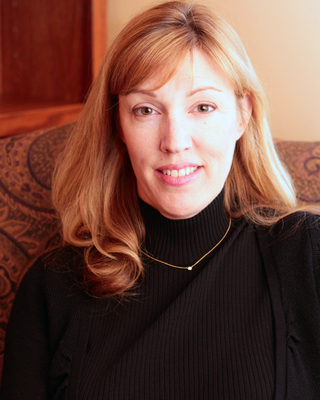
Dialectical Behavior Therapy (DBT) enhances skills and capabilities in four areas: Mindfulness, Emotion Regulation, Distress Tolerance, and Interpersonal Effectiveness. Please contact Janet to find out if the DBT group is a good fit for you.
This virtual gambling recovery therapy group offers a supportive, nonjudgmental space for adults seeking to reduce or stop problematic gambling behaviors. Participants build insight, coping skills, and accountability while exploring the emotional, relational, and behavioral patterns connected to gambling. The group uses evidence-based approaches, including CBT, motivational interviewing, and relapse prevention. It is appropriate for individuals at any stage of recovery, from early change to maintenance. Sessions are held weekly and facilitated by a licensed therapist via secure telehealth.

This virtual gambling recovery therapy group offers a supportive, nonjudgmental space for adults seeking to reduce or stop problematic gambling behaviors. Participants build insight, coping skills, and accountability while exploring the emotional, relational, and behavioral patterns connected to gambling. The group uses evidence-based approaches, including CBT, motivational interviewing, and relapse prevention. It is appropriate for individuals at any stage of recovery, from early change to maintenance. Sessions are held weekly and facilitated by a licensed therapist via secure telehealth.
Explore themes of honesty, peer pressure, conflict resolution, communication, friendship and more! Open to ages 10-13. What better way to spend a Saturday morning than watching cartoons and connecting them to our everyday lives. Email: eimileanne@takingcontrolcounseling.com
Explore themes of honesty, peer pressure, conflict resolution, communication, friendship and more! Open to ages 10-13. What better way to spend a Saturday morning than watching cartoons and connecting them to our everyday lives. Email: eimileanne@takingcontrolcounseling.com
Our "In your Feelings" group is focused for children who are having difficulty managing their anger, grief, and/or anxiety. Up to 5 children within a group (In person at Logan Square site). Participants and Parents will complete intake and Developmental Screening. Participants will be part of an 8 session program which will focus on increasing emotional regulation and executive functioning skills. Each rotation of 8 session program is based upon referrals and also based on individual needs of participants.
Hosted by RIMYA Services
Clinical Social Work/Therapist, LCSW, LPHA, DSW, CBIS, RPT
Group meets in Chicago, IL 60618
Our "In your Feelings" group is focused for children who are having difficulty managing their anger, grief, and/or anxiety. Up to 5 children within a group (In person at Logan Square site). Participants and Parents will complete intake and Developmental Screening. Participants will be part of an 8 session program which will focus on increasing emotional regulation and executive functioning skills. Each rotation of 8 session program is based upon referrals and also based on individual needs of participants.
This group is designed to support men recovering from addictions to drugs, alcohol, pornography, and gambling. Participants create accountability with each other and offer ongoing support for the recovery process. This group is currently meeting online.

Hosted by Barney Straus
Clinical Social Work/Therapist, LCSW, PCGC, CGP
Group meets in Chicago, IL 60602
This group is designed to support men recovering from addictions to drugs, alcohol, pornography, and gambling. Participants create accountability with each other and offer ongoing support for the recovery process. This group is currently meeting online.
Our young adult groups (age 18-25) utilize Cognitive Behavioral Therapy (CBT), Acceptance and Commitment Therapy (ACT), and other Third Wave CBT approaches to aid college students & working adults in navigating our ever-changing environment. Our young adult groups are being conducted via telepsychology to increase access for and opportunities for interpersonal connection and support, particularly for those away at college.

Our young adult groups (age 18-25) utilize Cognitive Behavioral Therapy (CBT), Acceptance and Commitment Therapy (ACT), and other Third Wave CBT approaches to aid college students & working adults in navigating our ever-changing environment. Our young adult groups are being conducted via telepsychology to increase access for and opportunities for interpersonal connection and support, particularly for those away at college.
Connect with other mothers and mothers-to-be, while learning skills and resources to help manage it all. Being an expecting or new mom often comes with frequent adjustments full of emotional ups and downs. These changes impact our bodies, minds, and relationships, requiring nurturing and caring for ourselves within community. With the support of other moms and moms-to-be, find more balance in caring for your little one(s), yourself, and even in bonding with your partner(s) through the changes and challenges of pregnancy and postpartum life. Every 4 weeks.

Connect with other mothers and mothers-to-be, while learning skills and resources to help manage it all. Being an expecting or new mom often comes with frequent adjustments full of emotional ups and downs. These changes impact our bodies, minds, and relationships, requiring nurturing and caring for ourselves within community. With the support of other moms and moms-to-be, find more balance in caring for your little one(s), yourself, and even in bonding with your partner(s) through the changes and challenges of pregnancy and postpartum life. Every 4 weeks.
You'll learn 12 powerful techniques through a processing journal that wards off anxiety and promotes calm over 4 group sessions. This will give you a year's worth of techniques. Each week, you will learn and practice three calming mind/body techniques in a supportive virtual small group setting. You'll implement these techniques throughout the week between group sessions. The group is supportive, non-judgmental and will lead you to create a lifestyle of calm. Sessions will be scheduled based on members' availability. Call (318) 906-0604 or email niahealing7@gmail.com to join.

You'll learn 12 powerful techniques through a processing journal that wards off anxiety and promotes calm over 4 group sessions. This will give you a year's worth of techniques. Each week, you will learn and practice three calming mind/body techniques in a supportive virtual small group setting. You'll implement these techniques throughout the week between group sessions. The group is supportive, non-judgmental and will lead you to create a lifestyle of calm. Sessions will be scheduled based on members' availability. Call (318) 906-0604 or email niahealing7@gmail.com to join.
RiseWell therapists are dedicated to providing high-quality mental health care to individuals, couples, and families from diverse socio-economic backgrounds. Our team of therapists specialize in a variety of treatment modalities, including Cognitive-Behavioral Therapy, Psychoanalytic therapy, Eye Movement Desensitization and Reprocessing therapy (EMDR), and Dialectical Behavioral therapy. We believe in tailoring our approach to meet the unique needs of each client, ensuring the most effective and personalized care possible. Whether you are seeking therapy for yourself, as a couple, or as a family, our experienced therapists are here to support you on your journey to rise well.

RiseWell therapists are dedicated to providing high-quality mental health care to individuals, couples, and families from diverse socio-economic backgrounds. Our team of therapists specialize in a variety of treatment modalities, including Cognitive-Behavioral Therapy, Psychoanalytic therapy, Eye Movement Desensitization and Reprocessing therapy (EMDR), and Dialectical Behavioral therapy. We believe in tailoring our approach to meet the unique needs of each client, ensuring the most effective and personalized care possible. Whether you are seeking therapy for yourself, as a couple, or as a family, our experienced therapists are here to support you on your journey to rise well.
See more therapy options for River Forest


Nearby Searches for River Forest
- Berwyn
- Burr Ridge
- Chicago
- Des Plaines
- Elmhurst
- Hinsdale
- La Grange
- Oak Brook
- Oak Park
- Park Ridge
- Skokie
- Western Springs
FAQs - About Group Therapy and Support Groups
How can I find a support group in River Forest?
To find a support group in your area, start by entering your city, zip code, or the name of the group into the search bar at the top of the page. When searching, consider whether you prefer an in-person or virtual group. This can help you decide how broad your geographic search should be. If you are open to virtual groups, you might want to search by state instead of just your city, especially if there are limited options nearby.
Once you complete your search, you can use the filters to narrow the results by selecting specialties (such as grief, trauma, or eating disorders), therapeutic approaches, age groups, and other criteria to find a group that best fits your needs.
Once you complete your search, you can use the filters to narrow the results by selecting specialties (such as grief, trauma, or eating disorders), therapeutic approaches, age groups, and other criteria to find a group that best fits your needs.
How does group therapy work?
Group therapy is led by one or more trained therapists and provides a space where participants can process their experiences and learn from others facing similar challenges. Groups may focus on a specific issue—such as addiction, grief, physical illnesses, parenting, or caregiving—or they may center around a particular therapeutic approach, such as Cognitive Behavioral Therapy (CBT), social skill development, or Exposure Therapy. Some groups are also designed for specific populations, such as teens, veterans, or LGBTQ+ individuals.
It’s also important to distinguish group therapy from peer-led support groups, like Alcoholics Anonymous. While both can offer valuable support, therapy groups are typically led by licensed professionals and follow a more structured format. Therapy groups often meet for a fixed length of time with a consistent group of members, while many peer support groups meet for an indefinite period of time with members coming and going.
It’s also important to distinguish group therapy from peer-led support groups, like Alcoholics Anonymous. While both can offer valuable support, therapy groups are typically led by licensed professionals and follow a more structured format. Therapy groups often meet for a fixed length of time with a consistent group of members, while many peer support groups meet for an indefinite period of time with members coming and going.
What are the benefits of group therapy?
Group therapy offers several important benefits. It brings together people facing similar challenges—whether related to mental health, physical health, or life transitions—and creates a supportive environment where participants can exchange feedback, share experiences, and learn from one another. Hearing different perspectives can help individuals discover new coping strategies and practical tools they may not have encountered on their own. Sharing personal experiences, such as coping with a serious illness or navigating family struggles, can also reduce feelings of isolation and foster a sense of connection and understanding. In addition to emotional support, group members often gain useful, real-world advice from peers who have faced similar situations.
Group therapy is typically more affordable than individual therapy and, for certain conditions, can be equally effective. Many groups also include structured activities—such as guided journaling, cognitive-behavioral exercises, or role-playing—to help participants develop concrete skills they can apply in daily life.
Group therapy is typically more affordable than individual therapy and, for certain conditions, can be equally effective. Many groups also include structured activities—such as guided journaling, cognitive-behavioral exercises, or role-playing—to help participants develop concrete skills they can apply in daily life.
Is group therapy as effective as individual therapy?
It is difficult to make a blanket statement about the effectiveness of support groups, as they vary widely in focus and the conditions they address. However, support groups can be highly valuable in helping individuals gain emotional support and achieve meaningful treatment outcomes. For certain conditions, such as substance use, research has shown that group therapy can be particularly effective—sometimes just as effective as individual therapy—in supporting long-term recovery.
Many professionals attribute the effectiveness of group therapy to the unique benefits of the group setting, which fosters peer-to-peer learning and a sense of connection through shared experiences. Group settings also offer accountability and encouragement from both facilitators and fellow participants, which helps sustain motivation and supports continued progress. These factors together play a key role in promoting the overall effectiveness of group therapy.
Many professionals attribute the effectiveness of group therapy to the unique benefits of the group setting, which fosters peer-to-peer learning and a sense of connection through shared experiences. Group settings also offer accountability and encouragement from both facilitators and fellow participants, which helps sustain motivation and supports continued progress. These factors together play a key role in promoting the overall effectiveness of group therapy.
How much does group therapy cost?
Group therapy is typically less expensive than individual therapy, with sessions typically costing between $50 and $75 each. In comparison, individual therapy can cost anywhere from $100 to $200 or more per session, even with insurance. Some therapists or organizations offer low-cost or free group therapy options, particularly through community centers or nonprofit organizations. In some cases, groups may require payment upfront for a set number of sessions, such as paying for six weekly sessions at the first meeting. However, many providers offer payment plans to help make participation more accessible if this upfront payment is required.
Does insurance cover group therapy?
As with individual therapy, insurance coverage for group therapy varies based on factors such as your specific insurance plan, the purpose of the group, your diagnosis, and whether the group provider is in-network. Many insurance plans cover group therapy sessions that address diagnosable mental health conditions, such as substance use disorders, anxiety, or depression.
However, groups that focus on topics not directly tied to a mental health diagnosis—such as parenting support or divorce recovery—are less likely to be covered. Because coverage can vary widely, it’s important to check with your insurance provider before joining a group to confirm whether the sessions will be covered and what out-of-pocket costs you may be responsible for.
However, groups that focus on topics not directly tied to a mental health diagnosis—such as parenting support or divorce recovery—are less likely to be covered. Because coverage can vary widely, it’s important to check with your insurance provider before joining a group to confirm whether the sessions will be covered and what out-of-pocket costs you may be responsible for.
How long does group therapy last?
The length of each group therapy session typically ranges from 45 minutes to two hours, depending on the therapy approach, the group’s goals, and how often the group meets. In some cases, group therapy is part of a larger treatment program, such as an Intensive Outpatient Program (IOP), where group sessions complement individual therapy and are scheduled as part of the program’s overall structure.
The duration of participation in a group also varies. Some groups are designed to be short-term, lasting anywhere from 6 to 24 weeks—for example, bereavement groups or skills-based groups like those using Dialectical Behavioral Therapy (DBT). Other groups may be longer-term, lasting a year or more, and some ongoing support groups meet indefinitely, allowing participants to stay as long as they find the group helpful.
The duration of participation in a group also varies. Some groups are designed to be short-term, lasting anywhere from 6 to 24 weeks—for example, bereavement groups or skills-based groups like those using Dialectical Behavioral Therapy (DBT). Other groups may be longer-term, lasting a year or more, and some ongoing support groups meet indefinitely, allowing participants to stay as long as they find the group helpful.
What are the limitations of support groups?
Support groups offer many benefits, but they also have certain limitations. Unlike therapy groups, many support groups do not provide formal therapeutic treatment and are not led by licensed mental health professionals. For individuals seeking clinical treatment for specific mental health diagnoses—such as depression, eating disorders, or substance use—individual therapy or group therapy led by a licensed professional may offer more personalized and specialized care.
The effectiveness of a support group also depends heavily on the group’s participants and the overall group dynamic. When members engage respectfully and offer constructive support, the group can foster valuable peer-to-peer learning. However, if certain participants dominate discussions, provide inaccurate advice, or create conflict, it can disrupt the group’s sense of safety and reduce its effectiveness. Confidentiality can also be harder to maintain in support groups, particularly in open groups where participants can join or leave at any time. With new members regularly entering the group, it can be more difficult to build and sustain a consistent sense of trust and privacy.
The effectiveness of a support group also depends heavily on the group’s participants and the overall group dynamic. When members engage respectfully and offer constructive support, the group can foster valuable peer-to-peer learning. However, if certain participants dominate discussions, provide inaccurate advice, or create conflict, it can disrupt the group’s sense of safety and reduce its effectiveness. Confidentiality can also be harder to maintain in support groups, particularly in open groups where participants can join or leave at any time. With new members regularly entering the group, it can be more difficult to build and sustain a consistent sense of trust and privacy.