Support Groups in Inverness, IL
If you are between 26 y/o - your late 30’s & are struggling with the necessity of living with the parents or family, the cost of renting or buying a home, living paycheck to paycheck, finding a job and/or jobs with benefits, preventing burnout in the workplace and in your day to day life, face a mountain of student loan debt and/or credit card debt, or could simply use the support of others who just get it; join fellow millennial & facilitator, & this group. This is an open & ongoing skills group with both a psychoeducational & a process group portion.

If you are between 26 y/o - your late 30’s & are struggling with the necessity of living with the parents or family, the cost of renting or buying a home, living paycheck to paycheck, finding a job and/or jobs with benefits, preventing burnout in the workplace and in your day to day life, face a mountain of student loan debt and/or credit card debt, or could simply use the support of others who just get it; join fellow millennial & facilitator, & this group. This is an open & ongoing skills group with both a psychoeducational & a process group portion.
Connecting to your story connects different parts of your brain that can be disconnected because of painful experiences. When one has experienced harm, their understanding of what happened can become disconnected from their emotional experience. Sharing your story in group, a group attuned and empathetic, regulates emotional parts while the rational parts of you can attach to that experience safely. This strengthens connections, making it easier to process shame, fear, or rage. Actively engaging and sharing your story is a neurobiological healing act that helps integrate your emotional and rational selves, fostering genuine wholeness and well-being.

Hosted by LifeBreath Counseling
Licensed Professional Counselor, MA, LCPC, NCC
Group meets in Inverness, IL 60067
Connecting to your story connects different parts of your brain that can be disconnected because of painful experiences. When one has experienced harm, their understanding of what happened can become disconnected from their emotional experience. Sharing your story in group, a group attuned and empathetic, regulates emotional parts while the rational parts of you can attach to that experience safely. This strengthens connections, making it easier to process shame, fear, or rage. Actively engaging and sharing your story is a neurobiological healing act that helps integrate your emotional and rational selves, fostering genuine wholeness and well-being.
Teenage girls meet weekly to experience community, therapy, and growth. Participants will learn to build positive relationships with peers, staff, and community members through group counseling, mentoring, and experiential activities. Participants develop skills to form a healthy self image, build stable relationships and demonstrate leadership in the group to expand in other areas of life.

Teenage girls meet weekly to experience community, therapy, and growth. Participants will learn to build positive relationships with peers, staff, and community members through group counseling, mentoring, and experiential activities. Participants develop skills to form a healthy self image, build stable relationships and demonstrate leadership in the group to expand in other areas of life.
If you are a bonus parent, stepparent, or additional guardian struggling with co-parenting, the life transition, or any stressors and factors related to this role you fill or could just simply use the support of others who just get it; join bonus mom of 8+ years and step mom, Lauren Hallerud, MA, LPC, NCC, and this group every Saturday afternoon in person. This is an open and ongoing skills group with both a psychoeducational lecture, skill, or discussion and a process group portion.
If you are a bonus parent, stepparent, or additional guardian struggling with co-parenting, the life transition, or any stressors and factors related to this role you fill or could just simply use the support of others who just get it; join bonus mom of 8+ years and step mom, Lauren Hallerud, MA, LPC, NCC, and this group every Saturday afternoon in person. This is an open and ongoing skills group with both a psychoeducational lecture, skill, or discussion and a process group portion.
Young adult women meet at New Transitions Counseling center to deal with a unique challenges that this stage of life presents. Participants empower one another by opening up and discussing the challenges of ongoing depression,anxiety, eating disorders, etc, and how this impacts their relationships. Young women build courage and coping skills while experiencing the support of which the therapeutic community of group offers. Members meet weekly to participate in group therapy, and have the option to participate in events such as serving projects, fitness classes, and girls' night,
Young adult women meet at New Transitions Counseling center to deal with a unique challenges that this stage of life presents. Participants empower one another by opening up and discussing the challenges of ongoing depression,anxiety, eating disorders, etc, and how this impacts their relationships. Young women build courage and coping skills while experiencing the support of which the therapeutic community of group offers. Members meet weekly to participate in group therapy, and have the option to participate in events such as serving projects, fitness classes, and girls' night,
Group counseling is one of the most effective tools for addressing issues common among college students. For many students, it can be more effective than individual counseling. Our support groups and group therapy offer a safe environment to discuss problems with others who are dealing with similar concerns. Most students report that they find the group experience to be helpful far beyond their expectations. Groups are private and confidential; all members must agree that what is disclosed in sessions cannot be shared outside of the group.

Hosted by Danielle Wright
Clinical Social Work/Therapist, BA, LSW, LCSW
Group meets in Inverness, IL 60067
Group counseling is one of the most effective tools for addressing issues common among college students. For many students, it can be more effective than individual counseling. Our support groups and group therapy offer a safe environment to discuss problems with others who are dealing with similar concerns. Most students report that they find the group experience to be helpful far beyond their expectations. Groups are private and confidential; all members must agree that what is disclosed in sessions cannot be shared outside of the group.
When the stress of school, extra-curricular activities, college preparations & graduation, beginning, or changing careers, work-life balance, relationships, moving out, world events, & life transitions become too overwhelming, this structured group utilizes CBT & DBT approaches that are; comprehensive, insight-oriented, & instructional to aid high school & college students, late teens, & young adults in managing anxiety, & depression for greater short-term and long-term success remaining in the workplace or classroom, & keeping up with their daily routines, responsibilities, & current treatment appointments. This is an open & ongoing skills group for 16-23-year-olds with both a psychoeducational lecture & process group portion.
When the stress of school, extra-curricular activities, college preparations & graduation, beginning, or changing careers, work-life balance, relationships, moving out, world events, & life transitions become too overwhelming, this structured group utilizes CBT & DBT approaches that are; comprehensive, insight-oriented, & instructional to aid high school & college students, late teens, & young adults in managing anxiety, & depression for greater short-term and long-term success remaining in the workplace or classroom, & keeping up with their daily routines, responsibilities, & current treatment appointments. This is an open & ongoing skills group for 16-23-year-olds with both a psychoeducational lecture & process group portion.
More Groups Nearby
At SociAbility, our mission is to help children, young adults, and adults gain necessary life-long social skills to succeed in school, adulthood and beyond.

At SociAbility, our mission is to help children, young adults, and adults gain necessary life-long social skills to succeed in school, adulthood and beyond.
This group uses drawing, painting, journaling, and movement to help teens express emotions, build confidence, and connect with others. All creative levels welcome.

This group uses drawing, painting, journaling, and movement to help teens express emotions, build confidence, and connect with others. All creative levels welcome.
A Space for Connection and Support - Thrive Ahead Co. is excited to offer a welcoming, drop-in support group for LGBTQ+ individuals seeking connection and a safe space to navigate life’s challenges. Facilitated by Laura Young, LPC (they/them), this group provides a supportive environment to discuss topics like identity, relationships, mental health, and the LGBTQ+ experience. Join us weekly on Google Meet to find community, share, and grow. Details: When: Tuesdays from 5-6 pm CST - Starting in December - Who: LGBTQ+ adults in Illinois - Schedule a registration call at www.thriveahead.co and pick “Support Group Registration”
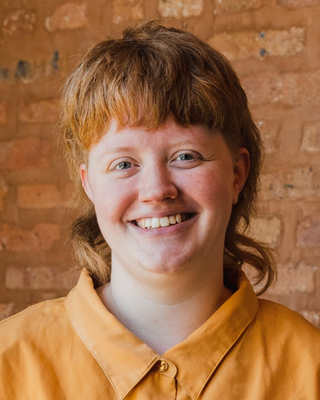
Hosted by Laura Young
Licensed Clinical Professional Counselor, LCPC
Group meets in Chicago, IL 60614
A Space for Connection and Support - Thrive Ahead Co. is excited to offer a welcoming, drop-in support group for LGBTQ+ individuals seeking connection and a safe space to navigate life’s challenges. Facilitated by Laura Young, LPC (they/them), this group provides a supportive environment to discuss topics like identity, relationships, mental health, and the LGBTQ+ experience. Join us weekly on Google Meet to find community, share, and grow. Details: When: Tuesdays from 5-6 pm CST - Starting in December - Who: LGBTQ+ adults in Illinois - Schedule a registration call at www.thriveahead.co and pick “Support Group Registration”
Join other LEOW's (wives, partners, significant others) in a supportive therapy group led by therapist and LEO wife, Kate! Let's get together to learn to cope better with the many challenges that we face having a partner in law enforcement. The dangerous job, the current social climate, the abnormal shifts: the compounding impact of all of it.

Join other LEOW's (wives, partners, significant others) in a supportive therapy group led by therapist and LEO wife, Kate! Let's get together to learn to cope better with the many challenges that we face having a partner in law enforcement. The dangerous job, the current social climate, the abnormal shifts: the compounding impact of all of it.
Through the Waves is a guided 6-week grief & loss support group for adults ages 18+ navigating grief and loss. Together, we’ll explore how to stay present through pain, build tools for emotional grounding, and find connection in shared experience. NOTE:Those experiencing perinatal loss, acute crisis, active suicidal ideation, or untreated severe mental illness may be referred to individual therapy or specialized care prior to joining the group.

Through the Waves is a guided 6-week grief & loss support group for adults ages 18+ navigating grief and loss. Together, we’ll explore how to stay present through pain, build tools for emotional grounding, and find connection in shared experience. NOTE:Those experiencing perinatal loss, acute crisis, active suicidal ideation, or untreated severe mental illness may be referred to individual therapy or specialized care prior to joining the group.
Pregnancy and preparing for motherhood can feel overwhelming at times and may come with a wide array of emotions. This group is intended for pregnant mothers who are seeking a space for connection and the opportunity to process the emotions and changes that come along as you prepare to meet your little one.

Hosted by Amanda Summers
Licensed Clinical Professional Counselor, LCPC
Group meets in Wheaton, IL 60187
Pregnancy and preparing for motherhood can feel overwhelming at times and may come with a wide array of emotions. This group is intended for pregnant mothers who are seeking a space for connection and the opportunity to process the emotions and changes that come along as you prepare to meet your little one.
This group provides basic education on topics of concern and helps parents design specific strategies to address the individualized concerns that group members bring to each session. You will walk away with an increased awareness and understanding of neurodiversity and executive functioning: what they are and how they impact everything you and your children are experiencing, and ways in which you communicate with each other and interact with each other and the world at large. We will provide specific frameworks and actionable exercises to help you translate that increased awareness into a different way of being, interacting and communicating.

Hosted by Brandon Tessers
Licensed Clinical Professional Counselor, LCPC
Group meets in Northbrook, IL 60062
This group provides basic education on topics of concern and helps parents design specific strategies to address the individualized concerns that group members bring to each session. You will walk away with an increased awareness and understanding of neurodiversity and executive functioning: what they are and how they impact everything you and your children are experiencing, and ways in which you communicate with each other and interact with each other and the world at large. We will provide specific frameworks and actionable exercises to help you translate that increased awareness into a different way of being, interacting and communicating.
Better Communities Counseling focuses on helping clients manage issues related to depression, anxiety, trauma, relationship conflict, compassion fatigue, anger, self-esteem, family conflict, and workplace stress. Our approach is inviting, client-centered, nonjudgemental, and relationship-based. We focus on helping clients identify goals for treatment and supporting them in understanding their emotions, relationships, behaviors, and thoughts.

Better Communities Counseling focuses on helping clients manage issues related to depression, anxiety, trauma, relationship conflict, compassion fatigue, anger, self-esteem, family conflict, and workplace stress. Our approach is inviting, client-centered, nonjudgemental, and relationship-based. We focus on helping clients identify goals for treatment and supporting them in understanding their emotions, relationships, behaviors, and thoughts.
RiseWell therapists are dedicated to providing high-quality mental health care to individuals, couples, and families from diverse socio-economic backgrounds. Our team of therapists specialize in a variety of treatment modalities, including Cognitive-Behavioral Therapy, Psychoanalytic therapy, Eye Movement Desensitization and Reprocessing therapy (EMDR), and Dialectical Behavioral therapy. We believe in tailoring our approach to meet the unique needs of each client, ensuring the most effective and personalized care possible. Whether you are seeking therapy for yourself, as a couple, or as a family, our experienced therapists are here to support you on your journey to rise well.

RiseWell therapists are dedicated to providing high-quality mental health care to individuals, couples, and families from diverse socio-economic backgrounds. Our team of therapists specialize in a variety of treatment modalities, including Cognitive-Behavioral Therapy, Psychoanalytic therapy, Eye Movement Desensitization and Reprocessing therapy (EMDR), and Dialectical Behavioral therapy. We believe in tailoring our approach to meet the unique needs of each client, ensuring the most effective and personalized care possible. Whether you are seeking therapy for yourself, as a couple, or as a family, our experienced therapists are here to support you on your journey to rise well.
Serene Health is focused on mental and behavioral health needs including counseling and medication management.

Hosted by Udisha Bhadury
Licensed Professional Counselor, MS, LPC
Group meets in Northbrook, IL 60062
Serene Health is focused on mental and behavioral health needs including counseling and medication management.
This intensive is a three-hour, two-day extended experience for couples who feel stuck in gridlock and want meaningful change. Instead of stretching the work over weeks, we spend concentrated time identifying the patterns that keep you reactive, defensive, or distant, and strengthening your ability to hold onto yourself while staying emotionally connected. This therapy focuses on increasing your tolerance for discomfort, confronting avoidance, and building intimacy from a more solid sense of self so your relationship can move from distress to vitality.

This intensive is a three-hour, two-day extended experience for couples who feel stuck in gridlock and want meaningful change. Instead of stretching the work over weeks, we spend concentrated time identifying the patterns that keep you reactive, defensive, or distant, and strengthening your ability to hold onto yourself while staying emotionally connected. This therapy focuses on increasing your tolerance for discomfort, confronting avoidance, and building intimacy from a more solid sense of self so your relationship can move from distress to vitality.
Where healing begins and control is regained. Join us for weekly discussions on a variety of topics impacting women's lives. The support group is open to all women-identifying adults (18+), seeking connection, support, hope, and understanding through shared experiences. This is also a Telehealth group and cost varies depending on insurance and there is an option of self-pay. Please contact Kristen through email: kristen@takingcontrolcounseling.com or call 331-205-8931. The zoom link is provided upon registration.
Where healing begins and control is regained. Join us for weekly discussions on a variety of topics impacting women's lives. The support group is open to all women-identifying adults (18+), seeking connection, support, hope, and understanding through shared experiences. This is also a Telehealth group and cost varies depending on insurance and there is an option of self-pay. Please contact Kristen through email: kristen@takingcontrolcounseling.com or call 331-205-8931. The zoom link is provided upon registration.
The group is designed for adolescents who have already completed a PHP/IOP or skill specific program and want continued support practicing what they’ve learned. The group focuses on strengthening core DBT skills like mindfulness, emotion regulation, distress tolerance, and interpersonal effectiveness while also helping teens apply them to real-life challenges like school stress, friendships, family conflict, and social media pressures. In a supportive, structured environment, teens build confidence, increase emotional resilience, and stay accountable to their goals, all while connecting with peers who understand what they’re going through.

The group is designed for adolescents who have already completed a PHP/IOP or skill specific program and want continued support practicing what they’ve learned. The group focuses on strengthening core DBT skills like mindfulness, emotion regulation, distress tolerance, and interpersonal effectiveness while also helping teens apply them to real-life challenges like school stress, friendships, family conflict, and social media pressures. In a supportive, structured environment, teens build confidence, increase emotional resilience, and stay accountable to their goals, all while connecting with peers who understand what they’re going through.
See more therapy options for Inverness


FAQs - About Group Therapy and Support Groups
How can I find a support group in Inverness?
To find a support group in your area, start by entering your city, zip code, or the name of the group into the search bar at the top of the page. When searching, consider whether you prefer an in-person or virtual group. This can help you decide how broad your geographic search should be. If you are open to virtual groups, you might want to search by state instead of just your city, especially if there are limited options nearby.
Once you complete your search, you can use the filters to narrow the results by selecting specialties (such as grief, trauma, or eating disorders), therapeutic approaches, age groups, and other criteria to find a group that best fits your needs.
Once you complete your search, you can use the filters to narrow the results by selecting specialties (such as grief, trauma, or eating disorders), therapeutic approaches, age groups, and other criteria to find a group that best fits your needs.
How does group therapy work?
Group therapy is led by one or more trained therapists and provides a space where participants can process their experiences and learn from others facing similar challenges. Groups may focus on a specific issue—such as addiction, grief, physical illnesses, parenting, or caregiving—or they may center around a particular therapeutic approach, such as Cognitive Behavioral Therapy (CBT), social skill development, or Exposure Therapy. Some groups are also designed for specific populations, such as teens, veterans, or LGBTQ+ individuals.
It’s also important to distinguish group therapy from peer-led support groups, like Alcoholics Anonymous. While both can offer valuable support, therapy groups are typically led by licensed professionals and follow a more structured format. Therapy groups often meet for a fixed length of time with a consistent group of members, while many peer support groups meet for an indefinite period of time with members coming and going.
It’s also important to distinguish group therapy from peer-led support groups, like Alcoholics Anonymous. While both can offer valuable support, therapy groups are typically led by licensed professionals and follow a more structured format. Therapy groups often meet for a fixed length of time with a consistent group of members, while many peer support groups meet for an indefinite period of time with members coming and going.
What are the benefits of group therapy?
Group therapy offers several important benefits. It brings together people facing similar challenges—whether related to mental health, physical health, or life transitions—and creates a supportive environment where participants can exchange feedback, share experiences, and learn from one another. Hearing different perspectives can help individuals discover new coping strategies and practical tools they may not have encountered on their own. Sharing personal experiences, such as coping with a serious illness or navigating family struggles, can also reduce feelings of isolation and foster a sense of connection and understanding. In addition to emotional support, group members often gain useful, real-world advice from peers who have faced similar situations.
Group therapy is typically more affordable than individual therapy and, for certain conditions, can be equally effective. Many groups also include structured activities—such as guided journaling, cognitive-behavioral exercises, or role-playing—to help participants develop concrete skills they can apply in daily life.
Group therapy is typically more affordable than individual therapy and, for certain conditions, can be equally effective. Many groups also include structured activities—such as guided journaling, cognitive-behavioral exercises, or role-playing—to help participants develop concrete skills they can apply in daily life.
Is group therapy as effective as individual therapy?
It is difficult to make a blanket statement about the effectiveness of support groups, as they vary widely in focus and the conditions they address. However, support groups can be highly valuable in helping individuals gain emotional support and achieve meaningful treatment outcomes. For certain conditions, such as substance use, research has shown that group therapy can be particularly effective—sometimes just as effective as individual therapy—in supporting long-term recovery.
Many professionals attribute the effectiveness of group therapy to the unique benefits of the group setting, which fosters peer-to-peer learning and a sense of connection through shared experiences. Group settings also offer accountability and encouragement from both facilitators and fellow participants, which helps sustain motivation and supports continued progress. These factors together play a key role in promoting the overall effectiveness of group therapy.
Many professionals attribute the effectiveness of group therapy to the unique benefits of the group setting, which fosters peer-to-peer learning and a sense of connection through shared experiences. Group settings also offer accountability and encouragement from both facilitators and fellow participants, which helps sustain motivation and supports continued progress. These factors together play a key role in promoting the overall effectiveness of group therapy.
How much does group therapy cost?
Group therapy is typically less expensive than individual therapy, with sessions typically costing between $50 and $75 each. In comparison, individual therapy can cost anywhere from $100 to $200 or more per session, even with insurance. Some therapists or organizations offer low-cost or free group therapy options, particularly through community centers or nonprofit organizations. In some cases, groups may require payment upfront for a set number of sessions, such as paying for six weekly sessions at the first meeting. However, many providers offer payment plans to help make participation more accessible if this upfront payment is required.
Does insurance cover group therapy?
As with individual therapy, insurance coverage for group therapy varies based on factors such as your specific insurance plan, the purpose of the group, your diagnosis, and whether the group provider is in-network. Many insurance plans cover group therapy sessions that address diagnosable mental health conditions, such as substance use disorders, anxiety, or depression.
However, groups that focus on topics not directly tied to a mental health diagnosis—such as parenting support or divorce recovery—are less likely to be covered. Because coverage can vary widely, it’s important to check with your insurance provider before joining a group to confirm whether the sessions will be covered and what out-of-pocket costs you may be responsible for.
However, groups that focus on topics not directly tied to a mental health diagnosis—such as parenting support or divorce recovery—are less likely to be covered. Because coverage can vary widely, it’s important to check with your insurance provider before joining a group to confirm whether the sessions will be covered and what out-of-pocket costs you may be responsible for.
How long does group therapy last?
The length of each group therapy session typically ranges from 45 minutes to two hours, depending on the therapy approach, the group’s goals, and how often the group meets. In some cases, group therapy is part of a larger treatment program, such as an Intensive Outpatient Program (IOP), where group sessions complement individual therapy and are scheduled as part of the program’s overall structure.
The duration of participation in a group also varies. Some groups are designed to be short-term, lasting anywhere from 6 to 24 weeks—for example, bereavement groups or skills-based groups like those using Dialectical Behavioral Therapy (DBT). Other groups may be longer-term, lasting a year or more, and some ongoing support groups meet indefinitely, allowing participants to stay as long as they find the group helpful.
The duration of participation in a group also varies. Some groups are designed to be short-term, lasting anywhere from 6 to 24 weeks—for example, bereavement groups or skills-based groups like those using Dialectical Behavioral Therapy (DBT). Other groups may be longer-term, lasting a year or more, and some ongoing support groups meet indefinitely, allowing participants to stay as long as they find the group helpful.
What are the limitations of support groups?
Support groups offer many benefits, but they also have certain limitations. Unlike therapy groups, many support groups do not provide formal therapeutic treatment and are not led by licensed mental health professionals. For individuals seeking clinical treatment for specific mental health diagnoses—such as depression, eating disorders, or substance use—individual therapy or group therapy led by a licensed professional may offer more personalized and specialized care.
The effectiveness of a support group also depends heavily on the group’s participants and the overall group dynamic. When members engage respectfully and offer constructive support, the group can foster valuable peer-to-peer learning. However, if certain participants dominate discussions, provide inaccurate advice, or create conflict, it can disrupt the group’s sense of safety and reduce its effectiveness. Confidentiality can also be harder to maintain in support groups, particularly in open groups where participants can join or leave at any time. With new members regularly entering the group, it can be more difficult to build and sustain a consistent sense of trust and privacy.
The effectiveness of a support group also depends heavily on the group’s participants and the overall group dynamic. When members engage respectfully and offer constructive support, the group can foster valuable peer-to-peer learning. However, if certain participants dominate discussions, provide inaccurate advice, or create conflict, it can disrupt the group’s sense of safety and reduce its effectiveness. Confidentiality can also be harder to maintain in support groups, particularly in open groups where participants can join or leave at any time. With new members regularly entering the group, it can be more difficult to build and sustain a consistent sense of trust and privacy.