Support Groups in Evergreen Park, IL
Clergy Circles are confidential peer support groups designed specifically for ministry leaders who serve as emotional and spiritual first responders in their communities. These sessions recognize that clergy often experience secondary trauma from accompanying people through crisis, grief, violence, and tragedy—making them "second victims" who need their own space for processing and healing.
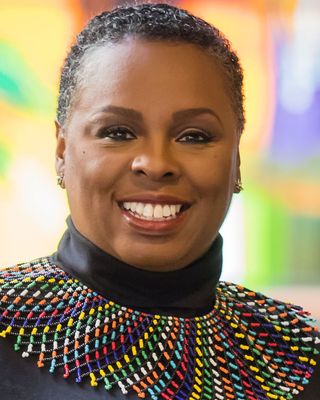
Hosted by OnlyOne Consulting
Pre-Licensed Professional, MA, BCC
Group meets in Evergreen Park, IL 60805
Clergy Circles are confidential peer support groups designed specifically for ministry leaders who serve as emotional and spiritual first responders in their communities. These sessions recognize that clergy often experience secondary trauma from accompanying people through crisis, grief, violence, and tragedy—making them "second victims" who need their own space for processing and healing.
Many "gifted" individuals go misunderstood, unidentified or misdiagnosed, often leading to depression, alcoholism, career issues, relationship difficulty, self-esteem issues and even pathology. This group will introduce its participants to the process of self-exploration leading to a better understanding of their unique strengths in order to achieve more satisfaction in life, relationships and career.

Many "gifted" individuals go misunderstood, unidentified or misdiagnosed, often leading to depression, alcoholism, career issues, relationship difficulty, self-esteem issues and even pathology. This group will introduce its participants to the process of self-exploration leading to a better understanding of their unique strengths in order to achieve more satisfaction in life, relationships and career.
Holistic teletherapy group practice that specializes in anxiety, depression, pre-martial and martial counseling, life transitions, and identity issues. Every person is special and unique and for that reason we utilize a holistic approach and adapt each counseling relationship to the individual’s personal needs, goals, and aspirations.

Hosted by Rachael Stewart
Clinical Social Work/Therapist, MSW, LCSW, CFRC
Group meets in Evergreen Park, IL 60805
Holistic teletherapy group practice that specializes in anxiety, depression, pre-martial and martial counseling, life transitions, and identity issues. Every person is special and unique and for that reason we utilize a holistic approach and adapt each counseling relationship to the individual’s personal needs, goals, and aspirations.
Parenting a "gifted" child is a rewarding and often frustrating privilege. Too often, parents expect the school system to address the many needs of their gifted child, but end up disappointed by the lack of understanding and resources in the state of Illinois. This group will address the many facets of parenting a gifted child including identification, education, social and emotional development, etc. If your child has been identified as gifted, or, if you think your child may be gifted and you are looking for guidance on what to do next, this group may be valuable to you!
Parenting a "gifted" child is a rewarding and often frustrating privilege. Too often, parents expect the school system to address the many needs of their gifted child, but end up disappointed by the lack of understanding and resources in the state of Illinois. This group will address the many facets of parenting a gifted child including identification, education, social and emotional development, etc. If your child has been identified as gifted, or, if you think your child may be gifted and you are looking for guidance on what to do next, this group may be valuable to you!
Sexual identity formation is an essential part of who we are as human beings. Adults of all ages are invited to join us to explore their sexual identity. Whether you are confused, curious or confident, this supportive group is a safe and confidential place to share your thoughts and feelings and hear those of others that are facing issues just like yours! Topics covered: Am I gay? Am I the only one on the south-side? Coming out. Finding support. Increasing confidence. Defeating negative stereotypes. Creating positive images of the LGB population.
Sexual identity formation is an essential part of who we are as human beings. Adults of all ages are invited to join us to explore their sexual identity. Whether you are confused, curious or confident, this supportive group is a safe and confidential place to share your thoughts and feelings and hear those of others that are facing issues just like yours! Topics covered: Am I gay? Am I the only one on the south-side? Coming out. Finding support. Increasing confidence. Defeating negative stereotypes. Creating positive images of the LGB population.
More Groups Nearby
Participants will learn to cope with difficult emotions, manage stress and eliminate self-defeating behavior. They will gain focus, self-awareness and improved acceptance of themselves and others. They will develop dialectic behavioral skills, identify their values and lead a more fulfilling life.

Hosted by Quantum Counseling Inc.
Counselor, LCPC, LCSW, CADC
Group meets in Downers Grove, IL 60516
Participants will learn to cope with difficult emotions, manage stress and eliminate self-defeating behavior. They will gain focus, self-awareness and improved acceptance of themselves and others. They will develop dialectic behavioral skills, identify their values and lead a more fulfilling life.
Currently in the process of organizing an Artist's Way therapy group. Please reach out with any questions or to get on the list!
Currently in the process of organizing an Artist's Way therapy group. Please reach out with any questions or to get on the list!
This is a therapeutic support group for those who identify as female New Moms and have given birth within the past 2 years. Please reach out to Emily Pagone, MS, LCPC, PMHC to inquire about the group: emily@authenticgrowthwellness.com.

This is a therapeutic support group for those who identify as female New Moms and have given birth within the past 2 years. Please reach out to Emily Pagone, MS, LCPC, PMHC to inquire about the group: emily@authenticgrowthwellness.com.
MomMe Group is a 6-week in-person therapy group for moms of children ages 0–3. Led by therapist and fellow mom Briani, this group offers a nurturing, nonjudgmental space to explore the challenges and joys of early motherhood. Through guided discussions, mindfulness, journaling, and connection with other moms, you'll reflect on identity, emotional well-being, and personal growth. MomMe honors both your role as a caregiver and your individual self. Meets October and November Saturdays, 8:30–9:30 AM, at Green Door Therapy in Elmhurst. $210 for the series; payment plans available. www.greendoortherapy.com/groups

MomMe Group is a 6-week in-person therapy group for moms of children ages 0–3. Led by therapist and fellow mom Briani, this group offers a nurturing, nonjudgmental space to explore the challenges and joys of early motherhood. Through guided discussions, mindfulness, journaling, and connection with other moms, you'll reflect on identity, emotional well-being, and personal growth. MomMe honors both your role as a caregiver and your individual self. Meets October and November Saturdays, 8:30–9:30 AM, at Green Door Therapy in Elmhurst. $210 for the series; payment plans available. www.greendoortherapy.com/groups
This is a safe and affirming Zoom community for "spoonies" to find mutual support. Here, we come together to share our lived experiences navigating the challenges of chronic illness and ableist social structures that impact our mental and emotional well-being. We work together to cultivate mindfulness and self-compassion skills that can support us in coping and managing challenges more effectively. Some insurance plans accepted; out of pocket cost per session is $40, and limited sliding scale spots are also available. Open to anyone residing in IL. Ongoing enrollment; we ask for at least a 6-session commitment, with the option to continue longer.

This is a safe and affirming Zoom community for "spoonies" to find mutual support. Here, we come together to share our lived experiences navigating the challenges of chronic illness and ableist social structures that impact our mental and emotional well-being. We work together to cultivate mindfulness and self-compassion skills that can support us in coping and managing challenges more effectively. Some insurance plans accepted; out of pocket cost per session is $40, and limited sliding scale spots are also available. Open to anyone residing in IL. Ongoing enrollment; we ask for at least a 6-session commitment, with the option to continue longer.
As of 11/2023 this group is ACTIVE. We meet on Wednesdays. For mostly anxiety, depression, bipolar, some substance issues.

As of 11/2023 this group is ACTIVE. We meet on Wednesdays. For mostly anxiety, depression, bipolar, some substance issues.
This will be an intimate and safe space to help women heal, find inner strength, and move forward after the end of a long-term relationship and process emotions like anger, grief, anxiety, and depression. The group will centered around building self-esteem and individual identity as a single person, developing practical skills, including co-parenting, single-parenting, finance, and employment as well as forming a strong network of peers for ongoing support. Maximum 10 people. Facilitated online by Dana Timmins, LPC, Wednesdays, 7 to 8:30 pm CST.

This will be an intimate and safe space to help women heal, find inner strength, and move forward after the end of a long-term relationship and process emotions like anger, grief, anxiety, and depression. The group will centered around building self-esteem and individual identity as a single person, developing practical skills, including co-parenting, single-parenting, finance, and employment as well as forming a strong network of peers for ongoing support. Maximum 10 people. Facilitated online by Dana Timmins, LPC, Wednesdays, 7 to 8:30 pm CST.
This online, and open group (once monthly openings for folks to join or leave) is for all of those who are struggling to embody their sexuality in its many orientations and spectrums; are seeking to deepen and explore their sexual connection with themselves and others; and are healing relational or sexual trauma, conflict, or difficulties. This online group will incorporate an education segment, a sharing segment, and a healing exercise segment in every session. Will go for 2 hours on a week day evening from 5-7pm, and is capped at 8 participants. Cost listed below is a monthly fee.

This online, and open group (once monthly openings for folks to join or leave) is for all of those who are struggling to embody their sexuality in its many orientations and spectrums; are seeking to deepen and explore their sexual connection with themselves and others; and are healing relational or sexual trauma, conflict, or difficulties. This online group will incorporate an education segment, a sharing segment, and a healing exercise segment in every session. Will go for 2 hours on a week day evening from 5-7pm, and is capped at 8 participants. Cost listed below is a monthly fee.
Motherhood can be beautiful, exhausting, and everything in between. This therapist-led process group offers moms a supportive space to talk openly about the emotional realities of parenting, identity shifts, relationships, stress, and self-care. Through guided discussion and shared reflection, members build insight, strengthen coping skills, and experience meaningful connection with other moms who understand. This confidential group welcomes mothers in all stages of parenting who are looking for support, growth, and community.

Hosted by Maria Allan
Licensed Professional Counselor, MA, NCC, LPC
Group meets in Glen Ellyn, IL 60137
Motherhood can be beautiful, exhausting, and everything in between. This therapist-led process group offers moms a supportive space to talk openly about the emotional realities of parenting, identity shifts, relationships, stress, and self-care. Through guided discussion and shared reflection, members build insight, strengthen coping skills, and experience meaningful connection with other moms who understand. This confidential group welcomes mothers in all stages of parenting who are looking for support, growth, and community.
A safe, supportive space for police wives to connect, process, and thrive while navigating the unique challenges of loving someone in law enforcement. INSURANCE ACCEPTED!

A safe, supportive space for police wives to connect, process, and thrive while navigating the unique challenges of loving someone in law enforcement. INSURANCE ACCEPTED!
Our structured DBT Skills Group is designed for adults who want to strengthen emotional regulation, interpersonal effectiveness, distress tolerance, and mindfulness. Grounded in evidence-based practices, this group equips participants with practical tools to manage intense emotions, improve relationships, and create a more fulfilling life. Open to individuals already engaged in individual therapy, the group provides a collaborative, supportive, and judgment-free space to learn, practice, and grow. Sessions are held virtually and facilitated by Rosewatter Chicagoland Counseling.

Our structured DBT Skills Group is designed for adults who want to strengthen emotional regulation, interpersonal effectiveness, distress tolerance, and mindfulness. Grounded in evidence-based practices, this group equips participants with practical tools to manage intense emotions, improve relationships, and create a more fulfilling life. Open to individuals already engaged in individual therapy, the group provides a collaborative, supportive, and judgment-free space to learn, practice, and grow. Sessions are held virtually and facilitated by Rosewatter Chicagoland Counseling.
This is a processing group for men in their 40's, 50's, and 60's who may be struggling with some sort of transition (empty-nesting, retirement, divorce, etc.)

This is a processing group for men in their 40's, 50's, and 60's who may be struggling with some sort of transition (empty-nesting, retirement, divorce, etc.)
The Art of the Balanced Life: Healing for High-Achieving Black Women Tired of carrying it all? Your success shouldn’t cost you your peace. Join us for a 12-week holistic group therapy experience designed to bridge the gap between mental clarity and somatic healing. In this curated circle, you will: Process Stress: Use CBT/DBT tools to manage high-powered role strain. Regulate: Release tension through yoga and somatic movement. Master Boundaries: Learn the "Art of the No." Connect: Build community with a sisterhood that understands. Stop surviving; start being. Space is limited—secure your spot today.

The Art of the Balanced Life: Healing for High-Achieving Black Women Tired of carrying it all? Your success shouldn’t cost you your peace. Join us for a 12-week holistic group therapy experience designed to bridge the gap between mental clarity and somatic healing. In this curated circle, you will: Process Stress: Use CBT/DBT tools to manage high-powered role strain. Regulate: Release tension through yoga and somatic movement. Master Boundaries: Learn the "Art of the No." Connect: Build community with a sisterhood that understands. Stop surviving; start being. Space is limited—secure your spot today.
This is a 10-week therapy group for individuals exploring/questioning their gender identity/expression and connect with others who have similar experiences. Topics such as gatekeeping, "being trans enough", intersectionality, coping, internalized transphobia, building your own narrative, navigating oppression, exploring medical transition, and resource sharing are a few of the topics that are typically explored. Initial screening is required. Cost $5-$40 according to income.
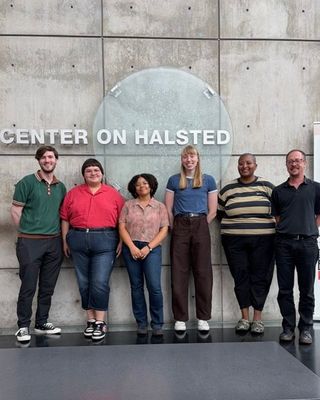
This is a 10-week therapy group for individuals exploring/questioning their gender identity/expression and connect with others who have similar experiences. Topics such as gatekeeping, "being trans enough", intersectionality, coping, internalized transphobia, building your own narrative, navigating oppression, exploring medical transition, and resource sharing are a few of the topics that are typically explored. Initial screening is required. Cost $5-$40 according to income.
This group is facilitated by Dr. Grace Tomas-Tolentino. Offered in-person and virtual. Contact Core Psychotherapy Center at 847-240-5080 or info@corepsychcenter.com for interest and inquiries.

Hosted by Dr. Grace Tomas-Tolentino
Clinical Social Work/Therapist, PhD
Group meets in Schaumburg, IL 60173
This group is facilitated by Dr. Grace Tomas-Tolentino. Offered in-person and virtual. Contact Core Psychotherapy Center at 847-240-5080 or info@corepsychcenter.com for interest and inquiries.
See more therapy options for Evergreen Park


Nearby Searches for Evergreen Park
- Berwyn
- Burr Ridge
- Chicago
- Hinsdale
- Homewood
- Oak Lawn
- Oak Park
- Orland Park
- Palos Heights
- South Holland
- Tinley Park
- Western Springs
FAQs - About Group Therapy and Support Groups
How can I find a support group in Evergreen Park?
To find a support group in your area, start by entering your city, zip code, or the name of the group into the search bar at the top of the page. When searching, consider whether you prefer an in-person or virtual group. This can help you decide how broad your geographic search should be. If you are open to virtual groups, you might want to search by state instead of just your city, especially if there are limited options nearby.
Once you complete your search, you can use the filters to narrow the results by selecting specialties (such as grief, trauma, or eating disorders), therapeutic approaches, age groups, and other criteria to find a group that best fits your needs.
Once you complete your search, you can use the filters to narrow the results by selecting specialties (such as grief, trauma, or eating disorders), therapeutic approaches, age groups, and other criteria to find a group that best fits your needs.
How does group therapy work?
Group therapy is led by one or more trained therapists and provides a space where participants can process their experiences and learn from others facing similar challenges. Groups may focus on a specific issue—such as addiction, grief, physical illnesses, parenting, or caregiving—or they may center around a particular therapeutic approach, such as Cognitive Behavioral Therapy (CBT), social skill development, or Exposure Therapy. Some groups are also designed for specific populations, such as teens, veterans, or LGBTQ+ individuals.
It’s also important to distinguish group therapy from peer-led support groups, like Alcoholics Anonymous. While both can offer valuable support, therapy groups are typically led by licensed professionals and follow a more structured format. Therapy groups often meet for a fixed length of time with a consistent group of members, while many peer support groups meet for an indefinite period of time with members coming and going.
It’s also important to distinguish group therapy from peer-led support groups, like Alcoholics Anonymous. While both can offer valuable support, therapy groups are typically led by licensed professionals and follow a more structured format. Therapy groups often meet for a fixed length of time with a consistent group of members, while many peer support groups meet for an indefinite period of time with members coming and going.
What are the benefits of group therapy?
Group therapy offers several important benefits. It brings together people facing similar challenges—whether related to mental health, physical health, or life transitions—and creates a supportive environment where participants can exchange feedback, share experiences, and learn from one another. Hearing different perspectives can help individuals discover new coping strategies and practical tools they may not have encountered on their own. Sharing personal experiences, such as coping with a serious illness or navigating family struggles, can also reduce feelings of isolation and foster a sense of connection and understanding. In addition to emotional support, group members often gain useful, real-world advice from peers who have faced similar situations.
Group therapy is typically more affordable than individual therapy and, for certain conditions, can be equally effective. Many groups also include structured activities—such as guided journaling, cognitive-behavioral exercises, or role-playing—to help participants develop concrete skills they can apply in daily life.
Group therapy is typically more affordable than individual therapy and, for certain conditions, can be equally effective. Many groups also include structured activities—such as guided journaling, cognitive-behavioral exercises, or role-playing—to help participants develop concrete skills they can apply in daily life.
Is group therapy as effective as individual therapy?
It is difficult to make a blanket statement about the effectiveness of support groups, as they vary widely in focus and the conditions they address. However, support groups can be highly valuable in helping individuals gain emotional support and achieve meaningful treatment outcomes. For certain conditions, such as substance use, research has shown that group therapy can be particularly effective—sometimes just as effective as individual therapy—in supporting long-term recovery.
Many professionals attribute the effectiveness of group therapy to the unique benefits of the group setting, which fosters peer-to-peer learning and a sense of connection through shared experiences. Group settings also offer accountability and encouragement from both facilitators and fellow participants, which helps sustain motivation and supports continued progress. These factors together play a key role in promoting the overall effectiveness of group therapy.
Many professionals attribute the effectiveness of group therapy to the unique benefits of the group setting, which fosters peer-to-peer learning and a sense of connection through shared experiences. Group settings also offer accountability and encouragement from both facilitators and fellow participants, which helps sustain motivation and supports continued progress. These factors together play a key role in promoting the overall effectiveness of group therapy.
How much does group therapy cost?
Group therapy is typically less expensive than individual therapy, with sessions typically costing between $50 and $75 each. In comparison, individual therapy can cost anywhere from $100 to $200 or more per session, even with insurance. Some therapists or organizations offer low-cost or free group therapy options, particularly through community centers or nonprofit organizations. In some cases, groups may require payment upfront for a set number of sessions, such as paying for six weekly sessions at the first meeting. However, many providers offer payment plans to help make participation more accessible if this upfront payment is required.
Does insurance cover group therapy?
As with individual therapy, insurance coverage for group therapy varies based on factors such as your specific insurance plan, the purpose of the group, your diagnosis, and whether the group provider is in-network. Many insurance plans cover group therapy sessions that address diagnosable mental health conditions, such as substance use disorders, anxiety, or depression.
However, groups that focus on topics not directly tied to a mental health diagnosis—such as parenting support or divorce recovery—are less likely to be covered. Because coverage can vary widely, it’s important to check with your insurance provider before joining a group to confirm whether the sessions will be covered and what out-of-pocket costs you may be responsible for.
However, groups that focus on topics not directly tied to a mental health diagnosis—such as parenting support or divorce recovery—are less likely to be covered. Because coverage can vary widely, it’s important to check with your insurance provider before joining a group to confirm whether the sessions will be covered and what out-of-pocket costs you may be responsible for.
How long does group therapy last?
The length of each group therapy session typically ranges from 45 minutes to two hours, depending on the therapy approach, the group’s goals, and how often the group meets. In some cases, group therapy is part of a larger treatment program, such as an Intensive Outpatient Program (IOP), where group sessions complement individual therapy and are scheduled as part of the program’s overall structure.
The duration of participation in a group also varies. Some groups are designed to be short-term, lasting anywhere from 6 to 24 weeks—for example, bereavement groups or skills-based groups like those using Dialectical Behavioral Therapy (DBT). Other groups may be longer-term, lasting a year or more, and some ongoing support groups meet indefinitely, allowing participants to stay as long as they find the group helpful.
The duration of participation in a group also varies. Some groups are designed to be short-term, lasting anywhere from 6 to 24 weeks—for example, bereavement groups or skills-based groups like those using Dialectical Behavioral Therapy (DBT). Other groups may be longer-term, lasting a year or more, and some ongoing support groups meet indefinitely, allowing participants to stay as long as they find the group helpful.
What are the limitations of support groups?
Support groups offer many benefits, but they also have certain limitations. Unlike therapy groups, many support groups do not provide formal therapeutic treatment and are not led by licensed mental health professionals. For individuals seeking clinical treatment for specific mental health diagnoses—such as depression, eating disorders, or substance use—individual therapy or group therapy led by a licensed professional may offer more personalized and specialized care.
The effectiveness of a support group also depends heavily on the group’s participants and the overall group dynamic. When members engage respectfully and offer constructive support, the group can foster valuable peer-to-peer learning. However, if certain participants dominate discussions, provide inaccurate advice, or create conflict, it can disrupt the group’s sense of safety and reduce its effectiveness. Confidentiality can also be harder to maintain in support groups, particularly in open groups where participants can join or leave at any time. With new members regularly entering the group, it can be more difficult to build and sustain a consistent sense of trust and privacy.
The effectiveness of a support group also depends heavily on the group’s participants and the overall group dynamic. When members engage respectfully and offer constructive support, the group can foster valuable peer-to-peer learning. However, if certain participants dominate discussions, provide inaccurate advice, or create conflict, it can disrupt the group’s sense of safety and reduce its effectiveness. Confidentiality can also be harder to maintain in support groups, particularly in open groups where participants can join or leave at any time. With new members regularly entering the group, it can be more difficult to build and sustain a consistent sense of trust and privacy.