Support Groups in Effingham County, IL
Introducing the ROSE Program for Expectant Moms! The ROSE Program (Reach Out, Stay Strong, Essentials for new mothers) is an incredible evidence-based program designed to empower expectant moms like you with the skills, information, and resources you need to lower the risk of postpartum depression as you embark on your beautiful journey of motherhood. Consisting of 5 sessions, the ROSE program is offered once a month, virtually. This program is especially beneficial for pregnant women in their second half of pregnancy, equipping you with the tools and knowledge you need to embrace this new chapter with confidence.

Introducing the ROSE Program for Expectant Moms! The ROSE Program (Reach Out, Stay Strong, Essentials for new mothers) is an incredible evidence-based program designed to empower expectant moms like you with the skills, information, and resources you need to lower the risk of postpartum depression as you embark on your beautiful journey of motherhood. Consisting of 5 sessions, the ROSE program is offered once a month, virtually. This program is especially beneficial for pregnant women in their second half of pregnancy, equipping you with the tools and knowledge you need to embrace this new chapter with confidence.
Online Groups
I offer several weekend wellness workshops focusing on topics including body image, attachment, grief, guilt, anxiety, perfectionism etc. These workshops incorporate group reflection, mindfulness, movement, breath work and journal processing. Learn more at: www.balancedintentions.com

I offer several weekend wellness workshops focusing on topics including body image, attachment, grief, guilt, anxiety, perfectionism etc. These workshops incorporate group reflection, mindfulness, movement, breath work and journal processing. Learn more at: www.balancedintentions.com
Acorn Behavioral Health is a compassionate mental health practice dedicated to helping individuals, couples, and families heal and grow. Our team provides personalized therapy and medication management in a warm, supportive environment where clients feel seen, heard, and understood. We believe growth starts small—like an acorn—and with the right care, can lead to lasting change. Whether you’re facing anxiety, depression, relationship challenges, or life transitions, Acorn Behavioral Health offers the tools and guidance to nurture your well-being and help you thrive.

Hosted by Dr. Andrea Spicer
Clinical Social Work/Therapist, DSW, LCSW
Group meets in Virden, IL 62690
Acorn Behavioral Health is a compassionate mental health practice dedicated to helping individuals, couples, and families heal and grow. Our team provides personalized therapy and medication management in a warm, supportive environment where clients feel seen, heard, and understood. We believe growth starts small—like an acorn—and with the right care, can lead to lasting change. Whether you’re facing anxiety, depression, relationship challenges, or life transitions, Acorn Behavioral Health offers the tools and guidance to nurture your well-being and help you thrive.
A group for anyone identifying as a woman and looking for a supportive place to share about their experience in maintaining an open heart in a world where it can seem that hatred, ignorance and delusion are taking over.

Hosted by Renee Davidson
Clinical Social Work/Therapist, MSW, LICSW
Group meets in Glen Carbon, IL 62034
A group for anyone identifying as a woman and looking for a supportive place to share about their experience in maintaining an open heart in a world where it can seem that hatred, ignorance and delusion are taking over.
This group is designed to allow children an opportunity to process thoughts and feelings connected to their parents divorce. Using creative interventions, children will learn how to express feelings, deal with loyalty binds, disengage from parental conflict, address anger and self-blame, and learn coping strategies.

This group is designed to allow children an opportunity to process thoughts and feelings connected to their parents divorce. Using creative interventions, children will learn how to express feelings, deal with loyalty binds, disengage from parental conflict, address anger and self-blame, and learn coping strategies.
Our team provides online individual, couples, family, and group counseling services in both Illinois and Pennsylvania. Supervision and consultation services are available as well.

Hosted by Empathic Empowerment Counseling
Counselor, LCPC, LPC, CADC, CLCP, CRC
Group meets in Springfield, IL 62701
Our team provides online individual, couples, family, and group counseling services in both Illinois and Pennsylvania. Supervision and consultation services are available as well.
Adult women looking for support in unpacking hurts and stress. Participants will develop strength in knowing their identity can be reshaped through releasing worry and shame. Making time for sharing their journey with others and being encouraged to ask deep questions of self, God and others brings renewed hope-seeing that beauty can arise from the ashes!

Hosted by Kathleen J. Wallace
Licensed Professional Counselor, LPC-Mo, LCPC-Il
Group meets in Maryville, IL 62062
Adult women looking for support in unpacking hurts and stress. Participants will develop strength in knowing their identity can be reshaped through releasing worry and shame. Making time for sharing their journey with others and being encouraged to ask deep questions of self, God and others brings renewed hope-seeing that beauty can arise from the ashes!
We are a small group of EMDR trained therapists who meet monthly in the Bloomington area for peer support and consultation. If you’re interested in more information to join, please email me to introduce yourself.
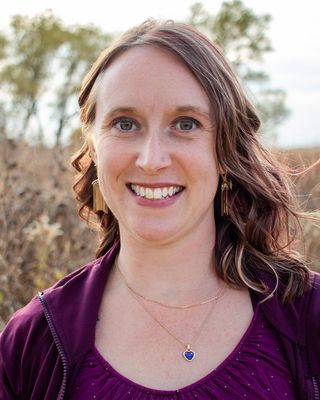
We are a small group of EMDR trained therapists who meet monthly in the Bloomington area for peer support and consultation. If you’re interested in more information to join, please email me to introduce yourself.
This closed group is for adults who are currently stabilized in their symptoms and are seeking a group to build connection to other childhood trauma survivors. We will be meeting virtually and creating altered journals. This group is inclusive and supportive of all peoples.

This closed group is for adults who are currently stabilized in their symptoms and are seeking a group to build connection to other childhood trauma survivors. We will be meeting virtually and creating altered journals. This group is inclusive and supportive of all peoples.
Learn with others about PTSD AND Anxiety along with the coping skills to move forward.

Learn with others about PTSD AND Anxiety along with the coping skills to move forward.
This group is designed to allow teens with an opportunity to process thoughts and feelings connected to their parents divorce. Using Cognitive Behavioral and Expressive Therapy, members will build skills to cope, learn ways to regulate intense emotion and skills for challenging cognitive distortions.
This group is designed to allow teens with an opportunity to process thoughts and feelings connected to their parents divorce. Using Cognitive Behavioral and Expressive Therapy, members will build skills to cope, learn ways to regulate intense emotion and skills for challenging cognitive distortions.
This group is for women with anxiety/trauma who want to change their relationship with food, body image, and themselves. This group will be a call in/zoom group. It will be covered under insurance. No one turned away due to finances. This group will start on September 22, 2021. If you are interested, please email me and I will send you all the information to get started. I cant wait to start helping women support other women in being bad-asses!

Hosted by Real Solutions Professional Counseling
Counselor, MA, LCPC, LPHA
Group meets in Red Bud, IL 62278
This group is for women with anxiety/trauma who want to change their relationship with food, body image, and themselves. This group will be a call in/zoom group. It will be covered under insurance. No one turned away due to finances. This group will start on September 22, 2021. If you are interested, please email me and I will send you all the information to get started. I cant wait to start helping women support other women in being bad-asses!
McGill Counseling is a team of compassionate therapists who offer therapy for adults, teens, children and couples in Champaign, Illinois. We specialize in treating trauma, stress, anxiety, and depression through a number of approaches including CBT, EMDR, Mindfulness and Person-Centered Therapy.

McGill Counseling is a team of compassionate therapists who offer therapy for adults, teens, children and couples in Champaign, Illinois. We specialize in treating trauma, stress, anxiety, and depression through a number of approaches including CBT, EMDR, Mindfulness and Person-Centered Therapy.
Starting October 5th via zoom. This a closed confidential group to support each other in healing from childhood sexual abuse. We will discuss how this trauma effects our relationships with others and ourselves. This is a therapy group and an intake session is required. Please email me if you are interested. I am also a survivor of sexual abuse and trauma therapist and will lead this group. Lets heal together. Insurance accepted, no one turned away due to finances.
Hosted by Real Solutions Professional Counseling
Counselor, MA, LCPC, LPHA
Group meets in Red Bud, IL 62278
Starting October 5th via zoom. This a closed confidential group to support each other in healing from childhood sexual abuse. We will discuss how this trauma effects our relationships with others and ourselves. This is a therapy group and an intake session is required. Please email me if you are interested. I am also a survivor of sexual abuse and trauma therapist and will lead this group. Lets heal together. Insurance accepted, no one turned away due to finances.
If you are seeking connection, understanding, practical skills to cope with grief, and ways to find direction and meaning after loss, our group welcomes you. Life can be worth living, even if there is pain. This group is 8 weeks long, in-person at Evergreen Coaching and Counseling's 411 E. Park Street Location in Champaign Illinois, Thursdays at 5PM to 6:30PM. Registration starts on September 21st. Screening and intake assessments will happen before the official start date on October 22nd. The group will end on December 17th. Our group can seat 8 adults to process shared experiences.
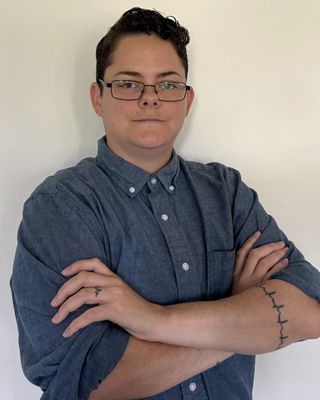
Hosted by Michael Grant Scott
Licensed Clinical Professional Counselor, MS, LCPC, NCC, C-DBT
Group meets in Champaign, IL 61820
If you are seeking connection, understanding, practical skills to cope with grief, and ways to find direction and meaning after loss, our group welcomes you. Life can be worth living, even if there is pain. This group is 8 weeks long, in-person at Evergreen Coaching and Counseling's 411 E. Park Street Location in Champaign Illinois, Thursdays at 5PM to 6:30PM. Registration starts on September 21st. Screening and intake assessments will happen before the official start date on October 22nd. The group will end on December 17th. Our group can seat 8 adults to process shared experiences.
For teens who are seeking: Emotional Regulation Strategies, Improved Relationships, Distress Tolerance, and Mindfulness Skills. This group is 22 weeks long, in-person at Evergreen Coaching and Counseling's 411 E. Park Street Location, Wednesdays at 6PM to 7:30PM. Please register before the group start date on September 16th. The group will end on April 14th. Our group can seat 8-9 teens, engaging in creative exercises and building a sense of community support.
Hosted by Michael Grant Scott
Licensed Clinical Professional Counselor, MS, LCPC, NCC, C-DBT
Group meets in Champaign, IL 61820
For teens who are seeking: Emotional Regulation Strategies, Improved Relationships, Distress Tolerance, and Mindfulness Skills. This group is 22 weeks long, in-person at Evergreen Coaching and Counseling's 411 E. Park Street Location, Wednesdays at 6PM to 7:30PM. Please register before the group start date on September 16th. The group will end on April 14th. Our group can seat 8-9 teens, engaging in creative exercises and building a sense of community support.
Compass Counselors LTD was founded by John Freshour, LCPC in 2016. Since that time they have grown to three offices and have thirteen employees. Compass operates and counsels their clients with a Christian world-view, yet they respect all religions and perspectives.

Compass Counselors LTD was founded by John Freshour, LCPC in 2016. Since that time they have grown to three offices and have thirteen employees. Compass operates and counsels their clients with a Christian world-view, yet they respect all religions and perspectives.
Feeling stressed and fatigued about daily life challenges. Learn how to manage the stress and anxiety so you can feel better.
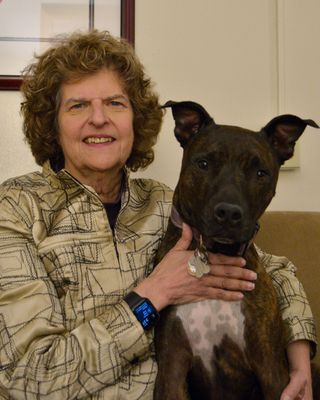
Feeling stressed and fatigued about daily life challenges. Learn how to manage the stress and anxiety so you can feel better.
DBT Institute of Central Illinois provides specialized, evidence-based care for adolescents, adults, and families seeking support with emotion regulation, relationships, and coping skills. Led by a Linehan Board Certified DBT clinician, our team offers both comprehensive DBT programs and DBT-informed therapy through in-person sessions at our Central Illinois office and convenient virtual options. We are committed to delivering adherent, skills-focused treatment in a supportive environment, helping clients reduce suffering, build resilience, and create a life worth living.

DBT Institute of Central Illinois provides specialized, evidence-based care for adolescents, adults, and families seeking support with emotion regulation, relationships, and coping skills. Led by a Linehan Board Certified DBT clinician, our team offers both comprehensive DBT programs and DBT-informed therapy through in-person sessions at our Central Illinois office and convenient virtual options. We are committed to delivering adherent, skills-focused treatment in a supportive environment, helping clients reduce suffering, build resilience, and create a life worth living.
At Perspectives, we believe that your circumstances do not define you and that despite where you come from, you have the power to change your narrative and live a life that feels authentic and purposeful.

At Perspectives, we believe that your circumstances do not define you and that despite where you come from, you have the power to change your narrative and live a life that feels authentic and purposeful.
See more therapy options for Effingham County


FAQs - About Group Therapy and Support Groups
How can I find a support group in Effingham County?
To find a support group in your area, start by entering your city, zip code, or the name of the group into the search bar at the top of the page. When searching, consider whether you prefer an in-person or virtual group. This can help you decide how broad your geographic search should be. If you are open to virtual groups, you might want to search by state instead of just your city, especially if there are limited options nearby.
Once you complete your search, you can use the filters to narrow the results by selecting specialties (such as grief, trauma, or eating disorders), therapeutic approaches, age groups, and other criteria to find a group that best fits your needs.
Once you complete your search, you can use the filters to narrow the results by selecting specialties (such as grief, trauma, or eating disorders), therapeutic approaches, age groups, and other criteria to find a group that best fits your needs.
How does group therapy work?
Group therapy is led by one or more trained therapists and provides a space where participants can process their experiences and learn from others facing similar challenges. Groups may focus on a specific issue—such as addiction, grief, physical illnesses, parenting, or caregiving—or they may center around a particular therapeutic approach, such as Cognitive Behavioral Therapy (CBT), social skill development, or Exposure Therapy. Some groups are also designed for specific populations, such as teens, veterans, or LGBTQ+ individuals.
It’s also important to distinguish group therapy from peer-led support groups, like Alcoholics Anonymous. While both can offer valuable support, therapy groups are typically led by licensed professionals and follow a more structured format. Therapy groups often meet for a fixed length of time with a consistent group of members, while many peer support groups meet for an indefinite period of time with members coming and going.
It’s also important to distinguish group therapy from peer-led support groups, like Alcoholics Anonymous. While both can offer valuable support, therapy groups are typically led by licensed professionals and follow a more structured format. Therapy groups often meet for a fixed length of time with a consistent group of members, while many peer support groups meet for an indefinite period of time with members coming and going.
What are the benefits of group therapy?
Group therapy offers several important benefits. It brings together people facing similar challenges—whether related to mental health, physical health, or life transitions—and creates a supportive environment where participants can exchange feedback, share experiences, and learn from one another. Hearing different perspectives can help individuals discover new coping strategies and practical tools they may not have encountered on their own. Sharing personal experiences, such as coping with a serious illness or navigating family struggles, can also reduce feelings of isolation and foster a sense of connection and understanding. In addition to emotional support, group members often gain useful, real-world advice from peers who have faced similar situations.
Group therapy is typically more affordable than individual therapy and, for certain conditions, can be equally effective. Many groups also include structured activities—such as guided journaling, cognitive-behavioral exercises, or role-playing—to help participants develop concrete skills they can apply in daily life.
Group therapy is typically more affordable than individual therapy and, for certain conditions, can be equally effective. Many groups also include structured activities—such as guided journaling, cognitive-behavioral exercises, or role-playing—to help participants develop concrete skills they can apply in daily life.
Is group therapy as effective as individual therapy?
It is difficult to make a blanket statement about the effectiveness of support groups, as they vary widely in focus and the conditions they address. However, support groups can be highly valuable in helping individuals gain emotional support and achieve meaningful treatment outcomes. For certain conditions, such as substance use, research has shown that group therapy can be particularly effective—sometimes just as effective as individual therapy—in supporting long-term recovery.
Many professionals attribute the effectiveness of group therapy to the unique benefits of the group setting, which fosters peer-to-peer learning and a sense of connection through shared experiences. Group settings also offer accountability and encouragement from both facilitators and fellow participants, which helps sustain motivation and supports continued progress. These factors together play a key role in promoting the overall effectiveness of group therapy.
Many professionals attribute the effectiveness of group therapy to the unique benefits of the group setting, which fosters peer-to-peer learning and a sense of connection through shared experiences. Group settings also offer accountability and encouragement from both facilitators and fellow participants, which helps sustain motivation and supports continued progress. These factors together play a key role in promoting the overall effectiveness of group therapy.
How much does group therapy cost?
Group therapy is typically less expensive than individual therapy, with sessions typically costing between $50 and $75 each. In comparison, individual therapy can cost anywhere from $100 to $200 or more per session, even with insurance. Some therapists or organizations offer low-cost or free group therapy options, particularly through community centers or nonprofit organizations. In some cases, groups may require payment upfront for a set number of sessions, such as paying for six weekly sessions at the first meeting. However, many providers offer payment plans to help make participation more accessible if this upfront payment is required.
Does insurance cover group therapy?
As with individual therapy, insurance coverage for group therapy varies based on factors such as your specific insurance plan, the purpose of the group, your diagnosis, and whether the group provider is in-network. Many insurance plans cover group therapy sessions that address diagnosable mental health conditions, such as substance use disorders, anxiety, or depression.
However, groups that focus on topics not directly tied to a mental health diagnosis—such as parenting support or divorce recovery—are less likely to be covered. Because coverage can vary widely, it’s important to check with your insurance provider before joining a group to confirm whether the sessions will be covered and what out-of-pocket costs you may be responsible for.
However, groups that focus on topics not directly tied to a mental health diagnosis—such as parenting support or divorce recovery—are less likely to be covered. Because coverage can vary widely, it’s important to check with your insurance provider before joining a group to confirm whether the sessions will be covered and what out-of-pocket costs you may be responsible for.
How long does group therapy last?
The length of each group therapy session typically ranges from 45 minutes to two hours, depending on the therapy approach, the group’s goals, and how often the group meets. In some cases, group therapy is part of a larger treatment program, such as an Intensive Outpatient Program (IOP), where group sessions complement individual therapy and are scheduled as part of the program’s overall structure.
The duration of participation in a group also varies. Some groups are designed to be short-term, lasting anywhere from 6 to 24 weeks—for example, bereavement groups or skills-based groups like those using Dialectical Behavioral Therapy (DBT). Other groups may be longer-term, lasting a year or more, and some ongoing support groups meet indefinitely, allowing participants to stay as long as they find the group helpful.
The duration of participation in a group also varies. Some groups are designed to be short-term, lasting anywhere from 6 to 24 weeks—for example, bereavement groups or skills-based groups like those using Dialectical Behavioral Therapy (DBT). Other groups may be longer-term, lasting a year or more, and some ongoing support groups meet indefinitely, allowing participants to stay as long as they find the group helpful.
What are the limitations of support groups?
Support groups offer many benefits, but they also have certain limitations. Unlike therapy groups, many support groups do not provide formal therapeutic treatment and are not led by licensed mental health professionals. For individuals seeking clinical treatment for specific mental health diagnoses—such as depression, eating disorders, or substance use—individual therapy or group therapy led by a licensed professional may offer more personalized and specialized care.
The effectiveness of a support group also depends heavily on the group’s participants and the overall group dynamic. When members engage respectfully and offer constructive support, the group can foster valuable peer-to-peer learning. However, if certain participants dominate discussions, provide inaccurate advice, or create conflict, it can disrupt the group’s sense of safety and reduce its effectiveness. Confidentiality can also be harder to maintain in support groups, particularly in open groups where participants can join or leave at any time. With new members regularly entering the group, it can be more difficult to build and sustain a consistent sense of trust and privacy.
The effectiveness of a support group also depends heavily on the group’s participants and the overall group dynamic. When members engage respectfully and offer constructive support, the group can foster valuable peer-to-peer learning. However, if certain participants dominate discussions, provide inaccurate advice, or create conflict, it can disrupt the group’s sense of safety and reduce its effectiveness. Confidentiality can also be harder to maintain in support groups, particularly in open groups where participants can join or leave at any time. With new members regularly entering the group, it can be more difficult to build and sustain a consistent sense of trust and privacy.