Support Groups in West Des Moines, IA
This group will meet weekly for one hour for one month. This is a group meant to learn the four DBT skills that will include Mindfulness, Interpersonal Effectiveness, Mood Regulation and Distress Tolerance. There is a one time fee of 200.00 that will cover all four sessions.

This group will meet weekly for one hour for one month. This is a group meant to learn the four DBT skills that will include Mindfulness, Interpersonal Effectiveness, Mood Regulation and Distress Tolerance. There is a one time fee of 200.00 that will cover all four sessions.
Becoming a mother is beautiful, but it can also feel overwhelming and lonely at times. Growing Embrace is a nurturing group space created just for new moms and their little ones (newborn to 12 months). Together, we’ll focus on building connection, fostering healthy attachment through education and conversation, and supporting confidence in a community that understands. Bring yourself, your baby, and your honest heart We accept a variety of insurances to make participation easier, including BCBS, UHC, UMR, Wellpoint, Molina, and Iowa Total Care.

Becoming a mother is beautiful, but it can also feel overwhelming and lonely at times. Growing Embrace is a nurturing group space created just for new moms and their little ones (newborn to 12 months). Together, we’ll focus on building connection, fostering healthy attachment through education and conversation, and supporting confidence in a community that understands. Bring yourself, your baby, and your honest heart We accept a variety of insurances to make participation easier, including BCBS, UHC, UMR, Wellpoint, Molina, and Iowa Total Care.
This group will focus on discussing the reasons for low libido in women and how to help them relax in their mind and body. The goal is to create better understanding of the role of stress on women's lives and how to address it in a way that promotes their libido. This group will include a book discussion, self-esteem, body image, and yoga and mindfulness practices. Recent research has shown how these approaches can be helpful for women wanting to improve their libido. This group will be led by therapists Elleni Huerter and Joseli Alves-Dunkerson.

Hosted by Elleni Huerter
Clinical Social Work/Therapist, LMSW
Group meets in West Des Moines, IA 50266
This group will focus on discussing the reasons for low libido in women and how to help them relax in their mind and body. The goal is to create better understanding of the role of stress on women's lives and how to address it in a way that promotes their libido. This group will include a book discussion, self-esteem, body image, and yoga and mindfulness practices. Recent research has shown how these approaches can be helpful for women wanting to improve their libido. This group will be led by therapists Elleni Huerter and Joseli Alves-Dunkerson.
Women experiencing peri/menopause go through a second adolescence of sorts. This closed group therapy meets for six bi-weekly sessions to explore changes in self, in relationships, our needs & wants from self and others, and taking a pause to better understand what we want for our next chapters. Topics are explored and processed through psychoeducation & the therapeutic approaches of Internal Family Systems, Cognitive Behavioral Therapy, with a splash of somatic release work. After six session are complete, there will be an opportunity to continue with group therapy of women who have completed the six week group.

Hosted by Jennifer Barry-Burton
Clinical Social Work/Therapist, MSW, LISW
Group meets in West Des Moines, IA 50266
Women experiencing peri/menopause go through a second adolescence of sorts. This closed group therapy meets for six bi-weekly sessions to explore changes in self, in relationships, our needs & wants from self and others, and taking a pause to better understand what we want for our next chapters. Topics are explored and processed through psychoeducation & the therapeutic approaches of Internal Family Systems, Cognitive Behavioral Therapy, with a splash of somatic release work. After six session are complete, there will be an opportunity to continue with group therapy of women who have completed the six week group.
Losing a father can leave a profound void - one that affects every stage of life. Whether your loss is recent or occurred years ago, grief can resurface in unexpected ways. This group is open to adult women who have experienced the death of their father at any age and are seeking connection, support, and understanding in their grief journey. You'll gain coping strategies for navigating difficult emotions, opportunities to share memories, and honor your father's legacy throughout your time with your group. Online and in-person groups available, dates set when there are enough participants.

Losing a father can leave a profound void - one that affects every stage of life. Whether your loss is recent or occurred years ago, grief can resurface in unexpected ways. This group is open to adult women who have experienced the death of their father at any age and are seeking connection, support, and understanding in their grief journey. You'll gain coping strategies for navigating difficult emotions, opportunities to share memories, and honor your father's legacy throughout your time with your group. Online and in-person groups available, dates set when there are enough participants.
Join FUEL - a a virtual therapy group for healthy eating facilitated by Lynne Vestal, LMHC, NCC. This group is for adults struggling with binge eating, mindless or emotional eating, over eating, eating related to mood or weight concerns, and for individuals preparing for bariatric surgery or GLP-1 medication. Lynne is an eating disorder specialist with 30 years experience in eating disorders. Call Lynne to register: (515) 446-9530. Group starts October 28th.

Hosted by Lynne Vestal Counseling, PC
Counselor, MA, LMHC, NCC
Group meets in West Des Moines, IA 50266
Join FUEL - a a virtual therapy group for healthy eating facilitated by Lynne Vestal, LMHC, NCC. This group is for adults struggling with binge eating, mindless or emotional eating, over eating, eating related to mood or weight concerns, and for individuals preparing for bariatric surgery or GLP-1 medication. Lynne is an eating disorder specialist with 30 years experience in eating disorders. Call Lynne to register: (515) 446-9530. Group starts October 28th.
This group meets online to support any man struggling with addictive or self-medicating behaviors during this isolating time. All forms of self-medicating welcome such as: pornography, sex, drugs/alcohol, food, video games, work, gambling and relationships. This is a group of 8-10 men that learn tools to more effectively maintain healthy long-term sobriety. The group is actively engaged in each other's lives outside of group time throughout the week via text/phone. The opposite of addiction is not sobriety; It's connection!

This group meets online to support any man struggling with addictive or self-medicating behaviors during this isolating time. All forms of self-medicating welcome such as: pornography, sex, drugs/alcohol, food, video games, work, gambling and relationships. This is a group of 8-10 men that learn tools to more effectively maintain healthy long-term sobriety. The group is actively engaged in each other's lives outside of group time throughout the week via text/phone. The opposite of addiction is not sobriety; It's connection!
Group focuses on skill building, psychoeducation about addiction and the brain, having a space for those to share their experiences and offer support and gain support from others struggling with similar issues. This is a processing group with a strong emphasis on mental health utilizing cognitive behavioral, acceptance and commitment and DBT skills. All levels of recovery are welcome! Years of recovery, months, days, still struggling or contemplating if they need to be in recovery or trying to change their relationship with substances. All forms of addiction are welcome rather its substances, food, sex, porn, gambling or spending.
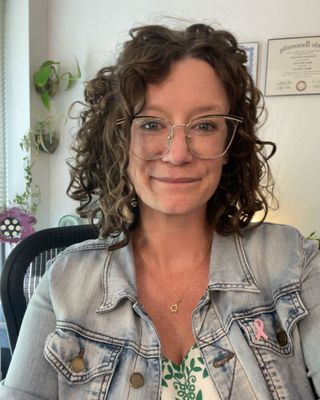
Group focuses on skill building, psychoeducation about addiction and the brain, having a space for those to share their experiences and offer support and gain support from others struggling with similar issues. This is a processing group with a strong emphasis on mental health utilizing cognitive behavioral, acceptance and commitment and DBT skills. All levels of recovery are welcome! Years of recovery, months, days, still struggling or contemplating if they need to be in recovery or trying to change their relationship with substances. All forms of addiction are welcome rather its substances, food, sex, porn, gambling or spending.
Learn new tools to manage differences in sexual desire and communication about intimacy.

Hosted by Relationship & Intimacy Center
Marriage & Family Therapist
Group meets in West Des Moines, IA 50266
Learn new tools to manage differences in sexual desire and communication about intimacy.
The group will meet weekly for one hour for one month. This is a group meant to lear the four DBT skills that will include Mindfulness, Interpersonal Effectiveness , Mood Regulation and Distress Tolerance so you can support your teens. There is a one time fee of 200.00 that will cover all four sessions.
The group will meet weekly for one hour for one month. This is a group meant to lear the four DBT skills that will include Mindfulness, Interpersonal Effectiveness , Mood Regulation and Distress Tolerance so you can support your teens. There is a one time fee of 200.00 that will cover all four sessions.
This group is intended for adults interested in building a community of support, acceptance, and collaboration. Members will increase their self-understanding and wellbeing. It is also meant to decrease isolation and loneliness and to help you develop trust, support, and overall life satisfaction.

This group is intended for adults interested in building a community of support, acceptance, and collaboration. Members will increase their self-understanding and wellbeing. It is also meant to decrease isolation and loneliness and to help you develop trust, support, and overall life satisfaction.
Healing Collective exists to be a safe place for individuals in Iowa to grow, heal old wounds, and create a thriving and meaningful life. We understand how difficult and scary your first therapy appointment with a new provider can be, in fact, everyone in our practice has been to therapy ourselves. We hope to make your first visit comfortable with cozy offices, free coffee/tea and snacks, and a welcoming and understanding environment. We are truly honored to meet everyone who enters our offices and we hope to be a support for whatever you may need on your journey.

Healing Collective exists to be a safe place for individuals in Iowa to grow, heal old wounds, and create a thriving and meaningful life. We understand how difficult and scary your first therapy appointment with a new provider can be, in fact, everyone in our practice has been to therapy ourselves. We hope to make your first visit comfortable with cozy offices, free coffee/tea and snacks, and a welcoming and understanding environment. We are truly honored to meet everyone who enters our offices and we hope to be a support for whatever you may need on your journey.
Do you want to improve your relationship and sexual life? Are you in a long-term relationship and intimacy seems to have gone out of the window? Or are you resenting your partner for having more desire or less desire than you? Learn more about what makes a great relationship and sexual experience, regardless of your age, background and preferences.

Hosted by Joseli Alves-Dunkerson
Marriage & Family Therapist, LMFT, CST, MBA
Group meets in West Des Moines, IA 50266
Do you want to improve your relationship and sexual life? Are you in a long-term relationship and intimacy seems to have gone out of the window? Or are you resenting your partner for having more desire or less desire than you? Learn more about what makes a great relationship and sexual experience, regardless of your age, background and preferences.
This group is an invitation to explore your life in a supportive and nurturing environment. Members are encouraged to feel, connect, and take ownership of their present dynamics while attending to their relationships towards one another. It also seeks healing from previous wounds in a safe and gradual manner.
This group is an invitation to explore your life in a supportive and nurturing environment. Members are encouraged to feel, connect, and take ownership of their present dynamics while attending to their relationships towards one another. It also seeks healing from previous wounds in a safe and gradual manner.
This workshop is for adults wanting to improve their social skills at work, with friends and with dating.
Hosted by Relationship & Intimacy Center
Marriage & Family Therapist
Group meets in West Des Moines, IA 50266
This workshop is for adults wanting to improve their social skills at work, with friends and with dating.
A Couples Therapy Intensive is an accelerated, immersive, and customized experience designed to provide a life-changing opportunity for a couple to process and overcome an urgent challenge in their relationship, such as an affair or deciding on separation or divorce. During the intensive, a couple meets with a therapist in person for 6 hours a day; and depending on the situation and depth of the challenge, it may take 1-3 days. This way, the intensive is designed for a real breakthrough. To learn more about intensives, visit our website www.relationshipandintimacy.com. Thank you.
Hosted by Joseli Alves-Dunkerson
Marriage & Family Therapist, LMFT, CST, MBA
Group meets in West Des Moines, IA 50266
A Couples Therapy Intensive is an accelerated, immersive, and customized experience designed to provide a life-changing opportunity for a couple to process and overcome an urgent challenge in their relationship, such as an affair or deciding on separation or divorce. During the intensive, a couple meets with a therapist in person for 6 hours a day; and depending on the situation and depth of the challenge, it may take 1-3 days. This way, the intensive is designed for a real breakthrough. To learn more about intensives, visit our website www.relationshipandintimacy.com. Thank you.
There are two groups: one for individuals looking for tools and strategies to coming out about their sexuality. The other group is for relatives and friends who want to provide strong support to a loved one who wants to or has already come out.
Hosted by Relationship & Intimacy Center
Marriage & Family Therapist
Group meets in West Des Moines, IA 50266
There are two groups: one for individuals looking for tools and strategies to coming out about their sexuality. The other group is for relatives and friends who want to provide strong support to a loved one who wants to or has already come out.
This group will focus on discussing the reasons for low libido in women and how to help them relax in their mind and body. The goal is to create better understanding of the role of stress on women's lives and how to address it in a way that promotes their libido. This group will include a book discussion, self-esteem, body image, and yoga and mindfulness practices. Recent research has shown how these approaches can be helpful for women wanting to improve their libido. This group will be led by therapists Elleni Huerter and Joseli Alves-Dunkerson.
Hosted by Joseli Alves-Dunkerson
Marriage & Family Therapist, LMFT, CST, MBA
Group meets in West Des Moines, IA 50266
This group will focus on discussing the reasons for low libido in women and how to help them relax in their mind and body. The goal is to create better understanding of the role of stress on women's lives and how to address it in a way that promotes their libido. This group will include a book discussion, self-esteem, body image, and yoga and mindfulness practices. Recent research has shown how these approaches can be helpful for women wanting to improve their libido. This group will be led by therapists Elleni Huerter and Joseli Alves-Dunkerson.
This is an opportunity to know yourself better in relationship with others. You will have a chance to learn how to articulate your internal experience to others and grow in your understanding of your interpersonal life. It also provides an opportunity for healing relational wounds in a safe and supportive environment.
This is an opportunity to know yourself better in relationship with others. You will have a chance to learn how to articulate your internal experience to others and grow in your understanding of your interpersonal life. It also provides an opportunity for healing relational wounds in a safe and supportive environment.

Hosted by Des Moines Therapy and Consulting, PC
Counselor, PhD
Group meets in West Des Moines, IA 50266
See more therapy options for West Des Moines


FAQs - About Group Therapy and Support Groups
How can I find a support group in West Des Moines?
To find a support group in your area, start by entering your city, zip code, or the name of the group into the search bar at the top of the page. When searching, consider whether you prefer an in-person or virtual group. This can help you decide how broad your geographic search should be. If you are open to virtual groups, you might want to search by state instead of just your city, especially if there are limited options nearby.
Once you complete your search, you can use the filters to narrow the results by selecting specialties (such as grief, trauma, or eating disorders), therapeutic approaches, age groups, and other criteria to find a group that best fits your needs.
Once you complete your search, you can use the filters to narrow the results by selecting specialties (such as grief, trauma, or eating disorders), therapeutic approaches, age groups, and other criteria to find a group that best fits your needs.
How does group therapy work?
Group therapy is led by one or more trained therapists and provides a space where participants can process their experiences and learn from others facing similar challenges. Groups may focus on a specific issue—such as addiction, grief, physical illnesses, parenting, or caregiving—or they may center around a particular therapeutic approach, such as Cognitive Behavioral Therapy (CBT), social skill development, or Exposure Therapy. Some groups are also designed for specific populations, such as teens, veterans, or LGBTQ+ individuals.
It’s also important to distinguish group therapy from peer-led support groups, like Alcoholics Anonymous. While both can offer valuable support, therapy groups are typically led by licensed professionals and follow a more structured format. Therapy groups often meet for a fixed length of time with a consistent group of members, while many peer support groups meet for an indefinite period of time with members coming and going.
It’s also important to distinguish group therapy from peer-led support groups, like Alcoholics Anonymous. While both can offer valuable support, therapy groups are typically led by licensed professionals and follow a more structured format. Therapy groups often meet for a fixed length of time with a consistent group of members, while many peer support groups meet for an indefinite period of time with members coming and going.
What are the benefits of group therapy?
Group therapy offers several important benefits. It brings together people facing similar challenges—whether related to mental health, physical health, or life transitions—and creates a supportive environment where participants can exchange feedback, share experiences, and learn from one another. Hearing different perspectives can help individuals discover new coping strategies and practical tools they may not have encountered on their own. Sharing personal experiences, such as coping with a serious illness or navigating family struggles, can also reduce feelings of isolation and foster a sense of connection and understanding. In addition to emotional support, group members often gain useful, real-world advice from peers who have faced similar situations.
Group therapy is typically more affordable than individual therapy and, for certain conditions, can be equally effective. Many groups also include structured activities—such as guided journaling, cognitive-behavioral exercises, or role-playing—to help participants develop concrete skills they can apply in daily life.
Group therapy is typically more affordable than individual therapy and, for certain conditions, can be equally effective. Many groups also include structured activities—such as guided journaling, cognitive-behavioral exercises, or role-playing—to help participants develop concrete skills they can apply in daily life.
Is group therapy as effective as individual therapy?
It is difficult to make a blanket statement about the effectiveness of support groups, as they vary widely in focus and the conditions they address. However, support groups can be highly valuable in helping individuals gain emotional support and achieve meaningful treatment outcomes. For certain conditions, such as substance use, research has shown that group therapy can be particularly effective—sometimes just as effective as individual therapy—in supporting long-term recovery.
Many professionals attribute the effectiveness of group therapy to the unique benefits of the group setting, which fosters peer-to-peer learning and a sense of connection through shared experiences. Group settings also offer accountability and encouragement from both facilitators and fellow participants, which helps sustain motivation and supports continued progress. These factors together play a key role in promoting the overall effectiveness of group therapy.
Many professionals attribute the effectiveness of group therapy to the unique benefits of the group setting, which fosters peer-to-peer learning and a sense of connection through shared experiences. Group settings also offer accountability and encouragement from both facilitators and fellow participants, which helps sustain motivation and supports continued progress. These factors together play a key role in promoting the overall effectiveness of group therapy.
How much does group therapy cost?
Group therapy is typically less expensive than individual therapy, with sessions typically costing between $50 and $75 each. In comparison, individual therapy can cost anywhere from $100 to $200 or more per session, even with insurance. Some therapists or organizations offer low-cost or free group therapy options, particularly through community centers or nonprofit organizations. In some cases, groups may require payment upfront for a set number of sessions, such as paying for six weekly sessions at the first meeting. However, many providers offer payment plans to help make participation more accessible if this upfront payment is required.
Does insurance cover group therapy?
As with individual therapy, insurance coverage for group therapy varies based on factors such as your specific insurance plan, the purpose of the group, your diagnosis, and whether the group provider is in-network. Many insurance plans cover group therapy sessions that address diagnosable mental health conditions, such as substance use disorders, anxiety, or depression.
However, groups that focus on topics not directly tied to a mental health diagnosis—such as parenting support or divorce recovery—are less likely to be covered. Because coverage can vary widely, it’s important to check with your insurance provider before joining a group to confirm whether the sessions will be covered and what out-of-pocket costs you may be responsible for.
However, groups that focus on topics not directly tied to a mental health diagnosis—such as parenting support or divorce recovery—are less likely to be covered. Because coverage can vary widely, it’s important to check with your insurance provider before joining a group to confirm whether the sessions will be covered and what out-of-pocket costs you may be responsible for.
How long does group therapy last?
The length of each group therapy session typically ranges from 45 minutes to two hours, depending on the therapy approach, the group’s goals, and how often the group meets. In some cases, group therapy is part of a larger treatment program, such as an Intensive Outpatient Program (IOP), where group sessions complement individual therapy and are scheduled as part of the program’s overall structure.
The duration of participation in a group also varies. Some groups are designed to be short-term, lasting anywhere from 6 to 24 weeks—for example, bereavement groups or skills-based groups like those using Dialectical Behavioral Therapy (DBT). Other groups may be longer-term, lasting a year or more, and some ongoing support groups meet indefinitely, allowing participants to stay as long as they find the group helpful.
The duration of participation in a group also varies. Some groups are designed to be short-term, lasting anywhere from 6 to 24 weeks—for example, bereavement groups or skills-based groups like those using Dialectical Behavioral Therapy (DBT). Other groups may be longer-term, lasting a year or more, and some ongoing support groups meet indefinitely, allowing participants to stay as long as they find the group helpful.
What are the limitations of support groups?
Support groups offer many benefits, but they also have certain limitations. Unlike therapy groups, many support groups do not provide formal therapeutic treatment and are not led by licensed mental health professionals. For individuals seeking clinical treatment for specific mental health diagnoses—such as depression, eating disorders, or substance use—individual therapy or group therapy led by a licensed professional may offer more personalized and specialized care.
The effectiveness of a support group also depends heavily on the group’s participants and the overall group dynamic. When members engage respectfully and offer constructive support, the group can foster valuable peer-to-peer learning. However, if certain participants dominate discussions, provide inaccurate advice, or create conflict, it can disrupt the group’s sense of safety and reduce its effectiveness. Confidentiality can also be harder to maintain in support groups, particularly in open groups where participants can join or leave at any time. With new members regularly entering the group, it can be more difficult to build and sustain a consistent sense of trust and privacy.
The effectiveness of a support group also depends heavily on the group’s participants and the overall group dynamic. When members engage respectfully and offer constructive support, the group can foster valuable peer-to-peer learning. However, if certain participants dominate discussions, provide inaccurate advice, or create conflict, it can disrupt the group’s sense of safety and reduce its effectiveness. Confidentiality can also be harder to maintain in support groups, particularly in open groups where participants can join or leave at any time. With new members regularly entering the group, it can be more difficult to build and sustain a consistent sense of trust and privacy.