Support Groups in Urbandale, IA
Meet online, once a month, with other adults who live with diabetes. Whether you’re newly diagnosed, lived with diabetes for years, or somewhere in between…welcome! Engage in meaningful, counselor led conversations that provide support, education, and connections to empower your diabetes management journey. Sessions are facilitated by a counselor who also lives with diabetes.
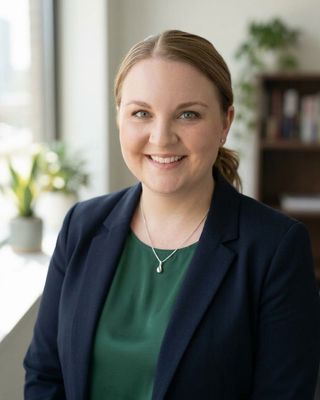
Meet online, once a month, with other adults who live with diabetes. Whether you’re newly diagnosed, lived with diabetes for years, or somewhere in between…welcome! Engage in meaningful, counselor led conversations that provide support, education, and connections to empower your diabetes management journey. Sessions are facilitated by a counselor who also lives with diabetes.
Fridays from 11am-12pm | Free Jordyn hosts this recurring virtual support group for postpartum parents looking to expand their support system.
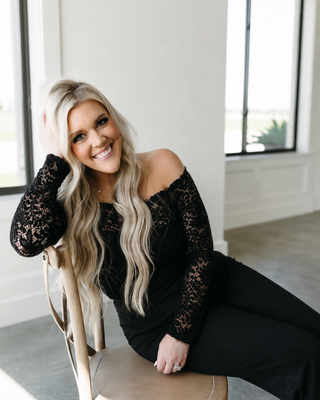
Hosted by Madison Sweet
Clinical Social Work/Therapist, Founder, LISW, PMH-C
Group meets in Urbandale, IA 50322
Fridays from 11am-12pm | Free Jordyn hosts this recurring virtual support group for postpartum parents looking to expand their support system.
The group helps to increase self worth, learn what self love is in terms of mental health and maintaining relationships. Mindfulness and relaxation techniques included during each group.

Hosted by Emberly J. Lashley
Licensed Mental Health Counselor, MSc, NCC, LMHC
Group meets in Urbandale, IA 50322
The group helps to increase self worth, learn what self love is in terms of mental health and maintaining relationships. Mindfulness and relaxation techniques included during each group.
More Groups Nearby
This 20–22 week virtual group offers a safe, supportive space for female and female-identifying individuals healing from childhood sexual abuse, assault, and trauma. Using The Courage to Heal materials by Laura Davis, we’ll explore guided exercises, reflection, and connection to foster empowerment, self-compassion, and lasting recovery. Two groups are offered. One for teens 13-18 and One for adults 18+ identifying as female.

This 20–22 week virtual group offers a safe, supportive space for female and female-identifying individuals healing from childhood sexual abuse, assault, and trauma. Using The Courage to Heal materials by Laura Davis, we’ll explore guided exercises, reflection, and connection to foster empowerment, self-compassion, and lasting recovery. Two groups are offered. One for teens 13-18 and One for adults 18+ identifying as female.
No person should feel helpless or alone when it comes to their mental health. Through in-person or virtual sessions, LSI Therapy Services empower Iowans along the way to a healthier and happier future. Ready to get started? Fill out your initial referral form https://lsiowa.org/intake-form/ or call us at 888.457.4692 today!

No person should feel helpless or alone when it comes to their mental health. Through in-person or virtual sessions, LSI Therapy Services empower Iowans along the way to a healthier and happier future. Ready to get started? Fill out your initial referral form https://lsiowa.org/intake-form/ or call us at 888.457.4692 today!
This group is for adults who have experienced trauma and live with symptoms related to PTSD. This group is appropriate for abuse survivors, first responders, military veterans, people who have survived accidents and natural disasters, childhood trauma, and many other traumatic events. We meet in person only on a biweekly basis in Clive, IA. to learn the skills to heal and move on from our past experiences and to enjoy fulfilling and meaningful lives. Most insurance accepted, including TriCare.

This group is for adults who have experienced trauma and live with symptoms related to PTSD. This group is appropriate for abuse survivors, first responders, military veterans, people who have survived accidents and natural disasters, childhood trauma, and many other traumatic events. We meet in person only on a biweekly basis in Clive, IA. to learn the skills to heal and move on from our past experiences and to enjoy fulfilling and meaningful lives. Most insurance accepted, including TriCare.
There are two groups: one for individuals looking for tools and strategies to coming out about their sexuality. The other group is for relatives and friends who want to provide strong support to a loved one who wants to or has already come out.

Hosted by Relationship & Intimacy Center
Marriage & Family Therapist
Group meets in West Des Moines, IA 50266
There are two groups: one for individuals looking for tools and strategies to coming out about their sexuality. The other group is for relatives and friends who want to provide strong support to a loved one who wants to or has already come out.
A lot of men were taught to ignore emotions until they explode. Man Made Anger Group helps break that cycle in a supportive, judgment-free space. Learning to manage anger is a strength. ANGER is rarely just about anger. We explore the drivers of anger: stress, fear, shame, hurt, loss of control — so you understand why reactions happen and how to respond differently next time. Awareness changes everything. Anger often comes from things left unsaid. This group focuses on assertive communication so you can express needs, boundaries, and frustrations without blowing up or shutting down. Better communication = fewer regrets later.

A lot of men were taught to ignore emotions until they explode. Man Made Anger Group helps break that cycle in a supportive, judgment-free space. Learning to manage anger is a strength. ANGER is rarely just about anger. We explore the drivers of anger: stress, fear, shame, hurt, loss of control — so you understand why reactions happen and how to respond differently next time. Awareness changes everything. Anger often comes from things left unsaid. This group focuses on assertive communication so you can express needs, boundaries, and frustrations without blowing up or shutting down. Better communication = fewer regrets later.
Experiencing betrayal by an intimate partner may feel as if your world has been turned upside down. You may experience conflicting feelings that are difficult for others to understand. Accessing support from others who have also experienced betrayal may be foundational support. This group provides education, empathy, and connection to help you move through the pain of betrayal.

Experiencing betrayal by an intimate partner may feel as if your world has been turned upside down. You may experience conflicting feelings that are difficult for others to understand. Accessing support from others who have also experienced betrayal may be foundational support. This group provides education, empathy, and connection to help you move through the pain of betrayal.
Heart & Vine Counseling and Wellness is a private practice serving teens and adults navigating anxiety, trauma, and life transitions. We provide structured, skill-based therapy grounded in CBT, DBT, and mindfulness approaches. Our work focuses on nervous system regulation, practical coping tools, and meaningful, lasting change. Christian faith integration is available when desired. We offer a calm, steady environment where clients can better understand their mind and move forward with clarity and confidence.

Heart & Vine Counseling and Wellness is a private practice serving teens and adults navigating anxiety, trauma, and life transitions. We provide structured, skill-based therapy grounded in CBT, DBT, and mindfulness approaches. Our work focuses on nervous system regulation, practical coping tools, and meaningful, lasting change. Christian faith integration is available when desired. We offer a calm, steady environment where clients can better understand their mind and move forward with clarity and confidence.
Evaluations are done 7 days a week with a quick turnaround. Return-to-duty right away as the evaluation is completed for a Nationwide virtual experience!

Evaluations are done 7 days a week with a quick turnaround. Return-to-duty right away as the evaluation is completed for a Nationwide virtual experience!
To help heal the stress and trauma of cancer survivors through individual and collaborative art projects, journallng, group talk therapy and mindfulness. My program is a 13 week, one (3 hr) group session per week program that focuses on different healing themes that cancer survivors will know something about. The program in 1/3 art therapy, 1/3 group therapy and relational work, and 1/3 psycho-education. The program is hosted, supported and sponsored by Above and Beyond Cancer.
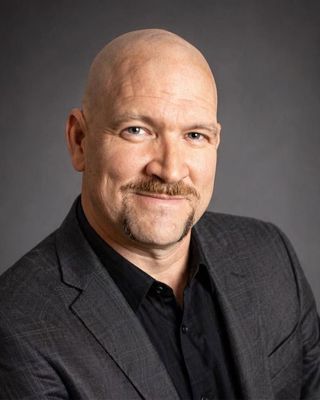
To help heal the stress and trauma of cancer survivors through individual and collaborative art projects, journallng, group talk therapy and mindfulness. My program is a 13 week, one (3 hr) group session per week program that focuses on different healing themes that cancer survivors will know something about. The program in 1/3 art therapy, 1/3 group therapy and relational work, and 1/3 psycho-education. The program is hosted, supported and sponsored by Above and Beyond Cancer.
This group will focus on discussing the reasons for low libido in women and how to help them relax in their mind and body. The goal is to create better understanding of the role of stress on women's lives and how to address it in a way that promotes their libido. This group will include a book discussion, self-esteem, body image, and yoga and mindfulness practices. Recent research has shown how these approaches can be helpful for women wanting to improve their libido. This group will be led by therapists Elleni Huerter and Joseli Alves-Dunkerson.

Hosted by Elleni Huerter
Clinical Social Work/Therapist, LMSW
Group meets in West Des Moines, IA 50266
This group will focus on discussing the reasons for low libido in women and how to help them relax in their mind and body. The goal is to create better understanding of the role of stress on women's lives and how to address it in a way that promotes their libido. This group will include a book discussion, self-esteem, body image, and yoga and mindfulness practices. Recent research has shown how these approaches can be helpful for women wanting to improve their libido. This group will be led by therapists Elleni Huerter and Joseli Alves-Dunkerson.
Bipolar Alliance Support Experience: A Bipolar Support Group joins us on Mondays, 6-7:30 pm at Smokey Row! Everyone is welcome!!
Bipolar Alliance Support Experience: A Bipolar Support Group joins us on Mondays, 6-7:30 pm at Smokey Row! Everyone is welcome!!
This group meets online to support any man struggling with addictive or self-medicating behaviors during this isolating time. All forms of self-medicating welcome such as: pornography, sex, drugs/alcohol, food, video games, work, gambling and relationships. This is a group of 8-10 men that learn tools to more effectively maintain healthy long-term sobriety. The group is actively engaged in each other's lives outside of group time throughout the week via text/phone. The opposite of addiction is not sobriety; It's connection!

This group meets online to support any man struggling with addictive or self-medicating behaviors during this isolating time. All forms of self-medicating welcome such as: pornography, sex, drugs/alcohol, food, video games, work, gambling and relationships. This is a group of 8-10 men that learn tools to more effectively maintain healthy long-term sobriety. The group is actively engaged in each other's lives outside of group time throughout the week via text/phone. The opposite of addiction is not sobriety; It's connection!
This remote FEEL Skills Group provides a dedicated space for women and LGBTQIA+ Iowans to thrive. These accessible sessions combine clinical excellence with a supportive community environment focused on interpersonal growth and emotional regulation. The group utilizes evidence-based skills to help participants navigate life’s challenges, fostering a vibrant network of collective resilience. Whether you're seeking to improve relationship dynamics or master new coping tools, this group offers inclusive, expert-led support designed to achieve lasting stability from the comfort of home.

This remote FEEL Skills Group provides a dedicated space for women and LGBTQIA+ Iowans to thrive. These accessible sessions combine clinical excellence with a supportive community environment focused on interpersonal growth and emotional regulation. The group utilizes evidence-based skills to help participants navigate life’s challenges, fostering a vibrant network of collective resilience. Whether you're seeking to improve relationship dynamics or master new coping tools, this group offers inclusive, expert-led support designed to achieve lasting stability from the comfort of home.
Group focuses on skill building, psychoeducation about addiction and the brain, having a space for those to share their experiences and offer support and gain support from others struggling with similar issues. This is a processing group with a strong emphasis on mental health utilizing cognitive behavioral, acceptance and commitment and DBT skills. All levels of recovery are welcome! Years of recovery, months, days, still struggling or contemplating if they need to be in recovery or trying to change their relationship with substances. All forms of addiction are welcome rather its substances, food, sex, porn, gambling or spending.
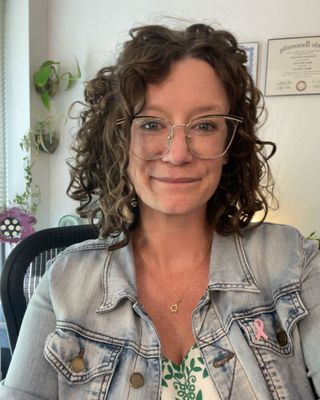
Group focuses on skill building, psychoeducation about addiction and the brain, having a space for those to share their experiences and offer support and gain support from others struggling with similar issues. This is a processing group with a strong emphasis on mental health utilizing cognitive behavioral, acceptance and commitment and DBT skills. All levels of recovery are welcome! Years of recovery, months, days, still struggling or contemplating if they need to be in recovery or trying to change their relationship with substances. All forms of addiction are welcome rather its substances, food, sex, porn, gambling or spending.
The group will meet weekly for one hour for one month. This is a group meant to lear the four DBT skills that will include Mindfulness, Interpersonal Effectiveness , Mood Regulation and Distress Tolerance so you can support your teens. There is a one time fee of 200.00 that will cover all four sessions.

The group will meet weekly for one hour for one month. This is a group meant to lear the four DBT skills that will include Mindfulness, Interpersonal Effectiveness , Mood Regulation and Distress Tolerance so you can support your teens. There is a one time fee of 200.00 that will cover all four sessions.
The Bipolar Alliance Support Experience’s (BASE) mission is to support and empower individuals living with bipolar disorder. We strive to develop understanding, acceptance, and resilience by providing an inclusive environment for sharing experiences, knowledge, and resources. We are committed to educate, advocate, and provide peer support. We are breaking the stigma surrounding bipolar disorder and fostering wellbeing. We use a combination of psychoeducation, lifestyle management and discussions on medications to foster wellbeing with our group members. Our members are a part of a tight-knit community that experience acceptance through sharing life together.
Hosted by Tami Halbersma
Psychiatric Nurse Practitioner, ARNP, PMHNP
Group meets in Des Moines, IA 50314
The Bipolar Alliance Support Experience’s (BASE) mission is to support and empower individuals living with bipolar disorder. We strive to develop understanding, acceptance, and resilience by providing an inclusive environment for sharing experiences, knowledge, and resources. We are committed to educate, advocate, and provide peer support. We are breaking the stigma surrounding bipolar disorder and fostering wellbeing. We use a combination of psychoeducation, lifestyle management and discussions on medications to foster wellbeing with our group members. Our members are a part of a tight-knit community that experience acceptance through sharing life together.
Do you want to improve your relationship and sexual life? Are you in a long-term relationship and intimacy seems to have gone out of the window? Or are you resenting your partner for having more desire or less desire than you? Learn more about what makes a great relationship and sexual experience, regardless of your age, background and preferences.

Hosted by Joseli Alves-Dunkerson
Marriage & Family Therapist, LMFT, CST, MBA
Group meets in West Des Moines, IA 50266
Do you want to improve your relationship and sexual life? Are you in a long-term relationship and intimacy seems to have gone out of the window? Or are you resenting your partner for having more desire or less desire than you? Learn more about what makes a great relationship and sexual experience, regardless of your age, background and preferences.
See more therapy options for Urbandale


FAQs - About Group Therapy and Support Groups
How can I find a support group in Urbandale?
To find a support group in your area, start by entering your city, zip code, or the name of the group into the search bar at the top of the page. When searching, consider whether you prefer an in-person or virtual group. This can help you decide how broad your geographic search should be. If you are open to virtual groups, you might want to search by state instead of just your city, especially if there are limited options nearby.
Once you complete your search, you can use the filters to narrow the results by selecting specialties (such as grief, trauma, or eating disorders), therapeutic approaches, age groups, and other criteria to find a group that best fits your needs.
How does group therapy work?
Group therapy is led by one or more trained therapists and provides a space where participants can process their experiences and learn from others facing similar challenges. Groups may focus on a specific issue—such as addiction, grief, physical illnesses, parenting, or caregiving—or they may center around a particular therapeutic approach, such as Cognitive Behavioral Therapy (CBT), social skill development, or Exposure Therapy. Some groups are also designed for specific populations, such as teens, veterans, or LGBTQ+ individuals.
It’s also important to distinguish group therapy from peer-led support groups, like Alcoholics Anonymous. While both can offer valuable support, therapy groups are typically led by licensed professionals and follow a more structured format. Therapy groups often meet for a fixed length of time with a consistent group of members, while many peer support groups meet for an indefinite period of time with members coming and going.
What are the benefits of group therapy?
Group therapy offers several important benefits. It brings together people facing similar challenges—whether related to mental health, physical health, or life transitions—and creates a supportive environment where participants can exchange feedback, share experiences, and learn from one another. Hearing different perspectives can help individuals discover new coping strategies and practical tools they may not have encountered on their own. Sharing personal experiences, such as coping with a serious illness or navigating family struggles, can also reduce feelings of isolation and foster a sense of connection and understanding. In addition to emotional support, group members often gain useful, real-world advice from peers who have faced similar situations.
Group therapy is typically more affordable than individual therapy and, for certain conditions, can be equally effective. Many groups also include structured activities—such as guided journaling, cognitive-behavioral exercises, or role-playing—to help participants develop concrete skills they can apply in daily life.
Is group therapy as effective as individual therapy?
It is difficult to make a blanket statement about the effectiveness of support groups, as they vary widely in focus and the conditions they address. However, support groups can be highly valuable in helping individuals gain emotional support and achieve meaningful treatment outcomes. For certain conditions, such as substance use, research has shown that group therapy can be particularly effective—sometimes just as effective as individual therapy—in supporting long-term recovery.
Many professionals attribute the effectiveness of group therapy to the unique benefits of the group setting, which fosters peer-to-peer learning and a sense of connection through shared experiences. Group settings also offer accountability and encouragement from both facilitators and fellow participants, which helps sustain motivation and supports continued progress. These factors together play a key role in promoting the overall effectiveness of group therapy.
How much does group therapy cost?
Group therapy is typically less expensive than individual therapy, with sessions typically costing between $50 and $75 each. In comparison, individual therapy can cost anywhere from $100 to $200 or more per session, even with insurance. Some therapists or organizations offer low-cost or free group therapy options, particularly through community centers or nonprofit organizations. In some cases, groups may require payment upfront for a set number of sessions, such as paying for six weekly sessions at the first meeting. However, many providers offer payment plans to help make participation more accessible if this upfront payment is required.
Does insurance cover group therapy?
As with individual therapy, insurance coverage for group therapy varies based on factors such as your specific insurance plan, the purpose of the group, your diagnosis, and whether the group provider is in-network. Many insurance plans cover group therapy sessions that address diagnosable mental health conditions, such as substance use disorders, anxiety, or depression.
However, groups that focus on topics not directly tied to a mental health diagnosis—such as parenting support or divorce recovery—are less likely to be covered. Because coverage can vary widely, it’s important to check with your insurance provider before joining a group to confirm whether the sessions will be covered and what out-of-pocket costs you may be responsible for.
How long does group therapy last?
The length of each group therapy session typically ranges from 45 minutes to two hours, depending on the therapy approach, the group’s goals, and how often the group meets. In some cases, group therapy is part of a larger treatment program, such as an Intensive Outpatient Program (IOP), where group sessions complement individual therapy and are scheduled as part of the program’s overall structure.
The duration of participation in a group also varies. Some groups are designed to be short-term, lasting anywhere from 6 to 24 weeks—for example, bereavement groups or skills-based groups like those using Dialectical Behavioral Therapy (DBT). Other groups may be longer-term, lasting a year or more, and some ongoing support groups meet indefinitely, allowing participants to stay as long as they find the group helpful.
What are the limitations of support groups?
Support groups offer many benefits, but they also have certain limitations. Unlike therapy groups, many support groups do not provide formal therapeutic treatment and are not led by licensed mental health professionals. For individuals seeking clinical treatment for specific mental health diagnoses—such as depression, eating disorders, or substance use—individual therapy or group therapy led by a licensed professional may offer more personalized and specialized care.
The effectiveness of a support group also depends heavily on the group’s participants and the overall group dynamic. When members engage respectfully and offer constructive support, the group can foster valuable peer-to-peer learning. However, if certain participants dominate discussions, provide inaccurate advice, or create conflict, it can disrupt the group’s sense of safety and reduce its effectiveness. Confidentiality can also be harder to maintain in support groups, particularly in open groups where participants can join or leave at any time. With new members regularly entering the group, it can be more difficult to build and sustain a consistent sense of trust and privacy.