Support Groups in Woodstock, GA
We are a therapist office, dedicated to assist you in overcoming struggles from endured trauma. We help you to move forward towards a healthy and happy life. We work with those who have been afflicted by sexual abuse, domestic violence, family conflict, anxiety disorders, behavioral issues, and various others. We work with individuals as well as families to facilitate healthy relationships and inner peace.

We are a therapist office, dedicated to assist you in overcoming struggles from endured trauma. We help you to move forward towards a healthy and happy life. We work with those who have been afflicted by sexual abuse, domestic violence, family conflict, anxiety disorders, behavioral issues, and various others. We work with individuals as well as families to facilitate healthy relationships and inner peace.
This 8-week process group helps participants build self-awareness, explore emotions and attachment patterns, and learn DBT- and CBT-informed skills to regulate emotions and strengthen relationships. Groups are available for middle school, high school, and adults, with age-appropriate support in a safe, welcoming environment.

This 8-week process group helps participants build self-awareness, explore emotions and attachment patterns, and learn DBT- and CBT-informed skills to regulate emotions and strengthen relationships. Groups are available for middle school, high school, and adults, with age-appropriate support in a safe, welcoming environment.
Men Navigating Relationships is an open 10-Topic, therapist-led group for men who want stronger, steadier partnerships. We blend practical skills (communication, boundaries, repair, conflict de-escalation) with insight work rooted in attachment, CBT, and accountability. Expect straight talk, structured exercises, and weekly SMART goals—no clichés, no shaming, just real progress you can use at home. You will receive an Insight For Mem Relationship Repair Kit as well. Ideal for dating, committed, or rebuilding relationships. Visit www.Insights-counseling.com for more information or call Dan Mulloy LPC, CAMS-II at 770-883-6988. MOST INSURANCE ACCEPTED
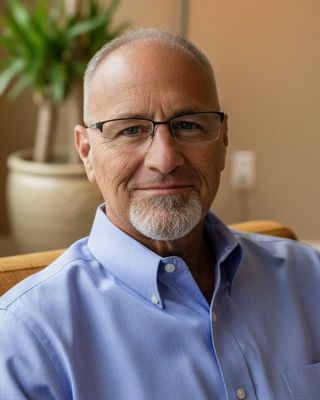
Hosted by Man-To-Man Counseling
Licensed Professional Counselor, LPC, CAMS-II
Group meets in Woodstock, GA 30188
Men Navigating Relationships is an open 10-Topic, therapist-led group for men who want stronger, steadier partnerships. We blend practical skills (communication, boundaries, repair, conflict de-escalation) with insight work rooted in attachment, CBT, and accountability. Expect straight talk, structured exercises, and weekly SMART goals—no clichés, no shaming, just real progress you can use at home. You will receive an Insight For Mem Relationship Repair Kit as well. Ideal for dating, committed, or rebuilding relationships. Visit www.Insights-counseling.com for more information or call Dan Mulloy LPC, CAMS-II at 770-883-6988. MOST INSURANCE ACCEPTED
IOP offers intensive out patient group sessions. Groups focus on addictions, substance abuse, and mental health. In group we focus on psychoeducational topics that are beneficial to the client, with processing being a key component too. We cover all the area's that addiction affects: Biological, Psychological, Social, Spiritual.

Hosted by Amanda K. Celmer
Drug & Alcohol Counselor, CADCII, CCDS
Group meets in Woodstock, GA 30188
IOP offers intensive out patient group sessions. Groups focus on addictions, substance abuse, and mental health. In group we focus on psychoeducational topics that are beneficial to the client, with processing being a key component too. We cover all the area's that addiction affects: Biological, Psychological, Social, Spiritual.
Therasports Mental Performance Bootcamp is an EMDR Performance Enhancement workshop that consists of one three hour small group session. Each group will consist of 6-8 athletes, that are high school age. Athletes will learn sport performance enhancement mental skills to help reduce anxiety and stress, as well as increase motivation, confidence, and mental toughness. This workshop is great for any athlete who may be experiencing anxiety on or off the field, and/or an athlete that wants to build mental strength and improve performance on the field. All sports and levels are welcome.

Hosted by Alma Gardarsdottir
Clinical Social Work/Therapist, LCSW
Group meets in Woodstock, GA 30188
Therasports Mental Performance Bootcamp is an EMDR Performance Enhancement workshop that consists of one three hour small group session. Each group will consist of 6-8 athletes, that are high school age. Athletes will learn sport performance enhancement mental skills to help reduce anxiety and stress, as well as increase motivation, confidence, and mental toughness. This workshop is great for any athlete who may be experiencing anxiety on or off the field, and/or an athlete that wants to build mental strength and improve performance on the field. All sports and levels are welcome.
This group is for women aged 50+ that are navigating the transitions and issues of this stage of life. This is a considered a Growth/Process group where members work through life issues and emotions while lending a tremendous amount of support to one another. I do have openings that I fill and start off new cycles throughout the year, so do not hesitate to ask. As of 2/08/24, I have 2 openings!

This group is for women aged 50+ that are navigating the transitions and issues of this stage of life. This is a considered a Growth/Process group where members work through life issues and emotions while lending a tremendous amount of support to one another. I do have openings that I fill and start off new cycles throughout the year, so do not hesitate to ask. As of 2/08/24, I have 2 openings!
DBT can help clients cope with stress, regulate their emotions and improve communication skills. Adolescents will be taught coping skills to more effectively control their emotions. They will also learn skills to improve their relationships with others.

DBT can help clients cope with stress, regulate their emotions and improve communication skills. Adolescents will be taught coping skills to more effectively control their emotions. They will also learn skills to improve their relationships with others.
My goal is to promote and help you develop your clinical skills. In addition, reviewing cases, identifying your therapeutic approach, providing resources and offering you support during the supervision process is significant. I have experience in working with DFCS, schools/daycare centers and owning a private practice. I look forward to working with you!

My goal is to promote and help you develop your clinical skills. In addition, reviewing cases, identifying your therapeutic approach, providing resources and offering you support during the supervision process is significant. I have experience in working with DFCS, schools/daycare centers and owning a private practice. I look forward to working with you!
We facilitate an Intensive Outpatient Program for those struggling with addiction and mental health. We also provide group counseling for teens and adolescents struggling with anger and/or addiction

Hosted by Britt Parramore
Licensed Professional Counselor, LPC, CAADC
Group meets in Woodstock, GA 30188
We facilitate an Intensive Outpatient Program for those struggling with addiction and mental health. We also provide group counseling for teens and adolescents struggling with anger and/or addiction
At our practice, we offer compassionate and personalized mental health support for individuals ages 8 and up. Our team provides a safe, inclusive space to explore a wide range of concerns, including anxiety, depression, life transitions, trauma, family dynamics, and more. We are committed to helping clients build resilience, develop healthy coping skills, and create meaningful change at every stage of life.

At our practice, we offer compassionate and personalized mental health support for individuals ages 8 and up. Our team provides a safe, inclusive space to explore a wide range of concerns, including anxiety, depression, life transitions, trauma, family dynamics, and more. We are committed to helping clients build resilience, develop healthy coping skills, and create meaningful change at every stage of life.
This group is for High School athletes (Juniors & Seniors) who are in the process of applying, committing, or accepting an offer to play sports in College. If you are finding yourself being overwhelmed with the transition to college, this is the group for you. It can be frightening to leave everything you have ever known, your high-school, your sport teams, your home town, your friends, moving away from parents, and having to start completely new at a new school, possibly a new state. In this group you will be able to meet other athletes going through similar situation.
Hosted by Alma Gardarsdottir
Clinical Social Work/Therapist, LCSW
Group meets in Woodstock, GA 30188
This group is for High School athletes (Juniors & Seniors) who are in the process of applying, committing, or accepting an offer to play sports in College. If you are finding yourself being overwhelmed with the transition to college, this is the group for you. It can be frightening to leave everything you have ever known, your high-school, your sport teams, your home town, your friends, moving away from parents, and having to start completely new at a new school, possibly a new state. In this group you will be able to meet other athletes going through similar situation.
The group will focus on the 5 modules of DBT which include- Mindfulness, Distress Tolerance, Emotion Regulation, Interpersonal Effectiveness and Middle Path. Group members will learn coping skills to more effectively manage their emotions. Communication skills will be taught which will enhance relationships.
The group will focus on the 5 modules of DBT which include- Mindfulness, Distress Tolerance, Emotion Regulation, Interpersonal Effectiveness and Middle Path. Group members will learn coping skills to more effectively manage their emotions. Communication skills will be taught which will enhance relationships.
We are a counseling team committed to providing compassionate, evidence-based care that helps individuals, couples, and families heal and grow. We offer a safe, steady place rooted in hope, where your story is honored and your well-being is our priority.

We are a counseling team committed to providing compassionate, evidence-based care that helps individuals, couples, and families heal and grow. We offer a safe, steady place rooted in hope, where your story is honored and your well-being is our priority.
It can be difficult to know how to support a teen while he/she undergoes peer pressure, bullying, social media scrutiny and normal "drama". This group provides support for parents who need tips on how to cope effectively without getting into a power struggle. This group provides hands-on, real tips you can use immediately. Come join us- you are not alone in your quest to raise an amazing, independent, law-abiding teen :).
It can be difficult to know how to support a teen while he/she undergoes peer pressure, bullying, social media scrutiny and normal "drama". This group provides support for parents who need tips on how to cope effectively without getting into a power struggle. This group provides hands-on, real tips you can use immediately. Come join us- you are not alone in your quest to raise an amazing, independent, law-abiding teen :).
More Groups Nearby
An opportunity for professionals to "check in" with each other on the status of their respective recoveries, present issues related to their recovery, and receive feedback from the group facilitator as well as other group members.
An opportunity for professionals to "check in" with each other on the status of their respective recoveries, present issues related to their recovery, and receive feedback from the group facilitator as well as other group members.
Research and brain imaging show that what we think can actually help us grow a more positive, grounded approach to life and that those changes are reflected in stronger connections in your brain. This group teaches mind management skills that keep our brains healthy, assist in our management of pain, and more importantly demonstrate an end of group improvement in happiness, resilience, love, self-awareness, joy, gratitude, and self-compassion (at the 8 week completion). In addition, participation in the group lowered participants' intensity of mild to moderate anxiety and depression. Results were maintained 2 months after the group ended.

Research and brain imaging show that what we think can actually help us grow a more positive, grounded approach to life and that those changes are reflected in stronger connections in your brain. This group teaches mind management skills that keep our brains healthy, assist in our management of pain, and more importantly demonstrate an end of group improvement in happiness, resilience, love, self-awareness, joy, gratitude, and self-compassion (at the 8 week completion). In addition, participation in the group lowered participants' intensity of mild to moderate anxiety and depression. Results were maintained 2 months after the group ended.
The Family Violence Intervention Program (FVIP) is a psychoeducational program mandated by law to all convicted persons of a Family Violence Act offense. The program lasts 24 weeks which must be completed within a 27 week period in a group setting, for 1hr-45min. The Road to Recovery is Certified by the Georgia Commission on Family Violence to provide this program in four Judicial Circuits. For more information contact rdtorecovery.com

Hosted by Rocio Del Milagro Woody
Clinical Social Work/Therapist, MAC, NCAC-II, CCS, CFVIP, LCSW
Group meets in Atlanta, GA 30340
The Family Violence Intervention Program (FVIP) is a psychoeducational program mandated by law to all convicted persons of a Family Violence Act offense. The program lasts 24 weeks which must be completed within a 27 week period in a group setting, for 1hr-45min. The Road to Recovery is Certified by the Georgia Commission on Family Violence to provide this program in four Judicial Circuits. For more information contact rdtorecovery.com
I lead this Virtual Adolescent Women’s Wellness Group to create a supportive space where teen girls and young women can connect, share, and grow together. Using Plutonic’s immersive virtual therapy spaces, I guide participants through conversations and practical tools to manage stress, build confidence, and navigate friendships, relationships, and life transitions. My goal is to help members develop resilience, strengthen communication, and form meaningful peer connections in an engaging, comfortable environment. This group is ideal for teens and young adults experiencing anxiety, social challenges, school pressure, or looking for encouragement and community.

I lead this Virtual Adolescent Women’s Wellness Group to create a supportive space where teen girls and young women can connect, share, and grow together. Using Plutonic’s immersive virtual therapy spaces, I guide participants through conversations and practical tools to manage stress, build confidence, and navigate friendships, relationships, and life transitions. My goal is to help members develop resilience, strengthen communication, and form meaningful peer connections in an engaging, comfortable environment. This group is ideal for teens and young adults experiencing anxiety, social challenges, school pressure, or looking for encouragement and community.
Active Parenting is a series of programs for teaching families how to rear well-balanced children to become happy and capable adults. Parents, grandparents, and caregivers are welcome to participate as a united team provides consistency. Modules include AP for 5-12 y/o, AP for Step Families, AP for Teens, Cooperative Parenting & Divorce.
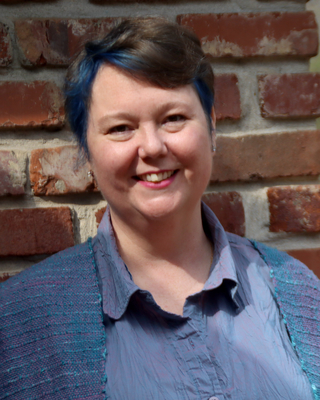
Hosted by Peyton Lathem Waggener
Licensed Professional Counselor, CMAC, LPC, NCC, MS, CCH
Group meets in Chamblee, GA 30341
Active Parenting is a series of programs for teaching families how to rear well-balanced children to become happy and capable adults. Parents, grandparents, and caregivers are welcome to participate as a united team provides consistency. Modules include AP for 5-12 y/o, AP for Step Families, AP for Teens, Cooperative Parenting & Divorce.
IEP's, 504 Plans; what does all that mean anyway? If you've asked yourself these questions then this group is for you. Understanding the IEP will provide psychoeducation on what an IEP is, how it's different from a 504 plan, the IEP process, & mental health & behavioral issues that may qualify for an IEP. Lastly recognize many parents are concerned about their children now that there maybe changes to the educational system in the future. In the Understanding the IEP group we will give parents time to talk through those concerns with likeminded parents & a therapist.

Hosted by Psychcicle Atlanta
Marriage & Family Therapist, LMFT, C-DBT, LMSW
Group meets in Atlanta, GA 30326
IEP's, 504 Plans; what does all that mean anyway? If you've asked yourself these questions then this group is for you. Understanding the IEP will provide psychoeducation on what an IEP is, how it's different from a 504 plan, the IEP process, & mental health & behavioral issues that may qualify for an IEP. Lastly recognize many parents are concerned about their children now that there maybe changes to the educational system in the future. In the Understanding the IEP group we will give parents time to talk through those concerns with likeminded parents & a therapist.
See more therapy options for Woodstock


FAQs - About Group Therapy and Support Groups
How can I find a support group in Woodstock?
To find a support group in your area, start by entering your city, zip code, or the name of the group into the search bar at the top of the page. When searching, consider whether you prefer an in-person or virtual group. This can help you decide how broad your geographic search should be. If you are open to virtual groups, you might want to search by state instead of just your city, especially if there are limited options nearby.
Once you complete your search, you can use the filters to narrow the results by selecting specialties (such as grief, trauma, or eating disorders), therapeutic approaches, age groups, and other criteria to find a group that best fits your needs.
Once you complete your search, you can use the filters to narrow the results by selecting specialties (such as grief, trauma, or eating disorders), therapeutic approaches, age groups, and other criteria to find a group that best fits your needs.
How does group therapy work?
Group therapy is led by one or more trained therapists and provides a space where participants can process their experiences and learn from others facing similar challenges. Groups may focus on a specific issue—such as addiction, grief, physical illnesses, parenting, or caregiving—or they may center around a particular therapeutic approach, such as Cognitive Behavioral Therapy (CBT), social skill development, or Exposure Therapy. Some groups are also designed for specific populations, such as teens, veterans, or LGBTQ+ individuals.
It’s also important to distinguish group therapy from peer-led support groups, like Alcoholics Anonymous. While both can offer valuable support, therapy groups are typically led by licensed professionals and follow a more structured format. Therapy groups often meet for a fixed length of time with a consistent group of members, while many peer support groups meet for an indefinite period of time with members coming and going.
It’s also important to distinguish group therapy from peer-led support groups, like Alcoholics Anonymous. While both can offer valuable support, therapy groups are typically led by licensed professionals and follow a more structured format. Therapy groups often meet for a fixed length of time with a consistent group of members, while many peer support groups meet for an indefinite period of time with members coming and going.
What are the benefits of group therapy?
Group therapy offers several important benefits. It brings together people facing similar challenges—whether related to mental health, physical health, or life transitions—and creates a supportive environment where participants can exchange feedback, share experiences, and learn from one another. Hearing different perspectives can help individuals discover new coping strategies and practical tools they may not have encountered on their own. Sharing personal experiences, such as coping with a serious illness or navigating family struggles, can also reduce feelings of isolation and foster a sense of connection and understanding. In addition to emotional support, group members often gain useful, real-world advice from peers who have faced similar situations.
Group therapy is typically more affordable than individual therapy and, for certain conditions, can be equally effective. Many groups also include structured activities—such as guided journaling, cognitive-behavioral exercises, or role-playing—to help participants develop concrete skills they can apply in daily life.
Group therapy is typically more affordable than individual therapy and, for certain conditions, can be equally effective. Many groups also include structured activities—such as guided journaling, cognitive-behavioral exercises, or role-playing—to help participants develop concrete skills they can apply in daily life.
Is group therapy as effective as individual therapy?
It is difficult to make a blanket statement about the effectiveness of support groups, as they vary widely in focus and the conditions they address. However, support groups can be highly valuable in helping individuals gain emotional support and achieve meaningful treatment outcomes. For certain conditions, such as substance use, research has shown that group therapy can be particularly effective—sometimes just as effective as individual therapy—in supporting long-term recovery.
Many professionals attribute the effectiveness of group therapy to the unique benefits of the group setting, which fosters peer-to-peer learning and a sense of connection through shared experiences. Group settings also offer accountability and encouragement from both facilitators and fellow participants, which helps sustain motivation and supports continued progress. These factors together play a key role in promoting the overall effectiveness of group therapy.
Many professionals attribute the effectiveness of group therapy to the unique benefits of the group setting, which fosters peer-to-peer learning and a sense of connection through shared experiences. Group settings also offer accountability and encouragement from both facilitators and fellow participants, which helps sustain motivation and supports continued progress. These factors together play a key role in promoting the overall effectiveness of group therapy.
How much does group therapy cost?
Group therapy is typically less expensive than individual therapy, with sessions typically costing between $50 and $75 each. In comparison, individual therapy can cost anywhere from $100 to $200 or more per session, even with insurance. Some therapists or organizations offer low-cost or free group therapy options, particularly through community centers or nonprofit organizations. In some cases, groups may require payment upfront for a set number of sessions, such as paying for six weekly sessions at the first meeting. However, many providers offer payment plans to help make participation more accessible if this upfront payment is required.
Does insurance cover group therapy?
As with individual therapy, insurance coverage for group therapy varies based on factors such as your specific insurance plan, the purpose of the group, your diagnosis, and whether the group provider is in-network. Many insurance plans cover group therapy sessions that address diagnosable mental health conditions, such as substance use disorders, anxiety, or depression.
However, groups that focus on topics not directly tied to a mental health diagnosis—such as parenting support or divorce recovery—are less likely to be covered. Because coverage can vary widely, it’s important to check with your insurance provider before joining a group to confirm whether the sessions will be covered and what out-of-pocket costs you may be responsible for.
However, groups that focus on topics not directly tied to a mental health diagnosis—such as parenting support or divorce recovery—are less likely to be covered. Because coverage can vary widely, it’s important to check with your insurance provider before joining a group to confirm whether the sessions will be covered and what out-of-pocket costs you may be responsible for.
How long does group therapy last?
The length of each group therapy session typically ranges from 45 minutes to two hours, depending on the therapy approach, the group’s goals, and how often the group meets. In some cases, group therapy is part of a larger treatment program, such as an Intensive Outpatient Program (IOP), where group sessions complement individual therapy and are scheduled as part of the program’s overall structure.
The duration of participation in a group also varies. Some groups are designed to be short-term, lasting anywhere from 6 to 24 weeks—for example, bereavement groups or skills-based groups like those using Dialectical Behavioral Therapy (DBT). Other groups may be longer-term, lasting a year or more, and some ongoing support groups meet indefinitely, allowing participants to stay as long as they find the group helpful.
The duration of participation in a group also varies. Some groups are designed to be short-term, lasting anywhere from 6 to 24 weeks—for example, bereavement groups or skills-based groups like those using Dialectical Behavioral Therapy (DBT). Other groups may be longer-term, lasting a year or more, and some ongoing support groups meet indefinitely, allowing participants to stay as long as they find the group helpful.
What are the limitations of support groups?
Support groups offer many benefits, but they also have certain limitations. Unlike therapy groups, many support groups do not provide formal therapeutic treatment and are not led by licensed mental health professionals. For individuals seeking clinical treatment for specific mental health diagnoses—such as depression, eating disorders, or substance use—individual therapy or group therapy led by a licensed professional may offer more personalized and specialized care.
The effectiveness of a support group also depends heavily on the group’s participants and the overall group dynamic. When members engage respectfully and offer constructive support, the group can foster valuable peer-to-peer learning. However, if certain participants dominate discussions, provide inaccurate advice, or create conflict, it can disrupt the group’s sense of safety and reduce its effectiveness. Confidentiality can also be harder to maintain in support groups, particularly in open groups where participants can join or leave at any time. With new members regularly entering the group, it can be more difficult to build and sustain a consistent sense of trust and privacy.
The effectiveness of a support group also depends heavily on the group’s participants and the overall group dynamic. When members engage respectfully and offer constructive support, the group can foster valuable peer-to-peer learning. However, if certain participants dominate discussions, provide inaccurate advice, or create conflict, it can disrupt the group’s sense of safety and reduce its effectiveness. Confidentiality can also be harder to maintain in support groups, particularly in open groups where participants can join or leave at any time. With new members regularly entering the group, it can be more difficult to build and sustain a consistent sense of trust and privacy.