Support Groups in Smyrna, GA
Wondering what others think of you all the time can be taunting. Do you worry about how others judge or perceive you? Maybe you are shy and you avoid gatherings. Do you carry a lot of shame and wonder why anyone would like you as a person? Or, You might struggle with being walked all over and would like some assertive skills to stop others from taking advantage of you. The co-ed process group was formulated to help you over come these struggles, relate to others better, create a sense of self-awareness and develop a better self-confidence.

Hosted by Laura Laliberte-Bodner
Licensed Professional Counselor, MA, LPC
Group meets in Smyrna, GA 30080
Wondering what others think of you all the time can be taunting. Do you worry about how others judge or perceive you? Maybe you are shy and you avoid gatherings. Do you carry a lot of shame and wonder why anyone would like you as a person? Or, You might struggle with being walked all over and would like some assertive skills to stop others from taking advantage of you. The co-ed process group was formulated to help you over come these struggles, relate to others better, create a sense of self-awareness and develop a better self-confidence.
A place to come, feel supported, have others listen to you and to be held accountable. Walking the journey of life with others often encourages growth - there's a place for you.

Hosted by M. Queen Bailey
Clinical Social Work/Therapist, LCSW, EAP-C
Group meets in Smyrna, GA 30080
A place to come, feel supported, have others listen to you and to be held accountable. Walking the journey of life with others often encourages growth - there's a place for you.
For women ages 18-45, this space offers connection, community, and healing from trauma. Group offers the expertise of a licensed therapist plus the healing community of others experiencing similar struggles and emotions. This group meets every other Sunday in person from 12:30-1:45pm and includes therapeutic activities, education, and processing time in an LGBTQIA+ and neurospicy friendly space. We ask for a minimum commitment of 4 sessions to ensure continuity and cohesion within the group. The cost is $50 per session. A 15 minute pre-screening phone consultation is required prior to joining the group.

For women ages 18-45, this space offers connection, community, and healing from trauma. Group offers the expertise of a licensed therapist plus the healing community of others experiencing similar struggles and emotions. This group meets every other Sunday in person from 12:30-1:45pm and includes therapeutic activities, education, and processing time in an LGBTQIA+ and neurospicy friendly space. We ask for a minimum commitment of 4 sessions to ensure continuity and cohesion within the group. The cost is $50 per session. A 15 minute pre-screening phone consultation is required prior to joining the group.
BURIED is an 8-week in-person therapy group for Black women in the Atlanta area starting in Fall 2026. The group is designed for "high-functioning", quietly exhausted Black women who compulsively caretake everyone around them and have lost themselves in the process. Sessions are $50, self-pay. The group will be held weekly on Wednesdays from 6:30 pm to 8 pm in Smyrna, GA. If you are interested, please reach out to schedule a consultation to assess mutual fit.

BURIED is an 8-week in-person therapy group for Black women in the Atlanta area starting in Fall 2026. The group is designed for "high-functioning", quietly exhausted Black women who compulsively caretake everyone around them and have lost themselves in the process. Sessions are $50, self-pay. The group will be held weekly on Wednesdays from 6:30 pm to 8 pm in Smyrna, GA. If you are interested, please reach out to schedule a consultation to assess mutual fit.
Join us Sat. May 27th from 2pm-6pm for a unique opportunity to connect with like-minded individuals, enhance your personal and professional network, and improve your mental well being. This is a FREE monthly event that is open to the public that focuses on different awareness themes on a monthly basis to keep you engaged and help you build meaningful relationships and provide support. Registration required: Visit yourultimateuentertains.com

Hosted by Sha'ria Thomas
Licensed Professional Counselor, MS, NCC, MAC, LPC
Group meets in Smyrna, GA 30082
Join us Sat. May 27th from 2pm-6pm for a unique opportunity to connect with like-minded individuals, enhance your personal and professional network, and improve your mental well being. This is a FREE monthly event that is open to the public that focuses on different awareness themes on a monthly basis to keep you engaged and help you build meaningful relationships and provide support. Registration required: Visit yourultimateuentertains.com
Interpersonal trauma impacts our ability to feel safe and secure in relationships, which often leads to isolation, chaotic relational patterns, co-dependency, and other dysfunctional dynamics. This group will provide a combination of skill-building, trauma education, and interpersonal processing with the goal of gaining insight into how trauma impacts our ability to connect with others and allow space to create new dynamics based on safety, security, trust, and vulnerability. This group is for adult women, has a minimum 16-week commitment, and requires that you first complete the trauma skills and education group prior to joining as a prerequisite.
Interpersonal trauma impacts our ability to feel safe and secure in relationships, which often leads to isolation, chaotic relational patterns, co-dependency, and other dysfunctional dynamics. This group will provide a combination of skill-building, trauma education, and interpersonal processing with the goal of gaining insight into how trauma impacts our ability to connect with others and allow space to create new dynamics based on safety, security, trust, and vulnerability. This group is for adult women, has a minimum 16-week commitment, and requires that you first complete the trauma skills and education group prior to joining as a prerequisite.
This group is for someone who is in recovery, and his or her family member. The purpose of this group is to allow everyone in the recovery process to feel supported. Often times the family member of the person in recovery feels left out. We are dealing with a family system issue, which will require everyone to get on the same page about recovery. We will cover topics such as, communication skills, codependency, boundaries, relapse warning signs, denial, and spirituality. This group will provide you and your family the support that is desperately needed for successful recovery.

This group is for someone who is in recovery, and his or her family member. The purpose of this group is to allow everyone in the recovery process to feel supported. Often times the family member of the person in recovery feels left out. We are dealing with a family system issue, which will require everyone to get on the same page about recovery. We will cover topics such as, communication skills, codependency, boundaries, relapse warning signs, denial, and spirituality. This group will provide you and your family the support that is desperately needed for successful recovery.
This group is focused on creating a safe environment for women to process their trauma, and get feedback from others who have experienced similar feelings. The goal is to create a safe environment and create connection with others, and start to establish trust. You don't have to go through this alone. The max is 9 people and it is a closed group. All participants must have an individual therapist due to the nature of the work. If you are interested in this group please reach out!

Hosted by Carrie Gensler
Licensed Professional Counselor, LPC, CCTP, CPCS, NBCCH
Group meets in Smyrna, GA 30080
This group is focused on creating a safe environment for women to process their trauma, and get feedback from others who have experienced similar feelings. The goal is to create a safe environment and create connection with others, and start to establish trust. You don't have to go through this alone. The max is 9 people and it is a closed group. All participants must have an individual therapist due to the nature of the work. If you are interested in this group please reach out!
Group clinical supervision towards professional counselor license. 1 hour session. Price is per person
Hosted by Tranquil Mind Counseling Center LLC
Licensed Professional Counselor, LPC
Group meets in Smyrna, GA 30080
Group clinical supervision towards professional counselor license. 1 hour session. Price is per person
*NEW CYCLE BEGINNING 6/14 - HELD VIRTUALLY* This eight-week psycho-educational group will provide individuals who have a history of complex trauma with specific skills and foundational knowledge to help understand how repeated, long-term exposure to trauma affects an individual's body, mind, and interpersonal functioning. Considering these effects allows for increased understanding of symptoms, which can lead to greater self-acceptance and growth. Some of the topics covered include: regulating the window of tolerance, impacts of complex trauma on the brain, and trauma re-enactment. I offer these psycho-education sessions as a group or individually.
*NEW CYCLE BEGINNING 6/14 - HELD VIRTUALLY* This eight-week psycho-educational group will provide individuals who have a history of complex trauma with specific skills and foundational knowledge to help understand how repeated, long-term exposure to trauma affects an individual's body, mind, and interpersonal functioning. Considering these effects allows for increased understanding of symptoms, which can lead to greater self-acceptance and growth. Some of the topics covered include: regulating the window of tolerance, impacts of complex trauma on the brain, and trauma re-enactment. I offer these psycho-education sessions as a group or individually.
Our parenting classes consist of positive skill building and education that will give each participate tools to enhance parenting abilities and raise healthy minded and bodied children. Please call 404-428-3104 to register for group.
Hosted by Marjetta Gulley
Clinical Social Work/Therapist, BSW, LMSW, LCSW
Group meets in Smyrna, GA 30080
Our parenting classes consist of positive skill building and education that will give each participate tools to enhance parenting abilities and raise healthy minded and bodied children. Please call 404-428-3104 to register for group.
More Groups Nearby
LAUNCH - ACT - IPT - A Skills Group for Emerging Adults in their early 20s to early 30s navigating career, relationships, and independence. Blends ACT and interpersonal therapy to ease anxiety and identity questions while strengthening the relationships and transitions that define this stage. Refer: Young adults navigating transitions and relationships.

LAUNCH - ACT - IPT - A Skills Group for Emerging Adults in their early 20s to early 30s navigating career, relationships, and independence. Blends ACT and interpersonal therapy to ease anxiety and identity questions while strengthening the relationships and transitions that define this stage. Refer: Young adults navigating transitions and relationships.
These groups are designed to provide a supportive space where adolescents can share their experiences, learn coping skills, and receive guidance from both peers and mental health professionals. These groups aim to reduce feelings of isolation, promote emotional well-being, and empower teens to navigate the unique challenges they face during adolescence including sexuality. By fostering open communication and understanding, teen mental health groups help participants build resilience and develop healthy strategies for managing stress, anxiety, and other mental health concerns.

These groups are designed to provide a supportive space where adolescents can share their experiences, learn coping skills, and receive guidance from both peers and mental health professionals. These groups aim to reduce feelings of isolation, promote emotional well-being, and empower teens to navigate the unique challenges they face during adolescence including sexuality. By fostering open communication and understanding, teen mental health groups help participants build resilience and develop healthy strategies for managing stress, anxiety, and other mental health concerns.
The Teen Social Skills Group @ NMPS group is open to students 14-18 who have difficulty initiating and maintaining friendships. Our goal is for teens to build social skills and strengthen their confidence while connecting with their peers. Through games, activities, and conversations, teens will develop social skills and create healthy friendships. This group is for motivated teens who are interested in learning ways to make and keep friends.

The Teen Social Skills Group @ NMPS group is open to students 14-18 who have difficulty initiating and maintaining friendships. Our goal is for teens to build social skills and strengthen their confidence while connecting with their peers. Through games, activities, and conversations, teens will develop social skills and create healthy friendships. This group is for motivated teens who are interested in learning ways to make and keep friends.
Relationships are complex, especially as you grow and learn more about yourself. Young adulthood is a pivotal time for self-development - making fundamental changes to improve and enjoy life. This group provides space to process and explore your desire for more fulfilling romantic, platonic, and familial relationships. We provide education, skill building, and interpersonal processing with a focus on centering the themes, patterns, and goals in your life. Topics include: boundaries, self-esteem, communication, and managing emotions. For young adults 18 to 25 seeking validation and accountability. Next in-person cohort starts 05/13/2026. Facilitator: Brandi Glenn, MEd, LPC
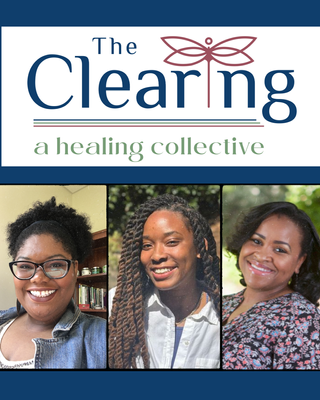
Hosted by The Clearing: A Healing Collective
Licensed Professional Counselor, MS, LPC, CPCS
Group meets in Atlanta, GA 30324
Relationships are complex, especially as you grow and learn more about yourself. Young adulthood is a pivotal time for self-development - making fundamental changes to improve and enjoy life. This group provides space to process and explore your desire for more fulfilling romantic, platonic, and familial relationships. We provide education, skill building, and interpersonal processing with a focus on centering the themes, patterns, and goals in your life. Topics include: boundaries, self-esteem, communication, and managing emotions. For young adults 18 to 25 seeking validation and accountability. Next in-person cohort starts 05/13/2026. Facilitator: Brandi Glenn, MEd, LPC
Begins in September-Do you have challenges managing your anxiety and feel like you are managing it alone? In this group, we will be learning Cognitive Behavioral Therapy (CBT) and Mindfulness Based skills on managing anxieties with the opportunity to connect with other individuals who are on a similar journey while sharing experiences and receiving support. You will receive a manual with reading material and tools for anxiety management as well as an anxiety coping plan on week one that you will personally develop each week. This is a trauma informed and LGBTQIA+ supportive space.

Begins in September-Do you have challenges managing your anxiety and feel like you are managing it alone? In this group, we will be learning Cognitive Behavioral Therapy (CBT) and Mindfulness Based skills on managing anxieties with the opportunity to connect with other individuals who are on a similar journey while sharing experiences and receiving support. You will receive a manual with reading material and tools for anxiety management as well as an anxiety coping plan on week one that you will personally develop each week. This is a trauma informed and LGBTQIA+ supportive space.
This group is for new dads, for dads awaiting the birth of their child, and even for dads who are multiple children in, and want fresh perspective; for partnered, married, and single dads; for dads who have a plan, for dads who have no idea what to do, and for dads in between. Improve confidence. Strengthen relationships. Gain approachable and effective strategies for navigating your parenting journey. Build a meaningful and fulfilling community. Non-judgmental, unbiased, and factual information through the lens of curiosity, connection, and conscious parenting for navigating what is happening now and whatever comes next.

Hosted by Patrick Bryant
Clinical Social Work/Therapist, LCSW, NBCCH
Group meets in Decatur, GA 30030
This group is for new dads, for dads awaiting the birth of their child, and even for dads who are multiple children in, and want fresh perspective; for partnered, married, and single dads; for dads who have a plan, for dads who have no idea what to do, and for dads in between. Improve confidence. Strengthen relationships. Gain approachable and effective strategies for navigating your parenting journey. Build a meaningful and fulfilling community. Non-judgmental, unbiased, and factual information through the lens of curiosity, connection, and conscious parenting for navigating what is happening now and whatever comes next.
12 week DBT skills group for adolescents; modules include mindfulness, distress tolerance, emotion regulation, and interpersonal effectiveness.
12 week DBT skills group for adolescents; modules include mindfulness, distress tolerance, emotion regulation, and interpersonal effectiveness.
DBT skills group and RO DBT groups offered virtually for ages 18 and up. Skills groups focus on emotional regulation, interpersonal relationships, distress tolerance and mindfulness. RO DBT has been shown to be an effective treatment for rigid thinking patterns, aloof and distant communication, isolation, chronic depression, anxiety disorders, OCD, avoidant, paranoid and dependent personality disorders and autistic spectrum disorders. To interview for the next group cycle, set up an appointment with Shaina Gordon, LCSW at www.midtownpsychotherapy.org/groups
DBT skills group and RO DBT groups offered virtually for ages 18 and up. Skills groups focus on emotional regulation, interpersonal relationships, distress tolerance and mindfulness. RO DBT has been shown to be an effective treatment for rigid thinking patterns, aloof and distant communication, isolation, chronic depression, anxiety disorders, OCD, avoidant, paranoid and dependent personality disorders and autistic spectrum disorders. To interview for the next group cycle, set up an appointment with Shaina Gordon, LCSW at www.midtownpsychotherapy.org/groups
Marriage, Divorce Care, Grief & Loss, Dating, Self- Care, Anger Management, Communication, and other group issues addressed in comprehensive ministry structured group. FREE to the public. Call (225) 246-2892 for details

Hosted by Leroy Scott
Licensed Professional Counselor, LPC, NCC, MS, LMHC
Group meets in Atlanta, GA 30305
Marriage, Divorce Care, Grief & Loss, Dating, Self- Care, Anger Management, Communication, and other group issues addressed in comprehensive ministry structured group. FREE to the public. Call (225) 246-2892 for details
See more therapy options for Smyrna


FAQs - About Group Therapy and Support Groups
How can I find a support group in Smyrna?
To find a support group in your area, start by entering your city, zip code, or the name of the group into the search bar at the top of the page. When searching, consider whether you prefer an in-person or virtual group. This can help you decide how broad your geographic search should be. If you are open to virtual groups, you might want to search by state instead of just your city, especially if there are limited options nearby.
Once you complete your search, you can use the filters to narrow the results by selecting specialties (such as grief, trauma, or eating disorders), therapeutic approaches, age groups, and other criteria to find a group that best fits your needs.
How does group therapy work?
Group therapy is led by one or more trained therapists and provides a space where participants can process their experiences and learn from others facing similar challenges. Groups may focus on a specific issue—such as addiction, grief, physical illnesses, parenting, or caregiving—or they may center around a particular therapeutic approach, such as Cognitive Behavioral Therapy (CBT), social skill development, or Exposure Therapy. Some groups are also designed for specific populations, such as teens, veterans, or LGBTQ+ individuals.
It’s also important to distinguish group therapy from peer-led support groups, like Alcoholics Anonymous. While both can offer valuable support, therapy groups are typically led by licensed professionals and follow a more structured format. Therapy groups often meet for a fixed length of time with a consistent group of members, while many peer support groups meet for an indefinite period of time with members coming and going.
What are the benefits of group therapy?
Group therapy offers several important benefits. It brings together people facing similar challenges—whether related to mental health, physical health, or life transitions—and creates a supportive environment where participants can exchange feedback, share experiences, and learn from one another. Hearing different perspectives can help individuals discover new coping strategies and practical tools they may not have encountered on their own. Sharing personal experiences, such as coping with a serious illness or navigating family struggles, can also reduce feelings of isolation and foster a sense of connection and understanding. In addition to emotional support, group members often gain useful, real-world advice from peers who have faced similar situations.
Group therapy is typically more affordable than individual therapy and, for certain conditions, can be equally effective. Many groups also include structured activities—such as guided journaling, cognitive-behavioral exercises, or role-playing—to help participants develop concrete skills they can apply in daily life.
Is group therapy as effective as individual therapy?
It is difficult to make a blanket statement about the effectiveness of support groups, as they vary widely in focus and the conditions they address. However, support groups can be highly valuable in helping individuals gain emotional support and achieve meaningful treatment outcomes. For certain conditions, such as substance use, research has shown that group therapy can be particularly effective—sometimes just as effective as individual therapy—in supporting long-term recovery.
Many professionals attribute the effectiveness of group therapy to the unique benefits of the group setting, which fosters peer-to-peer learning and a sense of connection through shared experiences. Group settings also offer accountability and encouragement from both facilitators and fellow participants, which helps sustain motivation and supports continued progress. These factors together play a key role in promoting the overall effectiveness of group therapy.
How much does group therapy cost?
Group therapy is typically less expensive than individual therapy, with sessions typically costing between $50 and $75 each. In comparison, individual therapy can cost anywhere from $100 to $200 or more per session, even with insurance. Some therapists or organizations offer low-cost or free group therapy options, particularly through community centers or nonprofit organizations. In some cases, groups may require payment upfront for a set number of sessions, such as paying for six weekly sessions at the first meeting. However, many providers offer payment plans to help make participation more accessible if this upfront payment is required.
Does insurance cover group therapy?
As with individual therapy, insurance coverage for group therapy varies based on factors such as your specific insurance plan, the purpose of the group, your diagnosis, and whether the group provider is in-network. Many insurance plans cover group therapy sessions that address diagnosable mental health conditions, such as substance use disorders, anxiety, or depression.
However, groups that focus on topics not directly tied to a mental health diagnosis—such as parenting support or divorce recovery—are less likely to be covered. Because coverage can vary widely, it’s important to check with your insurance provider before joining a group to confirm whether the sessions will be covered and what out-of-pocket costs you may be responsible for.
How long does group therapy last?
The length of each group therapy session typically ranges from 45 minutes to two hours, depending on the therapy approach, the group’s goals, and how often the group meets. In some cases, group therapy is part of a larger treatment program, such as an Intensive Outpatient Program (IOP), where group sessions complement individual therapy and are scheduled as part of the program’s overall structure.
The duration of participation in a group also varies. Some groups are designed to be short-term, lasting anywhere from 6 to 24 weeks—for example, bereavement groups or skills-based groups like those using Dialectical Behavioral Therapy (DBT). Other groups may be longer-term, lasting a year or more, and some ongoing support groups meet indefinitely, allowing participants to stay as long as they find the group helpful.
What are the limitations of support groups?
Support groups offer many benefits, but they also have certain limitations. Unlike therapy groups, many support groups do not provide formal therapeutic treatment and are not led by licensed mental health professionals. For individuals seeking clinical treatment for specific mental health diagnoses—such as depression, eating disorders, or substance use—individual therapy or group therapy led by a licensed professional may offer more personalized and specialized care.
The effectiveness of a support group also depends heavily on the group’s participants and the overall group dynamic. When members engage respectfully and offer constructive support, the group can foster valuable peer-to-peer learning. However, if certain participants dominate discussions, provide inaccurate advice, or create conflict, it can disrupt the group’s sense of safety and reduce its effectiveness. Confidentiality can also be harder to maintain in support groups, particularly in open groups where participants can join or leave at any time. With new members regularly entering the group, it can be more difficult to build and sustain a consistent sense of trust and privacy.