Support Groups in Roswell, GA
This group is for teens and young adults. Check out our website or call us for more details.
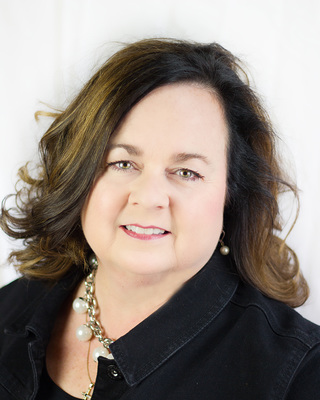
Hosted by Susan L Keenan
Licensed Professional Counselor, LPC, NCC, CPCS
Group meets in Roswell, GA 30076
This group is for teens and young adults. Check out our website or call us for more details.
A monthly, therapist-facilitated, peer support group for parents and caregivers to find support and resources related to the unique complexities of adoptive parenting. Pre-registration interview is required. For more information, visit https://www.arborcovetherapy.com/.
A monthly, therapist-facilitated, peer support group for parents and caregivers to find support and resources related to the unique complexities of adoptive parenting. Pre-registration interview is required. For more information, visit https://www.arborcovetherapy.com/.
This group is for Kindergartners through 2nd graders to learn how to navigate playing with others while building a strong foundation in social skills. Social skills covered include learning how to make friends, communicating needs, and learning how to share emotions. This group is hosted by Alexandra Carver, MS, LAPC, NCC.

Hosted by Early Connections Child & Family Counseling
Licensed Professional Counselor, MEd, LPC, NCC, CPCS, RPT-S
Group meets in Roswell, GA 30075
This group is for Kindergartners through 2nd graders to learn how to navigate playing with others while building a strong foundation in social skills. Social skills covered include learning how to make friends, communicating needs, and learning how to share emotions. This group is hosted by Alexandra Carver, MS, LAPC, NCC.
Are you feeling alone in private practice? Do you need support? That is how I felt for years when I was working alone in a private practice. The group focuses on therapists who need support. We discuss cases, new laws, self-care etc. The group is online.
Are you feeling alone in private practice? Do you need support? That is how I felt for years when I was working alone in a private practice. The group focuses on therapists who need support. We discuss cases, new laws, self-care etc. The group is online.
Join a supportive community of women who are prioritizing their well-being - body, mind, and spirit. Led by Brandi Smallwood, LPC, of Mindful Transformations Counseling and Consulting, this non-therapeutic, but supportive wellness group, will consist of planned walks at a nearby walking trail. Each walk will include tools for everyday life, connection, and meaningful conversation. There will be early morning options, with 2 walks a month options, or 4 walks a month. You don't have to do it alone! Invite your friends! Reach out for more information or visit my website.

Hosted by Brandi Smallwood
Licensed Professional Counselor, LPC, NCC, ASDCS
Group meets in Roswell, GA 30076
Join a supportive community of women who are prioritizing their well-being - body, mind, and spirit. Led by Brandi Smallwood, LPC, of Mindful Transformations Counseling and Consulting, this non-therapeutic, but supportive wellness group, will consist of planned walks at a nearby walking trail. Each walk will include tools for everyday life, connection, and meaningful conversation. There will be early morning options, with 2 walks a month options, or 4 walks a month. You don't have to do it alone! Invite your friends! Reach out for more information or visit my website.
This group is designed for neurodivergent adults (including ADHD, Autistic, and other neurodivergent identities) seeking a supportive, structured environment to build social and emotional skills. Through guided roleplay and collaborative storytelling, participants will: Practice communication and perspective-taking, strengthen emotional awareness and regulation, build confidence in social interactions, explore identity and self-expression, develop problem-solving and flexibility skills and experience belonging in a neurodivergent-affirming space.

This group is designed for neurodivergent adults (including ADHD, Autistic, and other neurodivergent identities) seeking a supportive, structured environment to build social and emotional skills. Through guided roleplay and collaborative storytelling, participants will: Practice communication and perspective-taking, strengthen emotional awareness and regulation, build confidence in social interactions, explore identity and self-expression, develop problem-solving and flexibility skills and experience belonging in a neurodivergent-affirming space.
Join us in this therapist led support group to process experiences with body image, learn self-compassion, and feel less alone. All body sizes welcome. LGBTQ+ safe. Ages 18+. This is a process/support group to discuss experiences related to body image. Mallory will be teaching body neutrality throughout this group as well. This is an open group with a 4-week minimum commitment. Virtual group.

Hosted by Mallory Callans
Licensed Professional Counselor, MS, LPC, NCC
Group meets in Roswell, GA 30076
Join us in this therapist led support group to process experiences with body image, learn self-compassion, and feel less alone. All body sizes welcome. LGBTQ+ safe. Ages 18+. This is a process/support group to discuss experiences related to body image. Mallory will be teaching body neutrality throughout this group as well. This is an open group with a 4-week minimum commitment. Virtual group.
The Anger Management group helps participants reduces levels of anger especially in provocative situations. Participants will learn effective skills, concepts & techniques to stop escalation and to resolve conflicts. This group has (12) Modules include effective anger management skills, calming techniques, expressing negative emotion skills, stress and anxiety management, conflict resolution skills, and practical solutions. The groups are 1 hour & 15 mins per week on Saturdays, and is only $50 a week for group. Groups start up at varying times throughout the year, so please reach out for details concerning dates. Next groups starting August 16, 2025.

Hosted by Reuben Keith Lawrence
Pre-Licensed Professional, MA, MFT, CAM-I, PSAP
Group meets in Roswell, GA 30076
The Anger Management group helps participants reduces levels of anger especially in provocative situations. Participants will learn effective skills, concepts & techniques to stop escalation and to resolve conflicts. This group has (12) Modules include effective anger management skills, calming techniques, expressing negative emotion skills, stress and anxiety management, conflict resolution skills, and practical solutions. The groups are 1 hour & 15 mins per week on Saturdays, and is only $50 a week for group. Groups start up at varying times throughout the year, so please reach out for details concerning dates. Next groups starting August 16, 2025.
Couples have the opportunities to engage in healthy open and honest dialogue about the various seasons and stages of a marriage; how to effortlessly overcome martial obstacles, strengthen emotional and physical connenctions, understand his or her love lanuage ( what makes him/ her tick). Faciliated by in demand Couples Expert and Therapist Ratima Guest-Smith, couples will leave Motivated, Excited and both Eager about the next chapter in marriage.
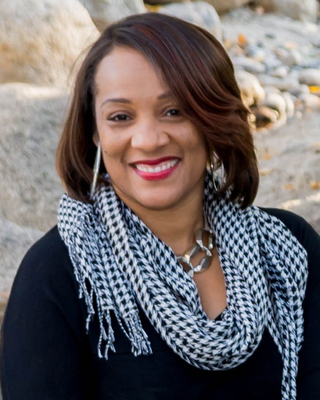
Hosted by Ratima Guest-Smith
Licensed Professional Counselor, LPC, CPCS, PPS
Group meets in Roswell, GA 30076
Couples have the opportunities to engage in healthy open and honest dialogue about the various seasons and stages of a marriage; how to effortlessly overcome martial obstacles, strengthen emotional and physical connenctions, understand his or her love lanuage ( what makes him/ her tick). Faciliated by in demand Couples Expert and Therapist Ratima Guest-Smith, couples will leave Motivated, Excited and both Eager about the next chapter in marriage.
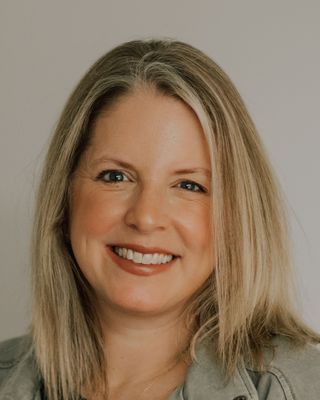
Hope is basis of this counseling practice, offering clients more than wishful thinking. It represents concrete security, professional guidance, and is the essential tool to kick start the healing journey. Our therapists provide clients with tangible hope by reminding clients of all that is possible. This loving and steady reminder allows clients to keep moving forward toward healing even when progress may be hard to see. We work from a holistic lens wanting to address problems from the root cause.
Hope is basis of this counseling practice, offering clients more than wishful thinking. It represents concrete security, professional guidance, and is the essential tool to kick start the healing journey. Our therapists provide clients with tangible hope by reminding clients of all that is possible. This loving and steady reminder allows clients to keep moving forward toward healing even when progress may be hard to see. We work from a holistic lens wanting to address problems from the root cause.
Join Rise Therapy Center for a social skills program designed to help kids and teens (Middle & High school) build confidence, connection, and real world communication skills! DBT Skills will be woven into each session with a fun theme to promote connection. Each group session will feature a new themed experience that makes learning social skills and connecting fun and engaging! Participants can still fully engage even if they are unable to attend all sessions. While attending the full program is encouraged to support consistent growth, every session is designed to be meaningful and beneficial on its own. Starting June!

Join Rise Therapy Center for a social skills program designed to help kids and teens (Middle & High school) build confidence, connection, and real world communication skills! DBT Skills will be woven into each session with a fun theme to promote connection. Each group session will feature a new themed experience that makes learning social skills and connecting fun and engaging! Participants can still fully engage even if they are unable to attend all sessions. While attending the full program is encouraged to support consistent growth, every session is designed to be meaningful and beneficial on its own. Starting June!
Diets fail. People don't. Our weight loss program is for those who want to lose weight without shame/blame hopelessness that diets bring. Everyone knows what to do to lose weight. But KNOWING doesn’t = doing. The elements that create success are RARELY discussed in traditional weight loss programs. We offer different approach and program options based on your needs. Get the tools to reach your goals in an uplifting way. Schedule a free consultation.

Diets fail. People don't. Our weight loss program is for those who want to lose weight without shame/blame hopelessness that diets bring. Everyone knows what to do to lose weight. But KNOWING doesn’t = doing. The elements that create success are RARELY discussed in traditional weight loss programs. We offer different approach and program options based on your needs. Get the tools to reach your goals in an uplifting way. Schedule a free consultation.
Update: This group has gone Virtual due to Covid. Zoom group is on Thursdays at 7:00 pm. To join, send an email to BookItAndGoTravel@gmail.com..... A warm and welcoming transgender support group for adults. For connection, understanding, resources, socialization, acceptance, advocacy. All stages of transition, questioning to post-op. MtF or FtM, Queer, anyone under the transgender umbrella. A safe space, where you can be yourself, good people, no judgment. **The in-person group is pending.**
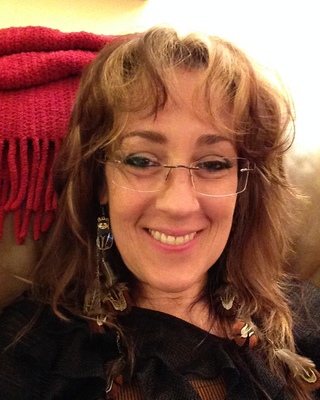
Hosted by Anna Lisa Derenthal
Licensed Professional Counselor, MS, LPC
Group meets in Roswell, GA 30076
Update: This group has gone Virtual due to Covid. Zoom group is on Thursdays at 7:00 pm. To join, send an email to BookItAndGoTravel@gmail.com..... A warm and welcoming transgender support group for adults. For connection, understanding, resources, socialization, acceptance, advocacy. All stages of transition, questioning to post-op. MtF or FtM, Queer, anyone under the transgender umbrella. A safe space, where you can be yourself, good people, no judgment. **The in-person group is pending.**
A therapeutic group setting where individuals who have experienced trauma or loss utilize various creative art forms like painting, drawing, writing, movement, and music to process their emotions and experiences in a supportive environment.
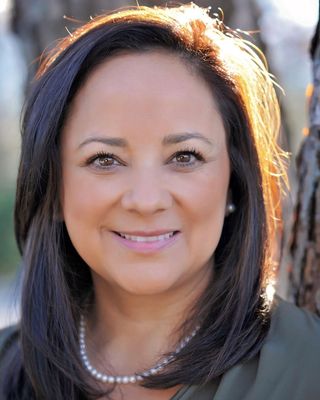
Hosted by Dr. Vanessa Snyder
Marriage & Family Therapist, LMFT, LPC
Group meets in Roswell, GA 30075
A therapeutic group setting where individuals who have experienced trauma or loss utilize various creative art forms like painting, drawing, writing, movement, and music to process their emotions and experiences in a supportive environment.
Based on attachment theory, this eight-week program teaches parents how to successfully connect with their children. It is important to learn how to interpret the cues that children give us as. There are no perfect parents; this course focuses on the "good enough parent." Please watch this short video to learn more about this internationally recognized parenting program. youtube.com/watch?v=F6DhnbgRAOo

Hosted by Dr. Eve Lyn M Wedge
Licensed Professional Counselor, PhD, LPC, IMH-E, NCC
Group meets in Roswell, GA 30076
Based on attachment theory, this eight-week program teaches parents how to successfully connect with their children. It is important to learn how to interpret the cues that children give us as. There are no perfect parents; this course focuses on the "good enough parent." Please watch this short video to learn more about this internationally recognized parenting program. youtube.com/watch?v=F6DhnbgRAOo
Treatment Group approved for DUI offenders thru Georgia Dept of Behavioral Health and Developmental Disabilities DUI Intervention program. DUI offenders must complete a clinical evaluation that includes a recommendation for ASAM Level 1 Treatment and complete DUI Intervention Program (DUI School). Group sessions are $ 50 after initial intake which is $100 (includes required workbook). Now accepting new group members.
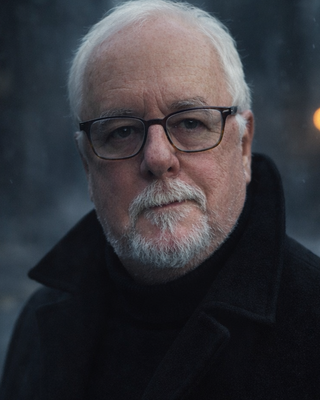
Hosted by Jerry W Cox
Licensed Professional Counselor, LPC, NCC, CFMHE, CFP
Group meets in Roswell, GA 30076
Treatment Group approved for DUI offenders thru Georgia Dept of Behavioral Health and Developmental Disabilities DUI Intervention program. DUI offenders must complete a clinical evaluation that includes a recommendation for ASAM Level 1 Treatment and complete DUI Intervention Program (DUI School). Group sessions are $ 50 after initial intake which is $100 (includes required workbook). Now accepting new group members.
The Self(ie) Project is a therapy group designed to explore self-esteem, self-worth, self-care and self-compassion in a meaningful, supportive space. In a culture that constantly tells us how we should feel, look and present ourselves, this group allows us to slow down and examine how we see ourselves...and why. Through guided discussion and therapeutic prompts, group members will explore the narratives they attach to their self(ies) and learn how to respond to themselves with greater curiosity, kindness, and care.
The Self(ie) Project is a therapy group designed to explore self-esteem, self-worth, self-care and self-compassion in a meaningful, supportive space. In a culture that constantly tells us how we should feel, look and present ourselves, this group allows us to slow down and examine how we see ourselves...and why. Through guided discussion and therapeutic prompts, group members will explore the narratives they attach to their self(ies) and learn how to respond to themselves with greater curiosity, kindness, and care.
African American women are the fastest growing business owners in the United States and also some of the most overworked, overwhelmed and underpaid. We offer time limited, intimate wellness groups for Black women who want to grow their wellness as they grow their businesses. Inquire for more information
African American women are the fastest growing business owners in the United States and also some of the most overworked, overwhelmed and underpaid. We offer time limited, intimate wellness groups for Black women who want to grow their wellness as they grow their businesses. Inquire for more information
Is your teen daughter feeling left out or confused? Overwhelmed by school, friendships, or maybe even her identity? If you answered yes to any of these questions, then this group is for you. In this process-oriented group, you will learn to stay true to yourself, act on your values, and practice standing up for yourself thoughtfully and responsibly. Group is open to new members now and is targeted to start June 2021. Call today to reserve an intake meeting with me. Limited spots available!
Hosted by Emily Rebecca Siegel
Clinical Social Work/Therapist, LCSW
Group meets in Roswell, GA 30076
Is your teen daughter feeling left out or confused? Overwhelmed by school, friendships, or maybe even her identity? If you answered yes to any of these questions, then this group is for you. In this process-oriented group, you will learn to stay true to yourself, act on your values, and practice standing up for yourself thoughtfully and responsibly. Group is open to new members now and is targeted to start June 2021. Call today to reserve an intake meeting with me. Limited spots available!
Join a community of individuals walking along the journey of grief. This space will include psychoeducation, processing, and a variety of creative outlets (art, music, dance, drama, and writing) for individuals to reveal truth and acceptance around the many expressions of grief. This 8-week group will be held in-person (Tuesday 5:00pm-6:30pm; start date: April 29th) and virtually (Wednesday 5:00pm-6:30pm; start date: May 1st). Direct link to group sign up: https://www.resiliencesource.com/groups

Join a community of individuals walking along the journey of grief. This space will include psychoeducation, processing, and a variety of creative outlets (art, music, dance, drama, and writing) for individuals to reveal truth and acceptance around the many expressions of grief. This 8-week group will be held in-person (Tuesday 5:00pm-6:30pm; start date: April 29th) and virtually (Wednesday 5:00pm-6:30pm; start date: May 1st). Direct link to group sign up: https://www.resiliencesource.com/groups
See more therapy options for Roswell


FAQs - About Group Therapy and Support Groups
How can I find a support group in Roswell?
To find a support group in your area, start by entering your city, zip code, or the name of the group into the search bar at the top of the page. When searching, consider whether you prefer an in-person or virtual group. This can help you decide how broad your geographic search should be. If you are open to virtual groups, you might want to search by state instead of just your city, especially if there are limited options nearby.
Once you complete your search, you can use the filters to narrow the results by selecting specialties (such as grief, trauma, or eating disorders), therapeutic approaches, age groups, and other criteria to find a group that best fits your needs.
Once you complete your search, you can use the filters to narrow the results by selecting specialties (such as grief, trauma, or eating disorders), therapeutic approaches, age groups, and other criteria to find a group that best fits your needs.
How does group therapy work?
Group therapy is led by one or more trained therapists and provides a space where participants can process their experiences and learn from others facing similar challenges. Groups may focus on a specific issue—such as addiction, grief, physical illnesses, parenting, or caregiving—or they may center around a particular therapeutic approach, such as Cognitive Behavioral Therapy (CBT), social skill development, or Exposure Therapy. Some groups are also designed for specific populations, such as teens, veterans, or LGBTQ+ individuals.
It’s also important to distinguish group therapy from peer-led support groups, like Alcoholics Anonymous. While both can offer valuable support, therapy groups are typically led by licensed professionals and follow a more structured format. Therapy groups often meet for a fixed length of time with a consistent group of members, while many peer support groups meet for an indefinite period of time with members coming and going.
It’s also important to distinguish group therapy from peer-led support groups, like Alcoholics Anonymous. While both can offer valuable support, therapy groups are typically led by licensed professionals and follow a more structured format. Therapy groups often meet for a fixed length of time with a consistent group of members, while many peer support groups meet for an indefinite period of time with members coming and going.
What are the benefits of group therapy?
Group therapy offers several important benefits. It brings together people facing similar challenges—whether related to mental health, physical health, or life transitions—and creates a supportive environment where participants can exchange feedback, share experiences, and learn from one another. Hearing different perspectives can help individuals discover new coping strategies and practical tools they may not have encountered on their own. Sharing personal experiences, such as coping with a serious illness or navigating family struggles, can also reduce feelings of isolation and foster a sense of connection and understanding. In addition to emotional support, group members often gain useful, real-world advice from peers who have faced similar situations.
Group therapy is typically more affordable than individual therapy and, for certain conditions, can be equally effective. Many groups also include structured activities—such as guided journaling, cognitive-behavioral exercises, or role-playing—to help participants develop concrete skills they can apply in daily life.
Group therapy is typically more affordable than individual therapy and, for certain conditions, can be equally effective. Many groups also include structured activities—such as guided journaling, cognitive-behavioral exercises, or role-playing—to help participants develop concrete skills they can apply in daily life.
Is group therapy as effective as individual therapy?
It is difficult to make a blanket statement about the effectiveness of support groups, as they vary widely in focus and the conditions they address. However, support groups can be highly valuable in helping individuals gain emotional support and achieve meaningful treatment outcomes. For certain conditions, such as substance use, research has shown that group therapy can be particularly effective—sometimes just as effective as individual therapy—in supporting long-term recovery.
Many professionals attribute the effectiveness of group therapy to the unique benefits of the group setting, which fosters peer-to-peer learning and a sense of connection through shared experiences. Group settings also offer accountability and encouragement from both facilitators and fellow participants, which helps sustain motivation and supports continued progress. These factors together play a key role in promoting the overall effectiveness of group therapy.
Many professionals attribute the effectiveness of group therapy to the unique benefits of the group setting, which fosters peer-to-peer learning and a sense of connection through shared experiences. Group settings also offer accountability and encouragement from both facilitators and fellow participants, which helps sustain motivation and supports continued progress. These factors together play a key role in promoting the overall effectiveness of group therapy.
How much does group therapy cost?
Group therapy is typically less expensive than individual therapy, with sessions typically costing between $50 and $75 each. In comparison, individual therapy can cost anywhere from $100 to $200 or more per session, even with insurance. Some therapists or organizations offer low-cost or free group therapy options, particularly through community centers or nonprofit organizations. In some cases, groups may require payment upfront for a set number of sessions, such as paying for six weekly sessions at the first meeting. However, many providers offer payment plans to help make participation more accessible if this upfront payment is required.
Does insurance cover group therapy?
As with individual therapy, insurance coverage for group therapy varies based on factors such as your specific insurance plan, the purpose of the group, your diagnosis, and whether the group provider is in-network. Many insurance plans cover group therapy sessions that address diagnosable mental health conditions, such as substance use disorders, anxiety, or depression.
However, groups that focus on topics not directly tied to a mental health diagnosis—such as parenting support or divorce recovery—are less likely to be covered. Because coverage can vary widely, it’s important to check with your insurance provider before joining a group to confirm whether the sessions will be covered and what out-of-pocket costs you may be responsible for.
However, groups that focus on topics not directly tied to a mental health diagnosis—such as parenting support or divorce recovery—are less likely to be covered. Because coverage can vary widely, it’s important to check with your insurance provider before joining a group to confirm whether the sessions will be covered and what out-of-pocket costs you may be responsible for.
How long does group therapy last?
The length of each group therapy session typically ranges from 45 minutes to two hours, depending on the therapy approach, the group’s goals, and how often the group meets. In some cases, group therapy is part of a larger treatment program, such as an Intensive Outpatient Program (IOP), where group sessions complement individual therapy and are scheduled as part of the program’s overall structure.
The duration of participation in a group also varies. Some groups are designed to be short-term, lasting anywhere from 6 to 24 weeks—for example, bereavement groups or skills-based groups like those using Dialectical Behavioral Therapy (DBT). Other groups may be longer-term, lasting a year or more, and some ongoing support groups meet indefinitely, allowing participants to stay as long as they find the group helpful.
The duration of participation in a group also varies. Some groups are designed to be short-term, lasting anywhere from 6 to 24 weeks—for example, bereavement groups or skills-based groups like those using Dialectical Behavioral Therapy (DBT). Other groups may be longer-term, lasting a year or more, and some ongoing support groups meet indefinitely, allowing participants to stay as long as they find the group helpful.
What are the limitations of support groups?
Support groups offer many benefits, but they also have certain limitations. Unlike therapy groups, many support groups do not provide formal therapeutic treatment and are not led by licensed mental health professionals. For individuals seeking clinical treatment for specific mental health diagnoses—such as depression, eating disorders, or substance use—individual therapy or group therapy led by a licensed professional may offer more personalized and specialized care.
The effectiveness of a support group also depends heavily on the group’s participants and the overall group dynamic. When members engage respectfully and offer constructive support, the group can foster valuable peer-to-peer learning. However, if certain participants dominate discussions, provide inaccurate advice, or create conflict, it can disrupt the group’s sense of safety and reduce its effectiveness. Confidentiality can also be harder to maintain in support groups, particularly in open groups where participants can join or leave at any time. With new members regularly entering the group, it can be more difficult to build and sustain a consistent sense of trust and privacy.
The effectiveness of a support group also depends heavily on the group’s participants and the overall group dynamic. When members engage respectfully and offer constructive support, the group can foster valuable peer-to-peer learning. However, if certain participants dominate discussions, provide inaccurate advice, or create conflict, it can disrupt the group’s sense of safety and reduce its effectiveness. Confidentiality can also be harder to maintain in support groups, particularly in open groups where participants can join or leave at any time. With new members regularly entering the group, it can be more difficult to build and sustain a consistent sense of trust and privacy.