Support Groups in Temple Terrace, FL
Does your child seem perplexed by the subtle art of making friends and keeping them? Have they mastered passing the ball in soccer, but still can't handle losing the game? We help children learn the important aspects of social behavior that allow them to manage life's challenges. This detective themed intensive program includes 9-weekly sessions for parents and children age 7-12 starting June 13th, 2019. Cadets participate in weekly 'home missions' over the course of 9-weeks while engaging in in-office group exercises during weekly 90 minute sessions. Call our office for more information.

Hosted by Dr. Amanda Keating & Associates
Psychologist, PsyD, BCBA-D
Group meets in Temple Terrace, FL 33637
Does your child seem perplexed by the subtle art of making friends and keeping them? Have they mastered passing the ball in soccer, but still can't handle losing the game? We help children learn the important aspects of social behavior that allow them to manage life's challenges. This detective themed intensive program includes 9-weekly sessions for parents and children age 7-12 starting June 13th, 2019. Cadets participate in weekly 'home missions' over the course of 9-weeks while engaging in in-office group exercises during weekly 90 minute sessions. Call our office for more information.
You celebrated first steps and first words. When you think of Toilet Training though, you're filled with dread. You're picturing a battle. You're picturing a sht show. Surprisingly, toilet training can be fun without spending months cleaning up bodily floods. Call our office for more information about this exciting skill development program.
Hosted by Dr. Amanda Keating & Associates
Psychologist, PsyD, BCBA-D
Group meets in Temple Terrace, FL 33637
You celebrated first steps and first words. When you think of Toilet Training though, you're filled with dread. You're picturing a battle. You're picturing a sht show. Surprisingly, toilet training can be fun without spending months cleaning up bodily floods. Call our office for more information about this exciting skill development program.
Does your child refer to their teacher as their best friend? Teens and young adults with developmental disabilities and autism can have a difficult time judging the nature of some social relationships. Join us this summer for the Circles: Intimacy and Relationships Program. This compelling program helps teens and young adults "see" social distance and explains levels of intimacy using concrete materials. It also helps teens to understand how those levels can change over time. Apply to join our Circles group by calling our office today. It includes 9 weekly sessions for teens and young adults ages 18-25 starting June 11th, 2019.
Hosted by Dr. Amanda Keating & Associates
Psychologist, PsyD, BCBA-D
Group meets in Temple Terrace, FL 33637
Does your child refer to their teacher as their best friend? Teens and young adults with developmental disabilities and autism can have a difficult time judging the nature of some social relationships. Join us this summer for the Circles: Intimacy and Relationships Program. This compelling program helps teens and young adults "see" social distance and explains levels of intimacy using concrete materials. It also helps teens to understand how those levels can change over time. Apply to join our Circles group by calling our office today. It includes 9 weekly sessions for teens and young adults ages 18-25 starting June 11th, 2019.
More Groups Nearby
This virtual group helps individuals build emotional resilience, improve relationships, and cope with stress using evidence-based Dialectical Behavior Therapy (DBT) skills. Participants will learn and practice tools in mindfulness, emotion regulation, distress tolerance, and interpersonal effectiveness. The group is led by a licensed therapist in a supportive, structured environment. Ideal for those struggling with anxiety, relationships, or difficulty managing emotions.

This virtual group helps individuals build emotional resilience, improve relationships, and cope with stress using evidence-based Dialectical Behavior Therapy (DBT) skills. Participants will learn and practice tools in mindfulness, emotion regulation, distress tolerance, and interpersonal effectiveness. The group is led by a licensed therapist in a supportive, structured environment. Ideal for those struggling with anxiety, relationships, or difficulty managing emotions.
Parent University is a supportive and interactive learning space designed specifically for caregivers. This group offers parents the opportunity to deepen their understanding of the mental health conditions we treat at The LiveWell Collective—including anxiety disorders, OCD, depression, phobias, behavioral challenges, and related comorbidities. Through guided psychoeducation, open Q&A, and shared learning with other parents, participants gain practical tools and insights to better support their child at home and beyond. Led by a licensed therapist, Parent University blends expert guidance with real-life application, creating space for both connection and clarity in the parenting journey.

Parent University is a supportive and interactive learning space designed specifically for caregivers. This group offers parents the opportunity to deepen their understanding of the mental health conditions we treat at The LiveWell Collective—including anxiety disorders, OCD, depression, phobias, behavioral challenges, and related comorbidities. Through guided psychoeducation, open Q&A, and shared learning with other parents, participants gain practical tools and insights to better support their child at home and beyond. Led by a licensed therapist, Parent University blends expert guidance with real-life application, creating space for both connection and clarity in the parenting journey.
This is a 3-week workshop for teens aimed at learning how to make friends, build confidence, reduce social anxiety, and improve communication. Group size is limited. The workshop's curriculum covers social anxiety, coping mechanisms, relaxation techniques, communication styles and techniques, conflict resolution skills, and active listening skills.

This is a 3-week workshop for teens aimed at learning how to make friends, build confidence, reduce social anxiety, and improve communication. Group size is limited. The workshop's curriculum covers social anxiety, coping mechanisms, relaxation techniques, communication styles and techniques, conflict resolution skills, and active listening skills.
The Couple's Sexual Recovery Group is led by Certified Sexual Addiction therapists (CSAT). We use psycho-educational, experiential, and process group therapy to affect change. -Increasing Fondness and Admiration, -Grief and Loss, -Turning toward instead of Away, -Shame and Guilt, -Establishing and Maintaining Boundaries, -Healthy Sexuality, -Handling and Healing Trauma & Triggers, -Effective Communication, -Emotional, Physical and Spiritual Intimacy, -Mindfulness, -Building trust and resolving conflict, -Problem Solving

Hosted by Catalyst Center for Change LLC
Counselor, LMHC, LMFT, MCAP, CSAT, CMAT
Group meets in Tampa, FL 33609
The Couple's Sexual Recovery Group is led by Certified Sexual Addiction therapists (CSAT). We use psycho-educational, experiential, and process group therapy to affect change. -Increasing Fondness and Admiration, -Grief and Loss, -Turning toward instead of Away, -Shame and Guilt, -Establishing and Maintaining Boundaries, -Healthy Sexuality, -Handling and Healing Trauma & Triggers, -Effective Communication, -Emotional, Physical and Spiritual Intimacy, -Mindfulness, -Building trust and resolving conflict, -Problem Solving
Join this group if you're ready to improve your relationships and/or social life, focus on your health and well-being, and increase your self-care practices. Group is limited to 8 people and starts Aug 7th!
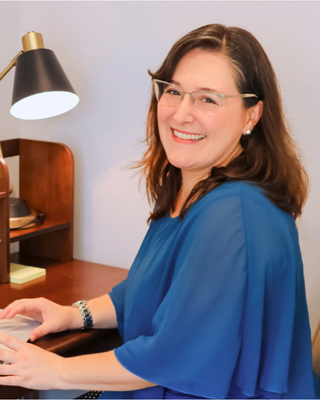
Join this group if you're ready to improve your relationships and/or social life, focus on your health and well-being, and increase your self-care practices. Group is limited to 8 people and starts Aug 7th!
NOT OFFERING COURSE IN PERSON - LIVE SESSIONS ONLY - Florida Family Courts require parents with minor children to complete a parenting course before a parenting plan can be finalized. This course is approved by the Florida Department of Children and Families and the Florida Courts. The course is a required 4 hours and is designed to educate, train, and assist divorcing parents in regards to the impact of divorce on parents and children and effective communication barriers and skills. We offer this course In-Person at our St Petersburg location monthly or as an Online Course. www.parentinganddivorceclass.com

NOT OFFERING COURSE IN PERSON - LIVE SESSIONS ONLY - Florida Family Courts require parents with minor children to complete a parenting course before a parenting plan can be finalized. This course is approved by the Florida Department of Children and Families and the Florida Courts. The course is a required 4 hours and is designed to educate, train, and assist divorcing parents in regards to the impact of divorce on parents and children and effective communication barriers and skills. We offer this course In-Person at our St Petersburg location monthly or as an Online Course. www.parentinganddivorceclass.com
Have you found yourself feeling hopeless about the state of our planet? Perhaps you keep wishing that other people would care as much as you do about the bits of plastic scattered around your neighborhood, the marine life getting tangled in ghost nets, or the millions of people around the world without access to food or safety. In this Telehealth (virtual) group, we discuss and validate all of these concerns and talk about how we can cope with our anxiety and use it as a source of motivation in the fight to save our planet. Email me to register your interest for this future group!

Hosted by Karen Gonzalez Videla
Registered Mental Health Counselor Intern, MA
Group meets in Gibsonton, FL 33534
Have you found yourself feeling hopeless about the state of our planet? Perhaps you keep wishing that other people would care as much as you do about the bits of plastic scattered around your neighborhood, the marine life getting tangled in ghost nets, or the millions of people around the world without access to food or safety. In this Telehealth (virtual) group, we discuss and validate all of these concerns and talk about how we can cope with our anxiety and use it as a source of motivation in the fight to save our planet. Email me to register your interest for this future group!
This group focuses of 7 C's of resiliency. We work on how to overcome obstacles and remain resilient within life no matter what it throws at us!!!

This group focuses of 7 C's of resiliency. We work on how to overcome obstacles and remain resilient within life no matter what it throws at us!!!
Adherent DBT Skills group for teens and their parent. Family must be committed to the full DBT program which includes individual DBT and family therapy, and skills coaching for a minimum of 7 months. Program runs for approximately 6 months with a re-evaluation of clinical needs at that time and an option to repeat or graduate. Group is 1 hour and 45 minutes weekly and one parent is required to attend with teen. There are three groups available, Capacity is five teens and parents. Teens need to be in individual DBT therapy to be in group.

Hosted by Tampa Bay Ctr for Cognitive Behavior Therapy Inc.
Clinical Social Work/Therapist, LCSW
Group meets in Brandon, FL 33511
Adherent DBT Skills group for teens and their parent. Family must be committed to the full DBT program which includes individual DBT and family therapy, and skills coaching for a minimum of 7 months. Program runs for approximately 6 months with a re-evaluation of clinical needs at that time and an option to repeat or graduate. Group is 1 hour and 45 minutes weekly and one parent is required to attend with teen. There are three groups available, Capacity is five teens and parents. Teens need to be in individual DBT therapy to be in group.
Give yourself ten weeks to start to shed the pain of past unproductive patterns, overcoming blocks, sharing support and friendship, and daring to dream again in order to achieve true, God-given potential. The group setting provides the experience and deep knowledge that we are all human and in the same boat. With trained leadership, the journey to healing and growth is sped up - healing, coming out of loneliness and pain is expedited to lessen time in suffering and increase the years in contentment, peace, and finding personal happiness!

Hosted by Coffee Counseling, Coaching, & Consulting, LLC
Marriage & Family Therapist, LMFT, PhD
Group meets in Saint Petersburg, FL 33701
Give yourself ten weeks to start to shed the pain of past unproductive patterns, overcoming blocks, sharing support and friendship, and daring to dream again in order to achieve true, God-given potential. The group setting provides the experience and deep knowledge that we are all human and in the same boat. With trained leadership, the journey to healing and growth is sped up - healing, coming out of loneliness and pain is expedited to lessen time in suffering and increase the years in contentment, peace, and finding personal happiness!
Welcome! We are hosting a bi-weekly young adult trans support group for ages 18-24. The group is focused on processing and empowering the transgender, non-binary and intersex experience in a safe and welcoming space. Most of our group members also identify as neurodivergent. The group is FREE. This group is hosted by Jennica Robe, LMHC. Contact Jennica for more information and to register.

Welcome! We are hosting a bi-weekly young adult trans support group for ages 18-24. The group is focused on processing and empowering the transgender, non-binary and intersex experience in a safe and welcoming space. Most of our group members also identify as neurodivergent. The group is FREE. This group is hosted by Jennica Robe, LMHC. Contact Jennica for more information and to register.
This virtual group is open to Florida residents in their mid-20s through 30s who identify as both neurodivergent and LGBTQ+. We meet every other Monday from 6:00–7:30 PM via secure video. The group offers a welcoming space to share experiences and build meaningful connections with others who understand the unique experiences of being NeuroQueer. Group discussions may explore identity, relationships, masking, self-acceptance, mental health, navigating social expectations, and finding community. If you're looking for a space where you don't have to explain or hide important parts of yourself, join us!

Hosted by Emily Warren
Licensed Mental Health Counselor, LMHC, NCC, MS, EdS
Group meets in Saint Petersburg, FL 33702
This virtual group is open to Florida residents in their mid-20s through 30s who identify as both neurodivergent and LGBTQ+. We meet every other Monday from 6:00–7:30 PM via secure video. The group offers a welcoming space to share experiences and build meaningful connections with others who understand the unique experiences of being NeuroQueer. Group discussions may explore identity, relationships, masking, self-acceptance, mental health, navigating social expectations, and finding community. If you're looking for a space where you don't have to explain or hide important parts of yourself, join us!
This group provides a supportive and nurturing space for young individuals to explore their identities, share experiences, and develop essential coping skills in a confidential and understanding environment.

Hosted by Emily Powell
Clinical Social Work/Therapist, LCSW
Group meets in Saint Petersburg, FL 33701
This group provides a supportive and nurturing space for young individuals to explore their identities, share experiences, and develop essential coping skills in a confidential and understanding environment.
This is a 9 session, 20 hour Family Education and Support Program (FESP) for those who are struggling with loved ones who suffer with mental health or substance abuse problems. This group will provide education and support for family members following the DBT model and will teach many of the skills their loved one is learning and how to better support themselves and their loved one. This is offered twice a year, in January and in August. Call/check the website to see when the next session starts and for more information.
Hosted by Tampa Bay Ctr for Cognitive Behavior Therapy Inc.
Clinical Social Work/Therapist, LCSW
Group meets in Brandon, FL 33511
This is a 9 session, 20 hour Family Education and Support Program (FESP) for those who are struggling with loved ones who suffer with mental health or substance abuse problems. This group will provide education and support for family members following the DBT model and will teach many of the skills their loved one is learning and how to better support themselves and their loved one. This is offered twice a year, in January and in August. Call/check the website to see when the next session starts and for more information.
DBT group for adolescent females. Targeting emotion regulation, distress tolerance, interpersonal skills, and mindfulness. Group will be Mondays from 7-8:30 PM for 10 weeks, starting January 15. Each group is $65.

DBT group for adolescent females. Targeting emotion regulation, distress tolerance, interpersonal skills, and mindfulness. Group will be Mondays from 7-8:30 PM for 10 weeks, starting January 15. Each group is $65.
DBT certified clinician Jennifer Booker, LMHC, LPC, C-DBT will provide structured instruction and experiential practice in core Dialectical Behavioral Therapy skills, including mindfulness, distress tolerance, emotional regulation, and interpersonal effectiveness. This is a 12 week, 90-minute weekly in person group.

Hosted by Healing Thoughts Counseling, LLC
Licensed Mental Health Counselor, LMHC
Group meets in Tampa, FL 33609
DBT certified clinician Jennifer Booker, LMHC, LPC, C-DBT will provide structured instruction and experiential practice in core Dialectical Behavioral Therapy skills, including mindfulness, distress tolerance, emotional regulation, and interpersonal effectiveness. This is a 12 week, 90-minute weekly in person group.
This trauma-informed group meets on certain Tuesdays at 7pm EST and certain Fridays at 9am. It is based on DBT skills and a Happiness-Based Mindfulness approach. This group is held by Zoom and provides sustainable skills to use outside and beyond the group and materials. It is a combination of compassionate, trauma-informed Dialectical Behavior Therapy and Happiness-Based Mindfulness skills (created by Sara Spowart, DMFT, PhD, LMFT).

Hosted by Dr. Sara Spowart
Marriage & Family Therapist, PhD, DMFT, LMFT, MPA, MA
Group meets in Saint Petersburg, FL 33701
This trauma-informed group meets on certain Tuesdays at 7pm EST and certain Fridays at 9am. It is based on DBT skills and a Happiness-Based Mindfulness approach. This group is held by Zoom and provides sustainable skills to use outside and beyond the group and materials. It is a combination of compassionate, trauma-informed Dialectical Behavior Therapy and Happiness-Based Mindfulness skills (created by Sara Spowart, DMFT, PhD, LMFT).
See more therapy options for Temple Terrace


Nearby Searches for Temple Terrace
- Apollo Beach
- Brandon
- Clearwater
- Land O Lakes
- Lutz
- Palm Harbor
- Pinellas Park
- Riverview
- Safety Harbor
- Tampa
- Valrico
- Wesley Chapel
FAQs - About Group Therapy and Support Groups
How can I find a support group in Temple Terrace?
To find a support group in your area, start by entering your city, zip code, or the name of the group into the search bar at the top of the page. When searching, consider whether you prefer an in-person or virtual group. This can help you decide how broad your geographic search should be. If you are open to virtual groups, you might want to search by state instead of just your city, especially if there are limited options nearby.
Once you complete your search, you can use the filters to narrow the results by selecting specialties (such as grief, trauma, or eating disorders), therapeutic approaches, age groups, and other criteria to find a group that best fits your needs.
Once you complete your search, you can use the filters to narrow the results by selecting specialties (such as grief, trauma, or eating disorders), therapeutic approaches, age groups, and other criteria to find a group that best fits your needs.
How does group therapy work?
Group therapy is led by one or more trained therapists and provides a space where participants can process their experiences and learn from others facing similar challenges. Groups may focus on a specific issue—such as addiction, grief, physical illnesses, parenting, or caregiving—or they may center around a particular therapeutic approach, such as Cognitive Behavioral Therapy (CBT), social skill development, or Exposure Therapy. Some groups are also designed for specific populations, such as teens, veterans, or LGBTQ+ individuals.
It’s also important to distinguish group therapy from peer-led support groups, like Alcoholics Anonymous. While both can offer valuable support, therapy groups are typically led by licensed professionals and follow a more structured format. Therapy groups often meet for a fixed length of time with a consistent group of members, while many peer support groups meet for an indefinite period of time with members coming and going.
It’s also important to distinguish group therapy from peer-led support groups, like Alcoholics Anonymous. While both can offer valuable support, therapy groups are typically led by licensed professionals and follow a more structured format. Therapy groups often meet for a fixed length of time with a consistent group of members, while many peer support groups meet for an indefinite period of time with members coming and going.
What are the benefits of group therapy?
Group therapy offers several important benefits. It brings together people facing similar challenges—whether related to mental health, physical health, or life transitions—and creates a supportive environment where participants can exchange feedback, share experiences, and learn from one another. Hearing different perspectives can help individuals discover new coping strategies and practical tools they may not have encountered on their own. Sharing personal experiences, such as coping with a serious illness or navigating family struggles, can also reduce feelings of isolation and foster a sense of connection and understanding. In addition to emotional support, group members often gain useful, real-world advice from peers who have faced similar situations.
Group therapy is typically more affordable than individual therapy and, for certain conditions, can be equally effective. Many groups also include structured activities—such as guided journaling, cognitive-behavioral exercises, or role-playing—to help participants develop concrete skills they can apply in daily life.
Group therapy is typically more affordable than individual therapy and, for certain conditions, can be equally effective. Many groups also include structured activities—such as guided journaling, cognitive-behavioral exercises, or role-playing—to help participants develop concrete skills they can apply in daily life.
Is group therapy as effective as individual therapy?
It is difficult to make a blanket statement about the effectiveness of support groups, as they vary widely in focus and the conditions they address. However, support groups can be highly valuable in helping individuals gain emotional support and achieve meaningful treatment outcomes. For certain conditions, such as substance use, research has shown that group therapy can be particularly effective—sometimes just as effective as individual therapy—in supporting long-term recovery.
Many professionals attribute the effectiveness of group therapy to the unique benefits of the group setting, which fosters peer-to-peer learning and a sense of connection through shared experiences. Group settings also offer accountability and encouragement from both facilitators and fellow participants, which helps sustain motivation and supports continued progress. These factors together play a key role in promoting the overall effectiveness of group therapy.
Many professionals attribute the effectiveness of group therapy to the unique benefits of the group setting, which fosters peer-to-peer learning and a sense of connection through shared experiences. Group settings also offer accountability and encouragement from both facilitators and fellow participants, which helps sustain motivation and supports continued progress. These factors together play a key role in promoting the overall effectiveness of group therapy.
How much does group therapy cost?
Group therapy is typically less expensive than individual therapy, with sessions typically costing between $50 and $75 each. In comparison, individual therapy can cost anywhere from $100 to $200 or more per session, even with insurance. Some therapists or organizations offer low-cost or free group therapy options, particularly through community centers or nonprofit organizations. In some cases, groups may require payment upfront for a set number of sessions, such as paying for six weekly sessions at the first meeting. However, many providers offer payment plans to help make participation more accessible if this upfront payment is required.
Does insurance cover group therapy?
As with individual therapy, insurance coverage for group therapy varies based on factors such as your specific insurance plan, the purpose of the group, your diagnosis, and whether the group provider is in-network. Many insurance plans cover group therapy sessions that address diagnosable mental health conditions, such as substance use disorders, anxiety, or depression.
However, groups that focus on topics not directly tied to a mental health diagnosis—such as parenting support or divorce recovery—are less likely to be covered. Because coverage can vary widely, it’s important to check with your insurance provider before joining a group to confirm whether the sessions will be covered and what out-of-pocket costs you may be responsible for.
However, groups that focus on topics not directly tied to a mental health diagnosis—such as parenting support or divorce recovery—are less likely to be covered. Because coverage can vary widely, it’s important to check with your insurance provider before joining a group to confirm whether the sessions will be covered and what out-of-pocket costs you may be responsible for.
How long does group therapy last?
The length of each group therapy session typically ranges from 45 minutes to two hours, depending on the therapy approach, the group’s goals, and how often the group meets. In some cases, group therapy is part of a larger treatment program, such as an Intensive Outpatient Program (IOP), where group sessions complement individual therapy and are scheduled as part of the program’s overall structure.
The duration of participation in a group also varies. Some groups are designed to be short-term, lasting anywhere from 6 to 24 weeks—for example, bereavement groups or skills-based groups like those using Dialectical Behavioral Therapy (DBT). Other groups may be longer-term, lasting a year or more, and some ongoing support groups meet indefinitely, allowing participants to stay as long as they find the group helpful.
The duration of participation in a group also varies. Some groups are designed to be short-term, lasting anywhere from 6 to 24 weeks—for example, bereavement groups or skills-based groups like those using Dialectical Behavioral Therapy (DBT). Other groups may be longer-term, lasting a year or more, and some ongoing support groups meet indefinitely, allowing participants to stay as long as they find the group helpful.
What are the limitations of support groups?
Support groups offer many benefits, but they also have certain limitations. Unlike therapy groups, many support groups do not provide formal therapeutic treatment and are not led by licensed mental health professionals. For individuals seeking clinical treatment for specific mental health diagnoses—such as depression, eating disorders, or substance use—individual therapy or group therapy led by a licensed professional may offer more personalized and specialized care.
The effectiveness of a support group also depends heavily on the group’s participants and the overall group dynamic. When members engage respectfully and offer constructive support, the group can foster valuable peer-to-peer learning. However, if certain participants dominate discussions, provide inaccurate advice, or create conflict, it can disrupt the group’s sense of safety and reduce its effectiveness. Confidentiality can also be harder to maintain in support groups, particularly in open groups where participants can join or leave at any time. With new members regularly entering the group, it can be more difficult to build and sustain a consistent sense of trust and privacy.
The effectiveness of a support group also depends heavily on the group’s participants and the overall group dynamic. When members engage respectfully and offer constructive support, the group can foster valuable peer-to-peer learning. However, if certain participants dominate discussions, provide inaccurate advice, or create conflict, it can disrupt the group’s sense of safety and reduce its effectiveness. Confidentiality can also be harder to maintain in support groups, particularly in open groups where participants can join or leave at any time. With new members regularly entering the group, it can be more difficult to build and sustain a consistent sense of trust and privacy.