Support Groups in Sun City Center, FL
Retirement life sounds wonderful, right? Sometimes retirees can't adjust. You may feel hopeless, depressed or angry. In Group Therapy, you will gain support from other retirees who understand what you are feeling. Guided by a trained Group Psychotherapist you will begin to feel accepted and validated. Max. 8 people per session. NOTE: THERAPY GROUPS SUSPENDED DURING COVID-19 CRISIS

Hosted by Francine S Fern
Clinical Social Work/Therapist, LCSW, QSPSW, QSMFT
Group meets in Sun City Center, FL 33573
Retirement life sounds wonderful, right? Sometimes retirees can't adjust. You may feel hopeless, depressed or angry. In Group Therapy, you will gain support from other retirees who understand what you are feeling. Guided by a trained Group Psychotherapist you will begin to feel accepted and validated. Max. 8 people per session. NOTE: THERAPY GROUPS SUSPENDED DURING COVID-19 CRISIS
Whether you are new or longtime separated or divorced, Divorce is an emotional crisis. Loss of a love or the dream of everlasting love can be devastating. Studies show divorced women have the same symptoms as widows: Anxiety, Exhaustion, Despair, Loneliness, Guilt, Trouble concentrating, Anger, Isolation. In Group Therapy, gain support from other divorced women who understand. Guided by a trained Group Psychotherapist you'll feel accepted and validated. Max. 8 people per session. NOTE: THERAPY GROUPS SUSPENDED DURING COVID-19 CRISIS
Hosted by Francine S Fern
Clinical Social Work/Therapist, LCSW, QSPSW, QSMFT
Group meets in Sun City Center, FL 33573
Whether you are new or longtime separated or divorced, Divorce is an emotional crisis. Loss of a love or the dream of everlasting love can be devastating. Studies show divorced women have the same symptoms as widows: Anxiety, Exhaustion, Despair, Loneliness, Guilt, Trouble concentrating, Anger, Isolation. In Group Therapy, gain support from other divorced women who understand. Guided by a trained Group Psychotherapist you'll feel accepted and validated. Max. 8 people per session. NOTE: THERAPY GROUPS SUSPENDED DURING COVID-19 CRISIS
Introduction and Practice of Mindfulness. You can achieve a calm and peaceful state when you learn how to relax, focus and be fully present in the moment. Science and medical studies show amazing results for chronic pain, serious illness, stress, depression and anxiety disorders. Join our group to share the benefits and pleasure of meditation. During COVID-19 crisis, all groups are suspended.
Hosted by Francine S Fern
Clinical Social Work/Therapist, LCSW, QSPSW, QSMFT
Group meets in Sun City Center, FL 33573
Introduction and Practice of Mindfulness. You can achieve a calm and peaceful state when you learn how to relax, focus and be fully present in the moment. Science and medical studies show amazing results for chronic pain, serious illness, stress, depression and anxiety disorders. Join our group to share the benefits and pleasure of meditation. During COVID-19 crisis, all groups are suspended.
More Groups Nearby
Group members can connect with others who understand the unique challenges of being in a relationship with a someone who betrays them sexually. The group provides support for processing the emotional impact and trauma caused by these intimate betrayals. Individuals learn practical tools and strategies for effectively supporting their partner's healing journey, while also setting healthy boundaries and ensuring their own well-being. Members can share coping mechanisms and self-care strategies for managing their own emotions and stress. The group offers education about betrayal trauma and its effects, common symptoms, and the timeline of recovery.

Group members can connect with others who understand the unique challenges of being in a relationship with a someone who betrays them sexually. The group provides support for processing the emotional impact and trauma caused by these intimate betrayals. Individuals learn practical tools and strategies for effectively supporting their partner's healing journey, while also setting healthy boundaries and ensuring their own well-being. Members can share coping mechanisms and self-care strategies for managing their own emotions and stress. The group offers education about betrayal trauma and its effects, common symptoms, and the timeline of recovery.
The purpose of the group is to provide a safe environment for youth to connect with other LGBTQ+ youth, have fun, discuss topics that affect their lives, and learn skills that strengthen their health and well-being. With the foundation of the group being empowerment, the youth will serve as co-creators as they navigate experiential challenges and learn to express themselves through creative outlets. Group practitioners will guide and support youth to determine the topics and activities, which may include games, challenges, guest speakers, and field trips to LGBTQ-run businesses.

The purpose of the group is to provide a safe environment for youth to connect with other LGBTQ+ youth, have fun, discuss topics that affect their lives, and learn skills that strengthen their health and well-being. With the foundation of the group being empowerment, the youth will serve as co-creators as they navigate experiential challenges and learn to express themselves through creative outlets. Group practitioners will guide and support youth to determine the topics and activities, which may include games, challenges, guest speakers, and field trips to LGBTQ-run businesses.
"Life After Loss: Navigating Your Grief Journey Together." Weekly virtual support group; November 2nd through November 30th. Each week we'll explore a meaningful topic together, supported by helpful resources and gentle therapeutic activities to guide you between our sessions. Together, we will reflect on how moving forward doesn't mean moving on or forgetting, and explore meaningful ways to carry and honor your grief. We would love to have you join us—please register today to reserve your spot! Super bill provided for OON reimbursement!

Hosted by Women Empowerment Counseling, LLC
Counselor, LMHC, MCAP, QS
Group meets in Riverview, FL 33578
"Life After Loss: Navigating Your Grief Journey Together." Weekly virtual support group; November 2nd through November 30th. Each week we'll explore a meaningful topic together, supported by helpful resources and gentle therapeutic activities to guide you between our sessions. Together, we will reflect on how moving forward doesn't mean moving on or forgetting, and explore meaningful ways to carry and honor your grief. We would love to have you join us—please register today to reserve your spot! Super bill provided for OON reimbursement!
I work with Suncoast Safety Council, probation and others wishing help in a group setting for substance abuse issues. Hybrid telehealth and face to face available.
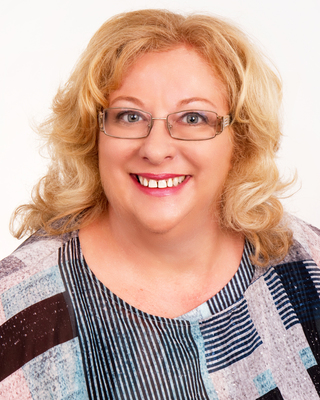
Hosted by Sandra Hall, LMHC, CAP, CRC, PA
Counselor, LMHC, CAP, CRC, SAP
Group meets in Largo, FL 33778
I work with Suncoast Safety Council, probation and others wishing help in a group setting for substance abuse issues. Hybrid telehealth and face to face available.
April 1 -3, 2026. Limited to 4 participants, this 3-day intensive workshop utilizes Pia Mellody's Post Induction Therapy to address the origins of adult dysfunctional behavior. In this revolutionary educational and experiential process, participants will identify and address early childhood experiences that have fueled problems in adult life. Participants gain a clearer view of how current life is impacted by childhood wounds. They learn the skills of a Functional Adult and experientially begin the process of reparenting the "Inner Child" and releasing toxic carried emotions.
April 1 -3, 2026. Limited to 4 participants, this 3-day intensive workshop utilizes Pia Mellody's Post Induction Therapy to address the origins of adult dysfunctional behavior. In this revolutionary educational and experiential process, participants will identify and address early childhood experiences that have fueled problems in adult life. Participants gain a clearer view of how current life is impacted by childhood wounds. They learn the skills of a Functional Adult and experientially begin the process of reparenting the "Inner Child" and releasing toxic carried emotions.
Does your child refer to their teacher as their best friend? Teens and young adults with developmental disabilities and autism can have a difficult time judging the nature of some social relationships. Join us this summer for the Circles: Intimacy and Relationships Program. This compelling program helps teens and young adults "see" social distance and explains levels of intimacy using concrete materials. It also helps teens to understand how those levels can change over time. Apply to join our Circles group by calling our office today. It includes 9 weekly sessions for teens and young adults ages 18-25 starting June 11th, 2019.

Hosted by Dr. Amanda Keating & Associates
Psychologist, PsyD, BCBA-D
Group meets in Temple Terrace, FL 33637
Does your child refer to their teacher as their best friend? Teens and young adults with developmental disabilities and autism can have a difficult time judging the nature of some social relationships. Join us this summer for the Circles: Intimacy and Relationships Program. This compelling program helps teens and young adults "see" social distance and explains levels of intimacy using concrete materials. It also helps teens to understand how those levels can change over time. Apply to join our Circles group by calling our office today. It includes 9 weekly sessions for teens and young adults ages 18-25 starting June 11th, 2019.
A series of Art in Wellness classes to advocate for the benefits of art and how images can release expression and improve coping skills in the facilitation of a better functioning. These psycho-educational workshops enhance safety and creativity while learning new approaches into wellness. No artistic skills necessary but just the intention to express in a natural way. To register www.dfac.org

A series of Art in Wellness classes to advocate for the benefits of art and how images can release expression and improve coping skills in the facilitation of a better functioning. These psycho-educational workshops enhance safety and creativity while learning new approaches into wellness. No artistic skills necessary but just the intention to express in a natural way. To register www.dfac.org
*** January 23, 2021*** An all female/male youth group focusing on building, enhancing, and applying constructive behavior. Offer activities to increase respect, understanding and acceptance of self; through role playing of real life scenarios, enhancing of talents, and implementing life skills. Encouraging team work, healthy relationships, and effective communication. Learning of drugs, their side effects, and consequences of the drug lifestyle. Self-esteem, self-confidence, and self-improvement building. Group discussions, group, individual activities, and social tasks. Leadership building and the process of manhood/womanhood.
*** January 23, 2021*** An all female/male youth group focusing on building, enhancing, and applying constructive behavior. Offer activities to increase respect, understanding and acceptance of self; through role playing of real life scenarios, enhancing of talents, and implementing life skills. Encouraging team work, healthy relationships, and effective communication. Learning of drugs, their side effects, and consequences of the drug lifestyle. Self-esteem, self-confidence, and self-improvement building. Group discussions, group, individual activities, and social tasks. Leadership building and the process of manhood/womanhood.
Understanding and regulating our nervous system is a key aspect of achieving and maintaining a sense of calm, focus, and overall health and mental health. It is vital for keeping anxiety at bay and for Stress Reduction, Enhanced Emotional Well-being, Improved Focus and Concentration and Better Sleep Quality. Trauma and difficulties in childhood can lead to a dysregulated nervous system which plays a crucial role in how we respond to stressors and navigate the complexities of daily life. Learn tools and experience methods to support regulation.

Understanding and regulating our nervous system is a key aspect of achieving and maintaining a sense of calm, focus, and overall health and mental health. It is vital for keeping anxiety at bay and for Stress Reduction, Enhanced Emotional Well-being, Improved Focus and Concentration and Better Sleep Quality. Trauma and difficulties in childhood can lead to a dysregulated nervous system which plays a crucial role in how we respond to stressors and navigate the complexities of daily life. Learn tools and experience methods to support regulation.
Supervise graduate student for internship and praticum. Supervise license interns for both LMHC and LMFT. Approved Supervisor AAMFT.

Hosted by Timothy D. Evans, Ph.D.
Marriage & Family Therapist, PhD, AAMFT, LMFT
Group meets in Tampa, FL 33611
Supervise graduate student for internship and praticum. Supervise license interns for both LMHC and LMFT. Approved Supervisor AAMFT.
Closed group every other Monday night from 5:30 to 7pm beginning October 2019. Capacity of 4our to six/eight participants. The group will be learning ways to cope with Self -care. The art emerged from the images will be the vehicle to become aware of internalize patterns of behavior that can be changed or shifted in order to improve wellness and functionality. Fee is 35.00 $ per person. material included. The group will begin in October. Please contact me for more infos and registering .
Closed group every other Monday night from 5:30 to 7pm beginning October 2019. Capacity of 4our to six/eight participants. The group will be learning ways to cope with Self -care. The art emerged from the images will be the vehicle to become aware of internalize patterns of behavior that can be changed or shifted in order to improve wellness and functionality. Fee is 35.00 $ per person. material included. The group will begin in October. Please contact me for more infos and registering .
Eye Movement, Neurocise, NLP & Hypnosis Skill Building Group for Professional Counselors, Helping Professionals involved in delivery of changework & trancework.

Eye Movement, Neurocise, NLP & Hypnosis Skill Building Group for Professional Counselors, Helping Professionals involved in delivery of changework & trancework.
Our DBT therapy group helps clients learn practical tools to manage overwhelming emotions, improve relationships, and respond to stress in healthier ways. In this group, you'll develop skills across four core areas: mindfulness, emotion regulation, distress tolerance, and interpersonal effectiveness. Led by a trained therapist, the group offers a supportive space to practice new strategies, reflect on real-life challenges, and feel less alone in your experience. Whether you're navigating anxiety, mood swings, people-pleasing, or difficulty setting boundaries, DBT can help you build a life that feels more balanced and in control.

Our DBT therapy group helps clients learn practical tools to manage overwhelming emotions, improve relationships, and respond to stress in healthier ways. In this group, you'll develop skills across four core areas: mindfulness, emotion regulation, distress tolerance, and interpersonal effectiveness. Led by a trained therapist, the group offers a supportive space to practice new strategies, reflect on real-life challenges, and feel less alone in your experience. Whether you're navigating anxiety, mood swings, people-pleasing, or difficulty setting boundaries, DBT can help you build a life that feels more balanced and in control.
L.I.F.E. Recovery Group for Women (Women Sexual Addicts) will be offered at 4144 N. Armenia Ave Tampa, FL 33607. In this group the women are allowed to be themselves and speak freely with judgment.

L.I.F.E. Recovery Group for Women (Women Sexual Addicts) will be offered at 4144 N. Armenia Ave Tampa, FL 33607. In this group the women are allowed to be themselves and speak freely with judgment.
You did it! You graduated with your masters. Now comes the weird part: finding a Qualified Supervisor and a home for those clinical hours. This is where you bring the cases that confuse you, the sessions you think you bombed, the gray areas, and eventually those moments when you realize, “Wait, I know what I’m doing.” If private practice is where you see yourself, supervision can also expose you to everything happening around the therapy hour: documentation, insurance, billing, referrals, and ethical marketing. Clinically, it’s also a chance to stretch and gain exposure to new populations and approaches.

Hosted by Dr. Josh Littleton
Licensed Mental Health Counselor, PhD, NCC, CST
Group meets in Tampa, FL 33607
You did it! You graduated with your masters. Now comes the weird part: finding a Qualified Supervisor and a home for those clinical hours. This is where you bring the cases that confuse you, the sessions you think you bombed, the gray areas, and eventually those moments when you realize, “Wait, I know what I’m doing.” If private practice is where you see yourself, supervision can also expose you to everything happening around the therapy hour: documentation, insurance, billing, referrals, and ethical marketing. Clinically, it’s also a chance to stretch and gain exposure to new populations and approaches.
NEW GROUPS BEGIN NOVEMBER 1ST. We will be adding "Motherless Women" "Fatherless Men" "Parent Skills Building Groups" and Teen/Middle School Age groups. Limit of 8-10 for each group over 6 week schedules. Sliding scale pricing will be offered. 8250 Bryan Dairy Rd, Suite 310, Largo, FL 33777

Hosted by Brian L Brolsma
Registered Mental Health Counselor Intern, RMHC
Group meets in Largo, FL 33777
NEW GROUPS BEGIN NOVEMBER 1ST. We will be adding "Motherless Women" "Fatherless Men" "Parent Skills Building Groups" and Teen/Middle School Age groups. Limit of 8-10 for each group over 6 week schedules. Sliding scale pricing will be offered. 8250 Bryan Dairy Rd, Suite 310, Largo, FL 33777
This therapy group is designed for individuals experiencing anxiety, emotional overwhelm, chronic stress, and burnout. Participants will learn practical emotional regulation strategies, increase self-awareness, and explore patterns contributing to emotional exhaustion in a supportive and structured environment. Sessions include psychoeducation, guided discussion, reflection, and coping tools to support improved emotional functioning and stress management. Open to New York, New Jersey, Maryland, Georgia and Florida residents. Insurance-based options through Headway, out-of-network benefits, and self-pay options are available.

Hosted by Destined Horizons Mental Health Practice
Licensed Professional Counselor, PhD, LPC, ACS
Group meets in Saint Petersburg, FL 33702
This therapy group is designed for individuals experiencing anxiety, emotional overwhelm, chronic stress, and burnout. Participants will learn practical emotional regulation strategies, increase self-awareness, and explore patterns contributing to emotional exhaustion in a supportive and structured environment. Sessions include psychoeducation, guided discussion, reflection, and coping tools to support improved emotional functioning and stress management. Open to New York, New Jersey, Maryland, Georgia and Florida residents. Insurance-based options through Headway, out-of-network benefits, and self-pay options are available.
See more therapy options for Sun City Center


Nearby Searches for Sun City Center
- Apollo Beach
- Bradenton
- Brandon
- Clearwater
- Lakewood Ranch
- Largo
- Pinellas Park
- Riverview
- Safety Harbor
- Saint Petersburg
- Tampa
- Valrico
FAQs - About Group Therapy and Support Groups
How can I find a support group in Sun City Center?
To find a support group in your area, start by entering your city, zip code, or the name of the group into the search bar at the top of the page. When searching, consider whether you prefer an in-person or virtual group. This can help you decide how broad your geographic search should be. If you are open to virtual groups, you might want to search by state instead of just your city, especially if there are limited options nearby.
Once you complete your search, you can use the filters to narrow the results by selecting specialties (such as grief, trauma, or eating disorders), therapeutic approaches, age groups, and other criteria to find a group that best fits your needs.
Once you complete your search, you can use the filters to narrow the results by selecting specialties (such as grief, trauma, or eating disorders), therapeutic approaches, age groups, and other criteria to find a group that best fits your needs.
How does group therapy work?
Group therapy is led by one or more trained therapists and provides a space where participants can process their experiences and learn from others facing similar challenges. Groups may focus on a specific issue—such as addiction, grief, physical illnesses, parenting, or caregiving—or they may center around a particular therapeutic approach, such as Cognitive Behavioral Therapy (CBT), social skill development, or Exposure Therapy. Some groups are also designed for specific populations, such as teens, veterans, or LGBTQ+ individuals.
It’s also important to distinguish group therapy from peer-led support groups, like Alcoholics Anonymous. While both can offer valuable support, therapy groups are typically led by licensed professionals and follow a more structured format. Therapy groups often meet for a fixed length of time with a consistent group of members, while many peer support groups meet for an indefinite period of time with members coming and going.
It’s also important to distinguish group therapy from peer-led support groups, like Alcoholics Anonymous. While both can offer valuable support, therapy groups are typically led by licensed professionals and follow a more structured format. Therapy groups often meet for a fixed length of time with a consistent group of members, while many peer support groups meet for an indefinite period of time with members coming and going.
What are the benefits of group therapy?
Group therapy offers several important benefits. It brings together people facing similar challenges—whether related to mental health, physical health, or life transitions—and creates a supportive environment where participants can exchange feedback, share experiences, and learn from one another. Hearing different perspectives can help individuals discover new coping strategies and practical tools they may not have encountered on their own. Sharing personal experiences, such as coping with a serious illness or navigating family struggles, can also reduce feelings of isolation and foster a sense of connection and understanding. In addition to emotional support, group members often gain useful, real-world advice from peers who have faced similar situations.
Group therapy is typically more affordable than individual therapy and, for certain conditions, can be equally effective. Many groups also include structured activities—such as guided journaling, cognitive-behavioral exercises, or role-playing—to help participants develop concrete skills they can apply in daily life.
Group therapy is typically more affordable than individual therapy and, for certain conditions, can be equally effective. Many groups also include structured activities—such as guided journaling, cognitive-behavioral exercises, or role-playing—to help participants develop concrete skills they can apply in daily life.
Is group therapy as effective as individual therapy?
It is difficult to make a blanket statement about the effectiveness of support groups, as they vary widely in focus and the conditions they address. However, support groups can be highly valuable in helping individuals gain emotional support and achieve meaningful treatment outcomes. For certain conditions, such as substance use, research has shown that group therapy can be particularly effective—sometimes just as effective as individual therapy—in supporting long-term recovery.
Many professionals attribute the effectiveness of group therapy to the unique benefits of the group setting, which fosters peer-to-peer learning and a sense of connection through shared experiences. Group settings also offer accountability and encouragement from both facilitators and fellow participants, which helps sustain motivation and supports continued progress. These factors together play a key role in promoting the overall effectiveness of group therapy.
Many professionals attribute the effectiveness of group therapy to the unique benefits of the group setting, which fosters peer-to-peer learning and a sense of connection through shared experiences. Group settings also offer accountability and encouragement from both facilitators and fellow participants, which helps sustain motivation and supports continued progress. These factors together play a key role in promoting the overall effectiveness of group therapy.
How much does group therapy cost?
Group therapy is typically less expensive than individual therapy, with sessions typically costing between $50 and $75 each. In comparison, individual therapy can cost anywhere from $100 to $200 or more per session, even with insurance. Some therapists or organizations offer low-cost or free group therapy options, particularly through community centers or nonprofit organizations. In some cases, groups may require payment upfront for a set number of sessions, such as paying for six weekly sessions at the first meeting. However, many providers offer payment plans to help make participation more accessible if this upfront payment is required.
Does insurance cover group therapy?
As with individual therapy, insurance coverage for group therapy varies based on factors such as your specific insurance plan, the purpose of the group, your diagnosis, and whether the group provider is in-network. Many insurance plans cover group therapy sessions that address diagnosable mental health conditions, such as substance use disorders, anxiety, or depression.
However, groups that focus on topics not directly tied to a mental health diagnosis—such as parenting support or divorce recovery—are less likely to be covered. Because coverage can vary widely, it’s important to check with your insurance provider before joining a group to confirm whether the sessions will be covered and what out-of-pocket costs you may be responsible for.
However, groups that focus on topics not directly tied to a mental health diagnosis—such as parenting support or divorce recovery—are less likely to be covered. Because coverage can vary widely, it’s important to check with your insurance provider before joining a group to confirm whether the sessions will be covered and what out-of-pocket costs you may be responsible for.
How long does group therapy last?
The length of each group therapy session typically ranges from 45 minutes to two hours, depending on the therapy approach, the group’s goals, and how often the group meets. In some cases, group therapy is part of a larger treatment program, such as an Intensive Outpatient Program (IOP), where group sessions complement individual therapy and are scheduled as part of the program’s overall structure.
The duration of participation in a group also varies. Some groups are designed to be short-term, lasting anywhere from 6 to 24 weeks—for example, bereavement groups or skills-based groups like those using Dialectical Behavioral Therapy (DBT). Other groups may be longer-term, lasting a year or more, and some ongoing support groups meet indefinitely, allowing participants to stay as long as they find the group helpful.
The duration of participation in a group also varies. Some groups are designed to be short-term, lasting anywhere from 6 to 24 weeks—for example, bereavement groups or skills-based groups like those using Dialectical Behavioral Therapy (DBT). Other groups may be longer-term, lasting a year or more, and some ongoing support groups meet indefinitely, allowing participants to stay as long as they find the group helpful.
What are the limitations of support groups?
Support groups offer many benefits, but they also have certain limitations. Unlike therapy groups, many support groups do not provide formal therapeutic treatment and are not led by licensed mental health professionals. For individuals seeking clinical treatment for specific mental health diagnoses—such as depression, eating disorders, or substance use—individual therapy or group therapy led by a licensed professional may offer more personalized and specialized care.
The effectiveness of a support group also depends heavily on the group’s participants and the overall group dynamic. When members engage respectfully and offer constructive support, the group can foster valuable peer-to-peer learning. However, if certain participants dominate discussions, provide inaccurate advice, or create conflict, it can disrupt the group’s sense of safety and reduce its effectiveness. Confidentiality can also be harder to maintain in support groups, particularly in open groups where participants can join or leave at any time. With new members regularly entering the group, it can be more difficult to build and sustain a consistent sense of trust and privacy.
The effectiveness of a support group also depends heavily on the group’s participants and the overall group dynamic. When members engage respectfully and offer constructive support, the group can foster valuable peer-to-peer learning. However, if certain participants dominate discussions, provide inaccurate advice, or create conflict, it can disrupt the group’s sense of safety and reduce its effectiveness. Confidentiality can also be harder to maintain in support groups, particularly in open groups where participants can join or leave at any time. With new members regularly entering the group, it can be more difficult to build and sustain a consistent sense of trust and privacy.