Support Groups in Spring Hill, FL
Are you looking to develop coping skills, enhance social skills, or face personal challenges in a fun, creative, and supportive environment? Join our Therapeutic Dungeons & Dragons group, where storytelling meets personal growth! What We Offer: A closed group of 3 to 4 players, meeting for 6 to 8 weeks. - Personalized support through individual intake sessions and goal setting. - A safe space to learn new coping strategies, improve social interactions, and face fears through the immersive and imaginative world of D&D. For more details or to schedule your intake session, reach out now. Let’s level up your life together!
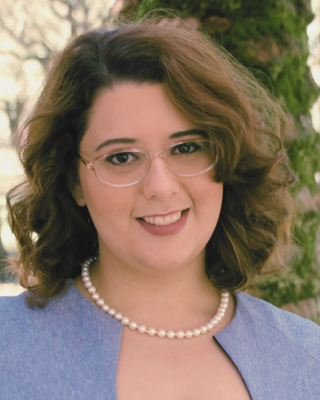
Hosted by Jennifer Fuentes Robison
Clinical Social Work/Therapist, MSW, LCSW, QS
Group meets in Spring Hill, FL 34609
Are you looking to develop coping skills, enhance social skills, or face personal challenges in a fun, creative, and supportive environment? Join our Therapeutic Dungeons & Dragons group, where storytelling meets personal growth! What We Offer: A closed group of 3 to 4 players, meeting for 6 to 8 weeks. - Personalized support through individual intake sessions and goal setting. - A safe space to learn new coping strategies, improve social interactions, and face fears through the immersive and imaginative world of D&D. For more details or to schedule your intake session, reach out now. Let’s level up your life together!
These groups are a safe space for parents who are struggling with their children. Here, we explore the deep beliefs we’ve developed about ourselves, others, and the world. These beliefs can shape how you feel, how you react, and how you see yourself and others. Often, they create patterns of living that get in the way of living a fulfilled life. These patterns create relationship cycles that effect our ability to relate with our children in productive ways.
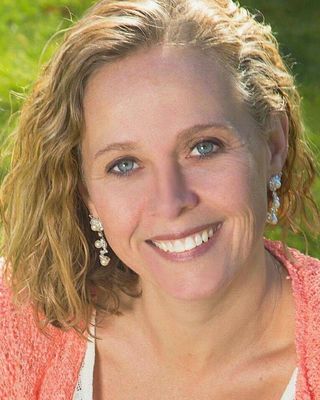
Hosted by Annaleigha Moriarty
Counselor, MPS, LPC, LMHC, CPCS, ACS
Group meets in Spring Hill, FL 34608
These groups are a safe space for parents who are struggling with their children. Here, we explore the deep beliefs we’ve developed about ourselves, others, and the world. These beliefs can shape how you feel, how you react, and how you see yourself and others. Often, they create patterns of living that get in the way of living a fulfilled life. These patterns create relationship cycles that effect our ability to relate with our children in productive ways.
This 8-week, self-paced program blends creativity, personal growth, and real-life tools to help you build the confidence and clarity you need to navigate adulthood with peace and purpose. Through guided lessons, reflective activities, and biweekly community sessions, you’ll learn how to manage emotions, communicate better, set boundaries, and build a life that actually feels like you.

Hosted by Jasmine Rodriguez
Licensed Mental Health Counselor, MA, LMHC, ATR
Group meets in Spring Hill, FL 34606
This 8-week, self-paced program blends creativity, personal growth, and real-life tools to help you build the confidence and clarity you need to navigate adulthood with peace and purpose. Through guided lessons, reflective activities, and biweekly community sessions, you’ll learn how to manage emotions, communicate better, set boundaries, and build a life that actually feels like you.
This group is an open environment where parents can explore and express their thoughts and feelings about their child's transition. Please call for more information.
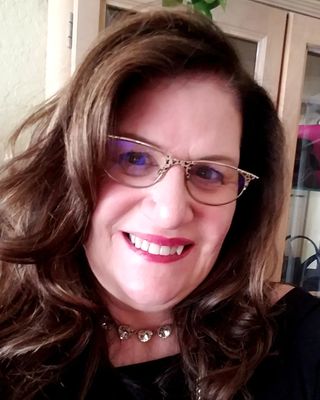
Hosted by Daryl Lynn Cox
Clinical Social Work/Therapist, LCSW, MSW
Group meets in Spring Hill, FL 34609
This group is an open environment where parents can explore and express their thoughts and feelings about their child's transition. Please call for more information.
More Groups Nearby
Current the DBT Skills groups are being offered through telehealth.

Current the DBT Skills groups are being offered through telehealth.
Nagoski explores the barriers to sexual enjoyment—stress, body image, relationship challenges, and beliefs about how sex "should" be—and offers practical ways to overcome them. This book is great even if you aren't in a long-term relationship! Learning more about yourself and having an opportunity to share with others could be life-changing.

Nagoski explores the barriers to sexual enjoyment—stress, body image, relationship challenges, and beliefs about how sex "should" be—and offers practical ways to overcome them. This book is great even if you aren't in a long-term relationship! Learning more about yourself and having an opportunity to share with others could be life-changing.
DBT group for adolescent females. Targeting emotion regulation, distress tolerance, interpersonal skills, and mindfulness. Group will be Mondays from 7-8:30 PM for 10 weeks, starting January 15. Each group is $65.

DBT group for adolescent females. Targeting emotion regulation, distress tolerance, interpersonal skills, and mindfulness. Group will be Mondays from 7-8:30 PM for 10 weeks, starting January 15. Each group is $65.
If you've had enough of your mental health compromising your ability to function in everyday life or are searching for an alternative way to break through your present circumstances, consider joining us. Through the use of non-traditional, curriculum-based creative activities using art, music, Cognitive Behavior Therapy (CBT), and Dialectal Behavior Therapy (DBT) you'll find the tools necessary to see yourself more objectively. You'll acquire the skill sets needed to gain a new perspective, which will allow you to process your thoughts and behavior differently. Develop the means that will assist you with goal setting, trouble shooting, and processing situations.

If you've had enough of your mental health compromising your ability to function in everyday life or are searching for an alternative way to break through your present circumstances, consider joining us. Through the use of non-traditional, curriculum-based creative activities using art, music, Cognitive Behavior Therapy (CBT), and Dialectal Behavior Therapy (DBT) you'll find the tools necessary to see yourself more objectively. You'll acquire the skill sets needed to gain a new perspective, which will allow you to process your thoughts and behavior differently. Develop the means that will assist you with goal setting, trouble shooting, and processing situations.
every Thursday from 6PM-7PM, starting April 14th, 2022.

every Thursday from 6PM-7PM, starting April 14th, 2022.
job related treatment for work related substance abuse, positive drug screens or mental health issues

job related treatment for work related substance abuse, positive drug screens or mental health issues
This DBT Teen Skills Group provides adolescents with practical, evidence-based tools for managing emotions, stress, and relationships. Using Dialectical Behavior Therapy (DBT), teens learn mindfulness, emotion regulation, distress tolerance, and interpersonal effectiveness skills. The group is structured, skills-based, and developmentally appropriate, with visual supports and interactive activities. It is well suited for teens with anxiety, ADHD, depression, emotional dysregulation, and ASD Level 1. Teens are not required to share personal details; the emphasis is on learning and practicing skills in a supportive group setting. Parent support materials are provided to encourage skill use at home.

This DBT Teen Skills Group provides adolescents with practical, evidence-based tools for managing emotions, stress, and relationships. Using Dialectical Behavior Therapy (DBT), teens learn mindfulness, emotion regulation, distress tolerance, and interpersonal effectiveness skills. The group is structured, skills-based, and developmentally appropriate, with visual supports and interactive activities. It is well suited for teens with anxiety, ADHD, depression, emotional dysregulation, and ASD Level 1. Teens are not required to share personal details; the emphasis is on learning and practicing skills in a supportive group setting. Parent support materials are provided to encourage skill use at home.
In the state of Florida, 1 in 6 women report sexual assault per year and 1 in 8 children report experiencing sexual abuse over their lifetime. This trauma can leave lasting pain that can affect many aspects of one's life. This group aims to be a safe place to process those lingering pains and build each other up. We will build trust slowly. Currently, this group is for women only. To see if you meet the requirements to attend, contact us today. ($30 fee per group attendance)
In the state of Florida, 1 in 6 women report sexual assault per year and 1 in 8 children report experiencing sexual abuse over their lifetime. This trauma can leave lasting pain that can affect many aspects of one's life. This group aims to be a safe place to process those lingering pains and build each other up. We will build trust slowly. Currently, this group is for women only. To see if you meet the requirements to attend, contact us today. ($30 fee per group attendance)
Offered in partnership with Meridian Counseling Center, Inc, we are facilitating holistic healing weekend retreats, incorporating equine-assisted healing, experiential therapies (e.g.,art, movement, qi gong, transformational breathwork, psychomanteum/mediumship) and more! Customized to attendeees' unique experience, and taking place at Legacy Lane Farm, Spring Hill, Florida, join us for a weekend of lasting transformation! 1st retreat: June 7-10, 2018! Registration limited to 9 participants, so "first come, first served"! Call us today!

Offered in partnership with Meridian Counseling Center, Inc, we are facilitating holistic healing weekend retreats, incorporating equine-assisted healing, experiential therapies (e.g.,art, movement, qi gong, transformational breathwork, psychomanteum/mediumship) and more! Customized to attendeees' unique experience, and taking place at Legacy Lane Farm, Spring Hill, Florida, join us for a weekend of lasting transformation! 1st retreat: June 7-10, 2018! Registration limited to 9 participants, so "first come, first served"! Call us today!
Every other Wednesday 6 to 7pmPsychoeducational and Suport Group for teens and tweens. We will discuss adsupport Gender Issues, Anxiety, Depression and all issues related to the life of being a teen in today's world. Twice a month. Most Insurance Accepted and cash rates as low as $20

Hosted by Child and Family Institute- Qualified Supervisor
Counselor, LMHC, QS, ART , ITDS, CLTP
Group meets in New Port Richey, FL 34655
Every other Wednesday 6 to 7pmPsychoeducational and Suport Group for teens and tweens. We will discuss adsupport Gender Issues, Anxiety, Depression and all issues related to the life of being a teen in today's world. Twice a month. Most Insurance Accepted and cash rates as low as $20
We are currently offering a high school support group for girls. Please see our website for more information.

We are currently offering a high school support group for girls. Please see our website for more information.
Complete the submission form: https://forms.gle/5v1FQWNQayJp7Boc6, Support Group for Families of Incarcerated Loved Ones in Florida, A 6-week group offering a safe, supportive space to share experiences, reduce stigma, and learn coping tools. Each session explores stress, self-care, family challenges, and hope for the future. Find strength, connection, and healing with others who understand. Most insurances accepted. Week 1: Building Trust & Sharing Our Stories Week 2: Coping with Stigma & Shame Week 3: Managing Stress & Self-Care Week 4: Communication & Maintaining Connection Week 5: Navigating Family & Relationships

Hosted by Therapeutic Counseling Services, LLC
Clinical Social Work/Therapist, LCSW, MEd, CISM, C-DBT
Group meets in Land O Lakes, FL 34637
Complete the submission form: https://forms.gle/5v1FQWNQayJp7Boc6, Support Group for Families of Incarcerated Loved Ones in Florida, A 6-week group offering a safe, supportive space to share experiences, reduce stigma, and learn coping tools. Each session explores stress, self-care, family challenges, and hope for the future. Find strength, connection, and healing with others who understand. Most insurances accepted. Week 1: Building Trust & Sharing Our Stories Week 2: Coping with Stigma & Shame Week 3: Managing Stress & Self-Care Week 4: Communication & Maintaining Connection Week 5: Navigating Family & Relationships
General Support • Anxiety • Depression • Interpersonal Conflicts/Relationship Issues • Emotion Regulation • How to build self-esteem/confidence • What is self-care and how to implement Self-care • Space is limited-8 week groups. Starting on Tuesday 02/18/25 at 6 pm (55 and over) Saturday 02/15/25 at 10am..Registration open now.

Hosted by Hope Psychotherapy & Consulting Services LLC
Clinical Social Work/Therapist, DSW, LCSW, EMDR-PT, C-DBT, QS
Group meets in Wesley Chapel, FL 33544
General Support • Anxiety • Depression • Interpersonal Conflicts/Relationship Issues • Emotion Regulation • How to build self-esteem/confidence • What is self-care and how to implement Self-care • Space is limited-8 week groups. Starting on Tuesday 02/18/25 at 6 pm (55 and over) Saturday 02/15/25 at 10am..Registration open now.
An 8-Week Healing Group for Adult Survivors of Childhood Sexual Abuse. Aug 23rd-Oct 11th. Facilitated by Nancy Young, MSW, RCSWI, Certified in DBT, Expert in Human Trafficking and Sexual Exploitation. A safe and supportive space for adult survivors of childhood sexual abuse to begin or continue their healing journey. Through guided topics, group sharing, and trauma-informed practices, participants will explore identity, release shame, reconnect with their inner voice, and find strength in shared experience. Group Topics Include: Creating Safety & Grounding Understanding Trauma's Impact Releasing Shame & SelfBlame Inner Child & Grief Work Boundaries & Reclaiming Voice Rewriting Your Story

An 8-Week Healing Group for Adult Survivors of Childhood Sexual Abuse. Aug 23rd-Oct 11th. Facilitated by Nancy Young, MSW, RCSWI, Certified in DBT, Expert in Human Trafficking and Sexual Exploitation. A safe and supportive space for adult survivors of childhood sexual abuse to begin or continue their healing journey. Through guided topics, group sharing, and trauma-informed practices, participants will explore identity, release shame, reconnect with their inner voice, and find strength in shared experience. Group Topics Include: Creating Safety & Grounding Understanding Trauma's Impact Releasing Shame & SelfBlame Inner Child & Grief Work Boundaries & Reclaiming Voice Rewriting Your Story
Dates: Aug 23rd to Oct 11th. Facilitated by Nancy Young, MSW, RCSWI, Certified in DBT, Expert in Human Trafficking and Sexual Exploitation. This is na 8-Week Healing Group for Adult Survivors of Childhood Sexual Abuse A safe and supportive space to begin or continue your healing journey. Through guided topics, group sharing, and trauma-informed practices, participants will explore identity, release shame, reconnect with their inner voice, and find strength in shared experience. Group Topics Include: Creating Safety & Grounding Understanding Trauma's Impact Releasing Shame & SelfBlame Inner Child & Grief Work Boundaries & Reclaiming Voice Rewriting Your Story

Dates: Aug 23rd to Oct 11th. Facilitated by Nancy Young, MSW, RCSWI, Certified in DBT, Expert in Human Trafficking and Sexual Exploitation. This is na 8-Week Healing Group for Adult Survivors of Childhood Sexual Abuse A safe and supportive space to begin or continue your healing journey. Through guided topics, group sharing, and trauma-informed practices, participants will explore identity, release shame, reconnect with their inner voice, and find strength in shared experience. Group Topics Include: Creating Safety & Grounding Understanding Trauma's Impact Releasing Shame & SelfBlame Inner Child & Grief Work Boundaries & Reclaiming Voice Rewriting Your Story
? Empowering Teen Girls Group (Ages 13–17) ? Help your teen grow into her most confident, emotionally aware, and empowered self! This group focuses on healthy relationships, emotional regulation, anxiety reduction, and building self-esteem through evidence-based practices—all in a fun, supportive, and multicultural environment. Girls will learn practical tools to communicate effectively, manage emotions, and develop positive self-identity while connecting with peers who understand their experiences. ? Now enrolling new participants—limited spots available! ? Lead with confidence. Grow with purpose. Message today to reserve your spot!

? Empowering Teen Girls Group (Ages 13–17) ? Help your teen grow into her most confident, emotionally aware, and empowered self! This group focuses on healthy relationships, emotional regulation, anxiety reduction, and building self-esteem through evidence-based practices—all in a fun, supportive, and multicultural environment. Girls will learn practical tools to communicate effectively, manage emotions, and develop positive self-identity while connecting with peers who understand their experiences. ? Now enrolling new participants—limited spots available! ? Lead with confidence. Grow with purpose. Message today to reserve your spot!
See more therapy options for Spring Hill


FAQs - About Group Therapy and Support Groups
How can I find a support group in Spring Hill?
To find a support group in your area, start by entering your city, zip code, or the name of the group into the search bar at the top of the page. When searching, consider whether you prefer an in-person or virtual group. This can help you decide how broad your geographic search should be. If you are open to virtual groups, you might want to search by state instead of just your city, especially if there are limited options nearby.
Once you complete your search, you can use the filters to narrow the results by selecting specialties (such as grief, trauma, or eating disorders), therapeutic approaches, age groups, and other criteria to find a group that best fits your needs.
Once you complete your search, you can use the filters to narrow the results by selecting specialties (such as grief, trauma, or eating disorders), therapeutic approaches, age groups, and other criteria to find a group that best fits your needs.
How does group therapy work?
Group therapy is led by one or more trained therapists and provides a space where participants can process their experiences and learn from others facing similar challenges. Groups may focus on a specific issue—such as addiction, grief, physical illnesses, parenting, or caregiving—or they may center around a particular therapeutic approach, such as Cognitive Behavioral Therapy (CBT), social skill development, or Exposure Therapy. Some groups are also designed for specific populations, such as teens, veterans, or LGBTQ+ individuals.
It’s also important to distinguish group therapy from peer-led support groups, like Alcoholics Anonymous. While both can offer valuable support, therapy groups are typically led by licensed professionals and follow a more structured format. Therapy groups often meet for a fixed length of time with a consistent group of members, while many peer support groups meet for an indefinite period of time with members coming and going.
It’s also important to distinguish group therapy from peer-led support groups, like Alcoholics Anonymous. While both can offer valuable support, therapy groups are typically led by licensed professionals and follow a more structured format. Therapy groups often meet for a fixed length of time with a consistent group of members, while many peer support groups meet for an indefinite period of time with members coming and going.
What are the benefits of group therapy?
Group therapy offers several important benefits. It brings together people facing similar challenges—whether related to mental health, physical health, or life transitions—and creates a supportive environment where participants can exchange feedback, share experiences, and learn from one another. Hearing different perspectives can help individuals discover new coping strategies and practical tools they may not have encountered on their own. Sharing personal experiences, such as coping with a serious illness or navigating family struggles, can also reduce feelings of isolation and foster a sense of connection and understanding. In addition to emotional support, group members often gain useful, real-world advice from peers who have faced similar situations.
Group therapy is typically more affordable than individual therapy and, for certain conditions, can be equally effective. Many groups also include structured activities—such as guided journaling, cognitive-behavioral exercises, or role-playing—to help participants develop concrete skills they can apply in daily life.
Group therapy is typically more affordable than individual therapy and, for certain conditions, can be equally effective. Many groups also include structured activities—such as guided journaling, cognitive-behavioral exercises, or role-playing—to help participants develop concrete skills they can apply in daily life.
Is group therapy as effective as individual therapy?
It is difficult to make a blanket statement about the effectiveness of support groups, as they vary widely in focus and the conditions they address. However, support groups can be highly valuable in helping individuals gain emotional support and achieve meaningful treatment outcomes. For certain conditions, such as substance use, research has shown that group therapy can be particularly effective—sometimes just as effective as individual therapy—in supporting long-term recovery.
Many professionals attribute the effectiveness of group therapy to the unique benefits of the group setting, which fosters peer-to-peer learning and a sense of connection through shared experiences. Group settings also offer accountability and encouragement from both facilitators and fellow participants, which helps sustain motivation and supports continued progress. These factors together play a key role in promoting the overall effectiveness of group therapy.
Many professionals attribute the effectiveness of group therapy to the unique benefits of the group setting, which fosters peer-to-peer learning and a sense of connection through shared experiences. Group settings also offer accountability and encouragement from both facilitators and fellow participants, which helps sustain motivation and supports continued progress. These factors together play a key role in promoting the overall effectiveness of group therapy.
How much does group therapy cost?
Group therapy is typically less expensive than individual therapy, with sessions typically costing between $50 and $75 each. In comparison, individual therapy can cost anywhere from $100 to $200 or more per session, even with insurance. Some therapists or organizations offer low-cost or free group therapy options, particularly through community centers or nonprofit organizations. In some cases, groups may require payment upfront for a set number of sessions, such as paying for six weekly sessions at the first meeting. However, many providers offer payment plans to help make participation more accessible if this upfront payment is required.
Does insurance cover group therapy?
As with individual therapy, insurance coverage for group therapy varies based on factors such as your specific insurance plan, the purpose of the group, your diagnosis, and whether the group provider is in-network. Many insurance plans cover group therapy sessions that address diagnosable mental health conditions, such as substance use disorders, anxiety, or depression.
However, groups that focus on topics not directly tied to a mental health diagnosis—such as parenting support or divorce recovery—are less likely to be covered. Because coverage can vary widely, it’s important to check with your insurance provider before joining a group to confirm whether the sessions will be covered and what out-of-pocket costs you may be responsible for.
However, groups that focus on topics not directly tied to a mental health diagnosis—such as parenting support or divorce recovery—are less likely to be covered. Because coverage can vary widely, it’s important to check with your insurance provider before joining a group to confirm whether the sessions will be covered and what out-of-pocket costs you may be responsible for.
How long does group therapy last?
The length of each group therapy session typically ranges from 45 minutes to two hours, depending on the therapy approach, the group’s goals, and how often the group meets. In some cases, group therapy is part of a larger treatment program, such as an Intensive Outpatient Program (IOP), where group sessions complement individual therapy and are scheduled as part of the program’s overall structure.
The duration of participation in a group also varies. Some groups are designed to be short-term, lasting anywhere from 6 to 24 weeks—for example, bereavement groups or skills-based groups like those using Dialectical Behavioral Therapy (DBT). Other groups may be longer-term, lasting a year or more, and some ongoing support groups meet indefinitely, allowing participants to stay as long as they find the group helpful.
The duration of participation in a group also varies. Some groups are designed to be short-term, lasting anywhere from 6 to 24 weeks—for example, bereavement groups or skills-based groups like those using Dialectical Behavioral Therapy (DBT). Other groups may be longer-term, lasting a year or more, and some ongoing support groups meet indefinitely, allowing participants to stay as long as they find the group helpful.
What are the limitations of support groups?
Support groups offer many benefits, but they also have certain limitations. Unlike therapy groups, many support groups do not provide formal therapeutic treatment and are not led by licensed mental health professionals. For individuals seeking clinical treatment for specific mental health diagnoses—such as depression, eating disorders, or substance use—individual therapy or group therapy led by a licensed professional may offer more personalized and specialized care.
The effectiveness of a support group also depends heavily on the group’s participants and the overall group dynamic. When members engage respectfully and offer constructive support, the group can foster valuable peer-to-peer learning. However, if certain participants dominate discussions, provide inaccurate advice, or create conflict, it can disrupt the group’s sense of safety and reduce its effectiveness. Confidentiality can also be harder to maintain in support groups, particularly in open groups where participants can join or leave at any time. With new members regularly entering the group, it can be more difficult to build and sustain a consistent sense of trust and privacy.
The effectiveness of a support group also depends heavily on the group’s participants and the overall group dynamic. When members engage respectfully and offer constructive support, the group can foster valuable peer-to-peer learning. However, if certain participants dominate discussions, provide inaccurate advice, or create conflict, it can disrupt the group’s sense of safety and reduce its effectiveness. Confidentiality can also be harder to maintain in support groups, particularly in open groups where participants can join or leave at any time. With new members regularly entering the group, it can be more difficult to build and sustain a consistent sense of trust and privacy.