Support Groups in Panama City, FL
Online after hours chat: prestoexperts.com/expert/andrea-mccrary

Hosted by Dr. Andrea Hagler McCrary
Counselor, PhD, LMHC, MS, MEd
Group meets in Panama City, FL 32409
Online after hours chat: prestoexperts.com/expert/andrea-mccrary
A supportive group for individuals living with Sickle Cell Anemia and the caregivers who stand beside them. This group offers a compassionate space to connect, share experiences, and receive encouragement from others who understand the journey. Participants will gain access to education on emerging treatments and medications, valuable resources, and self-care strategies while feeling heard, validated, and supported within a community of resilience.
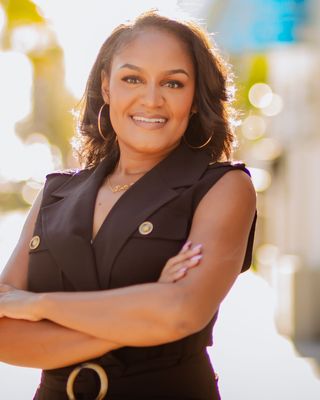
A supportive group for individuals living with Sickle Cell Anemia and the caregivers who stand beside them. This group offers a compassionate space to connect, share experiences, and receive encouragement from others who understand the journey. Participants will gain access to education on emerging treatments and medications, valuable resources, and self-care strategies while feeling heard, validated, and supported within a community of resilience.
Join our group on the first Monday of every month from 6 p.m. to 7 p.m. to discuss how to overcome abandonment by parents and loved ones. This is an online meeting, and a link will be sent to participants.
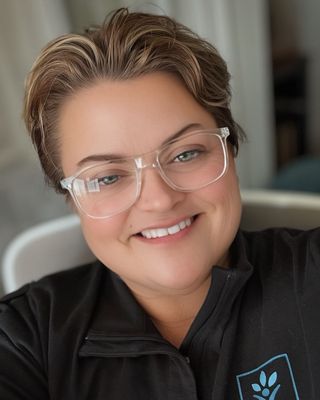
Join our group on the first Monday of every month from 6 p.m. to 7 p.m. to discuss how to overcome abandonment by parents and loved ones. This is an online meeting, and a link will be sent to participants.
Treatment groups are offered throughout the week and focus on substance abuse, parenting and anger management. Groups are designed to assist you in arresting your addiction, improving your parenting skills and controlling your anger. Groups are a minimum of 10 weeks, depending on your referral source. Self-referrals are welcome. If you need assistance in any of these areas, please give me a call.

Hosted by Dr. Sherry Taylor-Butler, LMHC, LLC
Counselor, LMHC, LLC
Group meets in Panama City, FL 32401
Treatment groups are offered throughout the week and focus on substance abuse, parenting and anger management. Groups are designed to assist you in arresting your addiction, improving your parenting skills and controlling your anger. Groups are a minimum of 10 weeks, depending on your referral source. Self-referrals are welcome. If you need assistance in any of these areas, please give me a call.
Taking a "body sculpting" approach, combined with hypnotic suggestions clients change their relationship to food and eating. Tanya has over 30 years experience teaching and leading groups. How much weight can you expect to lose? This varies and is dependent on many factors, however, participants who are able to follow directions & practice the techniques can lose 10 pounds over the 6 week workshop. The course is fun and fast paced. Evenings start 3/26/26 6pm and 5/26/26 5:30pm. Saturdays start 5/2/26 11am. Each workshop is 90 minutes. Total $180
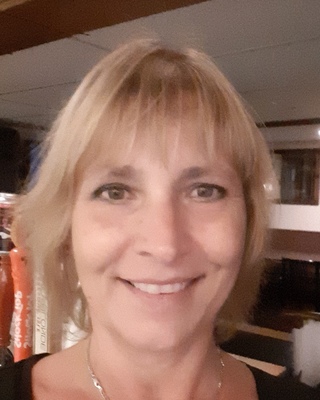
Taking a "body sculpting" approach, combined with hypnotic suggestions clients change their relationship to food and eating. Tanya has over 30 years experience teaching and leading groups. How much weight can you expect to lose? This varies and is dependent on many factors, however, participants who are able to follow directions & practice the techniques can lose 10 pounds over the 6 week workshop. The course is fun and fast paced. Evenings start 3/26/26 6pm and 5/26/26 5:30pm. Saturdays start 5/2/26 11am. Each workshop is 90 minutes. Total $180
Online Groups
Invest in your relationship. Relationships can be difficult and have many roadblocks that cause couples to stumble and miscommunicate. This workshop teaches couples practical skills that can help build and create a positive, loving marriage. You will learn to understand the differences between men and women in a positive way and learn effective communication skills. You will see that it is not just your partner that does things the way he or she does. The simple understanding of the differences between men and women can create new awareness that can cause a dramatic shift in a relationship. (Feb/10/2018)

Hosted by Dr. Daniel Roberts
Clinical Social Work/Therapist, PsyD, LCSW, MSW
Group meets in Tallahassee, FL 32308
Invest in your relationship. Relationships can be difficult and have many roadblocks that cause couples to stumble and miscommunicate. This workshop teaches couples practical skills that can help build and create a positive, loving marriage. You will learn to understand the differences between men and women in a positive way and learn effective communication skills. You will see that it is not just your partner that does things the way he or she does. The simple understanding of the differences between men and women can create new awareness that can cause a dramatic shift in a relationship. (Feb/10/2018)
Starting a life together is exciting—and comes with plenty of opportunities to grow. This therapist-facilitated group helps engaged and newlywed couples build a strong foundation for a healthy, lasting relationship. Together, we’ll explore communication, conflict resolution, expectations, finances, intimacy, family dynamics, and the transition into married life. Through guided conversations and practical exercises, couples will gain tools to navigate challenges, deepen their connection, and better understand one another. Whether you’re preparing for marriage or adjusting to life as newlyweds, this group provides a supportive space to learn, grow, and invest in your relationship.
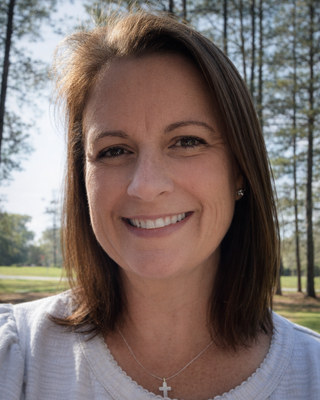
Starting a life together is exciting—and comes with plenty of opportunities to grow. This therapist-facilitated group helps engaged and newlywed couples build a strong foundation for a healthy, lasting relationship. Together, we’ll explore communication, conflict resolution, expectations, finances, intimacy, family dynamics, and the transition into married life. Through guided conversations and practical exercises, couples will gain tools to navigate challenges, deepen their connection, and better understand one another. Whether you’re preparing for marriage or adjusting to life as newlyweds, this group provides a supportive space to learn, grow, and invest in your relationship.
This group is for adolescents who are dealing with all issues affecting their life: Peers, parents, expectations, and family problems. Managing stress is often a big topic.

This group is for adolescents who are dealing with all issues affecting their life: Peers, parents, expectations, and family problems. Managing stress is often a big topic.
Everyday healthcare workers and first responders witness traumatic events. This is the definition of secondary trauma, and can lead to difficulties in interpersonal relationships and negatively impact mental health. This group aims to be a supportive, non-judgemental environment to allow for processing and learning of trauma-based therapeutic skills. This group is open to any Healthcare Worker, EMS, Firefighter, or member of Law Enforcement member. This program will run for 12 weeks.

Hosted by Jessica Greenhalgh
Clinical Social Work/Therapist, LCSW
Group meets in Tallahassee, FL 32308
Everyday healthcare workers and first responders witness traumatic events. This is the definition of secondary trauma, and can lead to difficulties in interpersonal relationships and negatively impact mental health. This group aims to be a supportive, non-judgemental environment to allow for processing and learning of trauma-based therapeutic skills. This group is open to any Healthcare Worker, EMS, Firefighter, or member of Law Enforcement member. This program will run for 12 weeks.
Dealing with chronic illness can be overwhelming and isolating. It can affect all areas of your life. Come meet other women who are dealing with autoimmune issues, too. Through this process group we will explore your experiences and offer each other support. This will be a 12-week, closed group lead by Dr. Kate Williams, LMFT, who also deals with autoimmune issues. Where: A virtual/telehealth platform for those who reside in the State of Florida. Payment options: In Network with Aetna, Cigna, Oscar Health, Oxford, United Healthcare, and self-pay.
Hosted by Dr. Kathryn Williams
Marriage & Family Therapist, LMFT, QS-FL
Group meets in Tallahassee, FL 32317
Dealing with chronic illness can be overwhelming and isolating. It can affect all areas of your life. Come meet other women who are dealing with autoimmune issues, too. Through this process group we will explore your experiences and offer each other support. This will be a 12-week, closed group lead by Dr. Kate Williams, LMFT, who also deals with autoimmune issues. Where: A virtual/telehealth platform for those who reside in the State of Florida. Payment options: In Network with Aetna, Cigna, Oscar Health, Oxford, United Healthcare, and self-pay.
My personal approach to supervision is one of providing an environment of growth for a therapist to honestly evaluate their work performance, counseling skills and personal issues they bring into their practice. I hope to create a “safe space” in which you can look at your skills, become exposed to new ideas, and take the risk of trying those new ideas and methods to enable yourself to grow clinically. Schedule your free 15 minute consultation today at www.turningpointccg.com.

Hosted by Turning Point Counseling Group| Dr. Zarien Colson
Counselor, LMHC-QS, PhD
Group meets in Quincy, FL 32352
My personal approach to supervision is one of providing an environment of growth for a therapist to honestly evaluate their work performance, counseling skills and personal issues they bring into their practice. I hope to create a “safe space” in which you can look at your skills, become exposed to new ideas, and take the risk of trying those new ideas and methods to enable yourself to grow clinically. Schedule your free 15 minute consultation today at www.turningpointccg.com.
This Adolescent IOP includes 12 hours of therapeutic group activities per week. The program includes Cognitive Behavioral Therapy, co-occurring diagnosis therapy, art/music therapy, educational group therapy, medication management, and family systems therapy. The program is designed for ages 13-17, psychiatric disorders/ co-occurring disorders, crisis situations, depression and/or anxiety, post-traumatic stress disorder, grief/loss issues, relational conflict, mood swings, inability to sleep, trouble focusing or completing tasks, and/or difficulties at work/school.

This Adolescent IOP includes 12 hours of therapeutic group activities per week. The program includes Cognitive Behavioral Therapy, co-occurring diagnosis therapy, art/music therapy, educational group therapy, medication management, and family systems therapy. The program is designed for ages 13-17, psychiatric disorders/ co-occurring disorders, crisis situations, depression and/or anxiety, post-traumatic stress disorder, grief/loss issues, relational conflict, mood swings, inability to sleep, trouble focusing or completing tasks, and/or difficulties at work/school.
Research studies have shown that couples who participate in pre-marital education enjoy longer and happier marriages. Increase your chance for happiness by attending a weekend workshop (Friday 6-8; Saturday 9-2) for couples who are planning to marry or make a life-long commitment. 6 hours of therapy (reg. $900) for only $500. Call or email for scheduling.

Hosted by Lucille H Byno
Marriage & Family Therapist, PhD, LMFT, CFLE
Group meets in Tallahassee, FL 32312
Research studies have shown that couples who participate in pre-marital education enjoy longer and happier marriages. Increase your chance for happiness by attending a weekend workshop (Friday 6-8; Saturday 9-2) for couples who are planning to marry or make a life-long commitment. 6 hours of therapy (reg. $900) for only $500. Call or email for scheduling.
Grief affects every person differently. Whether your loss is recent or years old, this group offers a supportive environment where your experiences are welcomed without judgement. The group starts September 25th.

Grief affects every person differently. Whether your loss is recent or years old, this group offers a supportive environment where your experiences are welcomed without judgement. The group starts September 25th.
This is a group for those that are taking care of a family member with Alzheimer's or Dementia and are seeking support from others in their community.

This is a group for those that are taking care of a family member with Alzheimer's or Dementia and are seeking support from others in their community.
This therapy group is a supportive, culturally responsive space for individuals navigating identity, relationships, and personal healing. This group offers a space where you do not have to minimize your experiences, code-switch, or carry everything alone. Together, we explore self-worth, boundaries, emotional expression, belonging, and healing relational wounds. The group is collaborative and grounding, blending reflection with practical tools for growth. My approach is warm and relational, rooted in empathy and cultural awareness. Healing is possible and you do not have to navigate it alone.

This therapy group is a supportive, culturally responsive space for individuals navigating identity, relationships, and personal healing. This group offers a space where you do not have to minimize your experiences, code-switch, or carry everything alone. Together, we explore self-worth, boundaries, emotional expression, belonging, and healing relational wounds. The group is collaborative and grounding, blending reflection with practical tools for growth. My approach is warm and relational, rooted in empathy and cultural awareness. Healing is possible and you do not have to navigate it alone.
A 6-week creative group helping kids ages 7-10 build emotional regulation through story and art. Each week, participants create original characters, build a shared story, and explore challenges through art-making. Along the way, kids develop emotional awareness, flexible problem-solving, social skills, and confidence. Designed for imaginative kids who feel big emotions, anxiety, or social worries. Sessions run Wednesdays from 5:00-6:00pm, September 16 through October 14, 2026. $25 per session, $125 total. Limited to 6 participants.
A 6-week creative group helping kids ages 7-10 build emotional regulation through story and art. Each week, participants create original characters, build a shared story, and explore challenges through art-making. Along the way, kids develop emotional awareness, flexible problem-solving, social skills, and confidence. Designed for imaginative kids who feel big emotions, anxiety, or social worries. Sessions run Wednesdays from 5:00-6:00pm, September 16 through October 14, 2026. $25 per session, $125 total. Limited to 6 participants.
Navigating life as a gay man in our society comes with unique challenges that can influence one's sense of self and the pursuit of personal goals. Expanding awareness of what it means to be a gay man beyond the act of "coming out" is often a vital aspect of therapeutic work, fostering deeper understanding and growth. Through the group therapy process, we can heal, growth, accept, and meet others similar to yourself! This virtual group starts Monday nights starting January 6th, 2025 from 8pm-9pm. Cost is $35 per session. Feel free to reach out through Psychology Today or via email: info@driftwoodtherapist.com
Navigating life as a gay man in our society comes with unique challenges that can influence one's sense of self and the pursuit of personal goals. Expanding awareness of what it means to be a gay man beyond the act of "coming out" is often a vital aspect of therapeutic work, fostering deeper understanding and growth. Through the group therapy process, we can heal, growth, accept, and meet others similar to yourself! This virtual group starts Monday nights starting January 6th, 2025 from 8pm-9pm. Cost is $35 per session. Feel free to reach out through Psychology Today or via email: info@driftwoodtherapist.com
The G-TEP model was designed specifically for a group setting where details of distressing events are not shared out loud, but members work alongside each other as they are led through a series of prompts and reflections. This group offers a safe space for adults who have experienced a recent traumatic event or who have been struggling with upsetting emotions, memories, and sensations from a stressful incident or situation. To Register: https://www.hopeful-journey.org/store

The G-TEP model was designed specifically for a group setting where details of distressing events are not shared out loud, but members work alongside each other as they are led through a series of prompts and reflections. This group offers a safe space for adults who have experienced a recent traumatic event or who have been struggling with upsetting emotions, memories, and sensations from a stressful incident or situation. To Register: https://www.hopeful-journey.org/store
The Group Traumatic Episodes Protocol (GTEP) is a therapeutic intervention designed to address trauma-related symptoms and promote healing in a group setting. This 90-minute group uses EMDR strategies to help lower your distress and strengthen your resiliency. The G-TEP model was designed to aid those who have experienced a recent traumatic event or have been struggling with upsetting emotions, memories, and sensations from a stressful incident, situation, or experience. Instead of talking about their traumatic events, participants address upsetting episodes internally and use a process of tapping to help desensitize the overall impact of the disturbances.
The Group Traumatic Episodes Protocol (GTEP) is a therapeutic intervention designed to address trauma-related symptoms and promote healing in a group setting. This 90-minute group uses EMDR strategies to help lower your distress and strengthen your resiliency. The G-TEP model was designed to aid those who have experienced a recent traumatic event or have been struggling with upsetting emotions, memories, and sensations from a stressful incident, situation, or experience. Instead of talking about their traumatic events, participants address upsetting episodes internally and use a process of tapping to help desensitize the overall impact of the disturbances.
See more therapy options for Panama City


FAQs - About Group Therapy and Support Groups
How can I find a support group in Panama City?
To find a support group in your area, start by entering your city, zip code, or the name of the group into the search bar at the top of the page. When searching, consider whether you prefer an in-person or virtual group. This can help you decide how broad your geographic search should be. If you are open to virtual groups, you might want to search by state instead of just your city, especially if there are limited options nearby.
Once you complete your search, you can use the filters to narrow the results by selecting specialties (such as grief, trauma, or eating disorders), therapeutic approaches, age groups, and other criteria to find a group that best fits your needs.
How does group therapy work?
Group therapy is led by one or more trained therapists and provides a space where participants can process their experiences and learn from others facing similar challenges. Groups may focus on a specific issue—such as addiction, grief, physical illnesses, parenting, or caregiving—or they may center around a particular therapeutic approach, such as Cognitive Behavioral Therapy (CBT), social skill development, or Exposure Therapy. Some groups are also designed for specific populations, such as teens, veterans, or LGBTQ+ individuals.
It’s also important to distinguish group therapy from peer-led support groups, like Alcoholics Anonymous. While both can offer valuable support, therapy groups are typically led by licensed professionals and follow a more structured format. Therapy groups often meet for a fixed length of time with a consistent group of members, while many peer support groups meet for an indefinite period of time with members coming and going.
What are the benefits of group therapy?
Group therapy offers several important benefits. It brings together people facing similar challenges—whether related to mental health, physical health, or life transitions—and creates a supportive environment where participants can exchange feedback, share experiences, and learn from one another. Hearing different perspectives can help individuals discover new coping strategies and practical tools they may not have encountered on their own. Sharing personal experiences, such as coping with a serious illness or navigating family struggles, can also reduce feelings of isolation and foster a sense of connection and understanding. In addition to emotional support, group members often gain useful, real-world advice from peers who have faced similar situations.
Group therapy is typically more affordable than individual therapy and, for certain conditions, can be equally effective. Many groups also include structured activities—such as guided journaling, cognitive-behavioral exercises, or role-playing—to help participants develop concrete skills they can apply in daily life.
Is group therapy as effective as individual therapy?
It is difficult to make a blanket statement about the effectiveness of support groups, as they vary widely in focus and the conditions they address. However, support groups can be highly valuable in helping individuals gain emotional support and achieve meaningful treatment outcomes. For certain conditions, such as substance use, research has shown that group therapy can be particularly effective—sometimes just as effective as individual therapy—in supporting long-term recovery.
Many professionals attribute the effectiveness of group therapy to the unique benefits of the group setting, which fosters peer-to-peer learning and a sense of connection through shared experiences. Group settings also offer accountability and encouragement from both facilitators and fellow participants, which helps sustain motivation and supports continued progress. These factors together play a key role in promoting the overall effectiveness of group therapy.
How much does group therapy cost?
Group therapy is typically less expensive than individual therapy, with sessions typically costing between $50 and $75 each. In comparison, individual therapy can cost anywhere from $100 to $200 or more per session, even with insurance. Some therapists or organizations offer low-cost or free group therapy options, particularly through community centers or nonprofit organizations. In some cases, groups may require payment upfront for a set number of sessions, such as paying for six weekly sessions at the first meeting. However, many providers offer payment plans to help make participation more accessible if this upfront payment is required.
Does insurance cover group therapy?
As with individual therapy, insurance coverage for group therapy varies based on factors such as your specific insurance plan, the purpose of the group, your diagnosis, and whether the group provider is in-network. Many insurance plans cover group therapy sessions that address diagnosable mental health conditions, such as substance use disorders, anxiety, or depression.
However, groups that focus on topics not directly tied to a mental health diagnosis—such as parenting support or divorce recovery—are less likely to be covered. Because coverage can vary widely, it’s important to check with your insurance provider before joining a group to confirm whether the sessions will be covered and what out-of-pocket costs you may be responsible for.
How long does group therapy last?
The length of each group therapy session typically ranges from 45 minutes to two hours, depending on the therapy approach, the group’s goals, and how often the group meets. In some cases, group therapy is part of a larger treatment program, such as an Intensive Outpatient Program (IOP), where group sessions complement individual therapy and are scheduled as part of the program’s overall structure.
The duration of participation in a group also varies. Some groups are designed to be short-term, lasting anywhere from 6 to 24 weeks—for example, bereavement groups or skills-based groups like those using Dialectical Behavioral Therapy (DBT). Other groups may be longer-term, lasting a year or more, and some ongoing support groups meet indefinitely, allowing participants to stay as long as they find the group helpful.
What are the limitations of support groups?
Support groups offer many benefits, but they also have certain limitations. Unlike therapy groups, many support groups do not provide formal therapeutic treatment and are not led by licensed mental health professionals. For individuals seeking clinical treatment for specific mental health diagnoses—such as depression, eating disorders, or substance use—individual therapy or group therapy led by a licensed professional may offer more personalized and specialized care.
The effectiveness of a support group also depends heavily on the group’s participants and the overall group dynamic. When members engage respectfully and offer constructive support, the group can foster valuable peer-to-peer learning. However, if certain participants dominate discussions, provide inaccurate advice, or create conflict, it can disrupt the group’s sense of safety and reduce its effectiveness. Confidentiality can also be harder to maintain in support groups, particularly in open groups where participants can join or leave at any time. With new members regularly entering the group, it can be more difficult to build and sustain a consistent sense of trust and privacy.