Support Groups in Palm City, FL
This is a peer licensed therapist group. About 6 other local therapists and I meet 1x per month to staff cases. Call if you're interested in joining.

This is a peer licensed therapist group. About 6 other local therapists and I meet 1x per month to staff cases. Call if you're interested in joining.
A private practice that specializes in anxiety, burnout, depression, life transitions, and many others! We offer individual and family therapy sessions utilizing a variety of interventions. Feel free to check out our website to learn more - www.flhealingspace.com.

Hosted by Dr. Emily Konicki
Marriage & Family Therapist, DMFT, LMFT
Group meets in Palm City, FL 34990
A private practice that specializes in anxiety, burnout, depression, life transitions, and many others! We offer individual and family therapy sessions utilizing a variety of interventions. Feel free to check out our website to learn more - www.flhealingspace.com.
Want more success in attaining better relationships and enhanced mental/emotional health? It’s all about learning to better BE with our emotions and most of us have not had the proper experiences to do this successfully. Good for couples & individuals this 12 hour weekend workshop is based on the book “ It’s Not Always Depression”. Heather Sanford, LCSW distilled the book's life changing information & added experiential exercises to show us HOW to BE with emotions which helps us be more gentle & balanced when emotional. I will be facilitating with Heather Sanford, LCSW on Zoom.

Hosted by Better Together Counseling
Marriage & Family Therapist, LMFT, LMHC, NCC
Group meets in Palm City, FL 34990
Want more success in attaining better relationships and enhanced mental/emotional health? It’s all about learning to better BE with our emotions and most of us have not had the proper experiences to do this successfully. Good for couples & individuals this 12 hour weekend workshop is based on the book “ It’s Not Always Depression”. Heather Sanford, LCSW distilled the book's life changing information & added experiential exercises to show us HOW to BE with emotions which helps us be more gentle & balanced when emotional. I will be facilitating with Heather Sanford, LCSW on Zoom.
Want more success in attaining better relationships and enhanced mental/emotional health? It’s all about learning to better BE with our emotions and most of us have not had the proper experiences to do this successfully. This 12 hour weekend workshop is based on the book “ It’s Not Always Depression”. Heather Sanford, LCSW distilled the book's life changing information & added experiential exercises to show us HOW to BE with emotions which helps us be more gentle & balanced when emotional. This workshop is good for couples & individuals. I will be facilitating with Heather Sanford, LCSW on Zoom.

Hosted by Elisa Horton
Marriage & Family Therapist, MEd, EdS, LMFT, LMHC, NCC
Group meets in Palm City, FL 34990
Want more success in attaining better relationships and enhanced mental/emotional health? It’s all about learning to better BE with our emotions and most of us have not had the proper experiences to do this successfully. This 12 hour weekend workshop is based on the book “ It’s Not Always Depression”. Heather Sanford, LCSW distilled the book's life changing information & added experiential exercises to show us HOW to BE with emotions which helps us be more gentle & balanced when emotional. This workshop is good for couples & individuals. I will be facilitating with Heather Sanford, LCSW on Zoom.
More Groups Nearby
A 5-step method that builds emotional intelligence and creates positive, long lasting effects for children. Easy to learn, and used by parents, educators, and care-givers, it supports kids through life's ups and downs in a way that builds confidence and helps them grow socially, emotionally, and intellectually. (Customizable: can be done in a group or private sessions)
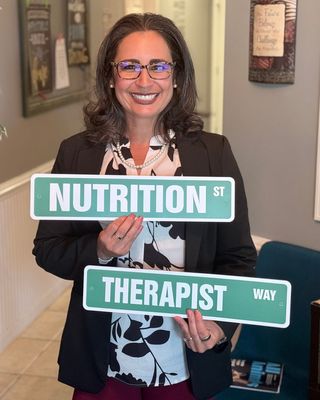
Hosted by Yvette Elizabeth McDonald
Clinical Social Work/Therapist, LCSW-QS, NTP, CMNCS
Group meets in Port Saint Lucie, FL 34952
A 5-step method that builds emotional intelligence and creates positive, long lasting effects for children. Easy to learn, and used by parents, educators, and care-givers, it supports kids through life's ups and downs in a way that builds confidence and helps them grow socially, emotionally, and intellectually. (Customizable: can be done in a group or private sessions)
June 13, Stuart, Fl and June 27th, Palm Beach Gardens, FL. Take a few hours to lighten the mood, go inward and tend gently to the need for relaxation, peace and release. Special populations-Therapists, Health Care workers, First Responders, Energy practitioners and the like... Check out my website for more info and to register.

Hosted by Ivana Ayala-Esslinger
Licensed Mental Health Counselor, Ed S, LMHC
Group meets in Stuart, FL 34994
June 13, Stuart, Fl and June 27th, Palm Beach Gardens, FL. Take a few hours to lighten the mood, go inward and tend gently to the need for relaxation, peace and release. Special populations-Therapists, Health Care workers, First Responders, Energy practitioners and the like... Check out my website for more info and to register.
This group is designed to support those working on addiction recovery and developing a positive life style. Supportive peers working together weekly to explore and create positive goals while holding each other accountable in a safe environment.
This group is designed to support those working on addiction recovery and developing a positive life style. Supportive peers working together weekly to explore and create positive goals while holding each other accountable in a safe environment.
In this workshop, we break down the most common communication patterns that quietly create distance and conflict in relationships. We focus on how these patterns interact with each partner’s personality, emotional style, and triggers, and how to shift them in a way that actually works in everyday life - not just in theory. We work to ensure the information provided is practical, interactive, and designed to bring clarity to what feels confusing or repetitive in the relationship. At the end we also have a Q&A to give attendees the opportunity to explore their relationship questions and receive direct insight.
Hosted by Florida Relationship Institute
Marriage & Family Therapist, LMFT
Group meets in Palm Beach Gardens, FL 33410
In this workshop, we break down the most common communication patterns that quietly create distance and conflict in relationships. We focus on how these patterns interact with each partner’s personality, emotional style, and triggers, and how to shift them in a way that actually works in everyday life - not just in theory. We work to ensure the information provided is practical, interactive, and designed to bring clarity to what feels confusing or repetitive in the relationship. At the end we also have a Q&A to give attendees the opportunity to explore their relationship questions and receive direct insight.
This group explores the conflicting emotions associated with being a caregiver. The goal is to provide a needed forum to process emotions honestly, vent every now and again and develop a supportive bond with other caregivers.

Hosted by Alexander J Kranz
Licensed Mental Health Counselor, JD, MS, LMHC
Group meets in Palm Beach Gardens, FL 33410
This group explores the conflicting emotions associated with being a caregiver. The goal is to provide a needed forum to process emotions honestly, vent every now and again and develop a supportive bond with other caregivers.
Boundary Workshop online to learn how to set limits and boost your confidence in everyday life!

Boundary Workshop online to learn how to set limits and boost your confidence in everyday life!
Our group meetings help to facilitate connection with fellow peers and to process general life issues in a small private 6-8 person setting. We keep the format open and free-form. All members are welcome and encouraged to share, but is not mandatory. Active listening is considered participation, however you will encouraged to share in the process.

Our group meetings help to facilitate connection with fellow peers and to process general life issues in a small private 6-8 person setting. We keep the format open and free-form. All members are welcome and encouraged to share, but is not mandatory. Active listening is considered participation, however you will encouraged to share in the process.
A free support group designed with your holistic wellness in mind! In order to nurture our children, we must not lose sight of the importance of nurturing ourselves as mothers. In the whirlwind of early motherhood, finding support and prioritizing your own wellness can feel like a challenge. Let us walk alongside you, offering a safe space where you can share, connect, and grow with other mothers who understand. The support group is facilitated by Dr. Ellen Chance, a dedicated maternal mental health therapist and a local mom of two. Visit our website or facebook page for more information and to sign-up!

Hosted by Dr. Ellen Chance
Licensed Mental Health Counselor, PhD, LMHC, PMH-C
Group meets in Stuart, FL 34997
A free support group designed with your holistic wellness in mind! In order to nurture our children, we must not lose sight of the importance of nurturing ourselves as mothers. In the whirlwind of early motherhood, finding support and prioritizing your own wellness can feel like a challenge. Let us walk alongside you, offering a safe space where you can share, connect, and grow with other mothers who understand. The support group is facilitated by Dr. Ellen Chance, a dedicated maternal mental health therapist and a local mom of two. Visit our website or facebook page for more information and to sign-up!
Illuminate helps parents of teenagers understand their children and family dynamics through DBT principles. Parents gain tools, support, and strategies to improve family relationships using DBT skills in areas of: Mindfulness, Distress Tolerance, Emotional Regulation, and Interpersonal Effectiveness. This group meets virtually, and open to parents residing in the state of Florida. Elizabeth Rubin, RCSWI leads this group.
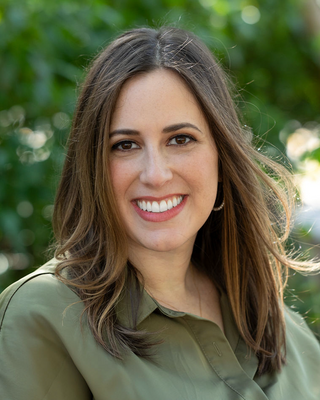
Hosted by Karen Moore
Clinical Social Work/Therapist, LCSW-QS, CEDS-C
Group meets in Stuart, FL 34994
Illuminate helps parents of teenagers understand their children and family dynamics through DBT principles. Parents gain tools, support, and strategies to improve family relationships using DBT skills in areas of: Mindfulness, Distress Tolerance, Emotional Regulation, and Interpersonal Effectiveness. This group meets virtually, and open to parents residing in the state of Florida. Elizabeth Rubin, RCSWI leads this group.
This group consist three phases. Phase 1- You will learn the Federal Laws and guidelines for child abuse. Phase 2- You will learn the different styles of discipline, what's effective and what's not effective and why. Phase 3- You will learn the 5 common senses for raising children and how to be consistent and fair while still providing love and affection to your children.

Hosted by Counseling for the Healing Mind
Clinical Social Work/Therapist, MSW, LCSW
Group meets in Stuart, FL 34994
This group consist three phases. Phase 1- You will learn the Federal Laws and guidelines for child abuse. Phase 2- You will learn the different styles of discipline, what's effective and what's not effective and why. Phase 3- You will learn the 5 common senses for raising children and how to be consistent and fair while still providing love and affection to your children.
Children's Friendship: Social Skills group for children 7-12 years old struggling with social interaction and friendship making/keeping. The group runs for approximately 14 weeks. (Tuesdays, 5:30-6:30PM) PEERS: Social Skills group for adolescents 13-18 years old struggling with social interaction and friendship making/keeping. The group runs for approximately 14 weeks. Parent group runs concurrently to this group. (Thursdays, 5:00-6:30PM)

Children's Friendship: Social Skills group for children 7-12 years old struggling with social interaction and friendship making/keeping. The group runs for approximately 14 weeks. (Tuesdays, 5:30-6:30PM) PEERS: Social Skills group for adolescents 13-18 years old struggling with social interaction and friendship making/keeping. The group runs for approximately 14 weeks. Parent group runs concurrently to this group. (Thursdays, 5:00-6:30PM)
A 6 week workshop that addresses the shock, pain and loss that accompanies divorce and focuses on ways to cope, gain support and resources and work on moving forward in a changing lifestyle. Small group size, maximum of 6 participants, allowing all who join a chance to gain the most out of the group experience.

Hosted by Maureen Jacqueline Condon Kelly
Clinical Social Work/Therapist, PhD, LCSW, PA
Group meets in Juno Beach, FL 33408
A 6 week workshop that addresses the shock, pain and loss that accompanies divorce and focuses on ways to cope, gain support and resources and work on moving forward in a changing lifestyle. Small group size, maximum of 6 participants, allowing all who join a chance to gain the most out of the group experience.
Radiate assists teens in developing a life worth living by helping teens develop insight and skillfulness with their emotions, behaviors, and relationships. The group covers all DBT modules of: Mindfulness, Distress Tolerance, Emotional Regulation, Interpersonal Effectiveness, and Walking the Middle Path. Open-enrollment occurs at the start of each new module. Alyssa Hickey, LCSW-QS and Elizabeth Rubin, RCSWI co-lead this group.
Hosted by Karen Moore
Clinical Social Work/Therapist, LCSW-QS, CEDS-C
Group meets in Stuart, FL 34994
Radiate assists teens in developing a life worth living by helping teens develop insight and skillfulness with their emotions, behaviors, and relationships. The group covers all DBT modules of: Mindfulness, Distress Tolerance, Emotional Regulation, Interpersonal Effectiveness, and Walking the Middle Path. Open-enrollment occurs at the start of each new module. Alyssa Hickey, LCSW-QS and Elizabeth Rubin, RCSWI co-lead this group.
This is a fee-based, structured therapy group for individuals struggling with social anxiety. Using evidence-based techniques from Cognitive Behavioral Therapy, participants will learn strategies to manage anxiety in social situations, challenge negative thought patterns, and build confidence in interpersonal interactions. The group will include a psychoeducation component to help participants better understand the nature of social anxiety and effective coping strategies. Additionally, members will have the opportunity to practice exposure exercises, improve communication skills, and gain encouragement from peers who share similar experiences.

Hosted by Jussara Silva
Registered Mental Health Counselor Intern, JD, MEd, NCC
Group meets in Palm Beach Gardens, FL 33410
This is a fee-based, structured therapy group for individuals struggling with social anxiety. Using evidence-based techniques from Cognitive Behavioral Therapy, participants will learn strategies to manage anxiety in social situations, challenge negative thought patterns, and build confidence in interpersonal interactions. The group will include a psychoeducation component to help participants better understand the nature of social anxiety and effective coping strategies. Additionally, members will have the opportunity to practice exposure exercises, improve communication skills, and gain encouragement from peers who share similar experiences.
Embodying Hope provides a compassionate space to build coping skills, integrate mindfulness for symptom relief, foster connection, and cultivate hope despite the challenges of chronic conditions. Through a blend of DBT strategies, Psychodrama techniques, Mindfulness practices, and Psychoeducation, members will learn tools to navigate both the physical and emotional aspects of chronic illness/pain while feeling supported by others who understand their journey. This group is led by Alyssa Hickey, LCSW-QS and Raquel Rojas, RMFTI.
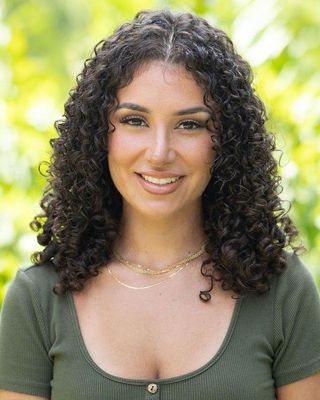
Hosted by Raquel Rojas
Registered Marriage & Family Therapist Intern
Group meets in Stuart, FL 34994
Embodying Hope provides a compassionate space to build coping skills, integrate mindfulness for symptom relief, foster connection, and cultivate hope despite the challenges of chronic conditions. Through a blend of DBT strategies, Psychodrama techniques, Mindfulness practices, and Psychoeducation, members will learn tools to navigate both the physical and emotional aspects of chronic illness/pain while feeling supported by others who understand their journey. This group is led by Alyssa Hickey, LCSW-QS and Raquel Rojas, RMFTI.
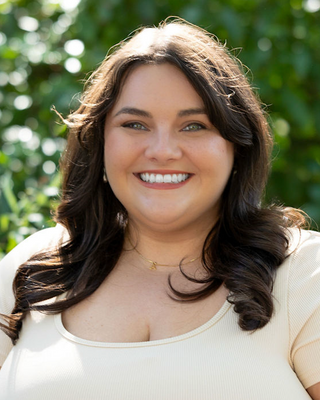
The Resilience Circle provides a safe and supportive space for adult women to share and cultivate resilience. This group uses art therapy and psychodrama to learn practical strategies to empower, develop coping skills, and connect with your inner resources. The group is 6 weeks long, and new group cycles begin every 3 months. Alyssa Hickey, LCSW-QS leads this group.
The Resilience Circle provides a safe and supportive space for adult women to share and cultivate resilience. This group uses art therapy and psychodrama to learn practical strategies to empower, develop coping skills, and connect with your inner resources. The group is 6 weeks long, and new group cycles begin every 3 months. Alyssa Hickey, LCSW-QS leads this group.
See more therapy options for Palm City


FAQs - About Group Therapy and Support Groups
How can I find a support group in Palm City?
To find a support group in your area, start by entering your city, zip code, or the name of the group into the search bar at the top of the page. When searching, consider whether you prefer an in-person or virtual group. This can help you decide how broad your geographic search should be. If you are open to virtual groups, you might want to search by state instead of just your city, especially if there are limited options nearby.
Once you complete your search, you can use the filters to narrow the results by selecting specialties (such as grief, trauma, or eating disorders), therapeutic approaches, age groups, and other criteria to find a group that best fits your needs.
How does group therapy work?
Group therapy is led by one or more trained therapists and provides a space where participants can process their experiences and learn from others facing similar challenges. Groups may focus on a specific issue—such as addiction, grief, physical illnesses, parenting, or caregiving—or they may center around a particular therapeutic approach, such as Cognitive Behavioral Therapy (CBT), social skill development, or Exposure Therapy. Some groups are also designed for specific populations, such as teens, veterans, or LGBTQ+ individuals.
It’s also important to distinguish group therapy from peer-led support groups, like Alcoholics Anonymous. While both can offer valuable support, therapy groups are typically led by licensed professionals and follow a more structured format. Therapy groups often meet for a fixed length of time with a consistent group of members, while many peer support groups meet for an indefinite period of time with members coming and going.
What are the benefits of group therapy?
Group therapy offers several important benefits. It brings together people facing similar challenges—whether related to mental health, physical health, or life transitions—and creates a supportive environment where participants can exchange feedback, share experiences, and learn from one another. Hearing different perspectives can help individuals discover new coping strategies and practical tools they may not have encountered on their own. Sharing personal experiences, such as coping with a serious illness or navigating family struggles, can also reduce feelings of isolation and foster a sense of connection and understanding. In addition to emotional support, group members often gain useful, real-world advice from peers who have faced similar situations.
Group therapy is typically more affordable than individual therapy and, for certain conditions, can be equally effective. Many groups also include structured activities—such as guided journaling, cognitive-behavioral exercises, or role-playing—to help participants develop concrete skills they can apply in daily life.
Is group therapy as effective as individual therapy?
It is difficult to make a blanket statement about the effectiveness of support groups, as they vary widely in focus and the conditions they address. However, support groups can be highly valuable in helping individuals gain emotional support and achieve meaningful treatment outcomes. For certain conditions, such as substance use, research has shown that group therapy can be particularly effective—sometimes just as effective as individual therapy—in supporting long-term recovery.
Many professionals attribute the effectiveness of group therapy to the unique benefits of the group setting, which fosters peer-to-peer learning and a sense of connection through shared experiences. Group settings also offer accountability and encouragement from both facilitators and fellow participants, which helps sustain motivation and supports continued progress. These factors together play a key role in promoting the overall effectiveness of group therapy.
How much does group therapy cost?
Group therapy is typically less expensive than individual therapy, with sessions typically costing between $50 and $75 each. In comparison, individual therapy can cost anywhere from $100 to $200 or more per session, even with insurance. Some therapists or organizations offer low-cost or free group therapy options, particularly through community centers or nonprofit organizations. In some cases, groups may require payment upfront for a set number of sessions, such as paying for six weekly sessions at the first meeting. However, many providers offer payment plans to help make participation more accessible if this upfront payment is required.
Does insurance cover group therapy?
As with individual therapy, insurance coverage for group therapy varies based on factors such as your specific insurance plan, the purpose of the group, your diagnosis, and whether the group provider is in-network. Many insurance plans cover group therapy sessions that address diagnosable mental health conditions, such as substance use disorders, anxiety, or depression.
However, groups that focus on topics not directly tied to a mental health diagnosis—such as parenting support or divorce recovery—are less likely to be covered. Because coverage can vary widely, it’s important to check with your insurance provider before joining a group to confirm whether the sessions will be covered and what out-of-pocket costs you may be responsible for.
How long does group therapy last?
The length of each group therapy session typically ranges from 45 minutes to two hours, depending on the therapy approach, the group’s goals, and how often the group meets. In some cases, group therapy is part of a larger treatment program, such as an Intensive Outpatient Program (IOP), where group sessions complement individual therapy and are scheduled as part of the program’s overall structure.
The duration of participation in a group also varies. Some groups are designed to be short-term, lasting anywhere from 6 to 24 weeks—for example, bereavement groups or skills-based groups like those using Dialectical Behavioral Therapy (DBT). Other groups may be longer-term, lasting a year or more, and some ongoing support groups meet indefinitely, allowing participants to stay as long as they find the group helpful.
What are the limitations of support groups?
Support groups offer many benefits, but they also have certain limitations. Unlike therapy groups, many support groups do not provide formal therapeutic treatment and are not led by licensed mental health professionals. For individuals seeking clinical treatment for specific mental health diagnoses—such as depression, eating disorders, or substance use—individual therapy or group therapy led by a licensed professional may offer more personalized and specialized care.
The effectiveness of a support group also depends heavily on the group’s participants and the overall group dynamic. When members engage respectfully and offer constructive support, the group can foster valuable peer-to-peer learning. However, if certain participants dominate discussions, provide inaccurate advice, or create conflict, it can disrupt the group’s sense of safety and reduce its effectiveness. Confidentiality can also be harder to maintain in support groups, particularly in open groups where participants can join or leave at any time. With new members regularly entering the group, it can be more difficult to build and sustain a consistent sense of trust and privacy.